Looking for a breakthrough solution in skin rejuvenation and scar revision? The ultrapulse laser is redefining what’s possible in 2026, setting a new standard in advanced skin treatments. As this technology rapidly evolves and gains popularity, more patients and professionals are turning to its proven results.
This comprehensive guide explores the benefits, uses, and safety of ultrapulse laser in 2026. You’ll discover why it’s trusted for dramatic results, learn about its latest clinical applications, and understand the protocols that keep patients safe.
We’ll share real-life outcomes, patient experiences, and a look ahead to the future of laser skin therapy. Get ready to make informed decisions with the most up-to-date knowledge on ultrapulse laser technology.
Understanding Ultrapulse Laser Technology in 2026
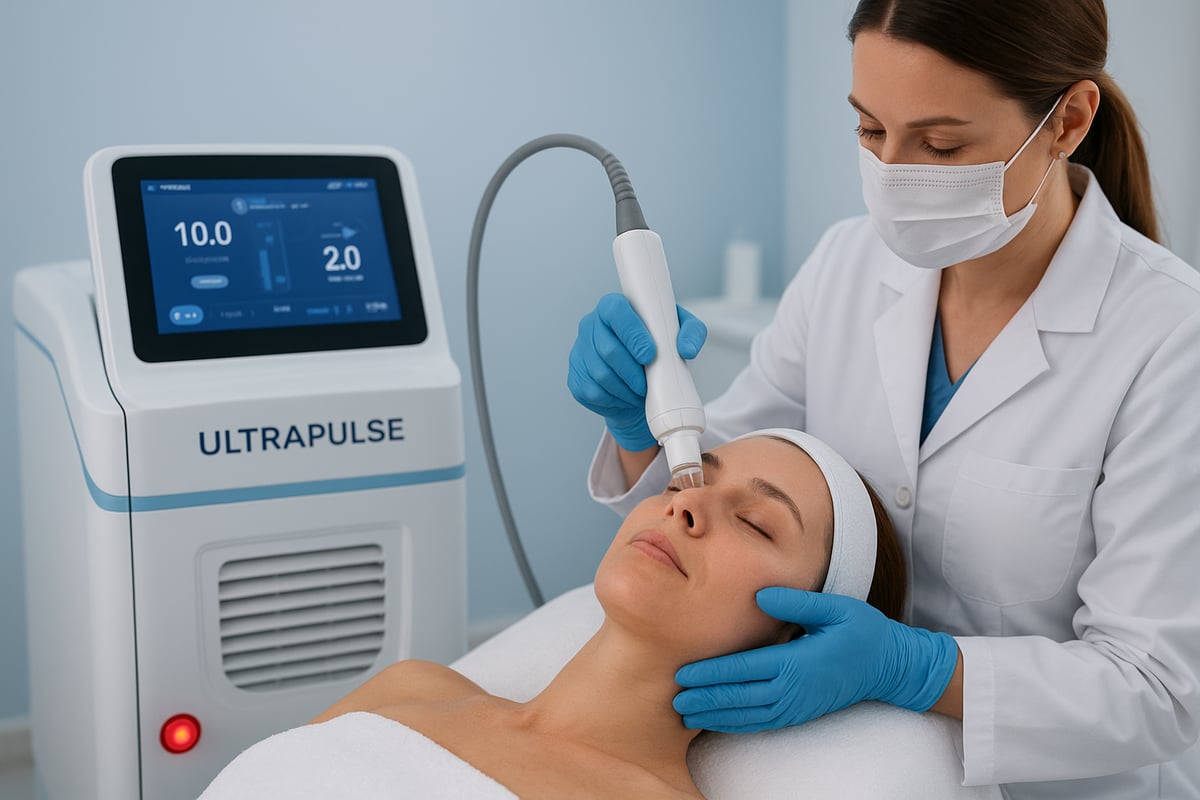
The ultrapulse laser represents a pinnacle in CO2-based fractional ablative skin treatments. At its core, this technology uses ultra-short pulses of focused light to target precise layers of skin, delivering controlled ablation while preserving surrounding tissue. By harnessing a unique pulse duration, the ultrapulse laser achieves dramatic results with less collateral damage, setting a new standard for both safety and efficacy.
In 2026, the ultrapulse laser has seen remarkable advancements. Modern devices now offer enhanced precision through digital depth control, allowing practitioners to tailor treatments for various skin concerns. Integrated cooling systems further improve comfort and safety, reducing the risk of overheating and minimizing patient discomfort. These improvements mean that the ultrapulse laser provides more predictable outcomes and supports a broader range of skin types and conditions.
Compared to other CO2 and non-ablative lasers, the ultrapulse laser stands out for its depth of penetration and superior ablation-to-coagulation ratio. This balance enables deeper remodeling of skin structures without excessive thermal injury, leading to faster healing and fewer complications. For those exploring options, the CO2 Laser Skin Resurfacing Guide offers valuable context on how ultrapulse technology improves upon traditional resurfacing methods.
Versatility is a hallmark of the ultrapulse laser. It operates in multiple modes, including DeepFX™, ActiveFX™, and SCAAR FX™, each designed for specific skin concerns. DeepFX™ targets deep wrinkles and scars, ActiveFX™ refines surface texture and tone, while SCAAR FX™ is optimized for challenging scar revisions. The CoolScan™ technology ensures even energy distribution, further reducing thermal damage and enhancing patient comfort throughout the procedure.
Clinical evidence strongly supports the efficacy of the ultrapulse laser. Numerous peer-reviewed studies and outcomes data show significant improvements in skin texture, tone, and scar appearance. One remarkable real-world example is the use of the ultrapulse laser in treating severe burn scars. Patients have experienced dramatic improvement with minimal downtime, a testament to the device's advanced engineering and clinical versatility.
Key Benefits of Ultrapulse Laser Treatments
The ultrapulse laser has revolutionized advanced skin care by delivering superior results in resurfacing, scar revision, and overall skin rejuvenation. Patients and practitioners alike are drawn to its unique combination of power, precision, and patient comfort.
Transformative Skin Resurfacing Results
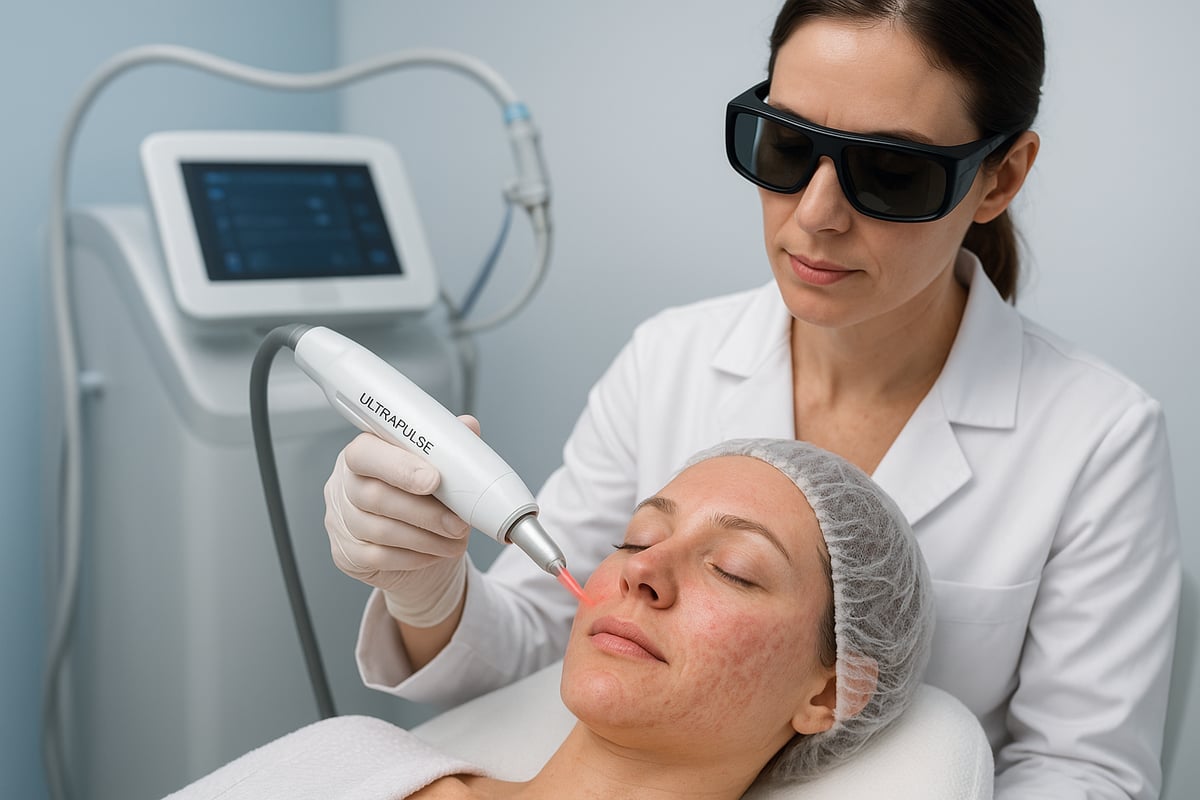
The ultrapulse laser delivers dramatic improvements in skin texture, tone, and overall appearance. Its advanced CO2-based fractional technology targets both superficial and deeper layers, minimizing wrinkles, fine lines, and age spots.
Patients notice smoother skin, tighter pores, and a more youthful glow after just one session. Compared to older technologies, the ultrapulse laser achieves these results with greater consistency and control.
Advanced Scar Revision Capabilities
One of the most celebrated uses of the ultrapulse laser is in scar revision. The device’s SCAAR FX™ mode allows for precise, deep treatment of hypertrophic, surgical, and burn scars. Clinical data consistently demonstrates high efficacy in reducing the thickness, redness, and discomfort of challenging scars.
A recent meta-analysis on the ultrapulse CO₂ laser for facial scars highlights significant improvements in scar appearance with minimal adverse effects, supporting its reputation as a top choice for complex scar management.
Versatility for Multiple Skin Concerns
Beyond scars and wrinkles, the ultrapulse laser is remarkably versatile. It is commonly used to treat acne scars, syringomas, warts, rhinophyma, and even stretch marks. Its customizable modes, including DeepFX™ and ActiveFX™, enable practitioners to address a range of skin conditions with tailored protocols.
This adaptability makes the ultrapulse laser suitable for patients with diverse needs and skin types.
Minimal Downtime and Enhanced Comfort
One of the leading advantages of the ultrapulse laser is its minimal downtime. Fractional technology creates micro-ablative columns, allowing healthy skin to speed up recovery. Most patients experience only a few days of redness and swelling, significantly less than with traditional CO2 lasers.
Integrated cooling systems and ultra-short pulse durations further enhance comfort, making the procedure more tolerable even for sensitive individuals.
Table: Ultrapulse Laser vs. Traditional CO2 Lasers
| Feature | Ultrapulse Laser | Traditional CO2 Laser |
|---|---|---|
| Downtime | 3–7 days | 10–14 days |
| Comfort | Advanced cooling, less pain | More discomfort |
| Depth Control | Highly customizable | Limited |
| Risk of Pigment Changes | Lower | Higher |
Long-Lasting Outcomes and Patient Satisfaction
Clinical studies confirm that results from ultrapulse laser treatments are not only impressive but also durable. Improvements in skin texture, scar appearance, and pigmentation can last 12 months or longer with proper care.
Patient satisfaction rates are exceptionally high. In multiple surveys, over 90% of ultrapulse laser patients report being satisfied or very satisfied with their outcomes.
Real Patient Success Stories
The ultrapulse laser has helped countless individuals regain confidence. The Berns Triplets, who suffered severe burn scars, experienced remarkable recovery and improved quality of life after a series of ultrapulse laser sessions. Similarly, Emily Mitchell’s journey with burn scar revision demonstrates the device’s ability to restore both appearance and self-esteem.
These real-life stories underscore the profound impact ultrapulse laser technology can have on patients seeking transformative results.
Why Choose the Ultrapulse Laser?
With its proven track record, the ultrapulse laser stands out for its ability to deliver life-changing improvements with minimal risk and downtime. Its versatility, safety profile, and long-term benefits make it the gold standard for those seeking advanced skin and scar treatments.
Clinical Uses and Indications in 2026
The ultrapulse laser has transformed dermatologic and aesthetic medicine, offering new possibilities for a broad range of clinical indications in 2026. Its versatility, precision, and safety profile make it a preferred choice for both practitioners and patients seeking advanced skin therapies.
Skin Resurfacing
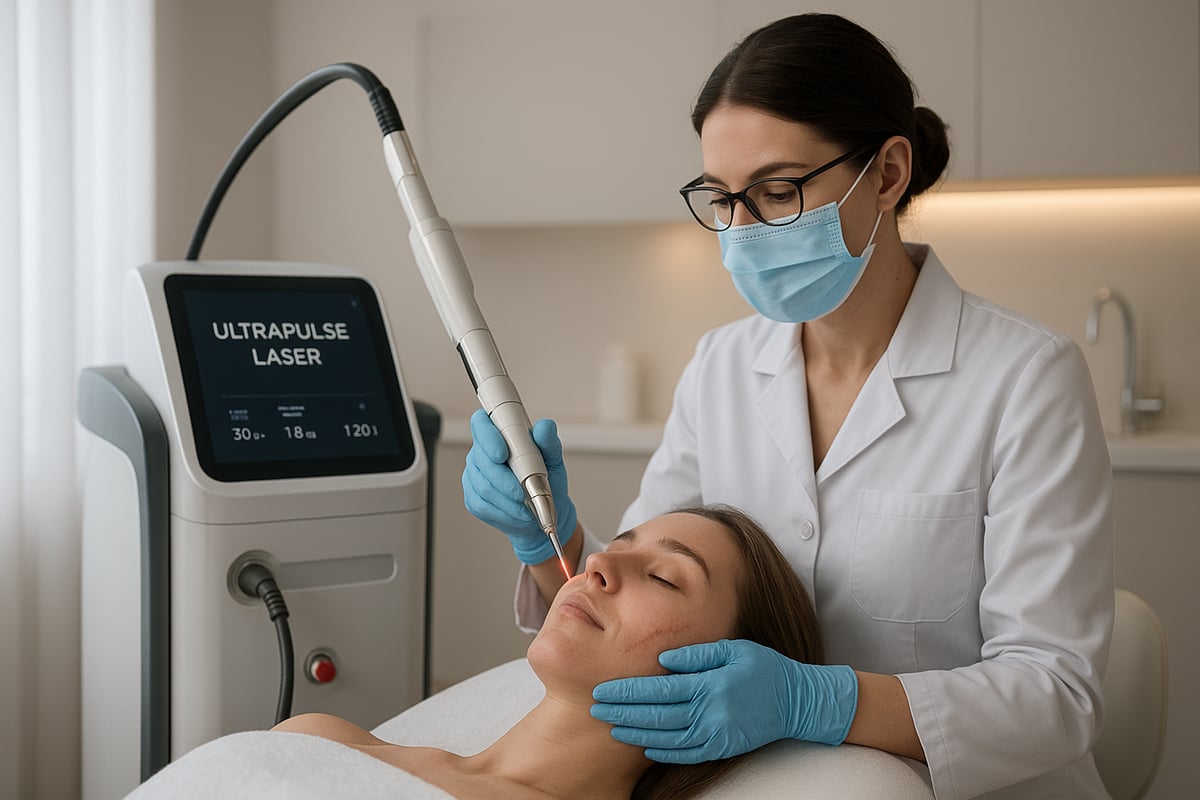
One of the most popular applications of the ultrapulse laser is skin resurfacing. This procedure targets fine lines, wrinkles, and uneven skin tone. By delivering controlled columns of energy, the ultrapulse laser stimulates collagen production and promotes smoother, more youthful skin. Patients benefit from improved texture and brightness, often seeing significant results after just one session.
Scar Revision
Scar revision remains a cornerstone indication for the ultrapulse laser. The device’s specialized SCAAR FX mode allows for deep penetration, making it highly effective for burn scars, surgical scars, and hypertrophic scars. It can be used on delicate areas, including the face and hands, with minimal risk of adverse effects. For those with darker skin tones, the ultrapulse laser offers a safe and effective solution for challenging scars, as detailed in this resource on Laser Scar Removal for All Skin Types.
Treatment of Benign Lesions
The ultrapulse laser is also indicated for the removal of benign skin lesions, such as syringomas, warts, and sebaceous hyperplasia. Its precision allows targeted ablation of abnormal tissue while preserving surrounding healthy skin. This leads to faster healing and a lower risk of pigmentation changes compared to older laser systems.
Blepharoplasty and Periocular Resurfacing
Laser-assisted blepharoplasty is another advanced use of the ultrapulse laser. Surgeons utilize its controlled ablation to perform eyelid lifts with less bleeding and swelling. Periocular resurfacing addresses fine lines and laxity around the eyes, offering patients a rejuvenated appearance with minimal downtime.
Fractional Ablative Resurfacing
Fractional ablative resurfacing with the ultrapulse laser delivers dramatic improvements in a single session. By targeting micro-zones of skin, it accelerates the healing process and reduces overall recovery time. Patients appreciate the balance between effective results and a shorter post-procedure period, making this a popular choice for those with busy lifestyles.
Rhinophyma Management
The ultrapulse laser provides precise sculpting for rhinophyma, a severe manifestation of rosacea affecting the nose. Its ability to remove thickened tissue with control and accuracy allows for natural-looking outcomes. This technique has become the gold standard for restoring normal nasal contours and function.
Stretch Mark and Striae Treatment
Stretch marks and striae, long considered difficult to treat, are now managed more effectively using the ultrapulse laser. Customized protocols target the affected areas, stimulating new collagen and reducing the appearance of stretch marks. Recent protocols have shown promising results, with improved texture and color match to surrounding skin.
Table: Clinical Indications and Ultrapulse Laser Modes
| Indication | Ultrapulse Laser Mode | Expected Outcome |
|---|---|---|
| Skin Resurfacing | ActiveFX, DeepFX | Smoother, radiant skin |
| Scar Revision | SCAAR FX | Flatter, less visible scars |
| Benign Lesions | ActiveFX | Lesion clearance, fast healing |
| Blepharoplasty | ActiveFX | Tighter eyelids, less swelling |
| Rhinophyma | SCAAR FX | Refined nasal contour |
| Stretch Marks | DeepFX, SCAAR FX | Reduced marks, improved tone |
Example: Clinical Workflow for Ultrapulse Laser Treatment
A typical session begins with a thorough consultation and digital imaging to assess the area for treatment. The clinician selects the appropriate ultrapulse laser mode and customizes settings based on the patient’s skin type and indication.
After numbing the skin, the laser energy is delivered in precise passes. Most patients report only mild discomfort, thanks to integrated cooling technology. The procedure is completed within 30 to 90 minutes, depending on the treatment area.
Post-procedure, patients receive detailed aftercare instructions to promote healing and minimize complications. Most experience only mild redness and swelling, with visible improvements becoming apparent within days to weeks.
The ultrapulse laser continues to set new standards in clinical outcomes, offering hope and renewed confidence for those seeking advanced skin rejuvenation and scar revision in 2026.
Safety, Risks, and Best Practices in 2026
Staying safe is a top priority with any advanced skin treatment. The ultrapulse laser sets a new benchmark for safety in 2026, blending cutting-edge engineering with stringent protocols. Patients and practitioners alike benefit from innovative systems that help ensure comfort, minimize risks, and promote optimal outcomes.
Safety Advancements in Ultrapulse Laser Technology
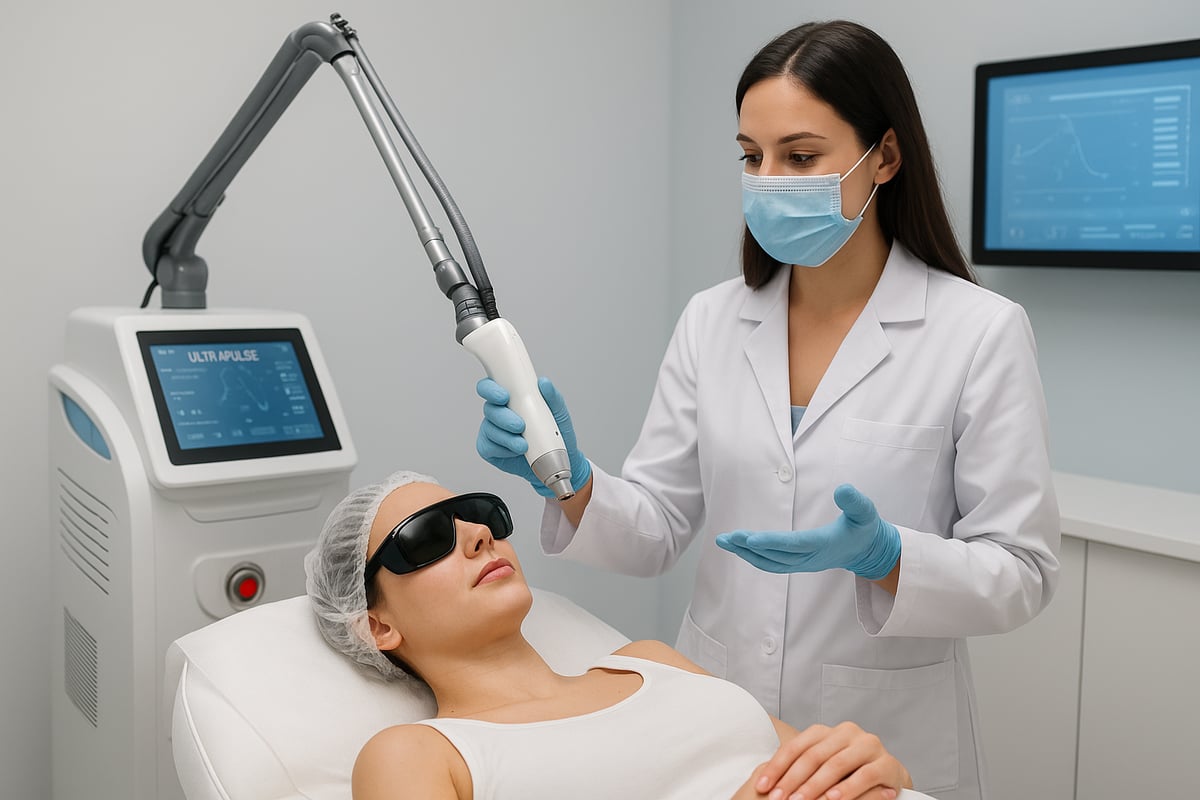
The ultrapulse laser now features advanced real-time monitoring, integrated cooling, and precise depth control. These enhancements help protect skin from excessive heat and reduce the risk of unintended tissue damage. Devices utilize sophisticated sensors that track temperature and energy delivery, automatically adjusting settings for each patient. Compliance with recognized standards, such as those outlined in the OSHA laser safety standards, adds an extra layer of protection for both patients and practitioners. As a result, the ultrapulse laser is considered one of the safest options in modern dermatology.
Common Side Effects and What to Expect
With the ultrapulse laser, most patients experience mild, predictable side effects. These typically include redness, swelling, and a sensation similar to a sunburn in the hours following treatment. Discomfort is often short-lived, resolving within a few days. Thanks to fractional technology and cooling systems, the frequency and severity of adverse effects are much lower than with traditional CO2 lasers. Rarely, more serious issues like persistent pigment changes or infection can occur, but these are minimized with proper technique and care.
Risk Mitigation: How Ultrapulse Laser Minimizes Complications
Risk management has evolved significantly with the latest ultrapulse laser models. By targeting only micro-zones of skin, the technology preserves surrounding healthy tissue, which speeds up healing and lowers the chance of scarring. Cooling devices, refined pulse durations, and digital imaging help tailor each session to the patient’s skin type and treatment area. Practitioners follow strict protocols for calibration and maintenance, further reducing errors. Compared to older systems, the ultrapulse laser shows a marked drop in complications related to burns, prolonged redness, or unwanted texture changes.
The Role of Practitioner Expertise
Successful outcomes with the ultrapulse laser depend on the skills and training of the provider. Leading clinics require practitioners to complete specialized certification and ongoing education. This ensures familiarity with device settings, patient selection, and emergency procedures. An experienced provider can adjust parameters based on real-time feedback, making on-the-spot decisions that enhance both safety and results. Patients are encouraged to verify credentials and choose clinics with a strong reputation for laser safety.
Post-Treatment Care and Patient Education
After an ultrapulse laser session, following a detailed aftercare plan is vital. Steps include gentle cleansing, avoiding sun exposure, and applying prescribed ointments to aid healing. Most clinics offer written instructions and access to support for questions during recovery. Informed consent is part of every treatment, with patients receiving clear explanations of benefits, risks, and expected outcomes. Studies show that complication rates with the ultrapulse laser are significantly lower than earlier devices, with most side effects resolving quickly and without long-term impact.
The Ultrapulse Laser Treatment Experience: What to Expect
Stepping into a clinic for an ultrapulse laser session can feel both exciting and daunting. Knowing what to expect brings confidence and ensures the best outcome. The ultrapulse laser treatment process in 2026 is designed for effectiveness, comfort, and minimal downtime, making it a leading choice for skin rejuvenation and scar revision.
Consultation and Preparation
Your ultrapulse laser journey begins with an in-depth consultation. The practitioner assesses your skin type, medical history, and goals. Digital imaging captures baseline photos and helps map out a personalized treatment plan.
Before the session, you will receive instructions such as stopping certain medications and avoiding sun exposure. Some clinics offer a topical numbing cream to maximize comfort during the procedure. For those curious about how ultrapulse laser compares to other resurfacing options, the Laser Resurfacing Treatment Overview provides helpful context.
The Procedure: What Happens During a Session
On treatment day, the clinical team ensures patient comfort is prioritized. After cleansing your skin, a strong topical anesthetic is applied. For extensive procedures, local anesthesia might be used.
The ultrapulse laser device is calibrated to your skin’s needs. The provider uses digital imaging and precise settings to target problem areas, utilizing modes like DeepFX or ActiveFX. CoolScan technology helps maintain skin temperature and reduce discomfort.
As the ultrapulse laser creates micro-columns in the skin, you may feel warmth or a mild tingling. The session typically lasts 30 to 60 minutes, depending on the area. For those interested in the technical aspects, the Ultrapulse laser operator manual details device safety and operation.
Recovery Timeline: Day-by-Day Expectations
Recovery with ultrapulse laser is significantly faster than with traditional CO2 lasers. Immediately after, expect mild redness and swelling, similar to a sunburn sensation. Most patients can resume light activities within 24 to 48 hours.
A typical recovery timeline looks like this:
| Day | What to Expect | Care Tips |
|---|---|---|
| 1-2 | Redness, swelling, oozing | Gentle cleansing, ointment, SPF |
| 3-5 | Peeling, reduced swelling | Moisturizer, avoid makeup |
| 6-7 | Pink skin, healing continues | Resume most routines |
| 8+ | Improved tone, minimal pink | Continue sun protection |
The ultrapulse laser’s fractional approach means most people return to normal activities within a week, with dramatic improvements visible as healing progresses.
Patient Experiences and Tips for Best Results
Patients consistently report high satisfaction with ultrapulse laser treatments. Many highlight smoother skin, reduced scars, and renewed confidence. As one patient shared, “My burn scars faded faster than I imagined, and downtime was minimal.”
To maximize results, follow aftercare instructions closely, including avoiding sun exposure and using prescribed ointments. Stay hydrated and maintain a gentle skincare routine. The ultrapulse laser’s precision and comfort measures make the process easier for most individuals.
Cost Considerations and Insurance Trends
Ultrapulse laser treatments are an investment in your skin’s future. Costs vary based on the area treated and the number of sessions required. In 2026, more insurance providers are recognizing the medical necessity of scar revision, though cosmetic applications typically remain out-of-pocket.
Discuss all costs and coverage options during your consultation to avoid surprises. Many clinics offer payment plans to make ultrapulse laser accessible.
Innovations and the Future of Ultrapulse Laser Treatments
The next chapter in skin therapy is rapidly unfolding, and the ultrapulse laser is at the forefront of this transformation. In 2026, clinics are witnessing a surge in breakthroughs that promise to make treatments safer, more tailored, and remarkably efficient. These innovations are not just incremental updates, but significant leaps forward in patient care.
Technological Breakthroughs in Ultrapulse Laser Treatments
AI-driven advancements are redefining how practitioners use the ultrapulse laser. In 2026, integrated artificial intelligence assists with real-time mapping of skin topography, allowing for pinpoint accuracy and dynamic adjustment of energy delivery. Robotic-assist systems are being introduced, ensuring uniform treatment passes and reducing human error.
Next-generation cooling technology now accompanies every ultrapulse laser session, making procedures more comfortable and further minimizing thermal damage. Digital imaging and machine learning combine to create precise, individualized treatment plans. These features are raising the standard for both safety and efficacy.
Expanding Clinical Indications and Personalized Protocols
The versatility of the ultrapulse laser continues to expand. New clinical protocols are emerging for conditions previously considered challenging, such as deep stretch marks, stubborn pigmentation disorders, and even early-stage hair restoration therapies. Personalized medicine is quickly becoming the norm.
By leveraging genetic and skin profiling, practitioners can now customize ultrapulse laser parameters to match each patient’s unique biology. This approach maximizes results and minimizes risk, especially for diverse skin tones and complex histories. Ongoing clinical trials are exploring even broader applications, hinting at a future where ultrapulse laser treatments are tailored to each patient at a molecular level.
Looking Ahead: Research, Regulation, and Expert Insights
As the ultrapulse laser evolves, regulatory standards also advance. Ongoing studies are driving updates to safety protocols and device certifications. For those interested in the regulatory landscape, the FDA laser product compliance guide is a valuable resource outlining requirements for the latest devices.
Experts predict that, in the coming years, ultrapulse laser technology will become even more accessible and reliable. With AI, robotics, and personalized medicine shaping the field, patients can expect safer, faster, and more effective outcomes. The future of skin rejuvenation is bright, and the ultrapulse laser is leading the way.