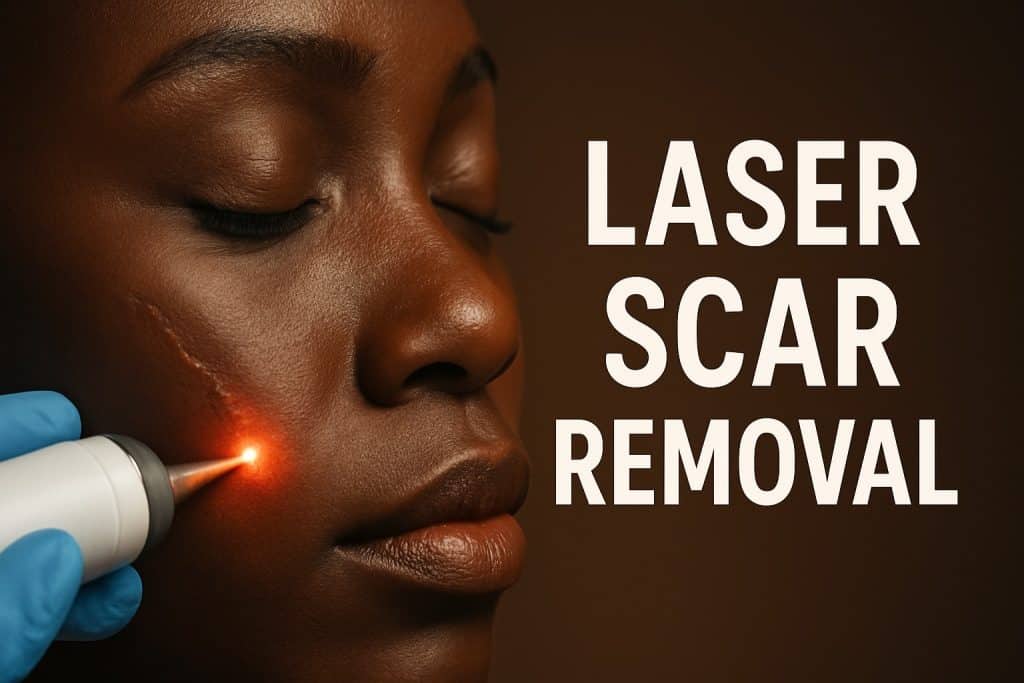
For many, visible scars on dark skin can feel like a persistent challenge, affecting not only appearance but confidence too. As the search for effective solutions grows, so does the need for safe, proven answers.
This guide reveals the latest expert insights and breakthroughs in laser scar removal dark skin, giving you a reliable path to clearer, even-toned skin in 2026. You will discover how different scars form, which technologies are safest, and why personalized care matters most.
Ready to minimize risks and see real results? Use this comprehensive resource to make informed decisions and take the next step toward radiant skin.
Understanding Scars on Dark Skin: Types, Triggers, and Unique Concerns
Scarring is a universal skin concern, but the journey to clear skin looks different for people with richly pigmented complexions. When considering laser scar removal dark skin, it is crucial to understand how scars develop and why certain types are more prevalent in darker skin tones.
Common Scar Types in Dark Skin
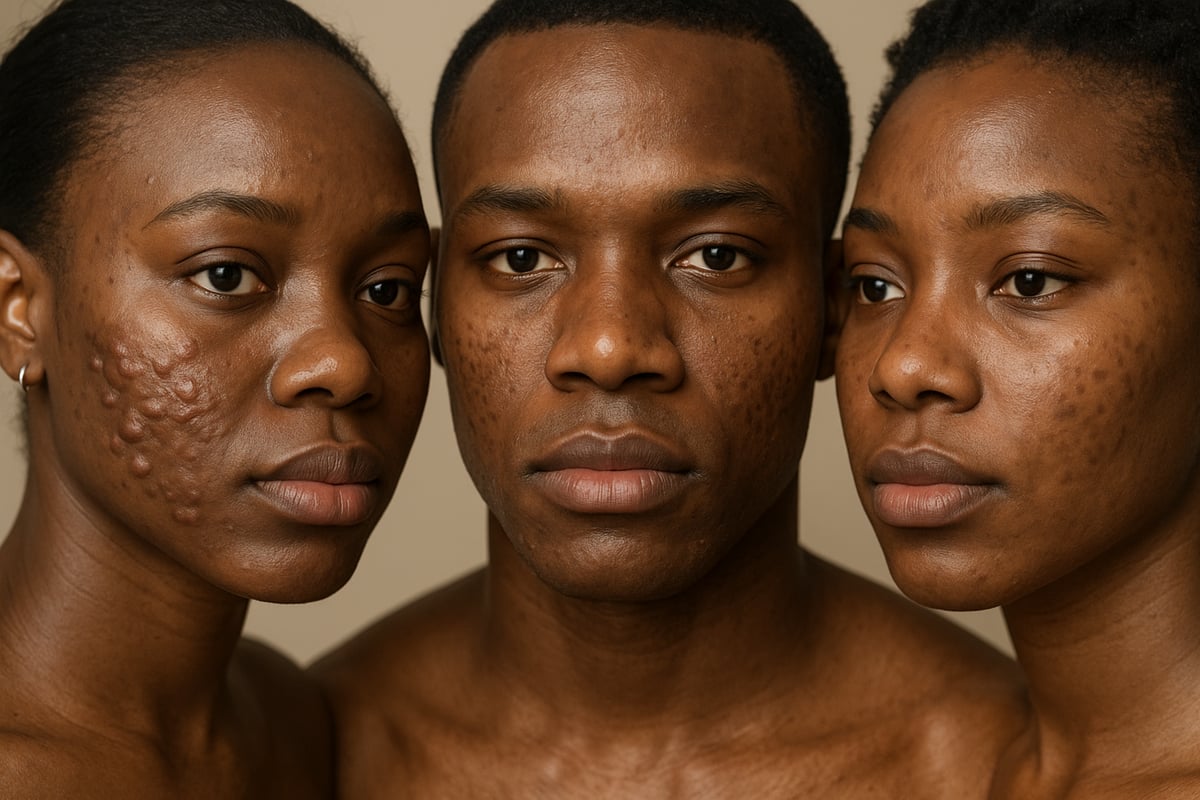
People seeking laser scar removal dark skin solutions often face three main scar types:
- Atrophic scars: These include ice pick, boxcar, and rolling scars, usually resulting from acne or injury. They appear as depressions in the skin.
- Hypertrophic scars: Raised, firm scars that stay within the boundary of the original wound.
- Keloid scars: Thick, irregular, and raised scars that extend beyond the original injury site. Keloids are significantly more common in people with dark skin.
These scar types not only differ in appearance but also in how they respond to treatment, making the right diagnosis essential before starting any procedure.
Why Dark Skin Is More Prone to PIH and Keloids
Individuals with higher melanin content in their skin face an increased risk of post-inflammatory hyperpigmentation (PIH) and keloid scarring. Every injury, from a minor scratch to severe acne, can trigger excess melanin production, resulting in dark patches that linger long after the wound has healed.
Keloids, in particular, are 15 to 20 times more likely to occur in Fitzpatrick skin types IV, V, and VI. This heightened risk is due to genetic factors influencing collagen production and the skin’s unique inflammatory response.
The Role of Melanin in Healing and Scar Visibility
Melanin, the pigment responsible for darker skin tones, offers some protection against sun damage but complicates wound healing. When skin with high melanin content is injured, the healing process can stimulate uneven pigment distribution.
This means scars may appear darker, more pronounced, or even spread beyond the initial wound. For those exploring laser scar removal dark skin, understanding these challenges is vital for setting realistic treatment goals.
Psychological and Social Impact of Scarring
Visible scars can affect self-esteem and social confidence, particularly among people of color. Studies show that individuals with highly pigmented skin often report greater emotional distress related to scarring due to cultural and societal beauty standards.
A survey of patients with Fitzpatrick types IV-VI found that 60% felt their scars negatively impacted their quality of life, leading to anxiety or avoidance of social situations.
Scar Incidence Data in Dark Skin
| Scar Type | Fitzpatrick I-III | Fitzpatrick IV-VI |
|---|---|---|
| Keloids | 1% | 10-16% |
| Hypertrophic | 3% | 8% |
| PIH after acne | 25% | 65% |
These statistics highlight why laser scar removal dark skin requires a specialized approach and careful risk assessment.
Real-Life Examples and Healing Differences
Consider two patients: one with light skin and one with dark skin, both with acne scars. The light-skinned individual may see redness fade quickly after treatment, while the person with dark skin could develop lingering dark spots or raised scars. This difference underscores the need for tailored care.
Why Traditional Scar Treatments May Be Less Effective
Many standard scar treatments, such as aggressive lasers or deep peels, carry higher risks for people with dark skin. Improper settings can worsen discoloration or cause burns. Experts agree that only practitioners with proven experience in laser scar removal dark skin should guide treatment choices.
For a comprehensive overview of safe, tailored laser therapies for all scar types, see the Laser therapy for scars overview.
The Importance of Specialized Assessment
Before any treatment, a thorough assessment is essential. This includes evaluating scar type, understanding the patient’s skin history, and considering the Fitzpatrick scale rating. Personalized plans ensure safer, more predictable outcomes for laser scar removal dark skin.
In summary, scarring in dark skin presents unique challenges that demand expert evaluation, advanced technology, and a deep understanding of melanin’s role in healing. Choosing a specialized provider is the first step toward restoring smooth, even-toned skin.
Is Laser Scar Removal Safe for Dark Skin? Risks, Myths, and Science
Understanding the safety of laser scar removal dark skin begins with the way lasers interact with melanin. Melanin, the pigment responsible for deeper skin tones, absorbs light energy differently than lighter skin. When a laser is used for scar treatment, the energy can be absorbed by both the scar tissue and the surrounding melanin. If not carefully controlled, this can lead to unwanted pigmentation changes or skin injury. This unique interaction is why laser scar removal dark skin requires a tailored, cautious approach.
For people with darker complexions, the most common risks of laser scar removal dark skin include post-inflammatory hyperpigmentation (PIH), hypopigmentation, burns, and even worsening of scars. PIH refers to darkening of the skin after inflammation or injury, which can happen if too much heat is delivered to melanin-rich areas. Hypopigmentation, or light spots, may also occur if the laser damages pigment cells. In rare cases, improper technique or outdated technology can cause burns or make scars more pronounced. These risks highlight why choosing the right technology and practitioner is essential.
There are persistent myths surrounding laser scar removal dark skin. Some believe that all lasers are unsafe for darker skin, leading to a blanket avoidance of these procedures. Others mistakenly think that any modern laser is automatically safe. The truth is more nuanced. While older lasers often caused more complications, newer devices—especially fractional and non-ablative lasers—have been shown to significantly reduce risks when personalized protocols are followed. Recent reviews, such as the Nonablative Fractional Laser Resurfacing in Skin of Color: Evidence-based Review, confirm that with proper settings, visible improvements are achievable and adverse effects are much less common.
The Fitzpatrick skin type scale is crucial for safe laser scar removal dark skin. This system classifies skin from type I (very fair) to type VI (deeply pigmented). For types IV to VI, specific lasers and parameters must be chosen to minimize risks. Only practitioners with extensive experience in treating darker skin should perform these procedures. Data shows that the incidence of complications drops sharply when advanced equipment and individualized settings are used, compared to outdated methods or inexperienced providers.
Real-world examples further illustrate the importance of expertise in laser scar removal dark skin. Poor outcomes, such as patchy pigmentation or worsened scars, frequently result from using incorrect laser types or overly aggressive settings. In contrast, successful case studies demonstrate that starting with test spots, using conservative energy levels, and following strict pre- and post-care protocols lead to safe, impressive results. Best practices include thorough consultation, gradual treatment plans, and ongoing monitoring for any signs of pigment changes or irritation.
In summary, laser scar removal dark skin can be safe and effective when guided by science, advanced technology, and skilled providers. Understanding your skin type, being aware of potential risks, and insisting on a personalized treatment plan are the keys to achieving clearer, healthier-looking skin.
Advances in Laser Technology for Dark Skin: What’s New in 2026
In 2026, laser scar removal dark skin patients have access to safer, more effective solutions than ever before. New laser platforms and smarter technologies are transforming outcomes for people with deeper skin tones. Innovations now allow for visible scar improvement with less risk of pigment issues, making expert-guided treatments more accessible and reliable. Understanding these advances helps you make informed choices for radiant, even-toned skin.
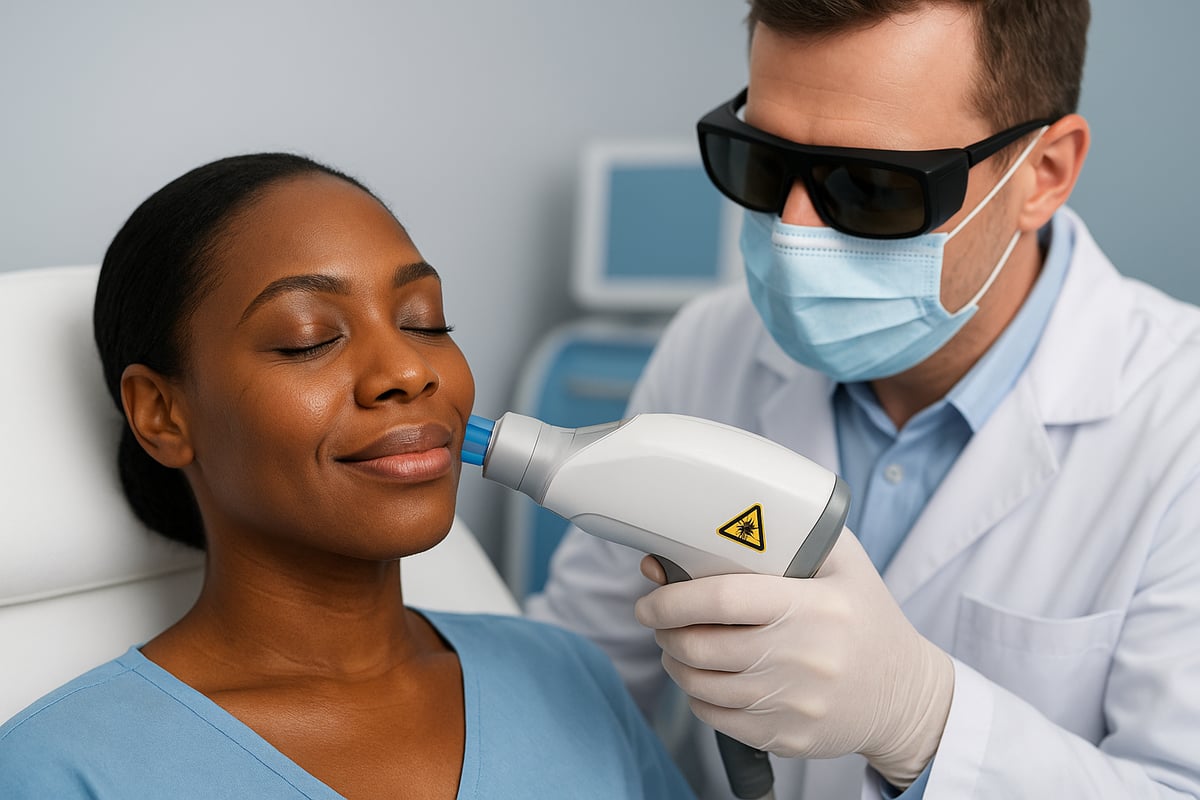
Fractional and Non-Ablative Lasers: Game Changers
Traditional lasers posed risks for laser scar removal dark skin patients, but fractional and non-ablative lasers are changing the landscape. Fractional lasers, like Er:YAG and fractional CO2, deliver energy in a grid pattern, treating microscopic zones while leaving surrounding skin intact. This approach speeds healing and reduces the risk of post-inflammatory hyperpigmentation, a common concern for dark skin.
Non-ablative lasers, particularly the 1064 nm Nd:YAG, penetrate deeper layers without vaporizing the surface, minimizing downtime and pigment changes. Devices such as the picosecond laser also offer precise targeting with less heat, making them safer for melanin-rich skin. Recent clinical studies, including a retrospective analysis of non-ablative scar treatment in dark skin types using the sub-millisecond Nd:YAG 1,064 nm laser, show significant scar improvement with low complication rates in Fitzpatrick types III-VI.
Typical results include smoother, flatter scars and more even skin tone after a series of sessions. Before-and-after images highlight reduced visibility of atrophic and hypertrophic scars. When performed by skilled practitioners, these technologies deliver impressive outcomes for laser scar removal dark skin candidates.
Emerging Technologies and Combination Treatments
The landscape of laser scar removal dark skin treatments is rapidly evolving, thanks to advances like AI-guided calibration and real-time melanin monitoring. These innovations enable practitioners to personalize laser energy and pulse duration for each individual's unique skin profile, further reducing the risk of burns or pigment shifts.
Smart cooling systems now protect the epidermis during treatment, making sessions more comfortable and safer for dark skin. Combining lasers with adjunctive therapies, such as microneedling, platelet-rich plasma (PRP), and pigment-regulating topicals, enhances scar remodeling while minimizing side effects. Studies in 2026 show that combination protocols can improve efficacy by up to 40 percent compared to laser alone, with a lower incidence of post-inflammatory hyperpigmentation.
Practitioners now select specific combinations based on scar type, skin sensitivity, and patient goals. For example, pairing fractional lasers with PRP accelerates healing, while microneedling plus pigment-stabilizing creams is ideal for those at higher risk of discoloration. The future of laser scar removal dark skin treatments lies in this customized, multi-modal approach.
Choosing the Right Clinic and Practitioner
Selecting the right provider is crucial for safe and effective laser scar removal dark skin results. Look for clinics with board-certified dermatologists or plastic surgeons who have extensive experience treating dark skin. Advanced equipment, including devices with adjustable wavelengths and cooling technology, is essential.
A personalized approach should include a thorough consultation, Fitzpatrick skin typing, and test spots or patch testing before full treatment. Beware of clinics offering generic packages or non-medical providers, as these may increase the risk of complications.
Checklist for Choosing a Clinic:
- Verify credentials and board certification.
- Ask about experience with laser scar removal dark skin.
- Ensure the use of modern, adaptable laser devices.
- Request test spot protocols and review before-and-after photos.
- Discuss aftercare and emergency response plans.
Patient testimonials often highlight the difference expert care makes. Choosing a reputable clinic and a skilled practitioner ensures the best possible outcomes, with minimized risks and long-lasting improvements for laser scar removal dark skin.
Step-by-Step Guide: The Laser Scar Removal Journey for Dark Skin
Embarking on the laser scar removal dark skin journey requires careful planning and expert guidance. Each phase is designed to maximize safety, minimize complications, and deliver the most even-toned results possible. Let’s walk through the four essential steps you can expect during this process.
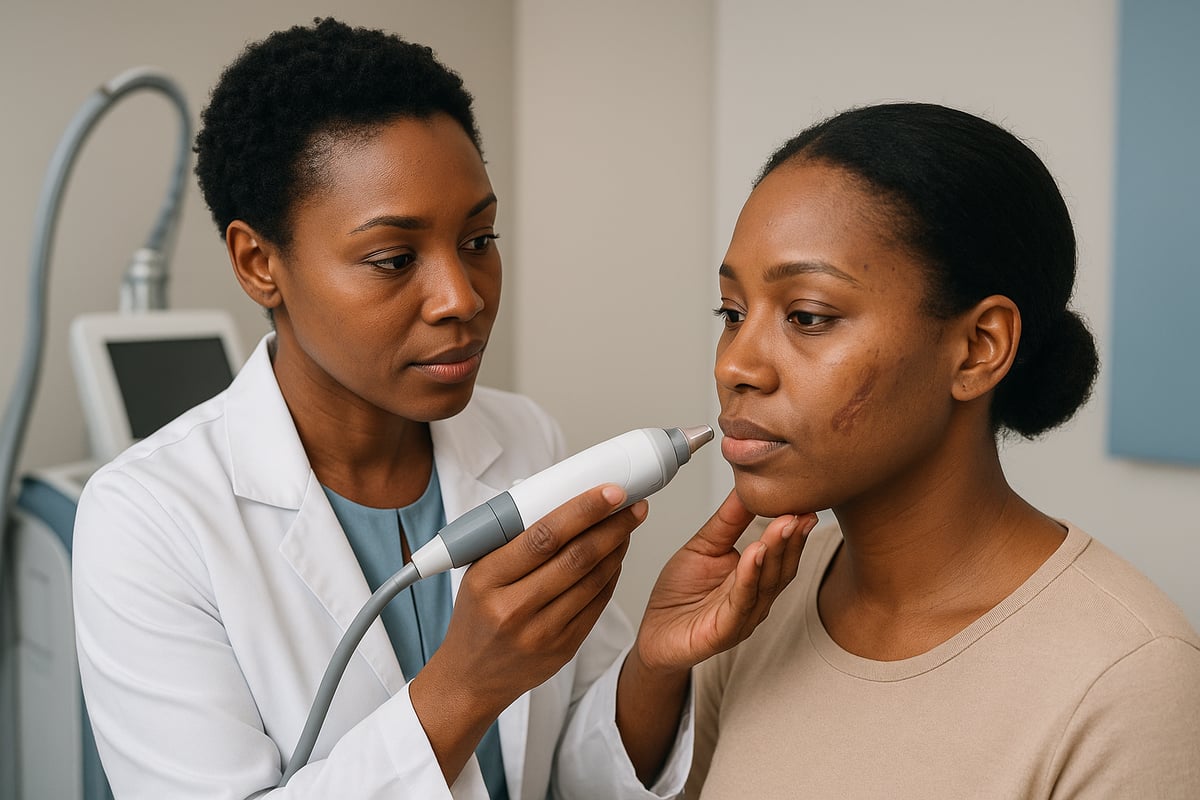
Step 1: Personalized Assessment and Skin Preparation
Your laser scar removal dark skin journey begins with a thorough assessment. A qualified dermatologist will review your medical history, evaluate the type and depth of your scars, and determine your Fitzpatrick skin type. This helps identify any factors that could influence healing or risk.
Preparation is crucial, especially for laser scar removal dark skin. Here’s what you can expect:
- Comprehensive consultation: The doctor examines your scar patterns and discusses your goals.
- Pre-treatment instructions:
- Apply broad-spectrum sunscreen daily to reduce melanin activity.
- Discontinue retinoids, bleaching agents, or exfoliants as advised.
- Use antioxidant serums to prime the skin and support recovery.
- Realistic expectations: Understand that improvement, not perfection, is the outcome.
For example, those with keloids may need longer priming periods, while atrophic scars might benefit from antioxidant-rich serums before starting the laser scar removal dark skin process.
Step 2: The Laser Procedure—What to Expect
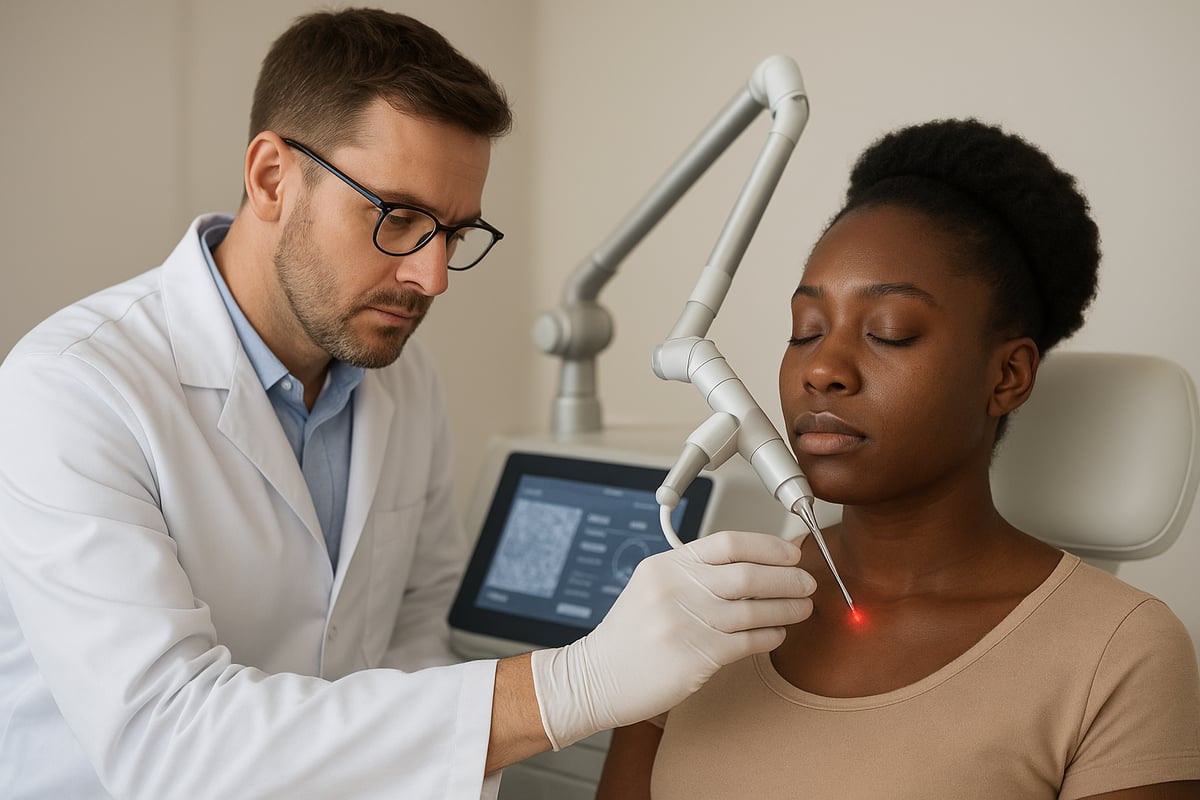
When you arrive for your laser scar removal dark skin session, the experience is tailored for your safety and comfort. First, a topical numbing cream is applied to minimize discomfort. Your provider selects a laser device and settings optimized for dark skin, such as longer wavelengths or fractional technology.
During the procedure:
- The laser is passed over targeted scar areas, often with fewer passes and lower energy to protect melanin-rich skin.
- Cooling devices and real-time monitoring are used to prevent overheating.
- Sessions typically last 30 to 60 minutes, depending on scar size and location.
Patients describe sensations like mild warmth or tingling, but most find the process tolerable. Adjustments made for laser scar removal dark skin, such as fewer passes and advanced cooling, help reduce the risk of side effects. Your provider will guide you through each step, ensuring you feel informed and comfortable.
Step 3: Immediate Aftercare and Managing Side Effects
After your laser scar removal dark skin procedure, proper care is essential for optimal healing and to prevent complications like post-inflammatory hyperpigmentation (PIH). Common side effects include mild redness, swelling, or tenderness, which usually subside within a few days.
Essential aftercare includes:
- Gently cleanse and moisturize with fragrance-free products.
- Avoid sun exposure and apply physical sunscreen daily.
- Watch for warning signs such as blistering or persistent darkening.
If you are concerned about hyperpigmentation, learn more about Laser therapy for hyperpigmentation and its role in managing PIH after scar treatments. Most patients experience minimal downtime, typically 3 to 7 days, and complication rates are low when protocols are followed.
Contact your clinic immediately if you notice unusual pain or changes. Following these aftercare steps is vital for safe laser scar removal dark skin results.
Step 4: Long-Term Results and Maintenance
Visible improvements from laser scar removal dark skin develop gradually over weeks to months. Multiple sessions, spaced four to six weeks apart, may be needed for best results. Here’s a general timeline for progress:
| Time After Treatment | Expected Change |
|---|---|
| 1 month | Smoother skin texture, subtle fading |
| 3 months | Noticeable reduction in scar visibility |
| 6 months | Even tone and lasting improvements |
To maintain your results:
- Continue daily sun protection to prevent new pigmentation issues.
- Use pigment-stabilizing skincare like vitamin C or niacinamide.
- Schedule regular follow-ups to monitor progress.
Remember, the laser scar removal dark skin journey requires patience and commitment, but with proper care, you can achieve a more radiant, even complexion.
Non-Laser Alternatives and Complementary Treatments for Dark Skin
For those seeking solutions beyond laser scar removal dark skin, a variety of non-laser treatments offer effective, safe alternatives. Many individuals with darker skin tones are concerned about the risk of post-inflammatory hyperpigmentation (PIH) and want options that minimize this possibility. Leading non-laser treatments include chemical peels, microneedling, platelet-rich plasma (PRP), silicone gels or sheets, and topical retinoids. Each method targets scars differently, from encouraging collagen production to fading discoloration. If you are interested in peels specifically tailored for darker skin, you can explore detailed chemical peel alternatives for scars to learn how gentle acids like mandelic and lactic acid are used safely.
When comparing these alternatives to laser scar removal dark skin, the safety profile is a major advantage. Chemical peels, especially those formulated for sensitive or melanin-rich skin, have shown lower rates of PIH when performed by experienced professionals. Microneedling is another standout, as it creates micro-injuries that stimulate skin repair without significant heat, making it suitable for darker tones. PRP amplifies natural healing and reduces inflammation, further lowering pigmentation risks. Silicone-based products help flatten and soften scars over time. The table below summarizes efficacy and PIH risk:
| Treatment | Efficacy on Scars | PIH Risk (Dark Skin) |
|---|---|---|
| Chemical Peels | Moderate | Low (with proper acids) |
| Microneedling | High (textural) | Low |
| PRP | Moderate | Low |
| Silicone Gel | Mild | Very Low |
| Retinoids | Mild-Moderate | Low |
Non-laser options are ideal for recent scars, individuals with a history of PIH, or those seeking gradual improvement with minimal downtime. In many cases, combining non-laser modalities with laser scar removal dark skin delivers even better results. For example, microneedling followed by PRP can boost collagen and speed recovery, while silicone gels maintain improvements between sessions. Real-world success stories often feature hybrid plans that adapt to the patient’s scar type, skin response, and personal preferences, ensuring both safety and visible progress.
Choosing between laser scar removal dark skin and non-laser alternatives depends on several factors: scar age and type, skin sensitivity, lifestyle, and treatment goals. If you have deep indented scars, laser may offer faster results, but if you are risk-averse or prone to pigment changes, non-laser treatments can be a smart starting point. Consulting a specialist who understands the nuances of darker skin is crucial. They can design a personalized plan, sometimes combining both approaches for optimal results. Ultimately, understanding your options empowers you to achieve smoother, more radiant skin with confidence.
Expert Tips: Maximizing Safety and Results with Laser Scar Removal
Seeking laser scar removal dark skin treatments requires a thoughtful, evidence-based approach. The right strategy maximizes safety and delivers the best possible results for your unique complexion.
Choose a Provider with Deep Experience
The most crucial factor for safe laser scar removal dark skin procedures is the expertise of your provider. Always select a board-certified dermatologist or laser specialist with a proven track record treating skin of color. Ask to see before-and-after photos of patients with similar skin tones and scar types.
Always Start with a Patch Test
Before committing to a full session, insist on a patch test. This small-scale trial helps your provider gauge how your skin will react to the laser, minimizing the risk of adverse effects. For laser scar removal dark skin treatments, patch testing is non-negotiable.
Prioritize Sun Protection
Both before and after your procedure, strict sun protection is essential. Sun exposure can trigger post-inflammatory hyperpigmentation (PIH), especially in darker skin. Use a broad-spectrum sunscreen with SPF 50+, wear hats, and avoid direct sunlight whenever possible.
Gentle, Pigment-Safe Skincare Matters
Support your skin’s healing with gentle, fragrance-free cleansers and moisturizers. Avoid harsh scrubs, acids, or bleaching agents unless specifically recommended by your dermatologist. For optimal results from laser scar removal dark skin sessions, use skincare products designed for sensitive, melanin-rich skin.
Avoid DIY and Non-Medical Providers
Never attempt laser treatments at home or in unregulated spas. Untrained providers and outdated devices can lead to burns, scarring, or pigment changes. According to Laser treatment for scars: What to consider, procedure, and safety, seeking professional care significantly reduces complication rates for people with dark skin.
Set Realistic Expectations
Improvement, not perfection, is the goal. Even with the best laser scar removal dark skin techniques, results are gradual and may require multiple sessions. Discuss your goals and timelines honestly with your provider to stay motivated and informed throughout your journey.
Keep Communication Open
Regular follow-ups are key to tracking progress and addressing concerns. Report any unusual symptoms, such as blistering or prolonged redness, immediately. Your provider should offer clear aftercare instructions and support at every step.
Quick Comparison: Safety Factors for Laser Scar Removal on Dark Skin
| Expert Tip | Why It Matters for Dark Skin |
|---|---|
| Experienced Provider | Reduces risk of PIH and scarring |
| Patch Testing | Identifies safe energy levels |
| Sun Protection | Prevents darkening of treated areas |
| Gentle Aftercare | Supports healthy, even-toned healing |
| Avoid DIY | Minimizes risk of burns and damage |
By following these expert tips and choosing providers who specialize in laser scar removal dark skin procedures, you can achieve noticeable improvements safely. Stay informed, ask questions, and remember that consistent care leads to the best long-term results.
Frequently Asked Questions: Laser Scar Removal for Dark Skin
Seeking answers about laser scar removal dark skin? Below, we address the most common questions to help you make empowered decisions for your skin journey.
Is laser scar removal truly safe for dark skin in 2026?
Yes, with recent advances, laser scar removal dark skin is safer than ever when performed by an expert. Modern devices and tailored protocols reduce risks of pigmentation changes. However, safety always depends on provider skill and proper technology selection.
What are the best lasers for dark skin and why?
Lasers such as the Nd:YAG 1064nm, fractional non-ablative, and certain picosecond devices are preferred for dark skin. They target deeper tissue without overheating surface melanin, minimizing post-inflammatory hyperpigmentation. For more details on fractional options, see Fractional CO2 laser treatment details.
How many sessions are typically needed for visible results?
Most people require a series of 3 to 6 treatments for significant improvement. Results vary by scar type, depth, and skin response. Sessions are spaced several weeks apart to support safe, gradual healing.
| Scar Type | Typical Sessions |
|---|---|
| Atrophic (acne) | 3–6 |
| Hypertrophic/Keloid | 4–8 |
What is the risk of new pigmentation problems after laser treatment?
Dark skin has a higher risk for post-inflammatory hyperpigmentation. Choosing the right laser and following strict protocols significantly lowers this risk. A recent study on Laser Treatment for Hyperpigmentation in Burn Scars supports the safety of advanced fractional lasers in darker skin tones.
Can I combine laser with other treatments for better results?
Absolutely. Many clinics combine laser therapy with microneedling, PRP, or pigment-stabilizing topicals for enhanced results. Combination therapy often leads to faster, more even outcomes, especially for stubborn scars.
How soon will I see improvement after my first session?
Initial improvement may be visible within a few weeks, but full results develop over several months. Patience is key, as collagen remodeling and pigment normalization take time.
How do I prepare my skin before and after treatment for optimal healing?
Before laser scar removal dark skin, avoid sun exposure, discontinue irritating products, and follow your provider’s antioxidant regimen. After treatment, use gentle cleansers, fragrance-free moisturizers, and daily SPF 50+. Never pick or scratch treated areas.
Who should I trust for laser scar removal on dark skin?
Always select a board-certified dermatologist or laser specialist with proven experience in treating dark skin. Ask to see before-and-after photos, request a patch test, and ensure advanced, well-maintained devices are used.
Laser scar removal dark skin is a journey, not a quick fix. Trust in experienced care, stay informed, and follow expert advice to achieve your best, most radiant results.