Imagine waking up to smoother, younger-looking skin with minimal downtime. In 2026, advances in non-surgical skin rejuvenation have made this a reality for many. The demand for effective, minimally invasive procedures continues to rise, with laser resurfacing treatment leading the way.
This guide offers a comprehensive look at the latest breakthroughs, benefits, and important considerations for anyone interested in laser resurfacing treatment. You will discover how these treatments work, the new technologies available, who makes a good candidate, and what to expect every step of the way.
Whether you are seeking to address wrinkles, scars, or pigmentation, this article will help you make informed choices for your unique skin goals.
Understanding Laser Resurfacing: What It Is and How It Works
Laser resurfacing treatment uses focused light energy to rejuvenate the skin at a cellular level. This advanced procedure is designed to address a range of concerns, from fine lines to scars, by harnessing the power of precision laser technology.
The Science Behind Laser Resurfacing
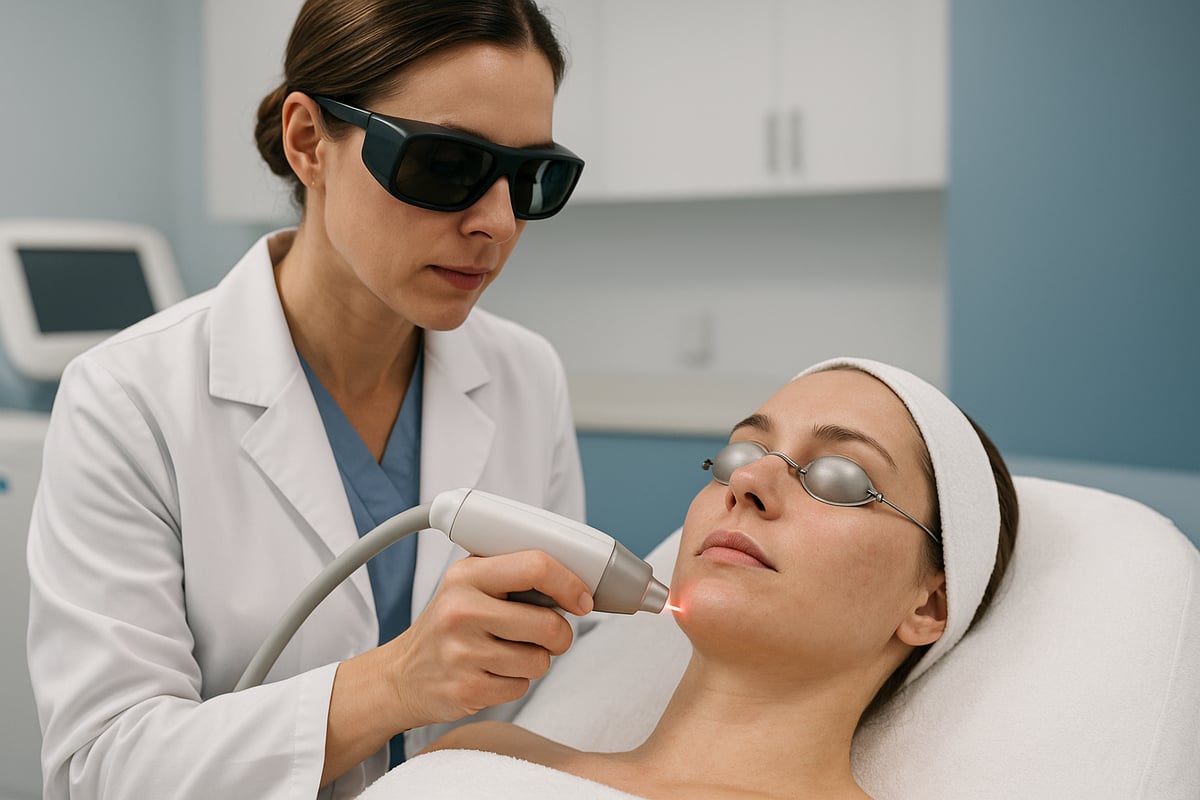
Laser resurfacing treatment works by directing controlled pulses of laser energy at the skin. This energy carefully removes the outermost layer (epidermis) and heats the underlying dermis, which stimulates collagen production and triggers the growth of new, healthier skin cells.
There are several types of lasers used in this procedure. Ablative lasers, like CO2 and Erbium, physically remove thin layers of skin, providing dramatic improvement for deep wrinkles and scars. Non-ablative lasers, on the other hand, heat the skin without removing it, resulting in subtler changes and shorter recovery times.
Fractional lasers divide the laser beam into thousands of microscopic treatment zones, allowing for faster healing, while full-field lasers treat the entire surface area. The choice of laser depends on the skin issue being addressed.
Key benefits of laser resurfacing treatment include:
- Smoothing wrinkles and fine lines
- Reducing acne and surgical scars
- Evening out skin tone and pigmentation
- Tightening and firming the skin
For instance, CO2 lasers are highly effective for deep wrinkles and scars, while Erbium lasers are preferred for lighter resurfacing and faster recovery. According to the American Society for Dermatologic Surgery, laser resurfacing remains among the top five cosmetic procedures worldwide.
To understand more about how CO2 laser technology is used in modern practice, see the CO2 Laser Resurfacing Guide.
Compared to chemical peels or microneedling, laser resurfacing treatment offers greater precision and often more noticeable results. Each method, however, has its unique advantages and ideal candidates.
Indications: Who Should Consider Laser Resurfacing?
Laser resurfacing treatment is ideal for individuals seeking to address:
- Acne scars and post-inflammatory marks
- Sun damage and age spots
- Fine lines, wrinkles, and uneven texture
- Pigmentation irregularities
Candidacy depends on age, skin type, and specific concerns. The Fitzpatrick scale helps providers assess suitability, as some lasers are better for lighter or darker complexions.
While laser resurfacing treatment is highly effective for many, it may not be suitable for those with active acne, very deep wrinkles, or significant skin sagging. Individuals with a history of keloid scarring or certain medical conditions should consult a qualified provider before proceeding.
Notably, recent advancements have expanded the inclusivity of laser resurfacing treatment, making it safer for darker skin tones. Newer devices allow for customized energy settings, reducing the risk of pigmentation changes.
Patients with post-acne scarring or sun-related damage often see significant improvement after a series of treatments. The growing versatility and safety of this technology mean more people than ever can benefit from healthier, smoother skin.
Latest Laser Technologies and Innovations in 2026
The landscape of laser resurfacing treatment is rapidly evolving in 2026, with technology driving significant improvements in outcomes, comfort, and safety. Patients now have access to cutting-edge devices and smarter treatment planning, making procedures more effective and inclusive than ever before.
Breakthrough Devices and Techniques
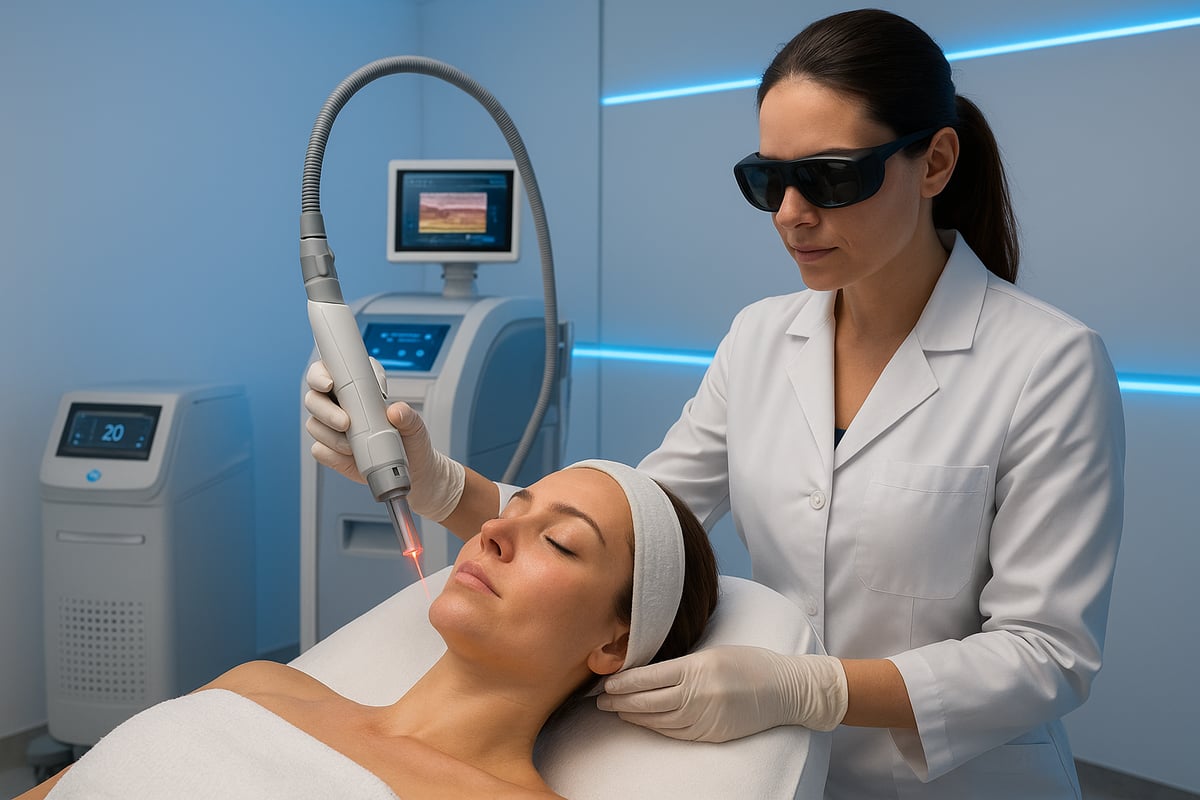
In 2026, the newest generation of laser resurfacing treatment devices integrates artificial intelligence for unparalleled precision and safety. AI-driven platforms automatically analyze each patient's skin characteristics, adjusting laser settings in real time for optimal results. This shift allows practitioners to deliver highly individualized treatments, reducing the risk of side effects.
Fractional CO2 and Erbium lasers have seen major upgrades. Modern models offer faster healing and less downtime, making laser resurfacing treatment more appealing for those with busy lifestyles. For patients seeking subtle improvements, non-ablative fractional lasers provide gentle rejuvenation with minimal interruption to daily routines.
Hybrid lasers represent a notable advancement, combining ablative and non-ablative wavelengths in a single session. This approach maximizes benefits like wrinkle smoothing and scar reduction while minimizing recovery time. Devices now feature smart sensors that automatically adapt energy output and pulse patterns based on skin feedback.
According to recent industry insights, these innovations have led to a 30% reduction in recovery time compared to devices from 2021. For a deeper look at these advancements, visit Advances in Laser Technology in Aesthetics.
Personalized Treatment Planning
Personalization is at the forefront of laser resurfacing treatment today. Clinics employ 3D skin imaging and AI-powered analysis to create detailed maps of each patient's skin topography and pigmentation. This enables practitioners to develop custom protocols that target specific concerns such as acne scars, sun damage, or fine lines with remarkable accuracy.
During the procedure, real-time feedback from advanced monitoring systems helps providers adjust energy levels and laser patterns instantly. This ensures that every laser resurfacing treatment is tailored to the individual's needs, improving both safety and efficacy.
A recent case study highlights the impact of personalized planning: patients who received customized energy settings based on AI analysis experienced better texture improvement and fewer complications compared to standard protocols. This level of customization has made laser resurfacing treatment more inclusive, offering safer options for diverse skin types and tones.
Safety Advances and Reduced Downtime
Safety and recovery have seen significant gains with the introduction of enhanced cooling systems and integrated pain management in modern laser resurfacing treatment devices. These features keep skin temperatures stable during procedures, reducing discomfort and the likelihood of adverse reactions.
Newer technologies also lower the risk of pigmentation changes, making laser resurfacing treatment safer for a wider range of skin tones. Regulatory agencies have updated safety standards, ensuring that only devices meeting strict performance and safety criteria are approved for clinical use.
Patients benefit from shorter downtimes, with most able to return to normal activities much sooner than in previous years. The combination of advanced safety features and reduced recovery periods has contributed to the growing popularity of laser resurfacing treatment as a top choice for non-surgical skin rejuvenation.
Step-by-Step: The Laser Resurfacing Treatment Process
Embarking on a laser resurfacing treatment journey involves several well-defined steps, each designed to maximize safety and results. Understanding the full process ensures you are well-prepared, confident, and able to achieve your desired outcomes.
Consultation and Candidacy Assessment
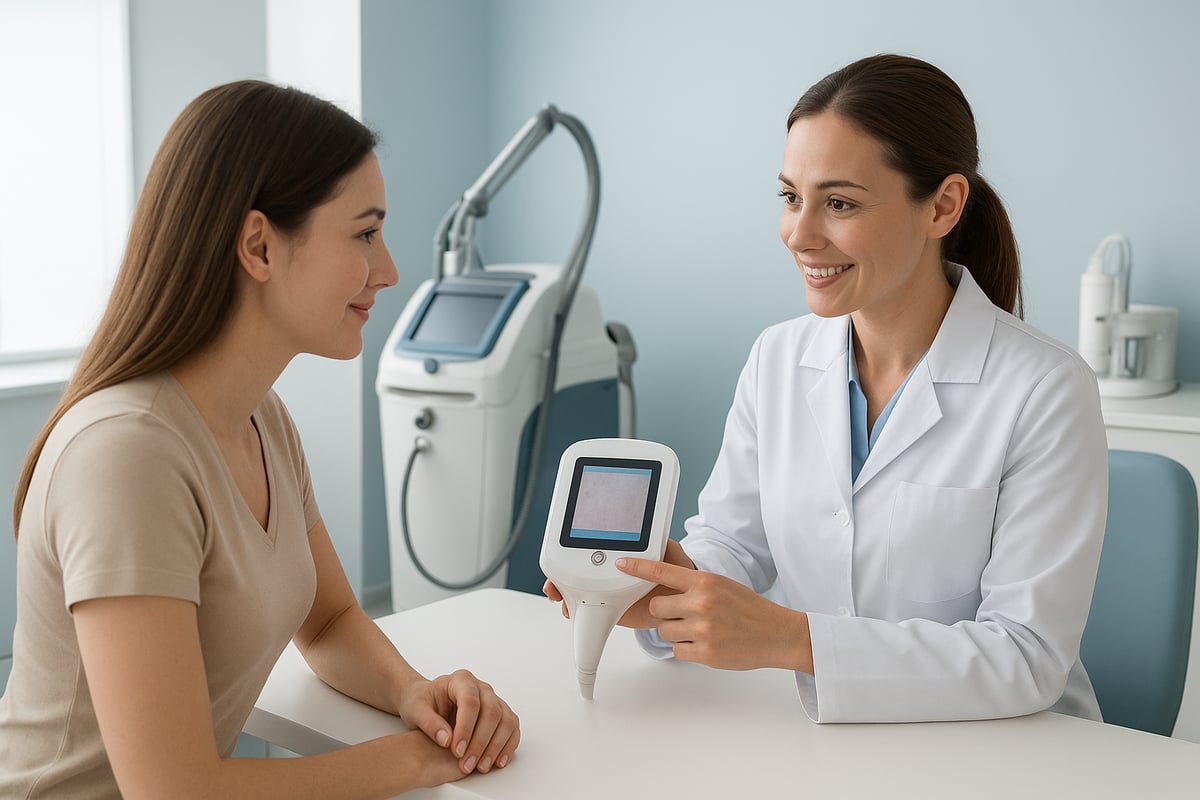
The first step in the laser resurfacing treatment process is a comprehensive consultation. During this visit, your provider will carefully review your medical history and analyze your skin using advanced diagnostic tools. This assessment identifies your skin type, any underlying conditions, and your main concerns.
A crucial part of this stage is setting realistic expectations for what laser resurfacing treatment can achieve. Your provider will discuss the potential results, risks, and the number of sessions you may need. For those with melasma or darker skin tones, specialized consultation protocols are used to minimize the risk of pigmentation changes.
Patch testing is often performed to determine your skin's sensitivity and suitability for the procedure. This helps ensure safety and predictability, especially for individuals with a history of skin reactions. By the end of this consultation, you will have a clear understanding of your candidacy and the personalized plan tailored to your unique goals.
Pre-Treatment Preparation
Preparation is key for a successful laser resurfacing treatment. In the weeks leading up to your session, your clinic will provide specific instructions to prime your skin and reduce the risk of complications. These steps typically include diligent sun protection and the use of topical agents such as retinoids or antioxidants, which help optimize skin health.
You may be advised to adjust certain medications, including antivirals or antibiotics, especially if you have a history of cold sores or skin infections. Avoiding exfoliating agents, waxing, or other aggressive treatments is also important in the pre-treatment phase.
Most clinics recommend a four-week preparation regimen to ensure your skin is in its best condition. This proactive approach supports optimal healing and reduces the likelihood of side effects. Following these guidelines closely sets the stage for a smoother laser resurfacing treatment experience.
What Happens During the Procedure
On the day of your laser resurfacing treatment, the process begins with thorough cleansing of the skin to remove any impurities. Topical or local anesthesia is applied to minimize discomfort and ensure you remain comfortable throughout the session.
The provider then selects the appropriate laser settings based on your skin type and the treatment plan established during your consultation. For example, a fractional CO2 laser may be chosen for targeted wrinkle reduction, while an Erbium laser might be ideal for superficial pigmentation concerns.
The laser is applied in a systematic pattern, carefully targeting the designated areas. Depending on whether you are receiving a partial-face or full-face laser resurfacing treatment, the session can take anywhere from 30 minutes to 2 hours. Comfort measures such as cooling devices and calming environments help make the experience more pleasant. By the end of the procedure, your skin will have initiated the natural repair process that leads to smoother, rejuvenated results.
Immediate Post-Treatment Care
After your laser resurfacing treatment, the immediate focus shifts to soothing and protecting the skin. A gentle dressing or restorative moisturizer is applied to prevent scabbing and lock in hydration. Redness, swelling, and mild discomfort are expected, but these symptoms are manageable with proper care.
Your provider will give you detailed instructions for cleansing, moisturizing, and avoiding irritants. The initial healing phase involves redness and possible peeling as new skin cells emerge. It is essential to follow aftercare guidelines closely to minimize complications and promote optimal recovery. For comprehensive aftercare advice, you may find the After Laser Skin Treatment Care resource especially helpful.
The first week is critical for protecting your skin from sun exposure and environmental stressors. With diligent care, most patients notice steady improvements in texture and tone within days of their laser resurfacing treatment.
Aftercare and Recovery Timeline
Effective aftercare is vital for maximizing the benefits of your laser resurfacing treatment. At home, you should use gentle cleansers, avoid direct sun exposure, and apply a high-quality moisturizer to support skin regeneration.
Downtime can vary depending on the laser type used. For ablative lasers, recovery may take up to 21 days, while non-ablative options usually require less time. Most people can resume makeup and normal activities within one to two weeks, but full redness resolution may take several months.
Comparing recovery, CO2 lasers tend to involve more downtime than Erbium lasers, but both result in significant improvements over time. Studies show that the majority of redness resolves within 2–3 months, with full results visible by 12 months. By adhering to your provider's instructions, you ensure that your laser resurfacing treatment delivers long-lasting, radiant skin.
Risks, Side Effects, and How to Minimize Them
Every laser resurfacing treatment, even with today’s advanced technology, comes with some risks. Understanding side effects and how to manage them is essential for a safe and successful experience.
Common and Rare Side Effects
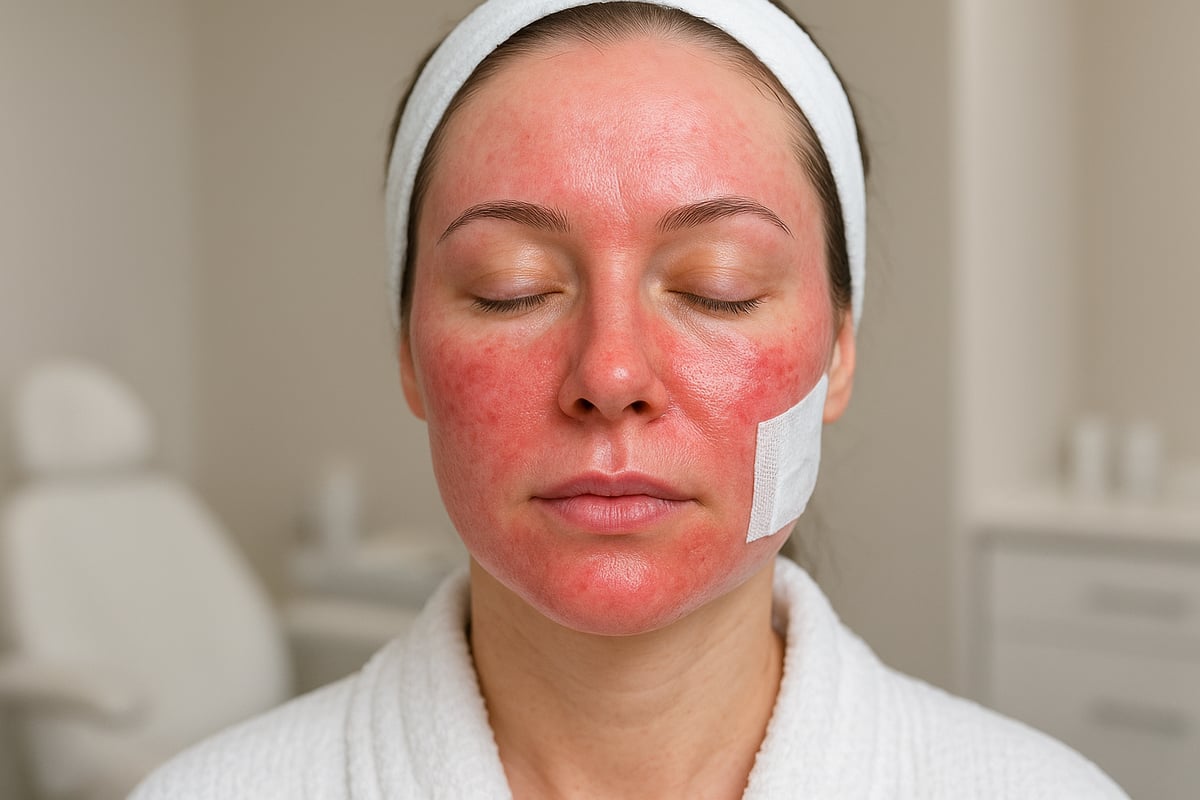
Laser resurfacing treatment is generally safe, but both common and rare side effects can occur. Most people experience temporary symptoms such as:
- Redness and swelling
- Itching or mild discomfort
- Dryness and peeling
While these effects usually subside within days to weeks, some individuals may notice temporary hyperpigmentation or hypopigmentation, especially if they have a darker skin tone. Rare complications include infection, scarring, or milia formation (tiny skin bumps).
Modern devices have significantly reduced the risk of serious problems. According to a Patient Outcomes After Facial Laser Resurfacing Study, fewer than 1% of patients experience major complications with current techniques. This reassuring statistic reflects the progress in safety standards and technology for laser resurfacing treatment.
Factors Influencing Risk
Several factors determine your individual risk profile with laser resurfacing treatment. Your skin type, previous skin care procedures, and overall health history all play important roles. Those with a history of keloids or poor wound healing may be at higher risk.
Choosing a highly qualified provider is crucial. Providers who lack experience or use outdated equipment may increase the chance of complications. People with darker skin tones are more susceptible to pigmentation changes if the wrong type of laser or settings are used.
A careful assessment before any laser resurfacing treatment helps identify potential risks. Your provider should review your medical history, conduct a skin analysis, and discuss all previous treatments to tailor the safest approach for your needs.
Prevention and Management Strategies
There are several steps you and your provider can take to minimize risks associated with laser resurfacing treatment. Pre-treatment protocols might include antiviral or antibiotic medications to prevent infections. Strict sun protection and daily sunscreen use are mandatory after your procedure.
If you are prone to hyperpigmentation, your provider may recommend a bleaching agent or special skincare products. Ongoing follow-up visits allow for early detection and treatment of any issues that arise.
Improvements in 2026 have made laser resurfacing treatment safer for a wider range of skin types and concerns. With proper planning and aftercare, most people achieve excellent results while keeping risks and downtime to a minimum.
Costs, Value, and Insurance Considerations in 2026
Understanding the costs, value, and insurance options for laser resurfacing treatment in 2026 is critical for anyone considering this rejuvenating procedure. With new technology and more clinics offering advanced services, being informed helps you make the best investment in your skin.
Typical Pricing Structures
Laser resurfacing treatment prices in 2026 reflect the sophistication of current devices and the expertise required. On average, a full-face session ranges from $2,500 to $4,500, while partial areas like the neck or hands may cost less. Prices depend on the type of laser, clinic reputation, and provider credentials.
| Treatment Area | Average Cost (2026) |
|---|---|
| Full Face | $2,500–$4,500 |
| Partial Face | $1,200–$2,000 |
| Neck/Hands | $800–$1,500 |
Factors such as advanced technology, like fractional CO2 lasers, and clinic location can influence what you pay. For a local perspective, see the Laser Skin Resurfacing Toronto page for more information on pricing and options.
Are Treatments Covered by Insurance?
Most laser resurfacing treatment sessions are considered cosmetic and are not covered by insurance. However, there are exceptions when the procedure is medically necessary, such as treating precancerous lesions or severe scarring. In these cases, partial coverage may be available, especially if performed in a hospital setting.
Private clinics typically charge higher fees than hospitals due to the use of state-of-the-art devices and personalized care. Always check with your provider and insurance company to clarify what is included. Comparing costs between clinics and hospital-based services can help you make an informed choice.
Maximizing Value and Results
To get the most value from your laser resurfacing treatment, prioritize experienced providers and clinics that use the latest technology. Investing in package deals or flexible financing plans can help manage costs over multiple sessions.
Ask about available payment options, such as installment plans, which make advanced treatments more accessible. Consider the long-term benefits—improved skin texture, tone, and confidence—when weighing the upfront investment against other rejuvenation procedures. Choosing the right clinic and technology ensures optimal, lasting results from your treatment.
Expert Tips for Achieving the Best Results
Achieving the most from your laser resurfacing treatment requires careful planning and informed choices. By following expert advice and keeping up with the latest advancements, you can significantly improve your results and satisfaction.
Choosing the Right Provider and Technology
Selecting a qualified provider is the foundation of a successful laser resurfacing treatment. Look for credentials such as board certification, specialized training, and a proven track record in cosmetic dermatology.
Assess the clinic's reputation by reviewing patient testimonials, before-and-after galleries, and the types of devices used. Ensure the clinic uses FDA or Health Canada-approved technology for your safety. During your consultation, ask about the provider’s experience with your specific skin type and condition, and discuss their approach to tailoring the laser resurfacing treatment for optimal results.
Pre- and Post-Treatment Skin Care
A strategic skincare regimen before and after your laser resurfacing treatment can make a significant difference. Prior to your procedure, prepare your skin with recommended products such as retinoids, antioxidants, and gentle cleansers.
After treatment, focus on hydration, sun protection, and avoiding harsh or irritating products. Moisturizers and broad-spectrum SPF are crucial during recovery. Your provider will offer detailed instructions to support healing and enhance the benefits of your laser resurfacing treatment, reducing the risk of complications.
Setting Realistic Expectations
Understanding what laser resurfacing treatment can and cannot achieve is vital for satisfaction. Improvements are often gradual, with most patients noticing progressive changes in skin texture, tone, and firmness over several months.
Discuss your goals openly with your provider, and ask about the likely number of sessions needed. Remember, while laser resurfacing treatment offers significant rejuvenation, maintenance treatments may be necessary for long-term results. Setting clear expectations helps you appreciate each stage of your skin’s transformation.
Combining Treatments for Enhanced Results
Enhance your outcomes by pairing laser resurfacing treatment with complementary procedures. Many patients choose to combine their sessions with injectables, microneedling, or specialized facials to target multiple concerns.
A popular option is to incorporate Fractional CO2 Laser Benefits for deeper rejuvenation, especially for stubborn wrinkles or scars. Your provider can create a personalized treatment plan, maximizing synergy between procedures for a smoother, more radiant complexion.
Staying Informed About New Advances
The field of laser resurfacing treatment is evolving rapidly, with new technologies and safety protocols emerging each year. Stay informed by following reputable clinics, reading patient education materials, and consulting with your provider about the latest innovations.
Reviewing reliable data, such as the 2024 Minimally Invasive Procedures Statistics, can help you understand trends and make better decisions. Remaining proactive ensures you benefit from the safest and most effective techniques available.