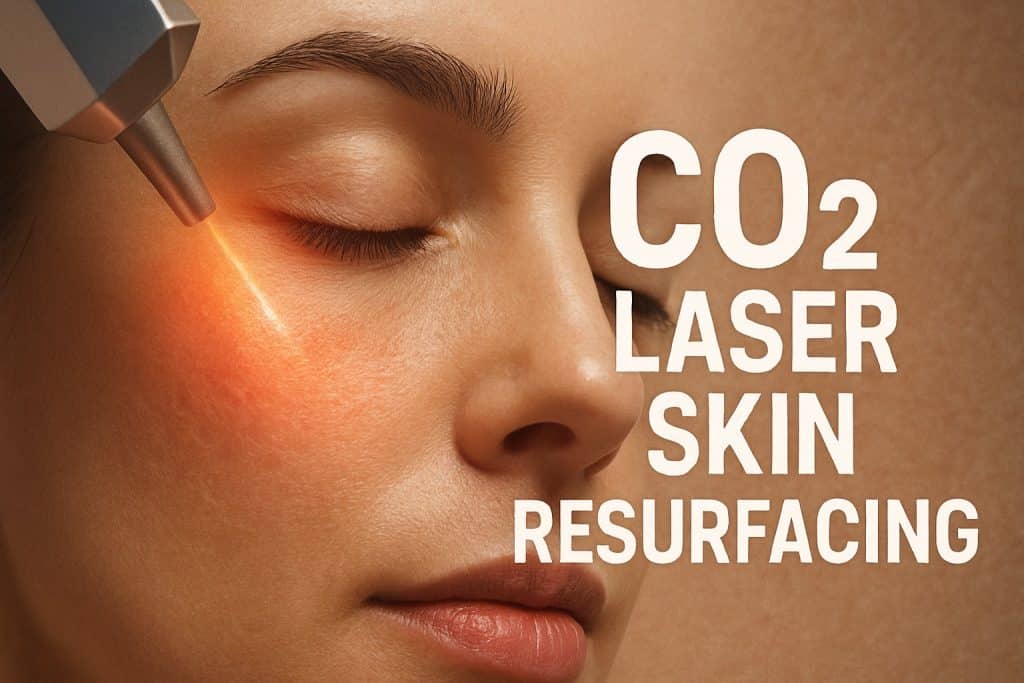
Imagine achieving dramatically smoother, younger-looking skin in just a single session—this is the promise of co2 laser skin resurfacing, now considered the gold standard for advanced skin rejuvenation in 2026. As technology evolves, these powerful lasers are transforming how we erase wrinkles, sun damage, and stubborn scars.
This comprehensive guide explores everything you need to know about co2 laser skin resurfacing. Discover how the latest innovations deliver personalized results with less downtime, what the treatment involves, who it benefits, and how to prepare for your best outcome. Ready to unlock radiant, confident skin? Read on for expert-backed insights.
Understanding CO2 Laser Skin Resurfacing: The Science and Technology
The science behind co2 laser skin resurfacing has revolutionized the field of cosmetic dermatology. As of 2026, this technology stands out as the gold standard for advanced skin rejuvenation, offering dramatic improvements for wrinkles, sun damage, and scars.
How CO2 Laser Skin Resurfacing Works
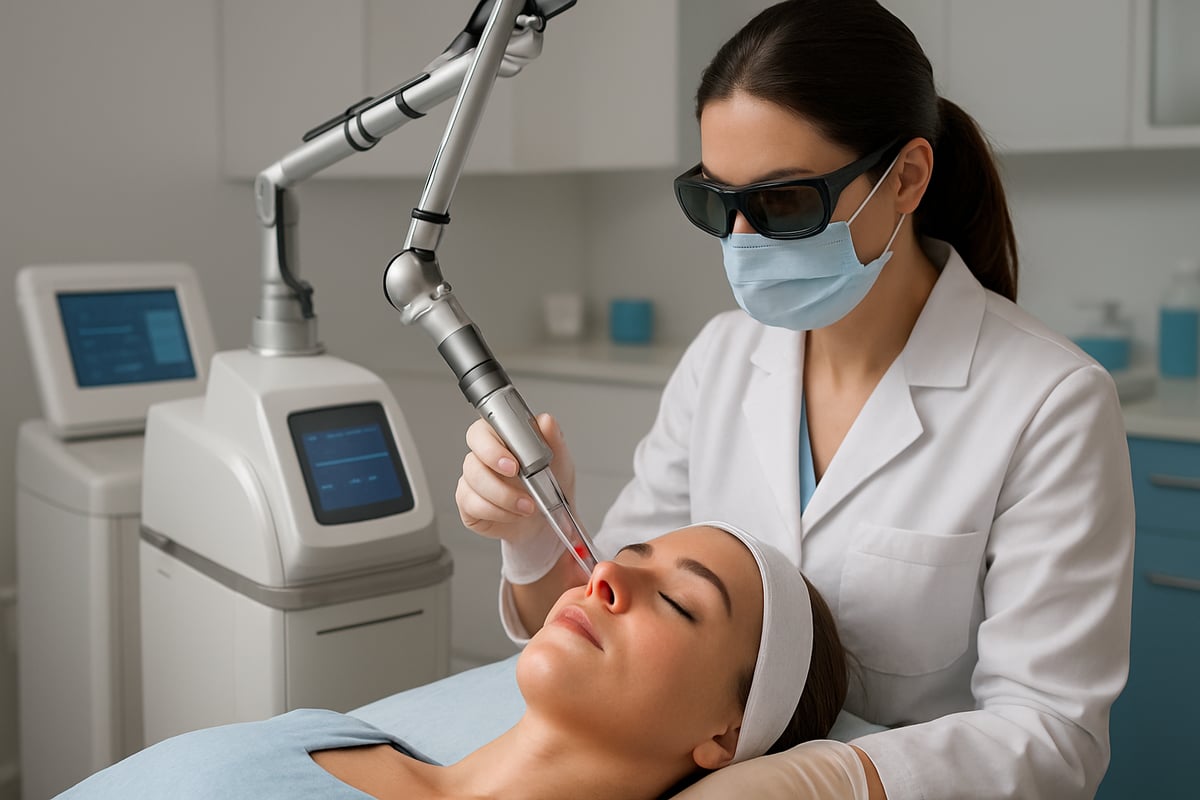
At its core, co2 laser skin resurfacing uses concentrated beams of carbon dioxide laser light to precisely vaporize thin layers of damaged skin. This controlled removal of skin triggers the body’s natural healing response, stimulating new collagen production and revealing smoother, clearer skin beneath. Unlike older ablative lasers, CO2 lasers can be finely tuned for depth and intensity, allowing for customized treatments.
This modality differs from other laser types, such as Erbium or Fraxel, by offering deeper penetration and more dramatic results for severe wrinkles and significant texture issues. For a comprehensive overview of how this technology works, visit the CO2 Laser Resurfacing Overview.
2026 Advancements in CO2 Laser Technology
Recent years have seen major innovations in co2 laser skin resurfacing. Fractional technology now allows the laser to treat microscopic zones of skin, leaving surrounding tissue intact. This advancement speeds up healing and reduces downtime compared to fully ablative approaches.
Ultra-pulse and super-pulse modes provide greater control, minimizing heat damage and enhancing safety. Importantly, new protocols and devices have expanded the suitability of co2 laser skin resurfacing for a wider range of skin tones, addressing previous concerns about pigmentation risks in darker skin types. These improvements make the procedure safer and more effective for diverse patients.
Ablative vs. Fractional CO2 Resurfacing
Understanding the difference between ablative and fractional co2 laser skin resurfacing is essential for choosing the right approach. Ablative treatments fully remove the surface layer of skin, offering dramatic results but requiring longer recovery. Fractional CO2 resurfacing creates columns of treated tissue, preserving healthy skin between them for quicker healing and fewer side effects.
| Feature | Ablative CO2 Laser | Fractional CO2 Laser |
|---|---|---|
| Depth of Treatment | Full surface | Microscopic columns |
| Downtime | 10–14 days | 5–7 days |
| Indications | Deep wrinkles, scars | Fine lines, moderate damage |
| Suitability for Skin Types | Primarily lighter tones | Broader range, including darker tones |
| Recovery | Longer, more intensive | Faster, less discomfort |
Competitor clinics consistently report that co2 laser skin resurfacing remains the best option for deep wrinkles, advanced sun damage, and complex textural concerns.
Clinical Evidence and Real-World Results
FDA approvals and a wealth of clinical studies validate the safety and efficacy of co2 laser skin resurfacing. Recent research highlights significant improvements in wrinkle depth, scar appearance, and skin tone after one or two sessions.
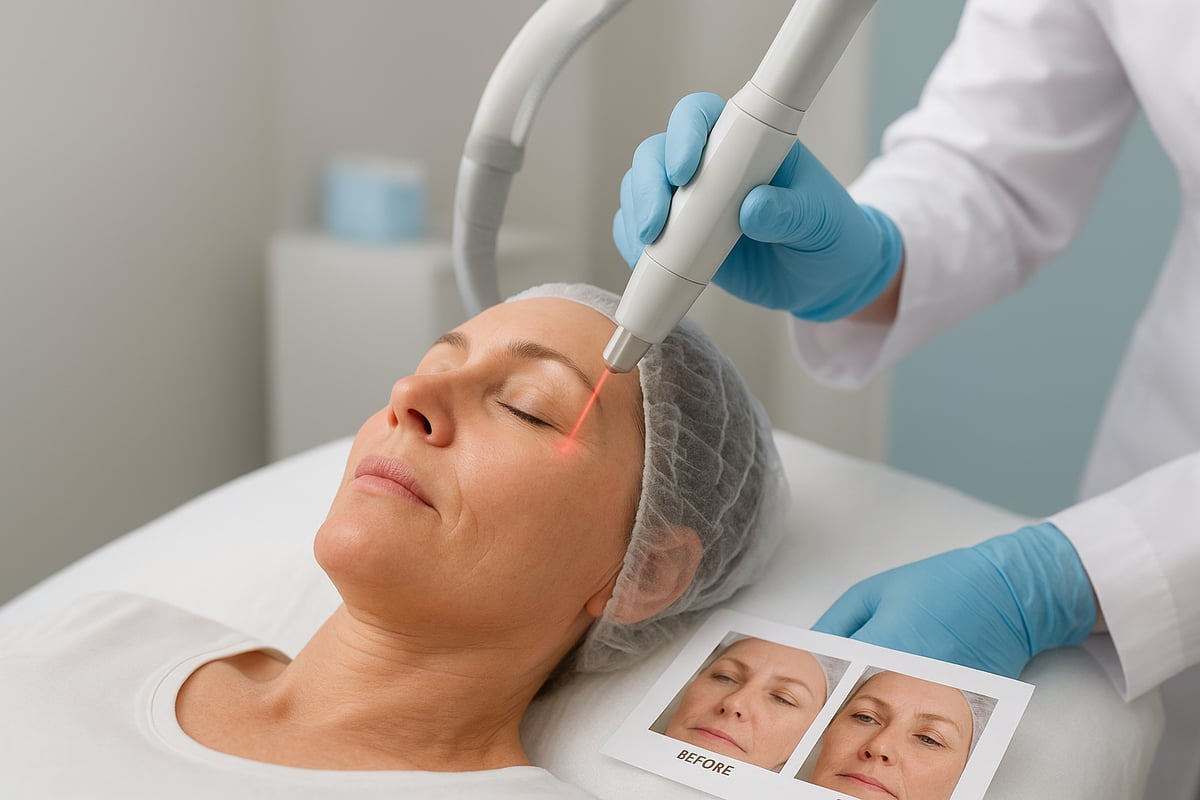
Before and after photos from real patients show dramatic transformations—smoother cheeks, softened acne scars, and visibly younger skin. Clinical experience also demonstrates that new-generation devices provide safer outcomes, even for patients with higher Fitzpatrick skin types.
Co2 laser skin resurfacing continues to set the standard for facial rejuvenation, combining proven science with the latest technological advancements. With proper technique and personalized protocols, it offers life-changing results for a wide variety of skin concerns.
Who Is a Good Candidate for CO2 Laser Resurfacing?
Choosing the right candidates is essential for achieving optimal results with co2 laser skin resurfacing. This advanced procedure is best suited for individuals seeking significant improvements in skin texture, tone, and visible signs of aging. If you have concerns like deep wrinkles, pronounced sun damage, acne scars, or uneven skin, you may be an ideal candidate.

Ideal Candidates for CO2 Laser Skin Resurfacing
The most suitable individuals for co2 laser skin resurfacing generally present with moderate to severe sun damage, deep wrinkles, acne scars, or rough, uneven skin texture. Those with stubborn pigmentation or smoker’s lines around the mouth often see dramatic improvements.
- Deep facial wrinkles and folds
- Prominent acne or surgical scars
- Sun-induced pigmentation and actinic damage
If your skin shows advanced signs of aging or has not responded to other treatments, this procedure offers a powerful solution. It is important to have a thorough consultation to evaluate your unique skin concerns before proceeding.
Skin Type Considerations and Contraindications
Historically, co2 laser skin resurfacing was best suited for lighter skin tones due to a lower risk of pigmentation changes. However, advances in fractional technology and safer protocols have expanded eligibility to a wider range of skin types. Recent clinical studies, such as Clinical Evaluation and Experience in Treatments Performed with Fractional CO2 Laser on Latin American Skin, highlight improved outcomes for diverse complexions when treatments are customized.
Certain conditions may preclude treatment. Contraindications include active acne, uncontrolled skin disorders, recent isotretinoin use, or a history of keloid formation. Patients with ongoing infections or unrealistic expectations should delay or avoid the procedure.
Age Ranges and Managing Expectations
Most co2 laser skin resurfacing patients fall between their early 30s and late 70s. Younger individuals with severe acne scarring or older adults with substantial sun damage may also benefit, provided their general health is good.
It is crucial to understand that co2 laser skin resurfacing is not a one-time fix for every skin concern. While significant improvement is common, some conditions require more than one session or combination therapies. A realistic outlook and commitment to aftercare are essential for satisfaction.
Real-World Results and Case Examples
Statistics from leading clinics show that most people need just one or two co2 laser skin resurfacing sessions for optimal outcomes. Improvements can be remarkable, especially for challenging issues like smoker’s lines, actinic keratosis, or deep acne scars.
Patients often report not only smoother, clearer skin but also a renewed sense of confidence. Before and after photos frequently demonstrate dramatic softening of wrinkles and reduction in visible scars. Discussing your goals with an experienced provider will help determine if this treatment is right for you.
What Conditions and Concerns Can CO2 Laser Resurfacing Treat?
Are you wondering what co2 laser skin resurfacing can really achieve? This advanced technology is renowned for its ability to address a broad spectrum of skin concerns, delivering dramatic improvements for many common and stubborn issues. Let us explore the most frequent reasons patients choose this treatment and what you can expect.
Primary Indications
Co2 laser skin resurfacing is particularly effective for:
- Fine lines and deep wrinkles, especially around the eyes and mouth
- Sun spots, age spots, and uneven pigmentation
- Acne scars and surgical scars
- Skin laxity and rough texture
These issues often resist topical treatments, making laser resurfacing a gold standard for advanced correction. The technology works by removing damaged layers and stimulating collagen, resulting in smoother, brighter, and more youthful skin.
Off-Face Applications
While most commonly performed on the face, co2 laser skin resurfacing is also suitable for other areas. Providers may treat the neck, chest, and hands to address sun damage, crepey skin, or discoloration. However, these areas are more sensitive and require careful technique to minimize risks.
Beyond Aesthetics: Medical Uses
Competitor clinics have expanded the use of co2 laser skin resurfacing to manage benign lesions, warts, and even pre-cancerous actinic keratoses. This versatility makes the technology valuable for both cosmetic and select medical indications. Still, not all conditions are suitable for laser therapy, and an expert assessment is essential.
Limitations and When to Consider Alternatives
Although co2 laser skin resurfacing is powerful, it has limitations. It is not effective for:
| Not Treatable With CO2 Laser Skin Resurfacing | Recommended Alternatives |
|---|---|
| Very deep scars | Surgical revision, fillers |
| Active infections or open wounds | Medical treatment first |
| Certain pigmentation disorders | Chemical peels, IPL |
Patients with active acne, uncontrolled skin conditions, or a history of keloids may not be suitable candidates. For subtle texture changes or mild pigmentation, microneedling or superficial peels could be more appropriate.
Before and After: Real-World Results
Photo galleries from leading clinics showcase the dramatic improvement co2 laser skin resurfacing can deliver. For example, patients with pronounced perioral wrinkles or sun-damaged cheeks often see remarkable smoothing and a more even tone after treatment.
If you are interested in viewing real patient outcomes or exploring your options locally, Laser Skin Resurfacing Toronto provides insight into available technologies, candidacy, and before/after transformations.
Versatility and Customization
One of the greatest strengths of co2 laser skin resurfacing lies in its adaptability. Providers can perform full-face rejuvenation or target specific zones such as around the mouth, eyes, or scars. This flexibility ensures that treatment is tailored to your needs, maximizing results while minimizing downtime.
When to Choose Another Approach
Not every skin concern requires co2 laser skin resurfacing. For mild sun spots or minimal fine lines, gentler options like IPL or superficial chemical peels may suffice. Your provider will help determine the best solution based on your goals, skin type, and medical history.
Co2 laser skin resurfacing remains a cornerstone for those seeking transformative improvements in wrinkles, scars, and pigmentation. Understanding its uses and limitations is the first step toward achieving your ideal skin.
The CO2 Laser Resurfacing Procedure: Step-by-Step Guide
Unlocking the best results from co2 laser skin resurfacing depends on understanding the full procedure from start to finish. This guide walks you through every step, ensuring you know what to expect and how to achieve optimal outcomes.
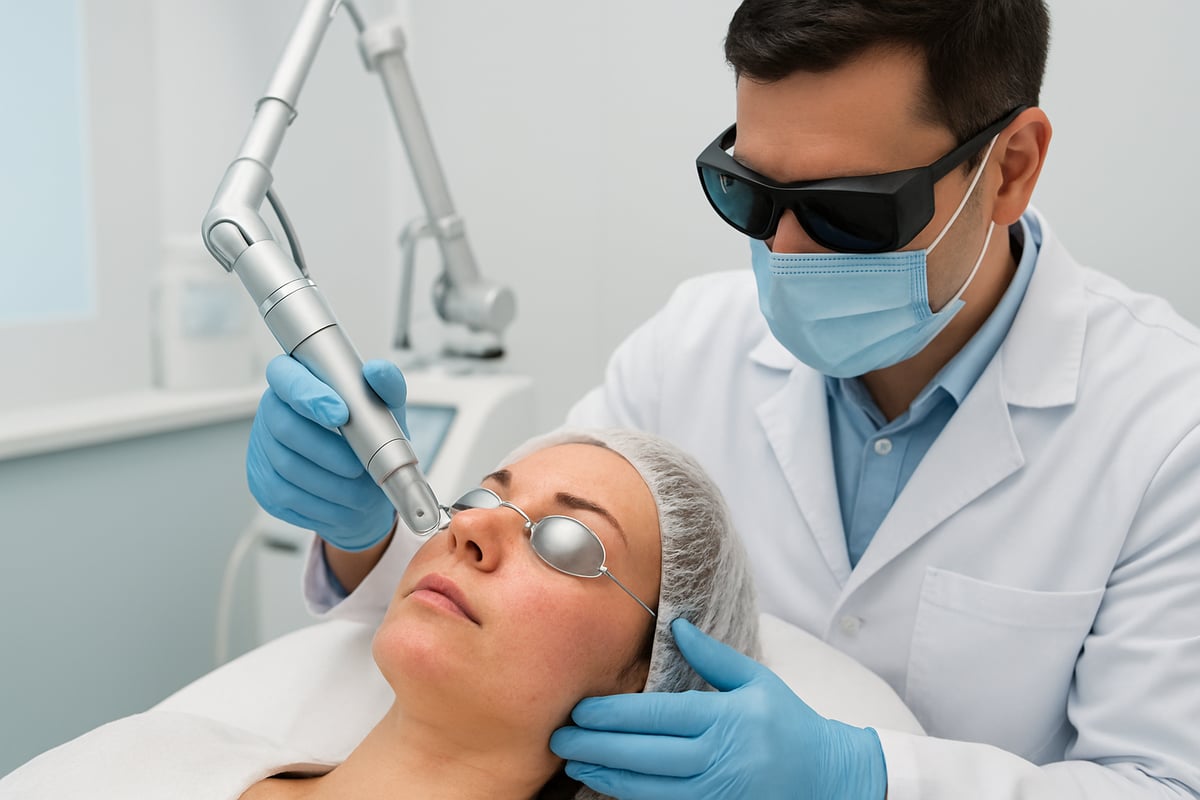
Step 1: Pre-Treatment Consultation and Skin Prep
The journey to successful co2 laser skin resurfacing begins with a thorough consultation. Your provider will review your medical history, assess your skin’s condition, and discuss your goals. This is essential for developing a safe and effective treatment plan.
Preparation is critical. You may be asked to:
- Avoid sun exposure for two to four weeks before your appointment.
- Discontinue certain topical products, such as retinoids.
- Start antiviral medication if you have a history of cold sores.
- Use pre-conditioning regimens, like hydroquinone, to reduce pigmentation risk if you have a higher Fitzpatrick skin type.
Realistic expectations are set at this stage. Consent forms are reviewed, and all questions are addressed. Many clinics require two to four weeks of preparation to ensure your skin is ready for co2 laser skin resurfacing.
Step 2: What Happens During the Treatment Session
On the day of your co2 laser skin resurfacing, numbing is applied first. Your provider may use topical anesthesia, nerve blocks, or even light sedation for comfort. This step ensures you remain relaxed during the procedure.
The treatment itself involves passing the laser over the targeted areas. Settings are tailored to your skin type and desired results. Precision is key, as the laser energy vaporizes damaged skin layers while stimulating collagen renewal. Depending on the size of the area, sessions last between 45 and 90 minutes.
During co2 laser skin resurfacing, you may feel warmth or mild tingling. Advanced cooling devices and air flow systems are often used to further enhance comfort throughout the session.
Step 3: Immediate Post-Treatment Care
After co2 laser skin resurfacing, expect redness, swelling, and a sensation similar to a sunburn. Some patients notice pinpoint bleeding, especially after deeper treatments.
Your provider will apply soothing ointments and may place sterile dressings over treated areas. You’ll receive specific instructions for:
- Managing discomfort with cool compresses or prescribed medications.
- Preventing infection by keeping the skin clean and avoiding unnecessary touching.
- Using a post-care kit with gentle cleansers and healing ointments.
Strict adherence to aftercare protocols is vital. Proper care minimizes complications and supports optimal healing after co2 laser skin resurfacing.
Step 4: The Healing Timeline and Downtime
Healing after co2 laser skin resurfacing occurs in phases. The first few days (1 to 3) involve redness, oozing, and swelling. By days 4 to 7, peeling and crusting will appear as your skin renews itself. Pinkness may persist for two to four weeks.
Most patients can safely resume makeup between days 7 and 10. Expect downtime of about 7 to 14 days for full-face treatments, while fractional or spot treatments often require less time. Healing varies based on treatment depth and your unique skin response.
Recent research, such as the Dynamic Panoramic Presentation of Skin Function After Fractional CO2 Laser Treatment, highlights how new techniques improve collagen remodeling and recovery. Most people return to normal activities within two weeks after co2 laser skin resurfacing.
Step 5: Follow-Up Visits and Long-Term Care
Follow-up appointments are scheduled to monitor your progress after co2 laser skin resurfacing. Your provider will check for signs of infection, delayed healing, or pigment changes. Early detection of any issues ensures prompt management.
Long-term care includes:
- Rigorous sun protection for at least three to six months.
- Consistent use of gentle, hydrating skincare products.
- Incorporating antioxidants to support ongoing skin health.
Your provider may recommend maintenance treatments or adjunctive therapies based on your skin’s needs. Staying committed to aftercare helps you maximize and prolong the benefits of co2 laser skin resurfacing.
Step 6: Combining CO2 Laser with Other Treatments
Combining co2 laser skin resurfacing with other modalities can enhance your results. Many clinics offer staged approaches, such as:
- HydraFacial sessions before laser to optimize skin hydration.
- Microneedling or injectables after full healing to address specific concerns.
- Scheduling fillers or neuromodulators several weeks post-procedure.
It’s vital to allow adequate healing time between treatments to prevent complications. Leading protocols often recommend a HydraFacial before co2 laser skin resurfacing for best outcomes.
Discuss combination strategies with your provider to ensure safety and achieve comprehensive skin rejuvenation.
Risks, Side Effects, and How to Maximize Safety
Choosing co2 laser skin resurfacing for skin rejuvenation offers transformative results, but understanding the potential risks and side effects is essential for a safe, positive experience. In 2026, the safety profile of co2 laser skin resurfacing has improved, yet it's important to know what to expect and how to minimize complications.
Common Side Effects of CO2 Laser Skin Resurfacing
Most patients experience temporary, manageable side effects after co2 laser skin resurfacing. These typically include:
- Redness and swelling resembling a strong sunburn
- Mild to moderate discomfort or tingling
- Peeling and crusting as new skin forms
These effects usually subside within 7 to 14 days, depending on treatment depth and individual healing. Some pinpoint bleeding or oozing may occur within the first 48 hours. Proper aftercare is crucial during this period to support healing and comfort.
| Side Effect | Duration | Management |
|---|---|---|
| Redness/Swelling | 1–2 weeks | Cold compress, ointments |
| Peeling/Crusting | 4–10 days | Gentle cleansing, moisture |
| Discomfort | 2–7 days | Pain relief as prescribed |
Less Common Risks and Risk Factors
While co2 laser skin resurfacing is generally safe, less common risks can occur. These include:
- Infection, especially if aftercare is neglected
- Scarring or delayed healing in predisposed individuals
- Hyperpigmentation or hypopigmentation, especially in darker skin tones
- Milia (small white bumps) and temporary acne flares
Risk factors include aggressive laser settings, inadequate post-procedure care, and certain medical histories. Individuals with a history of keloids, active skin infections, or recent use of isotretinoin should avoid this procedure. It's vital to disclose all medical information to your provider.
Advances in Safety and Technology
The latest advancements in co2 laser skin resurfacing, such as fractional and ultra-pulse technologies, have significantly reduced the risk of complications. These innovations allow for precise targeting of damaged skin while preserving healthy tissue, which speeds recovery and minimizes side effects.
Modern fractional systems, for example, are now suitable for a wider range of skin types, reducing pigment changes in patients with darker complexions. For a deeper look at recent safety improvements and AI-driven protocols, see Latest Innovations in Fractional CO2 Laser Skin Rejuvenation.
Competitor data shows that, with these technologies, most complications are minor and resolve without intervention when patients follow recommended care protocols.
Maximizing Safety and Managing Side Effects
To maximize safety during co2 laser skin resurfacing, choose an experienced, board-certified provider who uses the latest technology and customizes treatment for your skin type.
Follow these essential tips:
- Adhere strictly to aftercare instructions, including cleansing and moisturizing
- Avoid sun exposure and use broad-spectrum SPF daily for several months
- Report any signs of infection or delayed healing to your clinic promptly
If you develop mild side effects, such as redness or swelling, use prescribed ointments and maintain gentle skincare. Most issues resolve quickly, but staying in close contact with your provider ensures the best possible outcome from your co2 laser skin resurfacing treatment.
Results: What to Expect and How to Prolong Them
Choosing co2 laser skin resurfacing means investing in visible, long-term skin transformation. Patients often ask what results to expect and how these improvements can be maximized. Understanding the typical journey after treatment helps set realistic expectations and supports optimal outcomes.
Timeline for Results
After co2 laser skin resurfacing, initial changes become noticeable within 2 to 3 weeks. Most patients observe redness fading, skin texture smoothing, and a more even tone as early healing progresses. Collagen remodeling continues over the next 3 to 6 months, gradually revealing the full effect. This ongoing improvement is one of the main advantages of the treatment.
Typical Outcomes
The most common benefits of co2 laser skin resurfacing include a reduction in fine lines, deep wrinkles, and visible scars. Many patients experience dramatic softening of acne scars, smoker’s lines, and sun-induced pigmentation. Before and after photos from reputable clinics show impressive clarity and firmness, with smoother contours and renewed vibrancy.
For those with hypertrophic or surgical scars, combining treatments can enhance outcomes. A recent study on sequential therapy highlights the efficacy of integrating co2 laser skin resurfacing with topical growth factors and injectables for scar management, supporting even more noticeable improvements.
Longevity of Results
Results from co2 laser skin resurfacing typically last between 2 and 5 years. Longevity depends on factors such as sun exposure, genetics, and ongoing skincare. Patients who protect their skin and follow professional advice often maintain benefits longer than those who neglect aftercare.
It is important to note that while results are long-lasting, natural aging and environmental stressors will continue. Some individuals may choose touch-up sessions every few years to sustain their best appearance.
Maximizing and Prolonging Improvements
To get the most from co2 laser skin resurfacing, follow these expert-recommended strategies:
| Strategy | Benefit |
|---|---|
| Daily Broad-Spectrum SPF | Prevents new sun damage |
| Antioxidant Serums | Supports collagen and repairs free radicals |
| Moisturizers | Maintains hydration and comfort |
| Maintenance Treatments | Prolongs results, addresses new concerns |
| Healthy Lifestyle | Promotes overall skin health |
Personalized aftercare, such as using gentle cleansers and avoiding harsh products, also plays a critical role. Patients interested in advanced options may consider fractional CO2 laser technology, which offers significant results with less downtime and a lower risk of pigment changes.
Most patients report high satisfaction with co2 laser skin resurfacing, especially when realistic expectations are set and aftercare is prioritized. By following these guidelines, individuals can enjoy smoother, clearer, and more radiant skin for years to come.
CO2 Laser Resurfacing in 2026: Trends, Innovations, and Expert Tips
The landscape of co2 laser skin resurfacing in 2026 reflects a blend of technological innovation and patient-centered care. Clinics now offer more personalized treatments than ever, using AI-driven analysis and sophisticated imaging to design protocols for each individual’s skin type and goals.
What’s New in 2026
Breakthroughs in co2 laser skin resurfacing are transforming the patient experience:
- Personalized Protocols: AI-powered tools assess skin health and recommend custom settings, making treatments safer for all skin tones.
- Fractional & “Lunch Break” Procedures: Demand for minimal downtime has led to fractional lasers like CoolPeel, which provide impressive results with less redness and faster recovery. Curious about pricing? See the CoolPeel CO2 Laser Cost for more details.
- Enhanced Comfort: New topical anesthetics and cooling systems maximize comfort, even during deeper resurfacing sessions.
- Advanced Post-Care: Clinics offer specialized serums and barrier creams to accelerate healing and reduce complications.
Expert Tips for Choosing Your Provider
Selecting the right clinic for co2 laser skin resurfacing is crucial. Look for:
- Board-certified providers with extensive experience in laser dermatology.
- Clinics that use the latest technology and offer thorough pre-treatment consultations.
- Transparent communication about risks, downtime, and expected outcomes.
Ask about the clinic’s protocol for diverse skin types and how they tailor treatments for your needs. Avoid providers who promise instant, risk-free results or lack clear aftercare support.
Looking Ahead: The Future of Laser Rejuvenation
Experts predict that co2 laser skin resurfacing will continue to evolve, with even more precise devices and smarter planning tools. The trend is toward multi-modal rejuvenation, combining lasers with injectables or microneedling for natural, harmonious results.
Patient education and realistic expectations remain central to optimal outcomes. In 2026 and beyond, staying informed and partnering with a trusted provider will ensure the safest, most rewarding experience with co2 laser skin resurfacing.