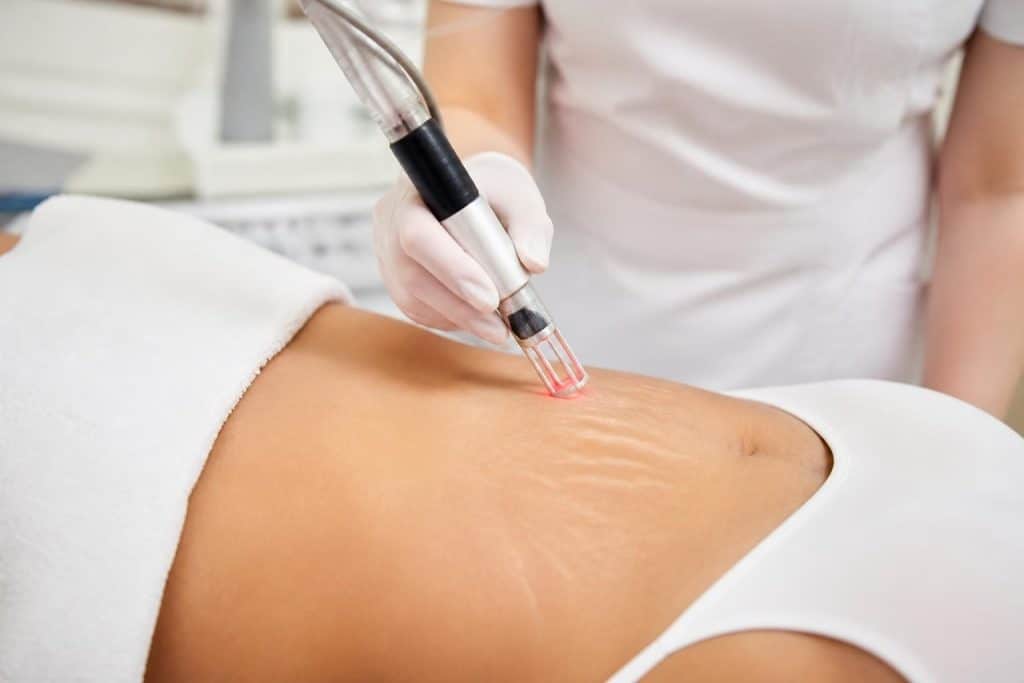
Stretch marks affect millions of people across all ages, genders, and skin types. These linear scars form when skin stretches rapidly during growth spurts, pregnancy, weight changes, or muscle building. While completely normal and harmless, many Toronto residents seek professional solutions for treating stretch marks to improve skin texture and confidence. Understanding what works-and what doesn't-helps you make informed decisions about your skin.
Why Stretch Marks Form and What They Look Like
Stretch marks, medically known as striae distensae, develop when the dermis (middle layer of skin) tears due to rapid stretching. The American Academy of Dermatology explains why stretch marks appear during specific life events and hormonal changes.
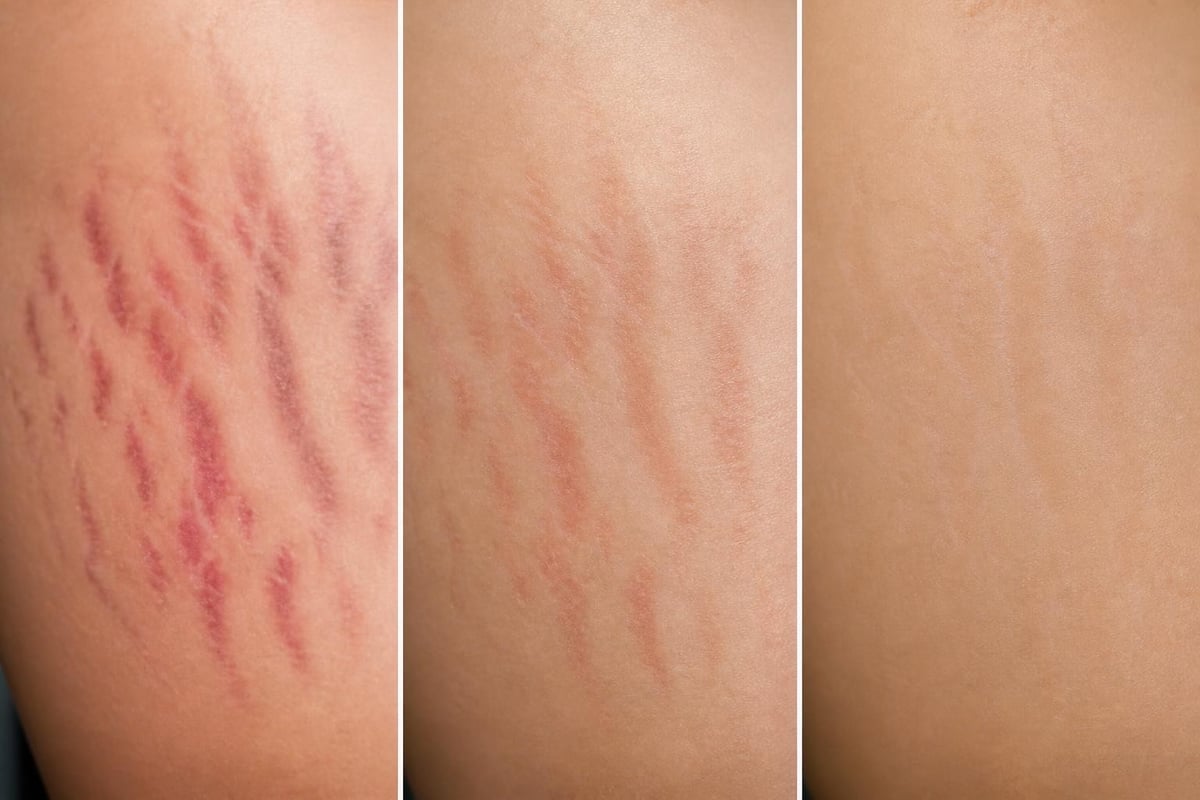
Initially, new stretch marks appear red, purple, or dark brown depending on your natural skin tone. These are called striae rubrae. Over months or years, they fade to white or silver lines known as striae albae. The color change signals a shift from active inflammation to mature scar tissue.
Common Causes in Toronto Patients
- Pregnancy: Up to 90% of pregnant women develop stretch marks on the abdomen, breasts, and thighs
- Adolescent growth spurts: Teenagers experience rapid height and body changes
- Weight fluctuations: Both gain and loss can trigger stretch mark formation
- Bodybuilding: Quick muscle growth stretches skin beyond its elastic capacity
- Corticosteroid medications: Long-term use weakens collagen fibers in skin
The Beaches neighborhood sees a diverse patient population at New Skin Laser Clinic, from new mothers to fitness enthusiasts, all seeking effective solutions for treating stretch marks.
Evidence-Based Treatment Options
Treating stretch marks requires realistic expectations. No treatment erases them completely, but several clinical approaches significantly improve appearance, texture, and color matching with surrounding skin.
Laser Therapies: The Gold Standard
Laser treatments represent the most effective professional option for treating stretch marks. Different wavelengths target specific concerns:
Fractional Non-Ablative Lasers work by creating microscopic treatment zones in the skin, triggering the body's natural healing response. This stimulates new collagen production without damaging the skin's surface. Multiple sessions typically produce the best results.
Pulsed Dye Lasers (PDL) target red and purple stretch marks by focusing on blood vessels. This treatment works best on newer, actively inflamed striae rubrae.
Fractional CO2 Lasers address mature white stretch marks by creating controlled micro-injuries. The healing process remodels scar tissue and improves texture.
Research comparing multiple therapies for striae distensae shows laser treatments consistently rank among the top options for patient satisfaction and visible improvement.
| Treatment Type | Best For | Sessions Needed | Downtime |
|---|---|---|---|
| Fractional Non-Ablative | All stretch marks | 3-6 sessions | Minimal (1-2 days) |
| Pulsed Dye Laser | Red/purple marks | 3-5 sessions | None to minimal |
| Fractional CO2 | White/mature marks | 2-4 sessions | 5-7 days |
Microneedling and Radiofrequency
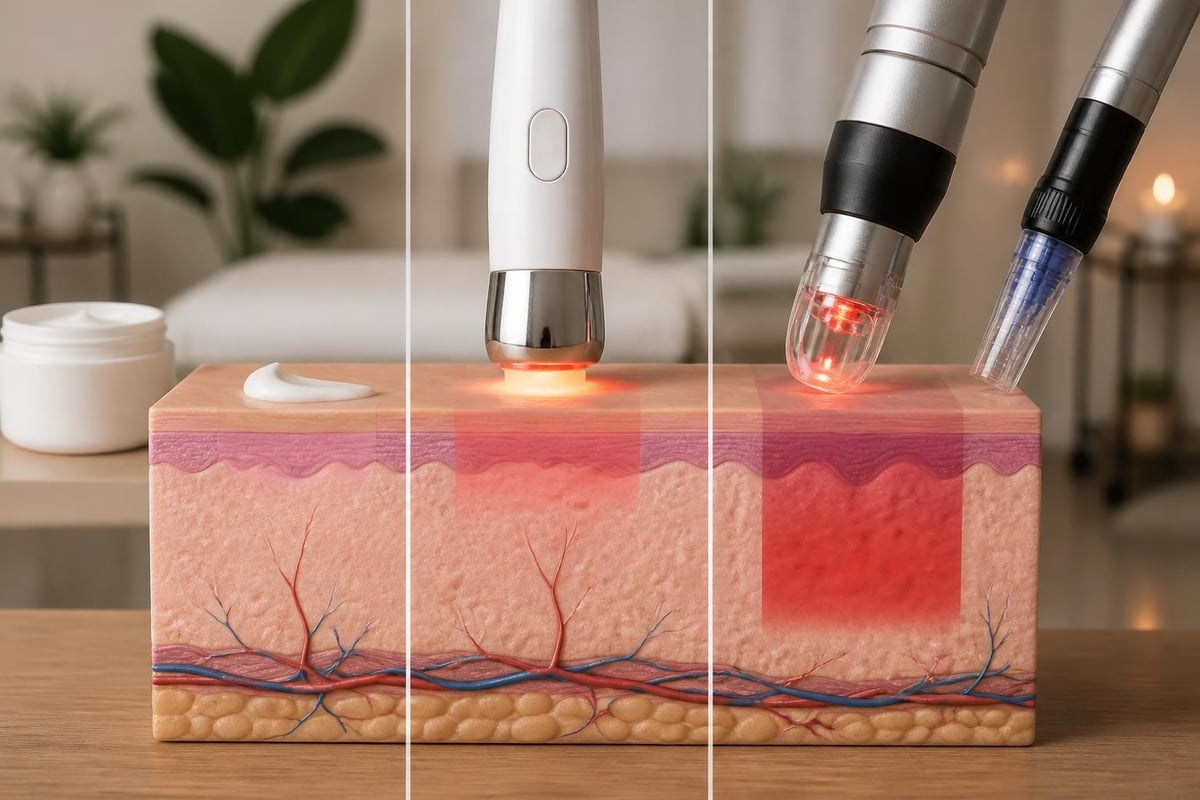
Microneedling creates tiny controlled punctures in skin, stimulating collagen and elastin production. When combined with radiofrequency energy or platelet-rich plasma (PRP), results improve significantly.
Systematic reviews of microneedling therapies demonstrate measurable improvements in stretch mark width, texture, and color. Toronto patients appreciate that microneedling requires less downtime than ablative laser procedures.
The treatment works through controlled skin injury and healing:
- Fine needles penetrate the skin at precise depths
- Micro-channels trigger the wound healing cascade
- Fibroblasts produce new collagen and elastin
- Skin remodels over 4-6 weeks between sessions
Microneedle radiofrequency (MNRF) adds thermal energy to mechanical needling, creating deeper dermal remodeling. This combination approach yields superior results for treating stretch marks compared to needling alone.
What Doesn't Work: Separating Fact from Marketing
Toronto's beauty market overflows with products claiming to prevent or eliminate stretch marks. Understanding the evidence helps you invest wisely.
Topical Creams and Oils
Despite widespread marketing, Cochrane evidence reviews on topical preparations find limited proof that creams prevent pregnancy stretch marks. Once formed, topical products show even less effectiveness.
Ingredients like cocoa butter, vitamin E, and various oils provide moisturization but cannot rebuild dermal collagen. Prescription tretinoin (Retin-A) shows modest improvement in early-stage red marks but has minimal effect on mature white striae.
Over-the-Counter Devices
Home derma-rollers, LED masks, and ultrasound devices lack the power and precision of professional equipment. While generally safe, they rarely produce meaningful results for treating stretch marks. The controlled depth, energy levels, and sterile conditions of clinical treatments cannot be replicated at home.
Advanced Combination Approaches
Recent reviews of contemporary treatment advances emphasize that combining multiple modalities often produces superior outcomes compared to single treatments.
Laser Plus Microneedling Protocols
Sequential treatments leverage different mechanisms:
- Session 1-2: Fractional laser to initiate collagen remodeling
- Session 3-4: Microneedling with PRP to enhance healing factors
- Session 5-6: Second laser series to refine texture
This staged approach allows skin adequate recovery time while maintaining consistent improvement momentum. Toronto's climate, with distinct seasons, makes fall and winter ideal for starting treatment series since reduced sun exposure minimizes post-treatment pigmentation risks.
Platelet-Rich Plasma Enhancement
PRP derived from your own blood contains concentrated growth factors that accelerate tissue repair. When applied during microneedling or injected into stretch marks, PRP enhances collagen synthesis.
The process involves:
- Drawing a small blood sample
- Centrifuging to separate platelet-rich plasma
- Applying or injecting PRP into treatment areas
- Allowing growth factors to stimulate healing for 4-6 weeks
Studies show PRP combination treatments improve both the speed and quality of results when treating stretch marks.
Timeline and Expectations for Results
Realistic timelines prevent disappointment. Skin remodeling occurs gradually as your body produces new collagen and elastin.
What to Expect Week by Week
Weeks 1-2: Mild redness and sensitivity subside. No visible improvement yet.
Weeks 4-6: Subtle texture refinement begins. Stretch marks may appear slightly less defined.
Weeks 8-12: Color blending improves. Red marks fade toward skin tone; white marks become less prominent.
Months 3-6: Cumulative sessions produce noticeable width reduction and smoother texture.
Full results emerge 6-12 months after completing a treatment series. Collagen continues remodeling long after your last session, meaning improvements continue developing for months.
| Timeline | Red/Purple Marks | White/Mature Marks |
|---|---|---|
| After 1 session | Visible fading | Minimal change |
| After 3 sessions | 40-60% improvement | 20-30% improvement |
| After 6 sessions | 60-80% improvement | 30-50% improvement |
| 12 months post-treatment | Continued refinement | Continued refinement |
Patient Selection and Consultation Process
Not everyone is an ideal candidate at any given time. Professional assessment ensures safe, effective treatment.
Ideal Candidates
- Realistic expectations about improvement versus complete removal
- Good overall health without active skin infections
- Not pregnant or breastfeeding (for laser treatments)
- No recent tanning or sunburn in treatment areas
- Commitment to recommended session series
Pre-Treatment Preparation
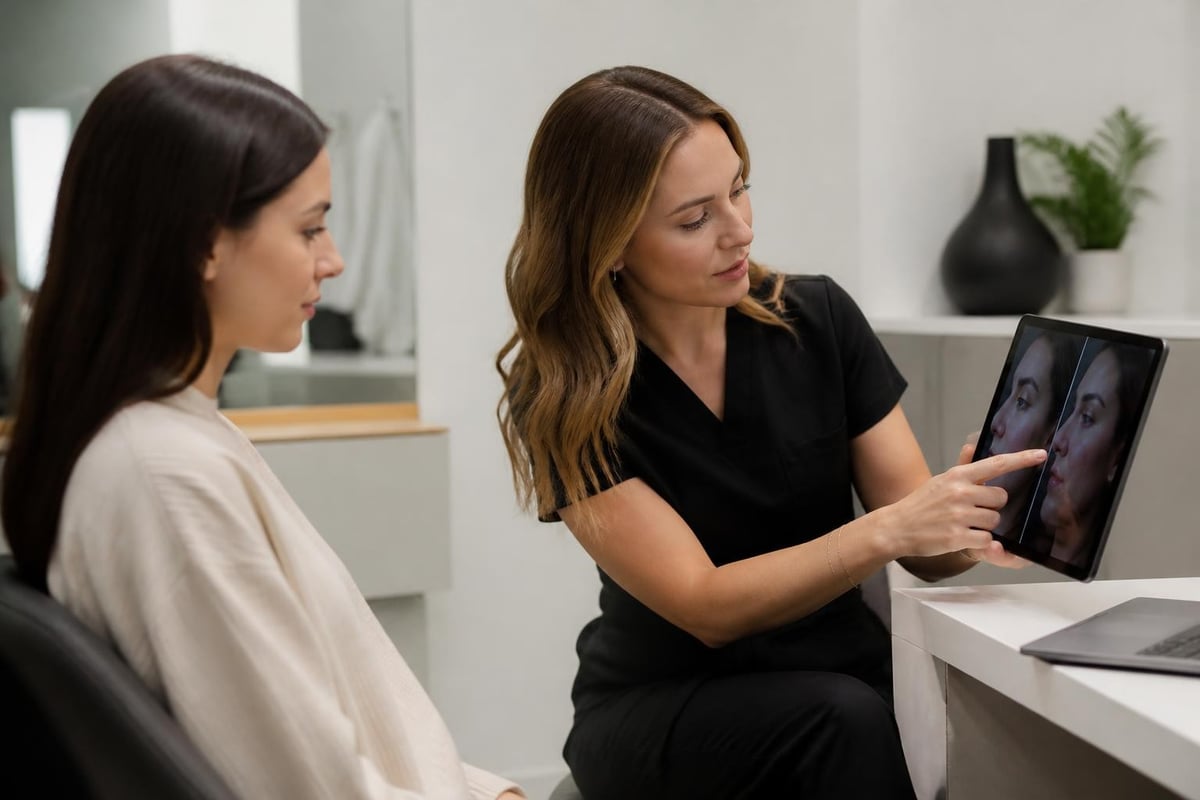
Toronto's New Skin Laser Clinic conducts thorough consultations before treating stretch marks:
- Skin assessment: Evaluating stretch mark age, color, location, and skin type
- Medical history review: Identifying contraindications or special considerations
- Treatment planning: Customizing laser settings, session frequency, and combination approaches
- Expectation alignment: Discussing realistic outcomes with treatment examples
The clinic's Queen Street East location in the Beaches provides accessible care for Toronto's east end and surrounding neighborhoods.
Skin Type Considerations and Safety
Treating stretch marks safely across different skin tones requires expertise and appropriate technology. Darker skin (Fitzpatrick types IV-VI) faces higher risks of post-inflammatory hyperpigmentation with certain lasers.
Technology Selection Matters
Safer for darker skin:
- Non-ablative fractional lasers (1550nm erbium)
- Microneedling radiofrequency
- Longer wavelength lasers (1064nm Nd:YAG)
Higher risk for darker skin:
- Ablative CO2 lasers (use with extreme caution)
- Pulsed dye lasers (can cause pigmentation changes)
- High-energy settings without proper cooling
Toronto's diverse population means clinics must maintain expertise across all skin types. New Skin Laser Clinic's estheticians receive specialized training in treating various Fitzpatrick types safely.
Cost Considerations and Investment Planning
Treating stretch marks represents a financial commitment. Understanding pricing structures helps with planning.
Typical Toronto Pricing
While costs vary by technology and treatment area size, professional stretch mark treatments generally range from several hundred to over a thousand dollars per session. Package pricing for multi-session series typically offers better value than individual treatments.
Factors affecting cost include:
- Treatment area size: Abdomen costs more than thigh sections
- Technology used: Advanced fractional lasers versus basic microneedling
- Sessions needed: Mature white marks require more treatments than newer red marks
- Combination approaches: Adding PRP or radiofrequency increases per-session cost
The NHS notes that stretch mark treatment is considered cosmetic and not covered by public healthcare in the UK. Similarly, Canadian provincial health plans don't cover cosmetic stretch mark treatments, making private payment necessary.
Maintenance and Long-Term Skin Health
After completing your initial treatment series, maintaining results requires ongoing skin care and occasional touch-up sessions.
Post-Treatment Protection
- Sun protection: Daily SPF 30+ prevents hyperpigmentation and protects remodeling skin
- Hydration: Well-moisturized skin heals better and maintains elasticity
- Gentle care: Avoid harsh exfoliants on treated areas during healing
- Healthy lifestyle: Stable weight, good nutrition, and adequate sleep support collagen production
Annual Refresh Sessions
Some Toronto patients schedule yearly maintenance treatments to sustain their initial improvements. Single sessions help counteract natural aging and keep treated areas looking their best.
Special Considerations for Pregnancy-Related Stretch Marks
New mothers frequently seek treatment for abdominal, breast, and thigh stretch marks. Timing matters significantly.
When to Start Treatment
Wait at least 3-6 months after delivery before beginning laser or microneedling treatments. Your body needs time to stabilize hormonally, and stretch marks continue evolving during this period.
If breastfeeding, discuss treatment safety with your healthcare provider. Most laser and microneedling procedures are considered safe during lactation, but individual circumstances vary.
Research on anti-stretch mark product use during pregnancy reveals the gap between consumer hopes and scientific evidence. Professional treatments after pregnancy offer far better results than preventive products used during gestation.
Postpartum Treatment Benefits
Treating pregnancy stretch marks within 12-18 months of delivery often yields better results than waiting years. Red or purple marks respond more completely to treatment than fully matured white striae.
New Skin Laser Clinic works with many Toronto mothers balancing childcare, work, and self-care. The clinic's flexible scheduling accommodates busy family lives.
Alternative and Emerging Technologies
The field of treating stretch marks continues evolving with new devices and techniques entering the market.
Newer Approaches Under Investigation
- Acoustic wave therapy: Uses sound waves to stimulate tissue remodeling
- Fractional picosecond lasers: Ultra-short pulse lasers for gentler treatment
- Topical growth factors: Prescription serums applied with microneedling
- Injectable dermal fillers: Filling depressed stretch marks to level with surrounding skin
While promising, these emerging treatments lack the extensive research backing established laser and microneedling approaches. Toronto clinics offering cutting-edge technologies should provide evidence of safety and efficacy.
Making Your Decision
Choosing to invest in treating stretch marks involves both practical and emotional considerations. Your decision should balance treatment effectiveness, budget, time commitment, and personal priorities.
Questions to Ask During Consultation
- Which treatment technology do you recommend for my specific stretch marks, and why?
- How many sessions realistically will I need, and what improvement percentage should I expect?
- What are the risks for my skin type, and how do you minimize complications?
- Can I see before-and-after photos of patients with similar stretch marks?
- What does the recovery process look like after each session?
Professional clinics welcome detailed questions and provide honest, evidence-based answers rather than overpromising results.
Red Flags to Avoid
- Guarantees of complete stretch mark removal
- Pressure to purchase large package deals during first consultation
- Lack of proper consultation or skin assessment
- Practitioners without proper training in laser safety
- No discussion of risks or contraindications
Toronto's competitive aesthetic market includes both excellent providers and those cutting corners. Researching credentials, reading reviews, and trusting your instincts protects both your health and investment.
Treating stretch marks effectively requires professional technology, experienced practitioners, and realistic expectations about gradual improvement rather than instant erasure. Whether you're addressing pregnancy marks, growth-related striae, or fitness-induced scarring, evidence-based laser and microneedling treatments deliver measurable results. New Skin Laser Clinic brings advanced aesthetic technology and personalized care to Toronto's Beaches neighborhood, helping clients achieve smoother, more confident skin through tailored treatment plans. Book a free consultation by calling (416) 317-6696 to discuss your specific concerns and discover which approach will work best for your skin.