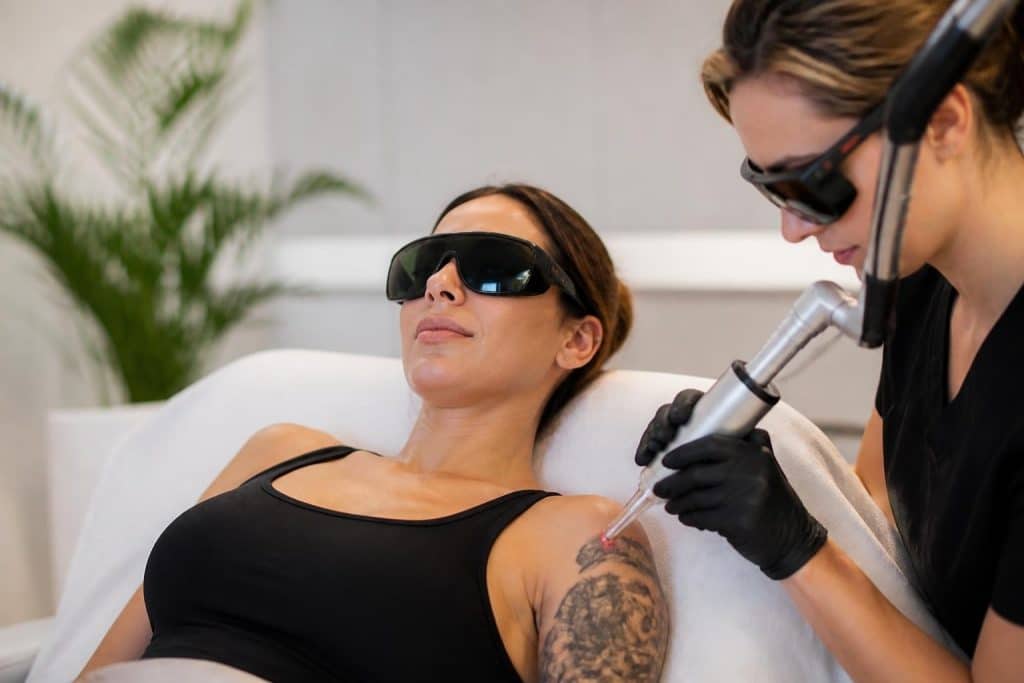
Advanced laser technology has revolutionized how clinics approach pigmentation correction, tattoo removal, and overall skin rejuvenation. Among the latest innovations, PicoWay represents a significant leap forward in picosecond laser platforms, offering Toronto residents access to treatments that were previously less effective or required substantially more sessions. This ultra-short pulse technology operates at speeds measured in trillionths of a second, creating a photomechanical impact that shatters unwanted pigment without the thermal damage associated with older laser systems. For patients seeking solutions to stubborn melasma, post-inflammatory hyperpigmentation, or professional tattoos, understanding how this technology works and what results to expect becomes essential when choosing a treatment path.
How PicoWay Technology Differs From Traditional Lasers
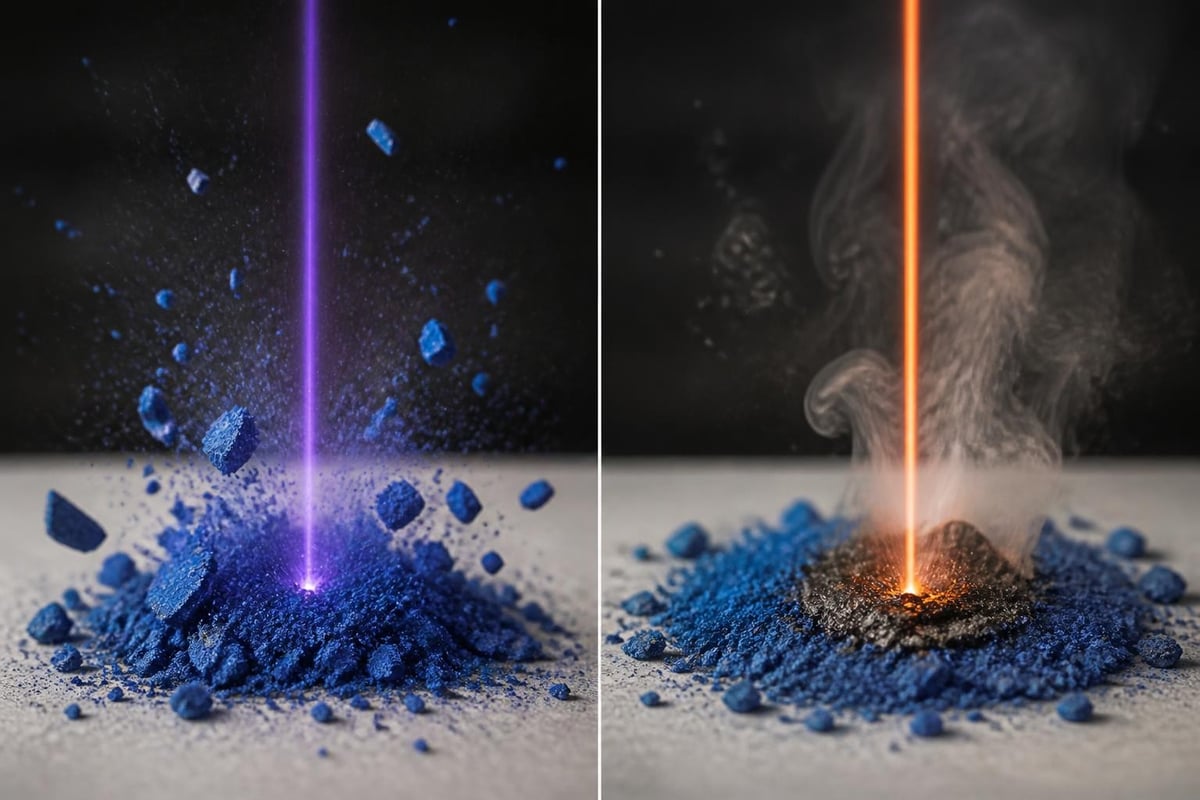
The fundamental distinction between PicoWay and conventional Q-switched lasers lies in pulse duration and mechanism of action. Traditional nanosecond lasers rely primarily on photothermal effects, generating heat that breaks apart pigment but also transfers thermal energy to surrounding tissue. This heat can trigger inflammation, increase downtime, and pose higher risks for patients with darker skin types.
PicoWay operates at pulse widths between 294 and 450 picoseconds, depending on wavelength. This ultra-short duration creates a photoacoustic effect that shatters target chromophores into smaller particles through pressure waves rather than heat. The result is more efficient clearance with reduced collateral damage.
Multiple Wavelengths for Diverse Applications
One of the platform's key advantages is its multi-wavelength capability. The system offers three distinct wavelengths, each optimized for specific chromophores and treatment depths:
- 1064 nm – Penetrates deepest, ideal for darker ink colors, dermal pigmentation, and skin rejuvenation in all skin types
- 532 nm – Targets superficial red and orange pigments, vascular lesions, and epidermal melanin
- 730 nm – Specifically designed for blue and green tattoo inks, which historically proved most resistant to removal
This wavelength versatility allows practitioners to customize treatments based on pigment color, depth, and the patient's Fitzpatrick skin type. According to FDA clearance documentation, the device holds regulatory approval for benign pigmented lesions, tattoo removal, acne scars, and wrinkles.
| Wavelength | Primary Targets | Penetration Depth | Optimal Uses |
|---|---|---|---|
| 1064 nm | Black, brown, dark blue ink; dermal melanin | Deep (3-4 mm) | Multi-color tattoos, melasma, nevus of Ota |
| 532 nm | Red, orange, yellow pigments | Superficial (1-2 mm) | Epidermal hyperpigmentation, red ink |
| 730 nm | Blue, green ink | Medium (2-3 mm) | Stubborn tattoo colors |
Clinical Applications at New Skin Laser Clinic
Tattoo Removal With Superior Clearance Rates
Professional tattoos contain dense concentrations of ink particles distributed throughout dermal layers. The American Academy of Dermatology emphasizes that laser-based removal remains the gold standard, with picosecond platforms showing enhanced efficacy over older technologies.
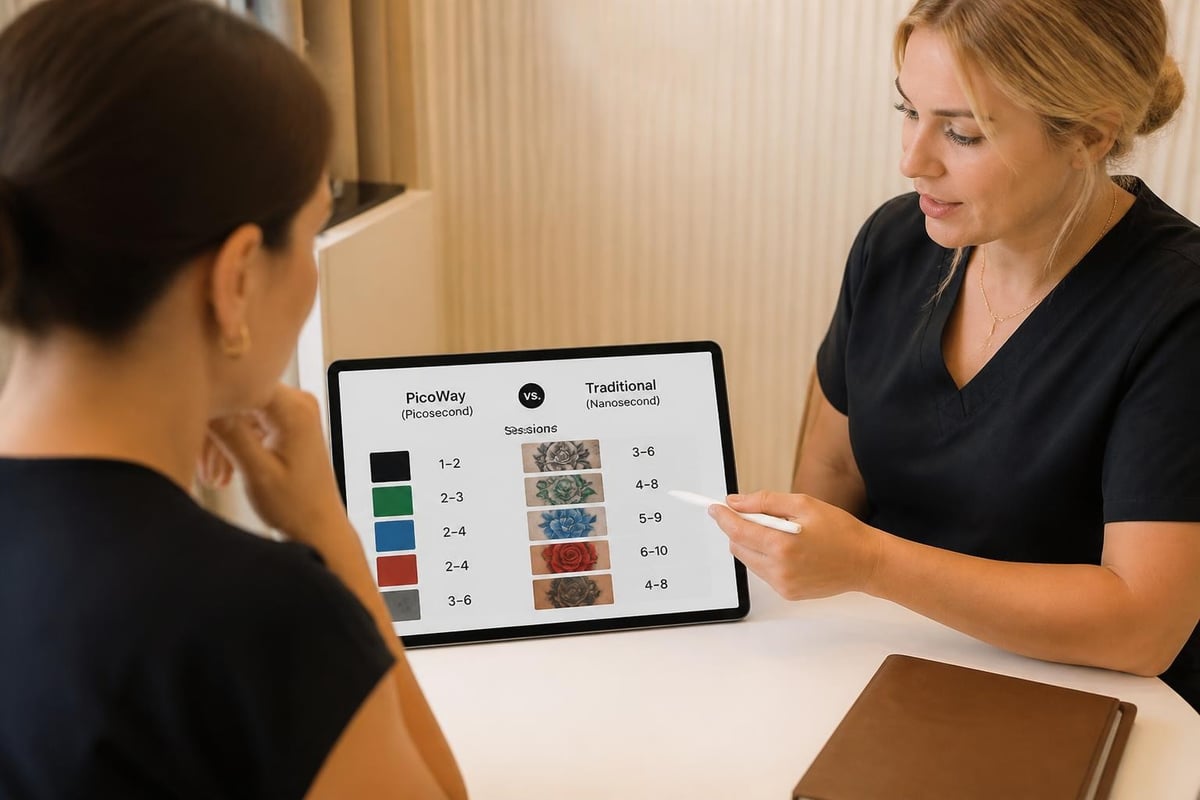
Research published in medical literature demonstrates that PicoWay achieves significant clearance in fewer sessions compared to Q-switched alternatives. A 2024 prospective study examining black tattoo removal in Fitzpatrick type IV skin found excellent results with minimal adverse effects, confirming safety across diverse skin tones.
Amateur versus professional tattoos present different challenges. Amateur ink typically sits more superficially and responds faster, often clearing in three to five sessions. Professional tattoos with multiple colors and greater ink density may require eight to twelve treatments spaced six to eight weeks apart.
At New Skin Laser Clinic, we assess each tattoo's characteristics during consultation, including size, color palette, age, and depth. This evaluation informs realistic treatment timelines and helps patients understand the commitment involved.
Pigmentation Correction for Toronto's Diverse Population
Hyperpigmentation affects patients across all skin types but presents particular challenges in darker phototypes where traditional lasers risk post-inflammatory hyperpigmentation. PicoWay's photomechanical approach minimizes thermal damage, making it suitable for Fitzpatrick types IV through VI when properly calibrated.
Common pigmentary concerns treated include:
- Melasma – Hormonally influenced patches typically on cheeks, forehead, and upper lip
- Post-inflammatory hyperpigmentation – Dark marks following acne, eczema, or trauma
- Lentigines – Age spots and sun damage accumulation
- Nevus of Ota – Congenital dermal melanocytosis affecting periorbital areas
A 2025 multi-institutional retrospective analysis comparing 1064 nm and 730 nm wavelengths for acquired dermal melanocytosis revealed both wavelengths achieved significant clearance, though the 1064 nm showed slightly faster results in deeper lesions.
Skin Rejuvenation and Texture Improvement
Beyond pigment removal, PicoWay's Resolve handpiece delivers fractional treatment for overall skin quality enhancement. This tip creates micro-injuries in a specific pattern that stimulates collagen and elastin production without ablating the epidermis.
Patients notice improvements in:
- Fine lines and wrinkles
- Enlarged pores
- Acne scars and textural irregularities
- Overall skin tone and radiance
The clinical evaluation of Resolve handpieces documented consistent improvements in pigmentation and texture when protocols were properly followed. Treatments typically occur monthly over three to six sessions, with progressive enhancement visible throughout the series.
Treatment Experience and Recovery Protocol
What Happens During a Session
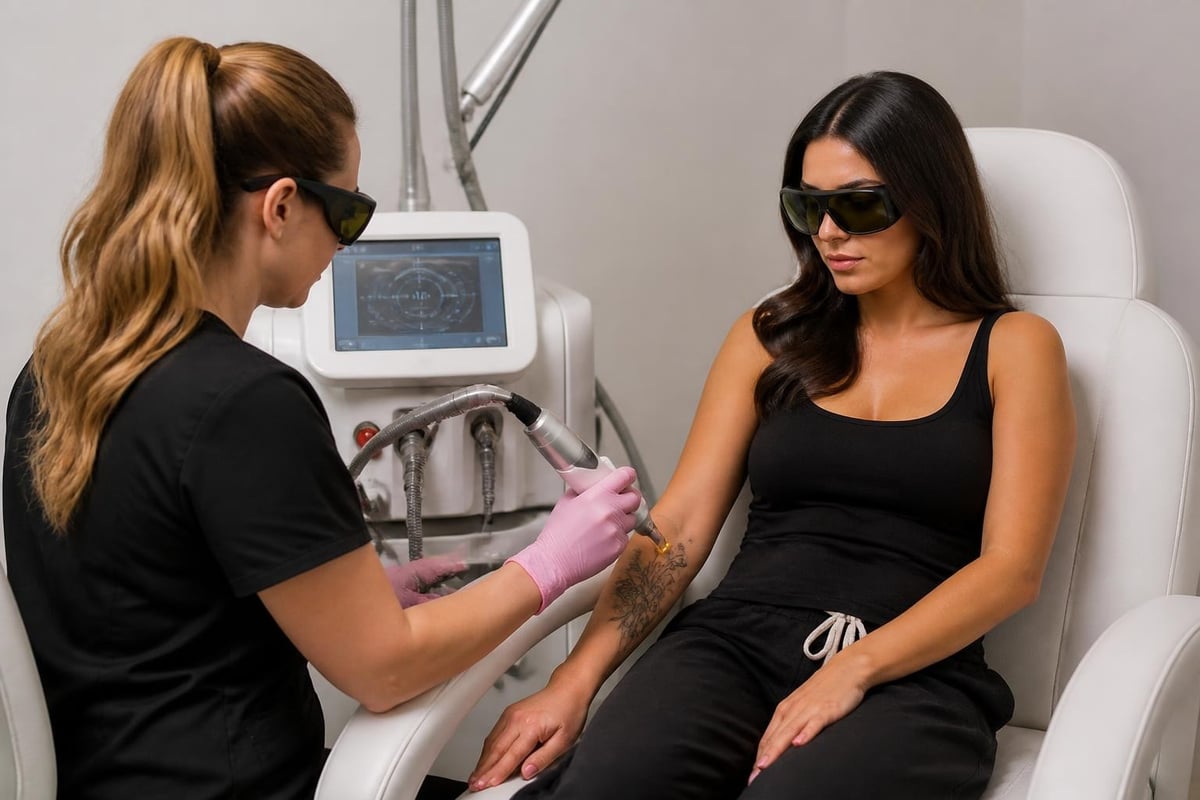
After cleansing the treatment area, practitioners apply a topical anesthetic cream for patient comfort, particularly for tattoo removal where higher fluences are required. The actual laser application takes minutes to complete, depending on the size of the treated zone.
Patients describe the sensation as similar to rubber band snaps against the skin. The ultra-short pulse duration makes each impact brief, though repetitive pulses over the same area can create cumulative discomfort. Ice packs applied immediately after treatment help minimize swelling and provide soothing relief.
Immediate post-treatment reactions include:
- Whitening (frosting) that fades within minutes
- Mild erythema lasting hours to days
- Temporary darkening of pigmented lesions before they flake off
- Possible pinpoint bleeding with tattoo treatments at higher settings
Evidence-Based Aftercare
Proper post-treatment care significantly influences both results and safety outcomes. A 2026 randomized controlled study examining topical regimens after PicoWay treatment demonstrated that specific skin-repair protocols enhanced healing and reduced adverse events.
Essential aftercare steps include:
- Keep the area clean with gentle, fragrance-free cleansers
- Apply prescribed healing ointments to maintain moisture barrier
- Avoid sun exposure and use broad-spectrum SPF 50+ sunscreen daily
- Do not pick at scabs or flaking skin
- Avoid swimming pools, hot tubs, and saunas for 48-72 hours
- Skip active skincare ingredients (retinoids, acids) until healing completes
Toronto's variable weather conditions require additional attention to sun protection, particularly during summer months when UV exposure peaks. Patients undergoing pigmentation treatment must maintain diligent photoprotection throughout their treatment series and beyond to prevent recurrence.
Safety Considerations Across Skin Types
Addressing Risks in Darker Phototypes
While PicoWay's reduced thermal profile improves safety margins, all laser treatments carry inherent risks when applied to darker skin. The primary concern is post-inflammatory hyperpigmentation, where the laser's impact triggers melanocyte activity that creates new dark patches.
Practice-oriented guidance for skin of color emphasizes conservative parameter selection, test spots before full treatment, and extended intervals between sessions. Patients with Fitzpatrick types IV-VI benefit from starting with lower fluences and gradually increasing energy as tolerance is established.
Pre-treatment preparation may include:
- Topical skin lightening agents to reduce baseline melanin
- Strict sun avoidance for two weeks prior
- Discontinuation of photosensitizing medications
- Assessment for active inflammation or infection
Contraindications and Special Populations
Certain conditions preclude PicoWay treatment or require modified protocols. Absolute contraindications include active infections in the treatment area, history of keloid formation, and photosensitizing medications that cannot be discontinued. Pregnancy and breastfeeding are relative contraindications where treatments are typically postponed.
Patients with melasma require particularly careful evaluation. This hormonally influenced condition can paradoxically worsen with aggressive treatment. Conservative approaches using lower energies, longer intervals, and combination therapies with topical agents yield better outcomes than aggressive standalone laser protocols.
Comparing Results: What Research Shows
Clinical Outcomes Across Applications
Published studies consistently demonstrate PicoWay's effectiveness across its approved indications. For tattoo removal, clearance rates exceed those of Q-switched lasers, with many patients achieving satisfactory results in 25-50% fewer sessions. The European Academy of Dermatology and Venereology guidelines on laser-assisted tattoo removal recognize picosecond platforms as advancing the standard of care.
Pigmentation treatments show variable response depending on lesion type and depth. Superficial lesions like lentigines often clear after one to three sessions. Deeper dermal pigmentation such as nevus of Ota requires six to ten treatments for substantial improvement. Melasma remains challenging with any modality, showing recurrence rates of 25-50% within one year without ongoing maintenance and sun protection.
| Condition | Average Sessions | Interval | Maintenance Needs |
|---|---|---|---|
| Amateur tattoo | 3-5 | 6-8 weeks | None after clearance |
| Professional tattoo | 8-12 | 6-8 weeks | None after clearance |
| Solar lentigines | 1-3 | 4-6 weeks | Annual touch-ups |
| Melasma | 4-8 | 4 weeks | Ongoing quarterly |
| Acne scars | 3-6 | 4-6 weeks | Yearly maintenance |
Device Technology and Manufacturer
Candela Medical, the manufacturer behind PicoWay, brings decades of laser development expertise to this platform. Their product portfolio spans multiple aesthetic and medical laser categories, establishing credibility in the medical device space.
The official PicoWay patient information outlines approved uses and describes the various handpieces available for different applications. This manufacturer transparency helps patients understand what they're receiving and verify that their provider uses genuine equipment with proper training certification.
Selecting Your Toronto Provider
What to Look for in a Clinic
Not all laser clinics maintain the same standards of training, equipment maintenance, and patient care protocols. When considering PicoWay treatment in Toronto, evaluate providers based on several critical factors.
Practitioner qualifications matter significantly. While various professionals can operate aesthetic lasers in Ontario, those with medical backgrounds or extensive certification in laser physics better understand tissue response and complication management. Ask about specific training on the PicoWay platform and how many treatments the operator has performed.
Equipment authenticity and maintenance directly impact safety and results. Genuine Candela devices undergo regular service and calibration. Some clinics use refurbished or counterfeit equipment that may not deliver proper parameters or lack safety features.
Questions to Ask During Consultation
A thorough consultation reveals provider expertise and helps establish realistic expectations. Prepare these questions for your visit:
- How many PicoWay treatments has this specific technician performed?
- Can you show before-and-after photos of patients with similar concerns and skin types?
- What are realistic clearance expectations for my specific condition?
- What fluences and wavelengths will you use, and why?
- How do you manage complications if they occur?
- What is the total estimated cost and payment structure?
Reputable clinics provide honest assessments, including cases where PicoWay may not be the optimal solution. Beware of guarantees of complete clearance or unusually aggressive treatment schedules that could compromise safety for faster results.
Investment and Value Considerations
Cost Structure in Toronto's Market
Pricing for PicoWay treatments varies based on application, treatment area size, and clinic positioning. Toronto's competitive aesthetic market offers options across price ranges, though extremely low pricing often signals compromised equipment, inexperienced operators, or hidden fees.
Typical investment ranges for New Skin Laser Clinic services:
Tattoo removal pricing depends on tattoo size, with small pieces under two inches costing less per session than larger back or sleeve pieces. Pigmentation treatments are often priced by zone (face, chest, hands) rather than time. Package pricing for multi-session commitments typically provides per-treatment savings of 10-15% compared to single-session rates.
The total investment should factor in the full treatment series plus aftercare products. Budget-conscious patients benefit from asking about package options during consultation and understanding what the total journey entails financially before starting.
Insurance and Medical Necessity
Most PicoWay applications fall under cosmetic categories, making them ineligible for provincial health coverage. However, certain pigmentary conditions causing functional impairment may qualify for insurance consideration when documented by a physician. Always verify coverage with your specific insurer before assuming out-of-pocket responsibility.
Flexible payment options help make treatments accessible. Many Toronto clinics, including practices in the Beaches neighborhood, offer monthly payment plans or healthcare financing through third-party lenders. These arrangements spread costs over 6-24 months, making comprehensive treatment series more manageable.
Optimizing Your Treatment Series
Timing and Scheduling Strategy
Session spacing significantly impacts results and safety. Rushing treatments closer together does not accelerate outcomes and may increase adverse event risk. The body requires time to process shattered pigment particles through lymphatic clearance and to complete healing before subsequent impacts.
Optimal intervals by application:
- Tattoo removal: 6-8 weeks minimum
- Pigmentation treatment: 4-6 weeks
- Skin rejuvenation: 4 weeks
Toronto's seasonal considerations influence scheduling for some patients. Those with significant sun exposure should avoid starting pigmentation series during summer vacation periods. Winter treatments allow healing under covered clothing and reduced UV exposure, though indoor heating requires extra moisturization attention.
Combination Approaches
PicoWay often integrates into comprehensive treatment plans rather than serving as a standalone solution. Patients addressing acne scars may combine fractional picosecond treatments with radiofrequency microneedling or chemical peels for enhanced remodeling. Those treating melasma typically use topical triple-combination therapy alongside laser sessions.
Your provider at New Skin Laser Clinic can discuss complementary treatments available, including advanced facials, laser hair removal, and other rejuvenation services that align with your aesthetic goals. This integrative approach often delivers more comprehensive improvements than any single modality alone.
Monitoring Progress and Managing Expectations
Realistic Timeline for Visible Change
Patient satisfaction correlates strongly with accurate pre-treatment expectation setting. While some improvements appear quickly, complete clearance or maximum enhancement requires patience through the full protocol.
Pigmentation treatments show gradual fading over weeks following each session. Superficial lesions may completely clear after one treatment, while dermal pigmentation lightens incrementally across multiple sessions. Photographic documentation at each visit helps track progress that might be imperceptible week-to-week.
Tattoo removal presents even longer timelines. Expect visible fading after three to four sessions, with significant clearance emerging around session six for professional work. Complete removal may prove elusive for certain colors or densely packed ink, with 80-90% clearance representing excellent outcomes for complex pieces.
Skin rejuvenation delivers progressive enhancement in texture and tone. Collagen remodeling continues for several months after the final treatment, meaning optimal results emerge three to six months post-series completion.
When Results Fall Short
Not every patient achieves ideal outcomes despite proper protocols. Certain factors predict reduced response, including very deep pigmentation, specific ink formulations containing titanium or iron oxides, and inherent healing variability between individuals.
If progress plateaus or results disappoint, discuss alternative approaches with your provider. Options may include switching wavelengths, adjusting parameters, adding complementary treatments, or acknowledging when maximal improvement has been reached with current technology.
PicoWay technology represents a significant advancement in treating pigmentation concerns, removing unwanted tattoos, and rejuvenating skin texture with reduced downtime and improved safety across diverse skin types. Understanding how this picosecond platform works, what results to expect, and how to select qualified providers empowers Toronto residents to make informed decisions about their aesthetic goals. At New Skin Laser Clinic in the Beaches, our experienced team uses advanced technology including PicoWay to deliver personalized treatments designed for your specific concerns and skin type. If you're ready to address stubborn pigmentation, start your tattoo removal journey, or enhance your skin's overall quality, book a free consultation by calling (416) 317-6696.