

Removing a tattoo is only the beginning of your journey toward clear skin. The real work happens in the days and weeks following your laser treatment session. Proper laser tattoo removal aftercare toronto protocols determine not only how quickly your skin heals but also the quality of your final results. At New Skin Laser Clinic in Toronto's Beaches neighborhood, clients receive detailed aftercare instructions that combine cutting-edge dermatological research with practical, real-world guidance tailored to our local climate and lifestyle.
Understanding the Healing Process After Laser Treatment
Your skin undergoes significant stress during laser tattoo removal. The high-intensity light pulses fragment ink particles beneath the skin's surface, triggering your immune system to flush out these broken-down pigments over time.
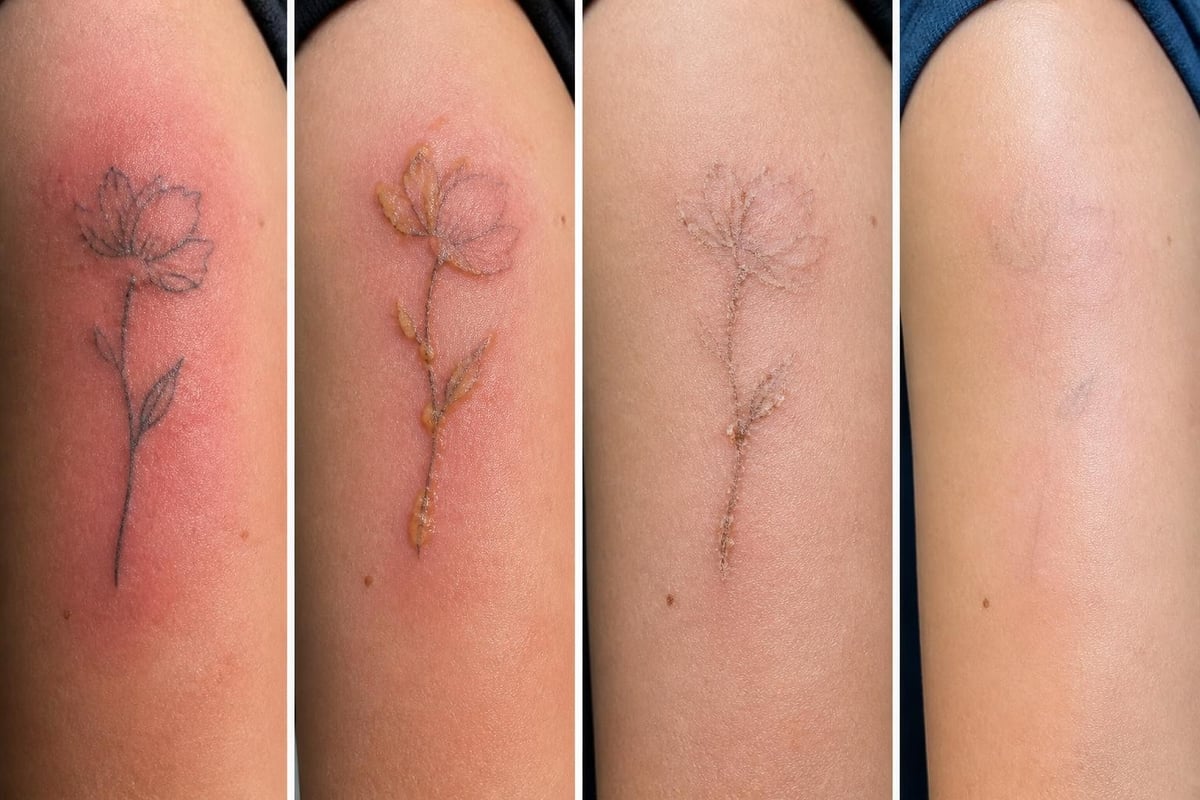
This process creates controlled trauma similar to a superficial burn. Within minutes of treatment, you'll notice swelling, redness, and possibly some pinpoint bleeding. These are normal responses that signal your body's healing mechanisms have activated.
Immediate Post-Treatment Response
The first 24 hours require careful attention. Your treated area may develop:
- Raised, whitened skin (frosting) that disappears within 20-30 minutes
- Moderate to significant swelling, especially on sensitive areas
- Blistering or crusting over the tattoo site
- Pinpoint bleeding or oozing of clear fluid
- Sensitivity to touch and temperature changes
According to research on laser tattoo removal outcomes, these reactions vary based on ink density, colors present, and individual skin response. Darker inks typically create more pronounced initial reactions than lighter colors.
First Week Aftercare Protocol
The initial seven days establish the foundation for successful healing. Your laser tattoo removal aftercare toronto routine should prioritize protection, cleanliness, and moisture balance.
Daily Cleaning Routine
Clean the treated area 2-3 times daily using these steps:
- Wash your hands thoroughly with antibacterial soap
- Gently cleanse the tattoo with lukewarm water and fragrance-free soap
- Pat dry with a clean paper towel or allow to air dry
- Apply a thin layer of prescribed ointment or fragrance-free moisturizer
- Cover with a breathable bandage if clothing will rub the area
Toronto Public Health guidance on infection prevention emphasizes the importance of hand hygiene before touching healing skin. This simple step dramatically reduces infection risk.
What to Apply and What to Avoid
| Recommended Products | Products to Avoid |
|---|---|
| Aquaphor healing ointment | Neosporin or antibiotic creams |
| Fragrance-free Cetaphil | Petroleum jelly (after first 3 days) |
| Prescribed topical treatments | Vitamin E oil |
| Gentle aloe vera gel | Scented lotions or creams |
| Hydrocortisone 1% (if approved) | Alcohol-based products |
Antibiotic ointments can cause allergic reactions in some individuals and aren't necessary unless infection develops. Your skin needs to breathe while staying protected.
Managing Blistering and Crusting
Blisters form as your body's protective response to laser-induced trauma. Clinical observations of wound healing patterns show that blistering occurs in approximately 30-40% of tattoo removal sessions, particularly with darker, denser ink.
Never pop or pick at blisters. They serve as natural bandages protecting vulnerable tissue underneath. Breaking them prematurely invites infection and increases scarring risk.
When blisters rupture naturally, continue your cleaning routine and monitor closely for infection signs:
- Increasing pain after the third day
- Thick yellow or green discharge
- Red streaking extending from the treated area
- Fever or chills
- Unusual warmth around the site
Contact your treatment provider immediately if these symptoms develop. Public Health Ontario’s infection control guidelines stress that early intervention prevents complications that could compromise your results.
Lifestyle Adjustments During Healing
Your daily activities directly impact healing quality. The laser tattoo removal aftercare toronto approach at New Skin Laser Clinic includes clear guidance on modifying routines for optimal results.
Physical Activity and Exercise
Avoid strenuous exercise for 48-72 hours post-treatment. Sweating introduces bacteria to healing skin and can irritate the treatment area. When you resume activity:
- Choose loose-fitting, breathable clothing
- Shower immediately after workouts
- Keep the treated area clean and dry
- Avoid swimming pools, hot tubs, and saunas for 2-3 weeks
Toronto's summer humidity requires extra vigilance. High moisture levels can soften scabs prematurely and delay healing.
Sun Protection Requirements
UV exposure is your healing skin's worst enemy. The American Academy of Dermatology emphasizes that sun damage during the healing phase can cause hyperpigmentation that persists for months or becomes permanent.
Protect treated areas with:
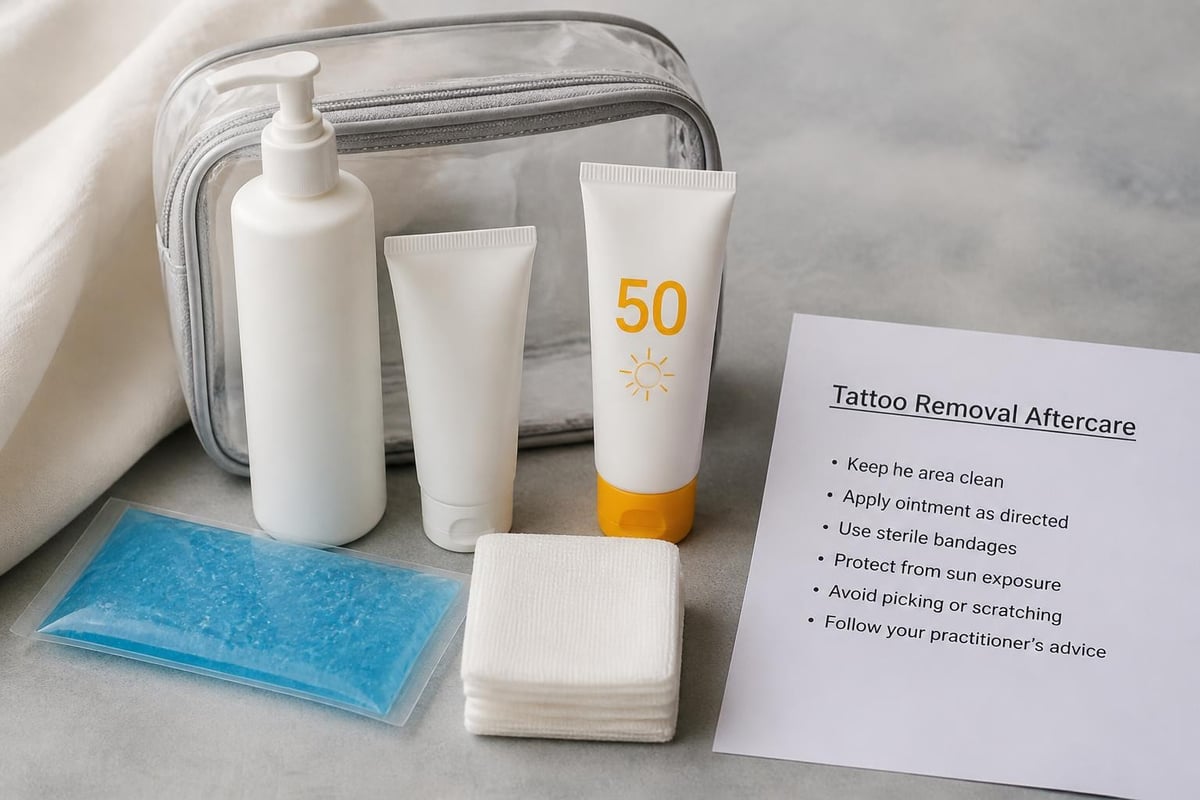
- SPF 50+ broad-spectrum sunscreen applied every 2 hours when outdoors
- Physical barriers like clothing or bandages when possible
- Shade-seeking behavior during peak UV hours (10 AM – 4 PM)
- Continued protection for at least 3 months post-treatment
This applies year-round in Toronto. Winter sun reflecting off snow can be as damaging as summer rays.
Week Two Through Complete Healing
As initial inflammation subsides, your focus shifts to supporting natural regeneration. Most people experience significant improvement by day 14, though complete healing takes 6-8 weeks.
The Scabbing Phase
Scabs typically form 5-7 days after treatment and persist for 1-2 weeks. This protective layer must shed naturally. Forced removal damages regenerating tissue underneath and increases scarring risk substantially.
Managing itching without scratching:
- Apply cool compresses for 10-15 minutes
- Use fragrance-free moisturizer frequently
- Take over-the-counter antihistamines if itching disrupts sleep
- Keep fingernails trimmed short
- Wear cotton gloves at night if necessary
The regenerating skin beneath appears pink or lighter than surrounding tissue. This temporary color difference fades as healing progresses.
Monitoring Pigmentation Changes
Hyperpigmentation (darkening) or hypopigmentation (lightening) can occur post-treatment. According to research on laser safety considerations, these changes affect approximately 10-15% of patients and usually resolve within 6-12 months.
Factors that increase pigmentation risk include:
- Darker skin tones (Fitzpatrick types IV-VI)
- Recent sun exposure before or after treatment
- Inadequate sun protection during healing
- Picking at scabs or blisters
- Certain medications that increase photosensitivity
If pigmentation changes persist beyond three months, consult your treatment provider about corrective options.
Toronto-Specific Aftercare Considerations
Living in Toronto presents unique challenges and advantages for laser tattoo removal aftercare toronto protocols.
Seasonal Care Adjustments
Winter (November-March):
Indoor heating creates extremely dry air that dehydrates healing skin. Use a humidifier in your bedroom and moisturize more frequently. Despite cold temperatures, UV protection remains essential, especially near Lake Ontario where snow reflection intensifies exposure.
Summer (June-September):
High humidity and heat increase infection risk through excessive sweating. Air conditioning helps, but don't let treated skin become too dry. Beach visits require extra caution-sand and lake water both harbor bacteria that threaten healing tissue.
Spring/Fall Transition Periods:
Temperature fluctuations stress healing skin. Layer clothing strategically to prevent overheating while protecting treated areas from direct sun exposure.
Accessing Medical Care When Needed
York Region’s public health resources provide clear guidance on when to seek professional medical attention. Toronto residents have several options:
- Contact your treatment clinic first (New Skin Laser Clinic responds promptly to client concerns)
- Visit walk-in clinics for urgent but non-emergency issues
- Go to emergency departments for severe pain, extensive infection, or allergic reactions
- Consult your family physician for persistent complications
Keep your treatment clinic's contact information readily accessible. At New Skin Laser Clinic, clients receive after-hours emergency contact protocols for urgent concerns.
Long-Term Care Between Sessions
Laser tattoo removal typically requires 5-10 sessions spaced 6-12 weeks apart. The aftercare between treatments matters as much as immediate post-session care.
Preparing for Your Next Session
| Timeline | Care Focus |
|---|---|
| Weeks 1-4 | Active healing, strict sun protection, gentle cleansing |
| Weeks 5-8 | Continued sun protection, moisturizing, monitoring fade progress |
| Weeks 9-12 | Skin strengthening, hydration, pre-treatment consultation |
| Week 12+ | Assessment for next session readiness |
Your skin must fully heal before the next treatment. Attempting sessions too close together increases scarring risk and reduces effectiveness. Current medical literature on laser effectiveness confirms that adequate healing intervals optimize ink clearance while minimizing adverse effects.
Optimizing Immune Response
Your immune system does the actual work of removing fragmented ink particles. Support this process through:
- Adequate hydration: Aim for 8-10 glasses of water daily
- Balanced nutrition: Focus on protein, vitamins C and E, and zinc
- Quality sleep: 7-9 hours nightly supports tissue repair
- Stress management: Chronic stress impairs immune function
- Avoiding smoking: Nicotine constricts blood vessels and delays healing
Toronto's active lifestyle supports healing when approached mindfully. Walking along the beaches, practicing yoga, or cycling-all help circulation without overstressing healing tissue.
Common Mistakes to Avoid
Even well-intentioned clients sometimes sabotage their results. These errors occur frequently enough to warrant specific attention in any comprehensive laser tattoo removal aftercare toronto discussion.
Premature Return to Normal Activities
Treating your skin as fully healed too soon invites complications:
- Swimming before scabs shed completely introduces chlorine, bacteria, or lake contaminants
- Intense workouts within 48 hours increases swelling and infection risk
- Tight clothing over treated areas creates friction that damages regenerating skin
- Hot showers or baths exacerbate inflammation and can macerate scabs
Give your body the time it needs. Rushing healing produces inferior results that may require additional corrective sessions.
Inconsistent Sun Protection
Missing even a few days of sun protection can create lasting pigmentation problems. This proves especially challenging for tattoos on arms, shoulders, or other areas difficult to keep covered in summer.
Strategies for consistent protection:
- Apply sunscreen immediately after your morning moisturizing routine
- Set phone reminders for reapplication every 2 hours
- Keep travel-size sunscreen in your bag, car, and office
- Choose UPF-rated clothing for prolonged outdoor exposure
- Plan outdoor activities during lower-UV morning or evening hours
Toronto summers see UV index levels regularly reaching 8-9 (very high to extreme). This intensity requires diligent protection throughout the healing period and beyond.
Special Considerations for Different Body Areas
Location affects both laser tattoo removal aftercare toronto requirements and healing timelines significantly.
High-Circulation Areas (Face, Neck)
These areas heal faster due to rich blood supply but require extra cosmetic care:
- Use only mineral-based makeup after the first week
- Apply products with clean brushes or fingers
- Remove makeup gently with micellar water
- Expect more pronounced initial swelling
- Consider ice therapy in 15-minute intervals during the first 48 hours
Low-Circulation Areas (Ankles, Feet)
Extremities heal more slowly and face higher infection risk:
- Elevate the treated limb when resting
- Avoid tight socks or shoes that restrict circulation
- Monitor closely for swelling that worsens after day three
- Allow additional healing time before next sessions
- Consider compression garments once initial swelling subsides (with provider approval)
Frequently Moved Areas (Shoulders, Elbows)
Joint movement challenges scab integrity:
- Use larger bandages that extend beyond the treated area
- Apply healing ointment more frequently to prevent drying
- Modify activities temporarily to minimize repetitive motion
- Expect slightly longer healing periods
- Consider flexible fabric bandages designed for joints
Working With Your Treatment Provider
Successful laser tattoo removal aftercare toronto outcomes depend on strong communication with your clinic. New Skin Laser Clinic establishes clear channels for questions and concerns throughout your removal journey.
When to Contact Your Provider
Don't hesitate to reach out if you experience:
- Unexpected pain that intensifies rather than improves
- Signs of infection described earlier
- Allergic reactions to recommended products
- Concerns about healing progress
- Questions about upcoming session timing
- Anxiety about any aspect of the healing process
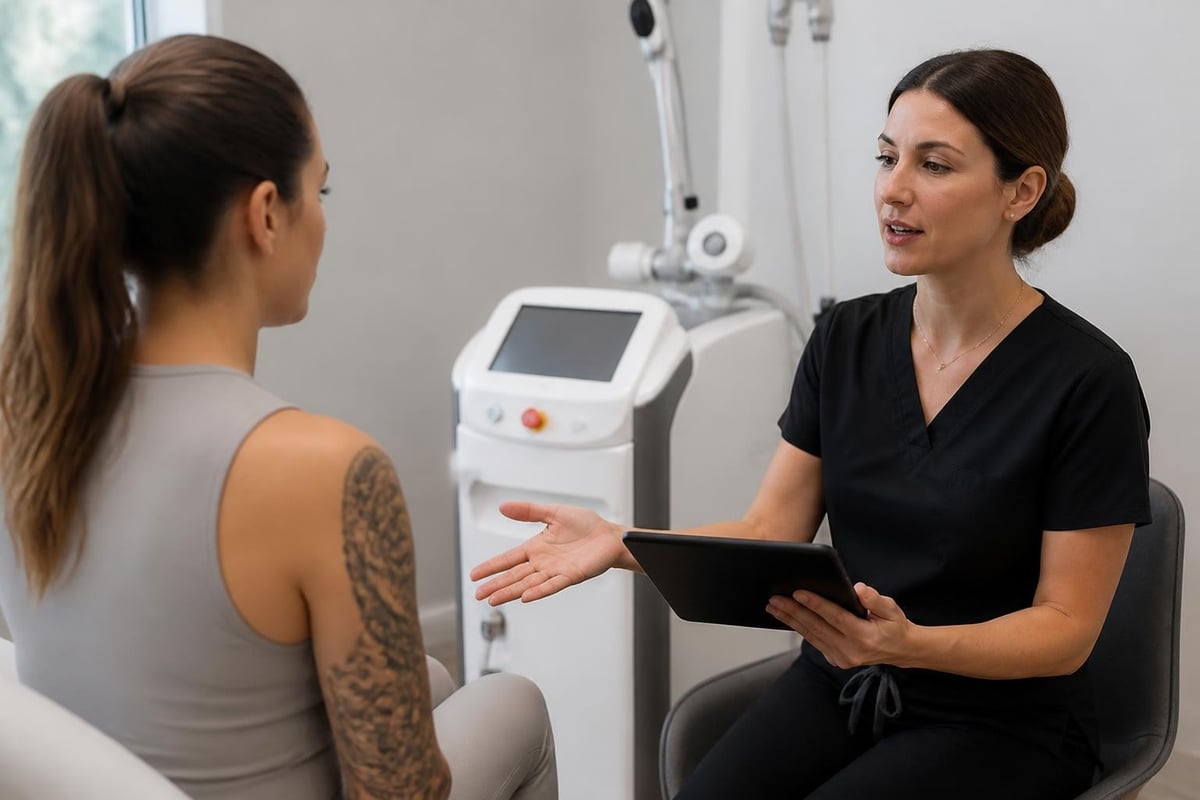
Your treatment team has extensive experience with normal healing variations and can distinguish concerning developments from expected responses.
Documentation for Better Results
Take clear photos of your tattoo every 1-2 weeks between sessions. This helps:
- Track fading progress objectively
- Identify areas requiring focused treatment
- Adjust laser settings for optimal results
- Provide visual evidence if complications develop
- Celebrate your progress through the removal journey
Good lighting and consistent positioning create the most useful comparison photos. Natural window light works better than artificial illumination for accurate color representation.
Proper aftercare transforms laser tattoo removal from a promising treatment into successful, scar-free results. Following these evidence-based protocols-from immediate post-treatment care through complete healing-protects your investment and accelerates your path to clear skin. New Skin Laser Clinic combines advanced laser technology with comprehensive aftercare support to help Toronto clients achieve optimal tattoo removal outcomes. Ready to start your tattoo removal journey with expert guidance every step of the way? Book a free consultation by calling (416) 317-6696 and discover how New Skin Laser Clinic makes professional laser treatments accessible in Toronto's Beaches neighborhood.