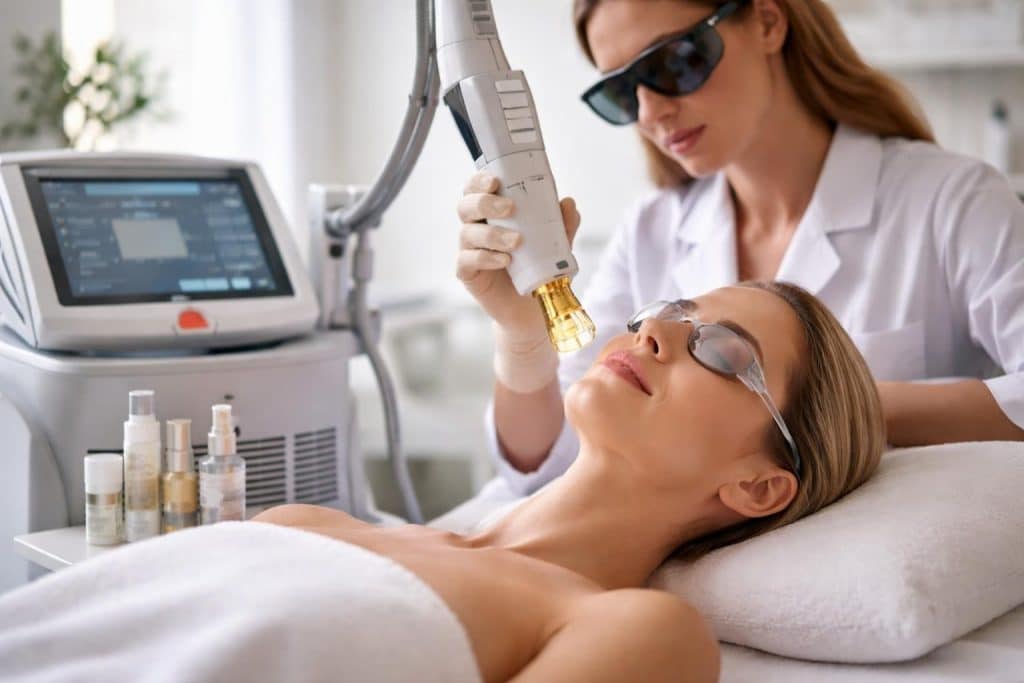
Modern aesthetic medicine has revolutionized how we approach skin concerns, offering non-invasive solutions that deliver remarkable results. Laser technology stands at the forefront of this transformation, providing targeted treatments that address everything from unwanted hair to age-related skin changes. As more people seek effective alternatives to surgical procedures, understanding the range of options available becomes essential for making informed decisions about your skin care journey.
Understanding Modern Laser Technology in Skin Care
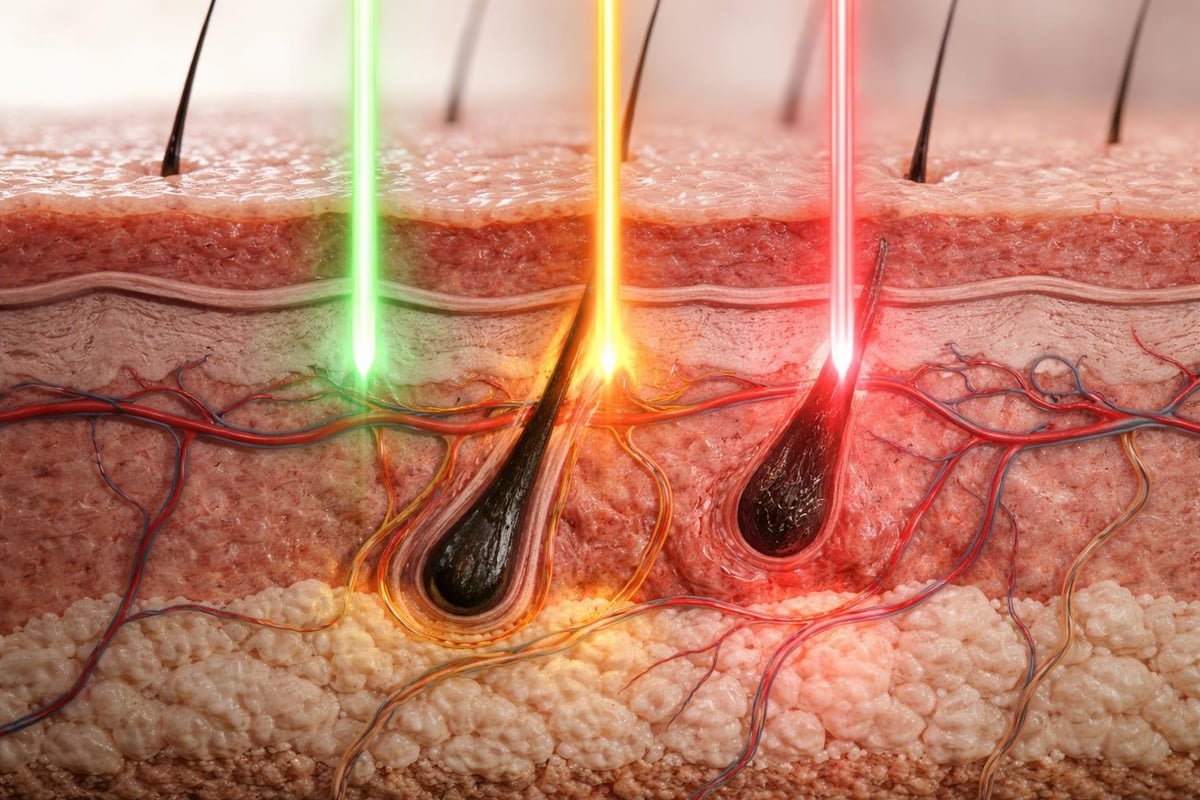
The science behind laser treatments relies on concentrated light energy that penetrates skin at specific wavelengths. Different lasers target particular chromophores, which are molecules that absorb light energy, such as melanin in hair follicles or hemoglobin in blood vessels. This precision allows practitioners to treat specific concerns without affecting surrounding tissue.
Laser treatment for skin concerns has evolved significantly since its introduction in the medical field. According to MedlinePlus, laser therapy now encompasses various applications, from removing tumors to treating varicose veins, demonstrating the versatility of this technology. The advancement in laser systems means treatments are safer, more comfortable, and deliver better outcomes than ever before.
Types of Laser Systems
Professional clinics utilize several categories of laser technology, each designed for specific applications:
- Ablative lasers remove outer skin layers to stimulate collagen production
- Non-ablative lasers heat underlying tissue without damaging the surface
- Fractional lasers create microscopic treatment zones for faster healing
- Vascular lasers target blood vessels and redness
- Pigment-specific lasers address dark spots and uneven tone
The choice between these systems depends on your skin type, concern being treated, and desired downtime. A thorough consultation helps determine which technology aligns with your goals.
Laser Treatment For Hair Removal
Permanent hair reduction remains one of the most popular applications of laser technology. The process works by targeting melanin in hair follicles, heating them to a point where they can no longer produce hair. Multiple sessions are necessary because hair grows in cycles, and lasers only affect follicles in the active growth phase.
The treatment offers long-lasting results compared to traditional methods like shaving or waxing. Most clients experience an 80-90% reduction in hair growth after completing their treatment series. The number of sessions varies based on treatment area, hair color, and individual hormonal factors.
Expected Treatment Timeline
| Treatment Area | Average Sessions | Session Interval | Results Timeline |
|---|---|---|---|
| Face | 6-8 | 4-6 weeks | 6-12 months |
| Underarms | 6-8 | 6-8 weeks | 8-14 months |
| Legs | 6-10 | 8-10 weeks | 12-18 months |
| Bikini | 6-8 | 6-8 weeks | 8-14 months |
Optimal results require commitment to the full treatment schedule. Spacing sessions appropriately ensures you catch hair follicles during their active growth phase.
Addressing Pigmentation and Age Spots
Laser treatment for hyperpigmentation targets excess melanin deposits in the skin. Whether dealing with sun damage, age spots, or post-inflammatory hyperpigmentation, specialized lasers can break down these concentrations of pigment. The body then naturally eliminates the fragmented particles through its lymphatic system.
IPL photofacials use intense pulsed light to address multiple pigmentation concerns simultaneously. While technically not a true laser, IPL delivers broad-spectrum light that targets both brown spots and redness, making it versatile for overall skin tone improvement.
Treatment protocols typically involve:
- Initial consultation and skin assessment
- Preparation period avoiding sun exposure
- Series of 3-5 treatment sessions
- Post-treatment care with sun protection
- Maintenance sessions as needed
Results become visible as treated pigmentation naturally flakes away over the following weeks. Continued sun protection is essential to maintain improvements and prevent new pigmentation from forming.
Vascular Lesion Treatment
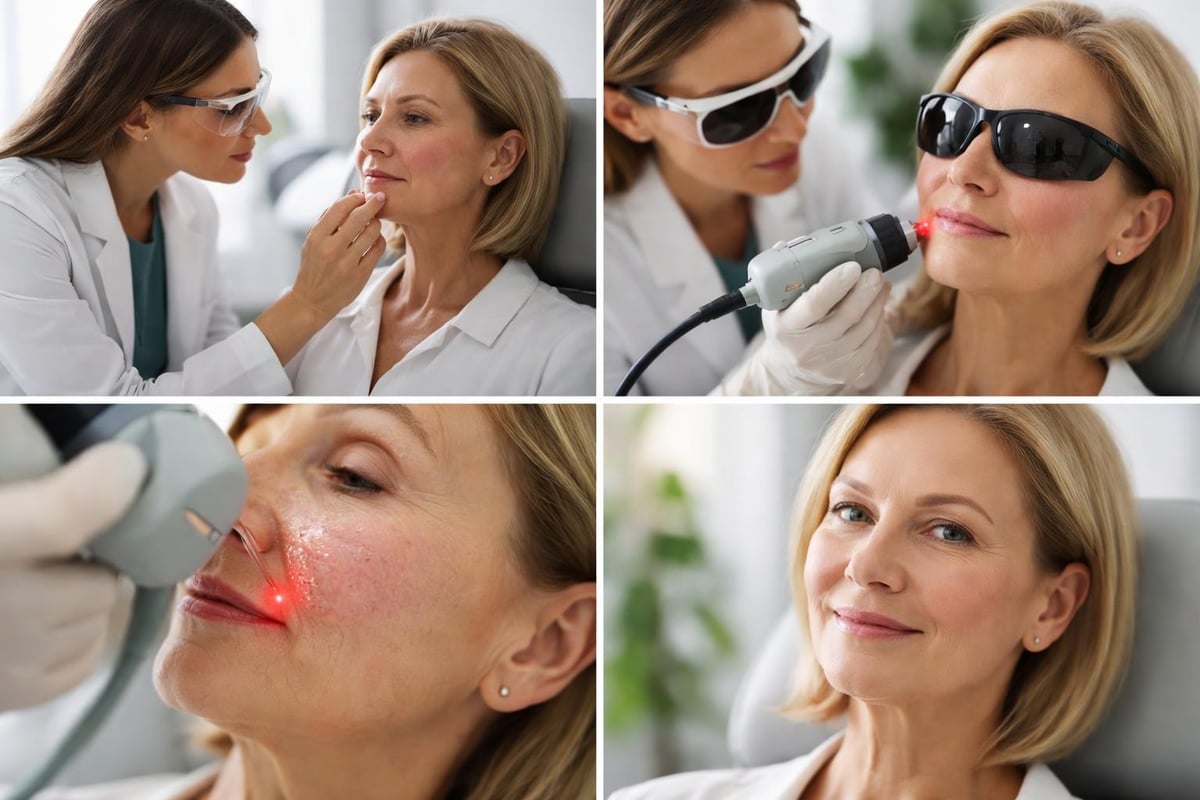
Red skin tones, broken capillaries, and rosacea respond exceptionally well to specific laser wavelengths. Pulsed dye lasers target vascular concerns by heating blood vessels, causing them to collapse and be reabsorbed by the body. This technology has transformed treatment options for those struggling with persistent facial redness.
Conditions Treated with Vascular Lasers
Laser treatment for redness addresses numerous concerns beyond cosmetic preferences. Medical conditions like rosacea, which causes persistent facial flushing and visible blood vessels, improve significantly with appropriate laser protocols. Spider veins, cherry angiomas, and port wine stains also respond to targeted vascular treatments.
The procedure typically causes minimal discomfort, often described as a rubber band snapping against the skin. Post-treatment, the area may appear darker temporarily as vessels coagulate before being absorbed. Most clients see improvement within two weeks, with optimal results after multiple sessions.
Skin Texture and Rejuvenation Solutions
Laser treatment for wrinkles and skin texture irregularities utilizes both ablative and non-ablative technologies. Fractional laser resurfacing has become particularly popular because it balances effectiveness with manageable recovery time. By creating thousands of microscopic treatment columns, these lasers stimulate collagen remodeling while preserving surrounding tissue for faster healing.
Facial laser treatments vary significantly in their approach and intensity. Ablative options like CO2 lasers deliver dramatic results but require longer recovery periods. Non-ablative alternatives offer gradual improvement with virtually no downtime, making them ideal for busy professionals.
Comparing Rejuvenation Approaches
| Treatment Type | Downtime | Sessions Needed | Best For | Results Duration |
|---|---|---|---|---|
| Ablative Fractional | 7-10 days | 1-2 | Deep wrinkles, scars | 2-3 years |
| Non-Ablative | 0-2 days | 4-6 | Fine lines, mild texture | 1-2 years |
| Laser Genesis | None | 4-6 | Overall radiance | 6-12 months |
| IPL | 0-1 days | 3-5 | Tone, mild texture | 1-2 years |
Laser Genesis has earned recognition as a gentle yet effective option for those seeking the "red carpet glow." This non-ablative treatment heats dermal tissue to stimulate collagen production while reducing redness and refining pores. The lack of downtime makes it particularly appealing for maintaining skin quality between more intensive treatments.
Acne Scar Revision
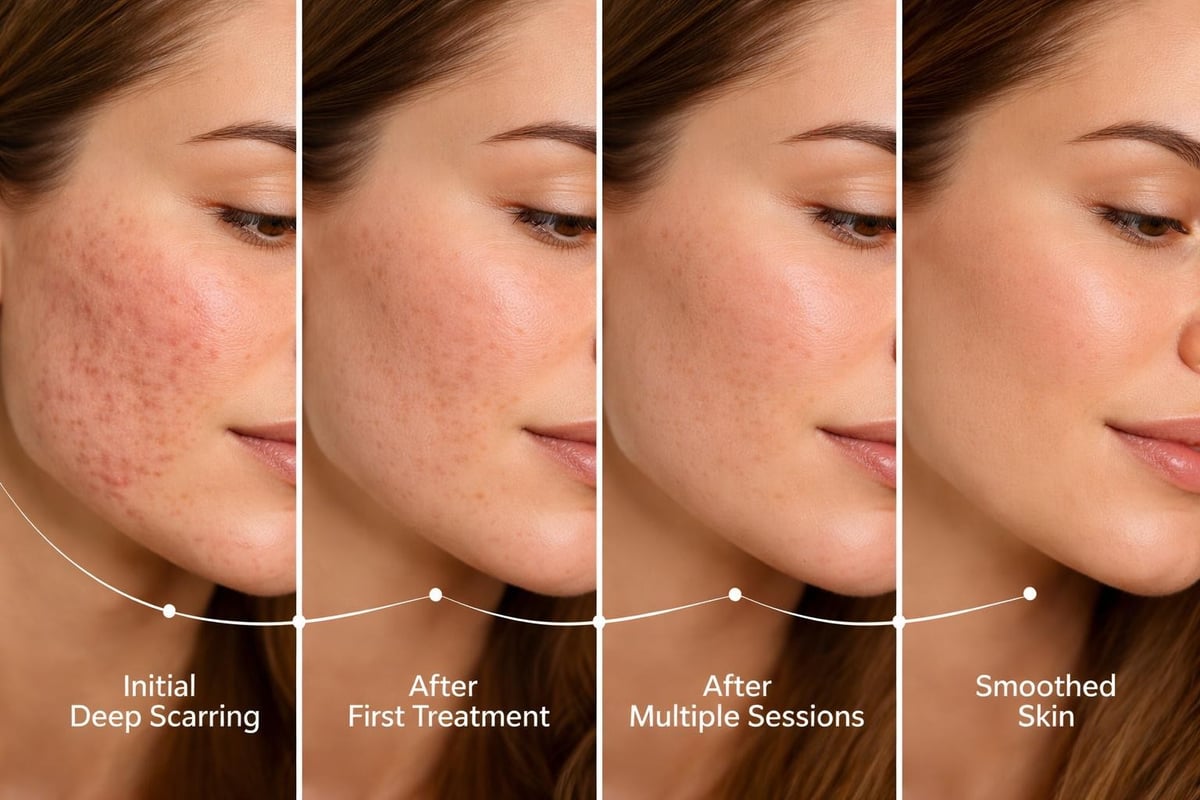
Laser treatment for acne scars has provided hope for those living with the lasting effects of severe breakouts. Different scar types require tailored approaches. Ice pick scars, rolling scars, and boxcar scars each respond differently to various laser technologies.
Fractional CO2 and erbium lasers excel at remodeling scar tissue by removing damaged skin layers and triggering the body's natural healing response. This process generates new, healthy collagen that gradually fills depressed areas and smooths raised scars.
The revision process involves:
- Comprehensive scar assessment and classification
- Selection of appropriate laser technology
- Treatment series spaced 4-6 weeks apart
- Combination with other modalities when beneficial
- Long-term maintenance planning
Patience is essential with scar revision. While some improvement appears after the first session, significant transformation develops over several months as collagen continues rebuilding. Combining laser treatments with quality skincare, such as products from White Rabbit Skin Care, can support healing and maintain results between sessions.
Pre-Treatment Preparation
Successful outcomes begin before you arrive for your first session. Proper preparation ensures your skin responds optimally and minimizes potential complications. Most protocols require avoiding sun exposure for 4-6 weeks prior to treatment, as tanned or sunburned skin carries higher risk of pigmentation changes.
Additional preparation steps include:
- Discontinuing certain medications and supplements that increase photosensitivity
- Stopping retinoid products 5-7 days before treatment
- Avoiding chemical peels or aggressive exfoliation
- Staying well-hydrated in the days leading up to your appointment
- Arriving with clean skin free from makeup and lotions
Your practitioner will provide specific instructions based on the laser treatment for your particular concern. Following these guidelines carefully significantly impacts both safety and results.
Post-Treatment Care Protocols
Aftercare is equally important as pre-treatment preparation. The skin requires gentle handling and protection while it heals and responds to treatment. Laser treatment for any condition creates controlled injury that triggers the healing response, so supporting this process is essential.
Essential Aftercare Steps
Immediately following treatment, most clients experience redness and sensitivity similar to mild sunburn. Applying cool compresses and using gentle, fragrance-free moisturizers helps soothe discomfort. Avoid hot showers, steam rooms, and vigorous exercise for 24-48 hours to prevent excessive heat and sweating in the treated area.
Sun protection becomes critical after any laser procedure:
- Apply broad-spectrum SPF 30 or higher daily
- Reapply every two hours when outdoors
- Wear protective clothing and wide-brimmed hats
- Avoid direct sun exposure during peak hours
- Continue protection for several weeks post-treatment
Keeping skin hydrated supports the healing process and enhances results. Using quality moisturizers appropriate for your skin type helps maintain the barrier function while your skin regenerates.
Managing Expectations and Realistic Outcomes
Understanding what laser technology can and cannot achieve helps ensure satisfaction with your results. While modern systems deliver impressive improvements, they work with your body's natural healing processes rather than providing instant transformation. Laser treatment for various concerns requires realistic expectations aligned with your specific situation.
Factors influencing outcomes include:
- Skin type and tone affect how skin responds to different wavelengths
- Age impacts collagen production capacity
- Overall health influences healing speed
- Lifestyle habits like smoking or sun exposure affect results
- Genetic factors determine some aspects of skin behavior
The most successful treatment journeys involve open communication with your practitioner about goals, concerns, and anticipated timelines. Professional clinics conduct thorough consultations to ensure treatments align with what's achievable for your unique skin.
Combination Treatment Approaches
Many practitioners recommend integrating multiple modalities for comprehensive skin transformation. Laser treatment for aging skin often works synergistically with injectables, chemical peels, or microneedling to address various layers and concerns simultaneously.
For example, combining laser resurfacing with neurotoxins addresses both texture and dynamic wrinkles. Adding targeted laser treatments for pigmentation to an overall rejuvenation plan ensures even tone complements improved texture. This layered approach often delivers superior results compared to single-modality treatments.
Treatment combinations should always be planned strategically:
| Primary Concern | Laser Treatment | Complementary Option | Combined Benefit |
|---|---|---|---|
| Aging skin | Fractional CO2 | Neurotoxins | Texture + line reduction |
| Uneven tone | IPL | Chemical peel | Surface + deep pigment |
| Acne scars | Fractional erbium | Microneedling | Remodeling + stimulation |
| Redness + texture | Vascular laser | Laser Genesis | Vessels + collagen |
Professional guidance ensures treatments are spaced appropriately and don't compromise skin integrity or healing capacity.
Safety Considerations and Candidacy
While laser treatments are generally safe when performed by trained professionals, certain factors affect candidacy. Laser treatment for darker skin tones requires specific wavelengths and settings to avoid pigmentation changes. Advances in technology have expanded options, but expertise in treating diverse skin types remains essential.
Medical history review identifies potential contraindications:
- Active skin infections or conditions
- Recent isotretinoin use (typically requires 6-12 month waiting period)
- Pregnancy or breastfeeding
- Photosensitizing medications
- History of keloid scarring
- Autoimmune conditions affecting healing
Disclosing complete medical information during consultation ensures your safety and treatment efficacy. Professional clinics prioritize thorough screening to identify any factors requiring treatment modification or alternative approaches.
Investment and Value Considerations
The cost of laser treatments varies based on technology used, treatment area size, and number of sessions required. While not insignificant, many clients find the investment worthwhile given the longevity of results and boost in confidence. Laser treatment for permanent hair reduction, for example, eliminates ongoing costs of temporary removal methods over time.
Understanding the value proposition helps with decision-making:
- Time savings from reduced maintenance routines
- Long-term results minimizing need for repeated treatments
- Professional-grade technology unavailable in home devices
- Safety and expertise reducing complication risks
- Customized protocols addressing your specific needs
Many clinics offer package pricing for treatment series, making comprehensive protocols more accessible. Discussing financial options during consultation helps plan your treatment journey effectively.
Technological Advances and Future Developments
The field of aesthetic laser technology continues evolving rapidly. Newer systems offer improved comfort, faster treatment times, and better results across diverse skin types. Picosecond lasers, for instance, deliver energy in trillionths of a second, fragmenting pigment more effectively with less heat damage.
Artificial intelligence integration is beginning to optimize treatment parameters based on real-time skin response. This precision promises even better outcomes with reduced variability. Laser treatment for various conditions will likely become increasingly personalized as technology advances.
Research continues exploring new applications, from scar prevention protocols to enhanced skin cancer screening capabilities. Staying informed about developments helps you make educated decisions about incorporating new technologies into your skin care regimen.
Modern laser technology offers transformative solutions for virtually every skin concern, from unwanted hair to signs of aging and vascular conditions. Understanding the available options, realistic expectations, and proper care protocols empowers you to make informed decisions about your aesthetic journey. New Skin Laser Clinic combines advanced technology with expert practitioners to deliver personalized laser treatments tailored to your unique skin goals. Whether you're interested in hair removal, skin rejuvenation, or addressing specific concerns, their Toronto-based team provides comprehensive consultations and state-of-the-art treatments designed to reveal your most radiant skin.