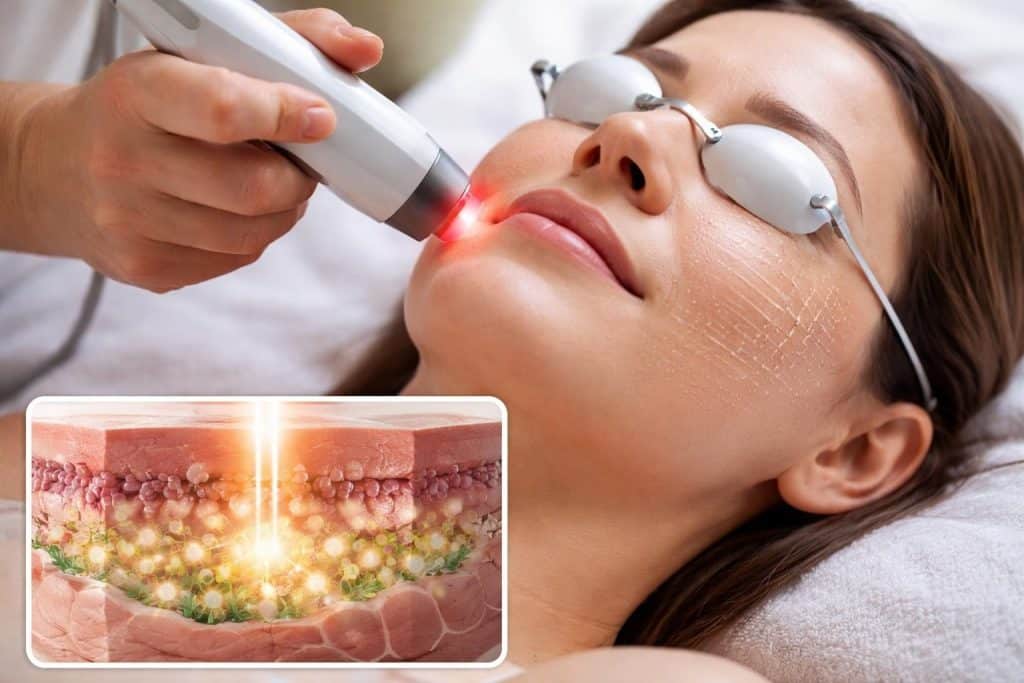
Fine lines represent one of the earliest visible signs of aging, appearing around the eyes, mouth, and forehead as collagen production naturally declines. While countless topical products promise to diminish these telltale creases, laser technology has emerged as a scientifically proven solution that addresses the root causes beneath the skin's surface. Understanding how laser for fine lines works and which treatment options deliver genuine results can help you make informed decisions about rejuvenating your complexion in 2026.
Understanding How Laser Technology Targets Fine Lines
Laser for fine lines operates on a straightforward principle: controlled light energy penetrates the skin to stimulate the body's natural healing response. This targeted approach triggers collagen and elastin production, the two proteins responsible for maintaining skin firmness and elasticity.
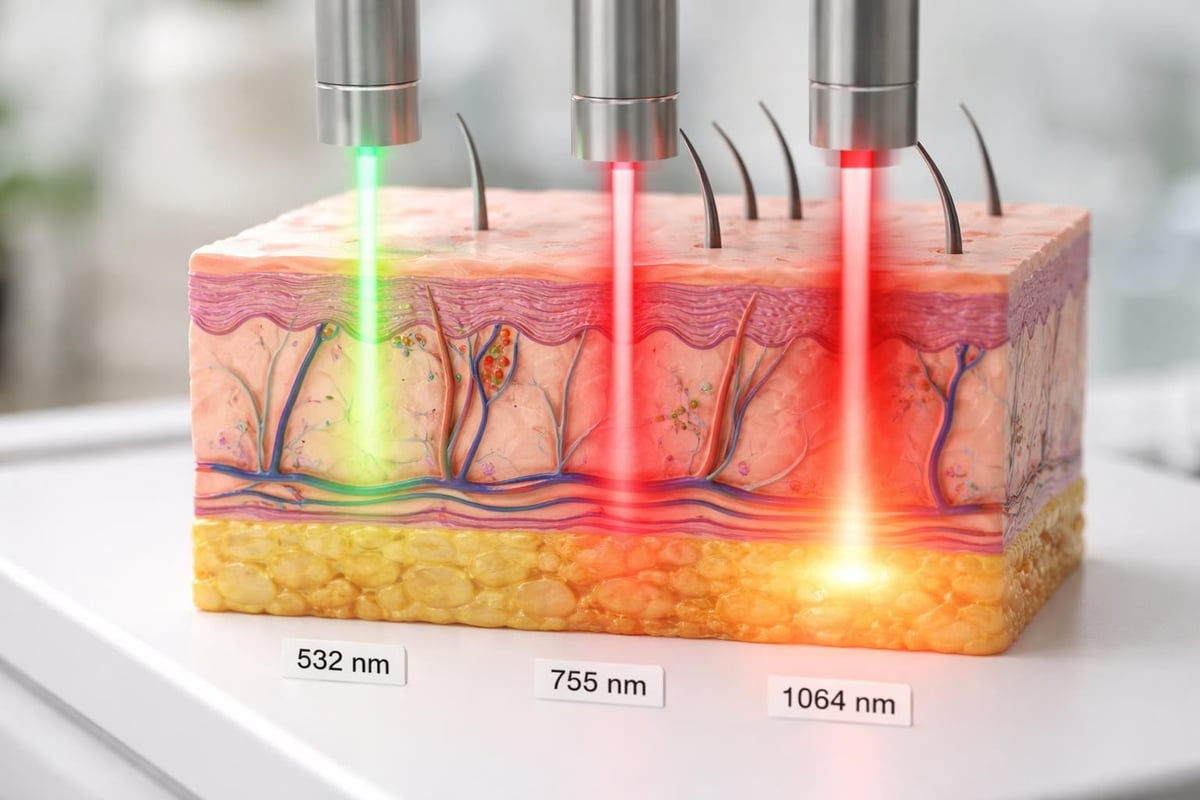
Different wavelengths target specific skin layers and concerns. Non-ablative lasers heat the underlying dermis without damaging the surface, while ablative lasers remove thin layers of skin to reveal fresher, smoother tissue beneath. The choice between these approaches depends on your skin type, the severity of your fine lines, and your tolerance for downtime.
The Science Behind Collagen Stimulation
When laser energy reaches the dermal layer, it creates controlled micro-injuries that signal your body to begin repair processes. This biological response increases fibroblast activity-the cells responsible for producing new collagen fibers. Over several weeks and months following treatment, this newly generated collagen fills in fine lines from within, creating smoother, more youthful-looking skin.
Research has demonstrated that laser treatments can effectively reduce fine lines and wrinkles by stimulating collagen and elastin production, with results continuing to improve for up to six months post-treatment. This gradual enhancement occurs as your skin naturally rebuilds its structural foundation.
Types of Laser Treatments for Fine Lines
The landscape of laser technology has expanded significantly, offering multiple options for addressing fine lines with varying levels of intensity and recovery time.
Fractional CO2 Laser Resurfacing
Fractional CO2 lasers represent the gold standard for dramatic fine line reduction. This ablative treatment creates thousands of microscopic treatment zones in the skin, removing damaged tissue while leaving surrounding areas intact to facilitate faster healing. The controlled laser energy stimulates collagen remodeling to improve skin texture and significantly diminish the appearance of wrinkles.
Benefits of Fractional CO2:
- Addresses moderate to severe fine lines
- Treats multiple concerns simultaneously (texture, tone, sun damage)
- Provides long-lasting results with proper skincare maintenance
- Suitable for most skin types when performed by experienced practitioners
Considerations:
- Requires 5-10 days of social downtime
- Redness and peeling are expected during healing
- Sun protection is critical during recovery
- Multiple sessions may be needed for optimal results
Erbium Laser Treatments
Erbium lasers offer a gentler alternative to CO2 technology while still delivering impressive results for fine lines. These systems remove thinner layers of skin with greater precision, making them ideal for delicate areas like the skin around the eyes and mouth. Recovery time is typically shorter than fractional CO2, with most patients experiencing 3-5 days of mild redness and flaking.
Non-Ablative Laser Options
For patients seeking laser for fine lines without surface disruption, non-ablative technologies provide effective solutions with minimal downtime. Laser Genesis treatments use a 1064 nm wavelength to gently heat the skin, stimulating collagen while reducing redness and refining pore size.
| Laser Type | Downtime | Ideal For | Sessions Needed | Results Timeline |
|---|---|---|---|---|
| Fractional CO2 | 7-10 days | Deep lines, significant aging | 1-2 | 3-6 months |
| Erbium | 3-5 days | Moderate lines, delicate areas | 2-3 | 2-4 months |
| Non-Ablative | None to minimal | Fine lines, prevention | 4-6 | 2-3 months |
| IPL/Broadband Light | None | Superficial lines, pigment | 3-5 | 1-2 months |
What to Expect During Laser Treatment Sessions
Understanding the treatment process helps set realistic expectations and ensures you're properly prepared for your laser for fine lines procedure.
Pre-Treatment Preparation
Several weeks before your appointment, your esthetician will likely recommend discontinuing certain skincare products, particularly retinoids and exfoliating acids. Sun exposure should be minimized, and some practitioners prescribe pre-treatment skincare regimens to optimize your skin's condition and healing capacity.
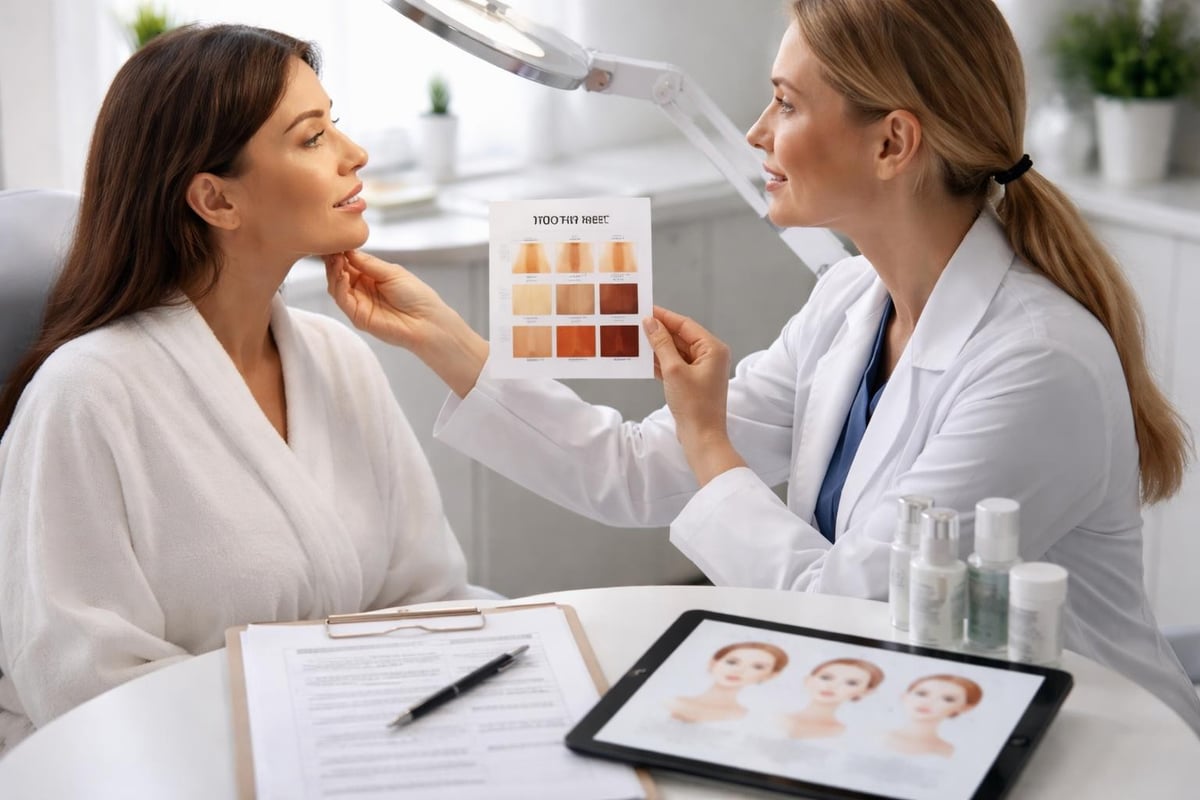
During your consultation, expect a thorough skin analysis to determine which laser technology best addresses your specific concerns. Factors including skin type, fine line depth, lifestyle considerations, and desired outcomes all influence treatment selection.
The Treatment Experience
Most laser for fine lines procedures begin with thorough cleansing and application of topical numbing cream to ensure comfort. Ablative treatments typically require 30-60 minutes depending on the treatment area, while non-ablative sessions may take only 15-30 minutes.
During the procedure, you may experience:
- Warming or heating sensations
- Brief snapping or stinging feelings
- Mild discomfort (managed with cooling devices and numbing agents)
- The smell of light smoke (normal with ablative lasers)
Post-Treatment Recovery
Recovery experiences vary dramatically based on the laser type chosen. Ablative laser for fine lines treatments require dedicated aftercare, including:
- Gentle cleansing with mild, non-irritating cleansers
- Application of prescribed healing ointments or serums
- Strict sun avoidance and SPF 50+ protection
- Avoidance of makeup for several days
- Staying well-hydrated and avoiding strenuous exercise
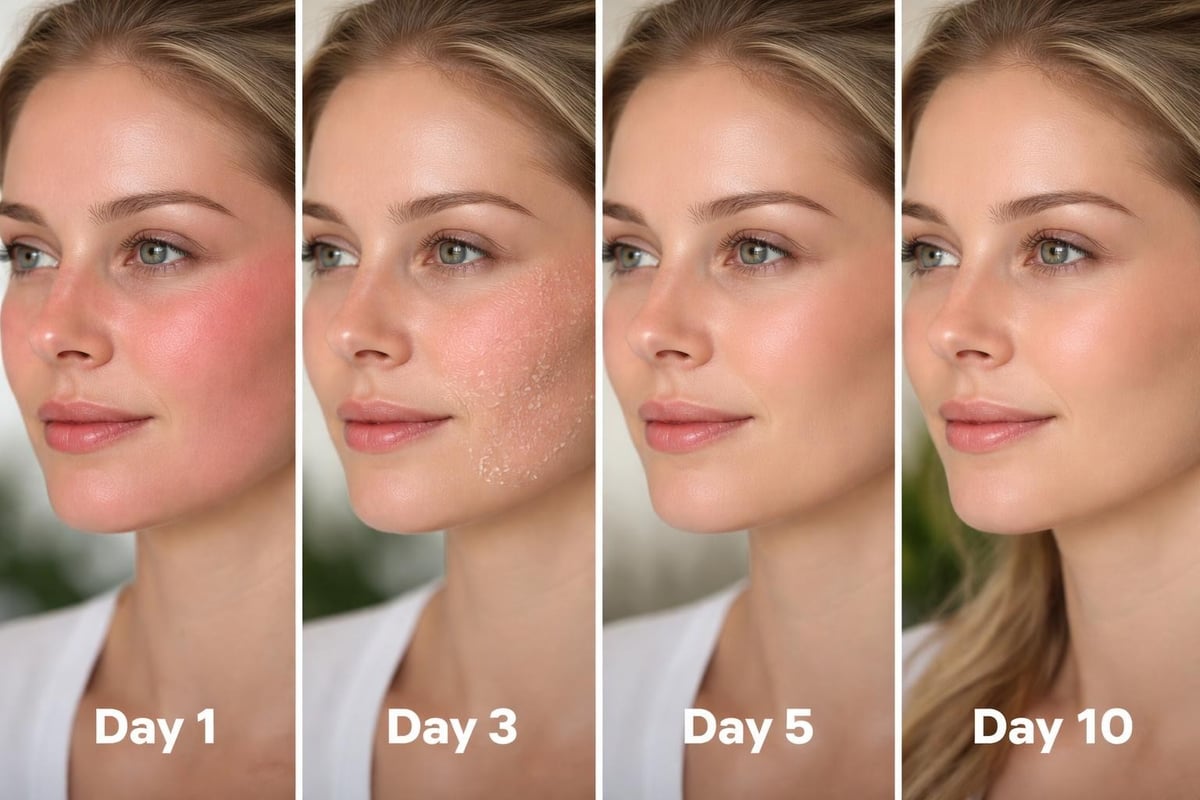
Non-ablative treatments typically allow immediate return to normal activities with only minor redness that resolves within hours.
Professional vs. At-Home Laser Devices
The emergence of at-home laser devices has created new options for addressing fine lines, though these technologies differ significantly from professional treatments in power and efficacy.
Professional-Grade Laser Advantages
Professional laser for fine lines treatments deliver substantially higher energy levels under controlled medical supervision. This increased power translates to more dramatic results, particularly for moderate to severe fine lines. Additionally, trained practitioners can customize treatment parameters based on real-time skin response, ensuring optimal outcomes while minimizing risks.
Comprehensive facial laser treatments address multiple concerns simultaneously-fine lines, texture irregularities, pigmentation, and overall skin quality-creating comprehensive rejuvenation that at-home devices cannot replicate.
At-Home Device Capabilities
At-home laser devices like the NIRA at-home laser, which uses non-fractional technology to promote collagen production, offer convenience and privacy for maintenance treatments. These devices work well for:
- Preventive anti-aging care in younger patients
- Maintaining professional treatment results
- Addressing very early, superficial fine lines
- Gradual improvement for those unable to undergo professional procedures
However, expectations should remain realistic. At-home devices require consistent, long-term use to achieve subtle improvements, whereas professional treatments deliver more noticeable results in fewer sessions.
Combining Laser Treatments with Complementary Therapies
Laser for fine lines often produces enhanced results when integrated into a comprehensive skin rejuvenation strategy.
Injectable Treatments and Laser Synergy
Many patients combine laser treatments with neuromodulators and dermal fillers for comprehensive facial rejuvenation. While laser technology improves skin quality and texture, injectables address volume loss and dynamic wrinkles. This multi-modal approach creates natural-looking results that wouldn't be achievable with any single treatment.
Timing these treatments appropriately maximizes benefits while minimizing risks. Generally, practitioners recommend waiting 2-4 weeks between laser sessions and injectable treatments to ensure optimal healing and prevent complications.
Advanced Skincare Regimens
Post-laser skincare significantly influences treatment outcomes and longevity. Various treatment options including injectables and laser rejuvenation work synergistically with medical-grade skincare products containing growth factors, peptides, and antioxidants.
Essential post-laser skincare components:
- Broad-spectrum SPF 50+ sunscreen (reapplied every 2 hours)
- Gentle, fragrance-free cleansers
- Hydrating serums with hyaluronic acid
- Barrier-repair moisturizers
- Retinoids (introduced gradually after complete healing)
Determining If You're a Good Candidate
Not everyone represents an ideal candidate for laser for fine lines treatments, and understanding candidacy criteria helps ensure safe, effective outcomes.
Ideal Candidate Characteristics
The best candidates typically exhibit:
- Realistic expectations about results and timelines
- Good overall health without active skin infections
- Absence of keloid scarring tendencies
- Willingness to commit to post-treatment care protocols
- Ability to avoid sun exposure during healing
Skin tone considerations have evolved with technological advances. While earlier laser systems posed higher risks for darker skin tones, modern fractional technologies and careful parameter selection now allow safe treatment across diverse skin types when performed by experienced practitioners.
Contraindications and Precautions
Certain conditions may preclude laser treatment or require special consideration:
| Condition | Consideration | Alternative Options |
|---|---|---|
| Active acne/infection | Postpone until resolved | Topical treatments first |
| Recent isotretinoin use | Wait 6-12 months | Non-laser rejuvenation |
| Pregnancy/nursing | Delay treatment | Gentle chemical peels |
| Autoimmune conditions | Case-by-case evaluation | Non-invasive facials |
| Unrealistic expectations | Require additional consultation | Education and reassessment |
Results Timeline and Maintenance
Understanding what laser for fine lines can realistically achieve and when results appear helps maintain appropriate expectations throughout your treatment journey.
Short-Term vs. Long-Term Results
Ablative laser treatments often create immediate improvements through surface smoothing, though swelling may temporarily mask these changes. The most significant enhancement occurs gradually as collagen production increases over 3-6 months post-treatment.
Non-ablative laser for fine lines requires patience, with optimal results typically appearing after completing a series of 4-6 treatments spaced 4-6 weeks apart. Improvement continues for several months as new collagen develops.
Maintaining Your Results
Fraxel laser treatments that target small skin sections to spur collagen production create improvements that can last several years with proper maintenance. Sustaining results requires:
- Consistent sun protection: UV exposure remains the primary cause of premature aging
- Quality skincare: Medical-grade products support skin health
- Healthy lifestyle: Adequate sleep, hydration, and nutrition
- Maintenance treatments: Annual or biannual touch-ups extend results
- Avoiding smoking: Tobacco accelerates collagen breakdown
Cost Considerations and Treatment Value
Financial investment in laser for fine lines varies considerably based on technology, treatment area, and geographic location.
Professional Treatment Pricing
In Toronto and similar metropolitan areas, expect these approximate ranges:
- Single fractional CO2 treatment: $1,500-$3,500
- Erbium laser session: $800-$2,000
- Non-ablative series (4-6 treatments): $1,200-$3,000
- Combination protocols: $3,000-$6,000+
While initial costs may seem substantial, calculating the long-term value provides perspective. Professional laser treatments deliver results lasting several years, potentially representing better value than accumulating costs of less effective topical products or requiring more frequent, less impactful treatments.
Insurance and Financing
Since laser for fine lines treatments are considered cosmetic procedures, health insurance typically doesn't provide coverage. However, many clinics offer financing options, payment plans, or package discounts for multiple treatment areas or sessions.
Choosing the Right Provider
The practitioner performing your laser treatment significantly impacts both safety and results, making provider selection a critical decision.
Essential Qualifications
Seek practitioners with:
- Proper medical credentials (dermatologists, plastic surgeons, or trained medical estheticians under physician supervision)
- Extensive experience with the specific laser technology
- Portfolio of before-and-after images demonstrating results on patients similar to you
- Clean facilities with properly maintained, FDA-approved equipment
- Transparent communication about risks, benefits, and realistic outcomes
Red Flags to Avoid
Be cautious of providers who:
- Guarantee specific results or promise perfection
- Pressure you into immediate treatment without thorough consultation
- Offer prices significantly below market rates
- Cannot clearly explain their qualifications or experience
- Dismiss your concerns or questions
A reputable clinic prioritizes your safety and satisfaction over quick sales, taking time to ensure laser for fine lines treatment aligns with your goals and circumstances.
Laser technology offers scientifically proven solutions for reducing fine lines and restoring youthful skin texture through controlled collagen stimulation. Whether you're interested in dramatic transformation through ablative treatments or gradual improvement with non-invasive options, understanding your choices empowers informed decisions. New Skin Laser Clinic combines advanced laser technology with personalized treatment planning to help Toronto clients achieve their aesthetic goals. Schedule a consultation with our expert estheticians to discover which laser treatment best addresses your unique skin concerns and rejuvenation objectives.