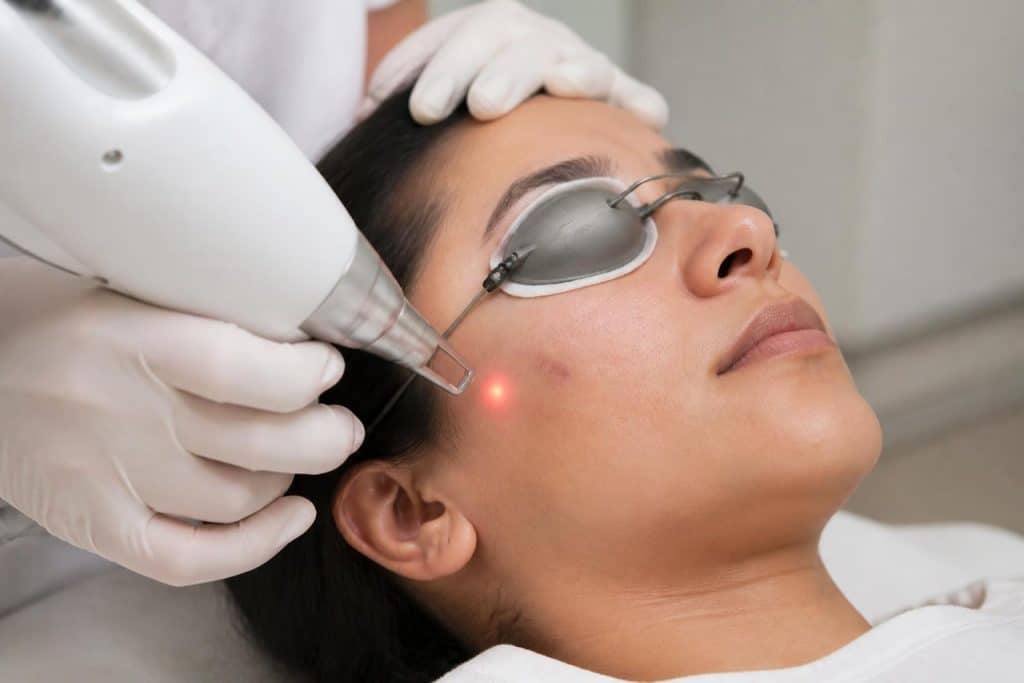
Unwanted skin spots can significantly impact confidence and appearance, affecting people of all ages and skin types. Whether dealing with age spots, sun damage, freckles, or hyperpigmentation, many individuals seek effective solutions to restore clear, even-toned skin. Laser spot removal has emerged as a leading treatment option, offering precise, non-invasive correction for various pigmentation concerns. This advanced technology harnesses specific wavelengths of light to target and eliminate unwanted spots while preserving surrounding tissue, delivering remarkable results with minimal downtime.
Understanding Different Types of Skin Spots
Skin spots manifest in various forms, each with distinct characteristics and underlying causes. Understanding the type of pigmentation you're dealing with is essential for selecting the most effective treatment approach.
Age Spots and Solar Lentigines
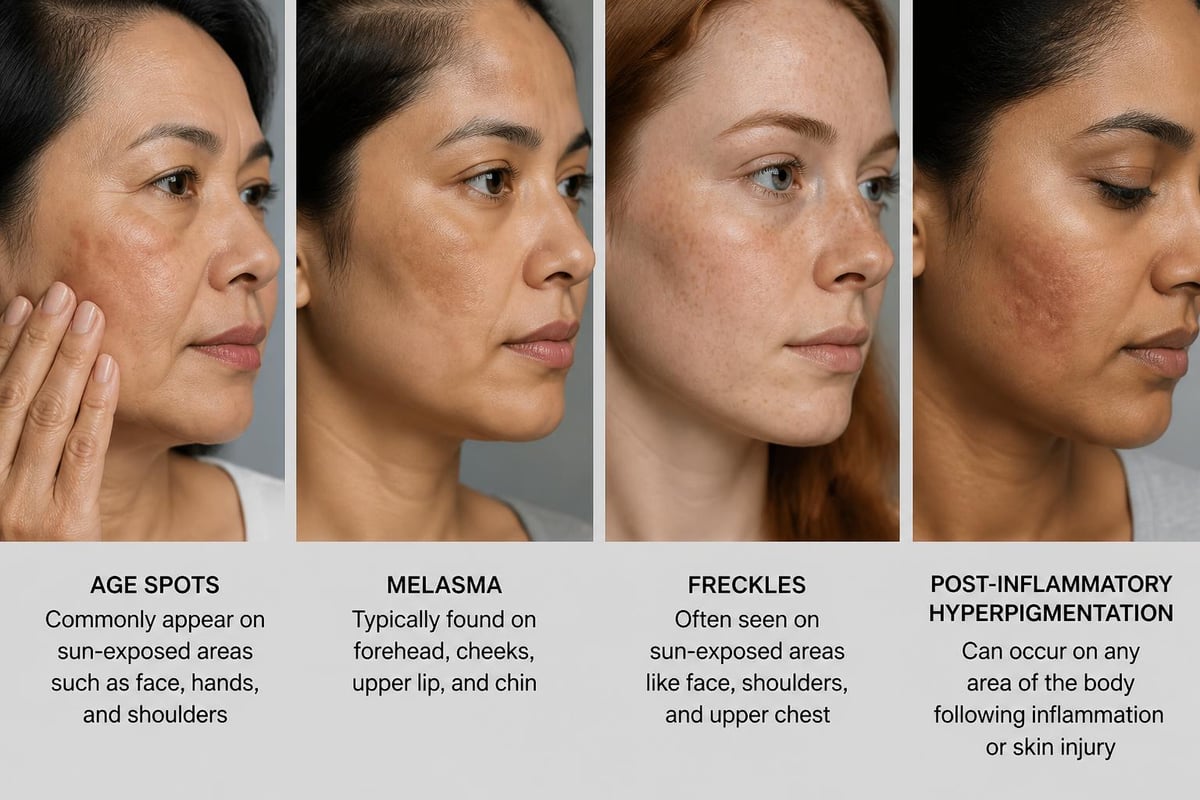
Age spots, medically known as solar lentigines, appear as flat, brown, or black spots on areas frequently exposed to sunlight. These spots typically develop after years of UV exposure and become more prevalent after age 40. The American Academy of Dermatology provides comprehensive information on age spots and various treatment approaches, including laser therapy.
Common characteristics include:
- Oval or round shapes with defined borders
- Concentration on hands, face, shoulders, and arms
- Size ranging from freckle-sized to over half an inch in diameter
- Color variations from light brown to black
Melasma and Hormonal Pigmentation
Melasma presents as larger patches of brown or gray-brown discoloration, often appearing on the face. This condition frequently affects women during pregnancy or while taking hormonal medications, earning it the nickname "the mask of pregnancy."
Post-Inflammatory Hyperpigmentation
Following acne, injuries, or inflammatory skin conditions, some individuals develop darker patches where the skin has healed. This post-inflammatory hyperpigmentation occurs when excess melanin accumulates during the healing process, creating persistent dark marks that may take months or years to fade naturally.
How Laser Spot Removal Technology Works
Laser spot removal operates on the principle of selective photothermolysis, a process that targets specific chromophores within the skin without damaging surrounding tissue. The technology has evolved significantly, offering increasingly precise and effective treatments.
The Science Behind Laser Treatment
During laser spot removal, concentrated light energy penetrates the skin and is absorbed by melanin, the pigment responsible for dark spots. This absorption generates heat that fragments the melanin into smaller particles. Your body's immune system then naturally eliminates these particles over the following weeks, gradually lightening the treated area.
Different wavelengths target different depths and types of pigmentation:
- Q-Switched lasers deliver ultra-short pulses that shatter pigment particles
- IPL (Intense Pulsed Light) treats superficial pigmentation across larger areas
- Fractional lasers create micro-injuries that stimulate skin renewal while targeting pigment
- Picosecond lasers offer even shorter pulse durations for enhanced pigment clearance
Wavelength Selection and Skin Types
The effectiveness of laser spot removal depends heavily on matching the appropriate wavelength to your skin type and pigmentation concern. According to standardized protocols for laser therapy, selecting the proper parameters ensures optimal results while minimizing risks.
| Laser Type | Wavelength | Best For | Skin Types |
|---|---|---|---|
| Q-Switched Nd:YAG | 1064 nm | Deep pigmentation, darker skin | III-VI |
| Q-Switched Ruby | 694 nm | Superficial spots, tattoos | I-III |
| IPL | 500-1200 nm | General pigmentation, sun damage | I-IV |
| Picosecond | 532-1064 nm | Stubborn spots, minimal downtime | I-V |
Benefits of Professional Laser Spot Removal
Choosing professional laser spot removal offers numerous advantages over topical treatments or at-home devices. The precision and power available in clinical settings deliver superior results with proper safety protocols.
Targeted Precision and Effectiveness
Professional laser systems allow estheticians to adjust parameters specifically for your skin type, spot depth, and pigmentation intensity. This customization ensures effective treatment while minimizing the risk of complications such as hypopigmentation or scarring.
The controlled energy delivery penetrates to the exact depth needed to address your specific concern. Unlike broad-spectrum topical treatments that work slowly and superficially, laser spot removal directly addresses the melanin concentration causing visible discoloration.
Minimal Downtime and Recovery
Most laser spot removal treatments require minimal downtime, allowing you to resume normal activities quickly. Depending on the intensity and type of laser used, you may experience temporary redness, slight swelling, or darkening of the treated spots before they lighten and flake away.
Recovery typically follows this timeline:
- Days 1-3: Treated spots may appear darker; mild redness subsides
- Days 4-7: Spots begin to flake or peel naturally
- Weeks 2-4: Pigmentation continues to fade as your body eliminates melanin fragments
- Months 1-3: Final results become visible; some spots may require additional sessions
Long-Lasting Results
When combined with proper sun protection, laser spot removal delivers long-lasting results. Many clients experience permanent elimination of treated spots, particularly those caused by sun damage or aging. However, continued UV exposure without adequate protection can lead to new spot formation over time.
What to Expect During Treatment
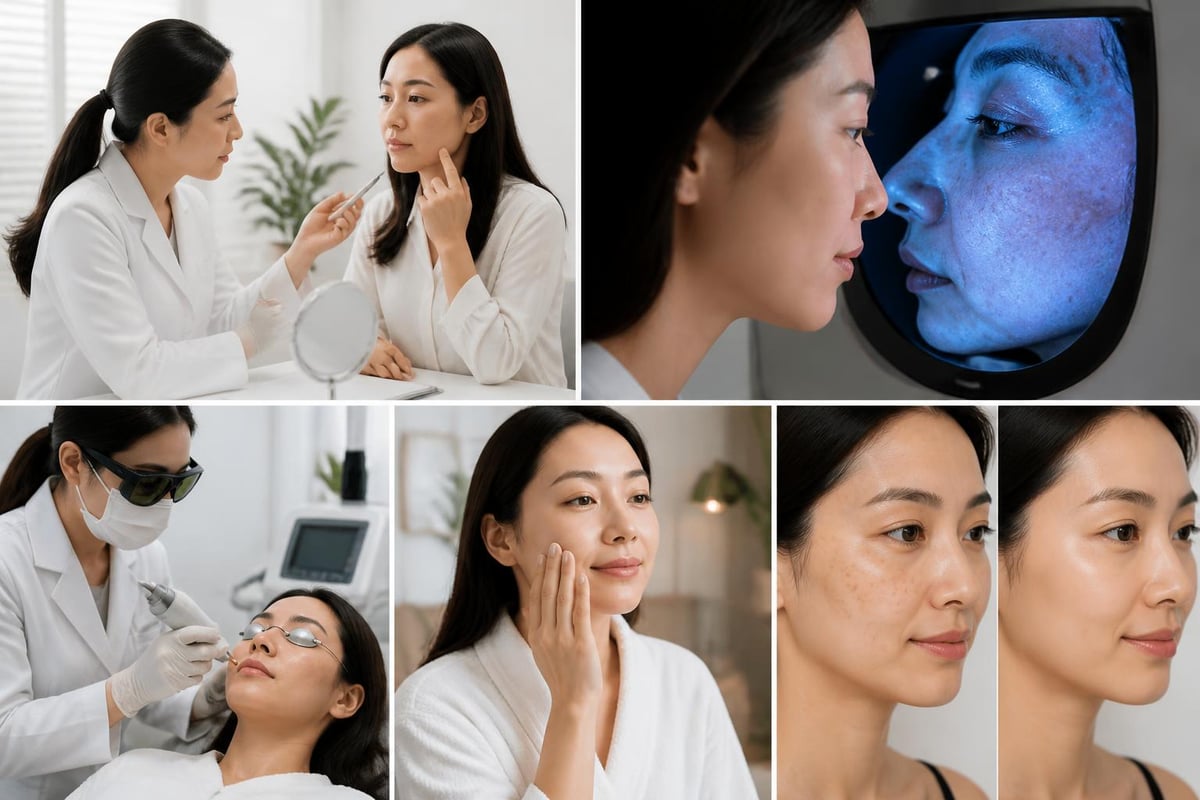
Understanding the treatment process helps set realistic expectations and ensures you're prepared for each session. Professional laser spot removal follows a systematic approach designed to maximize results while prioritizing your comfort and safety.
Initial Consultation and Skin Analysis
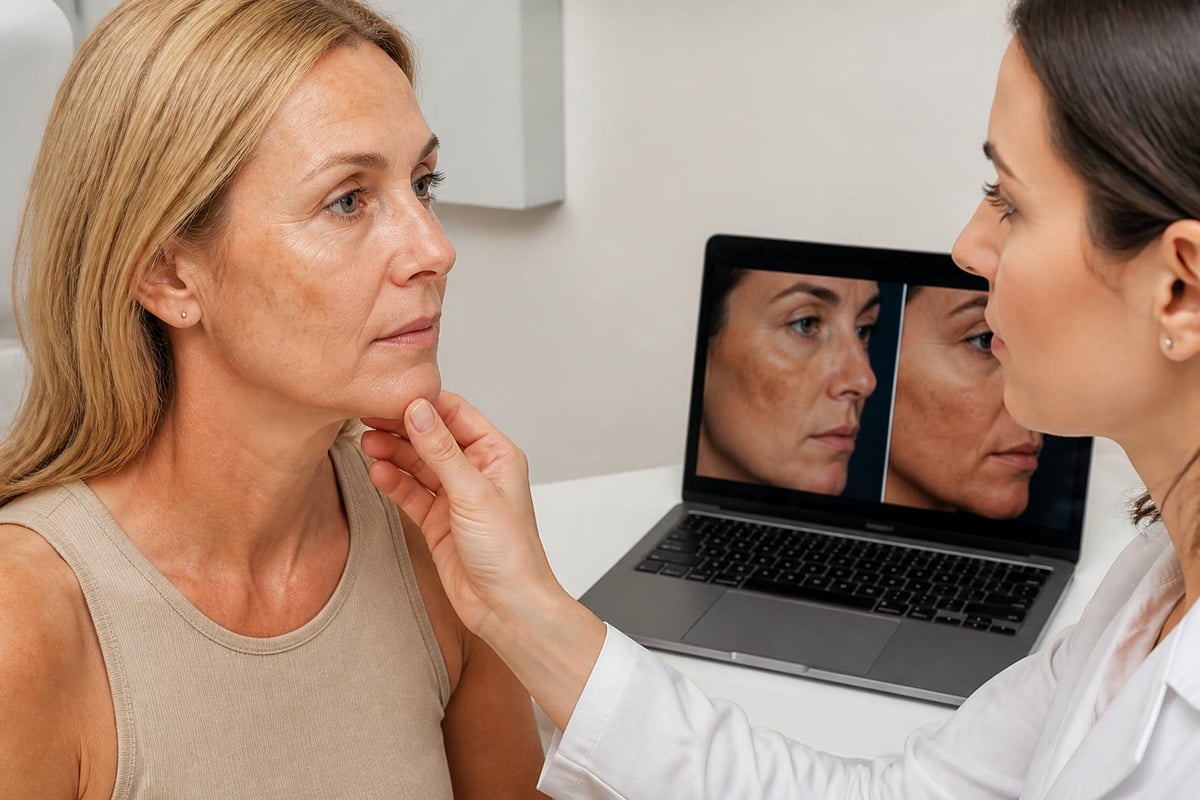
Your journey begins with a comprehensive consultation where an experienced esthetician examines your skin, discusses your concerns, and develops a personalized treatment plan. This assessment includes evaluating your skin type, pigmentation depth, medical history, and aesthetic goals.
Advanced clinics, like New Skin Laser Clinic, use this consultation to determine the most appropriate laser technology and treatment parameters for your unique needs. You'll learn about expected outcomes, number of sessions required, and any pre-treatment preparations necessary.
The Treatment Session
On treatment day, your skin is thoroughly cleansed and may be numbed with topical anesthetic for increased comfort, though many find the sensation tolerable without numbing. Protective eyewear shields your eyes from the laser light.
The laser is then applied to each targeted spot with precise pulses. You may feel a snapping sensation similar to a rubber band against the skin. Treatment duration varies based on the number and size of spots being addressed, typically ranging from 15 to 45 minutes.
Post-Treatment Care Requirements
Proper aftercare is essential for optimal results and complication prevention. Your esthetician will provide specific instructions, but general guidelines include:
- Apply prescribed ointments or moisturizers to treated areas
- Avoid direct sun exposure and wear broad-spectrum SPF 30+ sunscreen daily
- Refrain from picking or scratching treated spots as they darken and flake
- Avoid harsh skincare products, exfoliants, and retinoids for several days
- Keep the skin clean and moisturized throughout the healing process
Comparing Treatment Options
While laser spot removal stands out as a highly effective solution, understanding how it compares to alternative treatments helps you make informed decisions about your skincare journey.
Laser vs. Chemical Peels
Chemical peels use acid solutions to exfoliate the skin's surface layers, improving tone and reducing pigmentation. While effective for mild, superficial spots, they offer less precision than laser treatments and may require more sessions for comparable results.
| Factor | Laser Spot Removal | Chemical Peels |
|---|---|---|
| Precision | High – targets specific spots | Low – treats entire area |
| Downtime | Minimal to moderate | Moderate to significant |
| Sessions needed | 1-3 typically | 3-6 typically |
| Depth of treatment | Adjustable | Limited by peel strength |
| Pigmentation types | All types | Best for superficial |
Laser vs. Cryotherapy
Cryotherapy freezes spots using liquid nitrogen, causing the pigmented cells to die and eventually slough off. This method works well for certain types of spots but lacks the precision and control offered by laser technology. Cryotherapy also carries a higher risk of hypopigmentation, particularly for darker skin types.
Home Devices vs. Professional Treatment
The market offers various home laser and light devices for pigmentation treatment. While home-use devices have been evaluated for safety and effectiveness, they operate at significantly lower power levels than professional equipment. This limitation means slower results, more treatments required, and potentially less effective outcomes for stubborn or deep pigmentation.
Professional treatments provide:
- Higher-powered systems for better results
- Expert assessment and customized parameters
- Safety monitoring throughout the procedure
- Access to multiple laser types for various concerns
- Professional guidance on aftercare and maintenance
Ideal Candidates for Laser Spot Removal
Laser spot removal offers excellent results for many individuals, but certain factors influence candidacy and expected outcomes. Understanding these considerations helps ensure safe, effective treatment.
Best Candidates
Ideal candidates for laser spot removal include individuals with:
- Noticeable age spots or sun damage
- Post-inflammatory hyperpigmentation from acne or injuries
- Freckles they wish to lighten or remove
- Overall good health without active skin infections
- Realistic expectations about treatment outcomes and timeline
- Commitment to sun protection following treatment
Skin Type Considerations
Modern laser technology has expanded treatment options for diverse skin types, though certain precautions remain important. Fitzpatrick skin types I-III typically respond excellently to most laser modalities with minimal risk. Types IV-VI require careful wavelength selection and parameter adjustment to avoid complications such as post-inflammatory hyperpigmentation or hypopigmentation.
Experienced estheticians select lasers specifically designed for darker skin tones, such as 1064 nm Nd:YAG lasers, which penetrate deeper while minimizing epidermal melanin absorption. This approach significantly reduces the risk of adverse effects while delivering effective pigmentation clearance.
When to Consider Alternative Treatments
Certain situations may warrant alternative approaches or additional precautions:
- Active skin infections or conditions in treatment areas should resolve before laser procedures
- Recent tanning or sunburns require waiting until skin returns to baseline color
- Pregnancy or nursing may necessitate postponing elective laser treatments
- Certain medications like isotretinoin require discontinuation before treatment
- Melasma may respond better to combination therapies including topical agents alongside laser treatment
Maximizing and Maintaining Results
Achieving optimal outcomes from laser spot removal extends beyond the treatment session itself. Strategic pre-treatment preparation and diligent post-treatment maintenance ensure the best possible results.
Pre-Treatment Optimization
Preparing your skin properly before laser spot removal enhances treatment effectiveness and reduces complication risks. Begin these steps 2-4 weeks before your scheduled session:
- Discontinue retinoids, exfoliating acids, and harsh skincare products
- Avoid sun exposure and maintain your natural skin tone
- Stay well-hydrated to support skin health and healing
- Inform your esthetician about all medications and supplements
- Follow any specific preparatory instructions provided during consultation
Sun Protection Strategies
Sun protection represents the single most important factor in maintaining laser spot removal results and preventing new pigmentation. UV exposure triggers melanin production, potentially reversing treatment benefits or causing new spots to develop.
Comprehensive sun protection includes:
- Applying broad-spectrum SPF 30+ sunscreen daily, even on cloudy days
- Reapplying every two hours when outdoors
- Wearing protective clothing, wide-brimmed hats, and sunglasses
- Seeking shade during peak UV hours (10 AM to 4 PM)
- Using antioxidant serums that provide additional photoprotection
Skincare Routine Adjustments
After completing laser spot removal treatments, maintaining an appropriate skincare routine preserves your results and supports overall skin health. Focus on gentle, nourishing products that strengthen the skin barrier and provide antioxidant protection.
Consider incorporating these elements into your routine:
- Gentle cleanser that doesn't strip natural oils
- Vitamin C serum for brightening and antioxidant benefits
- Niacinamide to help regulate melanin production
- Hydrating moisturizer to support barrier function
- Broad-spectrum sunscreen as your final morning step
Advanced Laser Technologies Available
The field of laser aesthetics continues to evolve, with newer technologies offering enhanced precision, reduced discomfort, and improved outcomes for challenging pigmentation concerns.
Picosecond Laser Innovations
Picosecond lasers represent the latest advancement in spot removal technology, delivering ultra-short pulses measured in trillionths of a second. This rapid energy delivery shatters pigment particles more effectively than traditional nanosecond lasers, often requiring fewer treatments and causing less thermal damage to surrounding tissue.
Benefits of picosecond technology include faster clearance of stubborn spots, reduced treatment sessions, minimized downtime, and suitability for a broader range of skin types. These systems excel at treating resistant pigmentation that hasn't responded well to previous laser treatments.
Combination Laser Approaches
Some pigmentation concerns benefit from combining different laser wavelengths or technologies within a treatment plan. This multimodal approach addresses various aspects of skin aging and damage simultaneously, delivering comprehensive rejuvenation.
For example, treating both superficial sun damage and deeper age spots might involve IPL for broad pigmentation correction followed by targeted Q-switched laser treatment for specific dark spots. This strategic combination maximizes results while minimizing the total number of sessions required.
Integration with Other Aesthetic Treatments
Laser spot removal often complements other aesthetic procedures for enhanced overall results. Many clients combine pigmentation correction with treatments addressing different concerns, such as fine lines, texture irregularities, or vascular issues.
Popular combination approaches include:
- Laser spot removal with chemical peels for comprehensive tone improvement
- Pigmentation treatment alongside laser hair removal for complete skin clearing
- Spot removal combined with fractional resurfacing for texture and tone enhancement
- Targeted pigmentation correction with facial treatments for hydration and glow
Cost Considerations and Treatment Value
Understanding the financial investment required for laser spot removal helps you plan appropriately and evaluate the treatment's value relative to alternatives.
Factors Influencing Treatment Costs
Several variables affect the total cost of laser spot removal treatments. The number and size of spots being treated directly impacts pricing, as larger treatment areas or numerous spots require more time and laser energy. The specific technology used also influences cost, with newer systems like picosecond lasers typically commanding higher per-session fees.
Geographic location plays a role, with major metropolitan areas like Toronto generally having higher treatment costs than smaller markets. The expertise and credentials of your provider also factor into pricing, though this investment in experienced professionals often translates to superior results and reduced complication risks.
Comparing Long-Term Value
While laser spot removal may require a higher upfront investment compared to topical treatments, the long-term value often proves superior. Prescription creams require months of consistent use with variable results, ongoing purchases add up over time, and incomplete clearing may necessitate additional treatments anyway.
| Treatment Approach | Initial Cost | Maintenance | Time to Results | Effectiveness |
|---|---|---|---|---|
| Laser spot removal | Higher | Minimal | 4-12 weeks | High |
| Prescription creams | Lower | Ongoing | 3-6 months | Moderate |
| Chemical peels | Moderate | Periodic | 2-4 months | Moderate |
| Home devices | Moderate | Time investment | 3-6 months | Low to moderate |
Insurance and Payment Options
Laser spot removal is typically considered a cosmetic procedure, meaning health insurance doesn't cover the costs. However, many clinics offer flexible payment plans or package pricing for multiple sessions, making treatment more accessible.
When evaluating costs, consider the comprehensive value including treatment effectiveness, provider expertise, technology quality, and expected longevity of results. Investing in professional treatment at a reputable clinic often delivers better outcomes than attempting to save money with less effective alternatives.
Safety and Potential Side Effects
While laser spot removal is generally safe when performed by trained professionals, understanding potential side effects and how to minimize risks ensures a positive treatment experience.
Common Temporary Side Effects
Most individuals experience mild, temporary effects following laser spot removal that resolve within days to weeks:
- Redness and warmth in treated areas, similar to mild sunburn
- Temporary darkening of spots before they lighten and flake away
- Minor swelling, particularly around delicate areas like the eyes
- Crusting or scabbing as treated pigmentation is eliminated
- Temporary sensitivity in treated skin
These effects are normal parts of the healing process and typically require no intervention beyond gentle skincare and sun protection.
Rare Complications and Risk Mitigation
Serious complications from laser spot removal are uncommon but may include hyperpigmentation (darkening), hypopigmentation (lightening), scarring, or infection. These risks increase significantly when treatments are performed by inexperienced operators or when post-treatment instructions aren't followed carefully.
Minimizing complications requires selecting a qualified provider with extensive laser experience, following all pre-treatment and post-treatment instructions precisely, protecting treated skin from sun exposure diligently, and reporting any concerning symptoms to your provider promptly.
Choosing Qualified Providers
The expertise of your treatment provider significantly influences both safety and results. When selecting a clinic for laser spot removal, research credentials and training of staff members, verify experience with your specific skin type and concern, review before-and-after photos of actual patients, and read testimonials and reviews from previous clients.
Reputable clinics maintain high safety standards, use FDA-cleared equipment, provide thorough consultations, offer realistic outcome expectations, and demonstrate commitment to ongoing education about latest techniques and technologies.
Special Considerations for Different Body Areas
While facial spots receive the most attention, unwanted pigmentation can appear anywhere on the body. Treatment approaches may vary slightly depending on the location.
Facial Spot Removal
Facial skin is thinner and more visible, requiring careful parameter selection to avoid complications. The face also heals relatively quickly compared to other body areas, often showing results sooner. Delicate areas around the eyes require particular caution and expertise.
Hands, Arms, and Décolletage
These areas commonly develop sun damage and age spots due to frequent UV exposure. The skin on hands tends to be thinner with less underlying fat, requiring gentler settings. Healing may progress slightly slower than facial treatments, and consistent sun protection is essential as these areas continue receiving daily exposure.
Body Spot Treatment
Spots on the back, shoulders, or chest respond well to laser treatment, though the thicker skin in some areas may require adjusted parameters. Body areas typically tolerate slightly more aggressive treatment than facial skin, potentially requiring fewer sessions for comparable results.
Laser spot removal offers a proven, effective solution for various pigmentation concerns, delivering clearer, more even-toned skin with minimal downtime. Whether addressing age spots, sun damage, or post-inflammatory hyperpigmentation, professional laser treatment provides precise correction that topical products and home devices cannot match. The expert estheticians at New Skin Laser Clinic combine advanced technology with personalized care to help Toronto clients achieve radiant, youthful skin through customized laser treatments designed for their unique needs and goals.