Advanced aesthetic technology has revolutionized how we approach skin rejuvenation, with innovative platforms delivering remarkable results across multiple concerns. The harmony xl laser represents a significant advancement in multi-application treatment systems, combining various laser and light-based technologies into one versatile platform. This comprehensive system addresses everything from pigmentation and vascular lesions to skin tightening and texture improvement, making it an essential tool in modern aesthetic practices. Understanding how this technology works and what it can achieve helps clients make informed decisions about their skin rejuvenation journey.
Understanding the Harmony XL Platform Technology
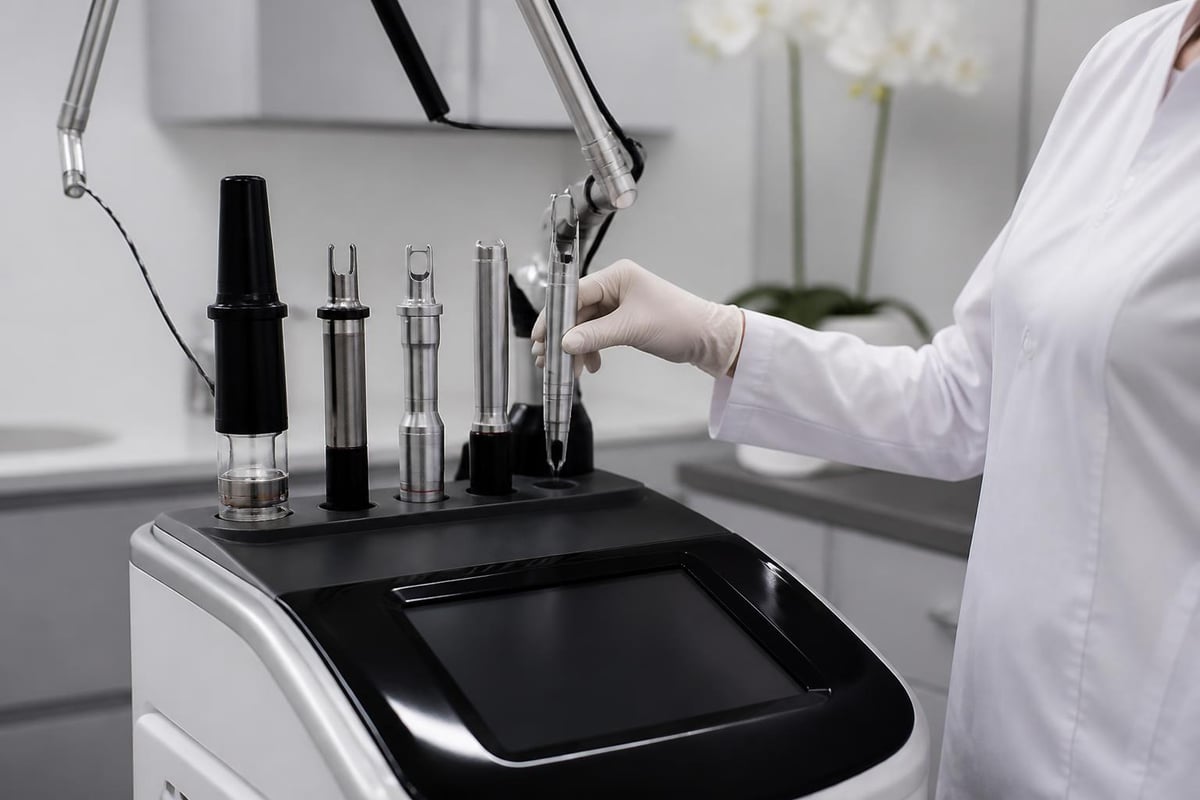
The harmony xl laser operates as a modular platform rather than a single-purpose device, distinguishing it from traditional laser systems. This multi-technology approach allows practitioners to customize treatments based on individual skin concerns, types, and desired outcomes.
The Harmony XL’s technical specifications and treatment capabilities demonstrate its versatility through interchangeable handpieces and various wavelengths. Each handpiece targets specific chromophores in the skin, from melanin in pigmented lesions to hemoglobin in vascular concerns.
Core Technologies Integration
The platform integrates several distinct technologies within one system:
- Q-Switched Nd:YAG laser for pigmentation removal and tattoo clearance
- AFT (Advanced Fluorescence Technology) for skin rejuvenation and vascular treatments
- Er:YAG laser for skin resurfacing and texture refinement
- Nd:YAG long-pulse laser for vascular lesions and deep tissue treatments
- CO2 fractional laser for intensive resurfacing and scar revision
This combination enables practitioners to address multiple concerns during a single appointment, optimizing treatment efficiency and patient satisfaction. The modular design also allows clinics to expand capabilities as their practice grows, starting with essential technologies and adding specialized handpieces over time.
How the Technology Targets Skin Concerns
Each wavelength in the harmony xl laser system penetrates skin at different depths, creating selective photothermolysis. This precision means the laser energy targets specific tissue without damaging surrounding structures. For example, the Q-switched technology delivers ultra-short pulses that shatter pigment particles into fragments small enough for the body's lymphatic system to eliminate naturally.
The AFT technology offers a refined approach to photofacial treatments, filtering wavelengths to deliver only the most effective spectrum for collagen stimulation and vascular closure. This results in more comfortable treatments with reduced side effects compared to traditional IPL systems.
Clinical Applications and Treatment Versatility
The harmony xl laser excels in treating diverse aesthetic concerns, making it valuable for comprehensive skin care programs. FDA clearance of the Harmony XL system confirms its safety and efficacy across multiple indications.
Pigmentation and Sun Damage Treatment
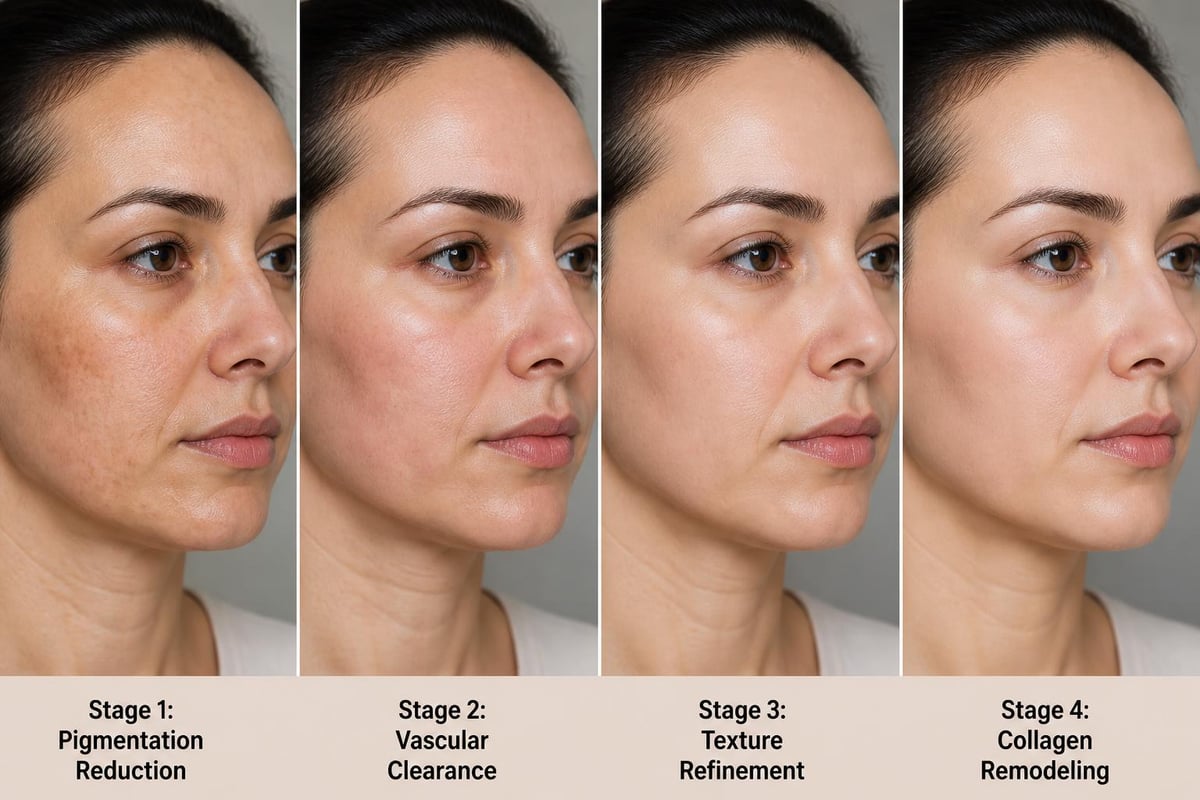
Age spots, sun damage, and melasma respond particularly well to the Q-switched technology. The laser breaks down excess melanin deposits, allowing the body to gradually eliminate the fragmented pigment over several weeks. Most clients notice visible lightening after two to four sessions, though deeper pigmentation may require additional treatments.
Post-inflammatory hyperpigmentation from acne or injury also improves significantly with properly calibrated harmony xl laser treatments. The key lies in selecting appropriate energy levels and treatment intervals to prevent paradoxical darkening in sensitive skin types.
| Treatment Type | Sessions Needed | Interval Between Sessions | Expected Results Timeline |
|---|---|---|---|
| Sun Spots | 2-4 | 4-6 weeks | 6-12 weeks |
| Melasma | 4-6 | 4-6 weeks | 3-6 months |
| Post-Inflammatory Hyperpigmentation | 3-5 | 4-6 weeks | 2-4 months |
| Freckles | 1-3 | 4-6 weeks | 4-8 weeks |
Vascular Lesion Correction
Spider veins, broken capillaries, rosacea, and cherry angiomas clear effectively through targeted light absorption by hemoglobin. The laser energy heats blood vessels, causing them to collapse and eventually be reabsorbed by the body. Facial redness from rosacea often improves dramatically after a series of treatments.
Treatment parameters vary based on vessel size and depth. Superficial telangiectasia typically requires lower energy with shorter pulse durations, while deeper reticular veins need more aggressive settings with appropriate skin cooling to maintain comfort and safety.
Skin Rejuvenation and Texture Improvement
The harmony xl laser stimulates collagen production through controlled thermal injury to the dermis. This neocollagenesis gradually improves skin texture, reduces pore size, and creates a more youthful appearance. The AFT technology particularly excels at delivering gentle yet effective photorejuvenation with minimal downtime.
Fine lines around the eyes and mouth soften as new collagen fills in shallow wrinkles. Skin tone becomes more even as damaged cells are replaced with healthy tissue. Many clients report a luminous quality to their skin that develops progressively over three to six months following treatment series.
Treatment Experience and What to Expect
Understanding the treatment process helps clients prepare appropriately and set realistic expectations. The harmony xl laser experience varies depending on which technology and handpiece are used for specific concerns.
Pre-Treatment Preparation
Proper preparation maximizes results and minimizes complications. Clients should avoid sun exposure for at least two weeks before treatment, as tanned or sunburned skin increases the risk of post-treatment hyperpigmentation. Certain medications and supplements that increase photosensitivity must be discontinued temporarily.
A thorough consultation allows practitioners to assess skin type, identify concerns, and develop customized treatment protocols. Fitzpatrick skin type classification guides energy level selection, ensuring safe and effective outcomes across all complexions. Those exploring advanced aesthetic treatments benefit from comprehensive consultations that address individual goals and concerns.
During the Treatment Session
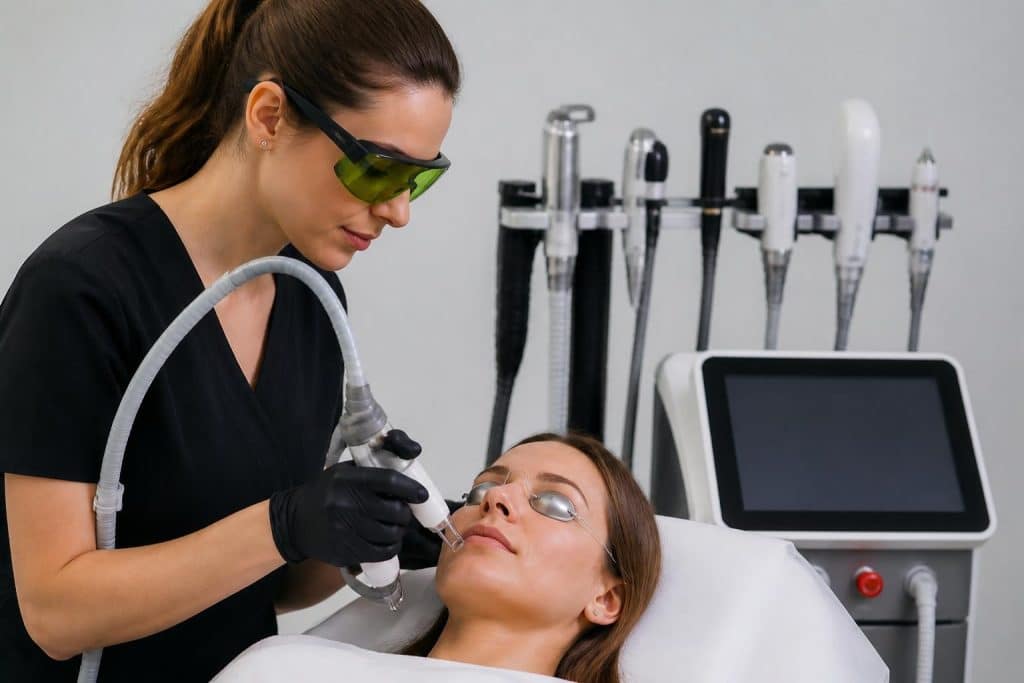
The harmony xl laser treatment begins with cleansing the skin and applying topical numbing cream for more aggressive procedures like fractional resurfacing. Most photofacial and pigmentation treatments proceed comfortably without anesthesia, though clients feel brief warming sensations during pulses.
Protective eyewear shields eyes from laser light throughout the procedure. The practitioner systematically treats the target area, often making multiple passes to ensure complete coverage. Treatment duration ranges from 15 minutes for small areas to 60 minutes for comprehensive full-face rejuvenation.
Advanced cooling systems integrated into many handpieces protect the epidermis while allowing deeper penetration of therapeutic energy. This cooling increases comfort significantly and reduces the risk of surface damage.
Post-Treatment Care and Recovery
Immediate post-treatment effects include mild redness, slight swelling, and warmth in the treated area. These responses typically resolve within a few hours for milder treatments or persist for several days following more aggressive resurfacing procedures.
Essential aftercare steps include:
- Apply gentle, fragrance-free moisturizer to maintain hydration
- Use broad-spectrum sunscreen with SPF 30 or higher daily
- Avoid hot showers, saunas, and vigorous exercise for 24-48 hours
- Do not pick at any crusting or flaking skin
- Skip active skincare ingredients like retinoids for one week
Pigmented lesions often darken initially before flaking off over the next week or two. This "coffeeground" appearance is expected and indicates successful treatment. Vascular lesions may appear more prominent for a day or two before fading as the coagulated vessels are reabsorbed.
Comparing Treatment Options and Configurations
The harmony xl laser system offers numerous configurations, making selection somewhat complex for both practitioners and clients. Choosing the best Harmony XL configuration depends on specific treatment goals and practice needs.
Technology Combinations for Different Goals
Clients seeking comprehensive anti-aging benefits often require multiple technologies from the harmony xl laser platform. A typical rejuvenation protocol might combine AFT for overall tone improvement, Q-switched technology for pigmentation, and fractional resurfacing for texture refinement.
Those primarily concerned with vascular issues benefit most from configurations emphasizing AFT and long-pulse Nd:YAG capabilities. Acne scar revision demands access to fractional CO2 and Er:YAG resurfacing technologies for optimal results.
| Primary Concern | Recommended Technology | Treatment Frequency | Maintenance Schedule |
|---|---|---|---|
| Anti-Aging | AFT + Fractional | Monthly x 3-6 | Quarterly |
| Pigmentation | Q-Switched + AFT | Every 4-6 weeks x 3-5 | Biannually |
| Vascular Lesions | AFT + Long-Pulse Nd:YAG | Every 4-6 weeks x 2-4 | As needed |
| Acne Scars | Fractional CO2/Er:YAG | Every 6-8 weeks x 3-5 | Annually |
| Skin Tightening | AFT + Er:YAG | Monthly x 4-6 | Quarterly |
Investment Considerations for Treatments
Treatment costs vary significantly based on the specific technology used, treatment area size, and number of sessions required. Pigmentation removal with Q-switched technology typically costs more per session than AFT photofacial treatments due to the precision and specialized nature of the procedure.
Package pricing often provides better value for clients committed to comprehensive treatment plans. Multiple sessions prove more effective than isolated treatments, as cumulative effects build with each successive appointment. Many clinics offer financing options that make advanced harmony xl laser treatments more accessible.
Safety Profile and Suitable Candidates
The harmony xl laser maintains an excellent safety record when operated by trained professionals following proper protocols. Understanding contraindications and potential risks helps identify ideal candidates and prevent complications.
Ideal Candidates for Treatment
Best candidates include individuals with realistic expectations seeking improvement in specific skin concerns. Those with lighter skin types historically had fewer complications, though modern technology and refined techniques now allow safe treatment across all Fitzpatrick types when protocols are adjusted appropriately.
Good general health without active infections or inflammatory conditions in the treatment area is essential. Patients must be willing to commit to sun protection and follow aftercare instructions diligently. Those with stable skin conditions who have discontinued triggering medications make excellent candidates.
Contraindications and Precautions
Certain conditions preclude harmony xl laser treatment or require special precautions. Active skin infections, including herpes simplex in the treatment area, must be resolved before proceeding. A history of abnormal scarring or keloid formation requires careful evaluation and conservative test spots.
Pregnant and nursing women should postpone elective laser treatments. Those taking photosensitizing medications or with photosensitive conditions may need to adjust timing or select alternative therapies. Recent isotretinoin use (within six months) increases healing complications and typically requires treatment delay.
Clients with very dark tans or recent sun exposure face higher risks of post-inflammatory hyperpigmentation and must wait until their tan fades completely. Honesty about sun exposure and tanning habits helps practitioners time treatments optimally.
Long-Term Results and Maintenance Strategies
Achieving lasting results from harmony xl laser treatments requires both appropriate initial treatment protocols and strategic maintenance. The longevity of improvements varies by concern type and individual factors.
Results Duration by Treatment Type
Pigmentation removal can provide lasting clearance of age spots and sun damage, though new lesions may develop with continued sun exposure. This makes ongoing sun protection essential for maintaining results. Vascular lesions typically remain clear once successfully treated, though underlying conditions like rosacea may generate new vessels over time.
Skin rejuvenation and texture improvements from collagen stimulation continue developing for several months post-treatment. These results gradually diminish as natural aging processes continue, typically maintaining noticeable improvement for one to two years before maintenance becomes beneficial.
Building Effective Maintenance Programs
Strategic maintenance treatments preserve and extend initial results while preventing new concerns from developing. Most clients benefit from quarterly photorejuvenation sessions after completing their initial series. This schedule stimulates ongoing collagen production and addresses new pigmentation or vascular changes promptly.
Annual assessments allow practitioners to adjust maintenance strategies based on skin changes, lifestyle factors, and evolving aesthetic goals. Combining harmony xl laser treatments with quality skincare services creates comprehensive anti-aging programs that address multiple aspects of skin health.
Key maintenance strategies include:
- Quarterly AFT treatments for ongoing tone and texture improvement
- Immediate treatment of new pigmentation or vascular lesions
- Annual fractional resurfacing for deeper rejuvenation
- Daily broad-spectrum sunscreen application
- Professional-grade skincare products supporting collagen health
- Regular skin assessments to catch concerns early
Optimizing Treatment Outcomes
Several factors influence how well clients respond to harmony xl laser treatments and how long results last. Genetic factors, lifestyle habits, and environmental exposures all play roles in treatment efficacy and longevity.
Clients who maintain consistent sun protection see dramatically better long-term outcomes than those with continued unprotected exposure. Quality skincare products containing antioxidants, peptides, and growth factors support the skin's healing response and enhance collagen production stimulated by laser treatments.
Smoking significantly impairs healing and collagen synthesis, reducing treatment effectiveness. Those who quit smoking before beginning laser treatments typically achieve superior results. Adequate hydration, balanced nutrition, and stress management also contribute to optimal skin health and treatment response.
Integration with Comprehensive Skincare Programs
The harmony xl laser delivers optimal results when integrated into broader skincare strategies rather than used in isolation. Combining professional treatments with appropriate home care and complementary procedures creates synergistic benefits.
Complementary Treatment Combinations
Many practitioners recommend combining harmony xl laser sessions with other modalities for enhanced outcomes. Chemical peels performed between laser treatments can accelerate pigmentation clearance and improve texture. Microneedling stimulates additional collagen production through different mechanisms than laser energy, creating additive anti-aging effects.
Injectable treatments like neuromodulators and dermal fillers address dynamic wrinkles and volume loss that laser treatments cannot correct. A comprehensive approach might include harmony xl laser for skin quality, injectables for structural rejuvenation, and professional skincare for daily maintenance.
Home Care Product Selection
The right home care products prepare skin for treatments, support healing afterward, and maintain results between sessions. Gentle cleansers prevent irritation while effectively removing impurities and sunscreen. Medical-grade vitamin C serums provide antioxidant protection and enhance collagen synthesis.
Retinoids promote cell turnover and collagen production when used on non-treatment weeks. However, these active ingredients must be discontinued several days before and after laser procedures to prevent excessive irritation. Growth factor serums and peptide complexes support the skin's repair processes and optimize treatment outcomes.
Broad-spectrum mineral sunscreens offering both UVA and UVB protection are non-negotiable for anyone undergoing harmony xl laser treatments. Physical blockers containing zinc oxide or titanium dioxide provide photostable protection without increasing photosensitivity concerns.
Technological Advances and Future Developments
Laser technology continues evolving rapidly, with newer platforms building upon the harmony xl laser foundation. Understanding current capabilities and emerging trends helps clients make informed long-term investment decisions about their skin health.
Current Platform Capabilities
Modern harmony xl laser systems incorporate sophisticated cooling mechanisms, refined pulse structures, and improved energy delivery systems compared to earlier generations. These advancements translate to more comfortable treatments with better safety profiles and enhanced efficacy across diverse skin types.
Real-time impedance monitoring and contact sensors ensure consistent energy delivery and optimal tissue response. Preset treatment protocols based on extensive clinical data help standardize outcomes while allowing customization for individual needs. Integration with practice management software streamlines documentation and tracks patient progress systematically.
Emerging Applications and Protocols
Research continues expanding approved indications and refining treatment protocols for existing applications. Combination approaches using multiple wavelengths in strategic sequences show promise for addressing complex concerns more effectively than single-technology treatments.
Lower-energy, higher-frequency treatment schedules are gaining attention for their ability to stimulate gradual improvements with minimal downtime. These "lunchtime" protocols appeal to busy professionals seeking subtle, progressive enhancement without extended recovery periods.
Personalized treatment planning using artificial intelligence and skin analysis technology represents the next frontier. These systems may eventually predict individual treatment responses and optimize protocol selection based on comprehensive skin assessment data and historical outcomes from similar patients.
The harmony xl laser platform represents a versatile, proven approach to addressing multiple aesthetic concerns through advanced light and laser technology. Strategic treatment planning, proper aftercare, and ongoing maintenance maximize the impressive results this system delivers. New Skin Laser Clinic combines cutting-edge harmony xl laser technology with expert estheticians who create personalized treatment plans tailored to your unique skin concerns and aesthetic goals, ensuring you achieve the radiant, youthful complexion you desire in Toronto's premier aesthetic destination.