
Imagine achieving a radiant, even skin tone with the latest laser technology. By 2026, laser skin whitening is projected to be more advanced, accessible, and effective than ever. This comprehensive guide will reveal what to expect from laser skin whitening in 2026, including new technologies, improved safety standards, expected results, and how to prepare for your treatment journey.
We’ll cover how laser skin whitening works, upcoming innovations, ideal candidates, step-by-step treatment processes, costs, safety considerations, and post-procedure care. As the demand for skin brightening grows and laser technology evolves, now is the time to learn how these advancements can benefit you. Explore each section to make informed, confident decisions about your skin’s future.
Understanding Laser Skin Whitening: The Basics
Laser skin whitening has gained popularity as a safe, non-invasive method for achieving a brighter, more even complexion. Understanding the core concepts behind this treatment helps you make informed decisions and set realistic expectations for your results.
What Is Laser Skin Whitening?
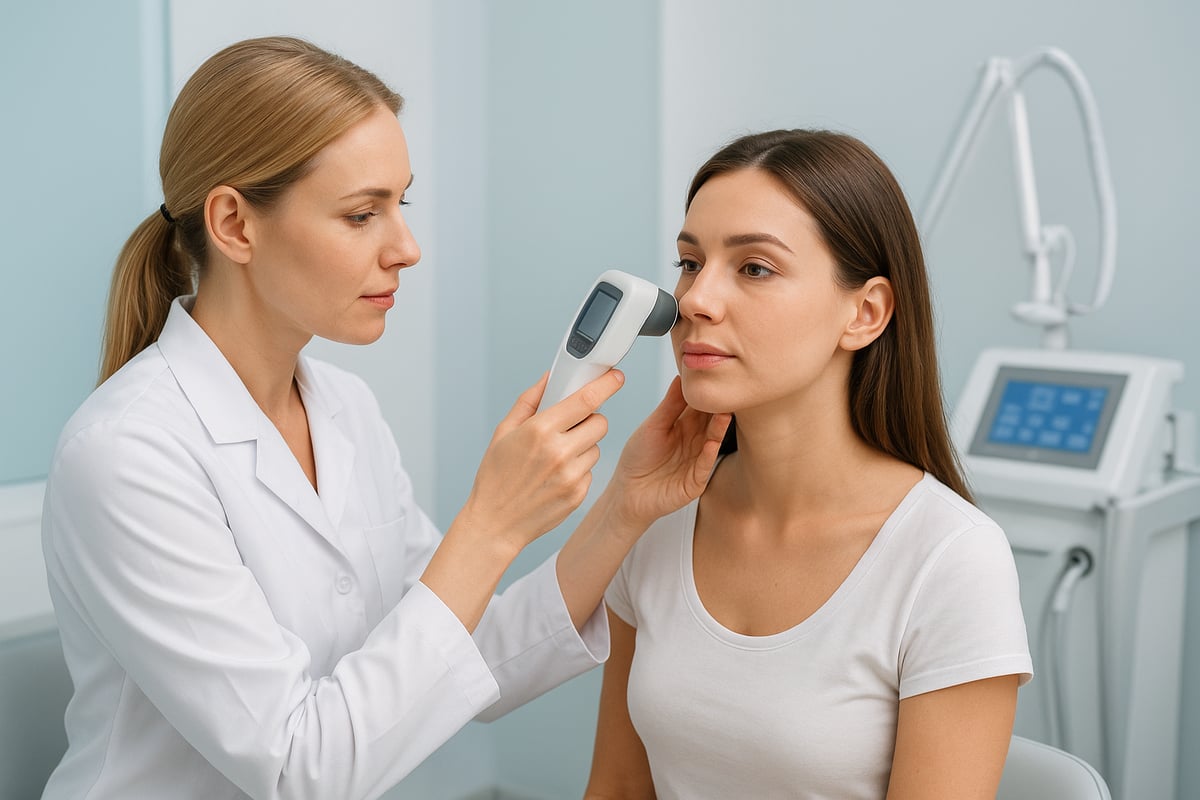
Laser skin whitening is a specialized cosmetic procedure designed to lighten skin by reducing excess melanin. It uses targeted laser energy to break down pigment clusters in the deeper layers of the skin, which are then naturally removed by the body. This treatment is suitable for the face, neck, arms, and even full-body applications.
Commonly used devices include Q-switched and fractional lasers, known for their effectiveness and safety. According to Dr. Divya Sharma Clinic, most sessions take just 15 to 45 minutes, making them convenient for busy individuals. The procedure is customized for different skin types and tones, ensuring optimal outcomes. For a deeper understanding of the various laser options available, you can explore types of skin laser treatments.
How Does Laser Skin Whitening Work?
The process of laser skin whitening begins when laser energy is directed at the skin's pigmented areas. Melanin, the pigment responsible for skin color, absorbs this energy and breaks into tiny particles. The body's immune system then works to gradually remove these fragments, resulting in a lighter and more even skin tone.
Additionally, the laser stimulates collagen production, which rejuvenates the skin and improves its texture. Importantly, the technology is designed to target only the melanin, minimizing any potential damage to surrounding tissues and supporting a gentle treatment experience.
Benefits of Laser Skin Whitening
Choosing laser skin whitening offers several advantages for those seeking clearer and more radiant skin:
- Reduces visible pigmentation, age spots, melasma, and freckles
- Helps achieve a consistent, glowing complexion
- Improves overall skin texture and smoothness
- Boosts self-confidence through enhanced appearance
- Sessions are quick, with minimal downtime required
- Long-lasting results when paired with proper aftercare
These benefits make laser skin whitening an attractive option for clients who want effective and lasting improvements with minimal disruption to their daily lives.
Who Is an Ideal Candidate?
Candidates for laser skin whitening typically include individuals with hyperpigmentation, uneven skin tone, acne scars, or sun damage. Both men and women can benefit from the procedure, regardless of skin type.
However, those with active acne, highly sensitive skin, or certain medical conditions may not be suitable. A thorough professional assessment is vital before starting treatment. Clinics, such as Dr. Divya Sharma Clinic, often customize plans for specific needs, including Indian skin types. For best results, most patients require four to six sessions, based on individual response and goals.
Innovations and Trends in Laser Skin Whitening for 2026
The landscape of laser skin whitening is transforming rapidly as we approach 2026. New technologies, greater accessibility, improved safety, and regulatory advancements are shaping both patient experience and results. Let’s explore the cutting-edge trends redefining laser skin whitening for the future.
Next-Generation Laser Technologies
Laser skin whitening in 2026 is set to benefit from ultra-fast picosecond lasers that offer more efficient pigment removal with less discomfort. These new devices are designed to minimize downtime, making treatments more convenient for busy lifestyles.
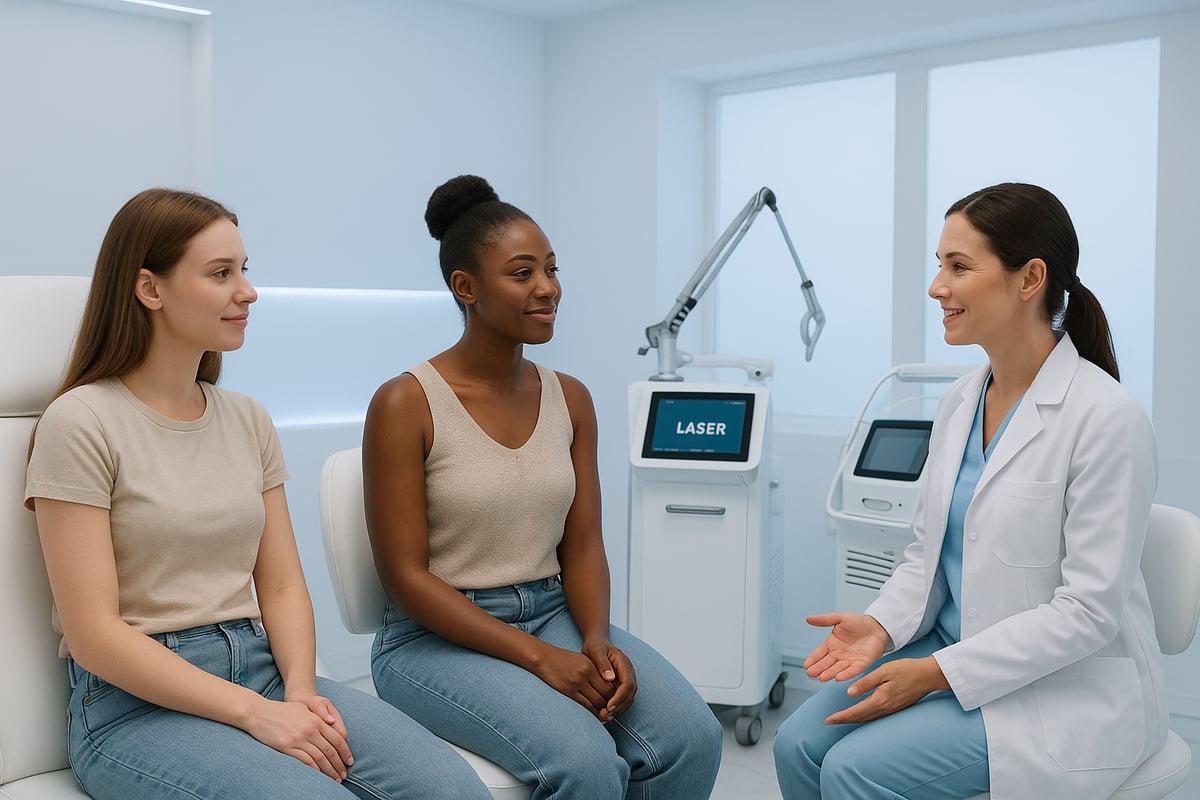
A major trend is the integration of AI-assisted laser settings. This allows practitioners to customize every session based on detailed skin analysis, improving precision and safety for all skin tones. Enhanced safety features also mean that even those with darker skin types can consider laser skin whitening with confidence.
For a deeper dive into how artificial intelligence is revolutionizing these procedures, see AI-Powered Laser Treatments in 2026.
Expanded Treatment Accessibility
Access to laser skin whitening is broadening thanks to several innovations. At-home laser devices now allow select treatments under remote professional supervision, making it easier for people to start their journey from the comfort of home.
Teledermatology consultations connect patients with experts worldwide, ensuring personalized plans regardless of location. Some clinics are even offering mobile or concierge laser services, bringing advanced equipment directly to clients.
These trends make laser skin whitening more accessible and adaptable to different lifestyles.
Improved Safety and Comfort
Safety and comfort are at the forefront of new developments in laser skin whitening. Devices now feature advanced cooling systems that protect the skin during treatment, reducing the risk of burns or irritation.
Real-time skin monitoring technology helps practitioners adjust settings instantly, ensuring optimal outcomes for every session. Non-ablative lasers are gaining popularity for their gentle approach and minimal recovery time.
As a result, patients benefit from laser skin whitening sessions that are both safer and more comfortable than ever before.
Customization and Inclusivity
Personalized care is a hallmark of laser skin whitening in 2026. Clinics are adopting tailored protocols for all skin types, including those with higher Fitzpatrick classifications.
Combination therapies, such as pairing lasers with topical antioxidants or glutathione, are used to maximize results. AI-driven skin analysis provides a highly detailed treatment map, allowing for precision targeting of pigmentation concerns.
These advances ensure that laser skin whitening is inclusive, effective, and adaptable for a wide range of individuals.
Regulatory and Ethical Advances
With the growth of laser skin whitening, regulatory bodies are enforcing stricter safety standards and requiring practitioner certifications. Clinics prioritize transparent patient education, ensuring that clients understand the procedure and post-care needs.
Digital records are protected with advanced data security measures, and detailed post-care guidelines are standard practice. These changes are raising the bar for ethical and safe delivery of laser skin whitening treatments, helping patients achieve their goals with greater peace of mind.
Step-by-Step: What to Expect Before, During, and After Laser Skin Whitening
Embarking on a laser skin whitening journey can be both exciting and daunting. Understanding every stage—from preparation to results—empowers you to make informed choices and achieve the glowing complexion you desire. Here is a detailed, step-by-step guide to help you know exactly what to expect throughout the process.
Preparing for Your Laser Skin Whitening Session
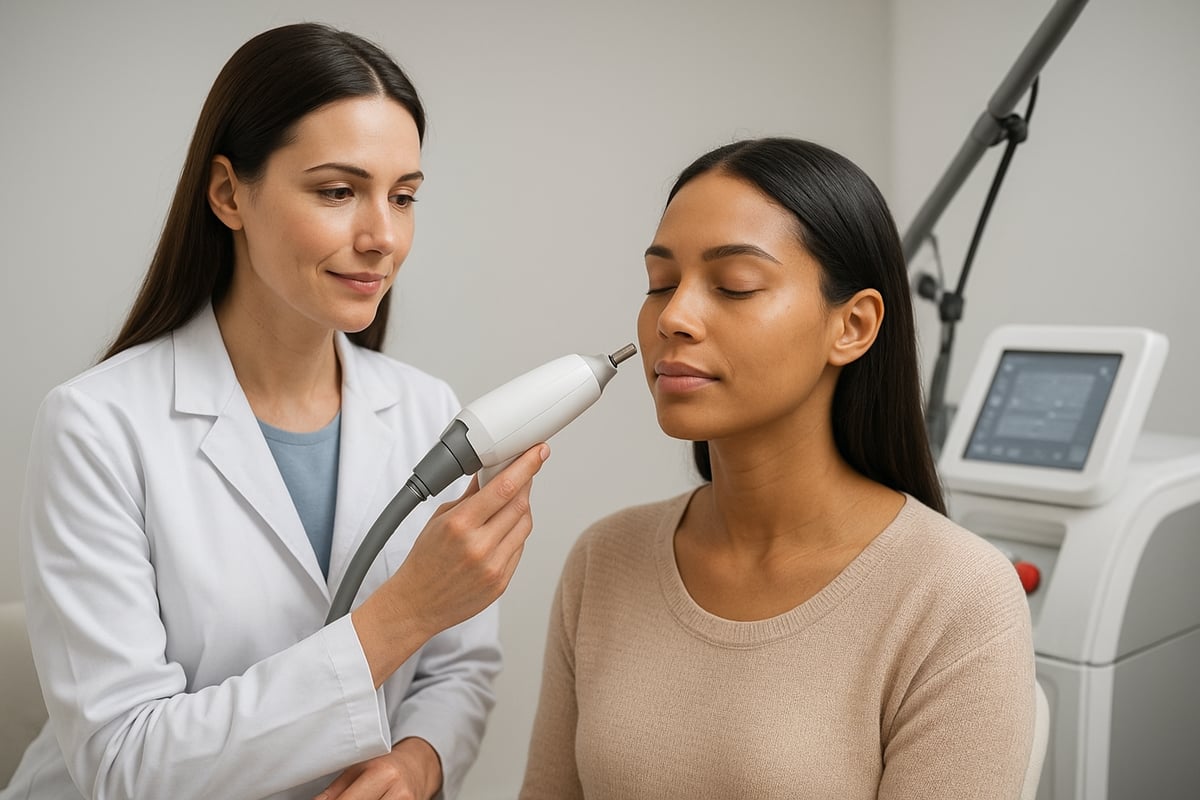
Proper preparation is essential for effective laser skin whitening. Your journey begins with a thorough consultation, where a qualified professional evaluates your medical history and skin type. This assessment helps determine the safest and most effective treatment plan tailored to your unique needs.
Before your session, you will receive pre-treatment instructions. These often include avoiding sun exposure and refraining from using certain skincare products, such as retinoids or exfoliants, for at least a week. Patch testing is usually performed to check for any sensitivity or adverse reactions.
Setting clear and realistic expectations is vital. Discuss your goals with your provider and understand the possible outcomes and limitations of laser skin whitening. This preparation ensures you are ready for a smooth and successful experience.
The Laser Skin Whitening Procedure: Step-by-Step
On the day of your laser skin whitening treatment, the process is methodical and precise. First, the targeted area is cleansed thoroughly to remove any makeup, oils, or impurities. If necessary, a numbing cream may be applied to maximize comfort during the procedure.
Your provider will customize the laser settings based on your skin analysis, ensuring the energy levels are appropriate for your skin tone and concerns. The laser device is then passed over the treatment area in a series of controlled pulses, targeting excess melanin.
Sessions typically last between 15 and 60 minutes, depending on the size of the area. Throughout the procedure, you may feel a mild tingling or snapping sensation, but discomfort is generally minimal with modern devices.
Immediate Aftercare and Recovery
After a laser skin whitening session, your skin may appear mildly red, warm, or tingly, similar to a light sunburn. These effects are temporary and usually subside within a few hours. Applying a gentle, calming moisturizer and broad-spectrum sunscreen is crucial to protect your skin as it heals.
Avoid direct sunlight and strenuous activities for several days post-treatment. Following detailed aftercare instructions, such as those outlined in After laser skin treatment care, helps ensure optimal recovery and reduces the risk of complications.
By adhering to these guidelines, you support your skin’s healing process and maximize the benefits of laser skin whitening.
Results Timeline and Progress
Visible improvements from laser skin whitening are often noticeable after just one or two sessions. However, optimal results typically require a series of four to six treatments, spaced several weeks apart. Gradual fading of pigmentation, increased brightness, and a more even skin tone are common as your sessions progress.
The speed and extent of results vary depending on your skin type, the severity of pigmentation, and how closely you follow aftercare recommendations. Regular photographic documentation can help track changes and celebrate your progress.
Remember that patience is key, as the body needs time to remove broken-down melanin and reveal the full benefits of laser skin whitening.
Long-Term Maintenance and Follow-Up
Maintaining your results requires ongoing care even after completing your laser skin whitening treatments. Schedule regular follow-up sessions as recommended by your provider to preserve your complexion and address any new pigmentation.
Consistent use of sunscreen with SPF 30 or higher is essential to prevent recurrence of dark spots. Supporting your skin with targeted skincare ingredients, such as vitamin C and niacinamide, can further enhance and prolong your results.
Many clinics offer maintenance packages to streamline your follow-up care and keep your skin looking radiant long term. Staying proactive ensures your investment in laser skin whitening continues to pay off.
Potential Side Effects and How to Manage Them
While laser skin whitening is generally safe, some mild side effects can occur. Temporary redness, swelling, or sensitivity are common and usually resolve within a day or two. Rarely, more serious issues such as blistering, hyperpigmentation, or infection may develop.
To minimize risk, always choose a certified professional and follow all pre- and post-treatment instructions carefully. If you notice unusual symptoms or prolonged discomfort, contact your provider promptly for guidance.
Effective management and prevention of side effects are crucial to a positive laser skin whitening experience, helping you achieve the clear, even skin you desire.
Types of Laser Skin Whitening Treatments Available in 2026
Exploring the evolving landscape of laser skin whitening in 2026, patients will find a diverse range of advanced treatments, each tailored to meet specific pigmentation and rejuvenation needs. Below, we detail the leading technologies and combination approaches shaping the future of laser skin whitening.
Q-Switched Lasers
Q-switched lasers remain a cornerstone of laser skin whitening in 2026, renowned for their precision in targeting superficial pigmentation. These devices emit high-intensity energy pulses, breaking down melanin deposits responsible for sunspots, melasma, and freckles.
Treatments are celebrated for their safety across various skin types and minimal downtime. Most sessions last under an hour, making them convenient for busy individuals. Q-switched lasers are widely available in clinics throughout India and internationally, offering predictable, effective results for those seeking clearer, brighter skin.
Picosecond Lasers
Picosecond lasers represent a leap forward in laser skin whitening technology. Utilizing ultra-fast pulses, these systems shatter stubborn pigment particles more efficiently than previous generations.
Patients experience less discomfort and faster healing, with reduced redness and swelling post-procedure. Picosecond devices are particularly effective for deep or resistant discoloration, making them a preferred choice for complex cases in 2026. Their growing popularity stems from their ability to deliver exceptional results with fewer sessions and minimal recovery time.
Fractional and CO2 Lasers
Fractional and CO2 lasers have transformed laser skin whitening by offering both surface and deep skin rejuvenation. These devices create microscopic treatment zones, stimulating collagen renewal and targeting texture irregularities, scars, and pigmentation.
CO2 lasers, in particular, provide dramatic improvements for patients seeking significant brightening and smoothing. While downtime can be longer than with other modalities, the outcomes are often more pronounced. For those interested in the science and safety of these options, the CO2 laser skin resurfacing resource offers an in-depth look at how this technology enhances laser skin whitening results.
Non-Ablative Lasers and IPL
Non-ablative lasers and IPL (Intense Pulsed Light) treatments are preferred for patients desiring gentle, gradual laser skin whitening with minimal recovery. These technologies work beneath the skin’s surface, improving tone, clarity, and radiance over time.
IPL is especially effective at addressing redness and sun-induced pigmentation, while non-ablative lasers promote subtle collagen growth. Their versatility makes them suitable for a range of pigment issues, and they are often recommended as maintenance or for those with sensitive skin.
Combination Therapies and Adjunct Treatments
To maximize the benefits of laser skin whitening, many clinics now offer combination therapies. These may include chemical peels, topical antioxidants, or injectable glutathione paired with laser sessions.
By integrating multiple modalities, practitioners can customize treatment for stubborn pigmentation or complex cases. Multi-modality packages are increasingly popular in 2026, as they deliver synergistic effects, prolong results, and address a broader spectrum of skin concerns. This holistic approach ensures that each patient receives a tailored plan for optimal brightening and rejuvenation.
Costs, Value, and Choosing a Provider in 2026
Understanding the costs, value, and how to select the right provider is essential for anyone considering laser skin whitening. As technology evolves, so do pricing models, accessibility, and standards of care. Here is what you need to know to make an informed decision in 2026.
Factors Affecting Laser Skin Whitening Costs
Several variables influence the price of laser skin whitening. The clinic's location and reputation play a significant role, as top-tier urban centers and established practitioners often command higher fees. The type of technology and specific laser devices used also impact pricing, with next-generation lasers typically costing more per session.
The number of sessions required depends on your skin type, concern severity, and desired results. Treatment area size matters as well, with full-body solutions costing more than targeted facial treatments. For example, in India, reputable providers may charge between ₹40,000 and ₹80,000 for full-body laser skin whitening packages.
Always factor in consultation fees, aftercare products, and any required patch testing. Transparent clinics will provide a detailed breakdown before you commit to treatment.
Typical Price Ranges by Region
Laser skin whitening costs can vary widely based on geography and clinic standards. Below is a comparison table summarizing typical prices by region:
| Region | Per Session (Face) | Full Body (Package) |
|---|---|---|
| North America | $300–$600 | $1,500+ |
| India | ₹6,000–₹15,000 | ₹40,000–₹80,000 |
| Europe | €250–€500 | €1,200+ |
In major cities, expect higher fees, especially where advanced technology and premium service packages are offered. Many clinics provide bundled packages to make multiple sessions more affordable. Always compare inclusions such as consultations, aftercare, and maintenance sessions when evaluating value for your investment in laser skin whitening.
Evaluating Value: What to Look For in a Clinic
Selecting the right provider for laser skin whitening ensures both safety and optimal outcomes. Prioritize clinics led by board-certified dermatologists or licensed professionals with proven expertise. Transparent consultations, personalized treatment mapping, and clear aftercare plans are critical.
Look for clinics using FDA, Health Canada, or CE-approved devices. Before-and-after galleries and genuine patient reviews provide insights into real-world results. For those seeking targeted solutions, some clinics offer specialized laser therapy for hyperpigmentation, which can address specific pigment concerns as part of a holistic approach.
Ask about practitioner certifications, safety protocols, and ongoing training. A reputable clinic will provide thorough information and support throughout your laser skin whitening journey.
New Skin Laser Clinic Toronto: Advanced Laser Whitening Solutions
New Skin Laser Clinic Toronto stands out for its advanced approach to laser skin whitening. The clinic employs cutting-edge laser technology and custom protocols to address the needs of diverse skin types, ensuring both safety and efficacy.

Expert estheticians deliver comprehensive consultations, mapping out the most effective path for each client. Full-spectrum laser skin whitening treatments target pigmentation, melasma, and uneven skin tone, with flexible payment options and packages to fit different budgets.
Conveniently located in Toronto, the clinic is committed to delivering radiant, even-toned skin for every client. Their focus on state-of-the-art care and personalized service makes them a preferred destination for modern laser skin whitening in 2026.
Safety, Risks, and How to Maximize Results
Laser skin whitening is both effective and safe when performed by skilled professionals following modern protocols. Understanding how to minimize risks and maximize outcomes is essential for anyone considering treatment. In this section, we outline the most important safety practices, side effect management, and tips for lasting results.
Ensuring Safety and Minimizing Risks
Safety begins with choosing a certified clinic and a provider experienced in laser skin whitening. Always ensure a thorough initial consultation that includes a patch test and a review of your medical history. Avoid treatments if you have active skin infections or severe sensitivity.
Look for clinics that follow updated safety protocols, such as those outlined in the ANSI Z136.3-2024: Safe Use of Lasers in Health Care. These standards help reduce the risk of burns or complications. Clear pre- and post-care instructions are a must for every patient.
Managing and Preventing Side Effects
Common side effects of laser skin whitening include mild redness, swelling, or a warm sensation, similar to a slight sunburn. These effects are usually temporary and resolve within hours to a few days.
To minimize discomfort:
- Apply gentle moisturizers and sunscreen.
- Avoid harsh skincare products immediately after treatment.
- Refrain from direct sun exposure.
If you notice blistering, persistent swelling, or signs of infection, contact your provider promptly. Proper aftercare is key to a smooth recovery.
Tips for Optimal and Lasting Results
Achieving the best results from laser skin whitening requires consistent care and healthy habits. Always use broad-spectrum sunscreen with SPF 30 or higher, even on cloudy days.
Follow your provider’s skincare recommendations, which may include vitamin C or niacinamide serums. Schedule maintenance sessions as advised to prolong your results. Staying hydrated and maintaining a balanced diet also support your skin’s renewal process.
Regular follow-ups ensure any concerns are addressed early, keeping your results on track.
Addressing Common Myths and Concerns
Many people believe that laser skin whitening is a permanent fix, but periodic maintenance is necessary to uphold your glow. Another myth is that laser treatments are unsafe for darker skin tones, yet modern technologies are designed to treat all skin types safely.
Worried about pain? Most sessions are well tolerated, especially with numbing cream. Remember, results vary by individual—setting realistic expectations and following professional advice will help you achieve the best outcome.