Hyperpigmentation is a common concern that affects millions of people worldwide, impacting self-confidence and everyday life. In 2026, advanced treatments are making a remarkable difference for those struggling with skin discoloration.
If you are seeking answers about laser therapy for hyperpigmentation, you are in the right place. This comprehensive guide will break down the science behind these treatments, the types of lasers used, and what makes them effective.
Discover the causes of hyperpigmentation, how laser therapy works, step-by-step treatment details, expected results, risks, and essential aftercare. Take the first step toward clearer, more confident skin with the latest insights and expert advice.
Understanding Hyperpigmentation: Causes and Types
Hyperpigmentation is a common skin concern that impacts people of all backgrounds and ages. It occurs when patches of skin become darker than surrounding areas due to excess melanin production. This process can be triggered by various factors, from sun exposure to hormonal changes. For many, these persistent dark spots can be frustrating and resistant to standard skincare routines. Understanding the science behind hyperpigmentation is the first step toward effective solutions like laser therapy for hyperpigmentation, which targets pigment at its source.
What is Hyperpigmentation?
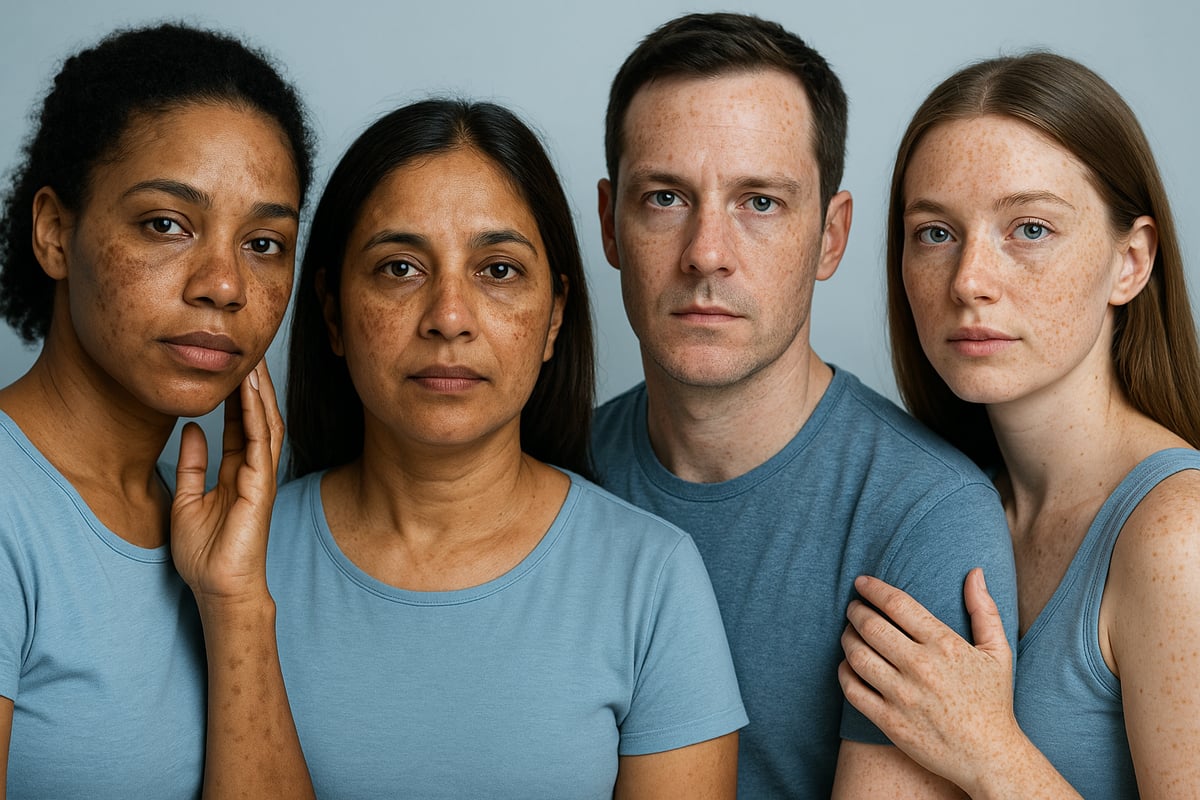
Hyperpigmentation refers to areas of skin that appear darker than the surrounding tissue due to increased melanin, the pigment responsible for skin color. This condition is widespread, affecting millions globally, especially those with medium to dark skin tones.
Common triggers include prolonged sun exposure, inflammation from acne or eczema, hormonal fluctuations such as pregnancy or birth control use, and certain medications. Unlike other forms of discoloration, hyperpigmentation directly involves melanin overproduction.
Melanin plays a protective role against ultraviolet rays, but when its production is overstimulated, it can result in uneven skin tone. Recognizing the difference between hyperpigmentation and other marks, like hypopigmentation or redness, is essential for choosing the right treatment, such as laser therapy for hyperpigmentation.
Major Types of Hyperpigmentation
Hyperpigmentation appears in several distinct forms:
- Melasma: Characterized by symmetrical, brownish patches on the face, melasma is often triggered by hormonal changes and sun exposure. It is more common in women, particularly during pregnancy.
- Post-inflammatory hyperpigmentation (PIH): PIH results from skin injury or inflammation, such as acne, eczema, or trauma. It is especially prevalent in darker skin types.
- Lentigines (age spots or sun spots): These flat, brown spots develop after years of UV exposure and are more frequent as people age.
- Freckles (ephelides): Typically genetic, freckles are small, light brown dots that darken with sun exposure and are more visible in lighter skin.
- Drug-induced hyperpigmentation: Certain medications, like some antibiotics or chemotherapy drugs, can cause widespread or patchy pigmentation changes.
- Dermal vs. epidermal pigmentation: The depth of pigment deposition matters. Epidermal pigmentation is closer to the surface and often responds better to treatments like laser therapy for hyperpigmentation, while dermal pigmentation is deeper and more resistant.
| Type | Common Triggers | Typical Location |
|---|---|---|
| Melasma | Hormones, sun | Face, cheeks |
| PIH | Acne, injury, eczema | Any skin area |
| Lentigines | UV exposure, aging | Hands, face |
| Freckles | Genetics, sun | Face, shoulders |
| Drug-induced | Medications | Variable |
Understanding the type of hyperpigmentation is crucial for determining the best treatment approach, especially when considering advanced solutions like laser therapy for hyperpigmentation.
Why Hyperpigmentation is Challenging to Treat
Treating hyperpigmentation is complex due to several factors. The depth of pigment within skin layers significantly affects response to therapy. Some forms, like dermal pigmentation, are deeply embedded and less responsive to topical agents.
Skin type also plays a major role. Those with darker skin (higher on the Fitzpatrick scale) are at greater risk for both hyperpigmentation and treatment-related complications, such as further darkening or light spots. Recurrence is common, especially if triggers like sun exposure or hormonal changes persist.
Standard treatments, including creams and chemical peels, often yield slow or incomplete results. The psychological impact of visible pigment changes can be profound, affecting self-esteem and social confidence. Accurate diagnosis is vital before starting any intervention, as misidentification may lead to ineffective or even harmful outcomes.
Innovative approaches like laser therapy for hyperpigmentation offer new hope by targeting pigment more precisely and safely, but they require careful selection and expert guidance.
How Laser Therapy Works for Hyperpigmentation
Understanding the science behind laser therapy for hyperpigmentation is essential before starting treatment. Modern lasers offer precision, safety, and versatility, making them a preferred choice for many who want clear, even-toned skin.
Principles of Laser Treatment
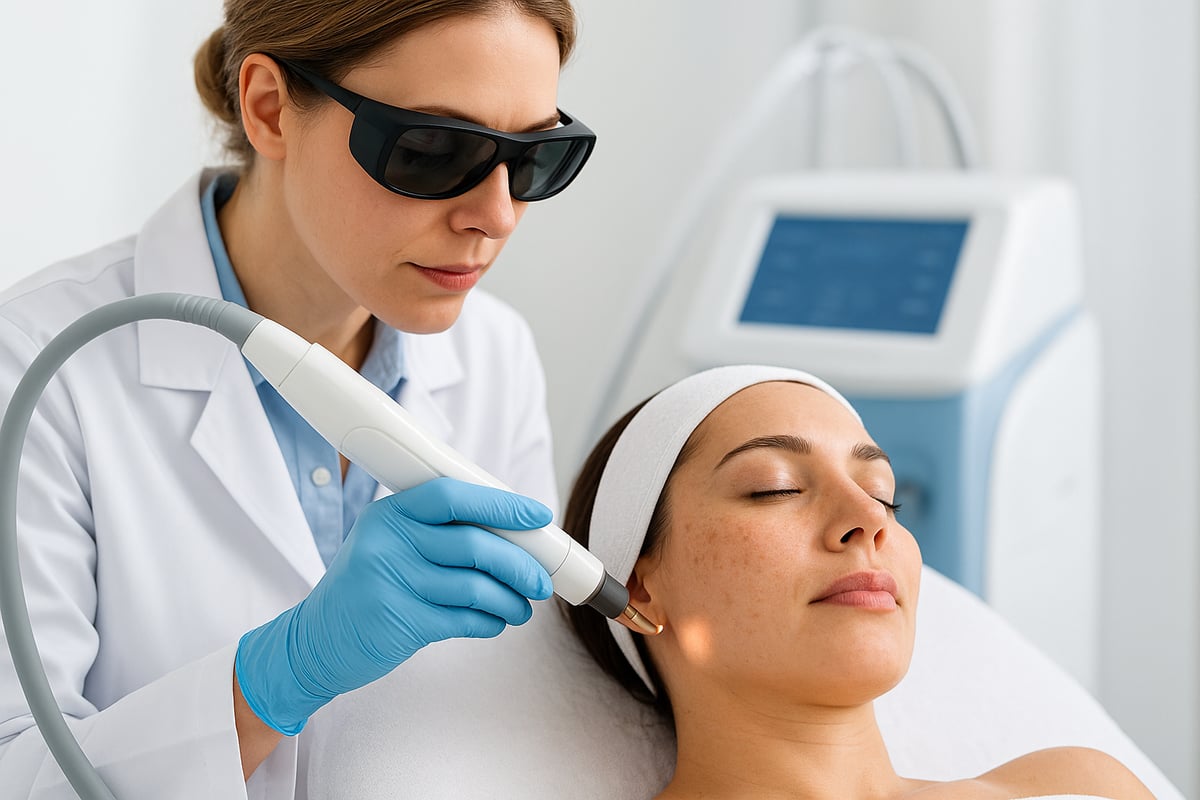
Laser therapy for hyperpigmentation is based on the principle of selective photothermolysis. This process allows lasers to target excess melanin while minimizing damage to surrounding tissue. Each laser emits a specific wavelength, which is absorbed mainly by pigment in the skin.
Pulse duration and fluence (energy delivered) are carefully controlled to break down pigmentation without causing burns. The goal is to shatter melanin granules, allowing the body to gradually remove them. Lasers differ from intense pulsed light (IPL), which uses a broad spectrum of light and is less selective.
Photothermal effects heat pigment, while photomechanical effects physically disrupt pigment clusters. Some lasers are ablative, removing thin layers of skin, while others are non-ablative and work beneath the surface. Matching the device and settings to the specific type and depth of hyperpigmentation is critical for safety and results. Laser therapy for hyperpigmentation must always be individualized for each patient.
Types of Lasers Used
There are several categories of lasers designed for treating pigmentation concerns. Q-switched nanosecond lasers are effective for deep, stubborn pigment, while picosecond lasers offer even faster pulse durations, improving safety and results for darker skin types. Long-pulsed lasers can address larger or vascular areas.
Fractionated and traditional ablative lasers are reserved for severe or mixed pigment cases, resurfacing the skin and stimulating repair. IPL is often used for superficial sun spots and freckles. Leading devices include PicoWay, GentleMax Pro, and Lumecca.
For a detailed breakdown of these technologies and their unique benefits, see Types of Skin Laser Treatments. Selecting the right laser depends on pigmentation type, skin color, and treatment goals. Laser therapy for hyperpigmentation offers a personalized approach based on these factors.
| Laser Type | Best For | Example Devices |
|---|---|---|
| Q-switched | Deep pigment, tattoos | PicoWay |
| Picosecond | Stubborn pigment, darker skin | PicoWay |
| Long-pulsed | Larger areas, vascular lesions | GentleMax Pro |
| Fractionated/Ablative | Severe, mixed pigmentation | CO2, Er:YAG lasers |
| IPL | Superficial sun spots, freckles | Lumecca |
Advancements in 2026
The landscape of laser therapy for hyperpigmentation continues to evolve. In 2026, new technologies have improved safety, allowing more precise targeting of pigment with less risk of side effects. Devices now feature advanced cooling systems and real-time skin monitoring for better protection.
AI-assisted parameter selection helps practitioners fine-tune settings for each patient, reducing the chance of complications. Combination therapies, such as pairing lasers with topical agents or microneedling, are gaining popularity for stubborn cases.
Inclusivity is a major focus, with more devices tested and approved for all skin tones. These innovations ensure laser therapy for hyperpigmentation is safer, more effective, and accessible to a wider range of individuals than ever before.
Step-by-Step: What to Expect During Laser Therapy for Hyperpigmentation
Embarking on laser therapy for hyperpigmentation can feel overwhelming, but understanding each step makes the process smoother and more predictable. Here is a detailed walkthrough of what patients can expect, from initial consultation to seeing real results.
Patient Evaluation and Consultation
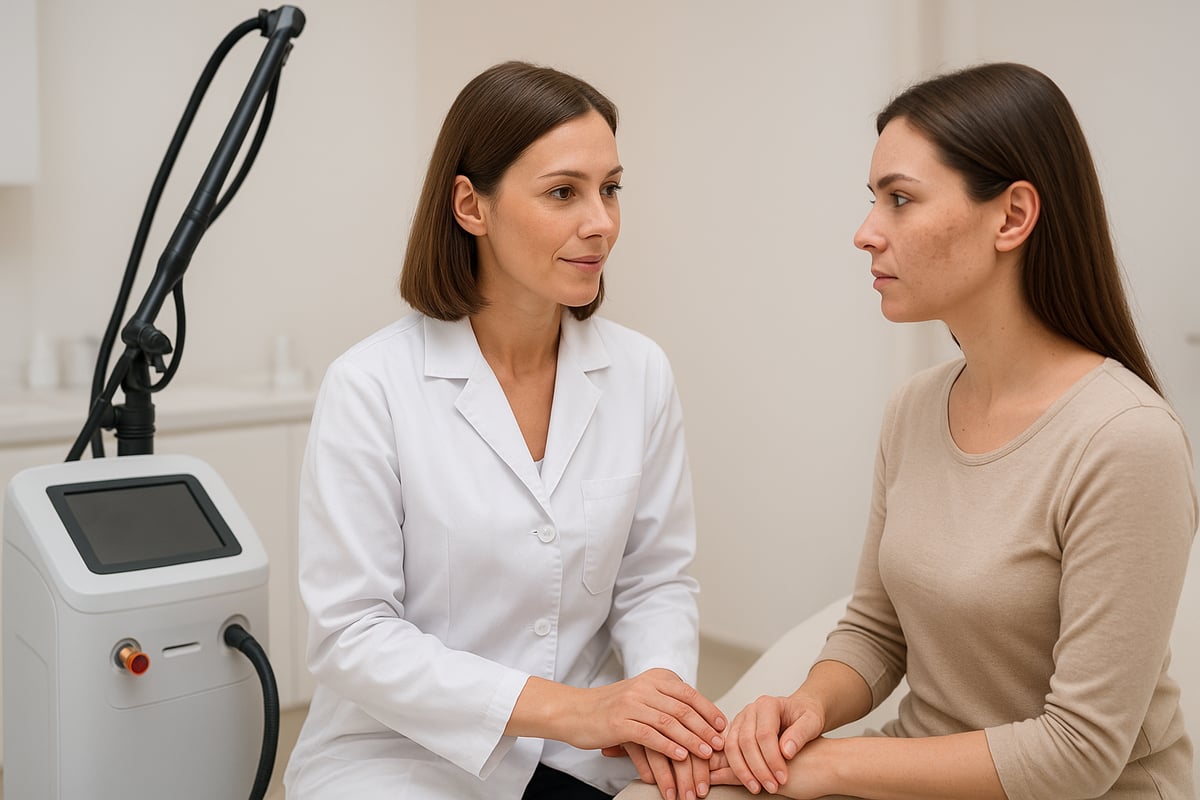
The first step in laser therapy for hyperpigmentation is a comprehensive evaluation with a qualified provider. During this visit, your skin will be assessed in detail, and the provider will determine the type and depth of your pigmentation.
A thorough medical history is essential. Factors like medications, hormonal changes, and previous skin treatments are discussed to identify underlying causes. This ensures that laser therapy for hyperpigmentation is both safe and suitable for your needs.
Patch testing may be recommended, especially for those with darker skin types. This precaution helps prevent unwanted side effects. Realistic expectations are set regarding the number of sessions and the degree of improvement achievable.
Preparing for Treatment
Proper preparation is crucial for safe and effective laser therapy for hyperpigmentation. Your provider will give you clear pre-treatment instructions to maximize results.
- Avoid sun exposure and tanning for at least two weeks before your session.
- Adjust your skincare routine, pausing retinoids or acids as advised.
- Discontinue photosensitizing medications if your doctor recommends.
- Stay well hydrated and keep your skin moisturized in the days leading up to treatment.
If you have any active infections or are pregnant, your session may need to be rescheduled for safety.
The Laser Treatment Session
On the day of your appointment, the treatment area will be cleansed thoroughly. The provider may mark specific zones to ensure precise targeting of your pigmentation.
Topical anesthesia or cooling devices are often used to enhance comfort. The provider will set the laser device parameters based on your skin type and the nature of the pigmentation. Each pass of the laser is methodical, focusing energy on the affected areas while sparing surrounding tissue.
Sensations during laser therapy for hyperpigmentation are typically mild, described as a quick stinging or warmth. The session duration depends on the size of the treated area, ranging from 15 to 45 minutes for most cases.
Immediate side effects, such as redness or swelling, are monitored closely. Your provider will ensure your skin responds appropriately before you leave the clinic.
Safety Protocols and Pain Management
Safety is a top priority throughout every stage of laser therapy for hyperpigmentation. Both patient and provider wear protective eyewear to shield against laser light.
Additional comfort is provided through cooling gels or devices, which help reduce heat sensation. For particularly sensitive areas, local anesthesia may be used.
Providers monitor the skin’s response in real time, adjusting settings if needed to prevent burns or pigment changes. These protocols significantly reduce the risk of adverse effects, supporting a smooth treatment experience.
Post-Treatment Care and Downtime
After your session, following tailored aftercare instructions is vital to optimize healing and results. Immediately, you may notice redness, mild swelling, or a slight crusting in the treated areas. These effects are temporary and should subside within a few days.
- Apply cold compresses to reduce discomfort.
- Gently cleanse and moisturize your skin as directed.
- Strictly avoid sun exposure and use a broad-spectrum sunscreen.
Proper sun protection is essential to prevent recurrence and complications. If you notice signs of infection, blistering, or prolonged irritation, contact your provider promptly. For a detailed guide, see Aftercare for Laser Skin Treatment.
Number of Sessions and Treatment Timeline
Laser therapy for hyperpigmentation is rarely a one-time procedure. The typical number of sessions varies based on the type and depth of pigmentation. For melasma or deeper lesions, four to six sessions may be needed, spaced three to six weeks apart.
Superficial spots may clear faster, sometimes after just two to three treatments. Visible improvement often appears within a few weeks, with full results developing over several months.
Your provider will tailor the treatment plan to your skin type, pigmentation characteristics, and chosen device. Adhering to the recommended schedule ensures optimal outcomes and minimizes the risk of recurrence.
Effectiveness, Results, and Realistic Expectations
Laser therapy for hyperpigmentation has become a leading solution for individuals seeking clearer, more even skin. However, understanding what results to expect, and what factors influence those outcomes, is essential before beginning treatment.
Success Rates by Hyperpigmentation Type
The effectiveness of laser therapy for hyperpigmentation depends on the specific type and depth of pigment. Clinical studies show that lentigines (sun spots/age spots) often respond best, with clearance rates of 70–90 percent after a series of treatments. Freckles and superficial pigmentation also show high improvement rates.
Melasma is more complex. According to a recent meta-analysis on laser therapy in melasma treatment, lasers can yield 40–60 percent improvement, but results vary and recurrence is common without ongoing care. Post-inflammatory hyperpigmentation (PIH) shows moderate to high clearance, especially when caused by acne or minor injury. Drug-induced pigmentation is generally more resistant, and deeper dermal pigment may require multiple modalities.
| Pigmentation Type | Typical Clearance (%) | Best Device Types |
|---|---|---|
| Lentigines / Sun Spots | 70–90 | Q-switched, IPL |
| Melasma | 40–60 | Picosecond, Fractional |
| PIH | 60–80 | Q-switched, Picosecond |
| Freckles | 70–90 | Q-switched, IPL |
| Drug-induced | 30–50 | Picosecond, Fractional |
Outcomes are best when laser therapy for hyperpigmentation is tailored to skin type and pigmentation depth. Limitations include persistent or recurring pigment, especially in melasma or mixed dermal-epidermal cases.
Factors Influencing Results
Several factors impact the success of laser therapy for hyperpigmentation. The Fitzpatrick skin type plays a crucial role, as darker skin is more prone to post-treatment pigment changes. Proper pre-treatment and aftercare, including sun protection and gentle skincare, are vital for optimal results.
Hormonal influences, such as pregnancy or birth control, can trigger recurrence. Medications that increase photosensitivity may also affect outcomes. Consistency with recommended sessions and adherence to aftercare protocols maximize the benefits of laser therapy for hyperpigmentation.
Potential Side Effects and Risks
Laser therapy for hyperpigmentation is generally safe, but side effects can occur. Common reactions include temporary redness, swelling, and a mild darkening of treated areas. These usually resolve within days.
Less common risks include blistering, scarring, infection, or changes in skin color, such as hypo- or hyperpigmentation. These are more likely when inappropriate device settings are used or when sun exposure occurs too soon after treatment.
Key risk factors:
- Inexperienced providers or incorrect device selection
- Lack of sun protection after sessions
- Treating active infections or inflamed skin
Prevention strategies involve careful patient assessment, conservative energy settings, and strict post-treatment care. For those with darker skin, using advanced lasers and cooling methods reduces the risk of unwanted pigment changes. Always consult a skilled provider to ensure laser therapy for hyperpigmentation is both safe and effective.
Long-Term Maintenance and Recurrence Prevention
Achieving lasting results from laser therapy for hyperpigmentation requires ongoing effort. Daily broad-spectrum sun protection is non-negotiable, even on cloudy days.
Maintenance treatments, such as periodic laser sessions or topical agents, can help sustain improvements. Adjusting lifestyle factors, like avoiding unnecessary sun exposure and managing hormonal triggers, further reduces the chance of recurrence.
Regular follow-up appointments allow early detection of any pigment return, so adjustments can be made promptly. With the right approach, laser therapy for hyperpigmentation delivers not just clearer skin, but also long-term confidence.
Choosing the Right Clinic and Practitioner
Selecting the right provider for laser therapy for hyperpigmentation is crucial for achieving safe and effective results. With many clinics offering a range of treatments, knowing what to look for can make all the difference in your outcome and experience.
Credentials and Experience
The expertise of your provider directly impacts the safety and effectiveness of laser therapy for hyperpigmentation. Always seek out board-certified dermatologists or highly trained laser technicians with demonstrated experience treating pigmentation in all skin types.
During your consultation, ask about their training in laser technologies, experience with diverse cases, and success rates. Providers who stay current with industry guidelines, such as those detailed in the Laser treatment of hyperpigmented lesions: European guidelines, are more likely to offer evidence-based care.
Look for practitioners who can discuss risks, benefits, and alternatives openly, ensuring you feel informed and confident in your decision.
Technology and Device Selection
Not all devices are created equal when it comes to laser therapy for hyperpigmentation. The best clinics invest in a variety of advanced laser platforms to provide tailored solutions for different skin tones and pigment types.
Ask if the clinic offers devices like Q-switched, picosecond, or IPL systems, and whether they use the latest technology with safety features for darker skin. Proper device selection reduces the risk of side effects and improves outcomes.
A reputable provider will explain why a specific device is recommended and how it matches your unique skin needs, helping you make an educated choice.
New Skin Laser Clinic: Expert Laser Hyperpigmentation Treatments in Toronto
New Skin Laser Clinic stands out for its expertise in laser therapy for hyperpigmentation, offering a comprehensive range of devices including PicoWay, GentleMax Pro, and Lumecca IPL. Each patient receives a personalized assessment to ensure the most effective and safest approach for their skin type.
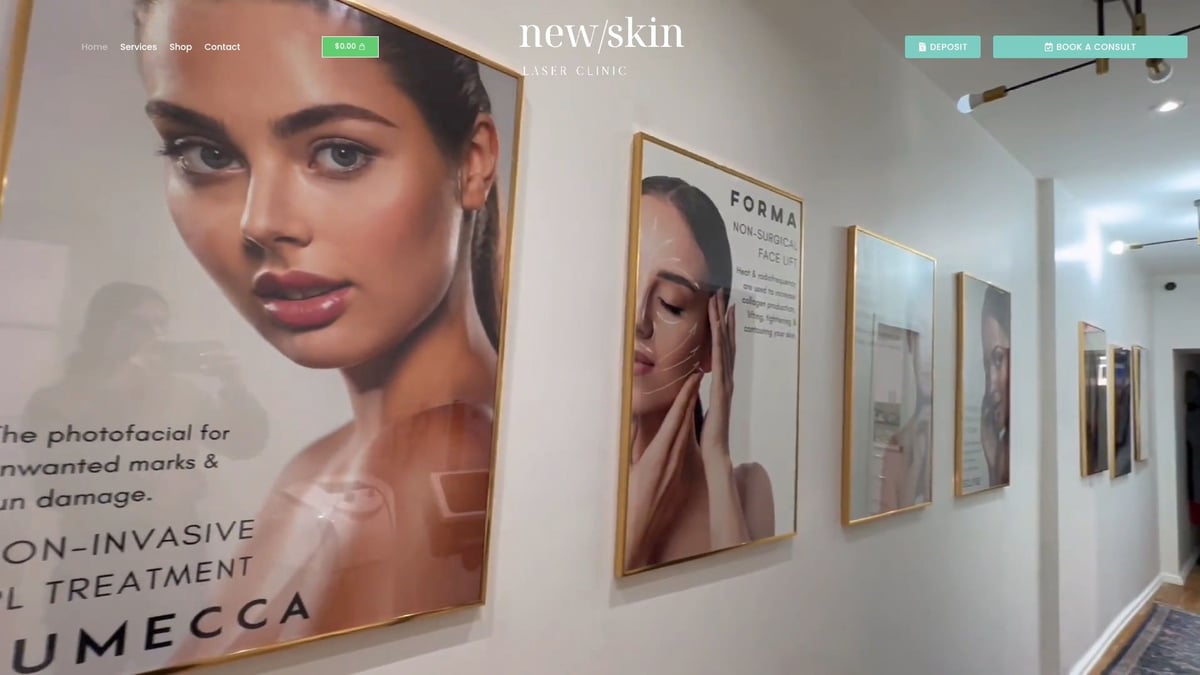
Their team features licensed estheticians and a registered nurse, all experienced in advanced pigmentation treatments. Transparent pricing, package deals, and flexible payment options make care accessible. With an inclusive, patient-centered philosophy and a convenient Toronto location, New Skin Laser Clinic is a trusted destination for advanced laser solutions.
What to Look for in a Treatment Center
When choosing a clinic for laser therapy for hyperpigmentation, prioritize cleanliness and strict safety protocols. Review before and after galleries, read real patient testimonials, and assess the provider's communication style.
A quality center will offer comprehensive aftercare support and clearly explain potential risks, expected benefits, and all costs upfront. Look for clinics that combine advanced technology with a compassionate, transparent approach, helping you achieve optimal results while feeling supported at every step.
Frequently Asked Questions About Laser Therapy for Hyperpigmentation
Is laser therapy safe for all skin types?
Laser therapy for hyperpigmentation has evolved significantly, making it safer and more effective for a wider range of skin types. With the introduction of advanced devices, practitioners can now tailor treatments using specific wavelengths and settings that minimize risks for darker skin tones.
It is crucial to choose an experienced provider who understands the nuances of skin biology and pigment response. Proper device selection and parameter adjustment help reduce the chance of side effects such as post-inflammatory pigmentation or scarring. Always consult with a specialist who has a proven track record in treating diverse skin types with laser therapy for hyperpigmentation.
How long do results last?
The longevity of results from laser therapy for hyperpigmentation largely depends on factors like skin type, pigmentation depth, and aftercare. Many patients enjoy clear, even-toned skin for months or even years after completing their treatment series.
However, ongoing sun protection and adherence to post-treatment care are essential to maintain these results. Some individuals may require maintenance sessions if new spots develop, especially if underlying triggers such as sun exposure or hormonal changes persist. With diligent care, the benefits of laser therapy for hyperpigmentation can be long-lasting.
Can laser therapy permanently remove hyperpigmentation?
Laser therapy for hyperpigmentation can deliver dramatic results, often removing or significantly reducing unwanted pigment. However, permanence is not always guaranteed. Factors such as genetics, lifestyle, and ongoing exposure to triggers (like sunlight or hormones) can cause pigmentation to return.
A thorough consultation will help set realistic expectations about the likelihood of recurrence. Combining laser therapy with preventive strategies, such as sun avoidance and tailored skincare, maximizes the chances of long-term clearance. Remember, maintenance and vigilance are key to prolonging the effects of laser therapy for hyperpigmentation.
What are the costs involved?
The cost of laser therapy for hyperpigmentation varies depending on factors such as the size of the treatment area, the number of sessions needed, the type of laser used, and the clinic’s reputation. In Toronto, prices can range from $200 to $600 per session, with package deals often available for multiple treatments.
For a detailed breakdown of pricing and what influences cost, visit the Cost of Laser Hyperpigmentation Treatment page. Investing in experienced providers and advanced technology ensures not just safety but also optimal results from your laser therapy for hyperpigmentation.
Are there alternatives to laser therapy?
Yes, there are several alternatives to laser therapy for hyperpigmentation, including topical agents (like hydroquinone, retinoids, and vitamin C), chemical peels, and microneedling. These treatments may be suitable for milder cases or as adjuncts to enhance laser outcomes. In some scenarios, a combination approach—such as pairing laser with medical therapies—can provide more comprehensive results, as supported by studies on multimodal management of skin hyperpigmentation.
Your provider will recommend the best strategy based on your skin type, pigmentation pattern, and lifestyle. Exploring all options ensures a tailored plan for your unique needs and goals.