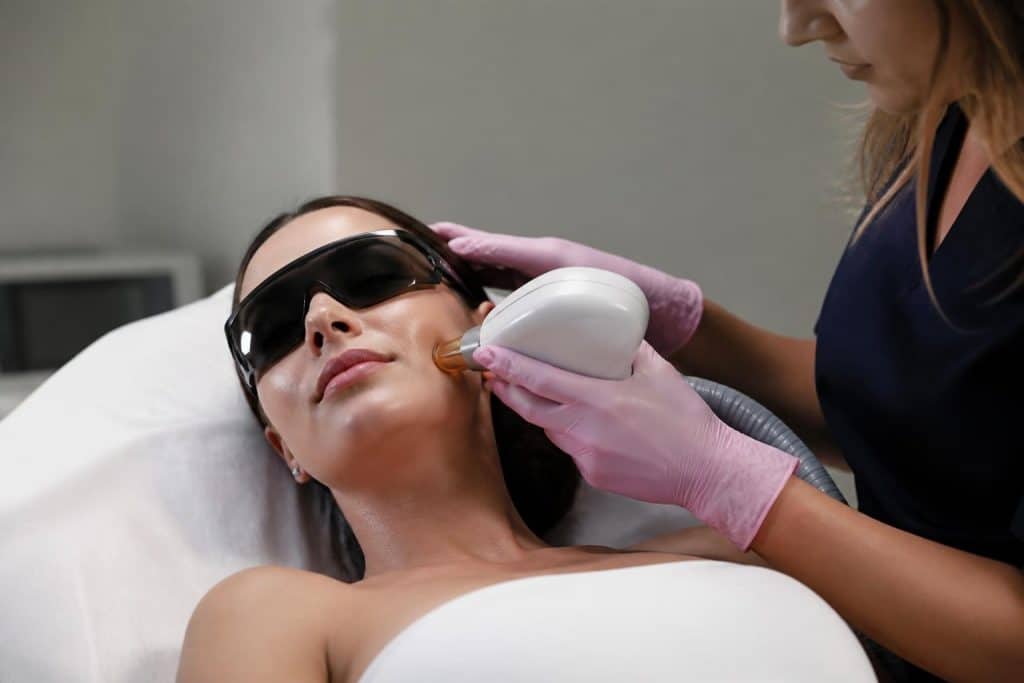
Unwanted facial hair affects millions of people across all skin types and genders, creating concerns about appearance and confidence. While traditional removal methods like threading, waxing, and shaving offer temporary solutions, facial laser hair removal has emerged as a leading technology for long-term results. This advanced treatment uses concentrated light energy to target hair follicles beneath the skin's surface, providing a semi-permanent solution that continues to improve with each session. Understanding how this procedure works, what to expect during treatment, and how to prepare can help you make informed decisions about achieving smoother, hair-free skin.
How Facial Laser Hair Removal Technology Works
The science behind facial laser hair treatment relies on selective photothermolysis, a process where specific wavelengths of light target melanin pigment in hair follicles. When the laser beam penetrates the skin, dark hair absorbs the energy while surrounding tissue remains largely unaffected.
This absorbed energy converts to heat, damaging the hair follicle's ability to produce new growth. The laser hair removal process requires multiple sessions because hair grows in different cycles, and the treatment is most effective during the active growth phase.
Understanding Treatment Wavelengths
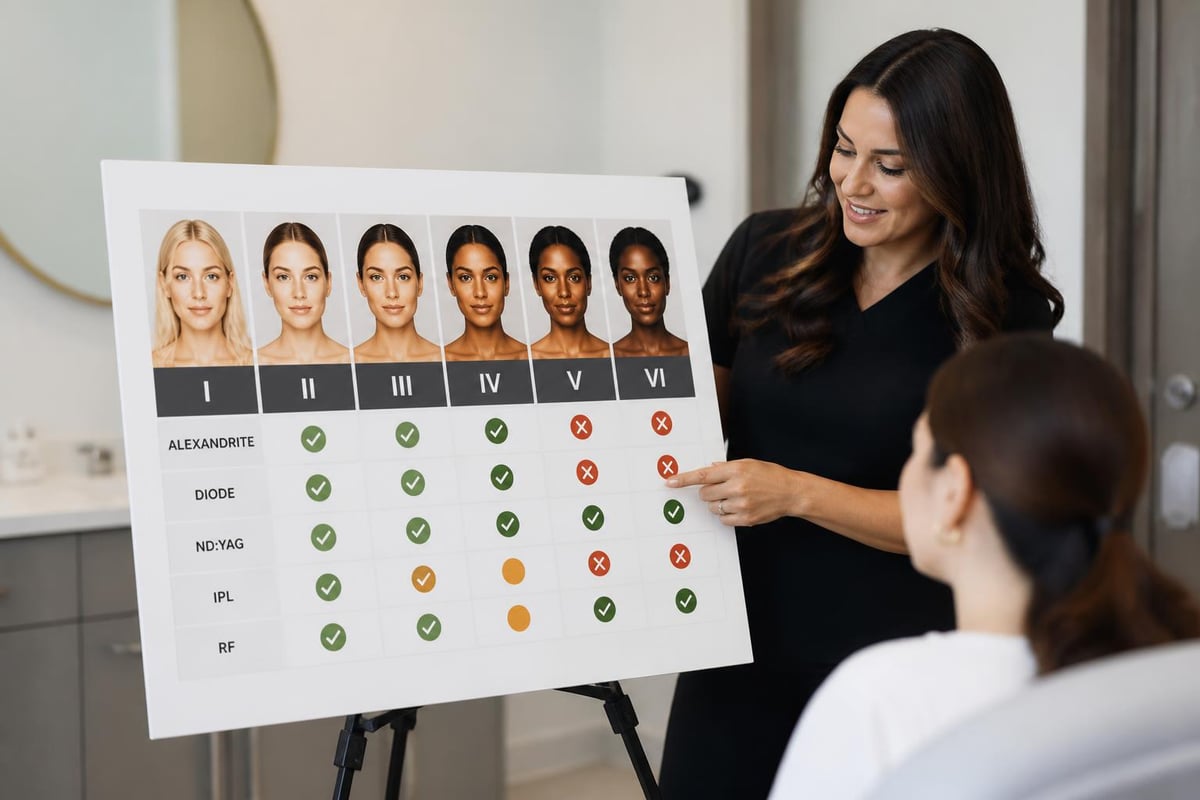
Different laser types emit various wavelengths optimized for specific skin tones and hair colors:
- Alexandrite lasers (755 nm) work best for lighter skin tones
- Diode lasers (800-810 nm) offer versatility across medium skin tones
- Nd:YAG lasers (1064 nm) provide safe treatment for darker skin types
- Ruby lasers (694 nm) suit very fair skin with dark hair
The selection of appropriate wavelength ensures maximum effectiveness while minimizing risks of hyperpigmentation or burns. Professional clinics assess individual skin and hair characteristics before recommending specific technologies.
Common Treatment Areas for Facial Laser Hair
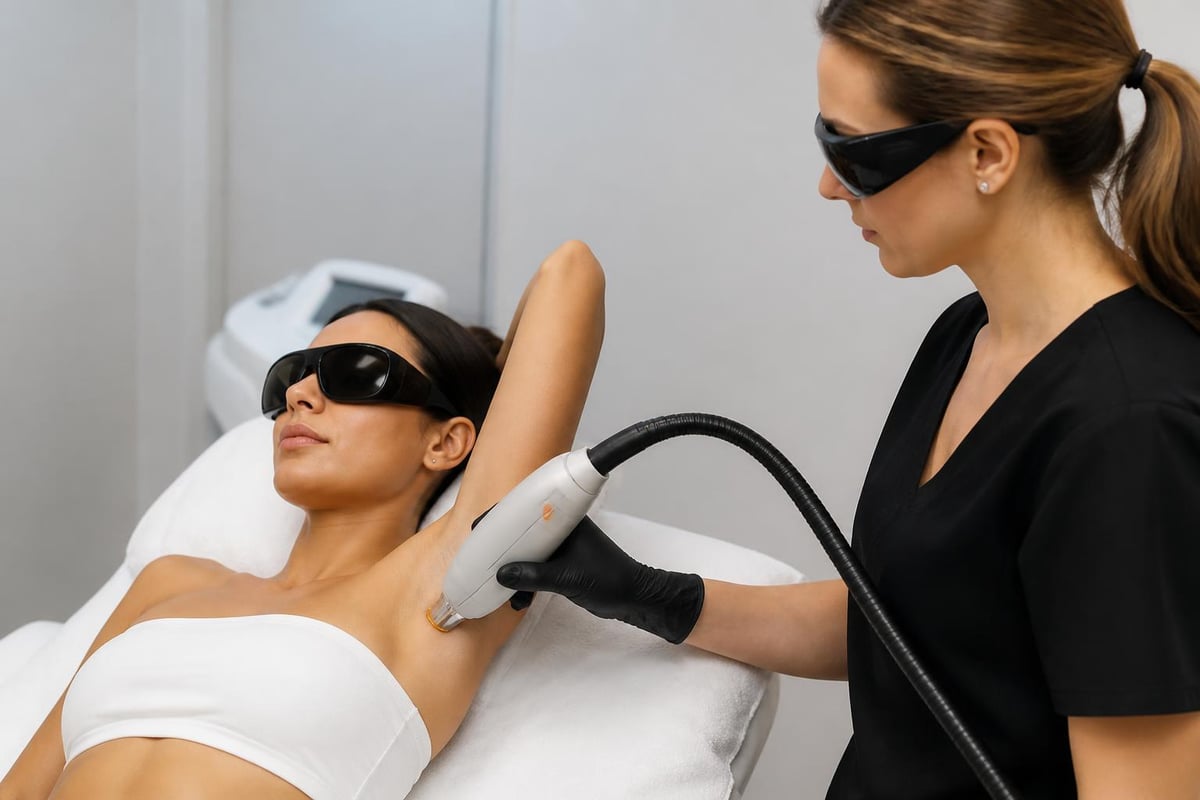
Facial laser hair treatments can address multiple areas where unwanted growth appears. The upper lip represents one of the most frequently requested zones, particularly for women experiencing hormonal changes or genetic predisposition to darker hair growth.
Chin and jawline treatments have gained popularity as effective alternatives to daily plucking or monthly waxing sessions. The methods of hair removal vary in permanence, but laser technology offers superior long-term results compared to traditional approaches.
Popular Facial Treatment Zones
| Treatment Area | Typical Sessions | Pain Level | Duration Per Session |
|---|---|---|---|
| Upper Lip | 6-8 sessions | Mild | 5-10 minutes |
| Chin | 6-8 sessions | Mild-Moderate | 10-15 minutes |
| Sideburns | 5-7 sessions | Mild | 10-15 minutes |
| Full Face | 8-10 sessions | Moderate | 30-45 minutes |
| Neck | 6-8 sessions | Moderate | 15-20 minutes |
Cheeks and sideburns also respond well to laser treatments, particularly for individuals with polycystic ovary syndrome (PCOS) or other hormonal conditions affecting hair growth patterns. Some clients request full-face treatments to address overall texture and appearance concerns.
Preparing for Your First Session
Proper preparation significantly impacts treatment effectiveness and comfort levels. Clients should avoid sun exposure for at least four weeks before their appointment, as tanned skin increases complication risks and reduces treatment efficacy.
Discontinuing certain hair removal methods proves essential in the weeks leading up to facial laser hair procedures. Tweezing, waxing, and threading remove the hair shaft that lasers need to target, so these methods should cease six weeks before treatment.
Pre-Treatment Checklist
Two weeks before treatment:
- Stop using retinoids and glycolic acid products
- Avoid chemical peels or microdermabrasion
- Discontinue blood-thinning medications (with doctor approval)
One week before:
- Shave treatment area (do not wax or pluck)
- Stop tanning beds and self-tanning products
- Review current medications with your provider
Day of treatment:
- Arrive with clean, makeup-free skin
- Avoid caffeine to reduce sensitivity
- Wear comfortable clothing
The board-certified specialists at professional clinics conduct thorough consultations to review medical history, current medications, and skin sensitivity factors before proceeding with treatment.
What to Expect During Treatment
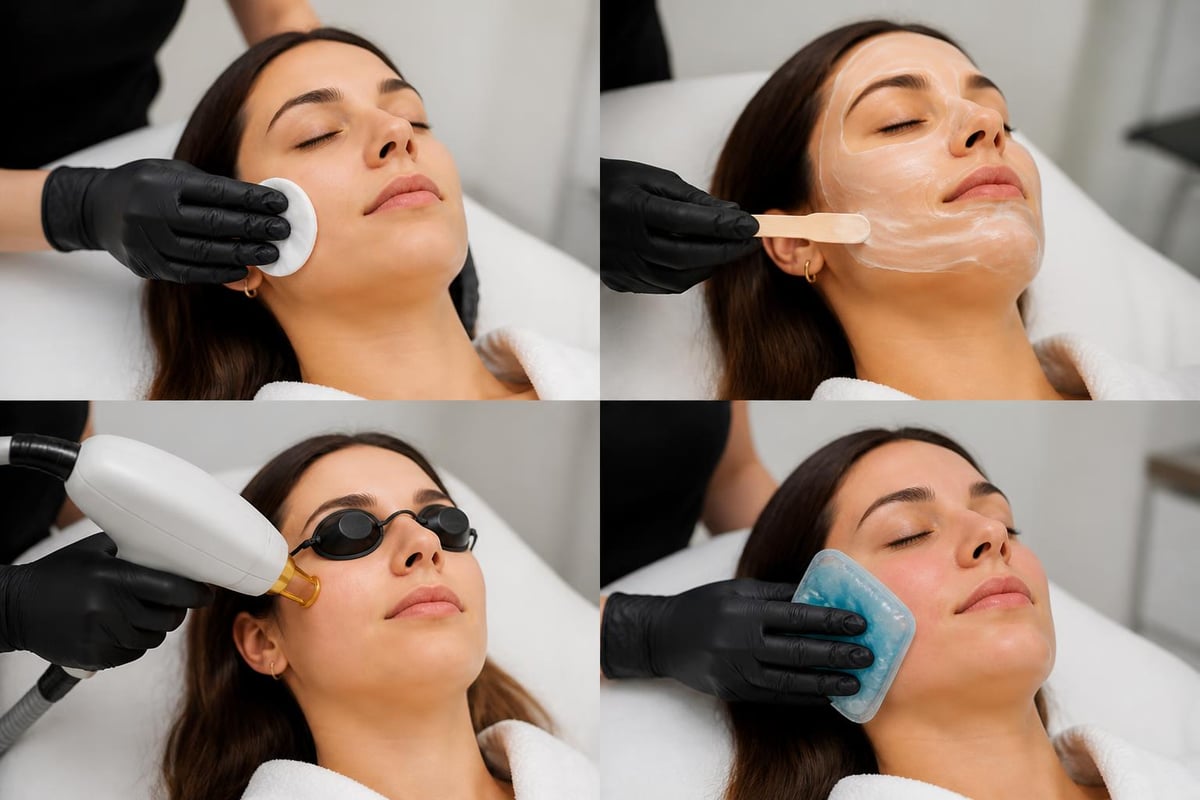
Most facial laser hair removal sessions last between fifteen and forty-five minutes depending on the treatment area size. Technicians begin by cleansing the skin thoroughly and may apply a topical numbing cream for sensitive areas.
Protective eyewear shields your eyes from laser light throughout the procedure. The handheld device glides across the treatment zone, emitting controlled pulses of light energy that many describe as feeling like a rubber band snap against the skin.
Sensation and Comfort Levels
Modern laser systems incorporate cooling mechanisms that protect the skin's surface while allowing energy to penetrate to follicle depth. Some devices use:
- Cryogen spray cooling between pulses
- Contact cooling through chilled handpiece tips
- Air cooling systems that blow cold air continuously
Pain tolerance varies significantly among individuals, but most clients report minimal discomfort during facial treatments. The upper lip and chin tend to be more sensitive than cheeks or sideburns due to nerve density in these regions.
Post-Treatment Care and Recovery
Immediately following treatment, the skin may appear pink or slightly swollen, similar to mild sunburn. These temporary effects typically subside within several hours to two days. Applying cold compresses and aloe vera gel can soothe any discomfort.
Strict sun protection becomes crucial during the recovery period and between sessions. Mineral-based sunscreens with SPF 30 or higher should be applied daily, even when staying indoors, as UV exposure can cause hyperpigmentation on treated skin.
Essential Aftercare Guidelines
Avoid these activities for 48-72 hours post-treatment:
- Hot showers, saunas, or steam rooms
- Strenuous exercise that causes excessive sweating
- Swimming in chlorinated pools
- Applying makeup to treated areas (first 24 hours)
Gentle cleansing with lukewarm water and fragrance-free products helps maintain skin health during recovery. The aftercare tips recommended by experienced practitioners emphasize patience, as treated hairs shed gradually over two to three weeks following each session.
Expected Results and Treatment Timeline
Understanding realistic expectations helps clients commit to the full treatment course required for optimal results. Facial laser hair removal typically requires six to ten sessions spaced four to eight weeks apart, depending on individual hair growth cycles and hormonal factors.
Initial sessions target actively growing hairs, while subsequent treatments address follicles that enter the growth phase later. Most clients notice significant reduction after three to four sessions, with continued improvement throughout the treatment plan.
Progress Tracking Across Sessions
| Session Number | Expected Hair Reduction | Visible Changes |
|---|---|---|
| 1-2 sessions | 10-20% reduction | Slower regrowth, finer texture |
| 3-4 sessions | 30-50% reduction | Noticeable thinning, patchy growth |
| 5-6 sessions | 50-70% reduction | Minimal regrowth in most areas |
| 7-10 sessions | 70-90% reduction | Sparse, fine hairs only |
Maintenance sessions may be necessary annually or bi-annually to address hormonal changes or newly activated follicles. Factors like age, ethnicity, and medical conditions influence long-term maintenance requirements.
Skin Type and Hair Color Considerations
The contrast between skin tone and hair color significantly affects treatment success rates. Dark hair on light skin represents the ideal combination because melanin concentration in the hair shaft exceeds that in surrounding skin.
Technological advances have expanded treatment possibilities for diverse skin tones. Expert-recommended alternatives exist for individuals who may not be ideal candidates for traditional laser treatments, though modern systems accommodate broader ranges than earlier technologies.
Challenging Scenarios
Blonde, red, gray, or white facial hair contains minimal melanin, making these colors difficult to treat with standard laser systems. Some clinics offer alternative approaches:
- Electrolysis for permanent removal of light-colored hairs
- Intense pulsed light (IPL) for certain hair and skin combinations
- Combination treatments pairing multiple technologies
Very dark skin requires specialized equipment and experienced technicians to prevent complications. The Nd:YAG laser has proven safest for Fitzpatrick skin types V and VI, though treatment may require more sessions than for lighter skin tones.
Cost Factors and Investment Planning
Facial laser hair removal pricing varies based on treatment area size, geographic location, and number of sessions required. Upper lip treatments generally cost less than full-face packages, with individual sessions ranging from seventy-five to three hundred dollars.
Package deals offering six to eight sessions typically provide better value than paying per visit. Many clinics, including those offering specialized services at New Skin Laser Clinic, provide consultation services to develop customized treatment plans with transparent pricing structures.
Price Comparison by Area
Average cost per session in major metropolitan areas:
- Upper lip: $75-$150
- Chin: $100-$200
- Sideburns: $100-$175
- Full face: $250-$500
- Combination areas: $150-$350
Insurance rarely covers cosmetic procedures, but some flexible spending accounts (FSAs) or health savings accounts (HSAs) may reimburse treatments when medically necessary. Documentation from healthcare providers regarding conditions like hirsutism or PCOS may support these claims.
Safety Profile and Potential Side Effects
When performed by trained professionals using appropriate equipment, facial laser hair treatments maintain excellent safety records. Temporary side effects occur occasionally but typically resolve without intervention within days.
Common minor reactions include redness, slight swelling, and temporary changes in skin pigmentation. Understanding the procedure and following pre- and post-treatment guidelines minimizes complication risks significantly.
Rare but Possible Complications
More serious side effects remain uncommon but can include:
- Prolonged hyperpigmentation or hypopigmentation
- Blistering or crusting in sensitive areas
- Infection if proper hygiene isn't maintained
- Scarring from improper technique or settings
Choosing licensed, experienced practitioners reduces these risks substantially. Reputable clinics conduct patch tests before full treatments, especially for clients with darker skin tones or specific medical conditions.
Hormonal Influences on Treatment Success
Hormonal fluctuations significantly impact hair growth patterns and treatment outcomes for facial laser hair removal. Conditions like PCOS, thyroid disorders, and menopause can stimulate new follicle activation even after successful initial treatments.
Women may notice changes in facial hair growth during pregnancy or when starting or stopping hormonal birth control. These factors don't preclude treatment but may require adjusted expectations and maintenance schedules.
Medical Conditions Affecting Results
Certain health conditions warrant special consideration:
- PCOS: May require ongoing maintenance beyond initial treatment series
- Thyroid disorders: Can accelerate regrowth if not properly managed
- Cushing's syndrome: Excess cortisol stimulates unwanted hair growth
- Medications: Steroids, testosterone, and some immunosuppressants affect hair cycles
Consulting with both dermatologists and endocrinologists when hormonal imbalances exist ensures comprehensive treatment approaches that address underlying causes alongside cosmetic concerns.
Comparing Alternative Hair Removal Methods
Understanding how facial laser hair removal compares to other options helps clarify why many choose this advanced technology despite higher upfront costs. Traditional methods like shaving, waxing, and threading require ongoing time and financial investments without permanent reduction.
Effectiveness comparison over five years:
| Method | Time Investment | Approximate Cost | Permanence Level |
|---|---|---|---|
| Shaving | 730+ hours | $200-400 | Temporary |
| Waxing | 60-80 sessions | $1,500-3,000 | Temporary |
| Threading | 60-80 sessions | $1,200-2,400 | Temporary |
| Laser | 6-10 sessions + maintenance | $1,000-4,000 | Semi-permanent |
| Electrolysis | 15-30 sessions | $1,500-3,000 | Permanent |
The personal journey many individuals experience with facial laser hair treatments often reveals that long-term convenience and confidence gains justify the initial investment, particularly when comparing cumulative costs of temporary methods.
Technological Advances in 2026
The laser hair removal industry continues evolving with innovations that improve comfort, safety, and effectiveness. Newer systems incorporate artificial intelligence to optimize settings for individual skin and hair characteristics in real-time.
Motion-based devices now allow faster treatment times by continuously gliding across skin rather than using stamping motions. These advancements reduce session duration by thirty to fifty percent while maintaining or improving results.
Current Technology Features
Modern equipment offers enhanced capabilities:
- Real-time skin monitoring adjusting energy levels automatically
- Larger treatment windows covering more area per pulse
- Enhanced cooling systems minimizing discomfort
- Adjustable pulse durations for different hair thickness levels
These improvements make facial laser hair procedures more accessible and comfortable than ever before, expanding the range of suitable candidates and treatment possibilities.
Combining Treatments for Enhanced Results
Many clients pursue facial laser hair removal alongside other aesthetic treatments for comprehensive skin improvement. Combining procedures requires strategic timing and professional guidance to avoid complications and optimize outcomes.
Chemical peels, microneedling, and certain facials complement laser hair removal when properly scheduled. Generally, more invasive skin treatments should be completed at least two weeks before or after laser sessions to allow adequate healing.
Compatible Treatment Pairings
Safe combinations with proper timing:
- Hydrating facials (one week after laser treatment)
- Gentle chemical peels (two weeks before/after)
- Microdermabrasion (three weeks separation minimum)
- LED light therapy (can be performed same day)
Treatments to avoid during laser series:
- Deep chemical peels or laser resurfacing
- Dermabrasion or aggressive exfoliation
- Retinoid treatments in active treatment areas
- Injectable fillers in treatment zones
Professional clinics develop integrated treatment plans that sequence procedures appropriately, ensuring each therapy enhances rather than compromises others.
Finding Qualified Providers
Selecting the right clinic and technician proves crucial for safe, effective facial laser hair removal. Credentials, experience, and technology quality all factor into treatment success and complication avoidance.
Board-certified dermatologists or licensed medical aestheticians with specialized laser training provide the highest level of expertise. Verify that providers maintain current certifications and operate FDA-approved equipment designed specifically for hair removal.
Evaluation Criteria for Providers
Ask these questions during consultations:
- What laser systems do you use for facial treatments?
- How many facial laser hair removal procedures have you performed?
- What happens if complications arise?
- Do you offer patch tests before full treatments?
- What realistic results can I expect for my skin and hair type?
Reading verified reviews and viewing before-and-after photos of clients with similar characteristics provides additional insight into a provider's capabilities and results quality.
Facial laser hair removal offers a proven solution for achieving smoother, hair-free skin with long-lasting results that traditional methods cannot match. Understanding the technology, preparing properly, and maintaining realistic expectations throughout the treatment series ensures the best possible outcomes. At New Skin Laser Clinic, Toronto clients receive expert guidance and personalized treatment plans using advanced laser technology tailored to individual skin types and goals. Schedule a consultation to discover how professional facial laser hair removal can enhance your natural beauty and eliminate the daily burden of unwanted hair management.