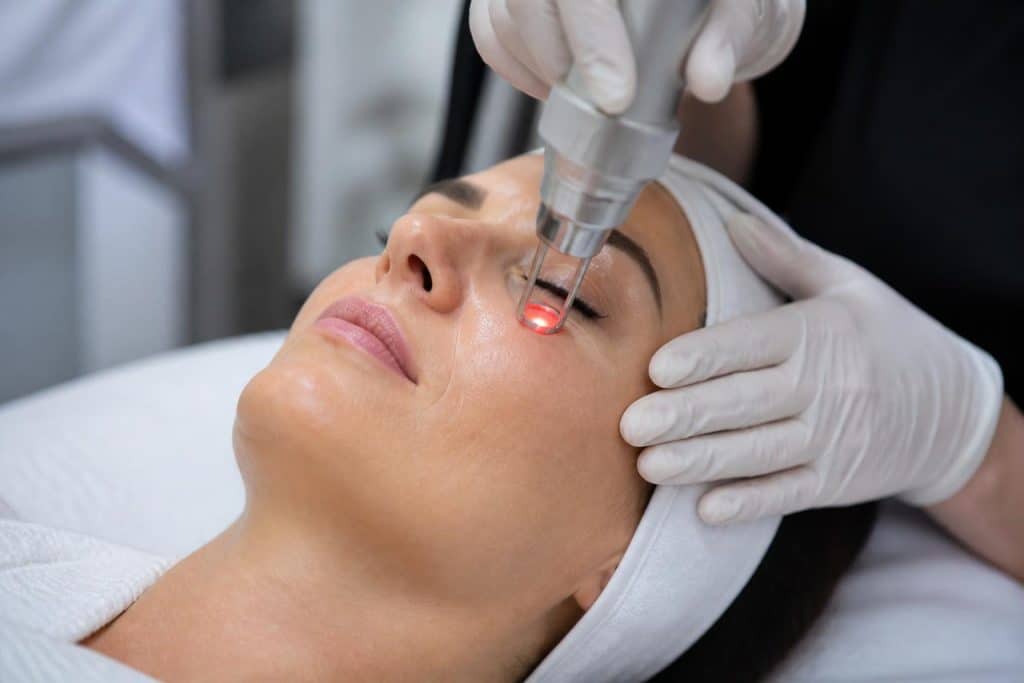
Advanced laser technology has revolutionized the way medical professionals approach skin rejuvenation and aesthetic enhancement. Among the most effective treatments available today, co2 laser surgery stands out as a gold standard for addressing various skin concerns, from fine lines and wrinkles to scars and sun damage. This sophisticated procedure uses concentrated beams of light to precisely remove damaged skin layers, stimulating the body's natural healing process and promoting collagen production. Understanding how this treatment works, what conditions it addresses, and what patients can expect throughout their journey helps individuals make informed decisions about their skin care options.
Understanding CO2 Laser Technology
The science behind co2 laser surgery involves using carbon dioxide gas to create a powerful, precise beam of light energy. This energy is absorbed by water molecules in skin cells, causing controlled vaporization of damaged tissue. The technology has evolved significantly since its introduction in the 1960s, with modern fractional CO2 lasers offering enhanced precision and reduced downtime compared to traditional ablative systems.
How the Treatment Works
During co2 laser surgery, the laser beam targets specific depths within the skin structure. The procedure operates on two fundamental principles: ablation and thermal damage. Ablation removes thin layers of damaged skin, while controlled thermal damage stimulates collagen remodeling in deeper tissue layers.
Key mechanisms include:
- Precise removal of the epidermis and portions of the dermis
- Heat-induced collagen contraction for immediate tightening
- Stimulation of neocollagenesis over subsequent months
- Controlled wound healing that produces smoother, more youthful skin
The depth and intensity of treatment can be adjusted based on individual skin concerns and desired outcomes. This customization allows practitioners to address everything from superficial texture issues to deeper wrinkles and scars.
Conditions Treated with CO2 Laser Surgery
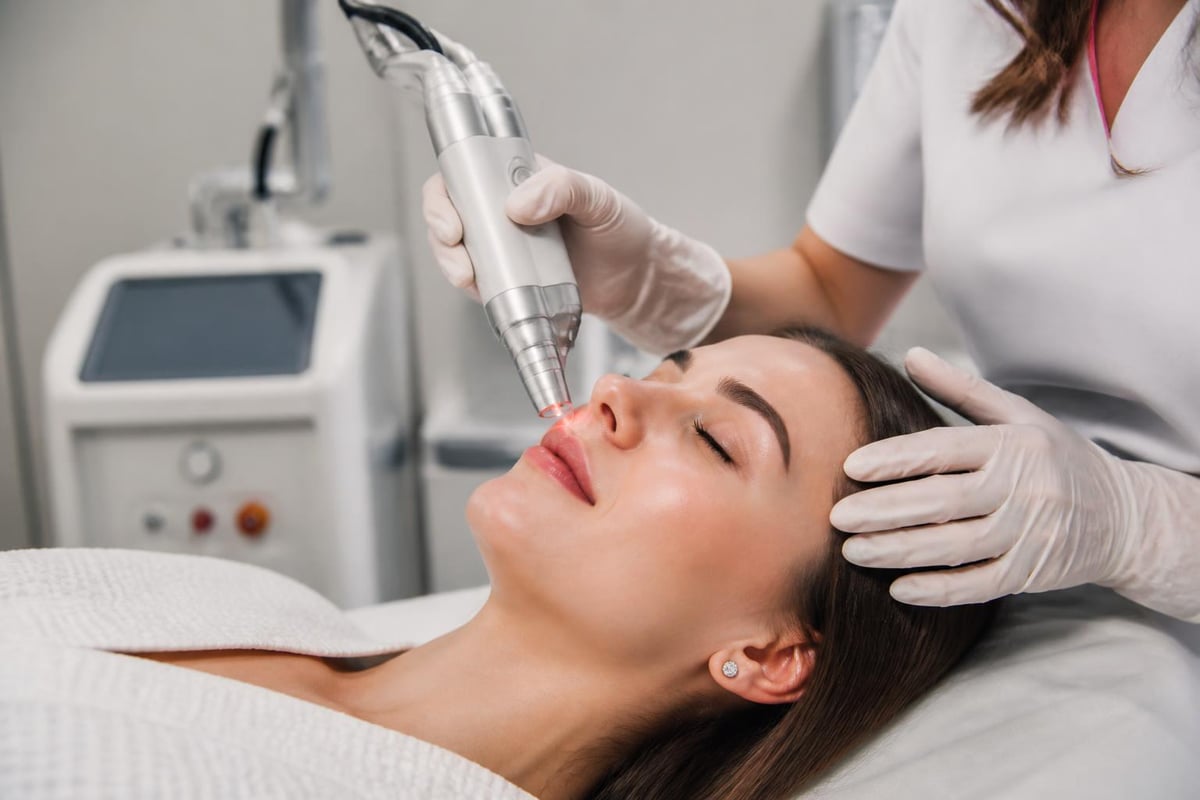
The versatility of co2 laser surgery makes it suitable for addressing numerous dermatological and aesthetic concerns. CO₂ laser treatments have proven effective across a broad spectrum of applications, from medical necessity to cosmetic enhancement.
Primary Treatment Applications
Patients seek this advanced treatment for various reasons, each requiring specific protocols and treatment parameters.
| Condition | Treatment Depth | Typical Sessions | Expected Results |
|---|---|---|---|
| Fine lines and wrinkles | Superficial to mid-dermis | 1-2 | 40-70% improvement |
| Acne scars | Mid to deep dermis | 2-4 | 50-80% improvement |
| Age spots and sun damage | Epidermal | 1 | 70-90% reduction |
| Surgical scars | Variable | 2-3 | 30-60% improvement |
| Skin laxity | Mid-dermis | 1-2 | Moderate tightening |
Specific Skin Concerns
Wrinkles and fine lines respond exceptionally well to co2 laser surgery because the treatment addresses both surface irregularities and underlying collagen structure. Perioral lines, crow's feet, and forehead wrinkles show significant improvement following treatment.
Acne scarring presents unique challenges that benefit from the precise tissue removal this technology offers. Both ice pick and rolling scars can be substantially improved through strategic depth control and multiple treatment sessions.
Pigmentation disorders including age spots, sun damage, and uneven skin tone benefit from the laser's ability to selectively target melanin-rich cells. The clinical applications of CO₂ laser resurfacing demonstrate its effectiveness across various pigmentation issues.
The Treatment Process and Procedure
Proper preparation and understanding of the procedural steps contribute significantly to treatment success and patient satisfaction. Co2 laser surgery requires careful planning and execution by trained professionals.
Pre-Treatment Preparation
Before undergoing the procedure, patients typically complete a comprehensive consultation and preparation period lasting 2-4 weeks.
- Medical evaluation to assess skin type, concerns, and candidacy
- Pre-treatment skin conditioning with prescribed topical agents
- Discontinuation of certain medications that increase bleeding or healing complications
- Sun avoidance and diligent sunscreen application
- Antiviral medication for patients with history of cold sores
During the Procedure
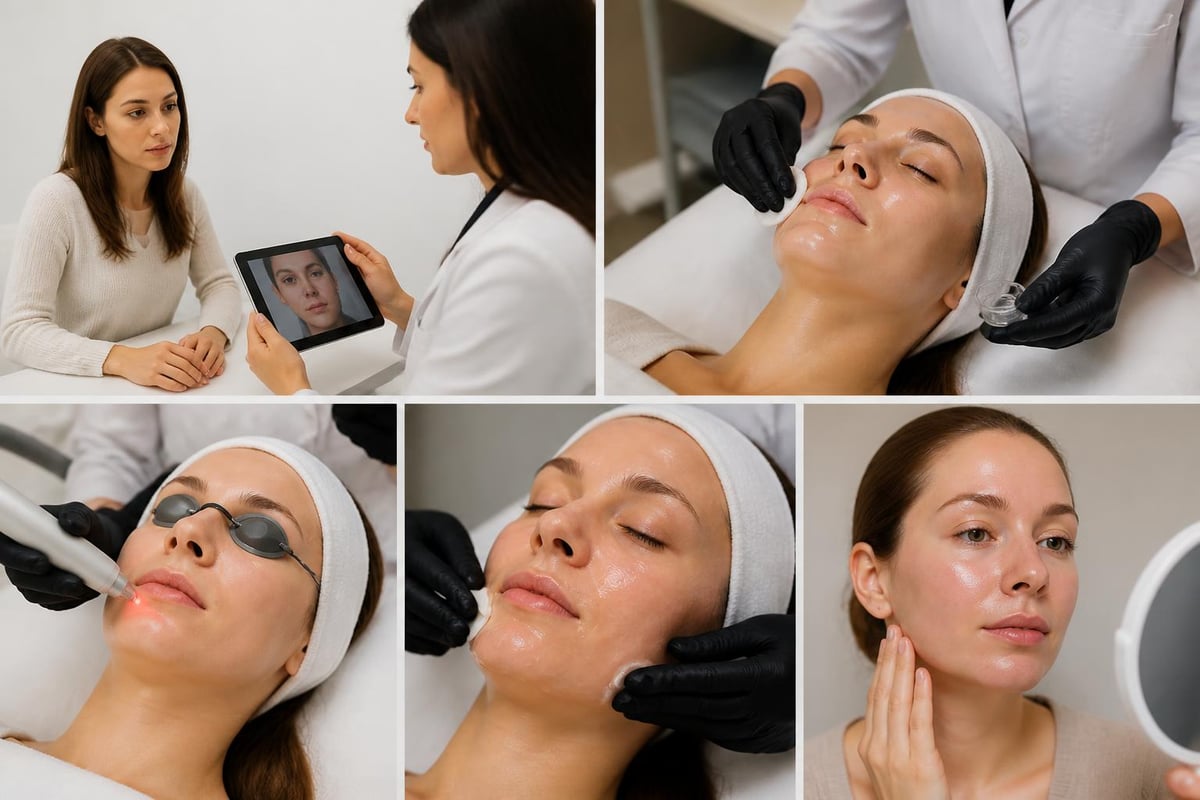
The actual treatment session involves several carefully orchestrated steps to ensure safety, comfort, and optimal results.
Patients receive appropriate anesthesia, ranging from topical numbing cream for superficial treatments to nerve blocks or conscious sedation for more aggressive resurfacing. The practitioner then systematically treats designated areas using controlled laser passes.
Treatment typically includes:
- Thorough skin cleansing and marking of treatment zones
- Application of anesthetic as appropriate for treatment depth
- Multiple laser passes over target areas at specified settings
- Immediate post-treatment cooling and protective ointment application
- Detailed aftercare instructions and scheduled follow-up appointments
Most sessions last between 30 minutes and two hours, depending on the size of the treatment area and depth of resurfacing required.
Recovery and Aftercare Expectations
Understanding the healing timeline helps patients prepare appropriately and maintain realistic expectations throughout their recovery journey. Co2 laser surgery requires commitment to proper aftercare for optimal results.
Immediate Post-Treatment Period
The first 24-48 hours following treatment are critical for establishing proper healing patterns. Skin appears red and feels similar to a moderate sunburn. Swelling peaks around day two or three, particularly when facial areas are treated.
Essential aftercare steps include:
- Gentle cleansing with prescribed solutions 2-3 times daily
- Liberal application of healing ointments to maintain moisture
- Strict sun avoidance and head elevation to minimize swelling
- Pain management with recommended medications
- Vigilant monitoring for signs of infection
Week-by-Week Healing Timeline
| Week | Skin Appearance | Activity Restrictions | Care Requirements |
|---|---|---|---|
| 1 | Raw, oozing, crusting | Stay home, no exercise | Frequent cleaning and ointment |
| 2 | Pink to red, peeling | Light activities only | Continue gentle care, moisturize |
| 3-4 | Pink, improving texture | Resume most activities | Sunscreen mandatory, makeup allowed |
| 4-8 | Fading redness | Normal activities | Continued sun protection |
| 3-6 months | Ongoing improvement | No restrictions | Maintenance skin care |
Long-Term Maintenance
Results from co2 laser surgery continue improving for 6-12 months as new collagen forms and skin remodeling progresses. Guidelines for maximizing benefits emphasize the importance of proper sun protection and maintenance treatments.
Patients should establish comprehensive skin care routines incorporating medical-grade products. Additional treatments such as carbon peel treatments or Forma facial procedures can complement and extend CO2 laser results.
Benefits and Advantages of CO2 Laser Surgery
The continued popularity of this treatment stems from its proven effectiveness and versatile applications. Co2 laser surgery delivers both immediate and progressive improvements that other treatments struggle to match.
Superior Skin Rejuvenation
Unlike topical treatments or less aggressive procedures, co2 laser surgery creates controlled injury that triggers robust healing responses. This mechanism produces dramatic improvements in skin texture, tone, and overall appearance.
Key advantages include:
- Precision targeting that spares surrounding healthy tissue
- Customizable depth for treating various concerns simultaneously
- Long-lasting results from genuine collagen remodeling
- Versatility across different skin areas and concern types
- Proven track record with decades of clinical data supporting efficacy
Comparative Effectiveness
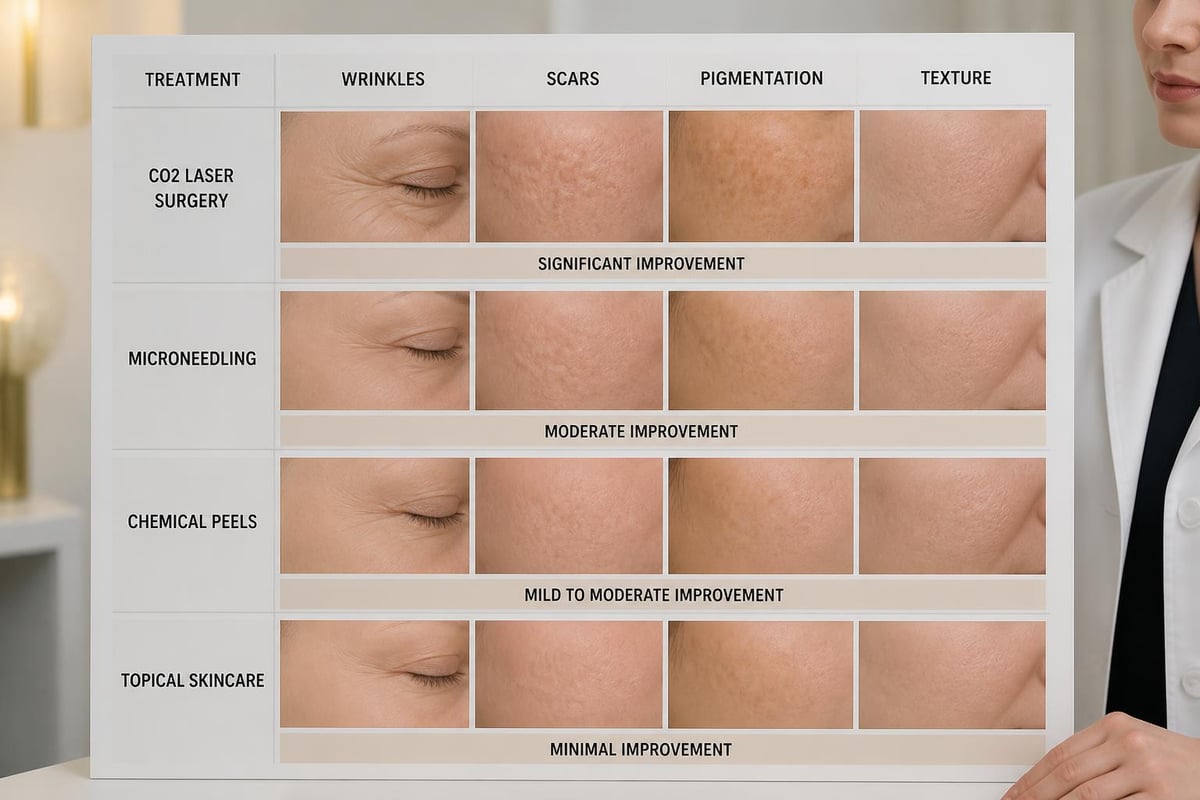
When compared to chemical peels, microneedling, or non-ablative laser treatments, co2 laser surgery typically produces more significant improvements in fewer sessions. The standard guidelines for CO₂ laser use confirm its position as a leading option for substantial skin rejuvenation.
Fractional CO2 technology represents an evolution that maintains effectiveness while reducing recovery time compared to fully ablative treatments. This innovation has made the procedure accessible to patients who cannot accommodate extensive downtime.
Candidate Selection and Safety Considerations
Not every individual seeking skin improvement qualifies as an ideal candidate for co2 laser surgery. Careful assessment ensures both safety and satisfactory outcomes.
Ideal Candidates
The best candidates typically possess certain characteristics that predict favorable healing and results. Fair to medium skin tones generally respond most predictably, though advances in technology have expanded treatment options for darker complexions.
Optimal candidate profiles include:
- Realistic expectations about outcomes and recovery
- Good overall health without conditions impairing healing
- No active skin infections or inflammatory conditions
- Willingness to comply with pre- and post-treatment protocols
- Absence of isotretinoin use within the past 12 months
Contraindications and Risks
Certain conditions preclude co2 laser surgery or require special precautions to ensure patient safety.
Patients with active acne, recent radiation therapy, or autoimmune disorders affecting healing may not be suitable candidates. Those with darker skin types face increased risk of post-inflammatory hyperpigmentation and require modified treatment parameters.
Potential complications include:
- Prolonged redness lasting several months
- Hyperpigmentation or hypopigmentation
- Infection requiring antibiotic treatment
- Scarring in rare cases with aggressive treatment
- Acne flares during the healing period
Selecting experienced practitioners familiar with diverse skin types and comprehensive treatment protocols significantly reduces complication risks. The expertise available through specialized laser treatment providers ensures appropriate candidate evaluation and customized treatment planning.
Cost Considerations and Treatment Value
Financial investment represents an important factor in treatment decisions. Co2 laser surgery typically requires significant upfront costs, though the long-lasting results provide substantial value over time.
Pricing Factors
Treatment costs vary based on multiple variables including geographic location, practitioner experience, facility type, and treatment extent.
| Factor | Impact on Cost | Typical Range |
|---|---|---|
| Treatment area size | Major | $500-$5,000+ |
| Physician vs. med spa | Moderate | 20-40% difference |
| Fractional vs. traditional | Moderate | $1,500-$4,000 |
| Geographic location | Significant | Varies by region |
| Number of sessions | Major | Multiply base cost |
Investment Value
When compared to ongoing costs of less effective treatments, co2 laser surgery often provides superior value. Results lasting 5-10 years with proper maintenance mean patients avoid repeated treatments required with alternative options.
The transformative nature of results also carries intrinsic value beyond simple cost calculation. Improved confidence, professional opportunities, and personal satisfaction contribute to overall treatment worth.
Technological Advances and Future Developments
Innovation continues advancing co2 laser surgery capabilities, improving both outcomes and patient experiences. Modern fractional technology represents the most significant recent development, but research continues exploring enhanced protocols.
Current Technology Variations
Fully ablative systems remove the entire epidermal layer across treated areas, producing maximum results with extended recovery. These traditional approaches remain valuable for severe sun damage or deep scarring.
Fractional CO2 lasers create microscopic treatment zones surrounded by untouched tissue, dramatically reducing healing time while maintaining effectiveness. This technology has made treatment accessible to working professionals unable to accommodate traditional recovery periods.
Hybrid systems combine ablative and non-ablative wavelengths, allowing practitioners to customize treatments more precisely than ever before. These platforms enable simultaneous addressing of surface and deeper skin concerns.
Emerging Developments
Research continues exploring enhanced treatment protocols, combination therapies, and novel applications. Studies investigate optimal settings for different skin types, timing of multiple sessions, and integration with other aesthetic treatments.
The evolution toward increasingly precise, personalized treatment continues as technology advances. Patients benefit from ongoing improvements in safety profiles, reduced recovery times, and enhanced result predictability.
Combining CO2 Laser with Other Treatments
Comprehensive skin rejuvenation often involves strategic combination of multiple modalities. Co2 laser surgery integrates well with various complementary treatments for enhanced overall outcomes.
Synergistic Treatment Approaches
Many practitioners recommend combining CO2 resurfacing with other procedures to address multiple aging concerns simultaneously or sequentially.
Effective combinations include:
- Dermal fillers to restore volume before or after laser treatment
- Neurotoxin injections for dynamic wrinkles complementing laser-improved static lines
- Radiofrequency treatments for additional skin tightening
- Chemical peels for ongoing maintenance between laser sessions
- Microneedling for continued collagen stimulation
Treatment Sequencing
Proper timing of combined treatments maximizes benefits while minimizing complication risks. Generally, injectable treatments precede laser procedures by 2-4 weeks or follow after complete healing. Non-invasive maintenance treatments integrate into long-term care plans following initial recovery.
Patients seeking comprehensive facial rejuvenation often begin with CO2 laser resurfacing as a foundation, then add other modalities to address specific remaining concerns. This strategic approach optimizes both aesthetic outcomes and cost efficiency.
CO2 laser surgery represents a proven, effective solution for significant skin rejuvenation, addressing concerns from wrinkles and sun damage to acne scars and uneven texture. Understanding the treatment process, recovery expectations, and long-term benefits helps patients make informed decisions about their aesthetic goals. If you're considering advanced laser treatments to enhance your natural beauty and achieve radiant, youthful skin, the expert team at New Skin Laser Clinic provides personalized consultations and state-of-the-art technology tailored to your unique needs. Contact the clinic today to discover how professional laser treatments can transform your skin and boost your confidence.