Acne scars can persist long after breakouts have cleared, affecting confidence and skin texture for years. Advanced laser technology now offers effective solutions for reducing the appearance of these stubborn marks, providing hope for those who have tried countless topical treatments without success. Laser pimple scar removal has emerged as one of the most reliable methods for addressing various types of acne scarring, from shallow discoloration to deep ice pick scars. Understanding how these treatments work, what to expect during the process, and which options suit different skin types can help you make an informed decision about pursuing professional scar reduction.
Understanding Acne Scar Types and Laser Treatment Basics
Not all acne scars respond equally to the same treatment approach. The three main categories of atrophic acne scars-ice pick, boxcar, and rolling scars-each have distinct characteristics that influence treatment selection.
Ice pick scars appear as narrow, deep indentations that resemble small puncture wounds. These typically require more aggressive treatment protocols due to their depth. Boxcar scars feature wider depressions with defined edges, making them responsive to fractional laser treatments. Rolling scars create wave-like undulations across the skin surface, often benefiting from collagen-stimulating procedures.
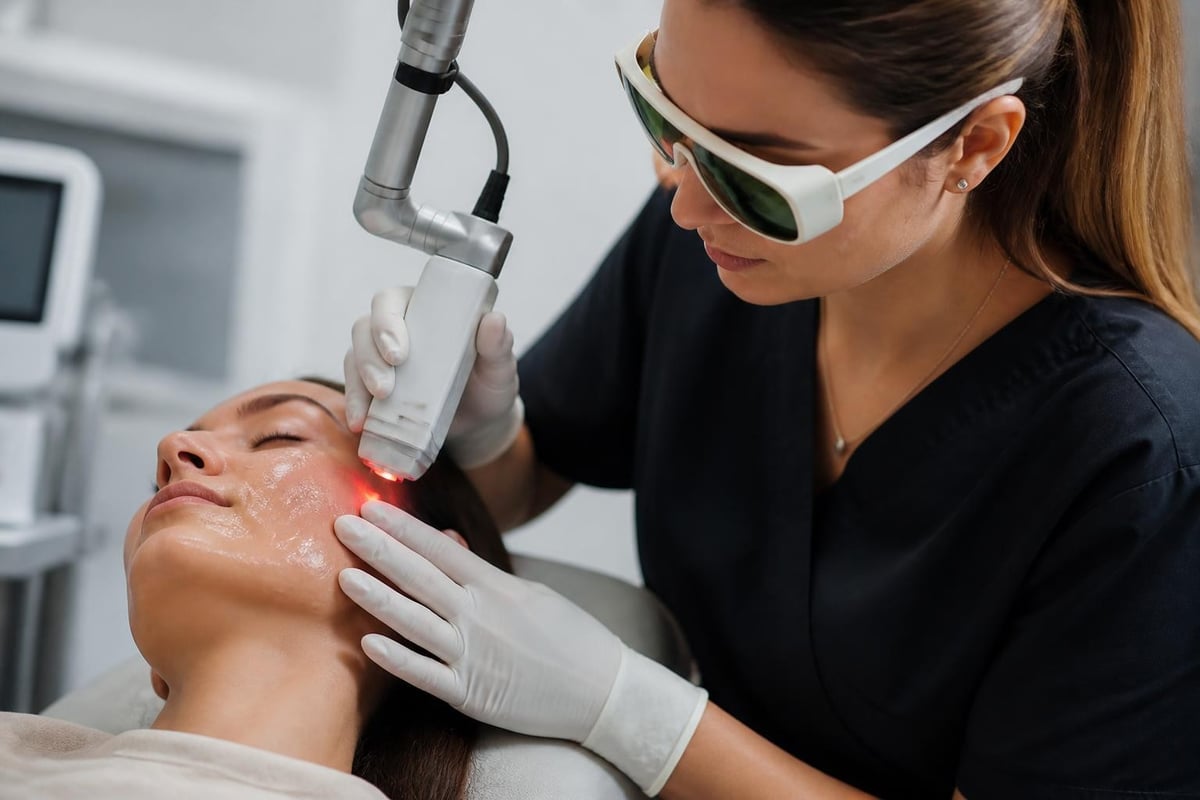
Laser pimple scar removal works by delivering concentrated light energy to targeted areas of scarred tissue. This energy either removes thin layers of skin (ablative lasers) or heats underlying tissue without removing the surface (non-ablative lasers). Both approaches trigger the body's natural healing response, stimulating collagen and elastin production that gradually fills in depressed scars and smooths uneven texture.
The Science Behind Laser Scar Reduction
The mechanism of action varies between laser types, but the fundamental principle remains consistent: controlled injury prompts regeneration. When laser energy penetrates the dermis, it creates microscopic treatment zones that encourage fibroblasts to produce new collagen. Over the following weeks and months, this newly formed collagen remodels scar tissue and improves overall skin architecture.
Laser treatment for acne scars has evolved significantly, with modern devices offering precision control over depth, intensity, and coverage. This precision allows practitioners to customize treatments based on scar severity, skin type, and individual healing capacity.
Types of Laser Treatments for Pimple Scars
Multiple laser technologies address acne scarring through different mechanisms. Selecting the appropriate option depends on scar type, skin tone, downtime availability, and treatment goals.
Ablative Laser Resurfacing
These powerful treatments remove the epidermis and part of the dermis, creating substantial skin renewal. CO2 and Erbium:YAG lasers fall into this category, delivering dramatic results for severe scarring.
Advantages of ablative treatments:
- Significant improvement in deep scars
- Long-lasting collagen remodeling effects
- Addresses both texture and pigmentation issues
- Can treat extensive scarring in fewer sessions
Considerations:
- Extended recovery period (7-14 days)
- Risk of temporary hyperpigmentation
- Not ideal for darker skin tones
- Requires careful post-treatment care
Fractional Non-Ablative Lasers
These devices create microscopic treatment columns while leaving surrounding tissue intact, promoting faster healing with less downtime. The 1550-nm fractional laser has shown particular promise for various scar types.
Research on fractional photothermolysis demonstrates that treatment effectiveness varies based on scar morphology, with rolling scars often showing better response rates than ice pick scars. Understanding these nuances helps set realistic expectations for laser pimple scar removal outcomes.
| Laser Type | Mechanism | Best For | Downtime | Sessions Needed |
|---|---|---|---|---|
| CO2 Fractional | Ablative resurfacing | Deep boxcar and rolling scars | 10-14 days | 1-3 |
| Erbium:YAG | Precise ablation | Moderate depth scars, sensitive areas | 5-7 days | 2-4 |
| 1550-nm Fractional | Non-ablative heating | Mild to moderate rolling scars | 2-3 days | 4-6 |
| Pico Laser | Ultra-short pulses | Pigmentation and shallow scars | 1-2 days | 3-5 |
| PDL (Vascular) | Targets redness | Red, hypertrophic scars | Minimal | 3-5 |
Pico Laser Technology
Picosecond lasers represent newer technology that delivers energy in trillionths of a second, creating photoacoustic effects rather than thermal damage. This advanced approach offers benefits for treating both pigmentation and textural concerns with minimal recovery time.
The ultra-short pulse duration reduces heat accumulation in surrounding tissue, making it safer for darker skin tones that are at higher risk for post-inflammatory hyperpigmentation with traditional lasers.
Treatment Process and What to Expect
Preparation begins weeks before your first laser session. Your practitioner will assess your scarring pattern, skin type, and medical history to develop a customized treatment plan.
Pre-Treatment Preparation
- Avoid sun exposure for at least 4 weeks prior
- Discontinue retinoids 1 week before treatment
- Complete any prescribed pre-treatment skincare regimen
- Arrive with clean, makeup-free skin on treatment day
- Arrange transportation if sedation is used for aggressive treatments
During the procedure, most patients experience sensations ranging from mild warmth to moderate discomfort, depending on the laser type and intensity. Topical anesthetic cream typically provides adequate pain control for non-ablative treatments, while deeper ablative procedures may require nerve blocks or conscious sedation.
During Your Session
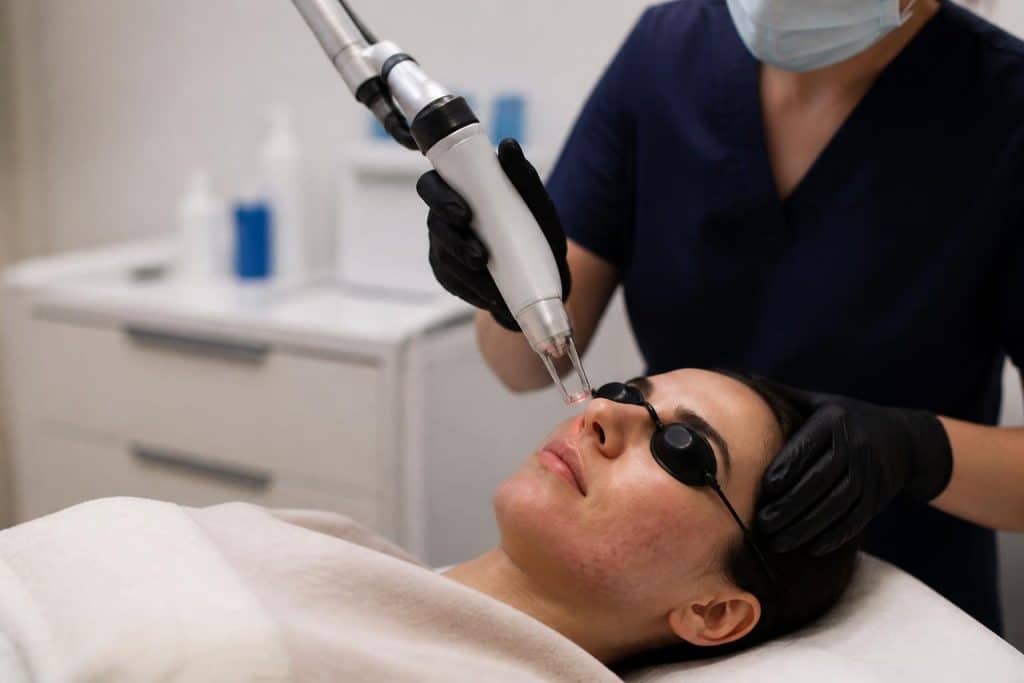
The actual laser pimple scar removal procedure typically lasts 30-90 minutes, depending on treatment area size. Your provider will make multiple passes over scarred regions, adjusting parameters based on real-time skin response. You'll feel the laser energy as heat, tingling, or snapping sensations as the device moves across your skin.
Immediately after treatment, expect redness, swelling, and potential pinpoint bleeding (with ablative lasers). These immediate effects are normal and indicate the skin's healing response has been activated.
Recovery and Post-Treatment Care
The recovery period varies significantly based on treatment intensity. Understanding proper aftercare is crucial for optimal results and minimizing complications.
Immediate Post-Treatment (Days 1-3)
Your skin will feel sunburned and appear red or pink. Ablative treatments may produce oozing and crust formation requiring gentle cleansing and prescribed ointments.
Essential care steps:
- Apply cold compresses to reduce swelling
- Use gentle, fragrance-free cleansers
- Keep skin moisturized with approved products
- Sleep with head elevated to minimize swelling
- Avoid all sun exposure and wear SPF 50+ when outdoors
Intermediate Healing (Days 4-14)
Redness gradually fades, though it may persist for weeks with aggressive treatments. Skin may feel tight and dry as new tissue forms beneath the surface.
- Continue sun protection religiously
- Resume normal activities gradually
- Avoid strenuous exercise until cleared by your provider
- Do not pick at flaking or peeling skin
- Follow prescribed skincare routine exactly
Long-Term Results (Weeks 4-12)
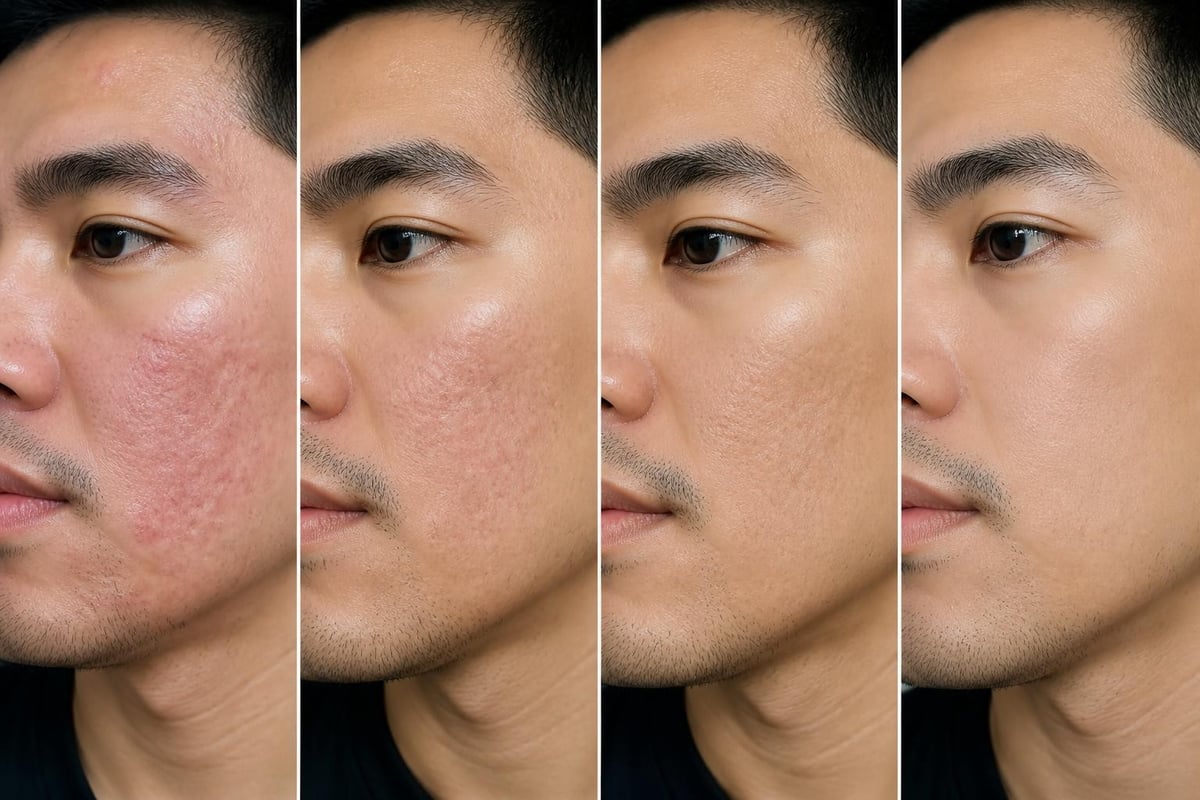
True improvement becomes visible as collagen remodeling continues. Most patients notice progressive enhancement over 3-6 months following their final treatment session.
Cost Considerations and Treatment Investment
Laser pimple scar removal represents a significant financial commitment, with pricing influenced by multiple factors including geographic location, provider expertise, and treatment scope.
| Cost Factor | Price Range | Notes |
|---|---|---|
| Single fractional session | $400-$800 | Typical per-session cost in Toronto |
| Full treatment package (3-6 sessions) | $2,000-$5,000 | Often includes post-care products |
| Aggressive ablative treatment | $1,500-$3,500 per session | May require only 1-2 sessions |
| Consultation fee | $0-$200 | Sometimes credited toward treatment |
| Post-treatment skincare | $100-$300 | Essential for optimal healing |
Many clinics offer package pricing that reduces per-session costs when committing to a full treatment series. This approach often provides better value and ensures consistent follow-through for optimal results.
Insurance rarely covers cosmetic laser treatments, though some flexible spending accounts (FSAs) or health savings accounts (HSAs) may allow reimbursement. Financing options are increasingly available through medical credit programs that offer promotional interest rates.
Determining Candidacy and Realistic Expectations
Not everyone is an ideal candidate for laser pimple scar removal. Several factors influence treatment suitability and expected outcomes.
Ideal Candidates
- Individuals with realistic expectations about gradual improvement
- Those with atrophic (depressed) acne scarring
- Patients in good overall health
- Non-smokers or those willing to quit temporarily
- People with lighter skin tones (for ablative treatments)
Situations Requiring Caution
Certain conditions may necessitate modified treatment approaches or alternative interventions. Active acne must be controlled before beginning scar revision, as new breakouts can create additional scarring during the healing process. Different treatment approaches work better for various skin tones and scar configurations.
Risk factors that may affect treatment:
- Fitzpatrick skin types IV-VI (higher pigmentation risk)
- History of keloid formation
- Recent isotretinoin use (within 6-12 months)
- Active skin infections or inflammatory conditions
- Unrealistic expectations about complete scar elimination
Combining Treatments for Enhanced Results
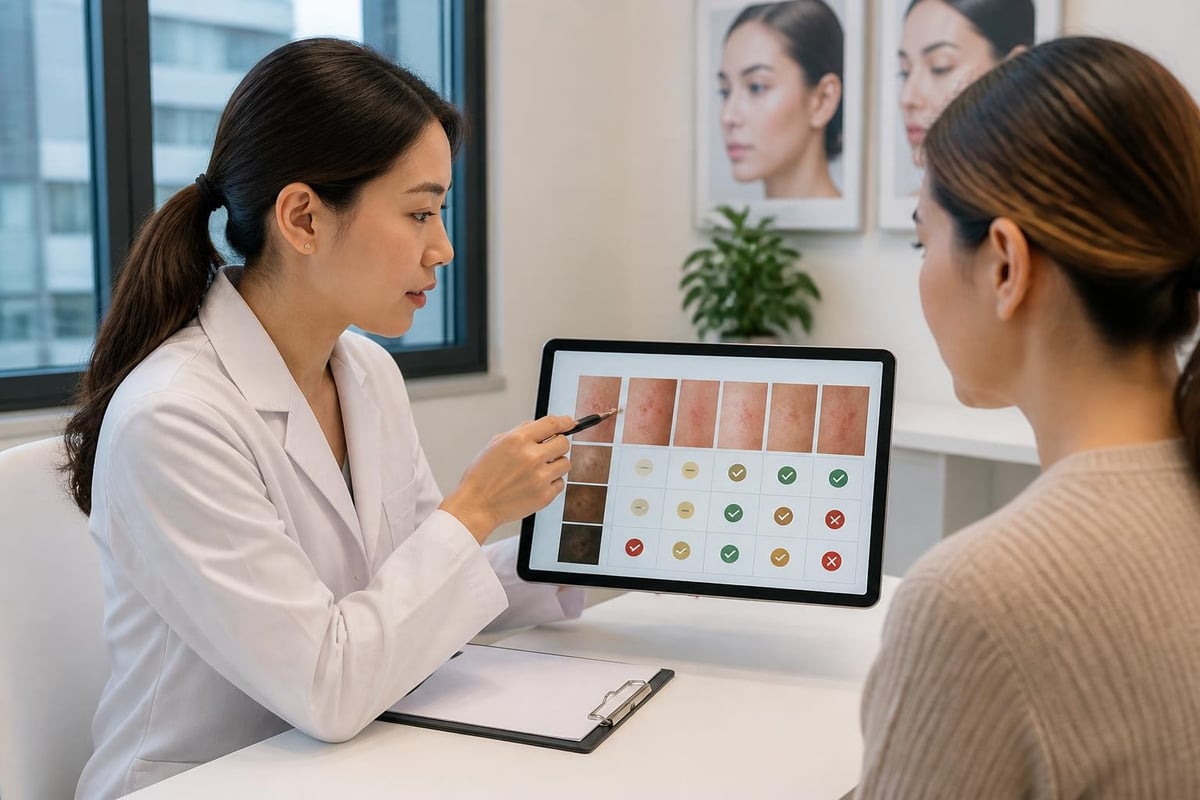
Laser pimple scar removal often works best as part of a comprehensive approach. Combining multiple modalities can address different aspects of scarring for more complete improvement.
Complementary Procedures
Microneedling with radiofrequency provides an excellent complement to laser treatments, particularly for ice pick scars that extend deep into the dermis. This combination approach uses mechanical injury and heat to stimulate collagen production through different pathways than laser energy alone.
Chemical peels can address superficial texture issues and pigmentation between laser sessions. Medium-depth peels using trichloroacetic acid (TCA) work synergistically with fractional lasers to enhance overall skin renewal.
Effective combination strategies:
- Fractional CO2 laser for initial deep remodeling
- Follow-up microneedling sessions for continued improvement
- Maintenance pico laser treatments for pigmentation
- Regular professional facials to optimize skin health
- Medical-grade skincare to support collagen production
The Role of Injectable Treatments
Dermal fillers can temporarily improve the appearance of deep, tethered scars while laser treatments work to stimulate long-term collagen production. Hyaluronic acid fillers placed beneath depressed scars lift the skin surface, providing immediate improvement that complements the gradual enhancement from laser sessions.
Subcision, a minor surgical procedure that releases fibrous bands pulling scars downward, may be recommended before laser treatments for optimal results with rolling scars.
Choosing the Right Provider and Clinic
The expertise of your treatment provider significantly impacts both safety and results. Not all practitioners offering laser services possess equal training or experience with scar revision.
Essential Qualifications
Seek providers who are board-certified dermatologists, plastic surgeons, or medical estheticians working under physician supervision. These professionals have extensive training in skin anatomy, laser physics, and complication management.
Ask potential providers about their specific experience with laser pimple scar removal. How many acne scar patients do they treat monthly? What laser platforms do they use? Can they provide before-and-after photos of patients with similar skin types and scar patterns?
Questions to ask during consultation:
- Which laser type do you recommend for my specific scar pattern?
- How many treatment sessions will I likely need?
- What results can I realistically expect?
- What are the potential risks given my skin type?
- How do you handle complications if they occur?
Technology and Treatment Environment
State-of-the-art equipment matters. Newer laser systems offer improved precision, safety features, and comfort compared to older technology. Clinics that invest in the latest FDA-approved devices demonstrate commitment to providing optimal outcomes.
The treatment facility should maintain strict hygiene standards, with clean treatment rooms and proper sterilization protocols. Your safety depends on meticulous attention to infection prevention and appropriate medical oversight.
New Skin Laser Clinic utilizes advanced laser technology and employs experienced estheticians who understand the nuances of treating different acne scar types across various skin tones.
Managing Expectations and Measuring Success
Understanding what laser treatments can and cannot achieve prevents disappointment and helps you gauge progress appropriately.
Realistic Improvement Goals
Most patients experience 50-80% improvement in scar appearance after completing a full treatment series. Complete elimination of deep scars is rarely achievable, but significant reduction in visibility and improved skin texture represent attainable goals.
Progress occurs gradually, with subtle changes accumulating over months. Comparing current appearance to pre-treatment photos rather than week-to-week changes provides better perspective on actual improvement.
| Timeframe | Expected Changes |
|---|---|
| 1-2 weeks post-treatment | Initial healing, redness resolution |
| 4-6 weeks | Surface texture smoothing begins |
| 3 months | Noticeable collagen remodeling, scar softening |
| 6-12 months | Continued improvement, final results emerge |
Documenting Your Journey
Take consistent photos in the same lighting and angles throughout your treatment course. These objective comparisons help track progress that may not be obvious when viewing your skin daily. Many patients are surprised by the degree of improvement when comparing before and after images several months apart.
Potential Risks and How to Minimize Them
While generally safe when performed by qualified providers, laser pimple scar removal carries potential risks that vary based on treatment intensity and individual factors.
Common Side Effects
Temporary redness, swelling, and sensitivity affect virtually all patients but resolve within days to weeks. These expected responses indicate the skin's healing process is underway.
More concerning complications include prolonged redness (lasting months), hyperpigmentation or hypopigmentation, infection, and scarring. Understanding treatment risks and recovery helps you make informed decisions and recognize when to contact your provider about concerning symptoms.
Warning signs requiring immediate attention:
- Severe pain beyond what pain medication controls
- Signs of infection (increasing redness, warmth, pus)
- Blistering or unexpected skin changes
- Fever or chills
- Abnormal scarring or texture changes
Minimizing Risk Through Proper Selection
Choosing appropriate treatment intensity for your skin type dramatically reduces complication risk. Darker skin tones require conservative settings and potentially different laser types to prevent pigmentation problems.
Strict adherence to pre- and post-treatment instructions significantly impacts outcomes. Sun exposure before or after treatment increases pigmentation risk substantially. Patients who follow protocols precisely experience fewer complications and better results.
Alternative and Emerging Scar Treatment Options
While laser pimple scar removal remains highly effective, other modalities deserve consideration, either as standalone treatments or complementary approaches.
Non-Laser Alternatives
Microneedling creates controlled micro-injuries that stimulate collagen without heat or light energy. This mechanical approach works well for patients who cannot tolerate laser treatments or prefer more gradual improvement with minimal downtime.
Various scar treatment approaches exist beyond laser technology, each with distinct advantages. Subcision, dermal fillers, and chemical peels address scarring through different mechanisms and may be preferable in certain situations.
Platelet-rich plasma (PRP) therapy combined with microneedling or laser treatments may enhance collagen production and accelerate healing. This emerging approach uses concentrated growth factors from your own blood to amplify tissue regeneration.
Future Developments
Research continues into novel laser wavelengths and delivery systems that promise enhanced efficacy with reduced downtime. Photoacoustic monitoring techniques may someday allow real-time assessment of treatment depth and tissue response, enabling unprecedented precision in scar revision.
Energy-based devices combining multiple modalities in single platforms are gaining popularity, allowing practitioners to customize treatments by blending radiofrequency, laser, and ultrasound energies based on individual scar characteristics.
Laser pimple scar removal offers transformative results for those struggling with acne's lasting effects on skin texture and appearance. With proper provider selection, realistic expectations, and commitment to the treatment process, significant improvement is achievable for most scar types. The expert estheticians at New Skin Laser Clinic provide personalized consultations and state-of-the-art laser treatments tailored to your unique skin concerns, helping Toronto patients achieve the smoother, more confident complexion they deserve.