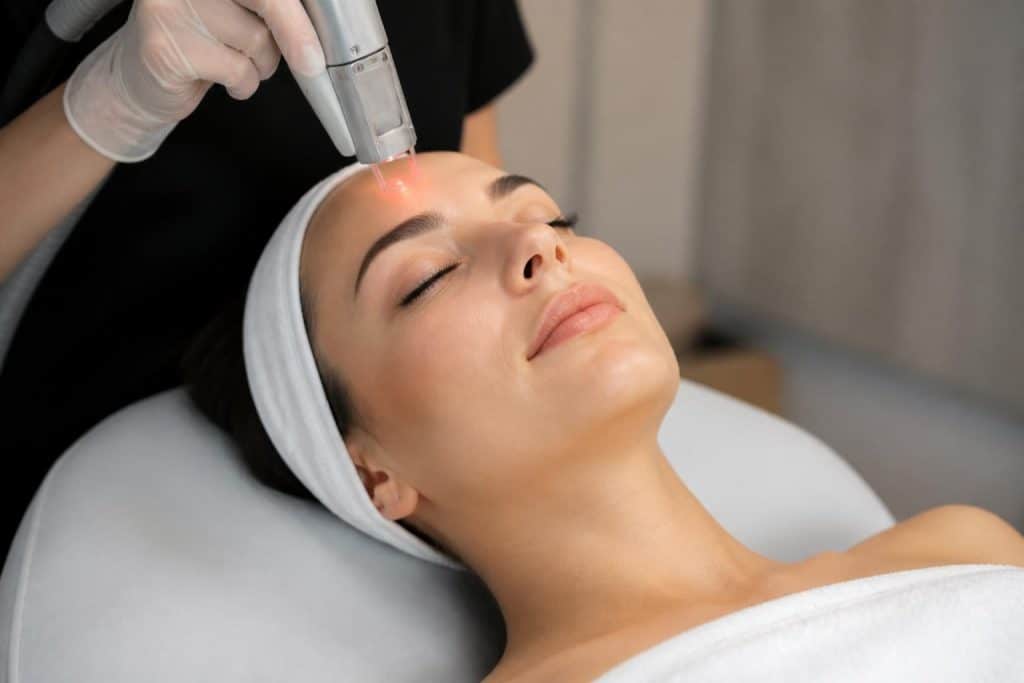
Modern dermatological advancements have revolutionized how we approach skin rejuvenation, and co2 laser treatments represent one of the most effective solutions available today. These powerful procedures use concentrated carbon dioxide laser beams to address various skin concerns, from deep wrinkles and age spots to acne scars and uneven texture. As technology continues to advance, more individuals are discovering the transformative potential of these treatments for achieving smoother, younger-looking skin. Understanding how these procedures work, what they can accomplish, and what the treatment journey entails empowers you to make informed decisions about your skincare goals.
Understanding CO2 Laser Technology
Carbon dioxide laser technology operates by emitting light energy at a specific wavelength that water molecules in skin tissue readily absorb. This selective absorption allows the laser to precisely target damaged skin cells while minimizing impact on surrounding healthy tissue.
The physics behind CO2 lasers involves creating controlled thermal injury to skin layers, which triggers the body's natural healing response. This process stimulates collagen production and promotes cell turnover, resulting in firmer, more youthful-looking skin over time.
Fractional vs. Traditional CO2 Lasers
Modern co2 laser treatments typically fall into two main categories:
- Traditional ablative CO2 lasers: Remove entire layers of skin in the treatment area, offering dramatic results but requiring longer recovery periods
- Fractional CO2 lasers: Create microscopic columns of thermal damage surrounded by healthy tissue, allowing faster healing with less downtime
- Combination approaches: Some practitioners use both techniques during a single session to address different concerns
| Treatment Type | Downtime | Results Intensity | Best For |
|---|---|---|---|
| Traditional CO2 | 2-3 weeks | Dramatic | Severe wrinkles, deep scars |
| Fractional CO2 | 5-7 days | Moderate to significant | Fine lines, texture, pigmentation |
| Superficial CO2 | 3-5 days | Mild to moderate | Maintenance, mild concerns |
The fractional approach has gained popularity because it balances effectiveness with practicality, making advanced skin rejuvenation accessible to individuals with busy lifestyles.
Conditions Treated with CO2 Laser Therapy
Co2 laser treatments excel at addressing multiple skin concerns simultaneously, making them a versatile option for comprehensive facial rejuvenation. The precision of these lasers allows practitioners to customize treatment intensity based on specific issues and desired outcomes.
Wrinkles and Fine Lines
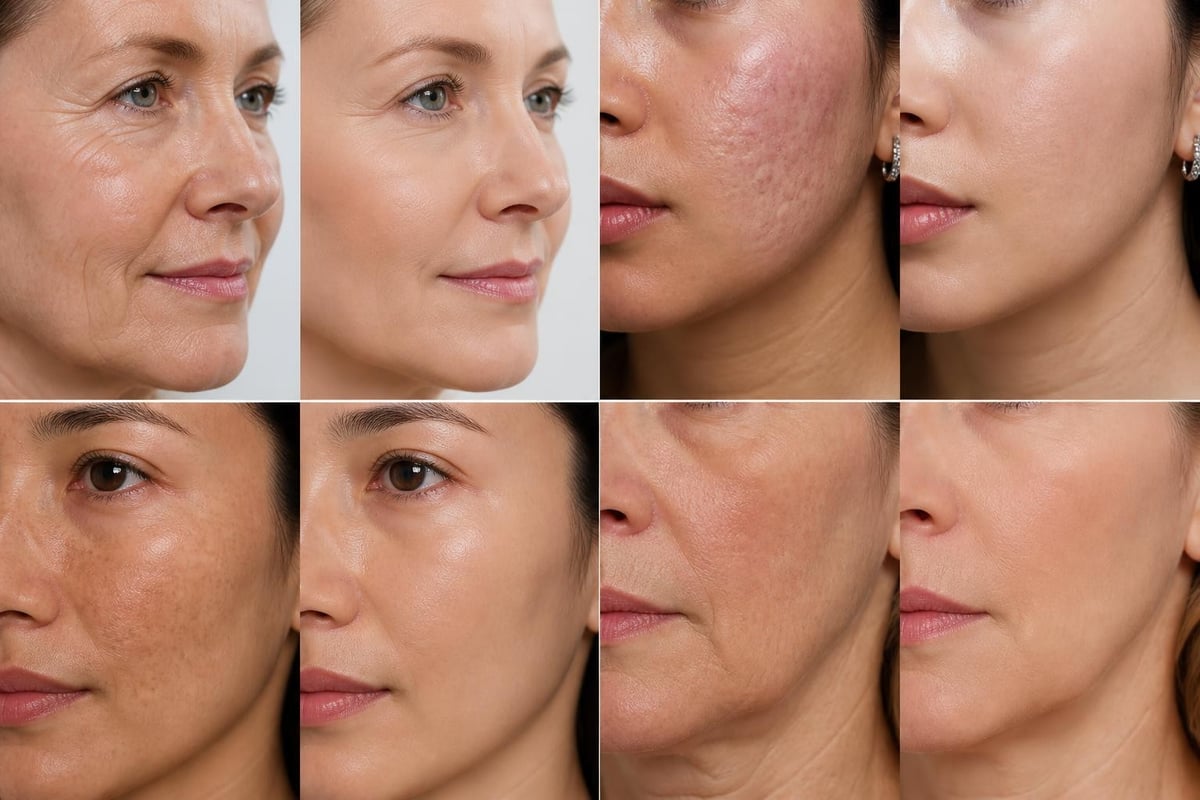
Dynamic and static wrinkles respond exceptionally well to CO2 laser resurfacing. The controlled thermal injury stimulates new collagen formation deep within the dermis, which gradually fills in wrinkles from beneath the skin's surface. Periorbital lines, nasolabial folds, and forehead creases show particularly impressive improvement.
Results continue developing for several months following treatment as collagen remodeling progresses. Most patients notice significant smoothing within three to six months, with effects lasting several years.
Acne Scars and Texture Irregularities
Depressed acne scars, including ice pick, boxcar, and rolling varieties, improve substantially with CO2 laser therapy. The laser vaporizes scar tissue while stimulating surrounding skin to regenerate. Multiple sessions may be necessary for severe scarring, but research on CO2 laser applications demonstrates consistent improvement in scar depth and overall skin texture.
Pigmentation Issues
- Age spots and sun damage
- Melasma (with careful patient selection)
- Freckles and lentigines
- Uneven skin tone
- Post-inflammatory hyperpigmentation
The laser removes pigmented surface layers while promoting even melanin distribution in regenerating skin. However, individuals with darker skin tones require specialized protocols to minimize hyperpigmentation risks.
Skin Laxity and Aging Concerns
Mild to moderate skin laxity improves as new collagen tightens and firms the treatment area. While CO2 laser treatments cannot replace surgical facelifts for severe sagging, they provide noticeable rejuvenation for early signs of aging.
The Treatment Process and What to Expect
Understanding the co2 laser treatments journey helps patients prepare mentally and practically for their procedure. From initial consultation through final results, each phase plays an important role in achieving optimal outcomes.
Pre-Treatment Preparation
Your practitioner will conduct a thorough skin assessment to determine candidacy and create a customized treatment plan. Preparation typically includes:
- Discontinuing certain medications: Retinoids, blood thinners, and some supplements may need to be stopped temporarily
- Skin conditioning: Pre-treatment regimens often include prescription creams to optimize skin health
- Sun avoidance: Minimizing UV exposure for several weeks before treatment reduces complication risks
- Setting realistic expectations: Your provider will discuss anticipated results, limitations, and recovery timeline
Patients with active skin infections, certain autoimmune conditions, or unrealistic expectations may not be suitable candidates for aggressive resurfacing.
During the Procedure
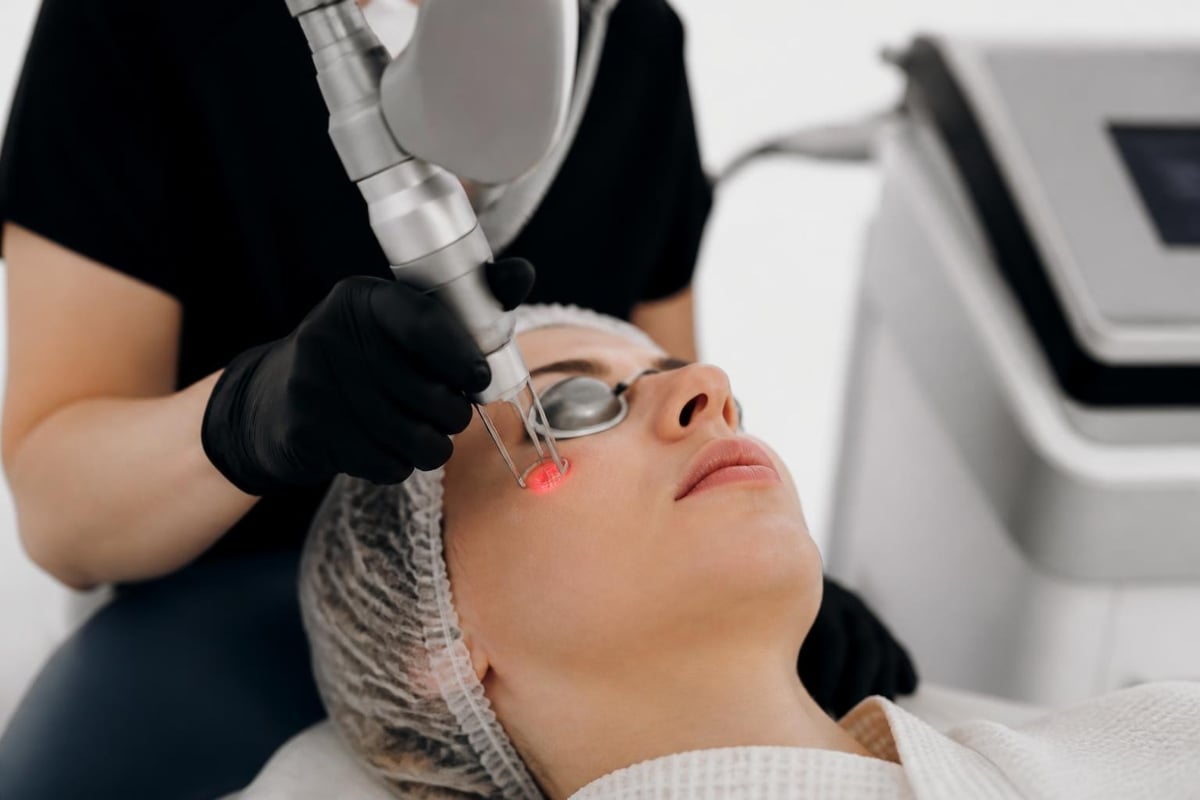
CO2 laser sessions typically last 30 minutes to two hours, depending on treatment area size and intensity. Most practitioners apply topical anesthetic cream one hour before treatment, though some cases may require nerve blocks or light sedation.
The laser handpiece moves systematically across the treatment area, emitting pulses that vaporize targeted tissue. Patients report sensations ranging from mild warmth to moderate discomfort, though pain management protocols keep most individuals comfortable throughout.
Recovery and Aftercare
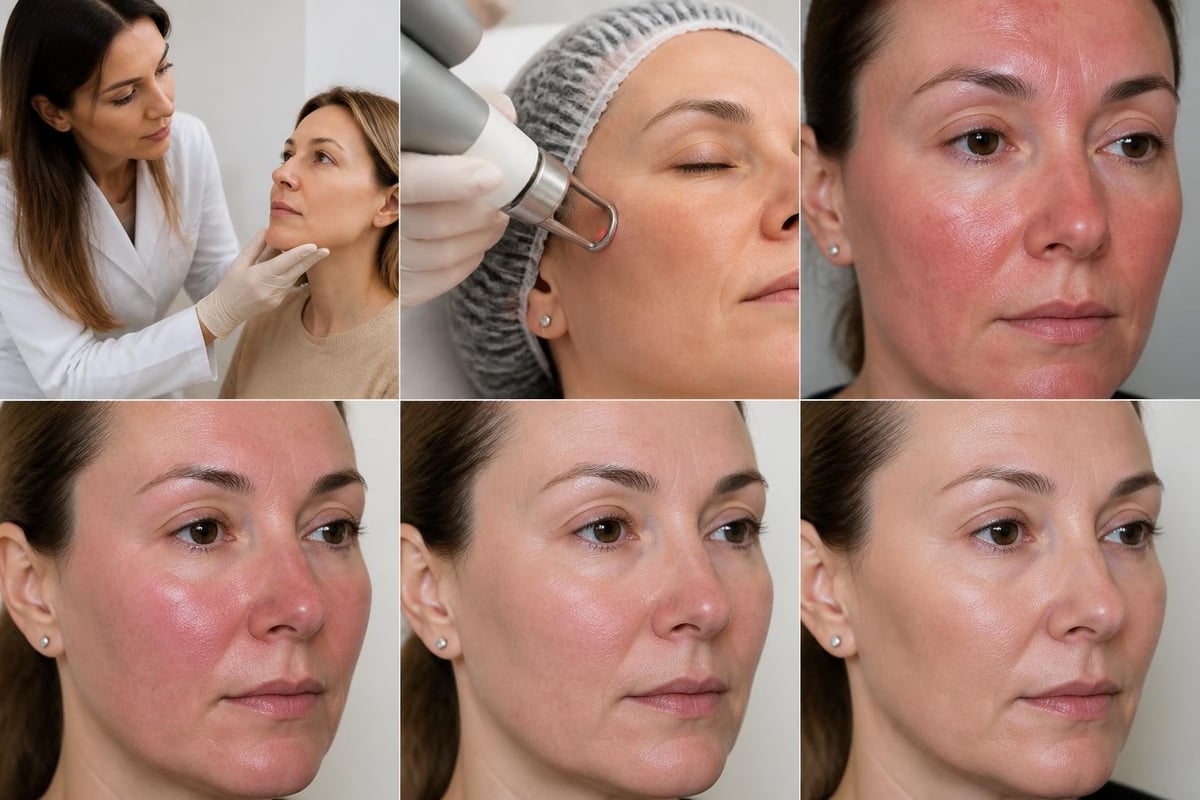
Post-treatment care significantly influences final results and complication risks. The strategies for maximizing benefits while minimizing risks emphasize meticulous wound care and sun protection during healing.
| Recovery Phase | Timeline | What to Expect | Care Requirements |
|---|---|---|---|
| Immediate | Days 1-3 | Redness, swelling, oozing | Gentle cleansing, ointment application |
| Acute healing | Days 4-7 | Peeling, tightness, itching | Moisturizing, avoiding picking |
| Subacute | Weeks 2-4 | Pink skin, sensitivity | Sunscreen, gentle products |
| Remodeling | Months 1-6 | Progressive improvement | Maintenance skincare, continued protection |
Critical aftercare instructions include:
- Keeping skin clean and moisturized with approved products
- Avoiding direct sun exposure and wearing broad-spectrum SPF 50+ daily
- Refraining from strenuous exercise during initial healing
- Sleeping with head elevated to minimize swelling
- Following all prescribed medication and skincare protocols
Benefits and Results Timeline
The comprehensive benefits of co2 laser treatments extend beyond simple wrinkle reduction. Patients experience multifaceted improvements that contribute to overall facial rejuvenation and enhanced self-confidence.
Immediate and Long-Term Advantages
Skin quality improvements become apparent as healing progresses. The new skin that emerges typically displays finer pores, more even tone, and improved texture compared to pre-treatment condition. Many patients describe their skin as feeling thicker, more resilient, and healthier.
Beyond aesthetic enhancements, detailed information about CO2 laser mechanisms reveals how these treatments can address precancerous lesions like actinic keratoses, offering protective benefits alongside cosmetic improvements.
Expected Results Timeline
Results unfold gradually as skin healing and collagen remodeling progress:
- Week 1: New pink skin emerges as old tissue sloughs off
- Weeks 2-4: Pinkness fades; subtle improvements in texture become visible
- Months 1-3: Continued collagen production creates progressive smoothing and firming
- Months 3-6: Maximum collagen remodeling occurs; final results become apparent
- Years 1-5: Results plateau and gradually decline as natural aging continues
Most practitioners recommend maintenance treatments every 2-3 years to preserve results, though individual needs vary based on skin type, lifestyle factors, and aging patterns.
Longevity of Results
Unlike temporary solutions such as dermal fillers or neurotoxins, co2 laser treatments create lasting structural changes in skin architecture. The new collagen formed during healing persists for years, though natural aging processes eventually necessitate touch-up procedures.
Proper skincare, sun protection, and healthy lifestyle choices significantly extend results. Patients who maintain comprehensive skincare routines and avoid excessive sun exposure enjoy longer-lasting benefits than those who neglect post-treatment maintenance.
Safety Considerations and Potential Complications
While co2 laser treatments boast impressive safety records when performed by qualified professionals, understanding potential risks enables informed decision-making and proper complication management.
Common Side Effects
Expected side effects that resolve without intervention include:
- Redness lasting several weeks to months
- Swelling for the first few days post-treatment
- Itching during healing phases
- Temporary skin sensitivity
- Mild crusting and peeling
These normal healing responses require no special treatment beyond standard aftercare protocols.
Potential Complications
More serious complications occur infrequently but require awareness and proper management. Research on thermal injury treatment provides guidance for addressing adverse events when they occur.
Infection risks increase without proper wound care. Bacterial, viral, or fungal infections may develop if healing skin becomes contaminated. Prophylactic antiviral medications help prevent herpes simplex outbreaks in susceptible individuals.
Pigmentation changes represent the most common unwanted outcome:
- Hyperpigmentation (darkening) affects 20-30% of patients temporarily
- Hypopigmentation (lightening) occurs rarely but may be permanent
- Demarcation lines between treated and untreated areas require careful blending techniques
Scarring remains rare with properly performed treatments but can result from infection, poor wound care, or excessive treatment intensity. Patient factors like smoking, certain medications, and healing disorders increase scarring risks.
Minimizing Complication Risks
Choosing an experienced, qualified practitioner significantly reduces adverse event likelihood. Reputable clinics like New Skin Laser Clinic maintain rigorous safety protocols and employ extensively trained professionals who understand nuanced treatment parameters for different skin types and concerns.
Patient compliance with pre- and post-treatment instructions also plays a crucial role in complication prevention. Following all recommendations regarding medications, sun exposure, and wound care optimizes healing and minimizes unwanted outcomes.
Choosing the Right Provider for Your Treatment
The skill and experience of your treatment provider directly impact both results quality and safety. Not all practitioners offering co2 laser treatments possess equal expertise, making careful provider selection essential for successful outcomes.
Professional Qualifications to Seek
Look for providers with:
- Medical credentials: Board-certified dermatologists or plastic surgeons possess the most comprehensive training
- Extensive laser experience: Hundreds of successful CO2 laser procedures demonstrate competence
- Ongoing education: Regular attendance at professional conferences and training programs ensures current knowledge
- Modern equipment: State-of-the-art lasers with multiple settings enable customized treatments
- Comprehensive consultations: Thorough assessments and honest discussions about expectations indicate patient-centered care
Questions to Ask During Consultation
Treatment-specific inquiries help gauge provider expertise:
- How many CO2 laser procedures have you performed?
- What percentage of your practice involves laser treatments?
- Which laser system do you use and why?
- What results can I realistically expect for my specific concerns?
- What is your complication rate and how do you handle adverse events?
Facility and safety questions ensure proper treatment environments:
- Is your facility accredited by recognized medical organizations?
- What emergency protocols exist for managing complications?
- How do you customize treatments for different skin types?
- What follow-up care do you provide?
Red Flags to Avoid
Certain warning signs indicate potentially problematic providers:
- Guaranteeing specific results or claiming zero complications
- Pushing treatment without thorough assessment
- Offering significantly lower prices than competitors
- Lacking proper credentials or operating in non-medical settings
- Dismissing concerns or rushing consultations
Integration with Comprehensive Skincare
Co2 laser treatments deliver optimal results when incorporated into holistic skincare approaches. Combining laser therapy with complementary treatments and maintenance protocols maximizes aesthetic improvements and extends longevity.
Complementary Procedures
Many patients achieve superior outcomes by pairing CO2 laser resurfacing with other modalities:
| Complementary Treatment | Timing Relative to CO2 Laser | Benefits |
|---|---|---|
| Neurotoxin injections | 2 weeks before or 2 weeks after | Reduces dynamic wrinkles |
| Dermal fillers | 4-6 weeks after | Addresses volume loss |
| IPL photofacial | 6-8 weeks after | Targets remaining pigmentation |
| Microneedling | 3 months after | Enhances collagen further |
| Chemical peels | 3 months after | Maintains results |
Your aesthetic provider can design a comprehensive treatment plan addressing all facial aging concerns through strategic procedure sequencing.
Ongoing Maintenance Protocols
Post-treatment skincare significantly influences result longevity. Advanced information about CO2 laser applications emphasizes the importance of continued skin health optimization following resurfacing procedures.
Essential maintenance elements include:
- Medical-grade retinoids to promote continued cell turnover
- Antioxidant serums providing environmental protection
- Growth factors supporting ongoing collagen synthesis
- Rigorous sun protection preventing new damage
- Regular professional treatments maintaining improvements
Establishing consistent skincare habits before undergoing CO2 laser treatment prepares skin for optimal healing and helps patients maintain results through dedicated post-treatment care.
Cost Considerations and Treatment Investment
Understanding the financial aspects of co2 laser treatments helps in planning and budgeting for this significant aesthetic investment. Prices vary considerably based on multiple factors, making personalized consultations essential for accurate cost estimates.
Price Range Factors
Geographic location significantly impacts treatment costs. Major metropolitan areas like Toronto typically charge premium prices reflecting higher overhead costs and increased demand for advanced aesthetic services.
Provider credentials and experience also influence pricing:
- Board-certified specialists generally charge more than less qualified practitioners
- Established reputations and proven track records command higher fees
- Comprehensive consultations and follow-up care add value beyond the procedure itself
Treatment extent and intensity directly affect final costs. Full-face resurfacing costs substantially more than targeting specific areas like periorbital regions or individual scars. Aggressive treatments requiring longer procedure times and more intensive aftercare typically exceed gentler approaches in price.
Typical Investment Range
Most patients invest between $2,000 and $5,000 for comprehensive facial CO2 laser resurfacing. Smaller treatment areas may cost $1,000 to $2,000, while extensive procedures combining multiple intensities or areas can exceed $6,000.
These figures represent single-treatment costs. Some patients require multiple sessions spaced several months apart to achieve desired outcomes, particularly for severe scarring or advanced aging concerns.
Value Assessment
When evaluating cost, consider the longevity and comprehensiveness of results compared to alternative treatments. While less expensive options exist, few deliver the dramatic, lasting improvements of properly performed CO2 laser resurfacing.
Comparing value propositions:
- Neurotoxins require repeat treatments every 3-4 months indefinitely
- Dermal fillers need replacement every 6-18 months
- Superficial treatments provide temporary improvements
- CO2 laser results last several years with proper maintenance
The per-year cost of maintaining CO2 laser results often proves lower than repeatedly pursuing temporary alternatives, making it a sound long-term investment for many patients.
Special Considerations for Different Skin Types
Not all candidates respond identically to co2 laser treatments. Skin type, tone, and individual characteristics significantly influence treatment approach, expected results, and complication risks.
Fitzpatrick Skin Type Classification
The Fitzpatrick scale categorizes skin into six types based on melanin content and sun sensitivity. This classification guides treatment parameter selection:
- Types I-II (very fair to fair): Lowest complication risks, most aggressive treatments possible
- Types III-IV (medium to olive): Moderate risks requiring careful parameter selection
- Types V-VI (brown to dark brown/black): Highest hyperpigmentation risks, requiring conservative approaches
Practitioners must adjust laser intensity, pulse duration, and treatment density based on skin type to minimize adverse pigmentation changes while achieving desired improvements.
Age-Related Considerations
Younger patients (under 40) typically undergo CO2 laser treatments for acne scarring or early aging prevention. Their robust healing capacity enables faster recovery and excellent results, though realistic expectation-setting remains crucial.
Middle-aged patients (40-60) represent ideal candidates for comprehensive facial rejuvenation. They demonstrate sufficient aging changes to justify aggressive treatment while maintaining healing capacity for excellent outcomes.
Older patients (over 60) may experience slower healing and increased complication risks due to decreased skin resilience. However, many still achieve remarkable improvements with properly customized protocols and extended recovery expectations.
Medical History Factors
Certain conditions require special consideration or may preclude treatment:
- Active acne or skin infections necessitate resolution before proceeding
- Autoimmune disorders may impair healing
- Keloid tendencies increase scarring risks
- Recent isotretinoin use requires 6-12 month waiting periods
- Bleeding disorders complicate procedure and healing
Comprehensive medical history review during consultation ensures safe treatment candidacy and appropriate protocol modifications when necessary.
Co2 laser treatments offer transformative potential for addressing multiple skin concerns through advanced technology that stimulates natural healing and rejuvenation processes. By understanding the mechanisms, benefits, recovery requirements, and provider selection criteria, you can make informed decisions about pursuing this powerful aesthetic option. The expert team at New Skin Laser Clinic in Toronto combines state-of-the-art CO2 laser technology with personalized treatment planning to help clients achieve their skin rejuvenation goals safely and effectively. Whether you're addressing wrinkles, scars, or overall skin quality, their experienced estheticians can design a customized treatment plan that delivers the radiant, youthful results you desire.