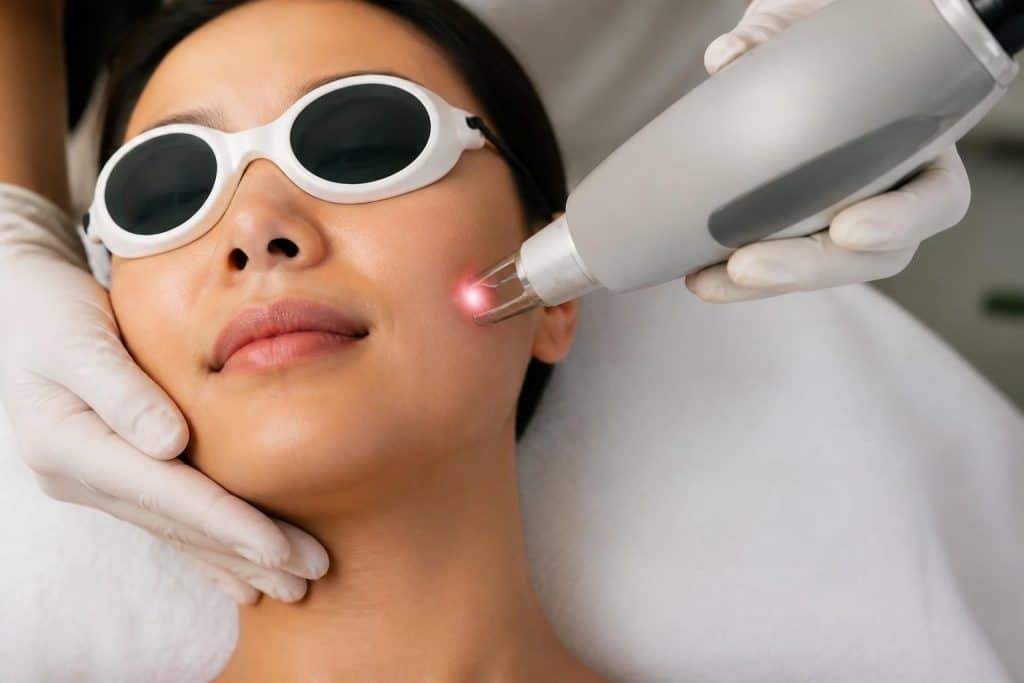
Uneven skin tone, dark spots, and stubborn pigmentation concerns affect millions of people, impacting confidence and self-image. Whether caused by sun damage, hormonal changes, or post-inflammatory hyperpigmentation, these skin conditions can be challenging to address with topical treatments alone. Advanced laser therapy for pigmentation has emerged as one of the most effective solutions for achieving clearer, more even-toned skin. Understanding the science behind these treatments, the different options available, and what to expect during the process helps you make informed decisions about your skin health journey.
Understanding Pigmentation and How Laser Therapy Works
Pigmentation disorders occur when melanin, the pigment responsible for skin color, becomes unevenly distributed or overproduced in certain areas. This can manifest as age spots, melasma, freckles, or post-inflammatory hyperpigmentation following acne or injury.
Laser therapy for pigmentation works by delivering concentrated light energy to targeted areas of the skin. The laser energy is absorbed by the excess melanin, causing it to fragment into smaller particles. Your body's natural healing processes then eliminate these particles through the lymphatic system, gradually lightening the pigmented areas.
The Science Behind Laser Technology
Different wavelengths of light penetrate the skin at varying depths, making certain lasers more suitable for specific pigmentation concerns:
- Q-switched lasers deliver short, high-energy pulses that specifically target melanin
- Pico lasers use ultra-short picosecond pulses for gentler, more precise pigment removal
- Fractional lasers create microscopic treatment zones to stimulate collagen while addressing pigmentation
- IPL (Intense Pulsed Light) targets multiple chromophores simultaneously for comprehensive treatment
The selectivity of modern laser systems minimizes damage to surrounding tissue while maximizing results for pigmented lesions. This precision makes laser therapy for pigmentation safer and more effective than ever before.
Types of Laser Treatments for Pigmentation
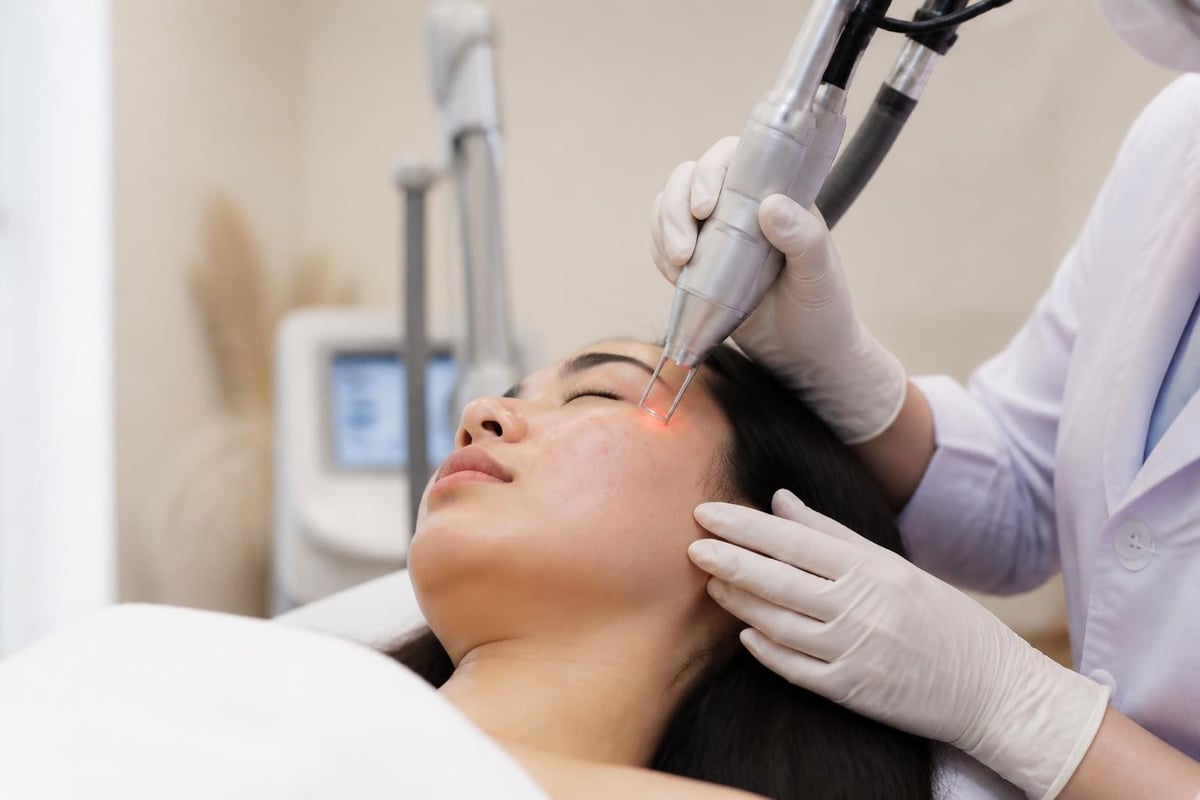
Selecting the appropriate laser treatment depends on your specific pigmentation type, skin tone, and desired outcomes. Research on laser-based therapies for melasma demonstrates varying efficacy rates across different laser modalities.
Q-Switched Nd:YAG Lasers
These traditional workhorses of pigmentation treatment deliver nanosecond pulses at 532nm or 1064nm wavelengths. The 1064nm wavelength is particularly beneficial for darker skin tones because it penetrates deeper while minimizing surface heating.
Best for:
- Stubborn melasma
- Deep dermal pigmentation
- Solar lentigines (age spots)
- Nevus of Ota
Picosecond Lasers
Pico lasers for melasma and hyperpigmentation represent the latest advancement in laser technology. These devices deliver pulses in trillionths of a second, creating a photoacoustic effect that shatters pigment with less heat generation.
| Feature | Q-Switched Lasers | Picosecond Lasers |
|---|---|---|
| Pulse Duration | Nanoseconds | Picoseconds |
| Heat Generation | Moderate | Minimal |
| Treatment Sessions | 4-8 sessions | 3-6 sessions |
| Downtime | 3-7 days | 1-3 days |
| Skin Type Suitability | Types I-IV | Types I-VI |
Fractional Laser Resurfacing
Fractional CO2 and Erbium lasers create controlled micro-injuries in the skin, promoting cellular turnover and collagen production. While primarily used for skin rejuvenation, these treatments effectively address pigmentation as part of comprehensive skin renewal.
Laser Genesis and Gentle Options
Laser Genesis treatments offer a non-ablative approach that gently heats the upper dermis to stimulate collagen while improving overall skin tone. This option suits those seeking gradual improvement with zero downtime.
Choosing the Right Treatment for Your Skin Type
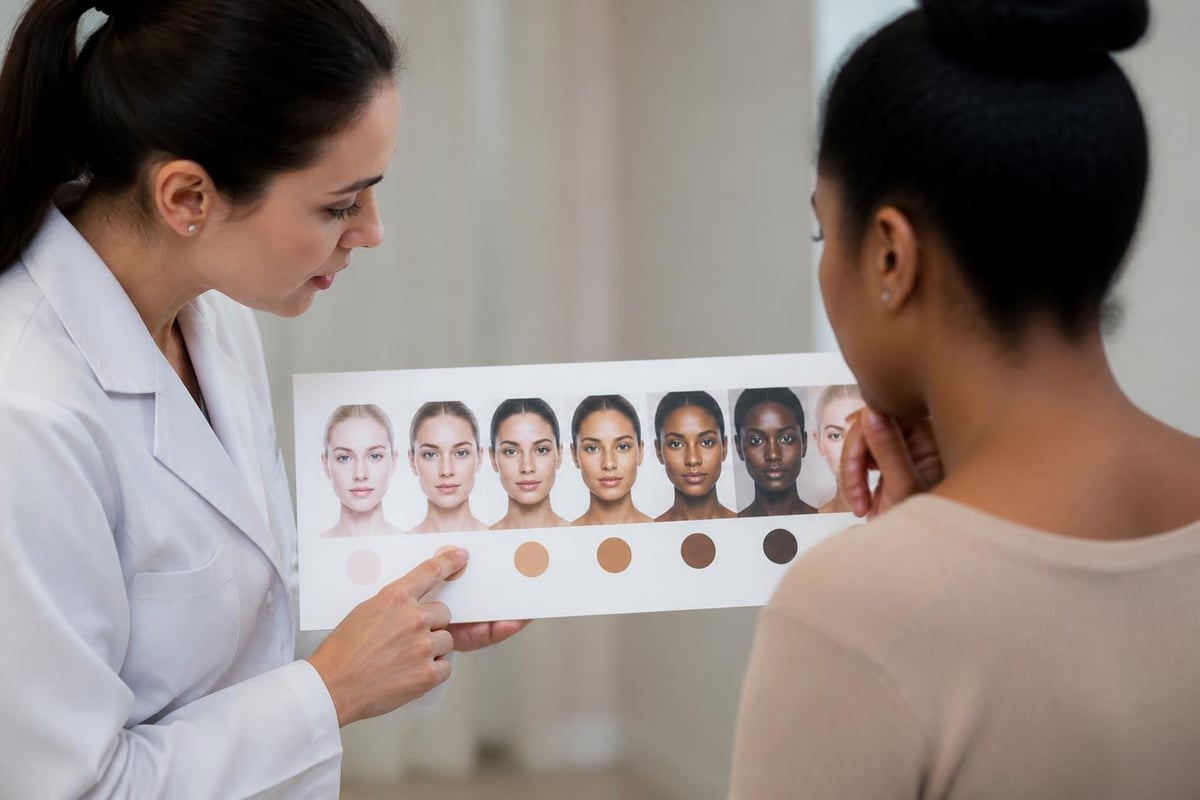
Safety and efficacy in laser therapy for pigmentation heavily depend on matching the treatment to your skin type and pigmentation concern. The Fitzpatrick scale (Types I-VI) helps determine which lasers are appropriate for your complexion.
Considerations for Melanin-Rich Skin
Individuals with darker skin tones require special attention when undergoing laser treatments. Expert guidance on lasers for melanin-rich skin emphasizes the importance of selecting providers experienced in treating diverse skin types.
Safe options for darker skin tones include:
- Nd:YAG lasers at 1064nm wavelength
- Picosecond lasers with appropriate settings
- Fractional non-ablative lasers
- Low-fluence Q-switched lasers (laser toning)
Higher-risk treatments to approach cautiously:
- Ablative fractional lasers without proper pre-treatment
- IPL on Fitzpatrick types IV-VI
- High-energy aggressive protocols
- Treatments without adequate test spots
The risk of post-inflammatory hyperpigmentation increases with aggressive settings or inappropriate laser selection. Conservative approaches with gradual improvement typically yield better outcomes for melanin-rich skin.
The Treatment Process: What to Expect
Understanding the complete treatment journey helps set realistic expectations and ensures optimal results from laser therapy for pigmentation.
Pre-Treatment Preparation
Your treatment begins several weeks before the actual laser session. Proper preparation significantly impacts outcomes and reduces complication risks.
Essential preparation steps:
- Skin priming: Use prescribed topical agents (tretinoin, hydroquinone, or kojic acid) for 2-4 weeks
- Sun protection: Avoid sun exposure and maintain SPF 50+ daily
- Medication review: Discontinue photosensitizing medications as directed
- Skincare adjustment: Stop using retinoids, AHAs, and BHAs 3-7 days before treatment
Laser facial safety and preparation guidelines provide comprehensive advice for ensuring your skin is treatment-ready.
During the Treatment Session
Most laser therapy sessions last 15-45 minutes depending on the treatment area size. The experience varies based on the laser type used:
- Consultation: Your practitioner assesses your skin and confirms treatment settings
- Cleansing: Thorough removal of makeup, oils, and impurities
- Protection: Eye shields are applied for safety
- Treatment: Laser pulses are delivered to pigmented areas
- Cooling: Cold air or cooling devices minimize discomfort
Sensations range from mild warmth to rubber band snapping feelings. Topical numbing cream can be applied for sensitive individuals, though many find treatments tolerable without anesthesia.
Post-Treatment Recovery
The recovery period varies significantly based on laser type and intensity. Understanding what to expect helps you plan accordingly:
| Treatment Type | Immediate Effect | Downtime | Full Results |
|---|---|---|---|
| Pico Laser | Mild redness | 1-2 days | 4-6 weeks |
| Q-Switched | Darkening, crusting | 3-7 days | 6-8 weeks |
| Fractional | Redness, swelling | 3-5 days | 8-12 weeks |
| Laser Genesis | Slight flush | None | 8-12 weeks |
Critical aftercare practices:
- Apply prescribed healing ointments or barrier creams
- Avoid direct sun exposure for at least two weeks
- Use broad-spectrum SPF 50+ sunscreen religiously
- Skip makeup for 24-48 hours post-treatment
- Avoid hot showers, saunas, and vigorous exercise for 48 hours
Treatment Protocols and Session Requirements
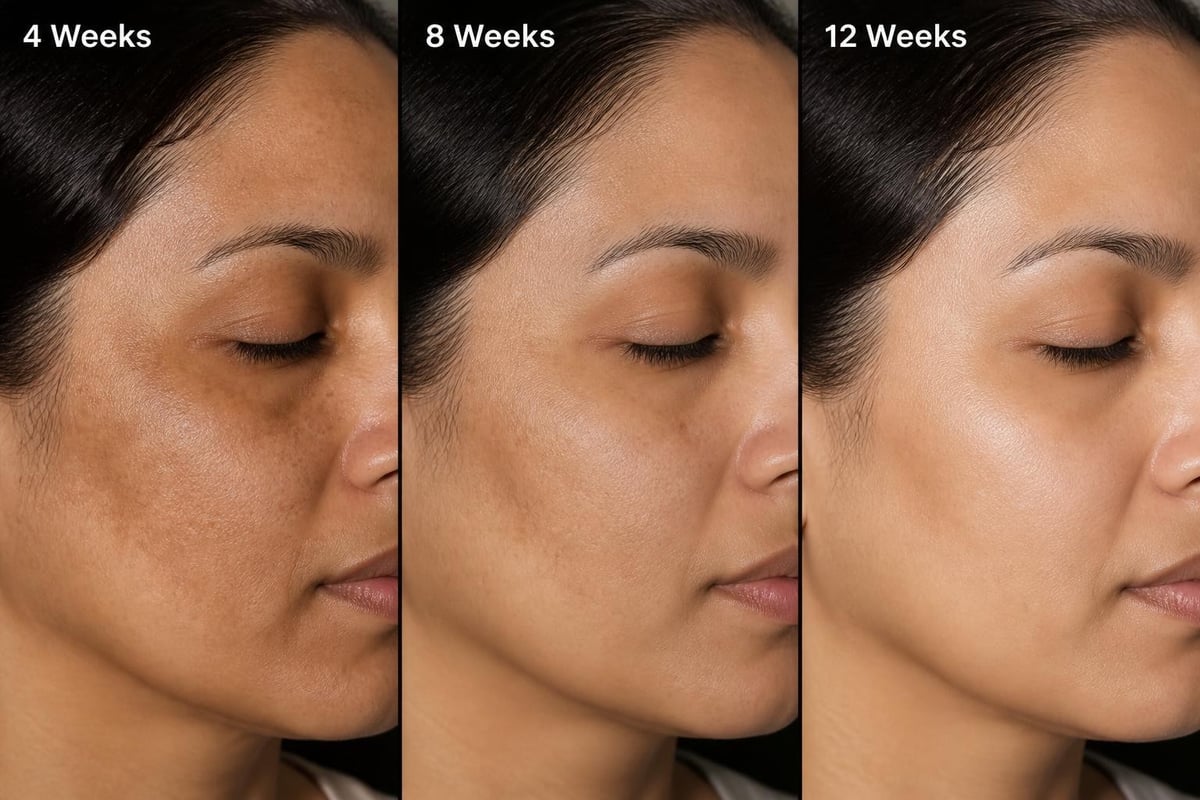
Achieving optimal results from laser therapy for pigmentation typically requires multiple sessions spaced strategically to allow skin healing and cellular turnover.
Standard Treatment Schedules
Superficial pigmentation (sunspots, freckles):
- 2-4 sessions
- 4-6 week intervals
- Noticeable improvement after 2 sessions
Moderate melasma:
- 4-6 sessions
- 4-8 week intervals
- Gradual lightening throughout treatment course
Deep dermal pigmentation:
- 6-10 sessions
- 6-8 week intervals
- Requires patience and consistent maintenance
Combination Approaches
Many practitioners combine different laser modalities or integrate lasers with other treatments for enhanced results. This might include alternating between pico lasers and chemical peels, or combining laser therapy with topical brightening agents.
The synergistic approach often produces superior outcomes compared to laser therapy alone. Your practitioner at New Skin Laser Clinic can design a customized protocol based on your specific needs.
Potential Side Effects and Risk Management
While laser therapy for pigmentation is generally safe when performed by qualified professionals, understanding potential side effects helps you make informed decisions and recognize normal healing versus complications.
Common Temporary Effects
Expected reactions that resolve without intervention:
- Redness and warmth (lasts 1-72 hours)
- Temporary darkening of treated pigmentation before lightening
- Mild swelling, especially around delicate areas
- Pinpoint bleeding or crusting with aggressive treatments
- Temporary texture changes
Managing Potential Complications
Less common but possible adverse effects include:
Post-inflammatory hyperpigmentation (PIH): Ironically, treating pigmentation can sometimes cause temporary darkening. This risk increases with:
- Inadequate sun protection
- Aggressive treatment settings
- Darker skin tones without proper protocols
- Sun exposure shortly after treatment
Hypopigmentation: Excessive laser energy can damage melanocytes, creating lighter spots. This is typically permanent and underscores the importance of conservative approaches.
Infection: Rare but possible if proper hygiene isn't maintained during healing.
Selecting an experienced provider who understands safe laser protocols for various skin types dramatically reduces complication risks.
Alternative and Complementary Laser Options
Beyond traditional pigmentation-focused lasers, several innovative treatments address uneven skin tone while providing additional benefits.
Pulsed Dye Laser (PDL)
Pulsed Dye Lasers primarily target vascular concerns but can improve certain types of pigmentation, particularly when redness and brown spots coexist. The 595nm wavelength targets hemoglobin while providing some melanin absorption.
Baby Face Laser
The Baby Face Laser treatment, a Korean innovation gaining popularity, uses gentler settings for gradual improvement in skin texture and tone. This approach suits those seeking minimal downtime with cumulative benefits over time.
Laser Toning
Low-fluence Q-switched laser toning delivers sub-therapeutic doses across the entire face, gradually reducing overall pigmentation and improving skin quality. This technique is particularly effective for melasma maintenance and prevention of recurrence.
Maximizing and Maintaining Your Results
Successful laser therapy for pigmentation extends beyond the treatment sessions themselves. Long-term maintenance determines whether improvements last months or years.
Essential Maintenance Strategies
Sun protection is non-negotiable:
- Broad-spectrum SPF 50+ applied every morning
- Reapplication every two hours during sun exposure
- Physical barriers (hats, sunglasses, protective clothing)
- Seeking shade during peak UV hours (10 AM to 4 PM)
Supportive skincare routine:
- Gentle cleanser that doesn't strip skin
- Antioxidant serums (vitamin C, niacinamide, tranexamic acid)
- Prescription-strength retinoids (as tolerated)
- Hydrating moisturizer with barrier-supporting ingredients
- Consistent SPF application
Professional maintenance treatments:
- Quarterly laser sessions to prevent recurrence
- Chemical peels between laser treatments
- Medical-grade facials incorporating brightening agents
- Regular skin assessments to catch new pigmentation early
Lifestyle Factors That Impact Results
Your daily habits significantly influence treatment longevity. Hormonal fluctuations, certain medications, and inflammatory skin conditions can trigger pigmentation recurrence even after successful laser therapy.
Protective measures include:
- Managing hormonal contraception with your physician
- Addressing underlying inflammatory conditions (rosacea, acne)
- Minimizing skin trauma and aggressive picking
- Managing stress, which can exacerbate melasma
- Maintaining overall skin health through nutrition and hydration
Cost Considerations and Investment Value
Understanding the financial commitment helps you plan appropriately for laser therapy for pigmentation. Pricing varies based on geographic location, provider expertise, technology used, and treatment area size.
Typical Price Ranges (2026)
| Treatment Type | Per Session | Treatment Course | Maintenance (Annual) |
|---|---|---|---|
| Pico Laser | $400-$800 | $2,000-$4,000 | $800-$1,600 |
| Q-Switched | $300-$600 | $1,500-$3,000 | $600-$1,200 |
| Fractional | $600-$1,200 | $3,000-$6,000 | $1,200-$2,400 |
| Laser Genesis | $250-$500 | $1,000-$2,500 | $500-$1,000 |
Many clinics offer package pricing that reduces per-session costs when purchasing multiple treatments upfront. This approach often provides better value for conditions requiring several sessions.
Return on Investment
When evaluating costs, consider the comprehensive benefits beyond pigmentation improvement. Laser treatments often provide:
- Improved overall skin texture and tone
- Stimulated collagen production for firmer skin
- Reduced pore appearance
- Enhanced product absorption
- Decreased need for heavy makeup coverage
- Long-lasting results with proper maintenance
The confidence boost and reduced time spent concealing pigmentation with makeup add intangible value that many patients find priceless.
Finding the Right Provider in Toronto
The expertise and experience of your laser practitioner significantly impact both safety and results. Toronto offers numerous options for laser therapy for pigmentation, making provider selection crucial.
Essential Credentials to Verify
Professional qualifications:
- Licensed medical professionals or certified laser technicians
- Specialized training in laser physics and skin biology
- Experience treating diverse skin types and tones
- Ongoing education in latest laser technologies
Facility standards:
- Health Canada-approved laser devices
- Proper safety protocols and equipment maintenance
- Clean, professional treatment environment
- Comprehensive consultation processes
Questions to Ask During Consultation
- How many treatments have you performed on my skin type?
- What results can I realistically expect for my specific pigmentation?
- What are the risks specific to my skin tone?
- What happens if complications occur?
- Can I see before-and-after photos of similar cases?
- What is your post-treatment support protocol?
The Healthline guide to melasma laser treatments provides additional questions to consider when evaluating treatment options.
A thorough provider takes time to understand your concerns, examines your skin carefully, discusses realistic expectations, and creates a personalized treatment plan rather than offering one-size-fits-all solutions.
Laser therapy for pigmentation offers powerful solutions for achieving clearer, more even-toned skin when performed by experienced professionals using appropriate protocols for your unique skin type. Success requires the right combination of technology, expertise, proper preparation, and diligent aftercare. If you're ready to address stubborn pigmentation concerns and reveal your most radiant complexion, the expert team at New Skin Laser Clinic in Toronto provides personalized laser treatments using state-of-the-art technology tailored to your specific skin needs. Schedule your consultation today to discover which laser therapy option will help you achieve the luminous, even-toned skin you deserve.