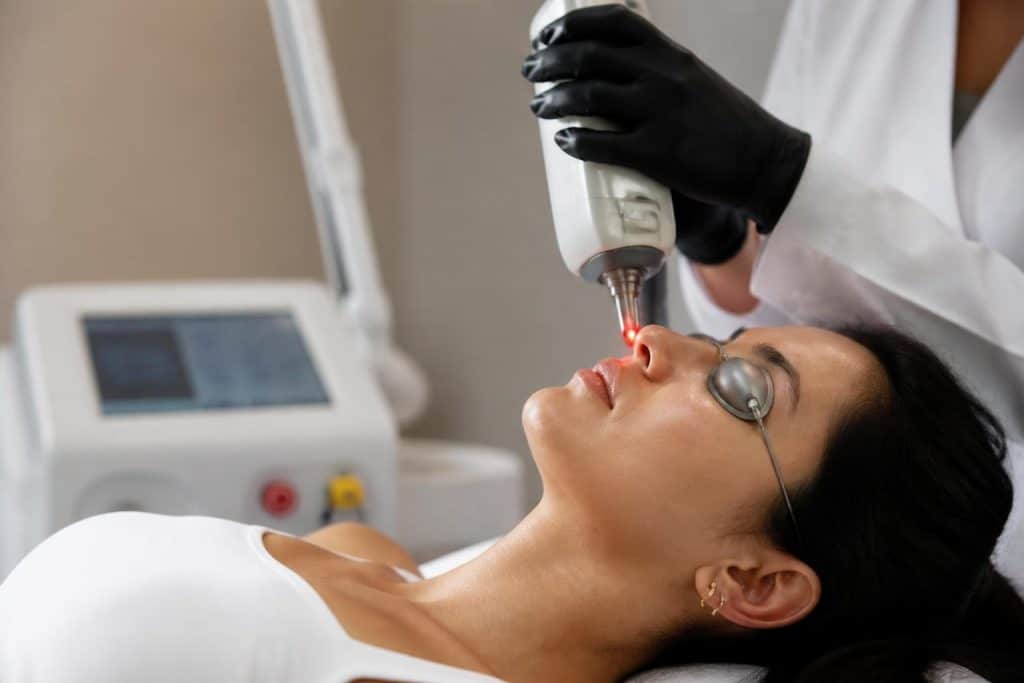
Hyperpigmentation affects millions of people worldwide, manifesting as dark patches, age spots, melasma, and post-inflammatory marks that can significantly impact confidence and quality of life. While numerous treatments exist, CO2 laser technology has emerged as one of the most effective solutions for addressing stubborn pigmentation concerns. This advanced resurfacing technique works by precisely targeting damaged skin layers, promoting cellular renewal, and revealing clearer, more evenly toned skin. Understanding how this treatment works, who benefits most, and what to expect throughout the process empowers individuals to make informed decisions about their skincare journey.
Understanding CO2 Laser Technology for Skin Concerns
CO2 lasers operate at a wavelength of 10,600 nanometers, making them highly effective at targeting water molecules within skin tissue. This specific wavelength allows for precise ablation of damaged skin layers while stimulating the body's natural healing response.
When used for hyperpigmentation, the laser creates controlled micro-injuries in the skin's surface. These microscopic treatment zones remove pigmented cells while preserving surrounding healthy tissue. The body responds by generating new collagen and elastin, gradually replacing discolored skin with fresh, evenly pigmented cells.
Fractional vs. Traditional CO2 Laser Approaches
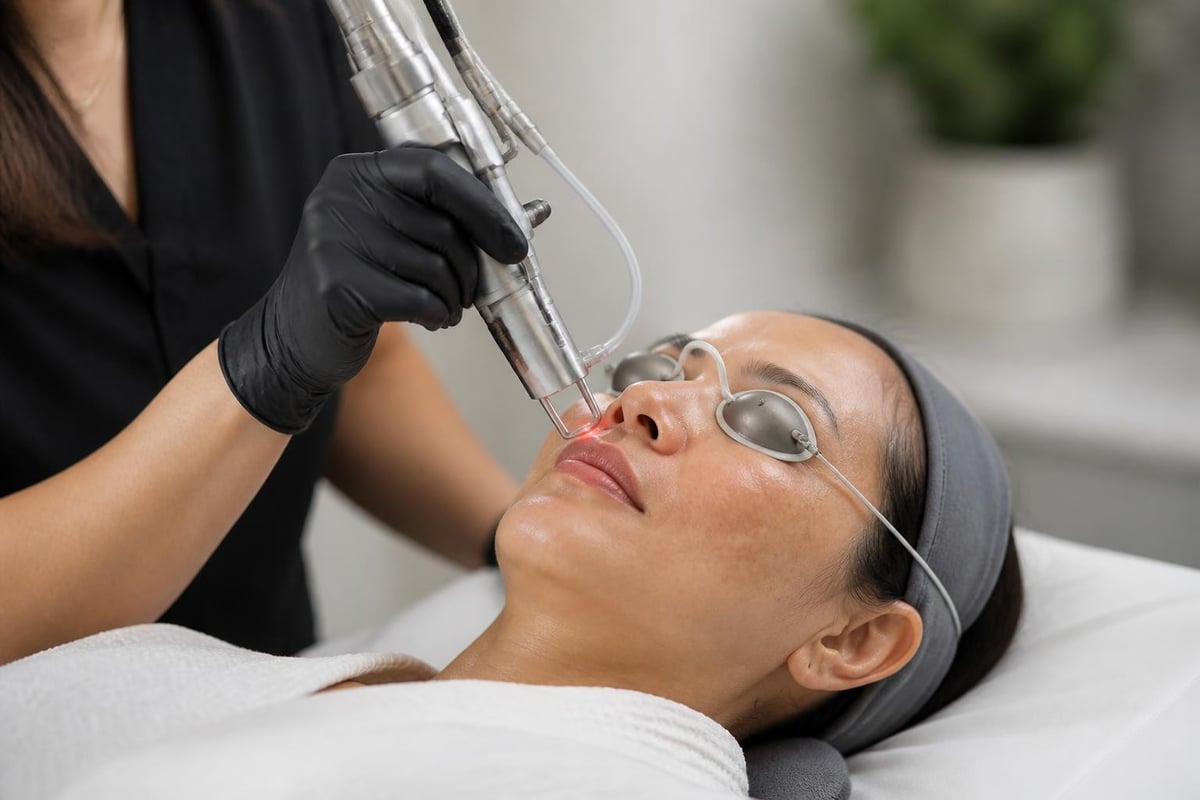
Modern co2 laser hyperpigmentation treatments typically utilize fractional technology rather than fully ablative methods. This distinction matters significantly for both safety and recovery time.
Fractional CO2 lasers offer several advantages:
- Treat only a percentage of skin surface area per session
- Allow faster healing between healthy tissue columns
- Reduce downtime compared to traditional full-field treatments
- Lower risk of complications, especially for darker skin tones
- Enable multiple sessions for gradual, controlled improvement
Traditional fully ablative CO2 lasers remove the entire surface layer of skin in the treatment area. While effective, this approach requires extensive downtime and carries higher risks for certain skin types. Research has shown that fractional CO2 laser treatment demonstrates significant efficacy in addressing refractory postinflammatory hyperpigmentation.
Types of Hyperpigmentation Successfully Treated
Not all hyperpigmentation responds equally to laser intervention. Understanding which conditions benefit most from co2 laser hyperpigmentation treatment helps set realistic expectations and determine candidacy.
Post-Inflammatory Hyperpigmentation (PIH)
PIH develops after skin inflammation from acne, injuries, or previous treatments. These dark marks often prove resistant to topical treatments alone. CO2 laser resurfacing addresses PIH by removing the damaged superficial layers where excess melanin accumulates while stimulating healthy skin regeneration.
The controlled injury triggers collagen remodeling and gradual fading of discolored areas. Multiple sessions spaced several weeks apart typically yield optimal results for stubborn PIH.
Melasma and Hormonal Pigmentation
Melasma presents unique challenges due to its tendency to recur, particularly with sun exposure or hormonal fluctuations. While CO2 lasers can effectively address melasma, treatment requires careful parameter selection and comprehensive aftercare protocols.
Dermatologists often recommend conservative settings for melasma patients to minimize the risk of paradoxical darkening. Combining laser treatments with topical agents and strict sun protection enhances outcomes and reduces recurrence rates.
| Hyperpigmentation Type | Treatment Difficulty | Sessions Typically Needed | Recurrence Risk |
|---|---|---|---|
| Post-Inflammatory Hyperpigmentation | Moderate | 2-4 sessions | Low with sun protection |
| Age Spots/Solar Lentigines | Low | 1-3 sessions | Low to moderate |
| Melasma | High | 3-6 sessions | High without maintenance |
| Acne Scars with Pigmentation | Moderate to High | 3-5 sessions | Low |
Age Spots and Sun Damage
Solar lentigines, commonly called age spots or liver spots, respond exceptionally well to CO2 laser treatment. These well-defined pigmented lesions contain concentrated melanin in the superficial skin layers, making them ideal targets for laser ablation.
Many patients see dramatic improvement after just one or two sessions. The CO2 laser effectively targets these localized pigmentation concerns while simultaneously improving overall skin texture and tone.
Ideal Candidates and Skin Type Considerations
Determining candidacy for co2 laser hyperpigmentation treatment involves assessing multiple factors beyond simply having visible pigmentation concerns. Skin type, medical history, lifestyle factors, and realistic expectations all play crucial roles in treatment success.
Fitzpatrick Skin Type Evaluation
The Fitzpatrick scale classifies skin into six types based on melanin content and sun sensitivity. This classification significantly influences treatment approach and risk profile:
Skin Types I-III (Fair to Medium Skin):
- Generally excellent candidates for CO2 laser treatment
- Lower risk of post-inflammatory hyperpigmentation
- Can tolerate more aggressive treatment parameters
- Faster, more predictable results
Skin Types IV-VI (Olive to Deep Skin):
- Require careful assessment and conservative settings
- Higher melanin content increases PIH risk
- Benefit from test spots before full treatment
- May need extended treatment series with lower energy levels
Experts emphasize special considerations when selecting laser treatments for melanin-rich skin to minimize risks and maximize safety.
Medical and Lifestyle Factors
Certain conditions or circumstances may affect treatment candidacy or timing:
- Active skin infections or inflammation: Must resolve before treatment
- History of keloid scarring: Increases risk of adverse healing
- Recent isotretinoin use: Requires waiting period of 6-12 months
- Pregnancy or nursing: Should postpone elective laser treatments
- Sun exposure plans: Cannot tan or have significant sun exposure for weeks before and after
- Immune system disorders: May affect healing capacity
The Treatment Process and What to Expect
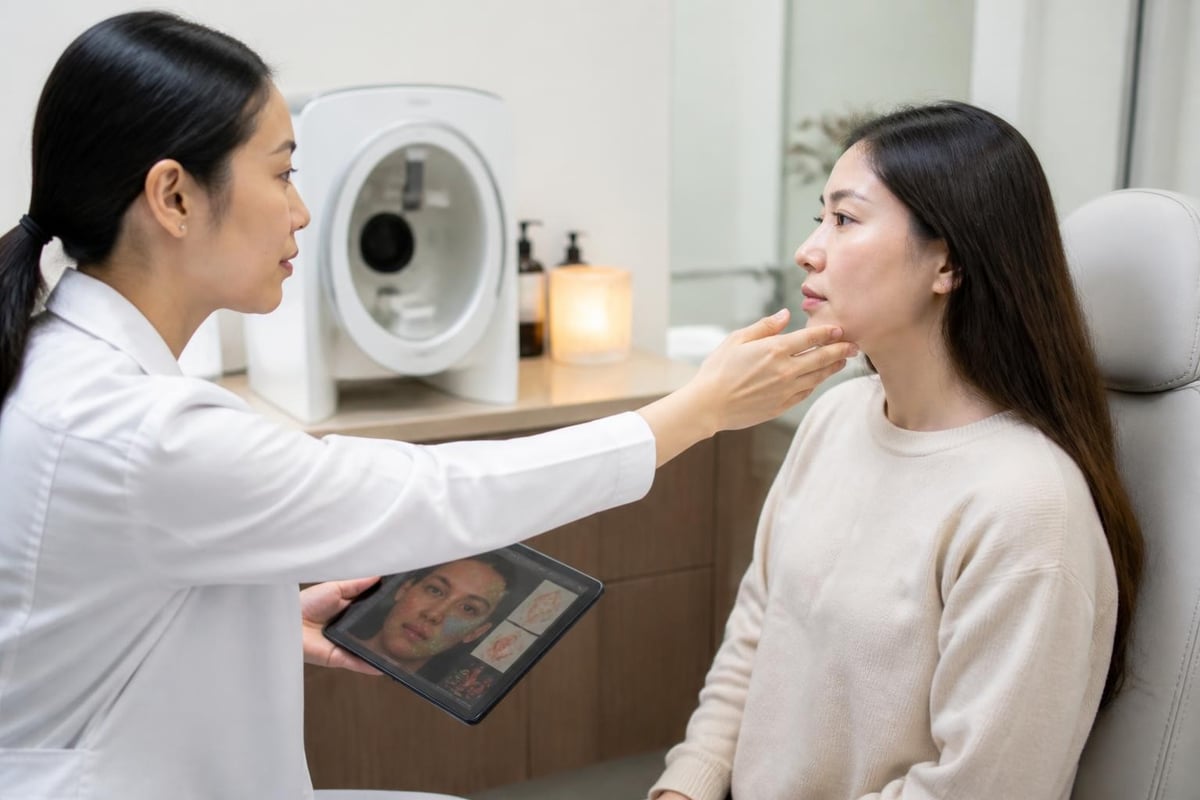
Understanding the complete treatment journey helps patients prepare mentally and physically for optimal results. The co2 laser hyperpigmentation process extends beyond the actual procedure day to include preparation and recovery phases.
Pre-Treatment Preparation Protocol
Success begins weeks before the laser touches your skin. Most clinics implement a conditioning regimen to optimize outcomes and minimize complications:
-
Skin conditioning period (2-4 weeks before treatment):
- Topical retinoids to increase cell turnover
- Hydroquinone or other lightening agents to prime skin
- Daily broad-spectrum SPF 30+ sunscreen
- Gentle cleansing routine without harsh exfoliants
-
One week before treatment:
- Discontinue active ingredients like retinoids
- Avoid waxing, threading, or other hair removal in treatment area
- Stay well-hydrated
- Fill any prescribed pre-treatment medications
-
Day of treatment:
- Arrive with clean, makeup-free skin
- Avoid caffeine if anxious about procedure
- Arrange transportation home if receiving sedation
During the Procedure
The actual laser session typically lasts 30-90 minutes depending on treatment area size. Here's what happens:
Numbing and Preparation:
Practitioners apply topical anesthetic cream 30-60 minutes before treatment. Some patients receive oral sedation or nerve blocks for enhanced comfort during more aggressive treatments.
Laser Application:
The provider systematically passes the laser handpiece over the treatment area in a precise pattern. Most patients describe sensations ranging from warmth to hot pinpricks. Cooling devices often accompany the laser to minimize discomfort.
Immediate Post-Treatment Care:
Staff apply soothing ointments and provide detailed aftercare instructions. Expect immediate redness, swelling, and a sensation similar to moderate sunburn.
Recovery Timeline and Aftercare
Recovery from co2 laser hyperpigmentation treatment follows a predictable pattern, though individual experiences vary:
| Recovery Phase | Timeline | What to Expect | Care Instructions |
|---|---|---|---|
| Acute Inflammation | Days 1-3 | Intense redness, swelling, weeping | Gentle cleansing, prescribed ointments, cold compresses |
| Peeling Phase | Days 4-7 | Skin sloughing, bronze appearance | Moisturize frequently, continue gentle cleansing, no picking |
| Pink Healing | Days 8-14 | Pink/red tone, new skin emerging | Introduction of gentle products, mineral sunscreen |
| Continued Improvement | Weeks 3-12 | Gradual tone evening, texture refinement | Resume active skincare, maintain sun protection |
Critical aftercare elements include:
- Sleeping with head elevated to reduce swelling
- Avoiding direct sun exposure for at least 4-6 weeks
- Using only approved gentle cleansers and moisturizers
- Resisting the urge to pick at peeling skin
- Attending all follow-up appointments
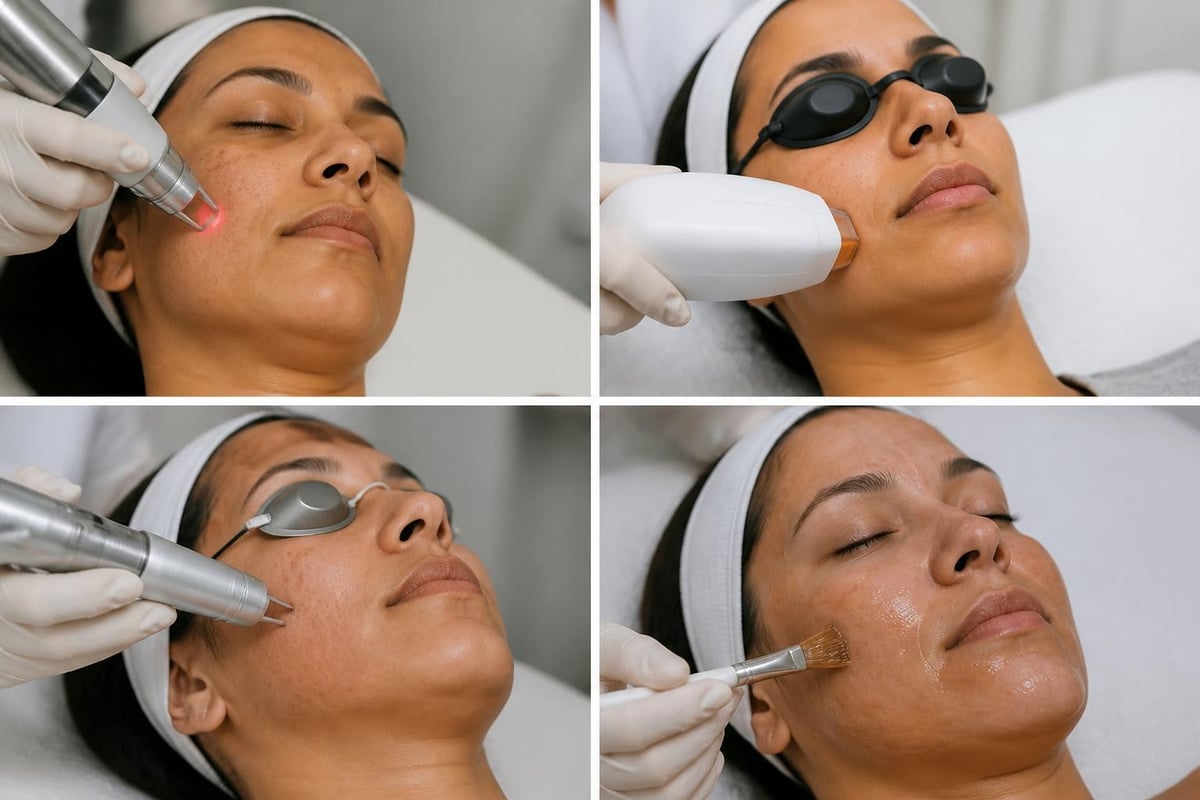
Comparing CO2 Laser to Alternative Treatments
Patients exploring solutions for hyperpigmentation encounter numerous options. Understanding how CO2 laser compares to alternative technologies helps determine the most appropriate approach.
Chemical Peels
Chemical peels use acids to exfoliate skin layers, similar to laser ablation but through chemical rather than light energy.
Advantages of chemical peels:
- Lower cost per session
- No laser-specific risks
- Suitable for very dark skin types
Advantages of CO2 laser:
- More precise depth control
- Simultaneous collagen stimulation
- Often fewer total sessions needed
- Superior results for deeper pigmentation
IPL (Intense Pulsed Light)
IPL uses broad-spectrum light to target pigmentation without ablating skin. This non-ablative approach appeals to patients seeking minimal downtime.
IPL works well for superficial pigmentation but lacks the resurfacing benefits of CO2 lasers. Many practitioners recommend IPL for lighter, more diffuse pigmentation and reserve CO2 laser for stubborn, deeper concerns.
Q-Switched and Picosecond Lasers
These specialized pigment lasers shatter melanin deposits without significant thermal damage. They excel at treating specific conditions like tattoos and certain types of hyperpigmentation.
However, CO2 laser treatment offers comprehensive benefits beyond pigment removal, including texture improvement, pore refinement, and wrinkle reduction-all in one treatment modality.
Managing Risks and Potential Complications
While co2 laser hyperpigmentation treatment delivers impressive results for many patients, understanding potential risks enables informed decision-making and proactive complication management.
Common Side Effects
Most patients experience temporary effects that resolve during normal healing:
- Redness lasting 1-4 weeks
- Swelling for 3-7 days
- Skin sensitivity to temperature and products
- Temporary darkening before improvement (bronzing)
- Mild itching during healing phase
These expected responses don't constitute complications but rather normal healing progression.
Serious Complications Requiring Attention
Less common but more concerning complications include:
Post-Inflammatory Hyperpigmentation:
Ironically, laser treatment itself can trigger new hyperpigmentation, especially in darker skin types. Proper pre-treatment conditioning, conservative laser settings, and diligent sun protection minimize this risk. When it occurs, additional treatments with topical agents usually resolve the issue within months.
Hypopigmentation:
Excessive laser energy can damage melanocytes, causing permanent lightening. This risk underscores the importance of selecting experienced practitioners who understand appropriate parameters for your skin type.
Infection:
Compromised skin barrier post-treatment creates infection vulnerability. Following aftercare instructions, keeping the area clean, and watching for signs of infection (increasing pain, pus, fever) prevents serious complications.
Scarring:
Though rare with proper technique, scarring can occur, particularly in patients with keloid tendencies or those who pick at healing skin.
Minimizing Risk Through Provider Selection
Choosing a qualified, experienced provider dramatically reduces complication risk. Look for practitioners who:
- Hold appropriate medical credentials and certifications
- Demonstrate extensive experience with CO2 lasers
- Conduct thorough consultations and skin assessments
- Show before-and-after photos of patients with similar skin types
- Discuss both benefits and risks transparently
- Provide detailed pre- and post-treatment protocols
Results Timeline and Maintenance Strategies
Understanding when to expect visible improvement helps maintain realistic expectations throughout the co2 laser hyperpigmentation treatment journey. Results emerge gradually as skin heals and regenerates.
Short-Term Changes
Immediately after treatment, skin appears red, swollen, and often darker than before. This phase discourages some patients who expected instant improvement.
Weeks 1-2:
As the treated skin sloughs away, new pink skin emerges underneath. Pigmentation often looks worse before it looks better due to inflammatory melanin production.
Weeks 3-4:
The pink tone begins fading, and subtle improvements in pigmentation become noticeable. Texture feels smoother, and overall tone appears more even.
Long-Term Improvement
The full benefits of CO2 laser treatment unfold over several months:
Months 2-3:
Pigmentation continues lightening as melanin-containing cells are replaced. Collagen remodeling creates visible texture refinement and a healthy glow.
Months 3-6:
Maximum improvement typically manifests during this window. Stubborn pigmentation areas may require additional sessions spaced 8-12 weeks apart.
Protecting Your Investment
Maintaining results requires ongoing commitment:
- Daily sun protection: Non-negotiable for preventing pigmentation recurrence
- Maintenance skincare: Quality products with antioxidants, retinoids, and brightening agents
- Periodic touch-up treatments: Some patients benefit from annual sessions
- Healthy lifestyle habits: Adequate sleep, hydration, and nutrition support skin health
- Professional follow-up: Regular check-ins with your provider ensure sustained results
Many clinics offer customized maintenance programs combining gentle chemical peels, topical prescriptions, and occasional laser sessions to preserve the improved tone achieved through initial co2 laser hyperpigmentation treatment.
Cost Considerations and Value Assessment
CO2 laser treatment represents a significant investment in your skin health and appearance. Understanding the financial commitment helps with planning and determining whether the treatment aligns with your budget and priorities.
Pricing Factors
Multiple variables influence treatment cost:
- Geographic location: Major metropolitan areas typically charge more than smaller markets
- Provider credentials: Board-certified dermatologists often charge premium rates compared to medical spas
- Treatment area size: Full face costs more than localized spot treatments
- Number of sessions: Severe hyperpigmentation may require multiple treatments
- Technology generation: Newer fractional CO2 platforms may carry higher fees
- Additional services: Combined treatments or advanced aftercare products add to total investment
Comparing Value Propositions
When evaluating cost, consider the comprehensive benefits beyond pigmentation improvement:
Single Treatment Addresses Multiple Concerns:
- Hyperpigmentation reduction
- Fine line and wrinkle improvement
- Acne scar softening
- Pore size refinement
- Overall texture enhancement
- Skin tightening effects
This multi-benefit approach often delivers better value than addressing each concern separately with different treatments.
Longevity of Results:
While not permanent, properly maintained CO2 laser results can last several years, making the per-year cost quite reasonable compared to monthly facials or frequent product purchases.
CO2 laser hyperpigmentation treatment offers a powerful solution for individuals struggling with stubborn pigmentation concerns, delivering comprehensive skin renewal that extends beyond simple spot lightening. Success requires careful provider selection, realistic expectations, and commitment to pre- and post-treatment protocols. If you're ready to explore advanced solutions for achieving clearer, more radiant skin, the expert team at New Skin Laser Clinic in Toronto provides personalized consultations and state-of-the-art treatments tailored to your unique skin goals. Schedule your assessment today to discover how professional laser treatments can transform your complexion.