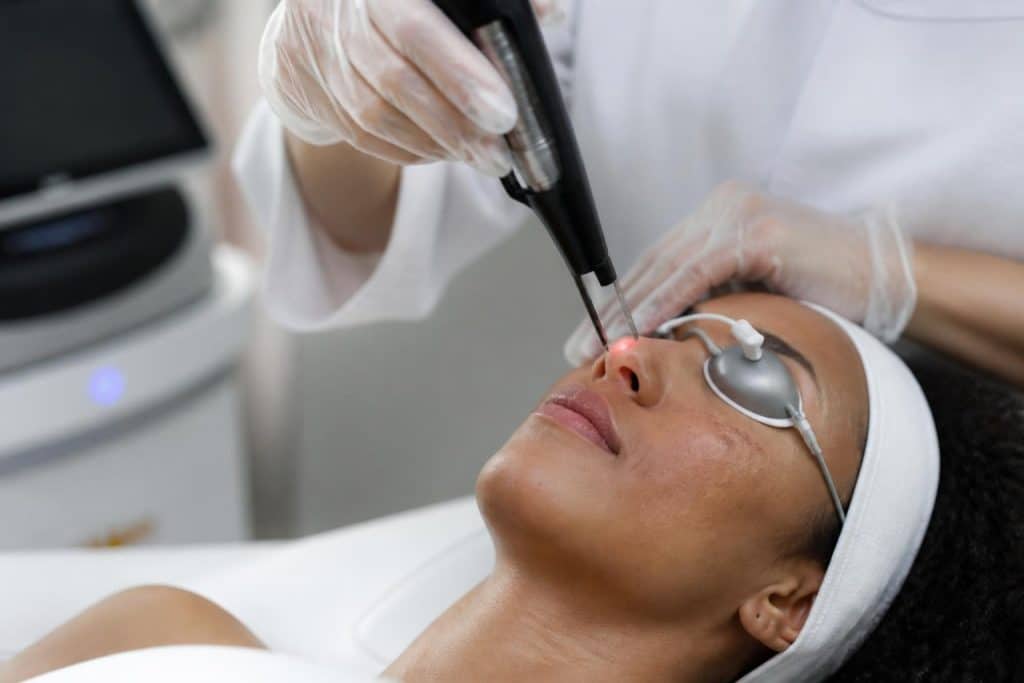
Hyperpigmentation affects millions of people across all skin types, manifesting as dark patches, age spots, melasma, or post-inflammatory marks that can significantly impact confidence and self-esteem. While topical treatments and chemical peels offer some relief, laser technology has emerged as one of the most effective solutions for stubborn pigmentation issues. Understanding which laser treatment works best for your specific type of hyperpigmentation requires knowledge of how these technologies interact with skin at the cellular level and which options deliver the safest, most dramatic results.
Understanding How Laser Treatments Target Hyperpigmentation
Laser treatments work by delivering concentrated light energy that targets melanin, the pigment responsible for skin coloration. This energy breaks down excess melanin deposits into smaller particles that your body can naturally eliminate through its lymphatic system.
Different wavelengths penetrate the skin at varying depths, making certain lasers more effective for specific types of pigmentation. Shorter wavelengths typically target surface-level discoloration, while longer wavelengths reach deeper into the dermis where stubborn melasma often resides.
The Science Behind Selective Photothermolysis
The principle of selective photothermolysis allows lasers to target pigmented areas without damaging surrounding tissue. This process requires precise calibration of three factors: wavelength, pulse duration, and energy level.
Key considerations include:
- Wavelength must match the absorption spectrum of melanin
- Pulse duration should be shorter than the thermal relaxation time of melanocytes
- Energy levels must be sufficient to fragment pigment without causing burns
- Skin type determines safe parameter ranges
When properly executed, this targeting mechanism makes laser therapy the best laser treatment for hyperpigmentation compared to many traditional methods. According to research on laser treatments for melasma, understanding these mechanisms is crucial for achieving optimal results while minimizing risks.
Top Laser Technologies for Treating Hyperpigmentation
The landscape of laser treatments has evolved dramatically, with several technologies now proven effective for various pigmentation concerns. Each option offers distinct advantages depending on skin type, pigmentation depth, and treatment goals.
PicoSure and Picosecond Lasers
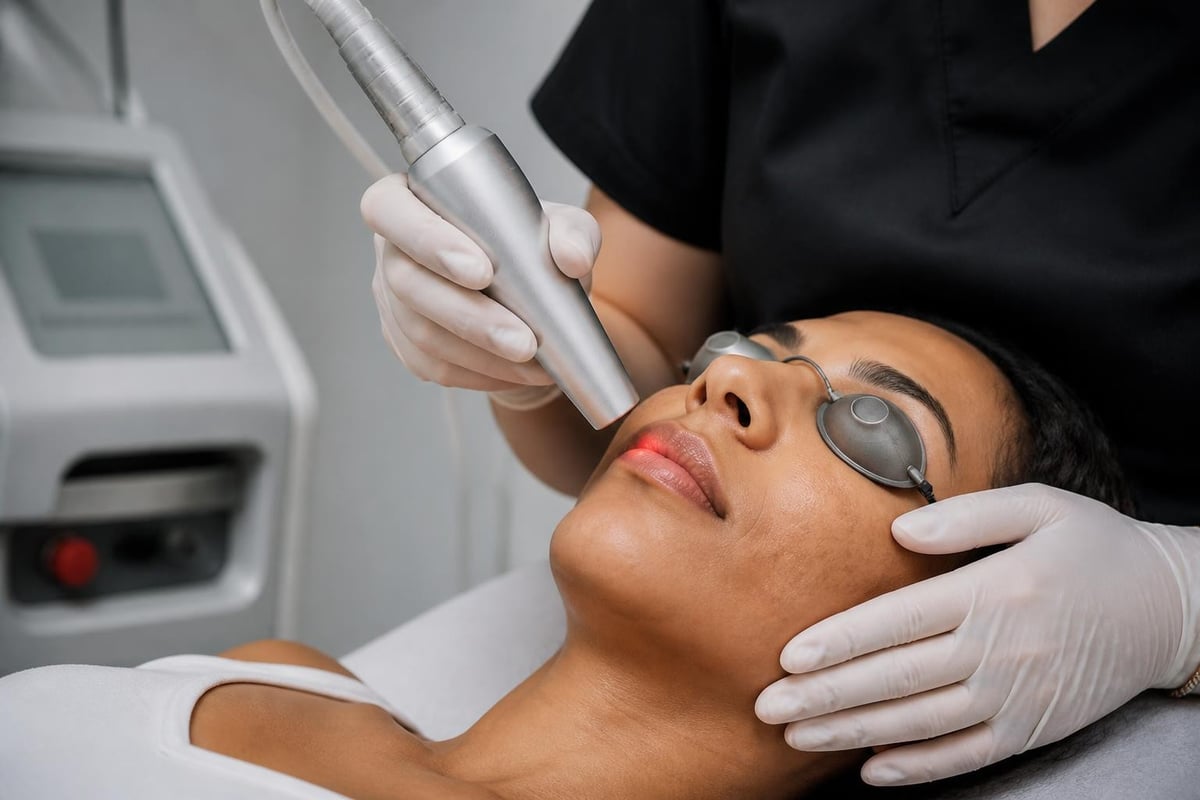
Picosecond lasers represent the cutting edge of pigment removal technology. These devices deliver ultra-short pulses measured in trillionths of a second, creating a photoacoustic effect that shatters pigment particles more efficiently than traditional lasers.
| Feature | PicoSure | Traditional Q-Switched |
|---|---|---|
| Pulse Duration | 750 picoseconds | 5-10 nanoseconds |
| Heat Generation | Minimal | Moderate |
| Recovery Time | 2-3 days | 5-7 days |
| Treatments Needed | 3-4 sessions | 5-8 sessions |
The PicoSure Pro laser treatment has gained popularity for its ability to clear pigmentation with fewer sessions and less downtime. This makes it particularly appealing for busy professionals seeking efficient results.
Benefits specific to picosecond technology include reduced risk of post-inflammatory hyperpigmentation, effectiveness on darker skin tones, and simultaneous collagen stimulation for improved skin texture.
Q-Switched Nd:YAG Lasers
Q-switched Nd:YAG lasers operate at 1064nm and 532nm wavelengths, making them versatile for treating both superficial and deep pigmentation. The longer 1064nm wavelength is particularly effective for darker skin tones.
This technology has been a workhorse in dermatology clinics for decades, offering predictable results for sunspots, freckles, and certain types of melasma. The dual-wavelength capability allows practitioners to customize treatments based on pigment depth and skin type.
Treatment applications include:
- Solar lentigines and age spots
- Post-inflammatory hyperpigmentation
- Café-au-lait birthmarks
- Nevus of Ota
For individuals with melanin-rich skin, the 1064nm wavelength offers safer treatment parameters with lower risk of paradoxical darkening.
Fractional Non-Ablative Lasers
Fractional lasers create microscopic treatment zones, leaving surrounding tissue intact to promote rapid healing. This approach reduces downtime while still delivering significant improvement in pigmentation.
Non-ablative fractional devices like the Fraxel use infrared wavelengths to penetrate deep into the dermis without removing the skin's surface layer. This makes them excellent for melasma and deeper pigmentation issues that resist topical treatments.
The fractional pattern stimulates collagen production while breaking up melanin deposits, offering dual benefits of pigment correction and overall skin rejuvenation. Most patients require four to six sessions spaced three to four weeks apart.
Intense Pulsed Light (IPL) Technology
While technically not a laser, IPL deserves mention as a popular light-based treatment for hyperpigmentation. IPL devices emit broad-spectrum light filtered to target melanin and hemoglobin simultaneously.
IPL works best for superficial pigmentation across larger areas, making it ideal for sun damage on the face, chest, and hands. However, it's generally less effective than true lasers for deeper or more stubborn pigmentation.
Choosing the Right Treatment Based on Pigmentation Type
Not all hyperpigmentation responds equally to the same laser technology. Identifying your specific condition helps determine which approach will deliver the best laser treatment for hyperpigmentation in your unique situation.
Melasma Considerations
Melasma presents unique challenges due to its hormonal triggers and tendency to recur. This condition typically requires a gentler, more conservative approach to avoid stimulating additional pigment production.
Low-fluence Q-switched Nd:YAG lasers, often called "laser toning," have shown promise for melasma when combined with appropriate skincare and sun protection. Multiple gentle treatments prove more effective than aggressive single sessions.
Melasma treatment protocol typically includes:
- Initial assessment of melasma depth using Wood's lamp examination
- Pre-treatment with tyrosinase inhibitors for four weeks
- Series of six to ten low-fluence laser sessions
- Maintenance treatments every three to six months
- Strict sun protection and topical management
Some practitioners also incorporate tranexamic acid into treatment protocols, either topically or orally, to enhance results and reduce recurrence rates.
Post-Inflammatory Hyperpigmentation (PIH)
PIH develops after skin injury, acne, or inflammation. This type typically responds well to various laser treatments, though careful patient selection remains crucial to avoid worsening the condition.
Picosecond lasers excel at treating PIH because their ultra-short pulses minimize heat transfer that could trigger additional inflammation. The photoacoustic effect breaks apart melanin clusters without the thermal damage associated with older laser technologies.
For patients with deeper skin tones, the risk-benefit analysis becomes more complex. Understanding hyperpigmentation treatment options helps set realistic expectations about potential outcomes and necessary precautions.
Solar Lentigines and Age Spots
Sunspots represent one of the most straightforward hyperpigmentation conditions to treat with lasers. These superficial pigmented lesions respond dramatically to targeted laser energy.
Q-switched lasers at 532nm wavelength specifically target the brown pigment in age spots, often clearing them in one to three sessions. Patients typically see the spots darken immediately, then flake off within seven to ten days.
| Treatment Type | Sessions Required | Downtime | Longevity |
|---|---|---|---|
| Q-Switched Laser | 1-2 | 7-10 days | Permanent with sun protection |
| Picosecond Laser | 1-2 | 3-5 days | Permanent with sun protection |
| IPL | 3-4 | 2-3 days | Long-term with maintenance |
Preparing for Laser Hyperpigmentation Treatment
Proper preparation significantly impacts treatment safety and effectiveness. Most protocols begin four to six weeks before your first laser session.
Pre-Treatment Skincare Protocol
Your practitioner will likely recommend starting a tyrosinase inhibitor such as hydroquinone, kojic acid, or vitamin C to slow melanin production. This priming phase helps prevent rebound hyperpigmentation after laser treatment.
Discontinuing certain medications and supplements is essential, as some increase photosensitivity or bleeding risk. Retinoids should typically be stopped one week before treatment to reduce skin sensitivity.
Essential pre-treatment steps:
- Avoid sun exposure for at least four weeks prior
- Stop using exfoliating acids three days before treatment
- Arrive with clean skin free of makeup and lotions
- Inform your practitioner of any recent illnesses or medication changes
Some clinics require a patch test, especially for patients with darker skin tones, to assess individual response and adjust parameters accordingly.
What to Expect During Your Session
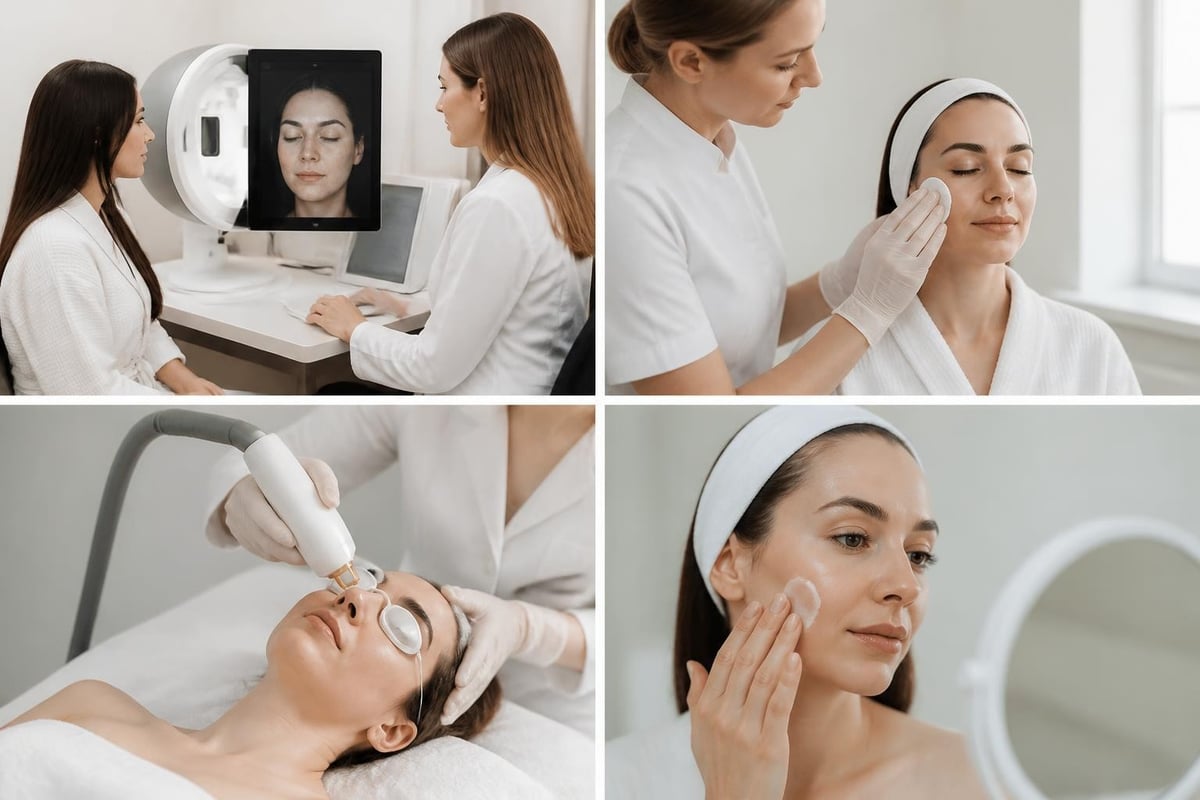
Laser treatments for hyperpigmentation typically take fifteen to forty-five minutes depending on the treatment area size. Most patients describe the sensation as similar to a rubber band snapping against the skin.
Topical numbing cream is often applied thirty minutes before treatment to minimize discomfort. Some lasers incorporate cooling mechanisms that make the procedure more comfortable.
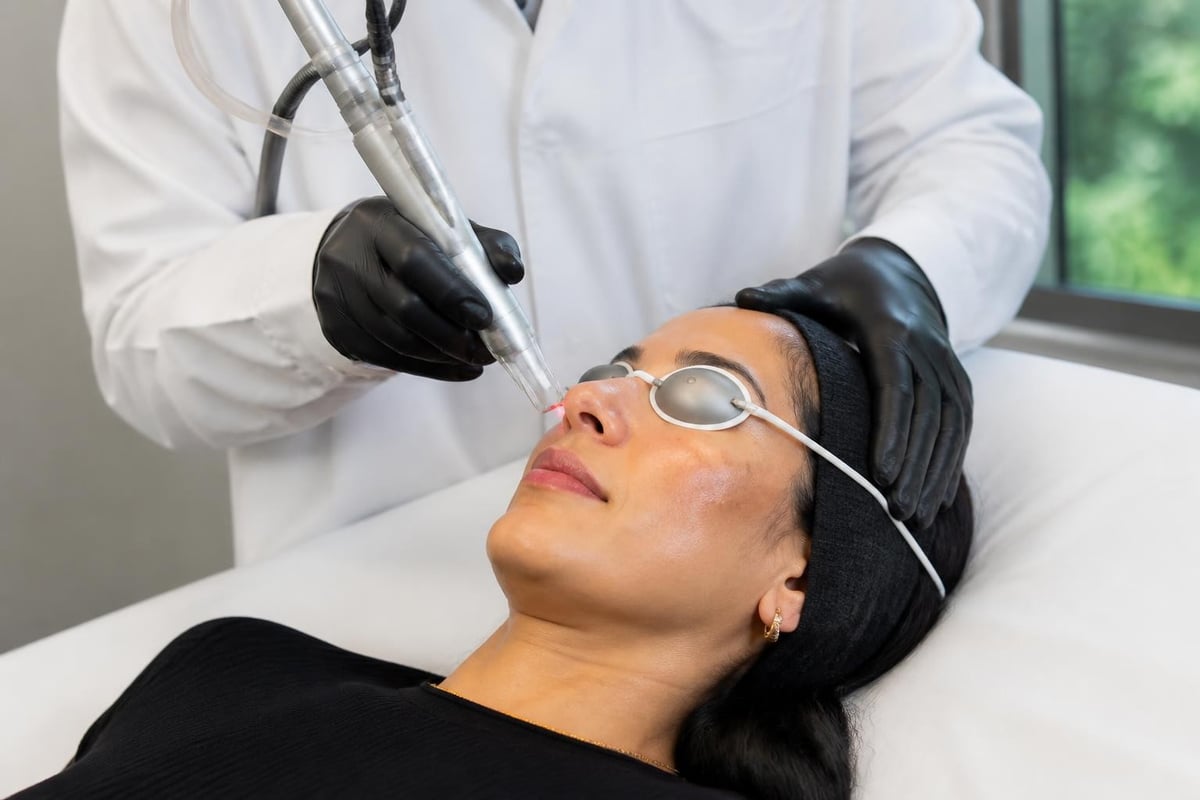
You'll wear protective eyewear throughout the session while your practitioner systematically treats pigmented areas. The laser settings will be adjusted based on your skin's response and the specific areas being treated.
Post-Treatment Care and Recovery
Proper aftercare determines both your comfort during healing and the quality of your final results. Following your practitioner's instructions carefully prevents complications and optimizes outcomes.
Immediate Post-Treatment Period
Expect some redness and slight swelling immediately after treatment, similar to mild sunburn. Treated pigmented areas may darken initially before gradually lightening over the following weeks.
Apply ice packs for fifteen minutes every few hours during the first twenty-four hours to reduce inflammation. Keep skin moisturized with gentle, fragrance-free products recommended by your practitioner.
Recovery timeline varies by laser type:
- Picosecond lasers: 2-4 days of mild redness
- Q-switched lasers: 5-7 days with possible crusting
- Fractional lasers: 3-5 days of redness and roughness
- IPL: 1-3 days of minimal visible side effects
Avoid makeup for at least twenty-four hours, and choose mineral-based products when you resume to minimize irritation risk.
Long-Term Maintenance and Sun Protection
Sun protection becomes non-negotiable after laser treatment for hyperpigmentation. UV exposure can trigger melanocyte activity, potentially reversing your results or creating new pigmentation.
Apply broad-spectrum SPF 50 sunscreen every two hours when outdoors, and wear wide-brimmed hats and UV-protective clothing. Many practitioners recommend mineral sunscreens containing zinc oxide or titanium dioxide for their gentle, non-irritating formulations.
Maintenance treatments help sustain results, with most patients benefiting from annual touch-up sessions. Combining laser treatments with quality skincare services and professional treatments extends the longevity of your improvements.
Potential Risks and Side Effects
While generally safe when performed by qualified professionals, laser treatments carry some risks that vary based on skin type and the specific technology used.
Common Side Effects
Temporary redness, swelling, and sensitivity affect most patients to some degree. These typically resolve within days to a week and respond well to gentle skincare and sun avoidance.
Crusting or scabbing may occur, particularly with more aggressive treatments. Never pick at these areas, as doing so increases scarring risk and may worsen pigmentation.
Some patients experience temporary textural changes or mild acne breakouts as skin renews itself. These effects generally resolve spontaneously within two to four weeks.
Serious Complications to Monitor
Paradoxical hyperpigmentation represents the most concerning complication, particularly for individuals with darker skin tones. This occurs when laser energy stimulates melanocytes to produce more pigment rather than less.
Choosing a practitioner experienced with your skin type dramatically reduces this risk. Conservative treatment parameters and proper pre-treatment preparation also help prevent this complication.
Hypopigmentation, or lightening beyond the original skin tone, can occur with overly aggressive treatments. This change may be permanent and proves difficult to correct.
Scarring remains rare but possible, especially if post-treatment instructions aren't followed carefully. Infection risk exists any time the skin barrier is compromised, making proper aftercare essential.
Cost Considerations and Treatment Expectations
Investment in laser treatment for hyperpigmentation varies widely based on technology, treatment area, and number of sessions required. Understanding these financial considerations helps you plan appropriately.
Pricing Factors
Newer technologies like picosecond lasers typically command higher per-session fees than established options like Q-switched devices. However, fewer required sessions may make them cost-competitive overall.
Treatment area size significantly impacts pricing, with full-face treatments costing more than spot treatments for isolated areas. Geographic location and practitioner experience also influence costs.
| Treatment Type | Cost Per Session | Typical Sessions | Total Investment |
|---|---|---|---|
| Picosecond Laser | $500-$800 | 3-4 | $1,500-$3,200 |
| Q-Switched Laser | $300-$600 | 4-6 | $1,200-$3,600 |
| Fractional Laser | $600-$1,200 | 4-6 | $2,400-$7,200 |
| IPL | $300-$500 | 4-5 | $1,200-$2,500 |
Most practices offer package pricing that reduces the per-session cost when you commit to a full treatment series upfront.
Realistic Timeline and Results
Patience proves essential when treating hyperpigmentation with lasers. While some improvement appears within weeks, full results typically develop over three to six months as your body gradually eliminates fragmented pigment.
Multiple sessions spaced four to six weeks apart allow your skin to heal between treatments while progressively breaking down pigmentation. Rushing this process with treatments too close together increases complication risks without improving outcomes.
Individual factors affecting your timeline include pigmentation depth, skin type, age, and overall health. Hormonal influences, particularly in melasma cases, may require ongoing maintenance to prevent recurrence.
When searching for the best laser treatment for hyperpigmentation, understanding these variables helps you set appropriate expectations and choose the right provider for your needs. Professional assessment at a qualified clinic ensures you receive treatment recommendations based on your unique situation rather than a one-size-fits-all approach.
Combining Laser Treatment with Other Modalities
Many practitioners recommend integrating laser therapy with complementary treatments for optimal hyperpigmentation correction. This comprehensive approach addresses multiple aspects of pigmentation simultaneously.
Topical Treatments and Chemical Peels
Prescription-strength tyrosinase inhibitors work synergistically with laser treatments by preventing new pigment formation while lasers eliminate existing deposits. This combination approach often delivers superior results to either treatment alone.
Chemical peels performed between laser sessions help remove superficial pigmentation and improve overall skin tone. Medium-depth peels containing TCA or glycolic acid can enhance laser penetration and effectiveness.
Professional facials for hyperpigmentation provide additional support for laser treatments through gentle exfoliation and targeted serum delivery.
Medical-Grade Skincare Products
Incorporating ingredients like vitamin C, niacinamide, and azelaic acid into your daily routine supports laser treatment outcomes. These ingredients provide antioxidant protection, brighten skin tone, and help maintain results long-term.
Retinoids increase cell turnover, helping fade residual pigmentation between laser sessions. However, timing their use carefully around treatment dates prevents excessive skin sensitivity.
Growth factors and peptides support skin healing after laser procedures while promoting collagen production for improved overall skin quality. Your practitioner can recommend specific products formulated to work alongside your laser treatment protocol.
Finding the best laser treatment for hyperpigmentation requires understanding how different technologies address various pigmentation types and working with experienced professionals who can customize treatment to your unique needs. Results depend on choosing appropriate laser parameters, following pre- and post-treatment protocols carefully, and maintaining outcomes with sun protection and quality skincare. The expert team at New Skin Laser Clinic uses state-of-the-art laser technology to create personalized treatment plans that deliver safe, effective results for all skin types, helping Toronto clients achieve the clear, even-toned complexion they desire.