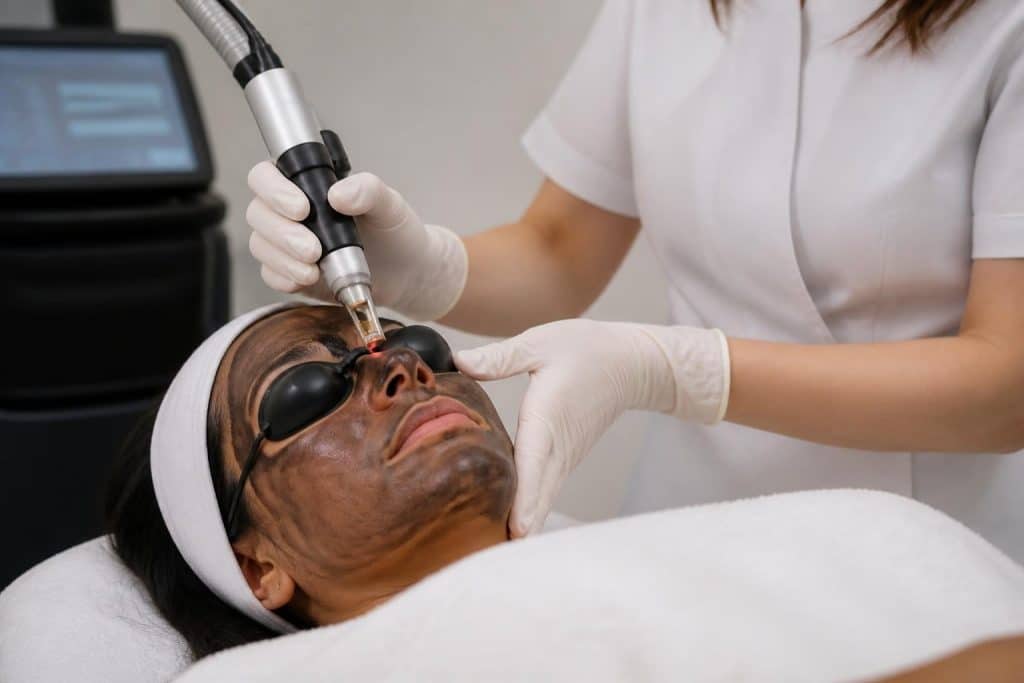
Pigmentation concerns affect millions of people worldwide, manifesting as dark spots, melasma, freckles, and uneven skin tone that can significantly impact confidence and appearance. Among the advanced treatment options available in 2026, carbon laser for pigmentation has emerged as a powerful solution that combines cutting-edge technology with proven results. This non-invasive procedure uses a specialized carbon lotion and laser energy to target melanin deposits, offering patients a path to clearer, more radiant skin without extensive downtime. Understanding how this treatment works, what to expect, and who makes an ideal candidate can help you make informed decisions about your skincare journey.
Understanding Carbon Laser Technology
The carbon laser for pigmentation treatment operates on a sophisticated principle that differentiates it from traditional laser procedures. The process begins with the application of a medical-grade carbon lotion to the treatment area, which penetrates deep into pores and adheres to dead skin cells and pigmented areas.
When the laser passes over the skin, it specifically targets the carbon particles. The laser energy is attracted to the carbon, creating a controlled thermal reaction that:
- Destroys the carbon particles along with attached debris
- Breaks down melanin clusters responsible for dark spots
- Stimulates collagen production in deeper skin layers
- Removes the outermost layer of damaged skin cells
How the Treatment Targets Pigmentation
The effectiveness of carbon laser for pigmentation lies in its dual-action mechanism. First, the carbon acts as a photoenhancer, absorbing laser light more efficiently than surrounding tissue. This selective absorption ensures that the laser energy concentrates precisely where pigmentation exists, minimizing damage to healthy skin.
Second, the thermal energy generated during treatment triggers the body's natural healing response. This process encourages cellular turnover and brings fresh, unpigmented cells to the surface while gradually fading existing dark spots.
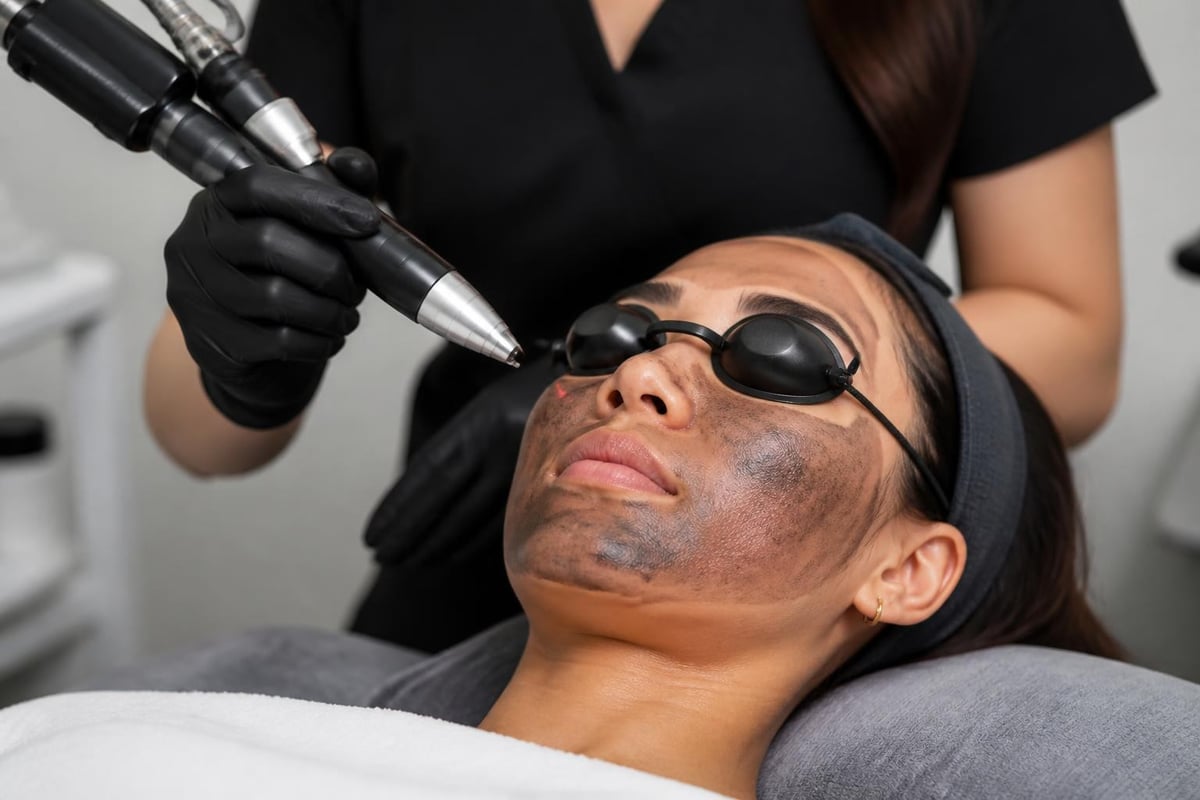
Research has shown that this approach can be particularly effective for various pigmentation types. Guidelines for carbon dioxide laser use in dermatology have established protocols that maximize safety while delivering optimal results for patients with pigmentation concerns.
Types of Pigmentation Treated
Carbon laser for pigmentation addresses multiple skin concerns, making it a versatile option for patients seeking comprehensive improvement. The treatment proves effective for several common conditions that affect skin appearance and uniformity.
Melasma and Hormonal Pigmentation
Melasma presents as brown or gray-brown patches, typically on the face, and often results from hormonal changes during pregnancy or from sun exposure. Carbon laser treatments can significantly reduce the appearance of melasma by breaking down excess melanin deposits in affected areas.
Studies examining carbon dioxide laser-assisted delivery of active ingredients for melasma demonstrate enhanced outcomes when combining laser technology with targeted serums, offering patients even more effective treatment protocols.
Sun Damage and Age Spots
Years of UV exposure create localized areas of hyperpigmentation known as sunspots or age spots. These typically appear on the hands, face, shoulders, and décolletage. The precision of carbon laser for pigmentation makes it ideal for targeting these discrete areas without affecting surrounding healthy tissue.
Post-Inflammatory Hyperpigmentation
Following acne breakouts, injuries, or other skin trauma, some individuals develop darker patches in previously affected areas. This post-inflammatory hyperpigmentation can persist for months or years without treatment.
| Pigmentation Type | Treatment Sessions Typically Needed | Expected Improvement Timeline |
|---|---|---|
| Melasma | 4-6 sessions | 8-12 weeks |
| Sun Spots | 3-5 sessions | 6-10 weeks |
| Post-Inflammatory | 4-6 sessions | 8-14 weeks |
| Freckles | 2-4 sessions | 4-8 weeks |
The effectiveness of carbon laser treatments for various pigmentation types has been documented across diverse patient populations, showing consistent improvement when treatment protocols are properly followed.
The Treatment Process
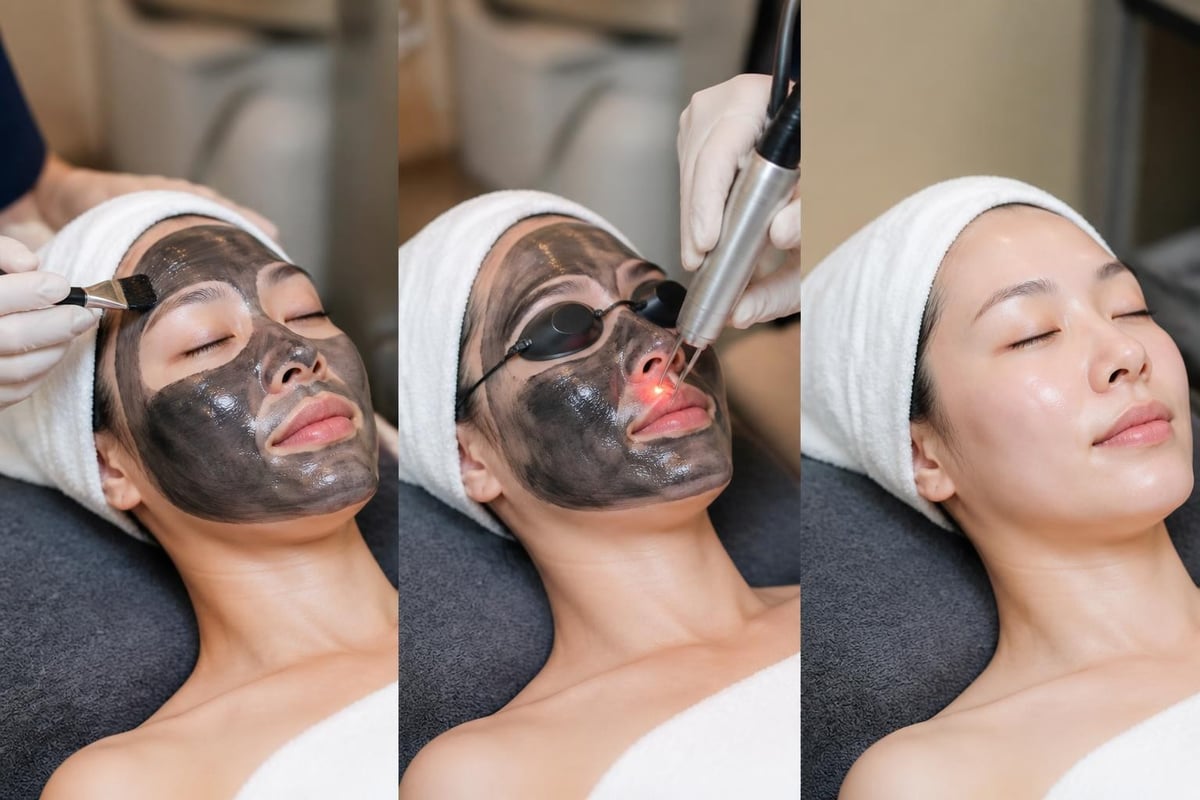
Understanding what happens during a carbon laser for pigmentation session helps patients prepare mentally and physically for the experience. The procedure typically follows a structured sequence designed to maximize results while ensuring comfort and safety.
Pre-Treatment Preparation:
- Skin is thoroughly cleansed to remove makeup, oils, and debris
- Medical-grade carbon lotion is applied evenly across treatment areas
- The carbon is allowed to dry for 5-10 minutes, penetrating pores
- Protective eyewear is provided to shield eyes from laser light
During the Session
The actual laser treatment takes approximately 20-30 minutes, depending on the size of the treatment area. Patients typically describe the sensation as a slight tingling or warmth, with some experiencing a snapping feeling as the laser pulses across the skin.
The practitioner systematically covers the entire treatment zone, often making multiple passes to ensure complete carbon activation. You may hear popping sounds and notice a slight sulfur smell as the carbon particles are vaporized.
Post-Treatment Care:
- Immediate cooling gel application to soothe skin
- Gentle cleanser provided for home use
- Broad-spectrum SPF 50+ sunscreen application
- Detailed aftercare instructions for optimal healing
Most patients experience mild redness for 1-3 hours following treatment, with some noticing a slight darkening of pigmented areas before they begin to fade. This temporary reaction indicates the treatment is working as melanin rises to the surface before sloughing off.
Ideal Candidates and Considerations
Not everyone makes an equally suitable candidate for carbon laser for pigmentation treatments. Understanding eligibility factors helps ensure safe, effective outcomes while managing realistic expectations.
Best Candidates Include:
- Individuals with Fitzpatrick skin types I-IV seeking pigmentation reduction
- Patients with realistic expectations about gradual improvement
- Those committed to sun protection during and after treatment
- People without active infections or inflammation in treatment areas
- Patients not using photosensitizing medications
Special Considerations for Melanin-Rich Skin
Patients with darker skin tones require specialized protocols to minimize risks. Expert guidance on laser treatments for melanin-rich skin emphasizes the importance of selecting appropriate laser settings and experienced practitioners who understand how to adjust parameters for different skin types.
Research addressing optimization of laser treatments for pigmented scars in skin of color provides valuable insights into customizing carbon laser for pigmentation protocols to maximize safety while achieving desired results across diverse patient populations.
Who Should Avoid Treatment
Certain conditions or circumstances make carbon laser for pigmentation inadvisable:
- Pregnancy or breastfeeding
- Active skin infections or open wounds
- Recent isotretinoin use (within 6 months)
- History of keloid scarring
- Unrealistic expectations about immediate results
Treatment Frequency and Results Timeline
Achieving optimal results with carbon laser for pigmentation requires patience and adherence to recommended treatment schedules. Unlike some procedures that promise instant transformation, this approach works gradually to create lasting improvement.
Recommended Treatment Schedule
Most patients benefit from a series of treatments spaced 2-4 weeks apart. This interval allows skin to heal completely between sessions while maintaining momentum in pigmentation reduction.
Typical Treatment Plan:
- Initial consultation and skin assessment
- First treatment session establishing baseline
- Follow-up sessions every 3-4 weeks
- Mid-series evaluation at session 3
- Final treatments completing the series
- Maintenance sessions every 3-6 months
What to Expect Over Time
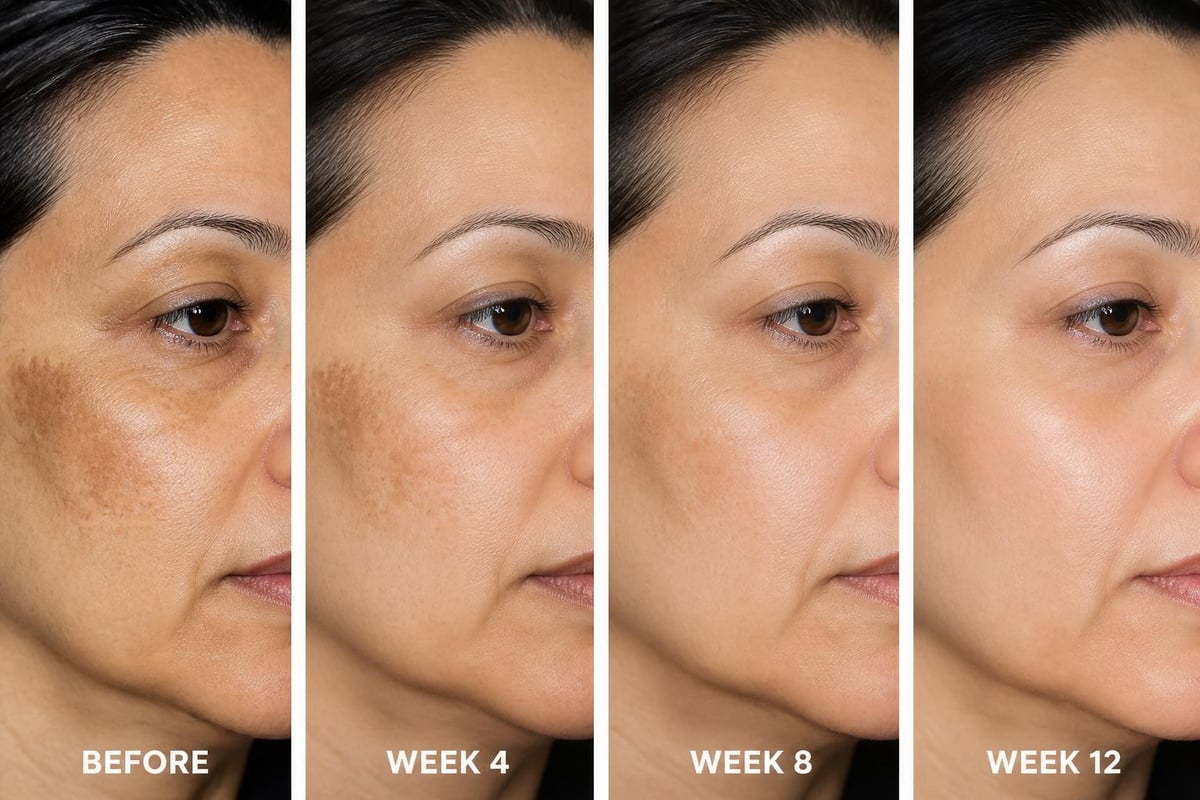
Results from carbon laser for pigmentation accumulate progressively. Patients typically notice initial improvements after 2-3 treatments, with more dramatic changes becoming apparent by sessions 4-5.
Week-by-Week Progress:
- Weeks 1-2: Minimal visible change, skin texture refinement
- Weeks 4-6: Lightening of pigmented areas begins
- Weeks 8-10: Significant reduction in darker spots
- Weeks 12-16: Continued fading and tone evening
Research evaluating patient satisfaction with carbon laser treatments indicates high levels of contentment when expectations are properly set and treatment protocols are followed consistently.
Safety Profile and Potential Side Effects
Carbon laser for pigmentation maintains an excellent safety record when performed by qualified practitioners using appropriate protocols. However, understanding potential side effects helps patients make informed decisions and recognize normal versus concerning reactions.
Common Temporary Effects
Most side effects resolve within hours to days and include:
- Mild redness lasting 2-6 hours
- Slight skin tightness or dryness
- Temporary darkening of treated pigmentation
- Minor flaking as skin exfoliates naturally
Rare but Possible Complications
While uncommon, some patients may experience:
| Complication | Frequency | Prevention Strategy |
|---|---|---|
| Post-inflammatory hyperpigmentation | 2-5% | Proper laser settings, sun protection |
| Hypopigmentation | 1-3% | Conservative treatment approach |
| Prolonged redness | 1-2% | Appropriate cooling, gentle skincare |
| Infection | <1% | Sterile technique, proper aftercare |
Studies examining prevention of post-inflammatory hyperpigmentation following laser treatments provide valuable insights into minimizing adverse effects through proper patient selection, treatment parameter adjustment, and comprehensive aftercare protocols.
Comparing Carbon Laser to Alternative Treatments
Understanding how carbon laser for pigmentation compares to other available options helps patients select the most appropriate solution for their specific needs, skin type, and lifestyle considerations.
Carbon Laser vs. Chemical Peels
Chemical peels use acids to exfoliate skin and reduce pigmentation, while carbon laser treatments employ light energy for similar purposes. Carbon laser offers more precision in targeting specific areas and typically involves less peeling and downtime than medium to deep chemical peels.
Carbon Laser vs. Topical Treatments
Prescription creams containing hydroquinone, retinoids, or vitamin C can gradually fade pigmentation over several months. While these prove effective for mild cases, carbon laser for pigmentation delivers more dramatic results in a shorter timeframe for moderate to severe concerns.
Treatment Comparison:
- Carbon Laser: Fast results, professional treatment, moderate cost
- Chemical Peels: Variable depth options, predictable peeling, moderate cost
- Topical Creams: Gradual improvement, daily application, lower cost
- IPL Therapy: Broader coverage, multiple concerns addressed, similar cost
Combination Approach Benefits
Many practitioners recommend integrating carbon laser for pigmentation with complementary treatments for enhanced outcomes. This might include alternating laser sessions with gentle peels or incorporating targeted serums between appointments to maintain and amplify results.
Maximizing and Maintaining Results
Achieving beautiful results with carbon laser for pigmentation represents only half the equation. Implementing proper maintenance strategies ensures improvements last while protecting skin from future damage.
Essential Sun Protection
UV exposure remains the primary cause of pigmentation development and recurrence. Patients must commit to rigorous sun protection including:
- Daily broad-spectrum SPF 50+ application
- Reapplication every 2 hours during sun exposure
- Protective clothing including wide-brimmed hats
- Seeking shade during peak UV hours (10 AM to 4 PM)
Supportive Skincare Routine
Building an effective home care regimen supports and extends carbon laser for pigmentation results:
- Gentle, non-irritating cleanser morning and evening
- Antioxidant serum (vitamin C or E) to combat free radicals
- Hydrating moisturizer to support skin barrier function
- Retinol or retinoid at night to promote cell turnover
- Consistent sunscreen application every morning
Maintenance Treatment Schedule
Even after completing an initial treatment series, periodic maintenance sessions help preserve results. Most patients benefit from:
- Single maintenance treatment every 3-4 months
- Seasonal treatments before high sun exposure periods
- Touch-up sessions as needed for new pigmentation
Comparing different laser types for treating pigmentation reveals that carbon laser treatments offer unique advantages in terms of versatility and applicability across various pigmentation concerns.
Cost Considerations and Value Assessment
Investing in carbon laser for pigmentation requires understanding both immediate costs and long-term value. While pricing varies based on location, provider expertise, and treatment area size, most patients find the investment worthwhile when considering lasting results.
Factors Affecting Treatment Cost
Several variables influence the total investment required:
- Geographic location and local market rates
- Provider credentials and experience level
- Treatment area size and complexity
- Number of sessions needed for desired results
- Inclusion of complementary treatments or products
Average Investment Ranges (2026):
| Treatment Package | Typical Cost Range | Sessions Included |
|---|---|---|
| Single Session | $200-$400 | 1 treatment |
| Starter Series | $750-$1,200 | 3 treatments |
| Complete Series | $1,400-$2,400 | 6 treatments |
| Annual Maintenance | $600-$1,000 | 3-4 treatments |
Value Beyond Price
When evaluating carbon laser for pigmentation costs, consider the broader value proposition including reduced need for expensive corrective makeup, improved confidence in personal and professional settings, and prevention of future pigmentation development through proactive treatment.
Choosing the Right Provider
The success of carbon laser for pigmentation treatments depends heavily on provider expertise, facility standards, and equipment quality. Selecting the right practitioner ensures safe, effective outcomes while minimizing complication risks.
Essential Qualifications to Verify
Look for providers who demonstrate:
- Proper licensing and certification in aesthetic laser treatments
- Extensive experience treating pigmentation specifically
- Portfolio of before-and-after photos from actual patients
- Comprehensive consultation process addressing individual concerns
- Modern, well-maintained laser equipment from reputable manufacturers
Questions to Ask During Consultation
Prepare for your initial appointment by gathering information about:
- How many carbon laser for pigmentation treatments has the provider performed?
- What specific laser technology and settings will be used for your skin type?
- What realistic results can you expect based on your pigmentation type?
- What is the complete treatment plan including number of sessions?
- How does the provider handle potential complications or unsatisfactory results?
Red Flags to Watch For
Certain warning signs suggest you should continue your search:
- Unwillingness to provide references or before-and-after photos
- Pressure to purchase multiple treatments immediately
- Guarantees of specific results or "miracle" outcomes
- Lack of thorough skin assessment before recommending treatment
- Significantly lower prices than area competitors without explanation
Selecting a reputable provider with proven expertise in carbon laser for pigmentation ensures you receive personalized care tailored to your unique skin characteristics and aesthetic goals.
Carbon laser for pigmentation offers a scientifically-backed, effective solution for patients seeking to address melasma, sunspots, and uneven skin tone with minimal downtime and impressive results. The treatment combines advanced technology with proven protocols to deliver gradual, lasting improvement when performed correctly. If you're ready to explore how carbon laser treatments can transform your skin and restore your confidence, the expert team at New Skin Laser Clinic in Toronto provides personalized consultations and cutting-edge treatments designed to help you achieve your aesthetic goals. Schedule your consultation today to discover how our state-of-the-art technology and experienced estheticians can create a customized treatment plan for your unique skin concerns.