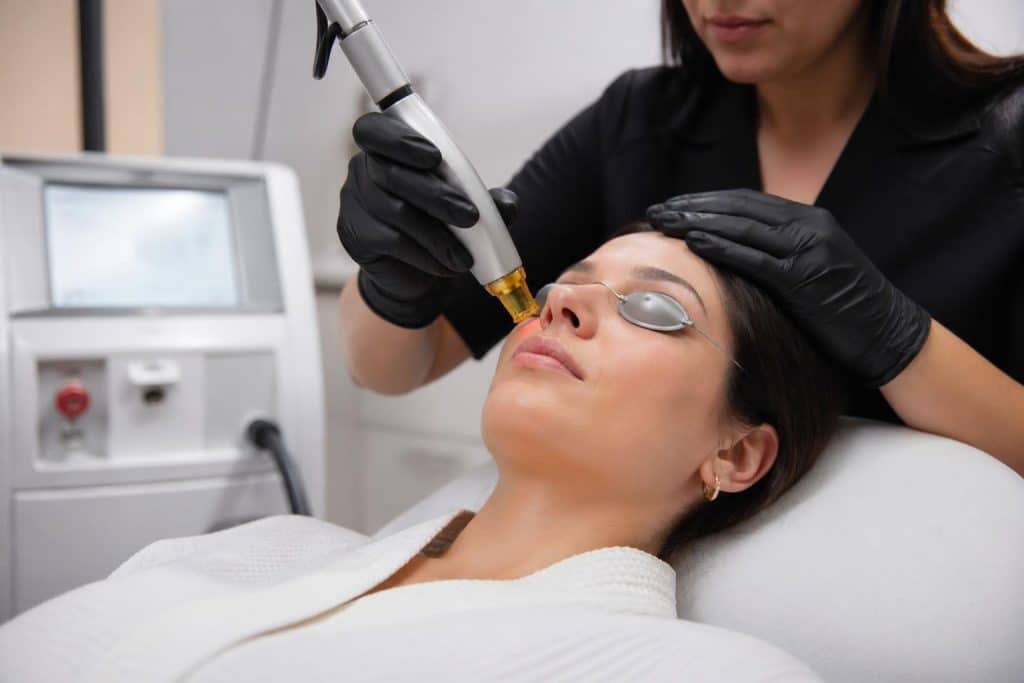
Pulsed dye laser therapy has revolutionized the treatment of vascular skin conditions, offering patients a non-invasive solution for concerns ranging from port-wine stains to stubborn rosacea. This advanced dermatological procedure uses concentrated light energy to target blood vessels beneath the skin's surface, delivering remarkable results with minimal downtime. As one of the most extensively researched laser treatments in aesthetic medicine, pulsed dye laser therapy continues to expand its applications, helping patients achieve clearer, more even-toned skin through a scientifically proven approach.
Understanding Pulsed Dye Laser Technology
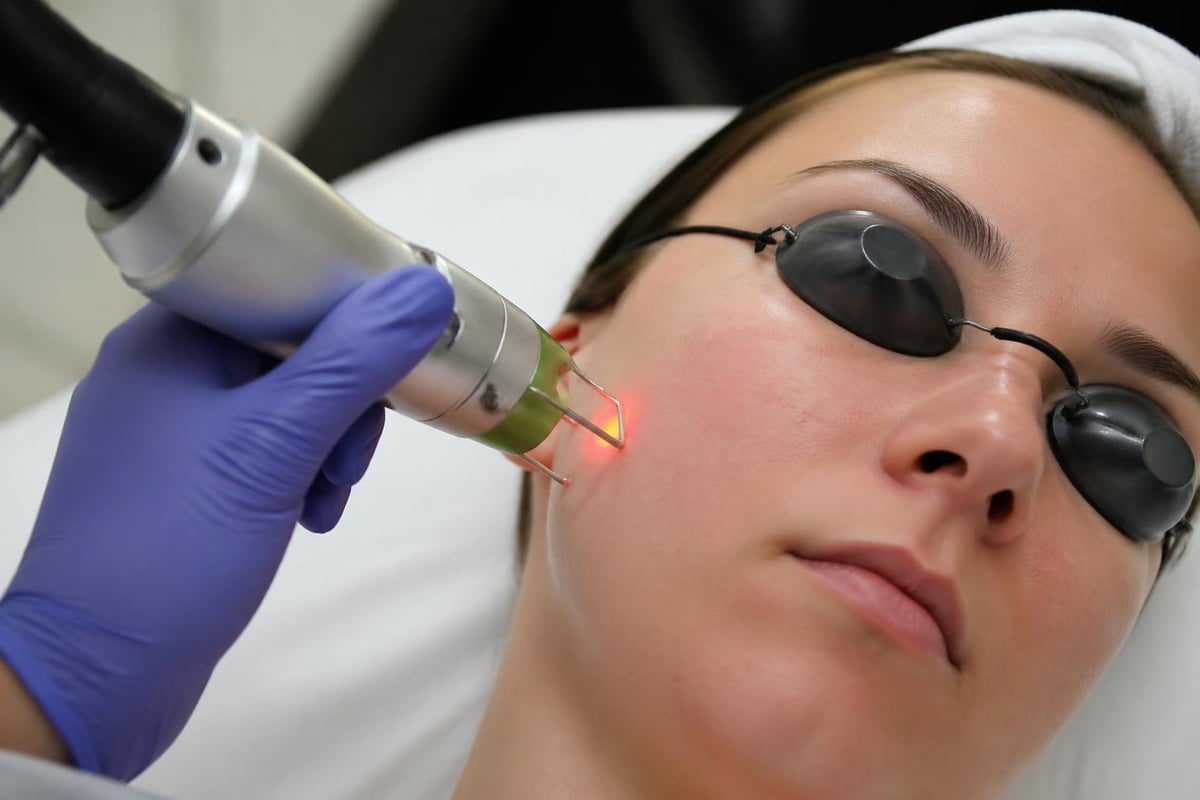
Pulsed dye laser therapy operates on the principle of selective photothermolysis, where specific wavelengths of light target chromophores in the skin without damaging surrounding tissue. The technology emits yellow light at wavelengths between 585-595 nanometers, which is preferentially absorbed by oxyhemoglobin in blood vessels.
When the laser energy is absorbed, it converts to heat, causing the targeted blood vessels to coagulate and eventually be reabsorbed by the body. This selective targeting makes pulsed dye laser therapy particularly effective for treating conditions involving abnormal or excessive blood vessels.
The Science Behind Treatment Efficacy
The pulsed delivery of laser energy is crucial to the treatment's success. By delivering energy in short bursts measured in milliseconds, the laser can heat blood vessels rapidly while allowing surrounding tissue to remain cool. This mechanism minimizes collateral damage and reduces the risk of scarring.
Modern pulsed dye laser systems incorporate dynamic cooling devices that spray cryogen onto the skin immediately before each pulse. This protective measure further reduces discomfort and protects the epidermis from thermal injury while allowing effective treatment of deeper vascular structures.
Primary Treatment Applications
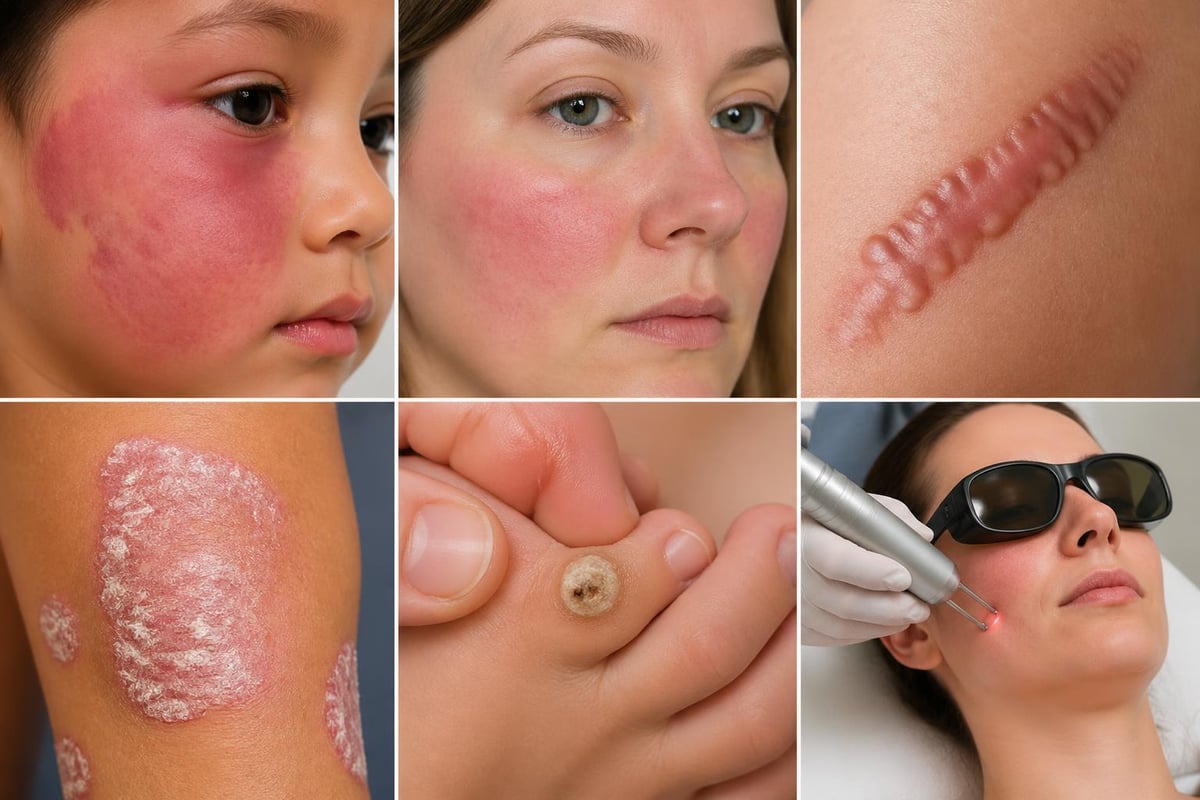
Pulsed dye laser therapy addresses an extensive range of dermatological conditions, with research demonstrating efficacy across both vascular and nonvascular lesions. The versatility of this treatment modality has made it a cornerstone of modern aesthetic dermatology.
Vascular Lesions and Birthmarks
The most established application involves treating vascular birthmarks, particularly port-wine stains. These congenital malformations respond exceptionally well to pulsed dye laser therapy, with most patients experiencing significant lightening after multiple treatment sessions.
- Port-wine stains: Progressive fading with serial treatments
- Hemangiomas: Reduction in size and color intensity
- Spider veins: Elimination of facial telangiectasias
- Cherry angiomas: Complete removal of benign growths
Rosacea and Facial Redness
Patients struggling with persistent facial redness and rosacea often find relief through pulsed dye laser therapy. The treatment targets the dilated blood vessels responsible for flushing and visible redness, providing long-lasting improvement in skin appearance.
The procedure can address both the erythema (redness) and visible blood vessels associated with rosacea subtypes. Many patients report reduced frequency of flare-ups following a series of treatments, along with improved skin texture.
Treatment Protocol and Patient Experience
Understanding what to expect during pulsed dye laser therapy helps patients prepare mentally and physically for their treatment sessions. The procedure follows a standardized protocol designed to maximize results while ensuring patient comfort.
Pre-Treatment Preparation
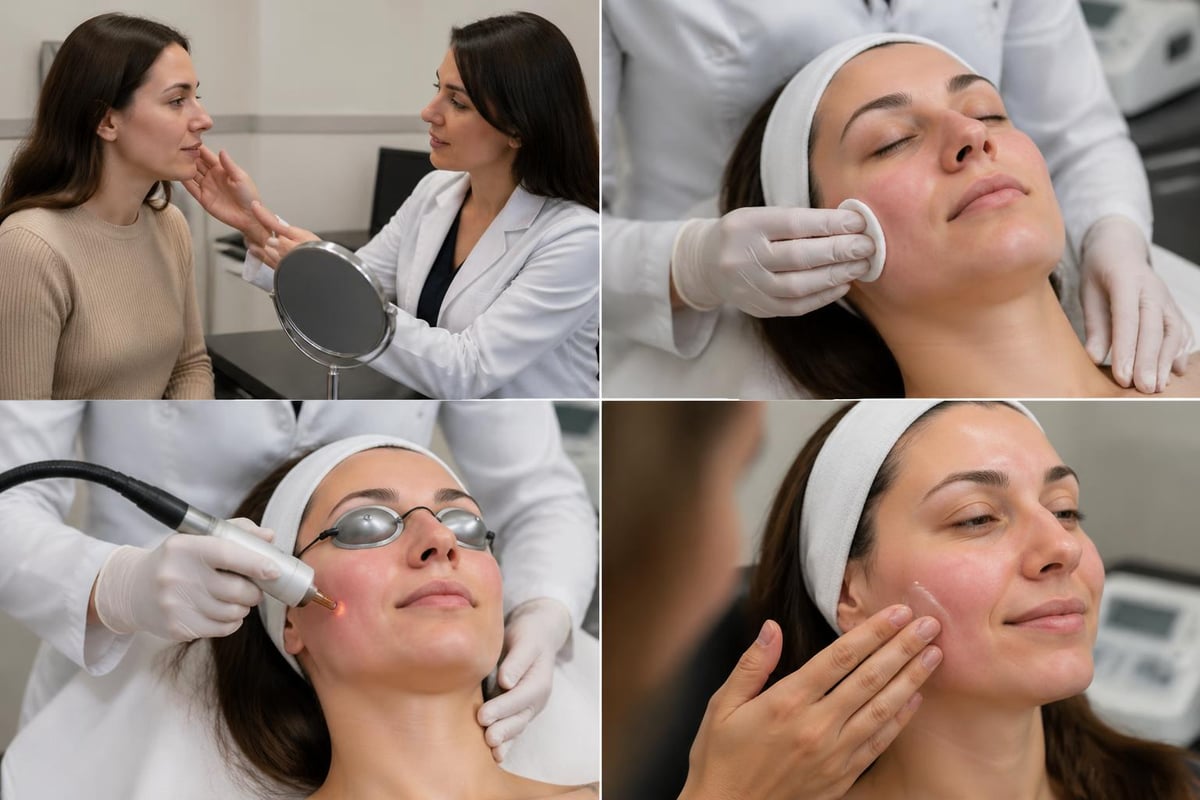
Before beginning pulsed dye laser therapy, patients undergo a comprehensive consultation to assess skin type, medical history, and treatment goals. This evaluation determines appropriate laser settings and establishes realistic expectations.
Preparation steps include:
- Avoiding sun exposure for 4-6 weeks prior to treatment
- Discontinuing certain medications that increase photosensitivity
- Stopping retinoid products one week before the session
- Arriving with clean, makeup-free skin on treatment day
During the Treatment Session
The actual treatment typically takes 15-30 minutes, depending on the size of the area being treated. Patients often describe the sensation as similar to a rubber band snapping against the skin, with the cooling device providing immediate relief.
| Treatment Phase | Duration | Patient Experience |
|---|---|---|
| Skin preparation | 5 minutes | Cleansing and marking treatment area |
| Laser application | 10-20 minutes | Brief stinging with each pulse |
| Post-treatment care | 5 minutes | Cooling gel application |
The number of pulses delivered varies based on the condition being treated and the treatment area size. Clinical studies have established optimal treatment parameters for different skin conditions, guiding practitioners in customizing each session.
Post-Treatment Care and Recovery
Following pulsed dye laser therapy, proper aftercare significantly influences treatment outcomes and minimizes potential side effects. The recovery process is generally straightforward, with most patients resuming normal activities immediately.
Immediate Aftermath
Purpura, a temporary purple or red discoloration, commonly appears in the treated area. This expected response indicates the treatment effectively targeted blood vessels and typically resolves within 7-14 days. Modern laser settings can sometimes minimize purpura intensity, though this may require additional treatment sessions.
Patients should expect mild swelling and a sunburn-like sensation for 24-48 hours following the procedure. These symptoms respond well to cold compresses and over-the-counter pain relievers.
Long-Term Care Recommendations
- Apply broad-spectrum sunscreen (SPF 30+) daily
- Avoid harsh skincare products for one week
- Keep treated area moisturized with gentle, fragrance-free products
- Refrain from picking at any crusting or scabbing
- Schedule follow-up appointments as recommended
Effectiveness for Scar Treatment
Beyond vascular conditions, pulsed dye laser therapy has proven effective for improving various types of scarring. The treatment modulates the wound healing process and reduces the redness and thickness associated with problematic scars.
Hypertrophic and Keloid Scars
Research indicates that pulsed dye laser therapy can flatten raised scars and reduce their redness significantly. The laser targets the excessive blood vessel formation within hypertrophic and keloid scars, interrupting the abnormal healing cycle that perpetuates their growth.
Treatment typically requires 4-6 sessions spaced 6-8 weeks apart for optimal results. Patients often notice improved texture and decreased discomfort from previously painful or itchy scars.
Acne Scarring
For certain types of acne scarring, particularly those with a vascular component, pulsed dye laser therapy offers noticeable improvement. The treatment addresses the redness and inflammation associated with active acne while promoting collagen remodeling in scarred areas.
| Scar Type | Expected Improvement | Sessions Required |
|---|---|---|
| Fresh surgical scars | 50-75% reduction in redness | 2-4 treatments |
| Hypertrophic scars | 40-60% flattening | 4-6 treatments |
| Acne scars (vascular) | 30-50% improvement | 3-5 treatments |
Advanced Applications in Dermatology
The therapeutic applications of pulsed dye laser therapy extend beyond traditional vascular conditions. Research has explored its efficacy for inflammatory skin diseases, revealing promising results for conditions previously thought outside the scope of laser treatment.
Psoriasis Management
Localized psoriasis plaques respond favorably to pulsed dye laser therapy, with studies demonstrating significant reduction in plaque thickness and scaling. The laser targets the dilated blood vessels feeding psoriatic lesions, reducing inflammation and slowing the accelerated skin cell turnover characteristic of the condition.
This targeted approach allows treatment of specific plaques without systemic medication side effects. Patients with resistant plaques on elbows, knees, or scalp may particularly benefit from this intervention.
Wart Removal
Resistant viral warts, including common and plantar warts, can be effectively treated with pulsed dye laser therapy. The laser destroys the blood vessels supplying the wart, causing it to necrose and eventually fall off. This approach often succeeds where traditional treatments have failed.
Safety Profile and Contraindications
Pulsed dye laser therapy maintains an excellent safety record when performed by trained professionals using appropriate parameters for each patient's skin type and condition. Understanding potential contraindications ensures optimal outcomes and minimizes complications.
Ideal Candidates
The treatment works best for individuals with lighter skin tones (Fitzpatrick types I-III), though advances in laser technology have expanded safe treatment to darker skin types with careful parameter adjustment. Comprehensive reviews of treatment outcomes help guide patient selection and expectation setting.
Ideal candidates include those with:
- Realistic expectations about results
- No active skin infections in treatment area
- Willingness to avoid sun exposure during treatment course
- No history of keloid scarring
- Stable overall health
Temporary Side Effects
Most side effects resolve spontaneously within days to weeks. Common reactions include purpura, swelling, crusting, and temporary hyperpigmentation. These effects are typically mild and well-tolerated by most patients.
Rare complications may include blistering, infection, or permanent pigment changes. Selecting an experienced provider and following post-treatment instructions minimizes these risks significantly.
Treatment Frequency and Long-Term Results
Achieving optimal results from pulsed dye laser therapy requires multiple treatment sessions spaced appropriately to allow healing and maximize therapeutic benefit. The number of sessions varies based on the condition being treated and individual response factors.
Typical Treatment Schedules
Most vascular conditions require 3-5 treatment sessions for significant improvement, while some conditions like port-wine stains may need 8-10 or more sessions. Treatments are typically spaced 6-8 weeks apart to allow the body to clear destroyed blood vessels and for the skin to heal completely.
Common treatment timelines:
- Rosacea: 2-4 sessions for visible improvement
- Port-wine stains: 8-12 sessions for maximum lightening
- Spider veins: 1-3 sessions for clearance
- Scars: 4-6 sessions for optimal remodeling
Maintenance and Durability
Results from pulsed dye laser therapy can be long-lasting, particularly for conditions like port-wine stains and telangiectasias. However, rosacea may require periodic maintenance treatments as new blood vessels can form over time in response to triggers.
Many patients find that annual or bi-annual maintenance sessions help preserve their results and address any new vascular lesions that develop. The effectiveness of pulsed dye laser treatment for long-term management has been well-documented in clinical practice.
Comparing Treatment Alternatives
While pulsed dye laser therapy represents the gold standard for many vascular conditions, understanding alternative treatments helps patients make informed decisions about their care. Each modality offers distinct advantages and limitations.
Intense Pulsed Light (IPL)
IPL devices emit broad-spectrum light rather than the focused wavelength of pulsed dye lasers. While less specific in targeting, IPL can treat larger areas more quickly and may be suitable for diffuse redness. However, pulsed dye laser therapy generally provides more predictable results for discrete vascular lesions.
Nd:YAG Lasers
These lasers penetrate deeper into the skin, making them effective for larger, deeper blood vessels. They work well for leg veins and may be preferred for darker skin tones. Pulsed dye lasers remain superior for superficial vascular lesions and conditions requiring precise targeting.
| Treatment Type | Best For | Typical Cost | Recovery Time |
|---|---|---|---|
| Pulsed dye laser | Superficial vessels, scars | $$$ | 7-14 days |
| IPL | Diffuse redness, large areas | $$ | 2-5 days |
| Nd:YAG laser | Deep vessels, dark skin | $$$ | 1-3 days |
Maximizing Treatment Outcomes
Success with pulsed dye laser therapy depends on multiple factors beyond the treatment itself. Patients who actively participate in their care and follow evidence-based recommendations typically achieve superior results.
Lifestyle Modifications
For conditions like rosacea, identifying and avoiding triggers enhances treatment effectiveness. Common triggers include alcohol, spicy foods, extreme temperatures, and stress. Maintaining a gentle skincare routine with non-irritating products supports the skin's healing process between sessions.
Sun protection cannot be overstated. UV exposure can trigger new blood vessel formation and cause hyperpigmentation in treated areas. Daily sunscreen application and sun-protective behaviors should become permanent habits.
Complementary Treatments
Combining pulsed dye laser therapy with other modalities can enhance results for certain conditions. For example, patients treating acne scars may benefit from alternating laser sessions with microneedling or chemical peels. Those addressing rosacea might incorporate topical medications to control inflammation between laser treatments.
The expert team at facilities specializing in advanced aesthetic treatments can develop comprehensive treatment plans that address multiple skin concerns simultaneously, optimizing both efficiency and outcomes.
Cost Considerations and Value
Investment in pulsed dye laser therapy varies based on treatment area size, number of sessions required, and geographic location. While costs represent a significant consideration, the long-term value and quality-of-life improvements often justify the investment.
Factors Affecting Treatment Cost
Price variables include:
- Size of treatment area
- Number of sessions needed
- Complexity of the condition
- Geographic location and facility overhead
- Provider experience and credentials
Most practices offer package pricing for multiple sessions, providing cost savings compared to individual treatment pricing. Some facilities also provide financing options to make treatments more accessible.
Evaluating Return on Investment
Beyond cosmetic improvement, successful pulsed dye laser therapy can reduce reliance on topical medications, minimize makeup usage to conceal redness, and improve psychological well-being. For children with port-wine stains, early treatment can prevent the psychosocial impact of visible birthmarks.
When considering the cumulative cost of temporary solutions versus the lasting results of laser treatment, many patients find pulsed dye laser therapy represents a sound investment in their appearance and confidence.
Pulsed dye laser therapy offers a proven, safe approach to treating vascular conditions, scarring, and various dermatological concerns with lasting results. Whether you're managing persistent rosacea, seeking to fade a birthmark, or improving scar appearance, this advanced technology provides a solution backed by decades of clinical research. The experienced estheticians at New Skin Laser Clinic in Toronto utilize state-of-the-art laser technology to deliver personalized pulsed dye laser treatments tailored to your unique skin concerns. Schedule a consultation today to discover how our expert team can help you achieve the clear, radiant complexion you deserve.