Finding effective solutions for skin discoloration has become increasingly accessible as laser technology continues to advance. When searching for "pigmentation laser near me," you're joining thousands of individuals seeking professional treatment for concerns like age spots, melasma, sun damage, and uneven skin tone. Understanding the available options, treatment approaches, and what to expect can help you make informed decisions about addressing your specific pigmentation concerns through advanced laser therapies.
Understanding Pigmentation and How Laser Treatment Works
Hyperpigmentation occurs when melanin production increases in specific areas of the skin, creating darker patches or spots that can affect confidence and appearance. Common triggers include sun exposure, hormonal changes, inflammation, and the natural aging process.
Laser treatments work by targeting concentrated melanin deposits with specific wavelengths of light energy. This energy breaks down excess pigment into smaller particles that your body naturally eliminates through its lymphatic system. Different laser technologies address various pigmentation types and depths within the skin layers.
The precision of modern laser systems allows practitioners to customize treatments based on:
- Pigmentation type and severity
- Skin tone and melanin content
- Treatment area location
- Desired downtime and recovery
- Budget and session requirements
Research has shown that advanced laser technologies continue to evolve, with newer systems offering improved safety profiles and efficacy for treating stubborn pigmentation conditions like melasma.
Types of Pigmentation Laser Treatments Available
When researching "pigmentation laser near me," you'll encounter several laser technologies, each designed for specific pigmentation concerns and skin types.
Q-Switched Lasers
Q-switched lasers deliver high-intensity energy in extremely short pulses, making them effective for breaking down pigment without excessive heat damage to surrounding tissue. These systems commonly use Nd:YAG (1064nm) or Alexandrite (755nm) wavelengths.
Best for: Sunspots, age spots, freckles, and post-inflammatory hyperpigmentation
Treatment sessions: Typically 3-6 sessions spaced 4-6 weeks apart
Downtime: Minimal to moderate, with temporary darkening before lightening
Picosecond Lasers
Picosecond technology represents the next generation of laser treatment, delivering energy in trillionths of a second. This ultra-short pulse duration creates a photoacoustic effect that shatters pigment more efficiently with less heat. Pico laser treatments have gained popularity for their rapid results and reduced recovery time.
Best for: Stubborn melasma, resistant pigmentation, combination concerns
Treatment sessions: Often 2-4 sessions with visible improvement after first treatment
Downtime: Minimal, with most patients returning to normal activities immediately
Fractional Lasers
Fractional laser systems create microscopic treatment zones while leaving surrounding tissue intact. This approach stimulates collagen production while addressing pigmentation concerns simultaneously.
| Laser Type | Pulse Duration | Wavelength Options | Ideal Candidates |
|---|---|---|---|
| Q-Switched | Nanoseconds | 532nm, 755nm, 1064nm | Light to medium skin tones |
| Picosecond | Picoseconds | 532nm, 755nm, 1064nm | All skin types |
| Fractional | Milliseconds | 1550nm, 1927nm | Aging skin with pigmentation |
| IPL | Milliseconds | 500-1200nm (broad) | Fair to medium skin tones |
Understanding which laser technologies work safely for different skin tones is crucial, particularly for individuals with melanin-rich complexions who require specialized expertise to avoid complications.
What to Expect During Your Pigmentation Laser Consultation
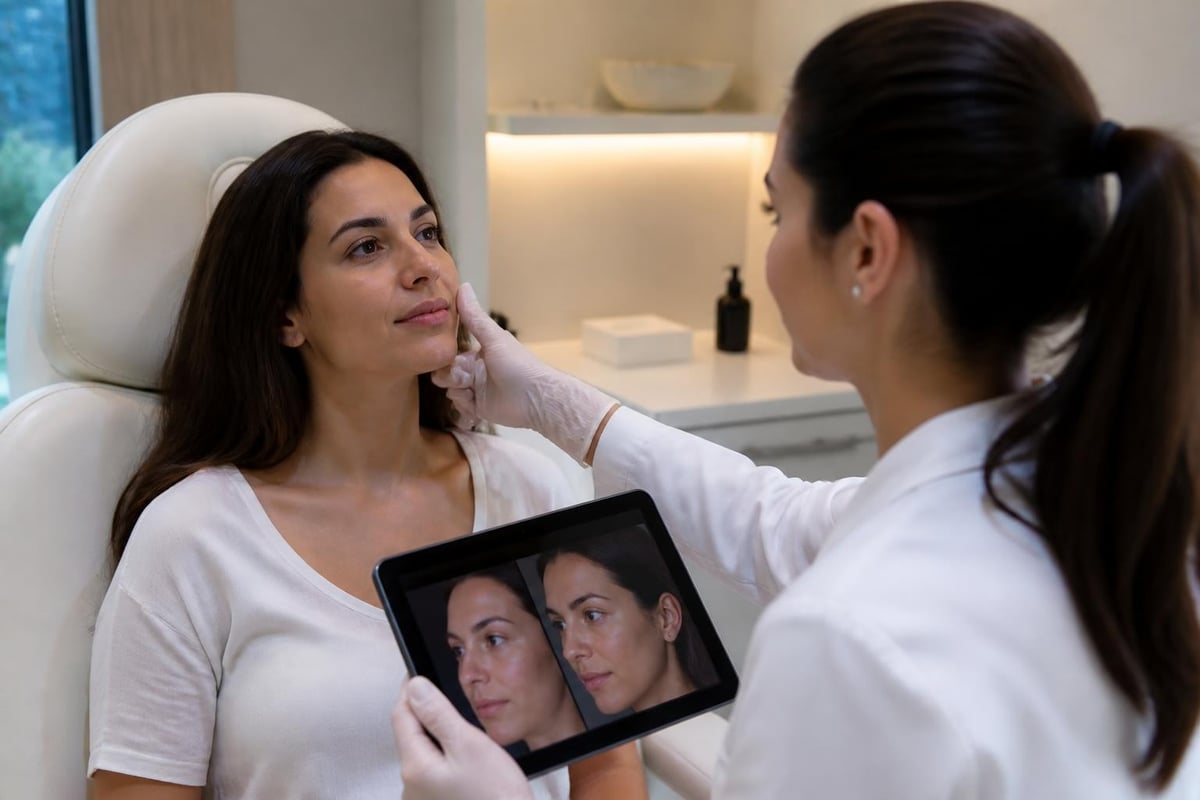
The consultation process represents a critical first step when searching for "pigmentation laser near me." A thorough evaluation ensures you receive appropriate treatment recommendations tailored to your specific needs.
During your initial appointment, expect comprehensive skin analysis including:
- Detailed medical history review covering medications, previous treatments, and sun exposure patterns
- Visual skin assessment using specialized lighting to identify pigmentation depth and type
- Fitzpatrick skin type classification to determine appropriate laser settings and protocols
- Photography documentation for tracking progress throughout your treatment journey
- Customized treatment plan development outlining expected sessions, costs, and timeline
Your practitioner should discuss realistic expectations, potential risks, and pre-treatment preparation requirements. Questions to ask during consultation include treatment alternatives, practitioner experience with your specific pigmentation concern, and success rates with similar cases.
Preparing for Your Pigmentation Laser Treatment
Proper preparation significantly impacts treatment safety and results. Most clinics provide detailed pre-treatment instructions when you schedule your pigmentation laser appointment.
Essential Pre-Treatment Steps
Sun Protection Protocol (4-6 weeks before):
Avoiding sun exposure and tanning beds minimizes complications and ensures optimal laser efficacy. Daily broad-spectrum SPF 50+ sunscreen application becomes non-negotiable during this period.
Skincare Adjustments (2-4 weeks before):
Discontinue retinoids, exfoliating acids, and potentially irritating products. Some practitioners recommend specific topical preparations to enhance treatment outcomes and support skin recovery.
Medication Review (1-2 weeks before):
Certain medications increase photosensitivity or bleeding risk. Inform your practitioner about all supplements and prescriptions, particularly antibiotics, NSAIDs, and hormonal treatments.
The day of treatment, arrive with clean, makeup-free skin. Avoid alcohol and excessive caffeine consumption, which can increase skin sensitivity and circulation.
The Treatment Experience and Recovery Process
Understanding what happens during and after your pigmentation laser session helps reduce anxiety and supports optimal healing.
During Treatment
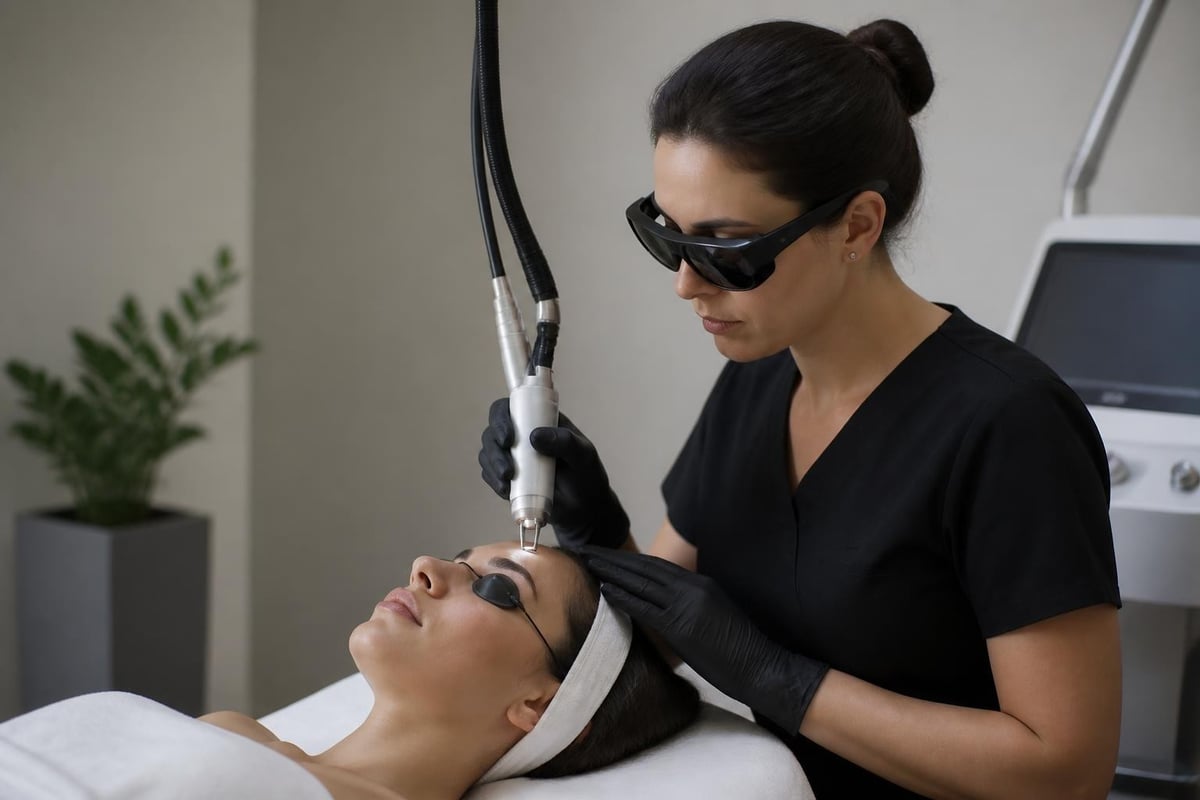
Most pigmentation laser procedures take 15-45 minutes depending on treatment area size. The experience typically involves:
- Topical numbing cream application (20-30 minutes before treatment)
- Protective eyewear to shield eyes from laser light
- Cool air or cryotherapy device to minimize discomfort
- Rhythmic laser pulses creating snapping or warm sensations
- Immediate cooling and soothing serum application
Many patients describe the sensation as tolerable, similar to small rubber band snaps against the skin.
Post-Treatment Recovery Timeline
Immediate (0-24 hours):
Redness, warmth, and mild swelling are normal. Apply prescribed healing ointments and avoid touching treated areas.
Days 2-7:
Pigmentation may initially darken before lightening-a normal response called "frosting" or "coffee ground" appearance. Gentle cleansing and moisturizing support healing.
Weeks 2-4:
Darkened pigmentation flakes away naturally. Continue strict sun protection and follow aftercare protocols precisely.
Months 1-3:
Gradual lightening continues as your body eliminates broken-down pigment. Subsequent sessions build on initial improvements.
Following proper post-treatment care guidelines ensures optimal results while minimizing complications.
Cost Considerations When Searching "Pigmentation Laser Near Me"
Pricing for pigmentation laser treatments varies significantly based on multiple factors. Understanding cost structures helps you budget appropriately and compare options effectively.
Price Influencing Factors
Geographic location impacts pricing substantially, with metropolitan areas like Toronto generally commanding higher rates than suburban or rural locations. Clinic overhead, practitioner expertise, and local market competition all influence final costs.
Technology type affects pricing, with newer picosecond lasers often costing more per session than traditional Q-switched systems. However, fewer required sessions may equalize total investment.
Treatment area size determines session duration and complexity:
- Small areas (upper lip, individual spots): $200-$400 per session
- Medium areas (full face, chest): $400-$800 per session
- Large areas (back, full chest and arms): $800-$1,500+ per session
Package deals offering multiple sessions at discounted rates provide better value than single treatments, though require upfront investment.
| Treatment Package | Average Cost Range | Typical Sessions | Cost Per Session |
|---|---|---|---|
| Single Session | $300-$800 | 1 | $300-$800 |
| 3-Session Package | $750-$2,000 | 3 | $250-$665 |
| 6-Session Package | $1,400-$3,600 | 6 | $235-$600 |
| Maintenance Plan | $150-$400 | Per treatment | $150-$400 |
Research shows that combining laser treatments with complementary approaches may enhance outcomes, though this increases overall investment.

Choosing the Right Provider for Pigmentation Laser Treatment
The expertise and experience of your chosen provider significantly impacts both safety and results. When evaluating options after searching "pigmentation laser near me," several criteria deserve careful consideration.
Essential Provider Qualifications
Proper licensing and credentials ensure your practitioner has appropriate training. Look for medical aestheticians, nurses, or physicians with specialized laser certification and ongoing education in advanced technologies.
Technology investment indicates commitment to quality outcomes. Clinics offering multiple laser platforms can customize treatment approaches rather than forcing all patients into one-size-fits-all protocols.
Before-and-after portfolios showcasing results with patients similar to your skin type and pigmentation concern provide realistic expectations. Request examples of cases matching your specific situation.
Transparent communication about realistic outcomes, potential risks, and alternative options demonstrates ethical practice. Be wary of providers guaranteeing perfect results or pressuring immediate commitment.
Red Flags to Avoid
- Unusually low pricing suggesting inexperienced operators or outdated equipment
- Unwillingness to conduct thorough consultations or answer detailed questions
- Lack of medical oversight or emergency protocols
- Absence of proper informed consent documentation
- Generic treatment approaches without customization
Reading reviews and checking credentials through professional organizations provides additional verification. Personal referrals from satisfied patients offer valuable insights into the overall experience.
Special Considerations for Different Skin Types
Skin tone significantly influences laser treatment approaches and safety considerations. Understanding how different lasers interact with melanin-rich skin prevents complications and ensures optimal outcomes.
Fitzpatrick Types I-III (Fair to Medium Skin)
Lighter skin tones generally respond well to most laser technologies with lower complication risks. However, sun protection remains critical for preventing post-inflammatory hyperpigmentation.
Recommended lasers:
- Q-switched Nd:YAG (1064nm)
- Picosecond Alexandrite (755nm)
- IPL for superficial concerns
Fitzpatrick Types IV-VI (Olive to Deep Skin)
Darker skin tones require specialized expertise to avoid paradoxical hyperpigmentation or hypopigmentation. Longer wavelengths that bypass epidermal melanin while targeting dermal pigment work most safely.
Recommended lasers:
- Q-switched Nd:YAG (1064nm) exclusively
- Picosecond Nd:YAG with conservative settings
- Fractional lasers with careful parameter selection
Conservative energy settings, longer intervals between sessions, and rigorous post-treatment protocols minimize risks for melanin-rich complexions.
Addressing Specific Pigmentation Concerns
Different pigmentation types respond variably to laser treatment. Tailoring approaches to specific conditions optimizes results.
Melasma Management
Melasma presents unique challenges due to its hormonal triggers and tendency toward recurrence. Various treatment approaches for melasma include combination protocols integrating lasers with topical therapies.
Treatment strategy:
Low-fluence Q-switched lasers or gentle picosecond treatments combined with brightening serums and strict photoprotection yield best outcomes. Aggressive treatment often worsens melasma, requiring conservative approaches.
Sunspots and Age Spots
Also called solar lentigines, these respond excellently to laser treatment with high clearance rates and low recurrence when combined with sun protection.
Treatment strategy:
Q-switched or picosecond lasers effectively eliminate these discrete pigmented lesions, often with single treatments producing dramatic improvement.
Post-Inflammatory Hyperpigmentation
Resulting from acne, injuries, or inflammation, PIH requires careful laser selection to avoid worsening discoloration.
Treatment strategy:
Fractional lasers or very gentle picosecond treatments allow gradual improvement without risk of additional inflammation triggering darker pigmentation.
Maintaining Results After Pigmentation Laser Treatment
Successful pigmentation management extends beyond initial treatment sessions. Long-term maintenance preserves your investment and prevents recurrence.
Daily Sun Protection Protocol
UV exposure represents the primary trigger for pigmentation recurrence. Comprehensive photoprotection includes:
- Broad-spectrum SPF 50+ sunscreen applied every morning and reapplied every two hours during sun exposure
- Physical barriers like wide-brimmed hats and UV-protective clothing
- Seeking shade during peak UV hours (10 AM to 4 PM)
- Antioxidant serums providing additional environmental protection
Supportive Skincare Regimen
Maintaining results requires appropriate home care products:
- Gentle cleansers that don't disrupt skin barrier function
- Brightening ingredients like vitamin C, niacinamide, or kojic acid for maintenance
- Hydrating products supporting healthy skin renewal
- Retinoids (once cleared by your practitioner) promoting even pigmentation
Periodic Maintenance Treatments
Many patients benefit from occasional touch-up sessions every 6-12 months to address new spots or maintain improvements. These maintenance treatments typically cost less than initial sessions and preserve long-term results.
Alternatives and Complementary Approaches
While pigmentation laser treatments offer powerful results, understanding alternative and complementary options provides comprehensive perspective.
Topical Treatment Options
Prescription-strength hydroquinone, tretinoin, or combination formulas address mild to moderate pigmentation concerns without laser intervention. These require consistent application over months and work best for surface-level discoloration.
Chemical Peels
Professional chemical peels using glycolic acid, salicylic acid, or trichloroacetic acid exfoliate pigmented skin layers. Multiple sessions produce gradual improvement, though results typically don't match laser efficacy for deeper pigmentation.
Microneedling with Serums
Collagen induction therapy combined with brightening serums addresses texture and tone simultaneously. This gentler approach suits patients unable to undergo laser treatment.
Combination Protocols
Many practitioners achieve optimal results by integrating laser treatments with complementary approaches. Understanding various treatment options helps develop comprehensive protocols addressing pigmentation from multiple angles.
Common Questions About Finding Pigmentation Laser Near Me
How Many Sessions Will I Need?
Treatment requirements vary based on pigmentation type, depth, and individual response. Most patients require 3-6 sessions spaced 4-8 weeks apart for optimal results. Your provider can offer more specific estimates after initial consultation and assessment.
Is Pigmentation Laser Treatment Painful?
Most patients tolerate treatments well with topical numbing cream. Sensations range from mild warmth to rubber band snapping, with discomfort levels varying by treatment area and individual pain tolerance. Advanced cooling systems minimize discomfort during procedures.
When Will I See Results?
Some improvement appears within days as initial inflammation subsides, though optimal results develop gradually over 4-12 weeks as your body eliminates fragmented pigment. Multiple sessions produce progressive improvement, with full results visible several months after completing your treatment series.
Can Pigmentation Return After Laser Treatment?
While laser treatment effectively removes existing pigmentation, new spots can develop with continued sun exposure or hormonal changes. Diligent sun protection and appropriate skincare maintenance minimize recurrence risk. Some conditions like melasma require ongoing management rather than permanent cure.
Are There Any Side Effects?
Common temporary side effects include redness, swelling, and initial pigment darkening. Rare complications include blistering, scarring, or paradoxical hyperpigmentation, particularly when treatment protocols don't match skin type appropriately. Choosing experienced providers minimizes complication risks.
Advanced Technologies Shaping Pigmentation Treatment in 2026
Laser technology continues evolving rapidly, with innovations offering improved safety profiles and enhanced efficacy. Staying informed about emerging options helps you make current treatment decisions.
Artificial Intelligence-Guided Systems
New laser platforms incorporate AI algorithms that analyze skin characteristics in real-time and automatically adjust treatment parameters for optimal safety and efficacy. These systems reduce human error and customize energy delivery to individual skin responses.
Hybrid Laser Technologies
Combination devices integrating multiple wavelengths in single platforms allow practitioners to address various pigmentation depths simultaneously. These versatile systems reduce treatment sessions while improving comprehensive results.
Enhanced Cooling Mechanisms
Advanced cooling technologies make treatments more comfortable while protecting surrounding tissue. Cryogen spray devices and contact cooling systems allow higher energy delivery with reduced discomfort and downtime.
The landscape of pigmentation treatment continues advancing, making "pigmentation laser near me" searches yield increasingly sophisticated options. Resources like Cleveland Clinic provide additional information about various laser applications for pigmented lesions.
Making Your Decision About Pigmentation Laser Treatment
Choosing to pursue pigmentation laser treatment represents an investment in your confidence and skin health. Armed with comprehensive information about available technologies, expected outcomes, and provider selection criteria, you can approach this decision with confidence.
Start by scheduling consultations with multiple qualified providers in your area. Compare their approaches, technology offerings, and communication styles. Trust your instincts about which practitioner makes you feel comfortable and confident.
Verify that your chosen provider takes time to understand your specific concerns, explains treatment options thoroughly, and sets realistic expectations. Quality care prioritizes your safety and satisfaction over quick sales.
Budget appropriately for both initial treatment series and ongoing maintenance requirements. While cost matters, prioritizing expertise and technology over lowest pricing protects your investment and minimizes complication risks.
Finally, commit to post-treatment care protocols and long-term sun protection. Your results depend equally on professional treatment quality and your dedication to proper aftercare. The combination produces transformative improvements that can last for years with appropriate maintenance.
Finding the right "pigmentation laser near me" solution involves research, consultation, and partnership with qualified professionals who understand your unique needs. When you invest time in selecting appropriate providers and commit to comprehensive care protocols, you position yourself for excellent outcomes that enhance both appearance and confidence. New Skin Laser Clinic in Toronto offers personalized consultations using advanced laser technologies tailored to your specific pigmentation concerns and skin type.
Addressing pigmentation concerns through advanced laser technology offers proven results when approached with proper knowledge and professional guidance. The key lies in understanding your options, choosing qualified providers, and committing to comprehensive care protocols that extend beyond initial treatments. New Skin Laser Clinic's team of expert estheticians combines state-of-the-art technology with personalized treatment approaches designed specifically for your unique skin concerns. Schedule your consultation at New Skin Laser Clinic to discover how advanced laser treatments can help you achieve the clear, even-toned complexion you desire.