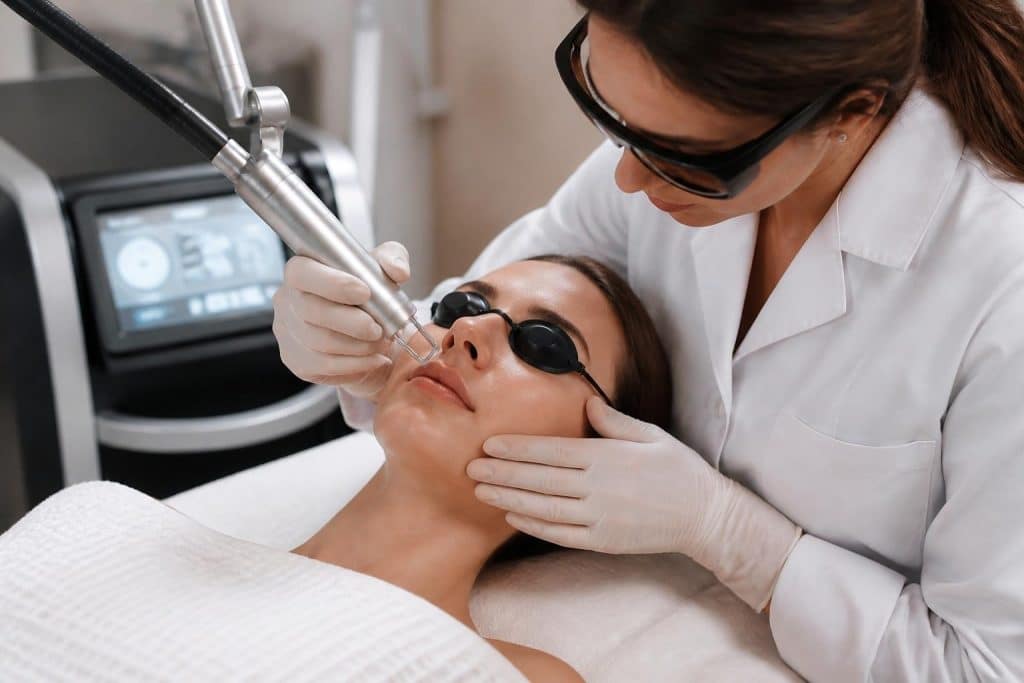
Modern aesthetic medicine continues to evolve with technological breakthroughs that deliver superior results with minimal downtime. Among the most significant innovations in skin rejuvenation, picosure laser treatments have emerged as a gold standard for addressing multiple skin concerns. This advanced technology uses ultra-short pulses measured in picoseconds (one trillionth of a second) to transform skin texture, tone, and clarity. For clients seeking effective solutions for pigmentation, acne scars, fine lines, and even tattoo removal, this breakthrough approach offers compelling advantages over traditional laser systems.
Understanding PicoSure Technology
The fundamental difference between PicoSure and conventional lasers lies in pulse duration. Traditional nanosecond lasers deliver energy in billionths of a second, while PicoSure operates in trillionths of a second, creating what's called a photomechanical effect rather than relying primarily on heat.
This distinction matters significantly for treatment outcomes and safety. The photomechanical impact shatters pigment particles and stimulates collagen without creating excessive thermal damage to surrounding tissue. Clients experience less discomfort, reduced recovery time, and lower risk of post-inflammatory hyperpigmentation, particularly important for individuals with darker skin tones.
The Science Behind Picosecond Pulses
When PicoSure delivers energy to skin, the rapid pulses create pressure waves that break apart melanin deposits and stimulate the body's natural healing response. According to systematic reviews evaluating picosecond laser efficacy, this mechanism produces impressive results across various dermatological applications.
Key technological advantages include:
- Minimal heat diffusion to surrounding tissue
- Precise targeting of pigment particles
- Enhanced collagen and elastin stimulation
- Reduced treatment sessions compared to traditional lasers
- Lower risk of scarring or hyperpigmentation
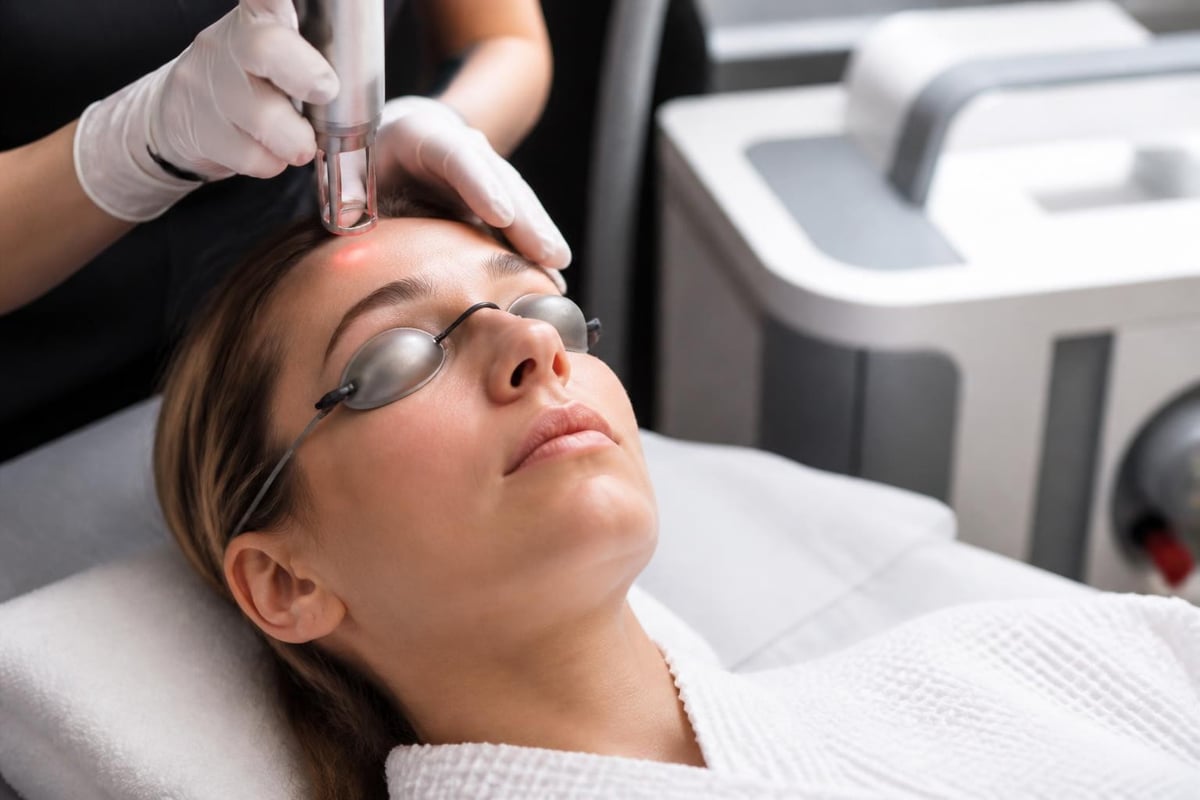
The 755-nanometer wavelength specifically targets melanin while the patented Focus lens array creates localized laser-induced optical breakdown, triggering remodeling in the dermis without breaking the skin's surface.
Clinical Applications and Treatment Areas
Picosure laser treatments address an extensive range of aesthetic concerns, making them versatile tools in contemporary skin rejuvenation practices. The technology's precision and safety profile enable treatment across different skin types and conditions.
Pigmentation Concerns
Unwanted pigmentation represents one of the most common reasons clients seek laser treatments. PicoSure excels at addressing:
- Sunspots and age spots – Surface-level melanin accumulation from UV exposure
- Melasma – Hormonal pigmentation often resistant to other treatments
- Post-inflammatory hyperpigmentation – Dark spots following acne or injury
- Freckles – Genetic or sun-induced pigment clusters
The effectiveness of PicoSure in treating pigmentary conditions has been documented extensively, with many clients seeing visible improvement after just two to three sessions.
Acne Scarring and Skin Texture
Acne scars create textural irregularities that can persist long after active breakouts resolve. The Focus lens array creates micro-injuries in the dermis, triggering neocollagenesis and elastin production without damaging the epidermis.
Treatment outcomes for acne scars include:
- Reduced depth of atrophic (depressed) scars
- Improved overall skin texture and smoothness
- Minimized pore appearance
- Enhanced skin firmness
| Scar Type | PicoSure Effectiveness | Typical Sessions |
|---|---|---|
| Rolling scars | Excellent | 3-5 treatments |
| Boxcar scars | Very good | 4-6 treatments |
| Ice pick scars | Good | 5-8 treatments |
| Hypertrophic scars | Good | 4-6 treatments |
Anti-Aging and Wrinkle Reduction
While not traditionally marketed as an anti-aging treatment, picosure laser treatments deliver measurable improvements in fine lines and wrinkles. The collagen stimulation effect continues for months following treatment, with results progressively improving over time.
According to research examining PicoSure’s role in skin revitalization, patients report enhanced skin firmness and elasticity alongside reduction in superficial wrinkles, particularly around the eyes and mouth.
Tattoo Removal
PicoSure revolutionized tattoo removal when it first entered the market. The technology effectively breaks down ink particles that proved resistant to Q-switched lasers, particularly challenging colors like blues and greens.
The photomechanical impact shatters ink into tiny particles that the lymphatic system can eliminate, often requiring fewer sessions than traditional laser tattoo removal and producing less scarring.
Treatment Protocol and Patient Experience
Understanding what happens during and after picosure laser treatments helps clients prepare appropriately and set realistic expectations for their aesthetic journey.
Pre-Treatment Preparation
Proper preparation maximizes results and minimizes complications:
- Avoid sun exposure for at least four weeks prior
- Discontinue retinoids and exfoliating products five to seven days before treatment
- Inform your practitioner about any medications, particularly photosensitizing drugs
- Arrive with clean skin, free of makeup and skincare products
Some clients benefit from pre-treatment with topical numbing cream, though many find the discomfort minimal and tolerable without anesthesia.
During the Procedure
Treatment sessions typically last between 15 and 45 minutes, depending on the area being addressed. Clients often describe the sensation as similar to a rubber band snapping against the skin, significantly less painful than traditional laser treatments.
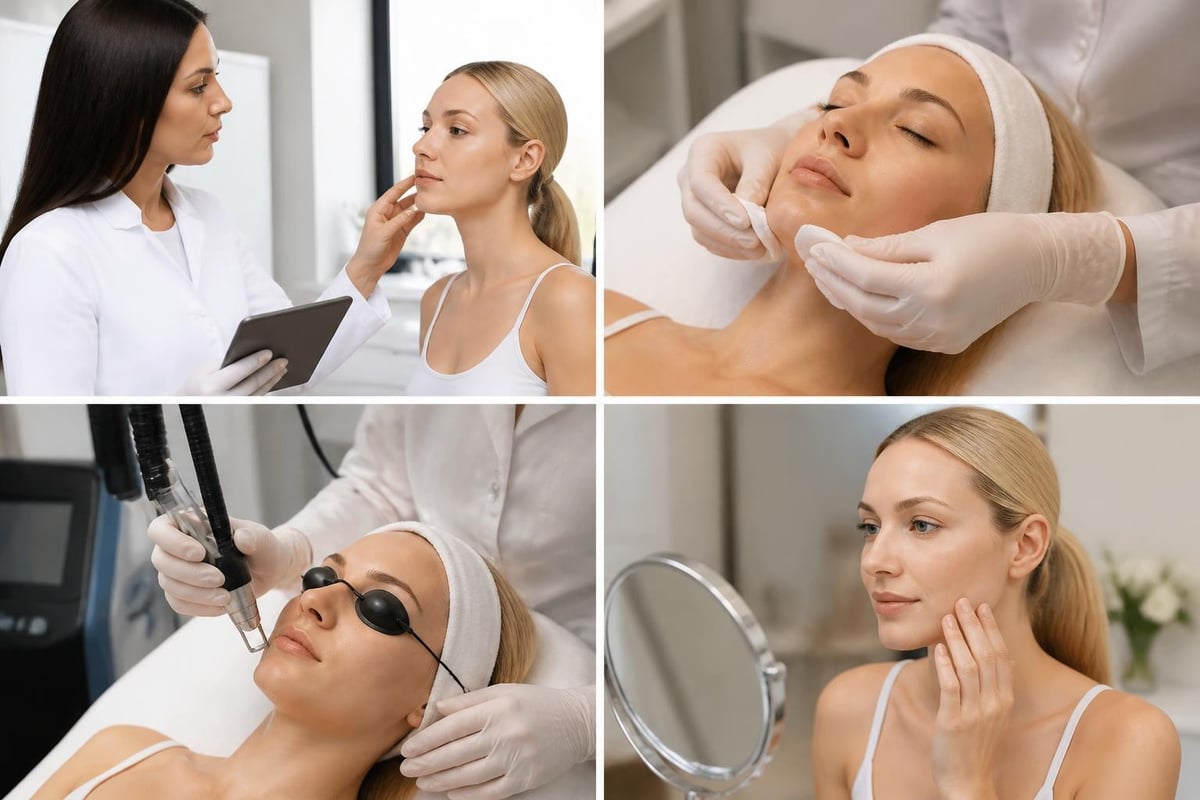
The typical session includes:
- Thorough skin cleansing and assessment
- Application of numbing cream if desired (20-30 minutes)
- Eye protection placement
- Systematic treatment of target areas
- Post-treatment cooling and assessment
The practitioner adjusts settings based on skin type, condition being treated, and individual tolerance, ensuring both safety and efficacy.
Recovery and Downtime
One compelling advantage of picosure laser treatments is minimal downtime. Most clients return to normal activities immediately, though some experience temporary side effects.
Common post-treatment effects include:
- Mild redness lasting several hours to two days
- Slight swelling in treated areas
- Temporary darkening of pigmented spots before they fade
- Occasional pinpoint bleeding or crusting
These effects resolve quickly, and most clients can apply makeup the following day. Strict sun protection remains essential during the healing period and between treatment sessions.
Treatment Frequency and Results Timeline
The number of sessions required varies based on the condition being addressed and individual factors like skin type, age, and severity of concerns.
| Condition | Recommended Sessions | Interval | Visible Results |
|---|---|---|---|
| Pigmentation | 2-4 treatments | 4-6 weeks | 2-3 weeks |
| Acne scars | 3-6 treatments | 4-6 weeks | 4-8 weeks |
| Wrinkles | 3-5 treatments | 4 weeks | 6-12 weeks |
| Tattoo removal | 4-10+ treatments | 6-8 weeks | 2-4 weeks |
Results continue improving for several months following the final session as collagen remodeling progresses. Many clients schedule maintenance treatments annually to sustain their improvements.
Combination Approaches
Picosure laser treatments often work synergistically with other aesthetic procedures. Pairing treatments can address multiple skin concerns simultaneously and optimize overall results.
Effective combinations include:
- Chemical peels – Enhance exfoliation and pigment reduction
- Microneedling – Amplify collagen stimulation for scarring
- Injectable treatments – Address volume loss alongside texture concerns
- Medical-grade skincare – Maintain and extend treatment benefits
Safety Profile and Candidacy
The safety record of picosure laser treatments has proven excellent across multiple skin types and ethnicities. However, certain individuals should approach treatment with caution or avoid it entirely.
Ideal Candidates
Best results occur in clients who:
- Have realistic expectations about treatment outcomes
- Maintain good overall health
- Avoid excessive sun exposure
- Follow pre- and post-treatment protocols diligently
- Don't have active skin infections or inflammation
The benefits and risks profile of PicoSure demonstrates particular advantages for individuals with darker skin tones who previously faced higher complication risks with traditional lasers.
Contraindications and Precautions
Treatment may not be appropriate for individuals with:
- Active skin infections or inflammatory conditions
- History of keloid scarring
- Recent isotretinoin use (within six months)
- Pregnancy or breastfeeding
- Certain autoimmune conditions
- Photosensitivity disorders
A thorough consultation with experienced practitioners ensures safe treatment planning tailored to individual circumstances and goals.

Cost Considerations and Investment Value
Pricing for picosure laser treatments varies based on geographic location, provider expertise, treatment area size, and the number of sessions required. In Toronto's competitive aesthetic market, clients can expect pricing that reflects both the advanced technology and the expertise required to deliver optimal results.
Factors Influencing Treatment Cost
Several variables determine the investment required:
- Treatment area size – Face versus full back differs significantly
- Condition complexity – Severe scarring requires more sessions
- Provider credentials – Experience and training affect pricing
- Geographic market – Toronto pricing reflects metropolitan standards
- Technology generation – Newer PicoSure Pro models may command premium pricing
Most clinics offer package pricing for multiple sessions, reducing per-treatment costs while ensuring clients complete their recommended protocol.
Comparing Value Versus Traditional Options
While individual session costs may exceed older laser technologies, the total investment often proves comparable or lower due to fewer required treatments. Additionally, reduced downtime translates to less time away from work or social activities.
| Treatment Method | Average Sessions | Downtime per Session | Total Timeline |
|---|---|---|---|
| PicoSure | 3-5 treatments | 0-2 days | 3-5 months |
| Traditional laser | 5-8 treatments | 3-7 days | 6-10 months |
| Chemical peels | 6-10 treatments | 3-5 days | 6-12 months |
Maximizing Treatment Results
Achieving optimal outcomes from picosure laser treatments extends beyond the procedure room. Client compliance with pre- and post-treatment protocols significantly influences final results.
Skincare Optimization
Essential post-treatment skincare includes:
- Broad-spectrum SPF 50+ sunscreen applied daily
- Gentle, non-irritating cleansers
- Hydrating serums with hyaluronic acid
- Barrier-repairing moisturizers
- Antioxidant protection with vitamin C
Avoiding harsh exfoliants, retinoids, and active ingredients during the healing period prevents complications and supports optimal recovery.
Lifestyle Factors
Daily habits impact both treatment efficacy and longevity of results. Clients who maintain healthy lifestyles see more dramatic and lasting improvements.
Key lifestyle considerations include:
- Consistent sun protection and avoidance
- Adequate hydration supporting skin health
- Balanced nutrition rich in antioxidants
- Quality sleep promoting cellular repair
- Stress management reducing inflammatory responses
Long-Term Maintenance
While results from picosure laser treatments can last years, natural aging processes continue. Many clients schedule annual maintenance sessions to preserve their improvements and address new concerns as they emerge.
Professional guidance from experienced practitioners at New Skin Laser Clinic ensures treatment plans evolve with changing skin needs and aesthetic goals over time.
Selecting the Right Provider
The expertise of your treatment provider significantly impacts both safety and results. PicoSure technology requires specialized training and experience to deliver optimal outcomes while minimizing risks.
Essential Qualifications
When evaluating potential providers, consider:
- Formal training – Certification in laser safety and PicoSure operation
- Clinical experience – Years performing picosecond laser treatments
- Before-and-after portfolio – Demonstrated results on similar skin types
- Facility standards – Proper maintenance and calibration of equipment
- Consultation approach – Thorough assessment and realistic expectations
Questions to Ask During Consultation
A comprehensive consultation reveals provider expertise and approach:
- How many PicoSure treatments have you performed?
- What results can I realistically expect for my specific concerns?
- What are potential risks or complications for my skin type?
- How do you customize treatment parameters for individual clients?
- What happens if I don't achieve desired results?
Professional providers welcome detailed questions and provide transparent, evidence-based answers that build confidence in the treatment plan.
Real Patient Experiences
While clinical studies demonstrate efficacy, personal experiences offer valuable insights into the patient journey. Many clients report satisfaction with both the process and outcomes of picosure laser treatments.
According to a detailed personal account of PicoSure Pro treatment, patients frequently note improvements in skin clarity, firmness, and overall radiance extending beyond their primary treatment goals.
Common patient observations include:
- Minimal discomfort during treatment sessions
- Faster recovery than anticipated
- Progressive improvement over several months
- Enhanced confidence in skin appearance
- Appreciation for reduced downtime compared to alternatives
Individual results vary based on starting condition, treatment adherence, and biological factors, but overall satisfaction rates remain consistently high across diverse patient populations.
Comparing PicoSure to Alternative Treatments
Understanding how picosure laser treatments compare to other skin rejuvenation options helps clients make informed decisions aligned with their goals, timeline, and tolerance for downtime.
Versus IPL (Intense Pulsed Light)
IPL treatments use broad-spectrum light rather than focused laser energy, offering benefits for certain pigmentation concerns but with notable differences in precision and efficacy.
Key distinctions:
- PicoSure delivers more targeted energy to specific chromophores
- IPL requires more sessions for comparable pigmentation results
- PicoSure shows superior performance on resistant pigment and tattoos
- IPL may suit maintenance treatments between PicoSure sessions
Versus Fractional CO2 Lasers
Fractional ablative lasers create controlled thermal injury to stimulate collagen, offering dramatic results but with substantially more downtime.
| Factor | PicoSure | Fractional CO2 |
|---|---|---|
| Downtime | 0-2 days | 7-14 days |
| Discomfort | Minimal | Moderate to significant |
| Collagen stimulation | Gradual, sustained | Immediate, dramatic |
| Pigmentation treatment | Excellent | Good (risk of complications) |
Many practitioners recommend PicoSure for clients seeking improvement without extended recovery periods, reserving ablative treatments for those willing to accept significant downtime for more dramatic textural improvements.
Versus Chemical Peels
Chemical peels offer another approach to addressing pigmentation, texture, and tone concerns through controlled exfoliation. While effective, peels require different considerations than laser treatments.
Picosure laser treatments typically provide more precise targeting of deeper pigment and superior collagen stimulation compared to superficial peels, though medium-depth peels can complement laser protocols for comprehensive skin rejuvenation.
Advanced Applications and Emerging Research
The science behind picosure laser treatments continues evolving, with ongoing research exploring new applications and optimizing treatment protocols for various conditions.
Recent studies examining picosecond laser mechanisms reveal promising applications in treating vascular lesions, improving skin laxity, and addressing photoaging beyond traditional indications.
Innovative Treatment Protocols
Progressive practitioners are developing combination protocols that leverage PicoSure's unique capabilities:
- Sequential treatments pairing PicoSure with other energy devices
- Topical enhancement using specific serums to amplify results
- Customized parameters based on real-time skin response assessment
- Maintenance schedules optimized for long-term benefit preservation
These advances continue expanding the utility and effectiveness of picosecond laser technology in aesthetic medicine.
Future Developments
Ongoing technological refinements promise even better outcomes with enhanced comfort and efficiency. Next-generation systems may offer:
- Additional wavelengths targeting different chromophores
- Improved cooling systems for enhanced comfort
- Real-time feedback mechanisms for precision parameter adjustment
- Expanded treatment heads for faster coverage of large areas
As the technology matures, both safety profiles and clinical outcomes continue improving, solidifying PicoSure's position as a cornerstone of modern aesthetic practice.
Picosure laser treatments represent a significant advancement in non-invasive skin rejuvenation, offering effective solutions for pigmentation, scarring, and signs of aging with minimal downtime and excellent safety profiles. Whether you're concerned about sun damage, acne scars, or simply want to refresh your complexion, this innovative technology delivers measurable results that continue improving over time. The expert team at New Skin Laser Clinic combines state-of-the-art PicoSure technology with personalized treatment planning to help Toronto clients achieve their aesthetic goals safely and effectively, ensuring each treatment is tailored to your unique skin type and concerns for optimal, natural-looking results.