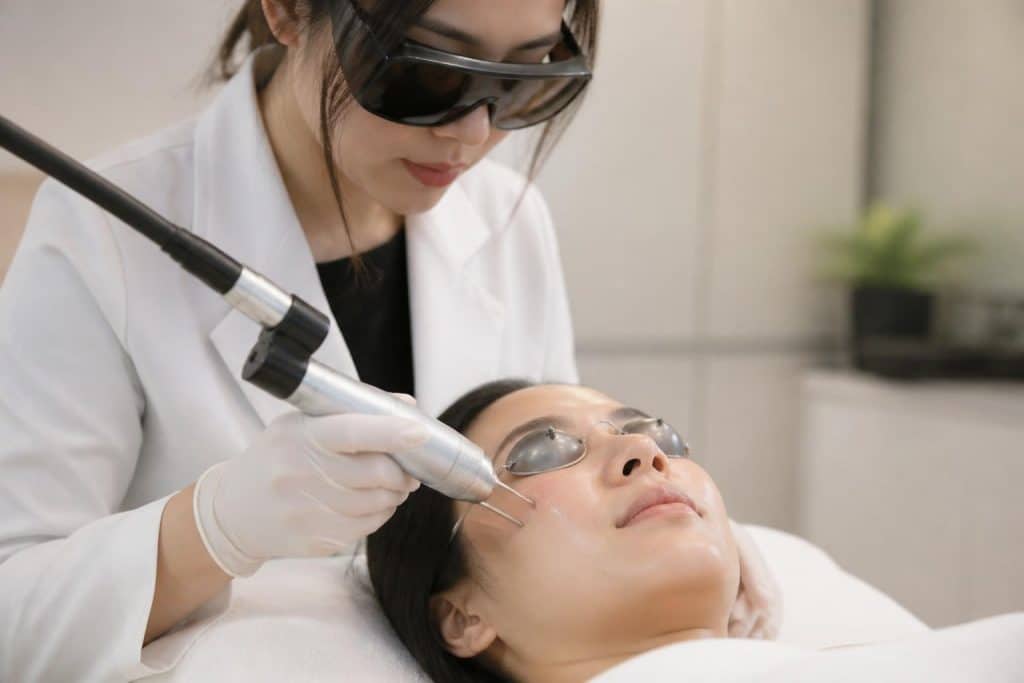
Modern aesthetic treatments have revolutionized how we approach skin rejuvenation, offering solutions that were once impossible without invasive procedures. Among these innovations, laser toning has emerged as a gentle yet effective method for addressing pigmentation concerns, uneven skin tone, and overall complexion enhancement. This non-ablative treatment uses specialized laser technology to target melanin deposits beneath the skin's surface, delivering controlled energy pulses that break down pigmentation while stimulating collagen production. For individuals seeking brighter, more radiant skin without significant downtime, this treatment has become a cornerstone of professional skincare.
Understanding Laser Toning Technology
Laser toning utilizes Q-switched Nd:YAG lasers that emit specific wavelengths of light designed to target melanin without damaging surrounding tissue. The technology works by delivering low-fluence laser energy in rapid pulses, fragmenting pigment particles into smaller pieces that the body's lymphatic system can naturally eliminate.
The primary wavelengths used are 1064nm and 532nm, each serving distinct purposes. The 1064nm wavelength penetrates deeper into the dermis, addressing deeper pigmentation concerns, while the 532nm wavelength works closer to the skin's surface for superficial discoloration. This dual-wavelength capability makes the treatment versatile for various skin concerns.
How the Treatment Differs from Traditional Laser Procedures
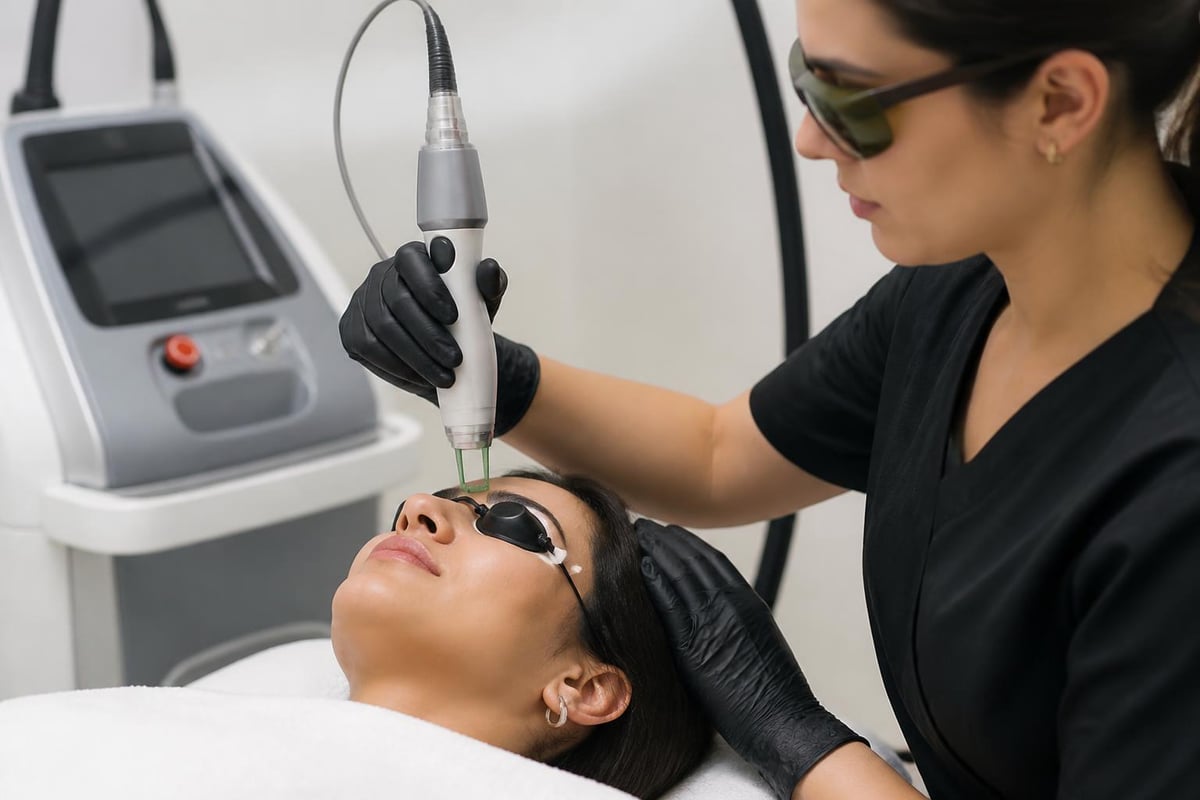
Unlike ablative lasers that remove layers of skin, laser toning operates through a photoacoustic effect rather than thermal damage. This fundamental difference explains why patients experience minimal downtime and reduced risk of post-inflammatory hyperpigmentation.
Key advantages of this approach include:
- Gentle energy delivery that minimizes thermal injury
- Suitable for all skin types, including darker complexions
- Gradual improvement without aggressive peeling
- Lower risk of adverse effects compared to ablative procedures
- Comfortable treatment experience with minimal sensation
The sub-therapeutic fluence used in laser toning represents a significant departure from traditional Q-switched laser protocols. Research has shown that frequent laser toning treatments require careful consideration, particularly in Asian populations where hyperpigmentation concerns are prevalent.
Conditions Treated with Laser Toning
This versatile treatment addresses multiple skin concerns, making it a popular choice for comprehensive skin rejuvenation. Understanding which conditions respond best helps set realistic expectations and treatment goals.
Melasma and Hyperpigmentation
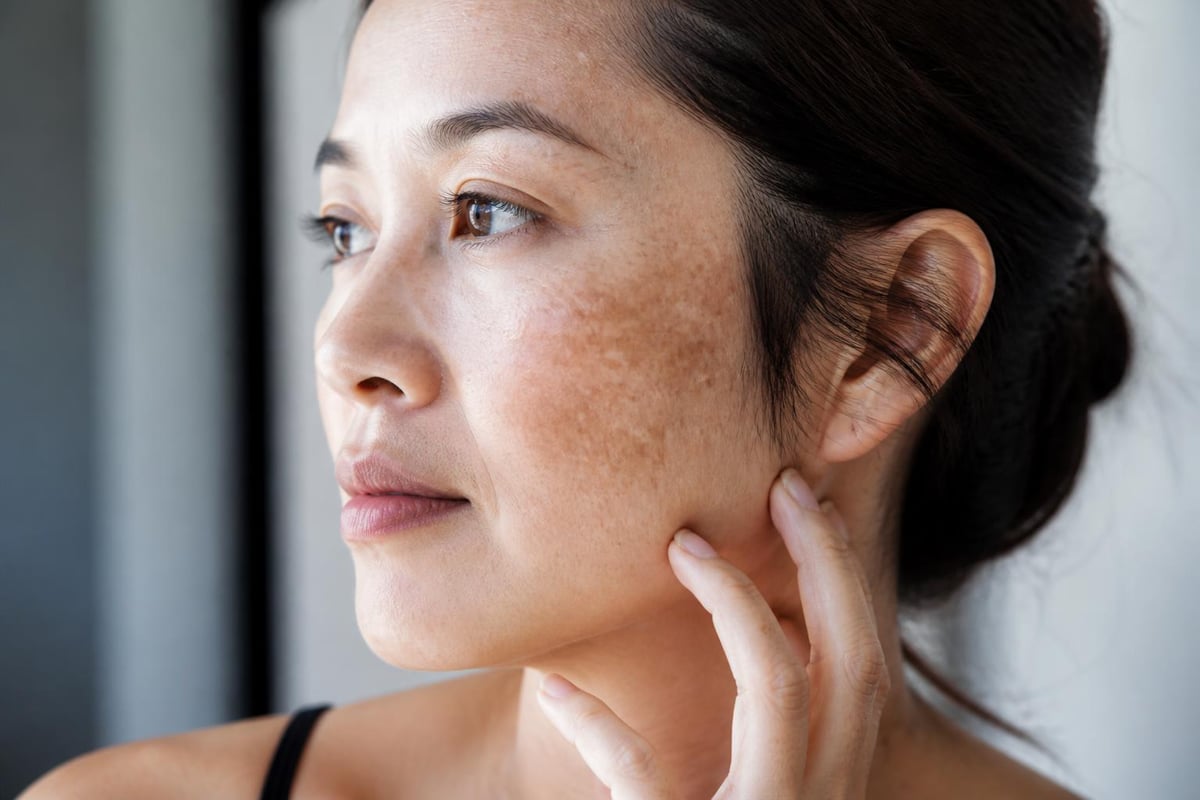
Melasma, characterized by brown or gray-brown patches typically appearing on the face, represents one of the primary indications for laser toning. Clinical studies have demonstrated effectiveness in treating melasma, though results vary based on melasma type and individual factors.
| Melasma Type | Treatment Response | Sessions Needed |
|---|---|---|
| Epidermal | Excellent | 4-6 sessions |
| Dermal | Moderate | 6-10 sessions |
| Mixed | Good to Moderate | 6-12 sessions |
Post-inflammatory hyperpigmentation (PIH) from acne, injury, or inflammation also responds well to this treatment approach. The gentle nature of the procedure makes it particularly suitable for PIH, where aggressive treatments might worsen pigmentation.
Skin Tone and Texture Improvement
Beyond targeting specific pigmentation concerns, laser toning delivers overall complexion enhancement. Patients frequently report improved skin brightness, reduced pore appearance, and enhanced skin texture following treatment courses.
The collagen stimulation effect contributes significantly to these improvements. As the laser energy reaches the dermis, it triggers the skin's natural healing response, encouraging new collagen formation over subsequent weeks and months.
Additional benefits include:
- Reduction of fine lines and mild wrinkles
- Improved skin elasticity and firmness
- More even skin tone across treated areas
- Enhanced product absorption following treatments
- Cumulative results with maintenance sessions
The Treatment Process and What to Expect
Understanding the treatment journey helps patients prepare appropriately and maintain realistic expectations throughout their laser toning experience. Professional clinics prioritize thorough consultation and customized treatment protocols.
Initial Consultation and Skin Assessment
The process begins with a comprehensive skin evaluation where practitioners assess pigmentation patterns, skin type, and treatment history. This assessment determines treatment parameters, including wavelength selection, energy levels, and session frequency.
Practitioners use the Fitzpatrick scale to classify skin types, as this classification guides safety parameters and helps predict treatment response. Darker skin types require more conservative energy settings to minimize hyperpigmentation risk.
During consultation, patients discuss their concerns, goals, and any contraindications. Pregnancy, active infections, recent sun exposure, and certain medications may necessitate treatment postponement. Proper precautions for Q-switched laser use ensure safe and effective outcomes.
Treatment Session Experience
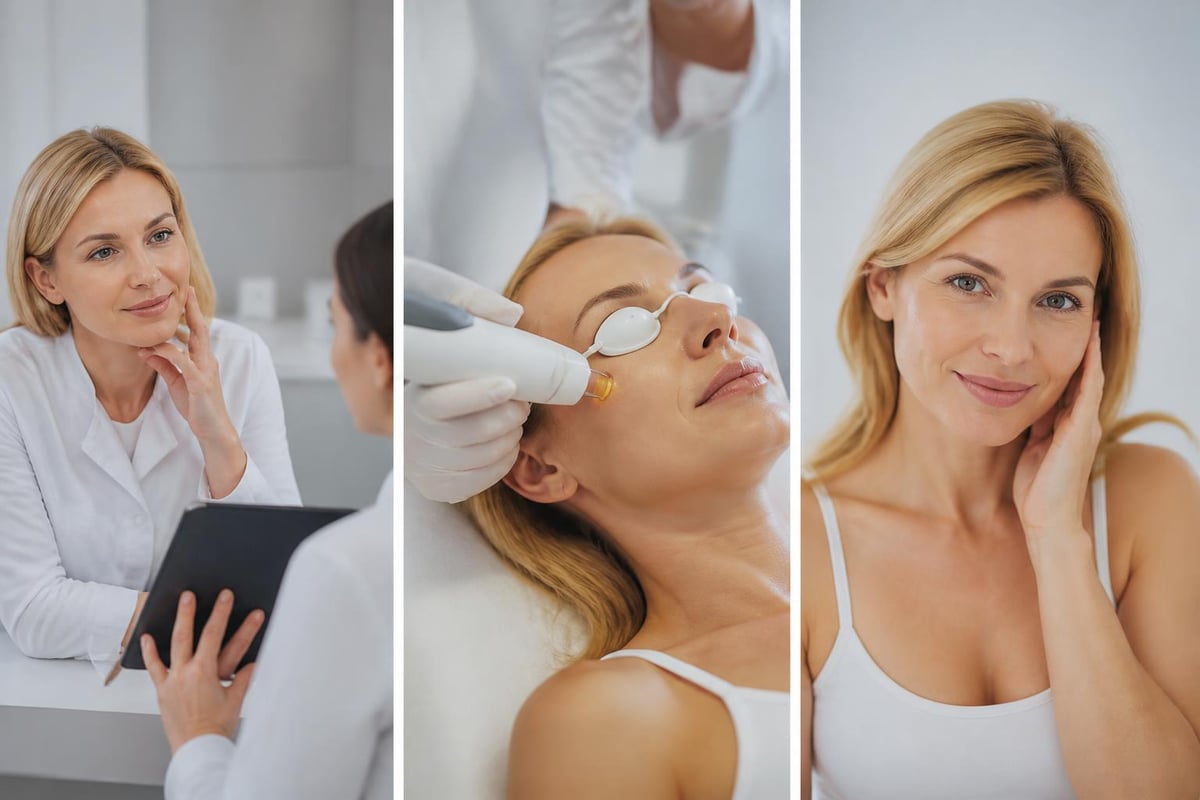
A typical laser toning session lasts 15-30 minutes, depending on treatment area size. The procedure begins with thorough cleansing and sometimes application of topical numbing cream, though many patients find the treatment comfortable without anesthesia.
Step-by-step treatment process:
- Skin cleansing and preparation
- Eye protection placement for patient and practitioner
- Test spot evaluation to confirm appropriate settings
- Systematic laser passes across treatment area
- Post-treatment cooling and soothing application
- Sun protection and aftercare instructions
Patients describe the sensation as mild warmth or slight tingling, often compared to light rubber band snaps. The non-ablative nature means no open wounds or significant inflammation occurs immediately after treatment.
Recovery and Aftercare
Most individuals return to normal activities immediately following sessions, making laser toning ideal for busy schedules. Mild redness typically resolves within hours, and some patients experience slight darkening of pigmented areas before they lighten.
Essential aftercare guidelines include:
- Consistent broad-spectrum sunscreen application (SPF 30 minimum)
- Avoidance of direct sun exposure for at least one week
- Gentle skincare products without harsh actives
- Adequate hydration to support skin healing
- No picking or scratching treated areas
The importance of sun protection cannot be overstated, as UV exposure can trigger pigmentation rebound and compromise results. Patients who diligently protect their skin typically achieve better, longer-lasting outcomes.
Treatment Protocol and Session Frequency
Optimal results require multiple sessions spaced appropriately to allow skin recovery and pigment elimination. Professional protocols balance effectiveness with safety, particularly for pigmentation-prone skin types.
Recommended Session Schedule
Most treatment plans involve 4-10 sessions, scheduled at 2-4 week intervals. This spacing allows the body to process fragmented pigment while preventing excessive accumulation of thermal effects. Large-scale clinical experience with laser toning has helped establish these evidence-based protocols.
Initial sessions may be scheduled closer together, with intervals extending as maintenance phase begins. This graduated approach optimizes improvement while minimizing adverse effect risk.
| Treatment Phase | Sessions | Interval | Purpose |
|---|---|---|---|
| Initial | 4-6 | 2 weeks | Pigment reduction |
| Intensive | 2-4 | 3 weeks | Further improvement |
| Maintenance | Ongoing | 4-6 weeks | Result preservation |
Factors Affecting Treatment Duration
Individual variation significantly influences how many sessions achieve desired results. Pigmentation depth, skin type, lifestyle factors, and adherence to aftercare all impact treatment progression.
Patients with superficial pigmentation often see improvement sooner than those with dermal melasma. Similarly, individuals who maintain strict sun protection and avoid triggering factors typically require fewer sessions than those with ongoing UV exposure.
Hormonal factors, particularly in melasma cases, can complicate treatment response. Women experiencing melasma due to pregnancy or hormonal contraception may need ongoing maintenance even after initial improvement.
Safety Considerations and Potential Side Effects
While laser toning is generally well-tolerated, understanding potential risks and safety measures ensures informed decision-making and appropriate expectation setting.
Common Side Effects
Most patients experience minimal side effects that resolve quickly without intervention. Temporary redness, mild swelling, and slight sensitivity represent normal responses to laser energy and indicate the treatment is working appropriately.
Typical temporary effects include:
- Transient erythema lasting 2-6 hours
- Mild warmth or tightness sensation
- Temporary pigment darkening before clearing
- Slight dryness or flaking in treated areas
- Minimal discomfort during and after treatment
These effects generally require no specific treatment beyond gentle skincare and sun protection. Patients should contact their practitioner if any effects persist beyond expected timelines or worsen over time.
Rare but Serious Complications
Though uncommon with proper protocols, certain complications warrant awareness. Post-inflammatory hyperpigmentation represents the most significant concern, particularly in darker skin types. European consensus on laser treatment of hyperpigmented lesions emphasizes careful parameter selection to minimize this risk.
Paradoxical darkening or hypopigmentation can occur with inappropriate settings or excessive treatment frequency. This underscores the importance of seeking treatment from experienced practitioners using evidence-based protocols.
Contraindications and Precautions
Certain conditions preclude laser toning or require special considerations. Pregnancy and breastfeeding, active skin infections, recent isotretinoin use, and photosensitizing medications represent common contraindications.
Patients with autoimmune conditions, keloid tendency, or unrealistic expectations require careful evaluation before treatment initiation. Honest discussion during consultation helps determine whether laser toning aligns with individual circumstances and goals.
Maximizing and Maintaining Results
Achieving optimal outcomes requires commitment beyond treatment sessions themselves. A comprehensive approach incorporating proper skincare, lifestyle modifications, and maintenance treatments preserves improvements long-term.
Complementary Skincare Practices
Professional treatments work synergistically with appropriate home care. Incorporating targeted ingredients like vitamin C, niacinamide, and gentle exfoliants enhances and prolongs laser toning benefits.
Recommended skincare components:
- Antioxidant serums to protect against free radical damage
- Gentle chemical exfoliants to maintain cell turnover
- Hydrating products to support skin barrier function
- Broad-spectrum sunscreen as non-negotiable daily protection
- Retinoids (when appropriate) for additional collagen stimulation
Avoiding harsh treatments or aggressive exfoliation between sessions prevents unnecessary irritation and protects healing skin. Patients should consult with their treatment provider before introducing new products during active treatment phases.
Many individuals combine laser toning with other professional services offered at facilities like New Skin Laser Clinic to address multiple aesthetic concerns simultaneously. This integrated approach can accelerate overall improvement while maintaining skin health.
Lifestyle Factors Affecting Longevity
Daily habits significantly impact how long results last. Sun exposure remains the primary factor triggering pigmentation recurrence, making vigilant protection essential for sustained improvement.
Key lifestyle considerations include:
- Wearing broad-spectrum SPF 30+ daily, regardless of weather
- Using physical barriers like hats and sunglasses outdoors
- Avoiding peak sun hours when possible
- Managing stress, which can trigger hormonal pigmentation
- Maintaining consistent sleep patterns for optimal skin healing
Dietary factors also play supporting roles. Antioxidant-rich foods, adequate hydration, and balanced nutrition provide building blocks for healthy skin regeneration following treatments.
Maintenance Treatment Protocols
Even after achieving desired results, periodic maintenance sessions help preserve improvements and prevent pigmentation return. Comprehensive reviews of laser toning in melasma highlight the importance of ongoing treatment for certain pigmentation types.
Most practitioners recommend maintenance sessions every 1-3 months, depending on individual factors and pigmentation tendency. This proactive approach prevents significant pigment reaccumulation and maintains the brightened, even complexion achieved through initial treatment courses.
Comparing Laser Toning to Alternative Treatments
Understanding how laser toning fits within the broader landscape of pigmentation treatments helps patients make informed decisions aligned with their specific needs and circumstances.
Chemical Peels and Topical Treatments
Chemical peels offer another approach to pigmentation reduction, using acids to remove outer skin layers and stimulate renewal. While effective for certain concerns, peels carry higher downtime and potential complications in darker skin types compared to laser toning.
Topical treatments like hydroquinone, kojic acid, and tretinoin represent first-line approaches for many pigmentation concerns. These products work gradually and require consistent long-term use, whereas laser toning delivers more rapid visible improvement.
| Treatment Type | Downtime | Skin Type Suitability | Results Timeline | Maintenance |
|---|---|---|---|---|
| Laser Toning | Minimal | All types | 4-8 weeks | Monthly/quarterly |
| Chemical Peels | Moderate | Light to medium | 2-6 weeks | Every 4-6 weeks |
| Topical Rx | None | All types | 8-12 weeks | Daily indefinitely |
| IPL | Minimal | Light to medium | 6-10 weeks | Every 3-4 months |
Intense Pulsed Light (IPL) Therapy
IPL uses broad-spectrum light rather than focused laser energy to target pigmentation. While IPL effectively addresses sun damage and vascular concerns, laser toning offers more precise pigment targeting with potentially better outcomes for deeper melasma.
The choice between treatments depends on specific concerns, skin type, and individual response patterns. Many patients achieve best results combining multiple modalities under professional guidance.
Cost-Benefit Considerations
Investment in laser toning varies based on geographic location, practitioner experience, and treatment area size. While individual sessions may cost more than chemical peels, the reduced number of treatments needed and lower complication risk often make laser toning cost-effective long-term.
When evaluating treatment value, consider not just per-session cost but total investment required to achieve and maintain results. Comprehensive consultation helps establish realistic budgets aligned with aesthetic goals and financial considerations.
Choosing the Right Provider
Treatment outcomes depend heavily on practitioner skill, equipment quality, and protocol appropriateness. Selecting qualified providers ensures safe, effective laser toning experiences.
Credentials and Experience
Seek practitioners with specific training in laser treatments and extensive experience with diverse skin types. Board-certified dermatologists, qualified estheticians, and licensed medical professionals with laser certifications represent appropriate providers.
Ask potential providers about their experience with your specific concerns and skin type. Practitioners who regularly treat similar cases and maintain ongoing education in laser technologies typically deliver superior outcomes.
Facility Standards and Equipment
Modern, well-maintained laser equipment significantly impacts treatment safety and effectiveness. Reputable facilities invest in quality devices from established manufacturers and maintain rigorous equipment maintenance schedules.
During consultations, observe facility cleanliness, staff professionalism, and attention to safety protocols. These visible factors often reflect overall practice standards and commitment to patient care.
Consultation Quality and Communication
Thorough consultations covering realistic expectations, potential risks, alternative options, and customized treatment plans indicate patient-centered care. Practitioners who rush consultations or make unrealistic promises may not prioritize your best interests.
Quality providers encourage questions, provide detailed aftercare instructions, and establish clear communication channels for addressing concerns between appointments. This accessibility supports optimal outcomes and patient confidence throughout treatment.
Laser toning represents a powerful tool for addressing pigmentation concerns, uneven skin tone, and overall complexion enhancement with minimal downtime and broad applicability across skin types. Success requires combining professional treatments with diligent sun protection, appropriate skincare, and realistic expectations. At New Skin Laser Clinic, our experienced team uses state-of-the-art laser technology to create personalized treatment plans that deliver the radiant, even-toned skin you desire. Schedule your consultation today to discover how our expert estheticians can help you achieve your aesthetic goals safely and effectively.