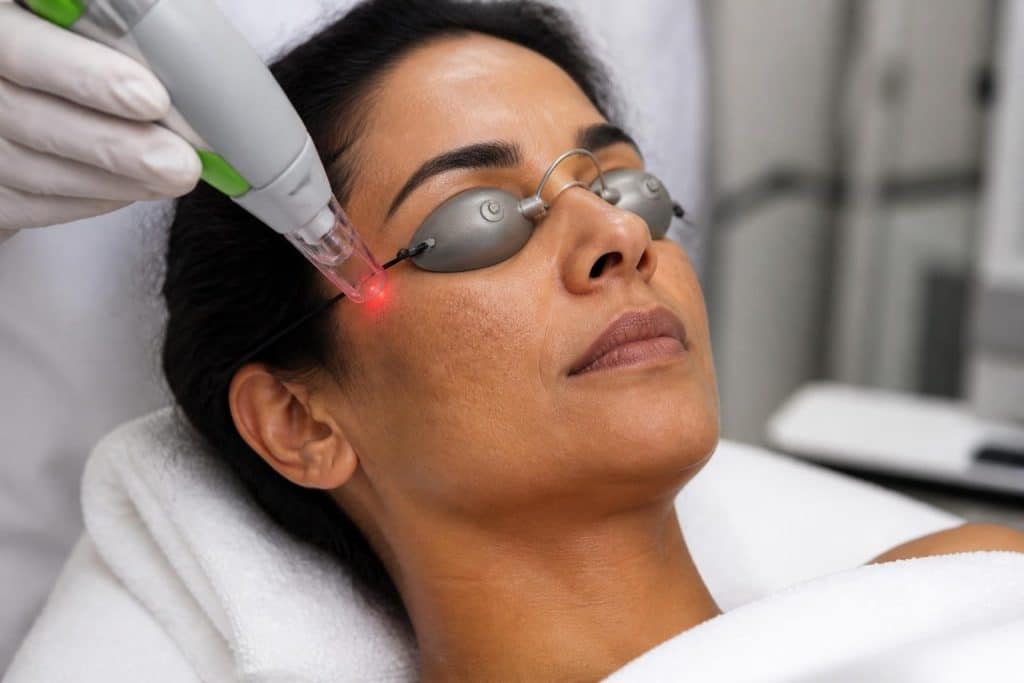
Melasma presents one of the most challenging pigmentation disorders for both patients and practitioners in the aesthetic medicine field. This chronic condition creates brown or gray-brown patches on the face, typically affecting the cheeks, forehead, bridge of the nose, and upper lip. While traditional topical treatments have long been the first-line approach, laser toning melasma has emerged as a sophisticated option for those seeking more advanced intervention. This non-ablative laser treatment uses low-fluence Q-switched lasers to gradually reduce pigmentation while minimizing the risk of post-inflammatory hyperpigmentation that often accompanies more aggressive laser procedures.
Understanding Melasma and Its Complexity
Melasma affects millions of individuals worldwide, with women experiencing this condition at significantly higher rates than men. Approximately 90 percent of melasma cases occur in women, particularly during their reproductive years.
The condition develops when melanocytes, the pigment-producing cells in the skin, become overactive and produce excess melanin. Several factors trigger this response, including hormonal changes during pregnancy or while taking birth control pills, sun exposure, genetic predisposition, and certain medications.
The Three Types of Melasma
Dermatologists classify melasma into three distinct categories based on the depth of pigmentation:
- Epidermal melasma: Pigmentation limited to the upper layers of skin, appearing dark brown with well-defined borders
- Dermal melasma: Deeper pigmentation that appears light brown or bluish, with less defined edges
- Mixed melasma: A combination of both epidermal and dermal components, the most common presentation
This classification matters significantly when considering laser toning melasma treatments, as epidermal melasma typically responds more favorably to intervention than dermal or mixed types.
How Laser Toning Works for Melasma
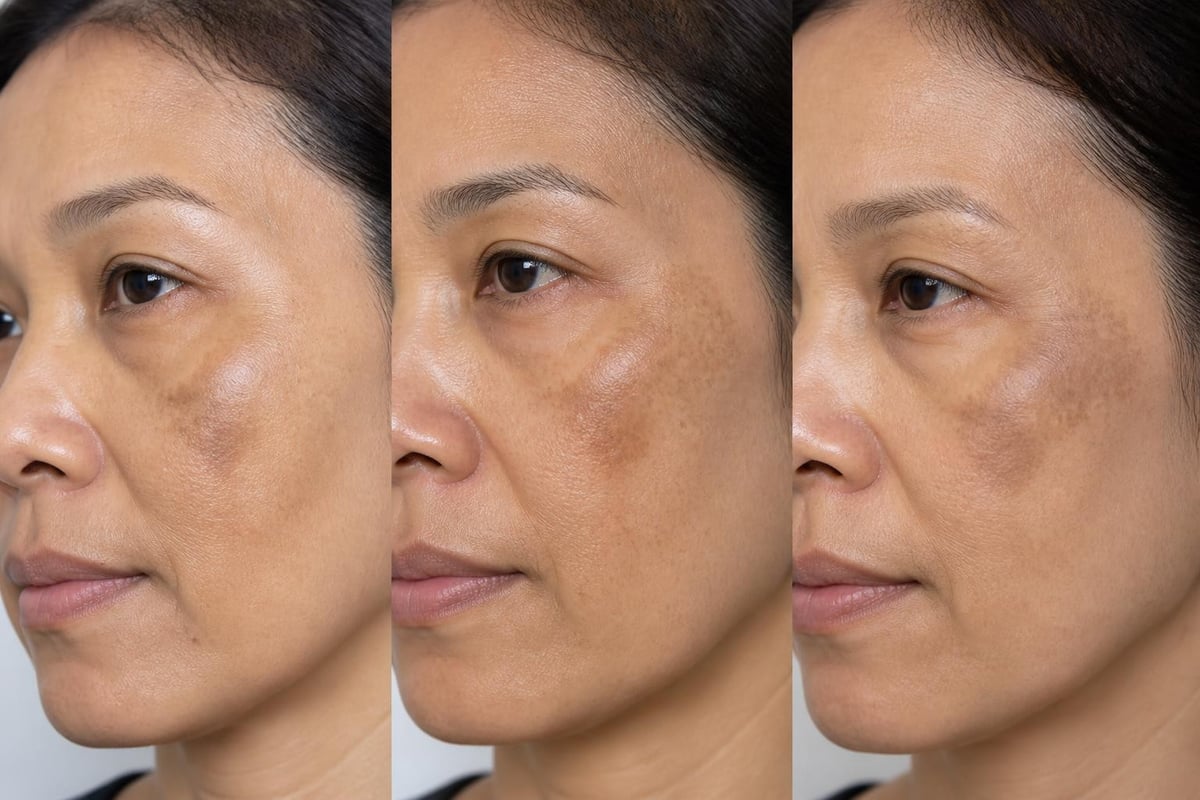
Laser toning melasma treatment employs Q-switched Nd:YAG lasers operating at specific wavelengths, typically 1064 nm for deeper penetration. Unlike traditional laser approaches that use high energy to fragment pigment aggressively, laser toning utilizes low-fluence, high-frequency pulses.
The mechanism involves delivering gentle energy to the dermis without causing thermal damage to the epidermis. This approach gradually breaks down melanin particles into smaller fragments that the body's lymphatic system can eliminate naturally over time.
The Science Behind Low-Fluence Treatment
Traditional thinking in laser medicine suggested that higher energy levels would produce better results. However, research on laser toning effectiveness has demonstrated that low-fluence parameters can effectively treat melasma while significantly reducing the risk of adverse effects.
The subcellular selective photothermolysis theory explains this phenomenon. Low-fluence lasers target melanosomes without causing extensive damage to surrounding melanocytes or triggering an inflammatory response that could worsen pigmentation.
| Treatment Parameter | Traditional Laser | Laser Toning |
|---|---|---|
| Energy Level | High fluence | Low fluence |
| Pulse Frequency | Lower repetition | Higher repetition |
| Thermal Impact | Significant heating | Minimal heating |
| Downtime | Several days | Minimal to none |
| PIH Risk | Higher | Lower |
Treatment Protocol and Sessions
Laser toning melasma requires a strategic approach with multiple sessions scheduled over several months. Most patients need between six to ten treatments, spaced one to two weeks apart, to achieve optimal results.
Each session typically lasts 15 to 30 minutes, depending on the treatment area size. The practitioner moves the laser handpiece across the affected areas in a systematic pattern, ensuring even coverage while monitoring skin response.
What to Expect During Treatment
Patients describe the sensation as tolerable, often comparing it to light snapping against the skin. Topical numbing cream may be applied before treatment for those with lower pain tolerance, though many find it unnecessary.
Immediately following treatment, the skin may appear slightly pink or flushed, similar to a mild sunburn. This temporary response typically resolves within a few hours. Some patients experience mild swelling that subsides within 24 hours.
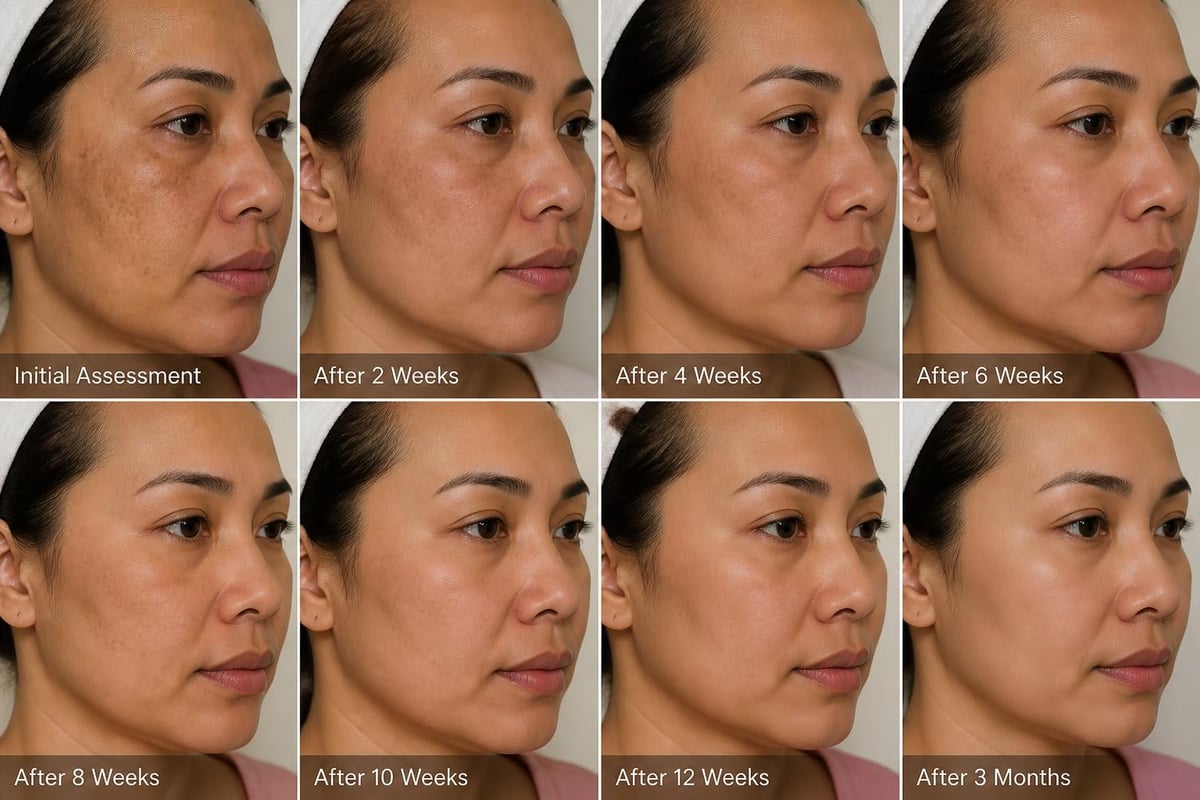
The gradual nature of laser toning means visible improvements emerge progressively rather than dramatically after a single session. Most individuals notice lightening of pigmentation after three to four treatments, with continued improvement throughout the treatment course.
Effectiveness and Clinical Evidence
The effectiveness of laser toning melasma varies based on multiple factors, including melasma type, skin tone, treatment parameters, and adherence to pre- and post-treatment protocols. Clinical studies examining laser therapy for melasma have documented promising outcomes with appropriate patient selection and technique.
A comprehensive review of laser toning cases involving thousands of treatments demonstrated that many patients achieved significant improvement with minimal complications when treated by experienced practitioners using appropriate settings.
Success Rates and Realistic Expectations
Success rates reported in clinical literature range from 50 to 80 percent improvement in pigmentation intensity. However, complete clearance remains challenging, and melasma recurrence is common without ongoing maintenance and sun protection.
Factors influencing treatment outcomes include:
- Consistent attendance for scheduled sessions
- Strict sun protection compliance
- Appropriate laser parameters for individual skin type
- Combination with complementary treatments
- Management of hormonal triggers
Safety Considerations and Potential Complications
While laser toning melasma offers a gentler approach than ablative procedures, potential risks still exist. The most concerning complication is paradoxical darkening or post-inflammatory hyperpigmentation, particularly in individuals with darker skin tones.
Risk Mitigation Strategies
Experienced practitioners employ several strategies to minimize complications. Pre-treatment assessment includes evaluating skin type using the Fitzpatrick scale, reviewing medical history for photosensitizing medications, and setting appropriate treatment parameters.
Patients with Fitzpatrick skin types IV through VI require particularly conservative settings and careful monitoring. Expert consensus recommendations emphasize the importance of individualized treatment protocols for diverse skin types.
Pre-treatment preparation typically includes:
- Discontinuing photosensitizing medications when medically appropriate
- Using broad-spectrum sunscreen daily for at least two weeks before treatment
- Avoiding direct sun exposure
- Potentially using topical agents to prepare the skin
- Completing a patch test for those with sensitive skin or darker skin tones
Combination Therapies for Enhanced Results
Laser toning melasma often delivers superior results when combined with other treatment modalities. This multimodal approach addresses different aspects of pigmentation while potentially reducing the total number of laser sessions required.
Synergistic Treatment Options
Topical medications containing hydroquinone, tretinoin, kojic acid, or azelaic acid complement laser treatments by inhibiting melanin production and promoting skin cell turnover. These agents prepare the skin before laser sessions and maintain results between treatments.
Chemical peels using glycolic acid, salicylic acid, or trichloroacetic acid can be alternated with laser sessions to enhance exfoliation and pigment removal. Timing between treatments must be carefully managed to avoid over-treating the skin.
| Combination Therapy | Mechanism | Timing with Laser |
|---|---|---|
| Hydroquinone cream | Melanin synthesis inhibition | Daily between sessions |
| Tranexamic acid | Anti-inflammatory | Oral or topical daily |
| Chemical peels | Exfoliation | 2-4 weeks apart |
| Microneedling | Collagen induction | 4-6 weeks apart |
Oral tranexamic acid has gained attention as an adjunctive therapy, with studies suggesting it may reduce melasma severity when combined with laser treatments. However, this medication requires medical supervision due to potential contraindications.

Maintenance and Long-Term Management
Melasma is a chronic, relapsing condition that requires ongoing management even after successful laser toning melasma treatment. Without maintenance protocols, pigmentation frequently returns within months.
Sustaining Treatment Results
Sun protection represents the single most critical factor in preventing melasma recurrence. Daily application of broad-spectrum sunscreen with SPF 30 or higher is non-negotiable, even on cloudy days or when indoors near windows.
Physical sun protection through wide-brimmed hats, seeking shade, and avoiding peak sun hours provides additional defense. Many dermatologists recommend mineral-based sunscreens containing zinc oxide or titanium dioxide for superior protection.
Effective maintenance strategies include:
- Reapplying sunscreen every two hours during sun exposure
- Continuing topical maintenance therapy as prescribed
- Scheduling periodic maintenance laser sessions every few months
- Managing hormonal factors when possible
- Avoiding triggers such as heat exposure and harsh skincare products
The team at New Skin Laser Clinic develops personalized maintenance protocols for each patient based on their specific melasma pattern, lifestyle factors, and treatment response.
Patient Selection and Candidacy
Not everyone with melasma is an ideal candidate for laser toning treatments. Proper patient selection significantly influences both safety and efficacy outcomes.
Ideal Candidates
The best candidates for laser toning melasma typically have lighter skin tones (Fitzpatrick types I through III), predominantly epidermal melasma, realistic expectations about gradual improvement, and commitment to comprehensive pre- and post-treatment care.
Individuals who can avoid sun exposure during treatment courses and adhere to strict photoprotection protocols achieve the most favorable and lasting results. Those willing to invest in multiple sessions and potentially combine treatments with topical therapies see enhanced outcomes.
Contraindications and Cautions
Certain conditions preclude laser toning treatment or require special consideration. Active skin infections, open wounds in the treatment area, recent isotretinoin use, pregnancy, and active tanning all represent contraindications.
Patients with unrealistic expectations about complete pigment removal in a single session benefit from thorough consultation and education about the gradual nature of improvement. According to comprehensive reviews of laser treatment efficacy, managing expectations is crucial for patient satisfaction.
Cost Considerations and Investment
Laser toning melasma represents a significant financial investment, as insurance companies typically classify it as cosmetic treatment. Understanding the cost structure helps patients plan appropriately.
Pricing Factors
Multiple variables influence total treatment costs, including geographic location, practitioner expertise, number of sessions required, treatment area size, and whether combination therapies are incorporated.
Most clinics offer package pricing for multiple sessions, which provides better value than single-session pricing. The typical course requires six to ten sessions, though some patients need additional maintenance treatments.
Financial planning considerations:
- Initial consultation fees
- Per-session treatment costs
- Topical medication expenses
- Sunscreen and skincare product costs
- Potential maintenance session expenses
- Combination treatment additions
While the upfront investment may seem substantial, many patients find the psychological and quality-of-life benefits of reduced pigmentation justify the expense. Toronto-based facilities like those featured on the New Skin Laser Clinic product pages often provide transparent pricing information during consultations.
Comparing Laser Toning to Other Melasma Treatments
Melasma management encompasses various approaches, from over-the-counter topical products to prescription medications and advanced laser procedures. Understanding how laser toning fits within this treatment spectrum helps patients make informed decisions.
Treatment Comparison Matrix
| Treatment Type | Effectiveness | Safety Profile | Cost | Downtime |
|---|---|---|---|---|
| Topical creams | Moderate | High | Low | None |
| Chemical peels | Moderate to High | Moderate | Medium | 3-7 days |
| Laser toning | Moderate to High | Moderate to High | High | Minimal |
| Intense pulsed light | Variable | Moderate | Medium to High | Minimal |
| Fractional lasers | High | Lower | High | 5-7 days |
Topical treatments remain the first-line approach for most dermatologists due to their accessibility, lower cost, and favorable safety profile. However, they require months of consistent application and may not adequately address deeper dermal pigmentation.
Fractional ablative lasers can produce dramatic results but carry higher risks of post-inflammatory hyperpigmentation, particularly in darker skin tones. Laser toning occupies a middle ground, offering more aggressive intervention than topicals with lower risk than ablative procedures.
The Role of Technology and Innovation
Laser technology continues to evolve, with manufacturers developing increasingly sophisticated devices designed specifically for pigmentation disorders. Modern laser toning equipment features advanced cooling systems, precise energy delivery, and customizable parameters.
Emerging Technologies
Newer dual-wavelength systems combine 1064 nm and 532 nm wavelengths to target both superficial and deeper pigmentation in a single treatment session. Picosecond lasers, which deliver even shorter pulse durations than traditional Q-switched nanosecond lasers, show promise for melasma treatment with potentially fewer sessions.
Real-time skin monitoring systems help practitioners adjust parameters during treatment based on immediate tissue response, potentially improving safety and efficacy. These technological advances make laser toning melasma increasingly precise and personalized.
The specialists at facilities offering comprehensive skin treatments stay current with these technological developments to provide patients with access to the most advanced treatment options available.
Pre-Treatment Preparation Guidelines
Proper preparation significantly influences laser toning melasma treatment success and safety. A structured pre-treatment protocol optimizes skin condition and reduces complication risks.
The Two-Week Preparation Period
Most practitioners recommend a minimum two-week preparation period before the first laser session. During this time, patients should establish a consistent skincare routine focused on gentle cleansing, daily sun protection, and potentially incorporating prescribed topical agents.
Essential pre-treatment steps include:
- Scheduling consultation to assess melasma type and treatment suitability
- Discontinuing exfoliating products and retinoids several days before treatment
- Avoiding waxing, threading, or chemical hair removal in treatment areas
- Staying well-hydrated to support skin health
- Photographing treatment areas to track progress
Some practitioners prescribe preparatory topical treatments containing hydroquinone or tretinoin for several weeks before laser sessions. These agents help stabilize melanocytes and may enhance treatment outcomes.
Post-Treatment Care Protocols
The hours and days following laser toning melasma treatment are crucial for optimal healing and results. Adherence to post-treatment protocols minimizes complications and supports the skin's recovery process.
Immediate Aftercare
During the first 24 hours post-treatment, gentle care is paramount. Patients should avoid hot showers, steam rooms, saunas, and strenuous exercise that causes excessive sweating. These activities increase skin temperature and potentially trigger inflammatory responses.
Gentle cleansing with lukewarm water and a mild, fragrance-free cleanser maintains skin hygiene without causing irritation. Pat drying rather than rubbing prevents unnecessary mechanical stress on treated skin.
Post-treatment care essentials:
- Apply soothing, fragrance-free moisturizer multiple times daily
- Use only mineral-based sunscreen with SPF 50 or higher
- Avoid makeup for at least 24 hours post-treatment
- Skip active skincare ingredients for several days
- Watch for unusual reactions and report concerns promptly
Sun avoidance becomes even more critical after laser treatments, as treated skin is temporarily more vulnerable to UV damage and hyperpigmentation. Reapplying sunscreen every two hours during daytime activities provides necessary protection.
Managing Expectations and Treatment Timeline
Realistic expectations about laser toning melasma outcomes and timelines contribute significantly to patient satisfaction. Unlike some aesthetic treatments that deliver immediate visible changes, laser toning works gradually over multiple sessions.
Progressive Improvement Pattern
Most patients notice initial lightening after three to four treatment sessions, typically around six to eight weeks into the treatment protocol. Continued improvement occurs throughout the remaining sessions and often for several weeks after completing the treatment course.
The gradual nature of improvement can test patience, but this slower approach offers safety advantages. By avoiding aggressive energy levels that might trigger rebound hyperpigmentation, laser toning prioritizes long-term results over immediate gratification.
Individual responses vary based on melasma characteristics, skin type, lifestyle factors, and genetic predisposition. Some patients achieve 70 to 80 percent improvement, while others see more modest lightening in the 40 to 50 percent range. Complete clearance remains uncommon, and maintenance is typically necessary to sustain results.
Laser toning melasma offers a sophisticated approach to managing this challenging pigmentation disorder through gentle, progressive treatment that minimizes risks while delivering meaningful improvement for many patients. Success requires combining professional treatments with diligent home care, strict sun protection, and realistic expectations about gradual results. If you're struggling with melasma and seeking advanced treatment options in Toronto, the experienced team at New Skin Laser Clinic can evaluate your specific condition and develop a personalized treatment plan using state-of-the-art technology tailored to your skin's unique needs.