
Are stubborn sun spots making your complexion look older than you feel? In 2026, expert-approved solutions like laser sun spot removal are redefining what it means to have clear, radiant skin.
This guide breaks down everything you need to know about laser sun spot removal. You will learn what sun spots are, how advanced lasers erase them, and which technologies lead the field this year. Expect step-by-step treatment insights, expert aftercare tips, and advice on choosing the right clinic for your skin goals.
Ready to regain your skin’s confidence? Start your journey toward spot-free clarity with the latest expert guidance.
Understanding Sun Spots: Causes and Types
Sun spots, also known as solar lentigines, are among the most common pigmentation issues seen in dermatology. Understanding what they are, why they develop, and which types respond best to laser sun spot removal is crucial for anyone considering treatment.
What Are Sun Spots?
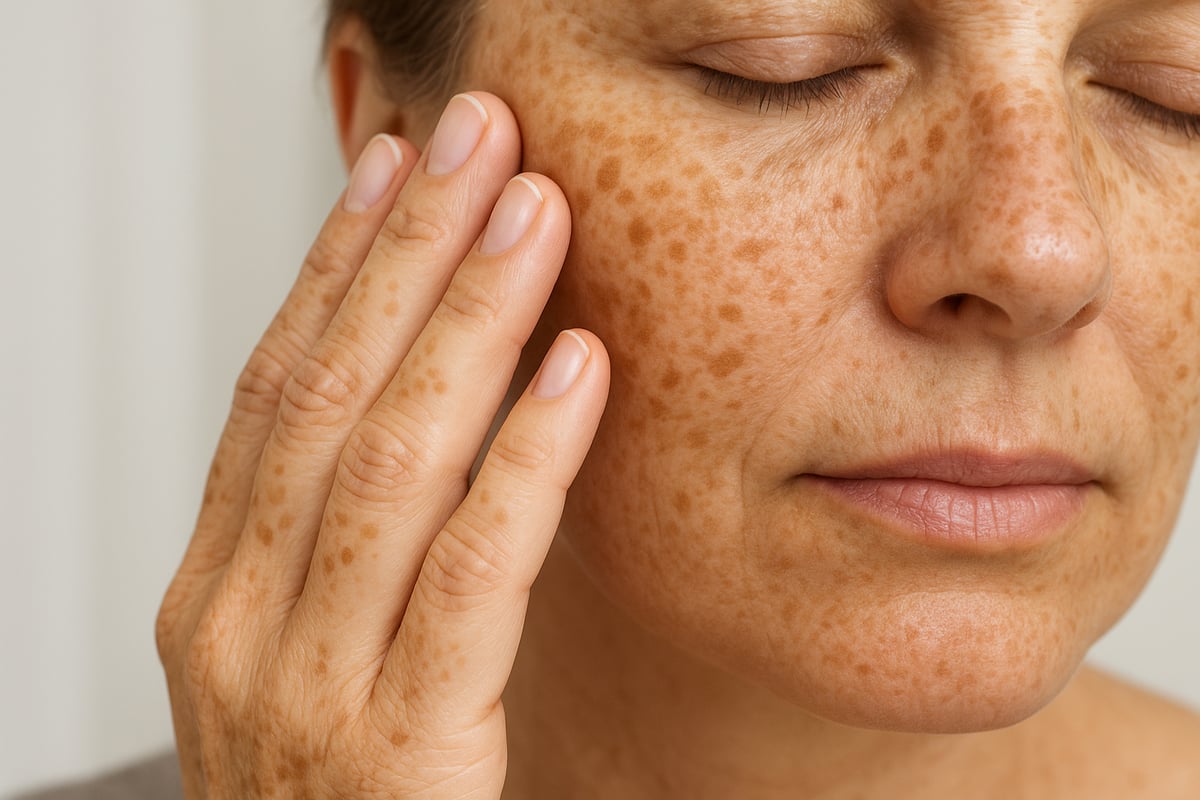
Sun spots, medically referred to as solar lentigines, are flat, brown to dark tan patches that commonly appear on sun-exposed areas like the face, hands, and shoulders. Unlike freckles, which can fade with reduced sun exposure, sun spots persist and often increase in number with age. They differ from melasma, which presents as larger, patchy pigmentation, and from age spots, which can overlap but are typically linked more to aging than direct sun exposure.
These spots occur due to an increase in melanin production in the skin, triggered by years of UV exposure. The pigment collects in the upper layers, resulting in visible discoloration that many seek to address with laser sun spot removal.
Main Causes of Sun Spots
The primary cause of sun spots is chronic exposure to ultraviolet (UV) radiation from the sun. Over time, repeated UV exposure damages the skin’s pigment-producing cells, leading to localized overproduction of melanin. Other risk factors include:
- Advancing age, as cumulative sun damage adds up.
- Genetics, which can predispose some individuals to pigmentation.
- Skin type, with lighter skin tones being more susceptible.
- Lifestyle habits, such as frequent outdoor activities or use of tanning beds.
Even artificial UV sources, like tanning beds, significantly increase the risk of developing sun spots, making prevention and laser sun spot removal important considerations for long-term skin health.
Types of Pigmented Lesions Treated by Laser
Laser sun spot removal is not limited to sun spots alone. Modern lasers can target a variety of benign pigmented lesions, including:
- Sun spots (solar lentigines): Well-defined, sun-induced flat brown patches.
- Age spots: Related to aging, often overlapping with sun spots.
- Melasma: Larger, often symmetrical brown patches, usually on the face.
- Pigmented birthmarks: Such as café-au-lait spots, though some deeper lesions may not respond as well.
Not all pigmented lesions are suitable for laser sun spot removal. Lesions with irregular borders, rapid changes, or those suspected of malignancy require medical evaluation first. For a deeper understanding of how lasers are used for pigmentation issues, see this Laser for Hyperpigmentation Overview.
Prevalence and Impact on Skin Health
Sun spots affect a significant portion of the adult population. Studies estimate that up to 90% of individuals over 40 develop at least one sun spot, particularly on sun-exposed skin. While these lesions are benign, they can cause considerable cosmetic and psychological distress, often prompting individuals to seek laser sun spot removal.
Misdiagnosis is possible, as not all brown spots are harmless. That’s why professional evaluation is essential before pursuing treatment. Addressing sun spots can improve not just appearance, but also confidence and overall skin health.
How Laser Sun Spot Removal Works in 2026
Understanding the science and technology behind laser sun spot removal is essential for anyone considering this advanced treatment in 2026. With major breakthroughs in laser precision and safety, the process is more effective and accessible than ever before.
The Science Behind Laser Pigmentation Removal
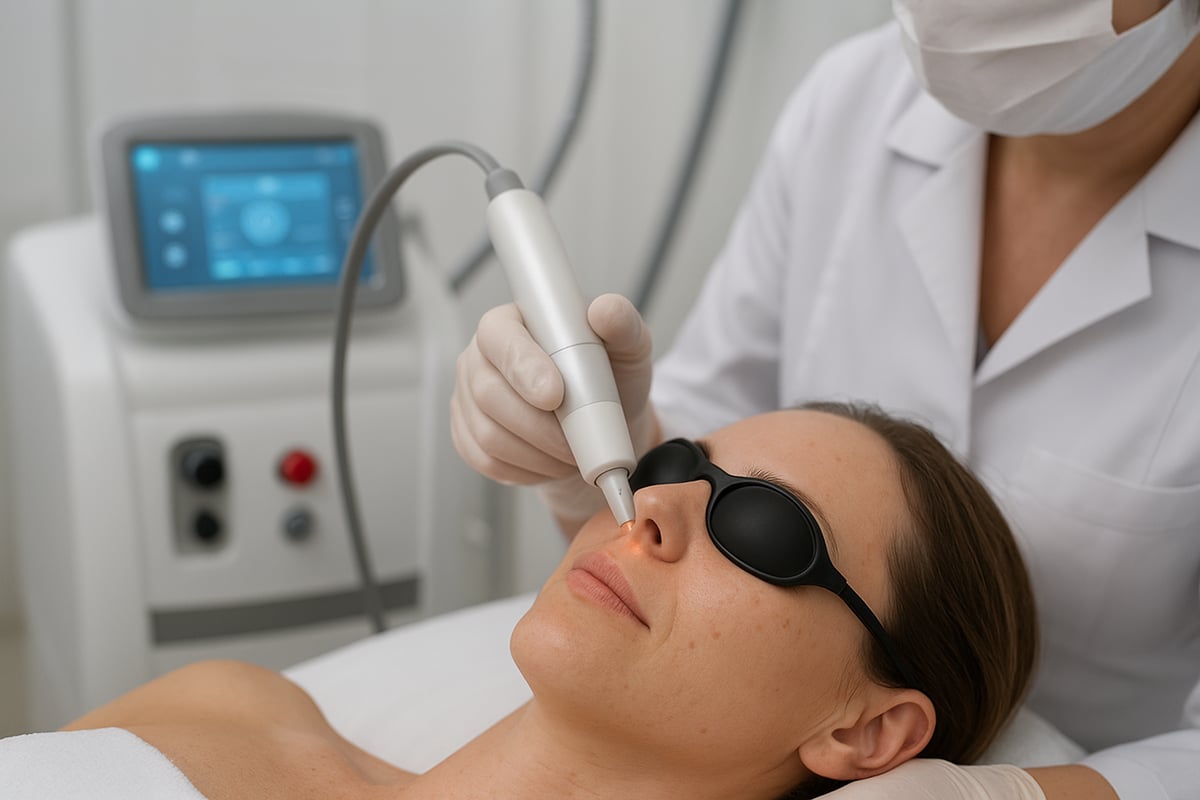
Laser sun spot removal relies on a principle called selective photothermolysis. In this process, specialized lasers emit light at wavelengths that are absorbed by melanin, the pigment responsible for sun spots. The energy selectively targets the excess pigment without harming surrounding skin.
As the melanin absorbs the laser energy, it heats up and breaks apart into tiny fragments. The body’s natural healing mechanisms then clear away these shattered pigment particles over time, leading to gradual fading of the sun spots. This targeted approach provides a significant advantage over topical agents, which often struggle to penetrate deep enough or act precisely on stubborn lesions.
Because laser sun spot removal works at a cellular level, it delivers more consistent and noticeable results. It is also less likely to cause irritation compared to aggressive chemical peels or abrasive scrubs. The dual benefit of precision and safety is why this method remains the gold standard for sun spot correction.
Latest Laser Technologies for 2026
The landscape of laser sun spot removal in 2026 is defined by cutting-edge devices that prioritize safety, efficacy, and inclusivity for all skin tones. Picosecond lasers, such as PicoWay, have set a new benchmark by delivering ultra-short bursts of energy. This allows for faster pigment breakdown and reduced risk of heat-related side effects.
Q-switched Alexandrite lasers continue to be popular for their ability to target brown spots with remarkable precision. Fractional lasers are also widely used, offering controlled micro-injuries that promote even skin tone and collagen renewal. Modern devices now come equipped with real-time feedback systems that adjust settings based on your skin's response, minimizing the risk of complications.
For those seeking more information about these advancements, you can explore Laser Skin Treatments with PicoWay to see how the latest technologies are transforming outcomes. Thanks to these innovations, laser sun spot removal is now safer for darker skin types and offers shorter recovery times than ever before.
Step-by-Step Process of Laser Sun Spot Removal
Your journey with laser sun spot removal begins with a comprehensive skin assessment and consultation. A qualified practitioner will evaluate your skin type, the depth of your sun spots, and any underlying conditions. Before starting, a spot test may be performed to ensure the treatment is safe and effective for your unique skin.
During the actual procedure, the provider customizes the laser settings to your needs. Sessions are typically quick, lasting 15 to 30 minutes. Most patients describe a mild snapping or tingling sensation, similar to a rubber band flick. After the session, treated areas may appear darker or slightly red, but this is a normal part of the healing process.
Depending on the depth and number of sun spots, you may require one to three sessions for optimal results. The healing process follows a predictable timeline: initial darkening, followed by crusting or flaking, and gradual fading of pigmentation over one to four weeks.
Safety, Risks, and Contraindications
Laser sun spot removal is considered safe for most healthy adults, but understanding potential risks is crucial. Common side effects include temporary redness, swelling, and darkening of treated spots, which usually resolve within a few days.
Rare but possible complications can involve blistering, scarring, or changes in skin pigmentation, especially if aftercare instructions are not followed. Individuals with certain skin conditions, such as active eczema or infections, as well as those taking photosensitizing medications or who are pregnant, should avoid treatment.
A thorough consultation and patch test help minimize risks, ensuring the safest path to clearer, healthier skin with laser sun spot removal.
Choosing the Right Clinic and Practitioner
Selecting the best provider for laser sun spot removal is crucial for both safety and optimal results. The right clinic will combine advanced technology with experienced professionals, ensuring every treatment is tailored to your unique skin needs. By following a clear set of criteria, you can feel confident in your decision and invest in your skin’s health with peace of mind.
Key Factors in Selecting a Laser Clinic
When considering laser sun spot removal, prioritize clinics staffed by board-certified dermatologists or licensed laser technicians. Their expertise ensures proper assessment and safe application of laser technology. Always research the clinic’s reputation by reading client reviews and viewing before and after galleries to gauge real results.
The technology a clinic offers matters. Look for locations equipped with the latest devices, which improve safety and efficacy for all skin types. Robust safety protocols, including patch testing and medical oversight, are essential. For a comprehensive guide on what to look for, consult Choosing a Laser Treatment Clinic for additional tips.
Questions to Ask During Consultation
Before committing to laser sun spot removal, ask key questions during your consultation. This helps set clear expectations and ensures your provider is the right fit.
- What is your experience with my skin type and specific sun spot concerns?
- Which device will you use, and why is it best for my needs?
- How many sessions are typically required for my case?
- What results can I expect, and how should I care for my skin afterward?
These questions not only clarify the process but also foster trust and transparency with your chosen clinic.
New Skin Laser Clinic: Advanced Laser Sun Spot Removal in Toronto
New Skin Laser Clinic stands out for its commitment to advanced laser sun spot removal. Their team utilizes next-generation technologies like PicoWay and Alexandrite lasers to deliver precise, safe treatments for all skin tones, including darker complexions.

Personalized treatment plans are tailored to each client, and consultations are transparent, focusing on education and long-term skin health. The downtown Toronto location is convenient, and flexible payment options make treatments accessible. New Skin Laser Clinic’s dedication to inclusivity and client safety sets a high standard in the industry.
Red Flags and What to Avoid
Be cautious of clinics that lack qualified professionals or use outdated equipment for laser sun spot removal. Avoid providers who make unrealistic promises, such as overnight results or guaranteed outcomes.
Red flags include the absence of proper aftercare instructions, skipping patch testing, or failing to review your medical history. Always ensure the clinic maintains medical oversight throughout the process. Prioritizing these safeguards helps you avoid complications and supports the best possible outcome for your skin.
Preparing for Your Laser Sun Spot Removal Session
Getting ready for your laser sun spot removal session is essential for achieving the best results and minimizing risks. Careful preparation can make your experience smoother and set the stage for radiant, even-toned skin.

Pre-Treatment Steps and Precautions
Preparation for laser sun spot removal starts weeks before your appointment. Sun exposure is the leading cause of complications, so avoid direct sunlight and use broad-spectrum SPF 50+ daily for at least two to four weeks.
Discontinue retinoids, exfoliating acids, and certain medications as advised by your provider. A patch test is typically performed to assess your skin’s reaction and reduce risks. Your medical history will be reviewed to identify any contraindications. For a deeper understanding of protocols and safety tips, you can explore Laser Therapy for Dark Spots.
- Use daily sunscreen and avoid tanning beds
- Pause active skincare products as directed
- Complete a patch test and provide a full medical history
These steps help ensure your skin is in optimal condition for safe and effective treatment.
What to Expect on Treatment Day
On the day of your laser sun spot removal session, arrive with clean, makeup-free skin. You’ll begin by filling out consent forms and reviewing your treatment plan with the practitioner.
The provider will cleanse the targeted area and may apply a numbing cream for comfort, especially if you have sensitive skin. The actual procedure involves targeted laser pulses, which may feel like a series of quick snaps or mild warmth. Sessions typically last 15 to 30 minutes, depending on the number and size of sun spots.
After treatment, you might experience mild redness or swelling. These effects are normal and usually subside within a few hours to a day.
Managing Expectations: Realistic Results
Laser sun spot removal is highly effective, but results vary based on the type, depth, and number of spots. Most patients notice visible fading after one to three sessions, although stubborn pigmentation may require additional treatments or a combination of modalities.
It’s important to understand that some spots may lighten gradually over two to four weeks, as your body naturally removes fragmented pigment. Not all discolorations respond equally, and your provider will set realistic goals during your consultation.
Patience and adherence to aftercare instructions are key to achieving optimal, long-lasting results.
Cost Considerations and Insurance
Laser sun spot removal is considered a cosmetic procedure, so insurance coverage is rare. The cost per session in 2026 typically ranges from $200 to $600, depending on factors such as clinic location, provider expertise, device type, and the size or number of spots treated.
Below is a table summarizing cost factors:
| Factor | Impact on Cost |
|---|---|
| Clinic location | Urban centers may cost more |
| Device technology | Advanced lasers increase price |
| Practitioner experience | Higher expertise, higher fee |
| Size/number of spots | More spots, higher cost |
Discuss pricing, payment options, and session estimates during your consultation to avoid surprises. Remember, investing in a reputable provider ensures both safety and satisfaction.
Aftercare and Recovery: Maximizing Results
Proper aftercare is the cornerstone of successful laser sun spot removal. By following expert recommendations at each stage, you can minimize complications, speed up healing, and ensure your skin looks its best. Let’s explore step-by-step guidance for optimal recovery and lasting results.
Immediate Post-Treatment Care
After a laser sun spot removal session, your skin will likely feel warm and look slightly red or swollen. This is normal and part of the healing process. Most clinics recommend applying a cool compress or soothing ointment for comfort.
Key aftercare steps include:
- Avoid direct sun exposure for at least one week.
- Use a gentle, fragrance-free moisturizer to support skin barrier recovery.
- Refrain from using makeup on treated areas until redness subsides, usually 24–48 hours.
Temporary darkening or crusting of the treated spots is expected as pigment breaks down. It is essential not to pick or scratch at these areas. According to the Treatment of Benign Pigmented Lesions Using Lasers, following proper aftercare reduces risks and improves outcomes. Your clinic will advise when you can resume your normal skincare routine safely.
Long-Term Skin Care Following Laser Treatments
Long-term care is crucial for maintaining the benefits of laser sun spot removal. The number one rule is diligent sun protection. Apply a broad-spectrum SPF 50+ sunscreen every morning, and reapply every two hours when outdoors.
Other recommendations include:
- Use gentle cleansers and hydrating serums to support healing.
- Avoid retinoids, alpha hydroxy acids, and exfoliants until your provider gives the green light.
- Stay hydrated and nourish your skin with antioxidants.
For those with darker skin tones, advances in laser technology have improved safety and efficacy, as highlighted in the Advancements in Laser Therapies for Dermal Hyperpigmentation. Consistent care after laser sun spot removal supports even results and reduces the risk of pigment changes.
Recognizing and Managing Side Effects
Some side effects are expected after laser sun spot removal. Mild discomfort, redness, and crusting often occur in the initial days. These symptoms usually resolve within a week.
Monitor your skin for:
- Persistent redness or swelling beyond a few days.
- Blistering, pus, or signs of infection.
- Unusual pigment changes or scarring.
If you notice any warning signs, contact your provider promptly. Early intervention ensures any complications are managed quickly. Remember, most people experience only minor, temporary effects when aftercare is followed properly.
Preventing Future Sun Spots
Prevention is key to maintaining your new, even complexion after laser sun spot removal. Adopt these healthy habits:
- Wear wide-brimmed hats and UV-protective clothing outdoors.
- Limit time in direct sunlight, especially during peak hours.
- Schedule annual skin checks with your dermatologist.
Incorporate antioxidants and topical brighteners to help defend skin against future pigmentation. Early intervention at the first sign of new spots can keep your results looking fresh for years.
Enhancing and Maintaining Results
To maximize the longevity of your laser sun spot removal results, consider periodic maintenance treatments as recommended by your provider. Combining modalities, such as IPL or chemical peels, can address stubborn pigmentation.
Many patients see the best outcomes by:
- Scheduling follow-up sessions every 6–12 months.
- Sharing before-and-after photos with their clinic to track progress.
- Reading real-world testimonials for motivation and realistic expectations.
Commitment to ongoing care and lifestyle adjustments ensures your skin remains clear, radiant, and confidence-boosting.
Expert Tips and Frequently Asked Questions for 2026
Navigating the world of laser sun spot removal can be challenging, even as technology advances in 2026. Here, discover expert-backed strategies, myth-busting facts, and answers to the most common questions, helping you make informed choices and achieve radiant, spot-free skin.
Pro Tips for Optimal Laser Sun Spot Removal
Choosing the right time and approach maximizes your laser sun spot removal results. Experts often recommend scheduling treatments in fall or winter, when UV exposure is lower, reducing the risk of post-treatment pigmentation.
Layering treatments, like combining lasers with medical-grade skincare, helps address stubborn pigmentation. Always follow the aftercare plan, including daily SPF use and gentle skin routines, to enhance healing and maintain results.
Consistency is key. Stay on track with follow-up sessions and maintenance visits to achieve lasting clarity. Trust your provider’s expertise and communicate openly about your goals for the best possible outcome.
Addressing Common Myths and Misconceptions
Many believe laser sun spot removal is painful or unsafe for those with darker skin. Thanks to recent advancements, such as the development of precise picosecond lasers, treatments are now safer and more comfortable for all skin tones. According to a Spot-on Laser Treatment for Skin Blemishes, a new index for picosecond lasers has improved both precision and safety.
Another myth is that results are instant and permanent after one session. While visible improvement is common after a single visit, some spots require multiple treatments for full clearance. Understanding the realistic timeline helps set proper expectations.
Downtime is typically minimal, with most patients returning to normal activities within a day or two. As always, discuss specific concerns with your provider.
FAQ: Suitability and Candidacy
Is everyone a candidate for laser sun spot removal? Most healthy adults with sun spots or similar pigmented lesions can benefit, but certain conditions may require caution.
Ideal candidates have stable skin health, realistic expectations, and are willing to follow aftercare protocols. In 2026, advances in laser technology have made treatments safer for all skin tones, including those with higher melanin levels.
However, individuals who are pregnant, taking certain medications, or have active skin infections should delay treatment. Always disclose your full medical history to your provider for a safe experience.
FAQ: Results and Longevity
How long do laser sun spot removal results last? Most patients enjoy clear skin for years, especially if they protect their skin from UV exposure and follow maintenance advice.
Sun spots can recur if new sun damage occurs, so ongoing sun protection is vital. A Systematic Review of Clinical Trials on Solar Lentigines highlights that repeated or combination treatments may be needed for optimal longevity.
Maintenance sessions every one to two years help keep your skin bright. Discuss individualized plans with your clinic to preserve your results.
FAQ: Safety, Side Effects, and Complications
What should you expect after laser sun spot removal? Mild redness, swelling, and temporary darkening of treated spots are common and usually resolve within days.
Rarely, side effects like blistering, scarring, or pigment changes can occur, especially if aftercare instructions are not followed. If you notice persistent redness, discomfort, or signs of infection, contact your provider promptly.
Safety has greatly improved in 2026, with modern lasers minimizing risk for all skin types. Always choose clinics that offer patch testing and thorough consultations.
Real Patient Experiences and Success Stories
Patients often report high satisfaction with laser sun spot removal, noting improved skin clarity and confidence. Before-and-after photos show visible fading after just one to three sessions.
Many share that following aftercare and staying consistent with SPF was crucial for maintaining their results. Clinics now feature testimonials and galleries to help set realistic expectations and showcase success.
If you’re considering treatment, ask your provider to share patient stories relevant to your skin type. Real-world examples can guide your journey to clearer, healthier skin.