
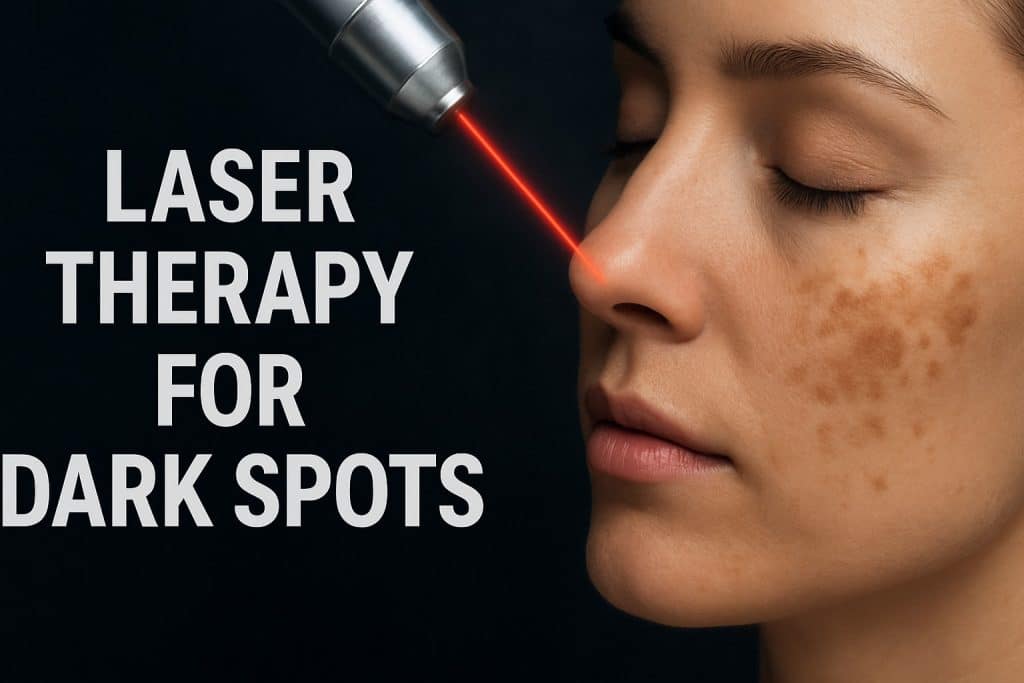
Struggling to fade stubborn dark spots? You are not alone. Hyperpigmentation is one of the most common skin concerns, affecting people of all ages and backgrounds.
In this guide, we bring you the latest insights on laser therapy for dark spots in 2026. Discover how this advanced treatment can help you achieve clearer, more even skin.
We will walk you through the causes of dark spots, explain how laser therapy works, review new technologies, outline the treatment process, discuss safety, and share tips for choosing the right clinic.
Understanding Dark Spots and Hyperpigmentation
Struggling with uneven skin tone? Dark spots are a widespread concern affecting individuals of every age and background. To fully grasp how laser therapy for dark spots works, it is essential to understand what causes these spots, their types, and the profound impact they can have on daily life.
What Are Dark Spots? Definitions and Types
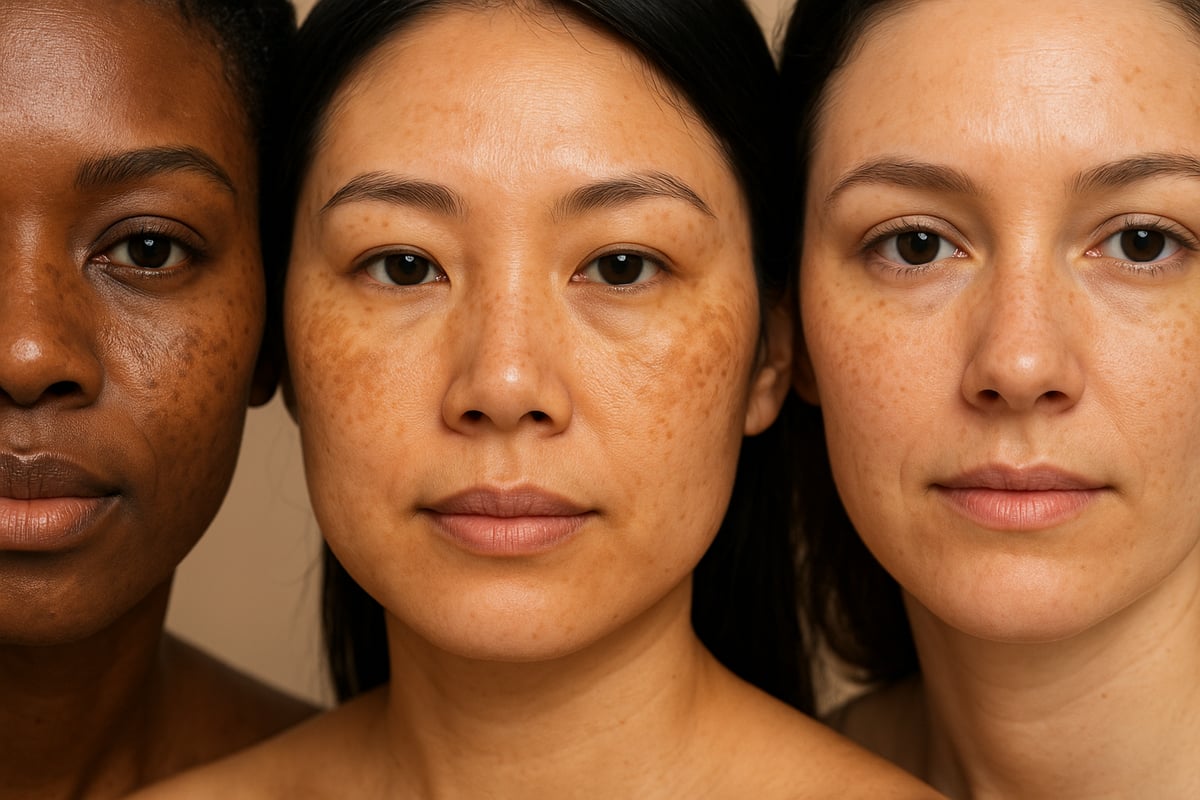
Dark spots, often called hyperpigmentation, are patches of skin that appear darker than the surrounding area. These can range from small freckles to larger, more pronounced spots.
Common types include:
- Sunspots (solar lentigines): Result from prolonged sun exposure.
- Melasma: Characterized by symmetrical patches, often on the cheeks and forehead, usually linked to hormones.
- Post-inflammatory hyperpigmentation: Follows skin injuries or inflammation, such as acne.
Pigmentation can be superficial (closer to the skin surface) or deep (affecting lower skin layers). The appearance of dark spots varies by skin tone, with deeper skin often developing more prominent or persistent spots.
No matter the type, laser therapy for dark spots can be tailored to address both superficial and deep pigmentation, enhancing clarity for all skin types.
Causes and Risk Factors
Dark spots develop for several reasons. The most common cause is sun exposure, which triggers melanin production. Hormonal changes, such as pregnancy or birth control use, can lead to melasma. Inflammation from acne or eczema often results in post-inflammatory hyperpigmentation.
Other factors include:
- Genetics
- Certain medications and skincare products
- Environmental pollution
According to the American Academy of Dermatology, up to 40% of people will experience visible hyperpigmentation at some point. Prevalence is higher in individuals with medium to darker skin tones, and women are more likely to be affected due to hormonal fluctuations.
Understanding these risk factors helps determine when laser therapy for dark spots might be most effective.
Impact on Confidence and Quality of Life
The presence of dark spots can significantly affect self-esteem. Many people feel self-conscious about uneven skin, leading to reduced social engagement and increased anxiety.
Surveys reveal that over 60% of people with visible hyperpigmentation report negative impacts on their confidence and daily activities. In severe cases, individuals may avoid social situations or spend excessive time and money on concealing products.
For those seeking lasting change, laser therapy for dark spots provides a solution that can restore both skin clarity and self-assurance.
Why Dark Spots Are Challenging to Treat
Treating dark spots is complex because melanin, the pigment responsible for these marks, is deeply embedded in the skin. Natural skin cell turnover is slow, and over-the-counter creams or home remedies often offer limited results.
Topical treatments may fade mild spots but rarely address deeper or more stubborn pigmentation. This is why many turn to professional solutions like laser for hyperpigmentation treatments, which target melanin more precisely and effectively.
Laser therapy for dark spots is especially valuable for persistent or recurring pigmentation, offering greater improvements than standard topical care.
When to Consider Professional Treatments
If dark spots are increasing in size, changing color, or not responding to over-the-counter products, it may be time to consult a dermatologist. Early intervention often prevents spots from becoming more pronounced or permanent.
Professional assessment is crucial for identifying underlying causes and selecting the best treatment plan. Laser therapy for dark spots is recommended when pigmentation affects quality of life or resists traditional approaches.
With expert guidance, individuals can achieve clearer, more even skin and regain confidence.
How Laser Therapy Works for Dark Spots
Laser therapy for dark spots has transformed the way clinicians address hyperpigmentation. Thanks to technological advances, patients now have access to more precise, effective, and safer options than ever before.
Laser Technology Basics: Mechanisms and Types
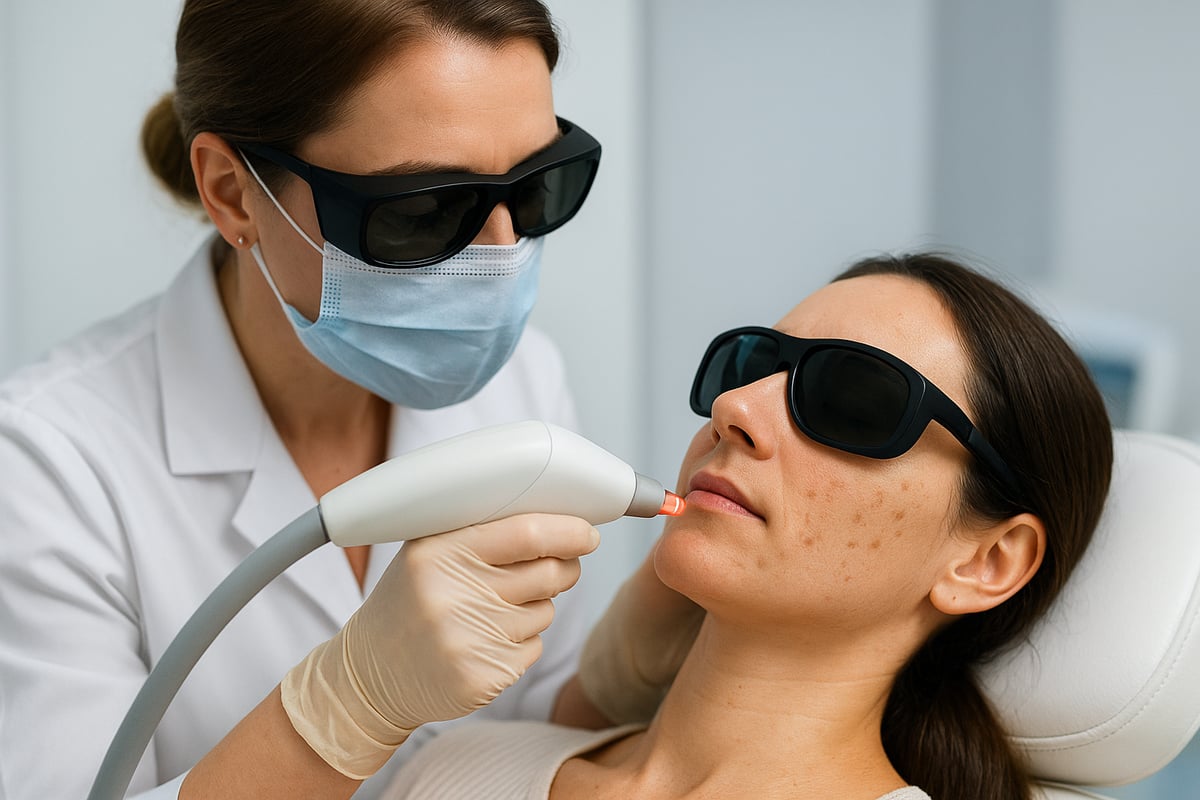
Laser therapy for dark spots works by delivering concentrated light energy directly into pigmented areas. This light is absorbed by excess melanin, breaking it down so the body can remove it naturally.
There are several types of lasers used in this process:
- Q-switched lasers: Deliver rapid pulses to shatter pigment.
- Picosecond lasers: Offer ultra-fast pulses for stubborn pigmentation, providing greater precision and safety. Recent studies, such as those on the Picosecond Laser for Complex Pigmentary Disorders, highlight their effectiveness for diverse pigment issues.
- Fractional lasers: Treat micro-zones, minimizing downtime.
- Intense Pulsed Light (IPL): Uses multiple wavelengths for broader pigmentation concerns.
- Ablative vs. non-ablative: Ablative lasers remove skin layers, while non-ablative target pigment below the surface.
By 2026, AI-guided devices are standard, offering tailored energy settings and enhanced cooling systems for comfort during laser therapy for dark spots.
Effectiveness Compared to Other Treatments
Laser therapy for dark spots is often more effective than topical creams, chemical peels, or microdermabrasion, especially for deeper or stubborn pigmentation.
Clinical studies show higher clearance rates and longer-lasting results with lasers. Unlike chemical peels that only exfoliate the surface, lasers penetrate deeper, targeting melanin directly. Microdermabrasion works best for superficial issues but cannot address deep pigment.
Laser therapy for dark spots also reduces recurrence rates, making it a preferred option for patients seeking lasting improvement.
Safety and Suitability for Different Skin Types
Safety is paramount when choosing laser therapy for dark spots. Devices are selected based on the Fitzpatrick skin type scale (I-VI), which classifies skin by its response to UV exposure.
For lighter skin, most lasers are suitable. For darker skin, providers choose specific types, such as picosecond or certain Q-switched lasers, to minimize the risk of post-inflammatory hyperpigmentation or hypopigmentation.
Complication rates are low when appropriate technology and protocols are used. Statistics indicate a success rate above 85% for most skin types, with serious side effects being rare.
Expected Results and Limitations
Patients undergoing laser therapy for dark spots typically notice a visible reduction in pigmentation after two to four sessions. Clinical trials show significant lightening in sunspots, post-inflammatory dark marks, and some forms of melasma.
However, some conditions, like deep-seated melasma or pigmentation linked to hormonal imbalance, may be resistant to treatment. The number of required sessions depends on pigment depth and type, but expectations should be realistic.
Laser therapy for dark spots is not a one-time solution for every case. Maintenance treatments may be needed for optimal long-term results.
Who Is an Ideal Candidate?
Ideal candidates for laser therapy for dark spots include those with stable health, realistic goals, and pigmentation not responding to over-the-counter treatments.
Providers perform a thorough assessment, reviewing medical history and current medications. Contraindications include active infections, certain autoimmune disorders, or recent use of photosensitizing drugs.
Age, lifestyle, and commitment to sun protection also influence outcomes. A personalized consultation ensures the safest and most effective approach for each individual.
Step-by-Step Guide to Laser Therapy for Dark Spots
Embarking on laser therapy for dark spots involves a structured, patient-centered approach. Understanding each stage helps set realistic expectations and ensures the best possible results. Here is a comprehensive walk-through of the entire process, from your first consultation to ongoing care.
Step 1: Initial Consultation and Skin Assessment
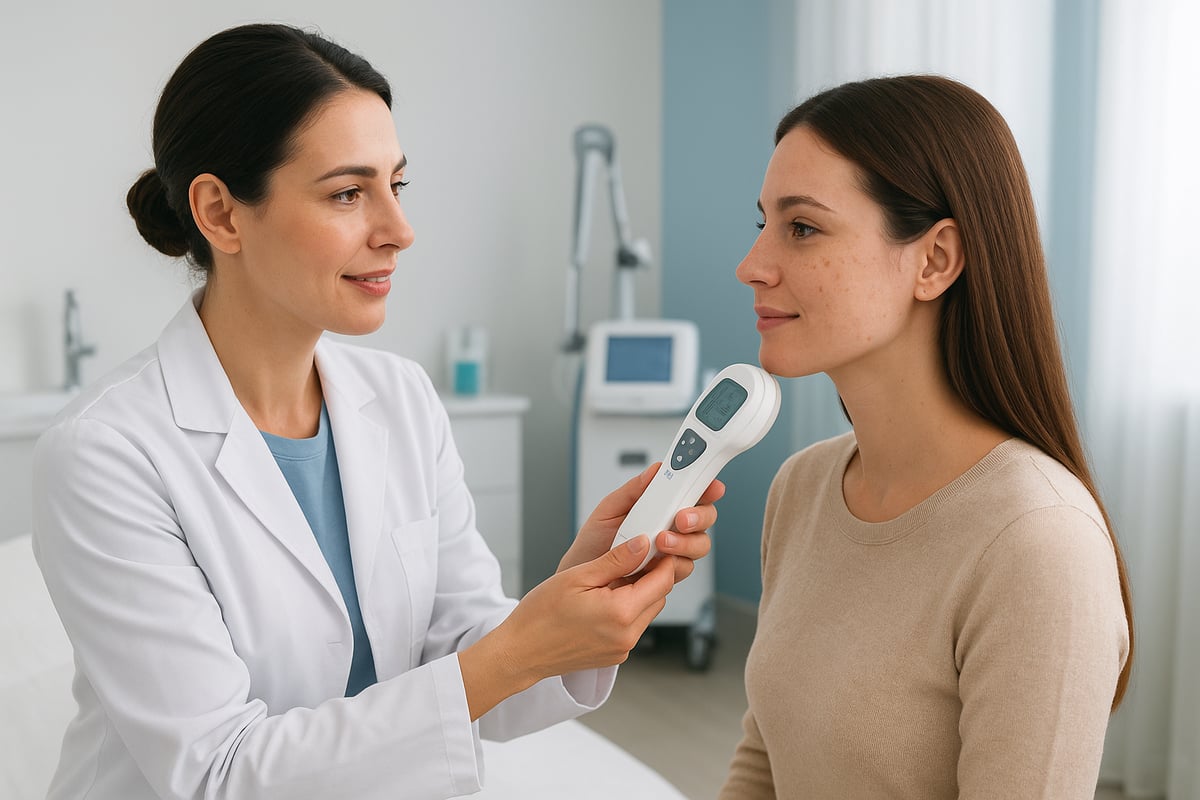
The journey with laser therapy for dark spots always begins with a detailed consultation. During this session, a skincare expert or dermatologist examines your skin, reviews your medical history, and identifies the exact type and depth of pigmentation.
Advanced diagnostic tools, such as digital imaging and skin analyzers, are often used to map out the affected areas. Patch testing is a common step, especially for those with sensitive or darker skin, to minimize the risk of adverse reactions.
Setting realistic expectations is crucial. The provider will explain how laser therapy for dark spots works for your specific skin type, what results you can anticipate, and any limitations based on your health or lifestyle.
Step 2: Preparing for Your Laser Treatment
Proper preparation plays a vital role in the success of laser therapy for dark spots. Your provider will give you a list of pre-treatment instructions to optimize safety and effectiveness.
Key recommendations include:
- Avoiding direct sun exposure and tanning beds for at least two weeks.
- Discontinuing retinoids, exfoliants, and certain antibiotics as advised.
- Following a gentle skincare routine to keep the skin healthy and hydrated.
You may also be asked to stop using products that could increase sensitivity. These steps help ensure that your skin is in the best possible condition before starting laser therapy for dark spots.
Step 3: The Laser Treatment Session
On the day of your procedure, the treatment area is cleansed thoroughly. A topical numbing cream may be applied to enhance comfort. Protective eyewear is provided to shield your eyes from the laser light.
During the session, your provider will use a specialized device to deliver precise energy pulses to the targeted dark spots. The sensation is often described as a mild snapping or tingling. Depending on the size and number of spots, sessions typically last between 15 and 45 minutes.
Safety protocols are strictly followed to minimize risks and improve outcomes. For more details about what to expect and the technologies involved, you can explore Laser Skin Resurfacing in Toronto, which offers valuable insights on procedures and recovery.
Step 4: Immediate Post-Treatment Care
After laser therapy for dark spots, your skin may appear red or slightly swollen, similar to a mild sunburn. These effects are temporary and usually resolve within a few hours to a couple of days.
Your provider will apply soothing creams or cooling packs to reduce discomfort. Strict sun protection is essential to prevent new pigmentation and support healing. You may be advised to:
- Apply a fragrance-free moisturizer regularly.
- Avoid hot showers, saunas, and strenuous exercise for 24-48 hours.
- Use a broad-spectrum sunscreen with SPF 30 or higher daily.
By following these aftercare steps, you help your skin recover more efficiently after laser therapy for dark spots.
Step 5: Recovery Timeline and What to Expect
The healing process varies depending on the type of laser used and individual skin characteristics. Typically, you may notice some crusting or flaking as the treated pigment rises to the surface and gradually fades.
Most people can resume normal activities within a day, although some downtime might be needed for more intensive treatments. Visible improvement in dark spots often appears within 7-14 days, but full results may take several weeks as skin regenerates.
Your provider will guide you on when to restart your usual skincare products and makeup. Consistency with sun protection remains crucial throughout recovery from laser therapy for dark spots.
Step 6: Monitoring Progress and Follow-Up Sessions
Achieving optimal results with laser therapy for dark spots often requires multiple sessions. The frequency and number of treatments depend on the severity and type of pigmentation.
Progress is monitored through follow-up appointments, digital photographs, and skin analysis. Your provider may recommend maintenance sessions every few months to prevent recurrence and sustain clear skin.
Staying in touch with your clinic and adhering to personalized aftercare plans ensures the long-term success of laser therapy for dark spots.
Advancements in Laser Technology for 2026
Laser therapy for dark spots is evolving rapidly, with 2026 marking a new era of precision, safety, and tailored results. Recent innovations are transforming both patient outcomes and practitioner capabilities. Let us explore the most impactful advancements shaping the field today.
Breakthrough Devices and Methods
The latest generation of devices in laser therapy for dark spots harnesses artificial intelligence for unprecedented customization. AI-guided systems analyze skin type, pigment depth, and lesion characteristics, then automatically adjust settings for optimal safety and efficacy.
Picosecond and nanosecond lasers deliver energy in ultra-short bursts, shattering pigment particles with minimal skin damage. Hybrid fractional lasers combine ablative and non-ablative effects, offering both pigmentation removal and skin rejuvenation. According to Advancements in Aesthetic Laser Technology for 2026, these technologies are now more versatile and suitable for a broader range of skin tones.
Improved Safety for All Skin Types
Safety is at the forefront of modern laser therapy for dark spots. Enhanced cooling systems protect the epidermis before, during, and after each pulse, making procedures more comfortable while reducing the risk of burns or post-inflammatory hyperpigmentation (PIH).
New energy delivery protocols distribute laser energy more evenly, minimizing hotspots and offering better control for practitioners. Clinical data show a notable decrease in adverse events, particularly for individuals with darker complexions. This makes effective pigmentation treatment accessible to a wider population than ever before.
Enhanced Comfort and Shorter Downtime
Comfort and convenience are major priorities in laser therapy for dark spots. Non-ablative fractional lasers now provide impressive results with minimal discomfort and swift recovery. Most patients experience only mild redness or swelling, which resolves within days.
Innovative patient comfort measures include integrated cooling, numbing options, and shorter session durations. Real-world satisfaction surveys consistently highlight reduced downtime as a top benefit, allowing patients to resume daily activities soon after treatment. These improvements encourage more people to pursue professional solutions for pigmentation issues.
Integration with Other Treatments
Combination therapies are redefining results in laser therapy for dark spots. Clinics are integrating lasers with microneedling, platelet-rich plasma (PRP), or targeted topical agents. This multimodal approach tackles pigmentation from multiple angles, often yielding faster and more durable improvements.
Recent case studies and published research demonstrate that combining treatments can address resistant hyperpigmentation, enhance collagen production, and improve overall skin texture. Practitioners now tailor protocols to each patient, optimizing both safety and efficacy for various forms of discoloration.
Regulatory Standards and Professional Training
As technology advances, so do industry standards. Regulatory bodies have updated guidelines to ensure that laser therapy for dark spots remains safe and effective. Certification requirements now emphasize hands-on training with new devices and a thorough understanding of diverse skin types.
Clinics equipped with the latest technology and staffed by certified professionals are best positioned to deliver exceptional outcomes. Patients benefit from transparent treatment plans, documented safety protocols, and ongoing practitioner education. These standards help build trust and ensure high-quality care.
Potential Risks, Side Effects, and How to Minimize Them
Laser therapy for dark spots is generally safe when performed by trained professionals, but understanding potential side effects and risks is vital for optimal outcomes. Knowing what to expect, how to minimize complications, and when to seek help empowers you to make informed decisions and ensures your journey to clearer skin is both safe and successful.
Common Side Effects and Their Management
After laser therapy for dark spots, mild redness, swelling, and slight discomfort are among the most frequent side effects. These reactions are usually temporary and resolve within a few days.
To manage these effects, follow your clinician’s aftercare instructions closely. Use gentle, fragrance-free moisturizers and apply cool compresses to reduce discomfort. Always shield treated areas from sun exposure, as UV rays can worsen pigmentation and slow healing. Over-the-counter pain relievers may help with mild soreness, and mineral sunscreen is essential for daily protection.
Rare but Serious Risks
Although uncommon, some risks associated with laser therapy for dark spots are more severe. These can include infection, scarring, burns, or long-term pigment changes such as persistent hypopigmentation or hyperpigmentation. The risk of post-inflammatory hyperpigmentation (PIH) is higher in individuals with darker skin tones or when incorrect laser settings are applied.
A systematic review of laser treatments for PIH highlights the importance of choosing the right laser type and settings to minimize these complications. Always ensure your provider has experience with your skin type and follows strict safety protocols.
Special Considerations for Darker Skin Tones
People with darker complexions require special care during laser therapy for dark spots. Melanin-rich skin is more sensitive to laser energy, increasing the likelihood of pigment changes if inappropriate devices or settings are used.
Patch testing is crucial before full treatment to assess your skin’s response. Gradual energy increases and the use of specific laser types, such as Q-switched or picosecond devices, can help reduce risks. Open communication with your provider about your skin history ensures the safest and most effective approach.
Preventing Complications: Patient and Provider Responsibilities
Both patients and providers play key roles in minimizing risks during laser therapy for dark spots. Your provider should conduct a thorough medical assessment, select appropriate technology, and offer detailed pre- and post-care instructions.
As a patient, disclose all medications, supplements, and any history of skin disorders. Follow pre-treatment guidelines, such as avoiding retinoids, exfoliants, and sun exposure, to prepare your skin. After treatment, adhere strictly to aftercare routines, watching for unusual reactions and reporting them promptly.
When to Seek Medical Attention
While most side effects are mild, certain symptoms require prompt attention. Contact your provider if you notice:
- Severe or worsening pain
- Signs of infection (pus, increased redness, fever)
- Blistering or open wounds
- Persistent pigment changes lasting several weeks
Early intervention can prevent complications and support the best possible results from laser therapy for dark spots. Trust your instincts—if anything feels unusual or concerning, seek professional advice right away.
Choosing the Right Clinic and Expert for Laser Therapy
Selecting the ideal clinic for laser therapy for dark spots is vital to achieving safe, effective, and lasting results. With advanced technology and skilled providers, you can maximize your chances of clearer, more even-toned skin.
Credentials and Experience to Look For
When considering laser therapy for dark spots, prioritize clinics led by board-certified dermatologists or medical professionals with formal training in laser devices. Experience treating a wide range of skin tones and pigmentation issues is essential. Ask about their years of practice and specific expertise with laser therapy for dark spots. A reputable provider should be able to present certifications, before-and-after photos, and ongoing education in laser safety and technique.
Technology and Treatment Options Offered
The right clinic should offer a selection of advanced devices tailored to various pigmentation concerns. Ask if they provide multiple laser types, such as Q-switched, picosecond, or IPL systems, to ensure your treatment is customized. Clinics that use evidence-based protocols and the latest technology, like the Lumecca IPL Photofacial for Pigmentation, can enhance results and minimize risks. This approach demonstrates their commitment to effective laser therapy for dark spots.
Why Choose New Skin Laser Clinic for Laser Therapy in Toronto
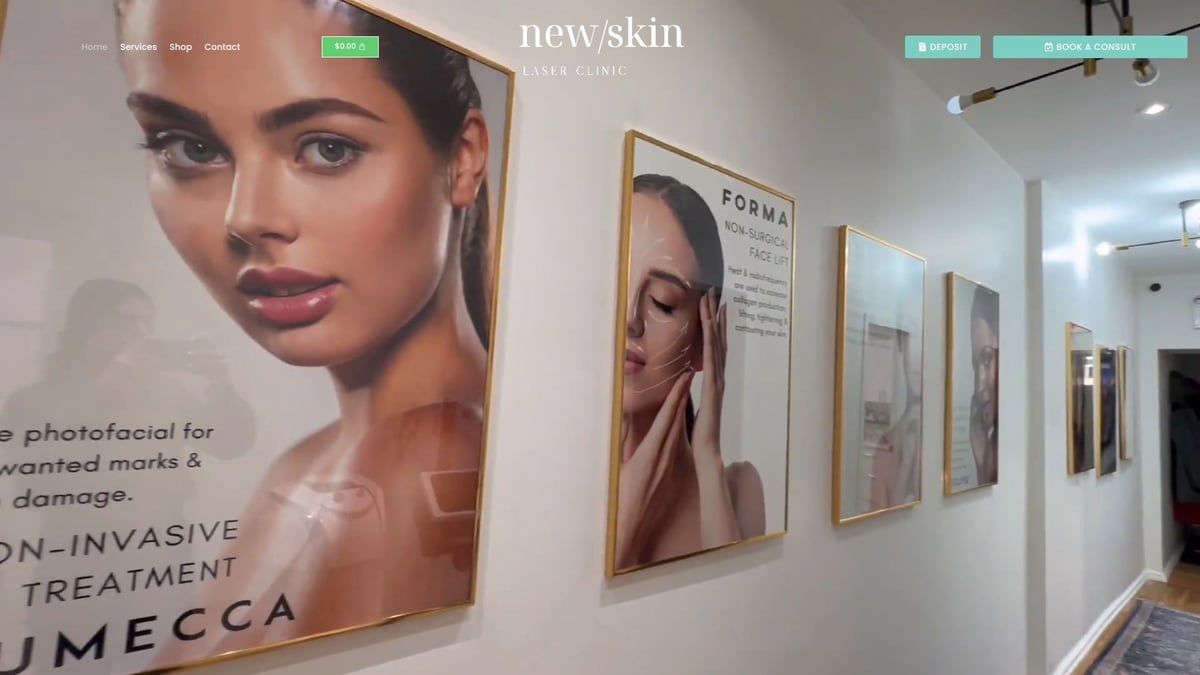
New Skin Laser Clinic stands out for its expertise in laser therapy for dark spots, offering state-of-the-art technology and personalized care for all skin types. Their experienced team, including estheticians and a registered nurse, ensures treatments are safe and results appear natural. With a convenient Toronto location, flexible payment plans, and a focus on comfort, New Skin Laser Clinic is dedicated to delivering an inclusive and high-quality experience for every client.
What to Expect During Your Consultation
A reputable provider begins with a thorough consultation, using digital imaging or skin analyzers to assess your pigmentation. They will review your medical history, discuss realistic outcomes, and determine if laser therapy for dark spots is suitable for you. Expect clear explanations about the procedure, risks, benefits, and aftercare. Transparent pricing and a willingness to answer all your questions are hallmarks of a trustworthy clinic.
Reading Reviews and Patient Testimonials
Evaluate clinics by reading verified patient reviews and examining before-and-after galleries. Look for consistent feedback on safety, professionalism, and results with laser therapy for dark spots. Positive testimonials often highlight clear communication and supportive follow-up care. Be alert for red flags, such as unqualified staff or lack of visible results. Checking published research or real patient experiences can further validate your choice of provider.
Questions to Ask Before Booking
Before committing to laser therapy for dark spots, prepare a list of essential questions. Inquire about the clinic’s technology, safety protocols, aftercare support, and expected results. Ask if they offer combination therapies, such as pairing lasers with topical agents, as supported by studies like this Multimodal Approach to Hyperpigmentation Treatment. Personalized recommendations and ongoing support are crucial for a positive treatment journey.