Scars tell stories, but not all stories need to remain visible on your skin. Whether from acne, surgery, injury, or burns, scars can affect confidence and self-image. Modern laser technology has revolutionized scar treatment, offering effective solutions that were unimaginable just a decade ago. As a leading aesthetic clinic in Toronto, we've witnessed remarkable transformations through advanced laser therapies designed to minimize scar appearance and restore skin smoothness. Understanding how laser treatments work, what types are available, and what results you can expect is essential for making informed decisions about your skin health.
Understanding How Laser Technology Treats Scars
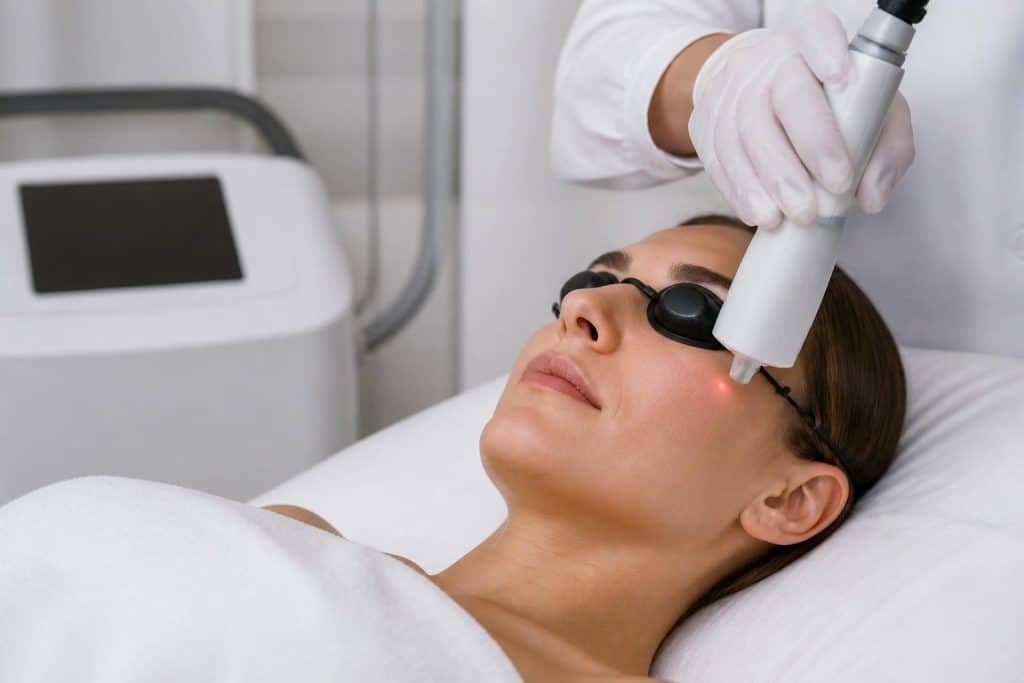
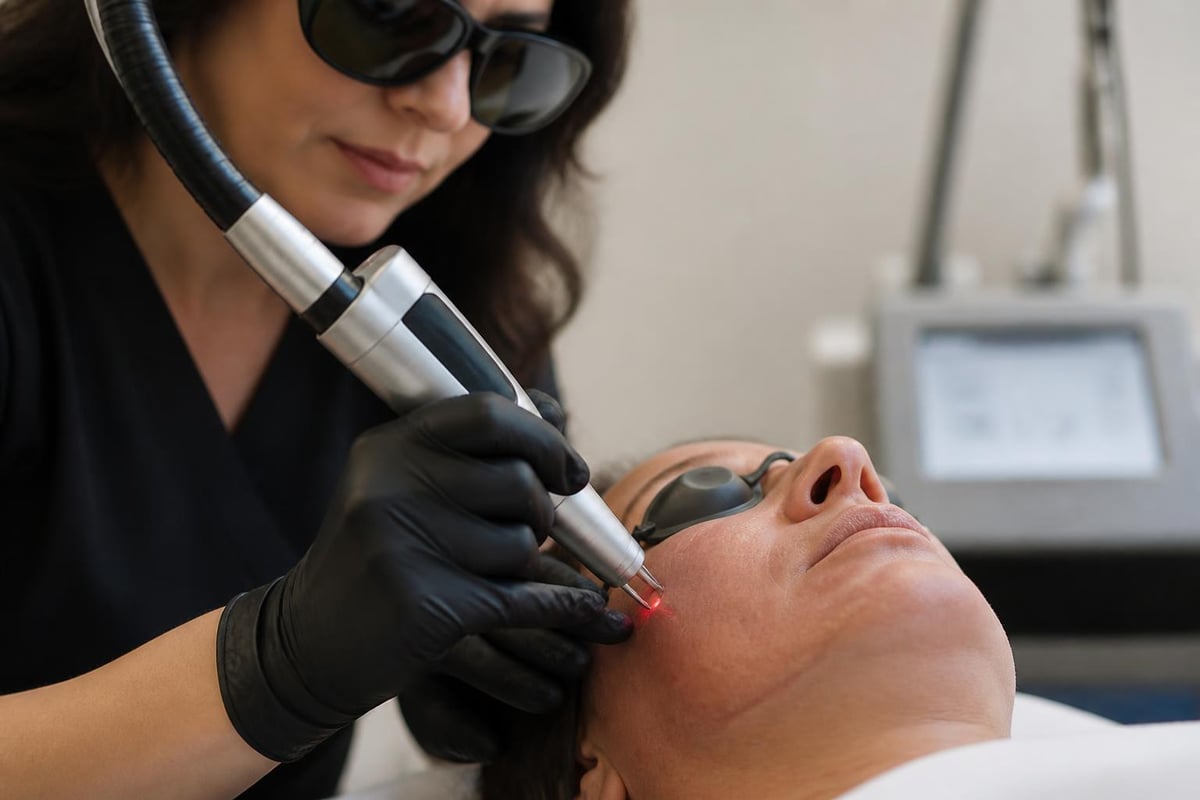
Laser for scars works by delivering concentrated light energy to targeted areas of damaged skin. This precise energy stimulates the body's natural healing response, breaking down scar tissue and encouraging fresh collagen production. The process essentially remodels the skin from within, gradually improving texture, color, and overall appearance.
Different wavelengths of light penetrate various skin depths, allowing specialists to customize treatments based on scar type and severity. Ablative lasers remove thin layers of skin, while non-ablative lasers work beneath the surface without damaging the outer layer. This versatility makes laser therapy suitable for numerous scar types.
The Science Behind Collagen Remodeling
When laser energy reaches scar tissue, it creates controlled micro-injuries that trigger fibroblast activity. These cells produce new collagen fibers that are more organized than the irregular collagen found in scar tissue. Over several treatment sessions, this remodeling process results in smoother, more even-toned skin.
According to WebMD’s comprehensive overview of laser scar treatment, the thermal effect also breaks down dense scar tissue, making it softer and flatter. The body then absorbs this damaged tissue and replaces it with healthier skin cells.
Types of Laser Treatments for Different Scar Categories
Selecting the appropriate laser for scars depends on the scar's characteristics. Each scar type responds differently to specific wavelengths and treatment intensities. Professional assessment ensures optimal results while minimizing potential complications.
Acne Scar Treatment Options
Acne scarring affects millions of people and comes in several forms: ice pick scars, boxcar scars, and rolling scars. Fractional CO2 lasers excel at treating moderate to severe acne scars by creating microscopic treatment zones that stimulate deep tissue regeneration.
For milder acne scarring, non-ablative fractional lasers offer excellent results with minimal downtime. These treatments work gradually, making them ideal for patients who cannot afford extended recovery periods. Healthline’s guide to laser treatment for acne scars provides detailed information about costs and procedures specific to acne scar management.
Surgical and Traumatic Scar Solutions
Surgical scars and those from injuries often present as raised, red, or hyperpigmented marks. Pulsed dye lasers target blood vessels within these scars, reducing redness and flattening raised tissue. This approach is particularly effective for hypertrophic scars and keloids.
Baylor Medicine’s laser treatment page explains how various laser technologies like the Candela V-Beam specifically address vascular components in surgical scars. Multiple sessions typically achieve the best outcomes, with improvements visible after each treatment.
Burn Scar Management
Burn scars often require comprehensive treatment strategies combining different laser modalities. Fractional lasers improve texture while vascular lasers address discoloration. This multi-pronged approach helps restore both function and appearance to burn-damaged skin.
The treatment timeline for burn scars extends longer than other scar types, requiring patience and commitment. However, the transformative results often exceed patient expectations, significantly improving quality of life.
Treatment Protocol and Session Requirements
| Scar Type | Recommended Laser | Typical Sessions | Recovery Time |
|---|---|---|---|
| Acne Scars | Fractional CO2 | 3-5 sessions | 5-7 days |
| Surgical Scars | Pulsed Dye | 4-6 sessions | 1-3 days |
| Hypertrophic Scars | Pulsed Dye + Fractional | 5-8 sessions | 3-5 days |
| Burn Scars | Combined Modalities | 6-10 sessions | 7-14 days |
Professional laser for scars treatment begins with a thorough consultation. During this assessment, specialists evaluate scar characteristics, skin type, medical history, and treatment goals. This personalized approach ensures the selected laser technology matches your specific needs.
What to Expect During Treatment
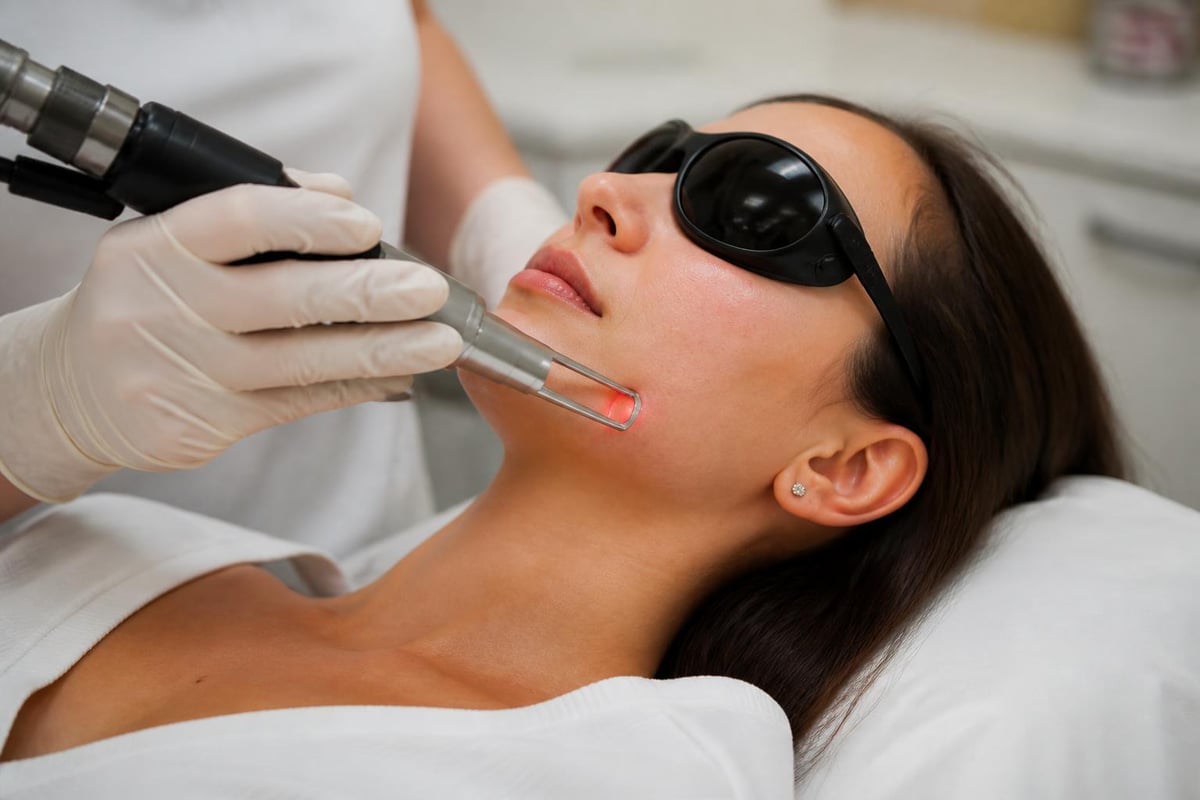
Treatment sessions typically last between 15 to 60 minutes, depending on the treated area's size. Most patients describe the sensation as similar to a rubber band snapping against the skin. Topical numbing cream minimizes discomfort, making the procedure quite tolerable.
Immediately after treatment, the skin may appear red and feel warm, similar to a mild sunburn. These effects subside within hours to days, depending on the laser intensity used. Following post-treatment care instructions is crucial for optimal healing and results.
Spacing Between Sessions
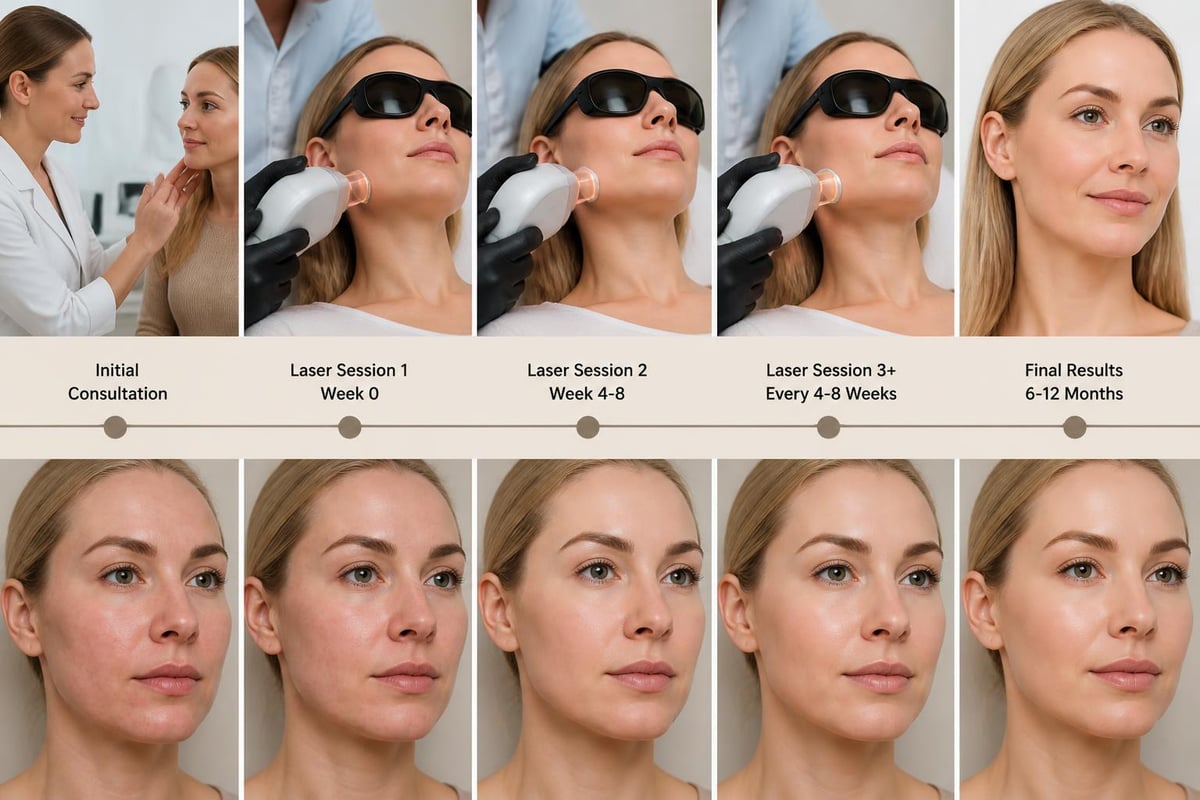
Laser treatments require intervals of 4 to 8 weeks between sessions. This spacing allows skin to heal completely and new collagen to form before the next treatment. Rushing the process can compromise results and increase complication risks.
Progressive improvement becomes noticeable after each session, with final results emerging several months after completing the treatment series. Patience during this process yields the most satisfying long-term outcomes.
Cost Considerations and Investment Value
The financial investment in laser for scars varies significantly based on multiple factors. Understanding these variables helps patients budget appropriately and make informed decisions about their treatment journey.
Key cost factors include:
- Scar size and location on the body
- Number of required treatment sessions
- Type of laser technology used
- Geographic location and clinic expertise
- Combination treatments or standalone procedures
In Toronto, single laser scar treatment sessions typically range from $300 to $1,500. Comprehensive treatment packages for severe scarring can reach $3,000 to $8,000. While this represents a significant investment, many patients consider the psychological and aesthetic benefits invaluable.
Insurance and Financing Options
Most cosmetic scar treatments are not covered by insurance unless deemed medically necessary. However, some scars that impair function or resulted from accidents may qualify for partial coverage. Verifying with your insurance provider before beginning treatment is advisable.
Many clinics, including those specializing in advanced skin treatments, offer flexible payment plans. These options make laser therapy accessible to more patients who would benefit from professional scar reduction.
Preparing for Your Laser Scar Treatment
Proper preparation significantly influences treatment success and minimizes complications. Your specialist will provide specific pre-treatment instructions tailored to your skin type and the chosen laser modality.
General preparation guidelines include:
- Avoid sun exposure and tanning for 4-6 weeks before treatment
- Discontinue certain medications and supplements that increase bleeding risk
- Stop using retinoid products one week prior to treatment
- Arrive with clean, makeup-free skin
- Arrange transportation if sedation will be used
Patients with active skin infections, recent chemical peels, or certain medical conditions may need to postpone treatment. Full disclosure of your medical history ensures safety and optimal results.
Post-Treatment Care Requirements
Following your laser for scars treatment, diligent aftercare is essential. The treated skin is vulnerable and requires gentle handling to promote proper healing.
Critical aftercare steps include:
- Applying prescribed ointments or moisturizers
- Avoiding direct sun exposure and using broad-spectrum SPF 50+
- Keeping the treated area clean and hydrated
- Avoiding strenuous exercise for 48-72 hours
- Refraining from picking at scabs or peeling skin
- Sleeping with head elevated to reduce swelling
Combining laser treatments with complementary therapies like professional HydraFacial treatments in Toronto can enhance overall skin health and accelerate healing between sessions.
Realistic Expectations and Treatment Outcomes
Setting realistic expectations is crucial for patient satisfaction with laser scar therapy. While results can be dramatic, complete scar elimination is rarely possible. Most patients achieve 50-80% improvement in scar appearance, which represents a significant enhancement.
Factors Affecting Results
Individual results vary based on several biological and technical factors. Skin type plays a significant role, with lighter skin tones typically responding more predictably to certain laser wavelengths. Darker skin requires specialized lasers to prevent pigmentation changes.
Scar age also influences outcomes. Newer scars often respond better to laser treatment than older, more established scars. However, even decades-old scars can show improvement with appropriate laser therapy.
| Result Factor | Impact on Outcome | Optimization Strategy |
|---|---|---|
| Skin Type | Moderate to High | Match laser to Fitzpatrick type |
| Scar Age | Moderate | Earlier treatment preferred |
| Scar Depth | High | Multiple sessions with appropriate laser |
| Patient Compliance | High | Follow all pre/post-care instructions |
| Lifestyle Factors | Moderate | Avoid smoking, maintain healthy diet |
The Marie Claire guide to treating different scar types emphasizes that combining laser treatments with other modalities like microneedling or chemical peels can enhance results for stubborn scarring.
Safety Considerations and Potential Risks
When performed by qualified professionals using appropriate technology, laser for scars is remarkably safe. However, understanding potential risks and complications helps patients make informed decisions and recognize issues requiring medical attention.
Common Temporary Side Effects
Most patients experience mild, temporary side effects that resolve without intervention:
- Redness and swelling lasting 2-7 days
- Skin sensitivity and tenderness
- Temporary darkening or lightening of treated skin
- Minor crusting or flaking during healing
- Slight bruising in treated areas
These effects are normal healing responses and typically indicate the treatment is working as intended. Proper aftercare minimizes discomfort and accelerates recovery.
Rare Complications
Serious complications are uncommon but can occur, particularly when treatments are performed improperly or aftercare instructions are ignored. Potential complications include:
- Hyperpigmentation or hypopigmentation (especially in darker skin tones)
- Infection of treated areas
- Paradoxical scarring (new scar formation)
- Burns from excessive laser energy
- Prolonged redness lasting months
Choosing an experienced provider significantly reduces these risks. Facilities with proper certification and advanced equipment ensure both safety and efficacy.
Combining Laser Treatments with Complementary Therapies
Optimal scar reduction often involves a multi-faceted approach. While laser for scars serves as the primary treatment modality, combining it with complementary therapies can enhance results and address multiple skin concerns simultaneously.
Topical Treatments and Medical-Grade Skincare
Between laser sessions, medical-grade skincare products support healing and collagen production. Silicone-based scar gels create an optimal healing environment, while vitamin C serums promote collagen synthesis and brighten post-inflammatory hyperpigmentation.
Retinoid products, when used appropriately between treatments, accelerate cellular turnover and improve skin texture. However, these powerful ingredients must be discontinued before and immediately after laser sessions to prevent excessive irritation.
Professional Skin Rejuvenation Services
Many patients benefit from integrating laser scar treatment with other professional services. Regular facials and hydrating treatments maintain skin health and support the healing process between laser sessions.
Advanced treatments available at specialized clinics create comprehensive treatment plans that address both scarring and overall skin quality. This holistic approach yields superior aesthetic outcomes.
Choosing the Right Provider for Laser Scar Treatment
The provider you select dramatically impacts your treatment experience and results. Not all laser clinics offer the same level of expertise, technology, or patient care. Thorough research before committing to treatment protects both your investment and your skin.
Essential qualities to seek in a provider:
- Proper certification and training in laser technology and dermatological applications
- Advanced, well-maintained equipment with multiple laser modalities available
- Extensive experience treating your specific scar type
- Transparent pricing with detailed treatment plans
- Comprehensive consultations that address concerns and set realistic expectations
- Positive patient reviews and before-and-after documentation
- Clean, professional facilities meeting health and safety standards
During consultations, ask about the provider's experience with your skin type and scar characteristics. Inquire about which specific laser will be used and why it's appropriate for your situation.
Questions to Ask During Consultation
Prepared questions help you gather essential information and assess provider expertise:
- How many treatments of this type have you performed?
- What results can I realistically expect for my scar type?
- What are the specific risks for my skin type?
- What happens if complications occur?
- Can you provide references or before-and-after photos of similar cases?
- What is the total estimated cost including all sessions?
Reputable providers welcome questions and provide detailed, honest answers. Evasive responses or pressure to commit immediately are red flags warranting caution.
Long-Term Maintenance and Scar Prevention
While laser for scars effectively improves existing scarring, preventing future scars and maintaining treatment results requires ongoing attention. Understanding proper wound care and skin protection preserves your investment in laser therapy.
Protecting Treated Skin
Following laser treatment completion, treated areas remain more susceptible to sun damage for several months. Diligent sun protection is non-negotiable for maintaining results and preventing hyperpigmentation.
Apply broad-spectrum SPF 50+ sunscreen daily, regardless of weather conditions. Reapply every two hours when outdoors, and wear protective clothing and hats when possible. Sun damage can reverse laser treatment benefits and create new pigmentation concerns.
Preventing New Scars
For those prone to scarring, preventing new scars is equally important as treating existing ones. Proper wound care following injuries or procedures minimizes scar formation:
- Keep wounds clean and moist with appropriate ointments
- Avoid picking at scabs or healing wounds
- Use silicone sheets or gels on healing wounds
- Massage healing tissue once closed to prevent adhesions
- Seek early treatment for acne to prevent scarring
Understanding your skin's healing tendencies helps you take proactive measures. Some individuals benefit from early laser intervention on new scars to prevent them from becoming permanent and prominent.
Advanced Laser Technologies in 2026
The laser treatment landscape continues evolving with technological innovations that improve efficacy while reducing downtime. Staying informed about these advances helps patients access the most effective treatments available.
Picosecond Laser Technology
Picosecond lasers represent significant advancement in scar treatment, delivering ultra-short pulses that fragment scar tissue more efficiently than traditional nanosecond lasers. This technology minimizes heat damage to surrounding tissue, reducing recovery time and side effects.
Marie Claire’s article on Pico Laser benefits highlights how this technology effectively treats both pigmentation and textural scarring with impressive precision. Many clinics now offer this advanced option for patients seeking cutting-edge treatments.
Fractional Laser Refinements
Modern fractional lasers feature enhanced customization capabilities, allowing specialists to adjust treatment depth, density, and energy levels with unprecedented precision. This customization enables highly targeted treatments that maximize results while minimizing healthy tissue involvement.
These refinements mean shorter recovery times and reduced discomfort compared to earlier fractional laser generations. Patients can often return to normal activities more quickly while still achieving excellent scar improvement.
Laser treatment for scars offers transformative results for those seeking to improve skin texture, tone, and overall appearance. Understanding the science, process, and realistic expectations empowers you to make informed decisions about scar reduction. New Skin Laser Clinic in Toronto combines expert estheticians with state-of-the-art laser technology to provide personalized scar treatment solutions. Our team is committed to helping you achieve smoother, more radiant skin through safe, effective laser therapies tailored to your unique needs.