Dark spots, age spots, sun damage, and hyperpigmentation affect millions of people across Toronto and beyond. Whether caused by years of sun exposure, hormonal changes, or post-inflammatory responses, these patches of discoloration can be stubborn and resistant to topical treatments alone. Laser for dark spots has emerged as one of the most effective solutions, offering targeted treatment that breaks down excess melanin at the cellular level. At New Skin Laser Clinic in Toronto's Beaches neighborhood, clients find advanced technology paired with personalized care to address pigmentation concerns safely and effectively.
Understanding Dark Spots and Hyperpigmentation
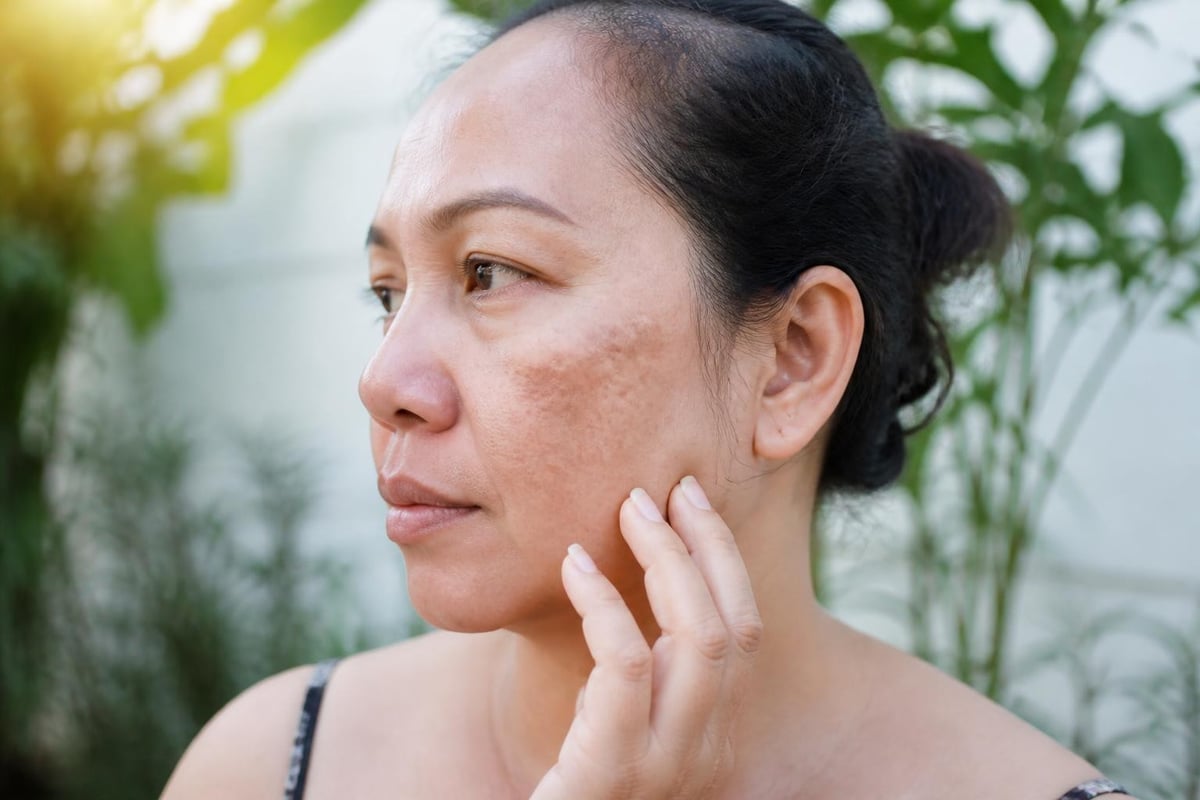
Dark spots appear when melanin production increases in specific areas of the skin. Sun exposure triggers the most common form, known as solar lentigines or age spots. These typically develop on the face, hands, shoulders, and other areas frequently exposed to UV radiation.
Melasma presents as larger, symmetrical patches often triggered by hormonal fluctuations during pregnancy or from birth control use. Post-inflammatory hyperpigmentation (PIH) develops after skin injury, acne, or inflammation, leaving behind dark marks long after the initial problem heals.
Why Dark Spots Form
The skin's melanocytes produce melanin as a protective response. When these cells become overactive or damaged, they create concentrated deposits of pigment. Several factors contribute to this process:
- Chronic UV exposure without adequate sun protection
- Hormonal changes during pregnancy or menopause
- Certain medications that increase photosensitivity
- Inflammatory skin conditions and trauma
- Natural aging processes
Understanding the underlying cause helps determine the most effective treatment approach. A laser for dark spots works by targeting these melanin deposits directly, fragmenting them so the body's natural processes can eliminate the excess pigment.
How Laser Technology Targets Pigmentation
Laser for dark spots uses concentrated light energy at specific wavelengths that melanin absorbs preferentially. When the laser pulse hits the dark spot, the melanin heats up rapidly while surrounding tissue remains largely unaffected. This selective photothermolysis fragments the pigment into smaller particles.
Your immune system then recognizes these fragments as cellular debris and clears them through lymphatic drainage over the following weeks. The result is gradual fading of the dark spot as the excess melanin is removed from the skin.
Types of Lasers Used for Dark Spots
Different laser systems target pigmentation through various mechanisms. The choice depends on your skin type, the depth of pigmentation, and the specific type of dark spot being treated.
| Laser Type | Wavelength | Best For | Skin Types |
|---|---|---|---|
| Q-Switched Nd:YAG | 1064 nm | Deep pigmentation, darker skin | III-VI |
| Alexandrite | 755 nm | Superficial spots, age spots | I-IV |
| Picosecond | Various | Fast treatment, minimal downtime | II-V |
| Fractional | Various | Melasma, combined concerns | I-VI |
The American Society for Laser Medicine & Surgery provides comprehensive guidelines for laser practitioners to ensure safe and effective treatment across all skin types.
Fractional lasers create microscopic treatment zones, leaving surrounding tissue intact to speed healing. This approach proves particularly valuable for melasma and mixed pigmentation concerns where aggressive treatment might trigger rebound darkening.
What to Expect During Treatment
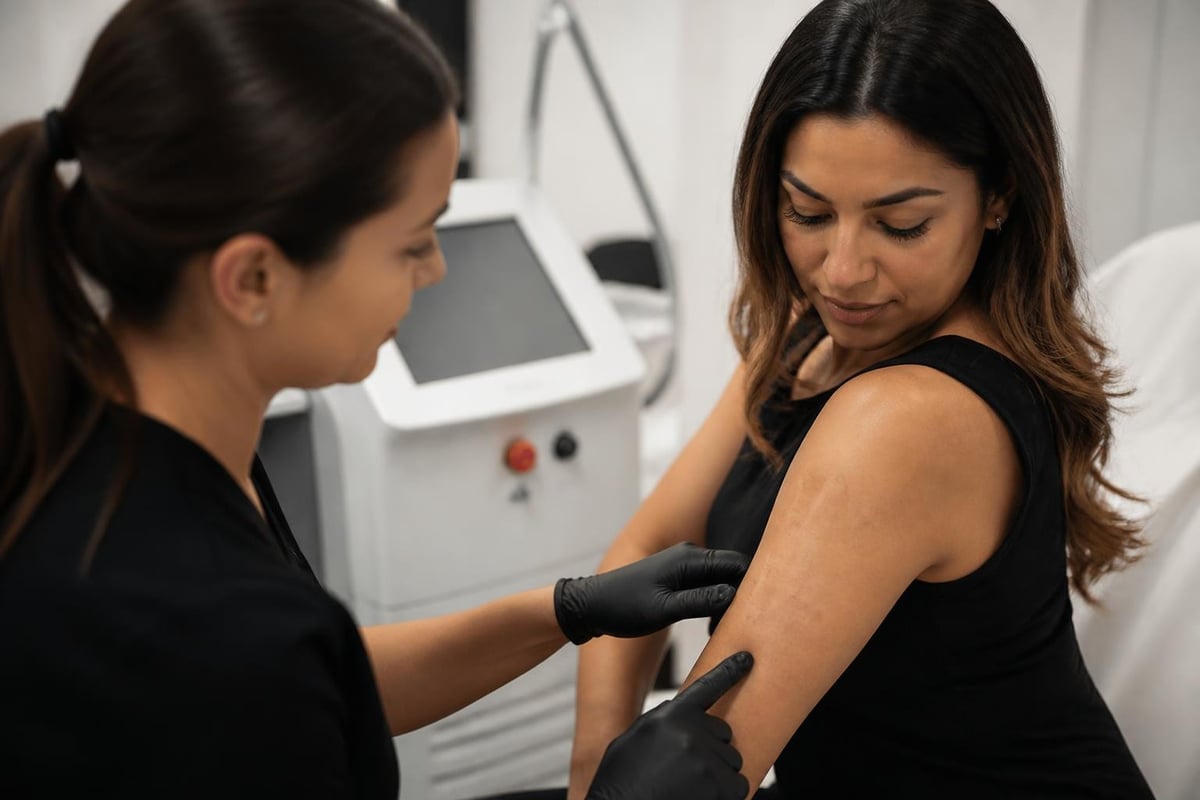
At New Skin Laser Clinic, every laser for dark spots treatment begins with a thorough consultation. The esthetician examines your skin, discusses your medical history, and creates a customized treatment plan based on your specific pigmentation pattern and skin type.
The Treatment Process
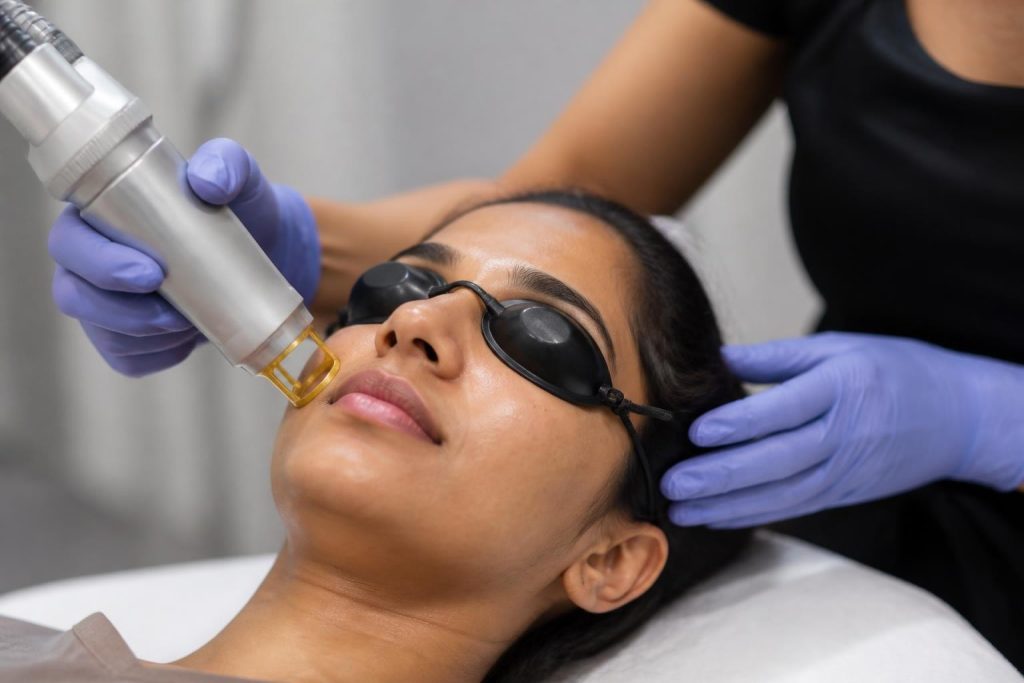
Treatment day starts with cleansing and photographing the treatment area. A topical numbing cream may be applied for comfort, though many patients find the sensation tolerable without it. The laser handpiece delivers precise pulses to each dark spot, creating a snapping sensation against the skin.
Sessions typically last 15 to 30 minutes depending on the treatment area size. You'll see immediate frosting or darkening of the spots, which is a positive sign the laser energy has been absorbed by the melanin.
After treatment, cooling gel and sun protection are applied. The treated areas may appear darker for several days before the pigment begins to flake and fade. This post-treatment darkening is normal and expected.
Treatment Timeline and Sessions
Most clients need multiple sessions for optimal results. The exact number depends on several factors:
- Pigmentation depth: Superficial spots respond faster than deep dermal pigment
- Skin type: Darker skin requires more conservative settings and longer intervals
- Spot type: Age spots typically clear faster than melasma
- Treatment laser: Picosecond lasers may require fewer sessions than traditional Q-switched systems
Sessions are typically spaced 4 to 8 weeks apart, allowing the skin to heal completely and the body to clear fragmented pigment between treatments. Recent research on laser-based therapies for melasma demonstrates the importance of combining treatments with proper sun protection and maintenance protocols.
Preparing for Your Laser Treatment
Proper preparation maximizes results and minimizes complications. Start at least two weeks before your scheduled appointment with these essential steps.
Pre-Treatment Requirements
Avoid sun exposure and tanning beds for at least four weeks before treatment. Even mild tanning increases melanin in the skin, raising the risk of burns or unwanted pigment changes. Toronto's summer sun can be deceptive, making daily SPF 50 non-negotiable.
Discontinue retinoids, glycolic acid, and other exfoliating products one week before treatment. These ingredients thin the skin and increase sensitivity, potentially leading to excessive inflammation or prolonged healing.
If you have a history of cold sores, antiviral medication may be prescribed as laser treatment can trigger outbreaks. Inform your esthetician about all medications, supplements, and recent cosmetic procedures during your consultation.
Skin Type Considerations
Fitzpatrick skin types IV through VI require specialized expertise when treating dark spots with laser technology. Higher melanin content throughout the skin means laser energy can affect surrounding tissue, not just the dark spot. The NHS guidance on laser treatment for pigmented marks emphasizes the importance of conservative settings and thorough pre-treatment assessment for darker skin tones.
Test spots are frequently performed on a small area before proceeding with full treatment. This allows the practitioner to assess your skin's response and adjust parameters accordingly.
Aftercare and Recovery
Post-treatment care directly impacts your results and determines whether dark spots fade smoothly or complications develop. The first 48 hours are critical for healing and preventing pigment rebound.
Immediate Post-Treatment Care
Keep treated areas clean and moisturized. Use gentle, fragrance-free cleansers and avoid scrubbing or picking at darkened spots. Apply prescribed ointments or healing creams as directed.
Expect some combination of the following responses:
- Mild swelling and redness lasting 24-48 hours
- Darkening of treated spots (temporary)
- Light crusting as pigment sheds
- Slight sensitivity or tenderness
Cold compresses reduce swelling and soothe discomfort during the first day. Avoid hot showers, saunas, and strenuous exercise that increases blood flow and inflammation for 48 hours.
Sun Protection Protocol
Sun exposure is the enemy of successful laser treatment for dark spots. UV radiation can undo all progress and trigger post-inflammatory hyperpigmentation worse than the original spots. Apply broad-spectrum SPF 50 every two hours when outdoors.
Physical sunscreens containing zinc oxide or titanium dioxide provide superior protection without chemical ingredients that might irritate healing skin. Wide-brimmed hats and sun-protective clothing add extra defense during Toronto's sunny months.
Even in winter, UV rays reflect off snow and penetrate clouds. Maintaining religious sun protection for at least three months after your final treatment session preserves results long-term.
Safety and Side Effects
While laser for dark spots is generally safe when performed by trained professionals, understanding potential side effects helps you make informed decisions and recognize normal responses versus complications.
Common Temporary Effects
Most clients experience mild redness, swelling, and darkening of treated spots. These resolve within days to two weeks as the skin heals and pigment sheds. Some describe a sunburn-like sensation for 24 hours following treatment.
Temporary hyperpigmentation can occur, especially in darker skin types. This typically fades within three to six months with proper sun protection. Hypopigmentation (lightening beyond the desired result) is less common but may persist longer.
When to Seek Professional Guidance
Contact your clinic immediately if you experience:
- Severe pain, excessive swelling, or blistering
- Signs of infection (increased warmth, pus, spreading redness)
- Dark spots becoming significantly darker after two weeks
- New pigmentation developing in untreated areas
The American Academy of Dermatology’s guidance on melasma treatment emphasizes that laser therapy works best as part of a comprehensive approach including topical agents and strict photoprotection.
Combining Laser with Other Treatments
Laser for dark spots often delivers enhanced results when integrated into a broader skincare strategy. This multi-modal approach addresses pigmentation from multiple angles while supporting overall skin health.
Topical Treatments
Prescription hydroquinone, kojic acid, and vitamin C serums boost laser results by inhibiting new melanin production. Start these agents several weeks before laser treatment to prep the skin, then resume them after healing completes.
Retinoids increase cell turnover, helping shed fragmented pigment faster while preventing new dark spots from forming. However, these must be stopped before treatment and reintroduced gradually during the maintenance phase.
Chemical Peels and Facials
Gentle chemical peels between laser sessions can accelerate pigment shedding and improve overall tone. Medical-grade facials incorporating brightening ingredients maintain results and keep skin healthy between treatments.
The team at New Skin Laser Clinic customizes combination protocols based on individual skin analysis, ensuring each element works synergistically without overwhelming the skin.
Cost and Value Considerations
Investment in laser treatment for dark spots varies based on treatment area size, number of sessions required, and laser technology used. While specific pricing depends on individual assessment, understanding value helps contextualize the investment.
Factors Affecting Cost
Larger treatment areas requiring more time and energy naturally cost more than small targeted spots. The type of laser system impacts pricing, with newer picosecond technology typically commanding higher fees than traditional Q-switched platforms.
Your skin type and pigmentation depth influence the total number of sessions needed, affecting overall investment. Darker skin types or stubborn melasma may require more conservative treatment over additional sessions.
Comparing Treatment Options
| Treatment Method | Sessions Needed | Downtime | Results Duration | Best Candidates |
|---|---|---|---|---|
| Laser for dark spots | 3-6 | Minimal | Long-lasting | Most skin types |
| Chemical peels | 4-8 | Moderate | 6-12 months | Lighter skin |
| Topical agents only | Ongoing | None | Requires maintenance | Mild cases |
| IPL photofacial | 4-6 | Minimal | 1-2 years | Types I-IV |
Research evaluating laser-based therapies through systematic review confirms measurable improvement in pigmentation scores, though individual responses vary considerably.
Maintaining Clear, Even Skin Tone
Achieving clear skin is only half the journey. Maintaining results requires ongoing commitment to sun protection and preventive skincare. Dark spots can return if the behaviors that created them continue unchanged.
Daily Protection Habits
Apply broad-spectrum sunscreen every morning as the final step in your skincare routine. Reapply throughout the day, especially after swimming, sweating, or extended outdoor time. This single habit prevents more pigmentation than any treatment can reverse.
Antioxidant serums containing vitamins C and E neutralize free radicals from UV exposure, pollution, and environmental stress. These provide an additional layer of protection beyond sunscreen alone.
Professional Maintenance
Annual or semi-annual touch-up sessions keep pigmentation at bay as new spots begin to form. These maintenance treatments require less time and healing than initial sessions since you're addressing early-stage pigmentation.
Regular facials support healthy cell turnover and allow professionals to monitor your skin for new concerns. Early intervention prevents minor spots from developing into stubborn hyperpigmentation requiring aggressive treatment.
Choosing the Right Provider
Success with laser for dark spots depends heavily on provider expertise and technology quality. Not all laser clinics offer the same level of training, equipment, or personalized care.
Credentials and Experience
Seek providers with specific training in laser physics and skin biology. Ask about their experience treating your particular skin type and pigmentation concern. A systematic review on lasers for pigmented lesions highlights the importance of proper technique and parameter selection for optimal outcomes.
Reputable clinics willingly discuss their equipment, show before-and-after photos, and explain realistic expectations. They never guarantee specific results or pressure you into treatment before you're ready.
Technology and Facility Standards
Modern laser systems with multiple wavelengths and customizable parameters provide superior versatility across skin types. Clinics investing in current technology demonstrate commitment to delivering best-in-class results.
Clean, professional facilities with proper safety protocols protect your health and ensure optimal treatment conditions. Staff should follow infection control guidelines and maintain equipment according to manufacturer specifications.
New Skin Laser Clinic maintains medical-grade laser systems and adheres to rigorous safety standards, ensuring every client receives treatment in a safe, comfortable environment in the heart of Toronto's Beaches neighborhood.
Real Results Take Time
Patience proves essential when treating dark spots with laser technology. Unlike filters and photo editing, actual skin transformation occurs gradually as biological processes clear fragmented pigment and regenerate healthy tissue.
Setting Realistic Expectations
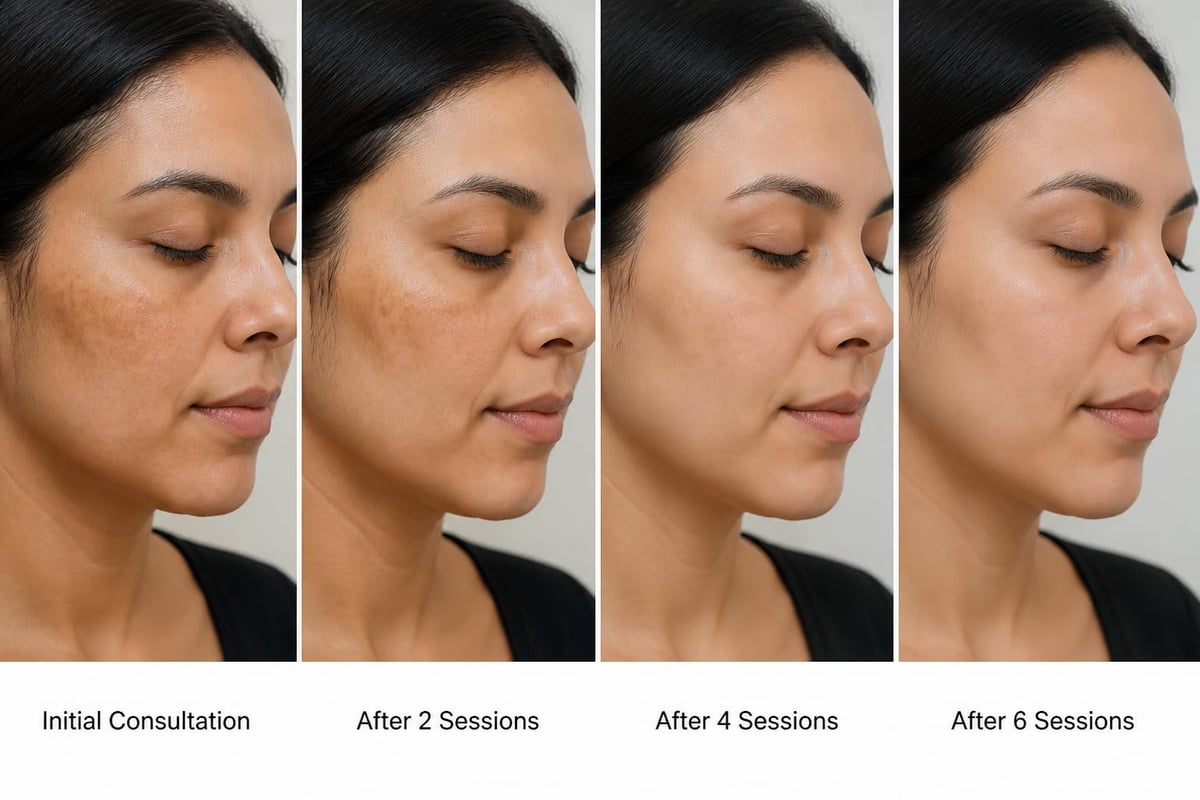
Most clients notice initial fading within two to three weeks after the first session. Progressive improvement continues over subsequent treatments, with final results visible three to six months after the last session.
Complete clearance isn't always possible, especially with deep dermal melasma or long-standing pigmentation. However, significant lightening and improved skin tone create noticeable enhancement that boosts confidence and reduces the need for heavy makeup.
Some pigmentation may return over time, particularly melasma triggered by ongoing hormonal influences. This doesn't represent treatment failure but rather the chronic nature of certain pigmentation conditions requiring periodic maintenance.
Tracking Your Progress
Take consistent photos in the same lighting and angle before each session. These progress photos reveal subtle improvements your eyes might miss when viewing your reflection daily. Compare month three to baseline rather than focusing on day-to-day changes.
Document any factors that worsen or improve your pigmentation, such as sun exposure, new medications, or skincare products. This information helps your provider optimize your treatment protocol and maintenance strategy.
Laser for dark spots offers proven technology backed by clinical research, delivering measurable improvement when performed by trained professionals using appropriate equipment. By combining advanced laser systems with personalized aftercare and diligent sun protection, clients achieve clearer, more even skin tone that makeup can't replicate. At New Skin Laser Clinic in Toronto's Beaches neighborhood, expert estheticians create customized treatment plans using state-of-the-art laser technology to address your unique pigmentation concerns safely and effectively. Book a free consultation by calling (416) 317-6696 and discover how targeted laser treatment can restore your skin's natural radiance.