Dark spots, melasma, and uneven skin tone affect millions of people across Toronto and beyond. When topical treatments fall short, hyperpigmentation laser treatment offers a proven pathway to clearer, more radiant skin. At New Skin Laser Clinic on Queen Street East, clients discover how advanced laser technology can address stubborn pigmentation concerns that resist conventional skincare approaches. Understanding how these treatments work, what to expect during the process, and which laser options suit different skin types helps you make informed decisions about your skin health.
Understanding Hyperpigmentation and Laser Technology
Hyperpigmentation occurs when excess melanin accumulates in specific areas of the skin, creating darker patches or spots. This condition manifests in several forms, including post-inflammatory hyperpigmentation from acne or injury, sun damage from UV exposure, and melasma triggered by hormonal changes.
Laser technology targets these concerns by delivering concentrated light energy at specific wavelengths. The melanin in pigmented areas absorbs this energy, which breaks down the excess pigment into smaller particles. Your body's natural healing processes then remove these fragments, gradually lightening the affected areas.
How Different Laser Types Address Pigmentation
Q-switched lasers deliver rapid, high-energy pulses that shatter pigment deposits without damaging surrounding tissue. These systems work effectively for discrete dark spots and sun damage.
Picosecond lasers operate even faster than Q-switched technology, using trillionths-of-a-second pulses. Research published in clinical trials comparing picosecond alexandrite lasers demonstrates their efficacy for melasma treatment with reduced thermal damage.
Fractional lasers create microscopic treatment zones, stimulating collagen while addressing pigmentation. This dual-action approach suits clients seeking both tone correction and texture improvement.
Evaluating Candidacy for Hyperpigmentation Laser Treatment
Not everyone qualifies as an ideal candidate for laser pigmentation correction. Your skin type, pigmentation pattern, medical history, and lifestyle factors all influence treatment suitability and outcomes.
The Fitzpatrick skin type scale plays a crucial role in treatment planning. Lighter skin types (I-III) typically respond well to most laser systems with lower risk of post-inflammatory hyperpigmentation. Darker skin types (IV-VI) require specialized approaches with longer wavelengths like Nd:YAG lasers to minimize complications.
Pre-Treatment Assessment Factors
- Pigmentation depth: Surface-level sunspots respond differently than deep dermal melasma
- Medication review: Photosensitizing drugs increase treatment risks
- Sun exposure habits: Active tanning contradicts laser therapy
- Pregnancy status: Hormonal fluctuations during pregnancy affect melasma treatment outcomes
- Previous treatments: Past chemical peels or laser work inform protocol selection
According to the American Academy of Dermatology’s guidance on fading dark spots, proper photoprotection before and after treatment proves essential for preventing recurrence.
The Treatment Process at New Skin Laser Clinic
When you arrive at New Skin Laser Clinic in Toronto's Beaches neighborhood, your session begins with a thorough consultation. Your esthetician assesses your specific pigmentation concerns, reviews your medical history, and develops a customized treatment plan.
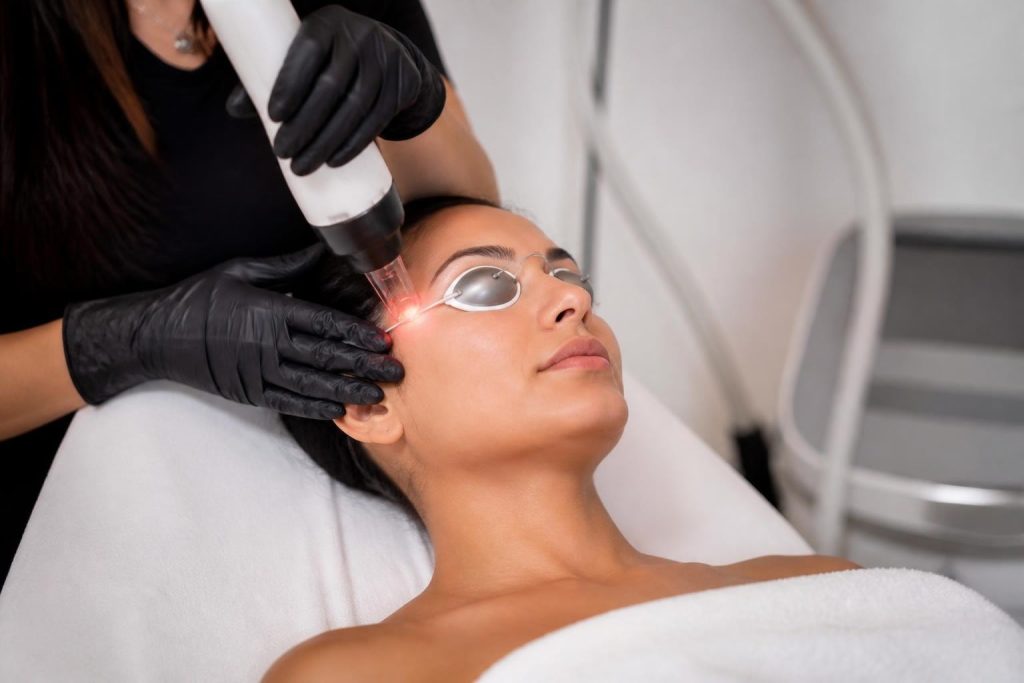
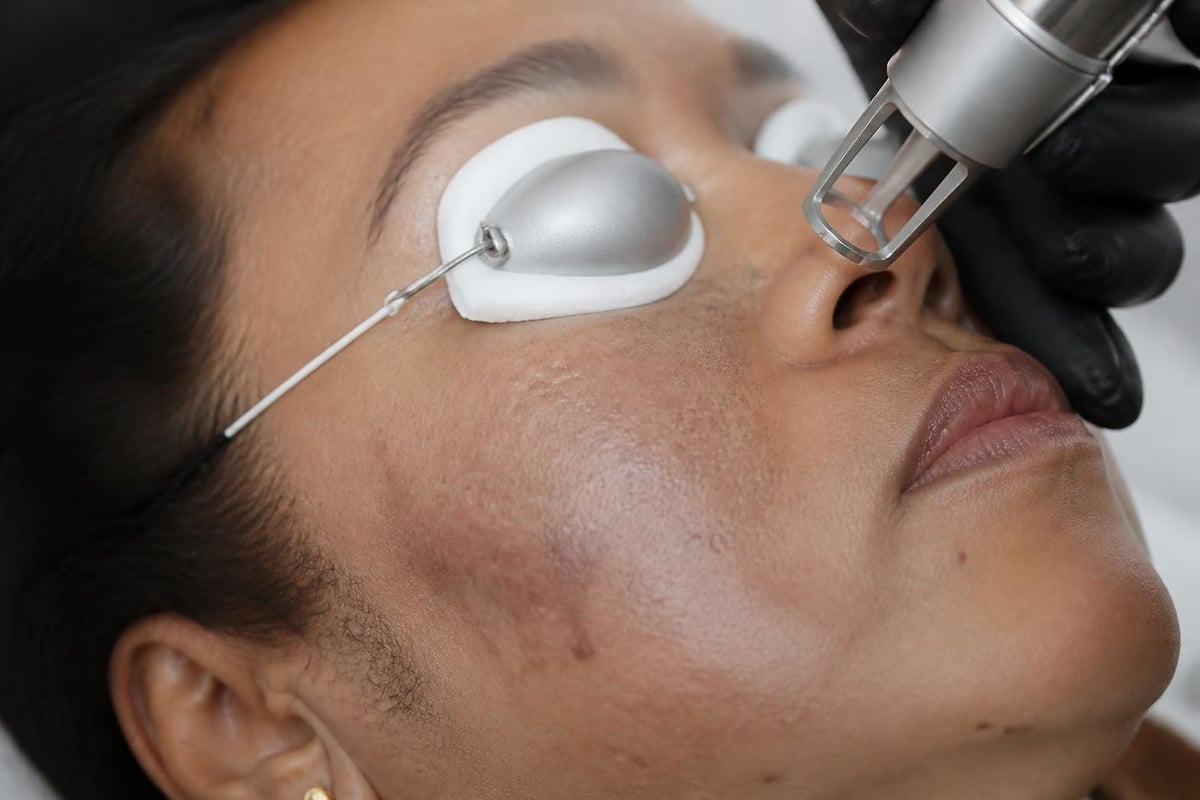
Before beginning hyperpigmentation laser treatment, your skin is cleansed and a topical numbing cream may be applied for comfort. Protective eyewear shields your eyes from laser light during the procedure.
What Happens During Your Session
Treatment duration varies based on the area size and laser type selected. Targeted spot treatments may take 15-20 minutes, while full-face sessions require 30-45 minutes.
Most clients describe the sensation as similar to a rubber band snapping against the skin, followed by warmth. Modern laser systems incorporate cooling mechanisms that minimize discomfort throughout the procedure.
| Treatment Phase | Duration | Client Experience |
|---|---|---|
| Consultation & prep | 10-15 min | Discussion of goals, skin assessment |
| Numbing (if used) | 20-30 min | Topical cream application and wait time |
| Laser application | 15-45 min | Brief pulses with cooling, tolerable warmth |
| Post-care instructions | 5-10 min | Product application, schedule planning |
Immediately following treatment, you'll notice some redness and possibly mild swelling in treated areas. These effects typically resolve within a few hours to a couple of days.
Results Timeline and Maintenance Expectations
Patience proves essential with hyperpigmentation laser treatment. Unlike instant cosmetic procedures, laser pigmentation correction works with your body's natural healing processes.
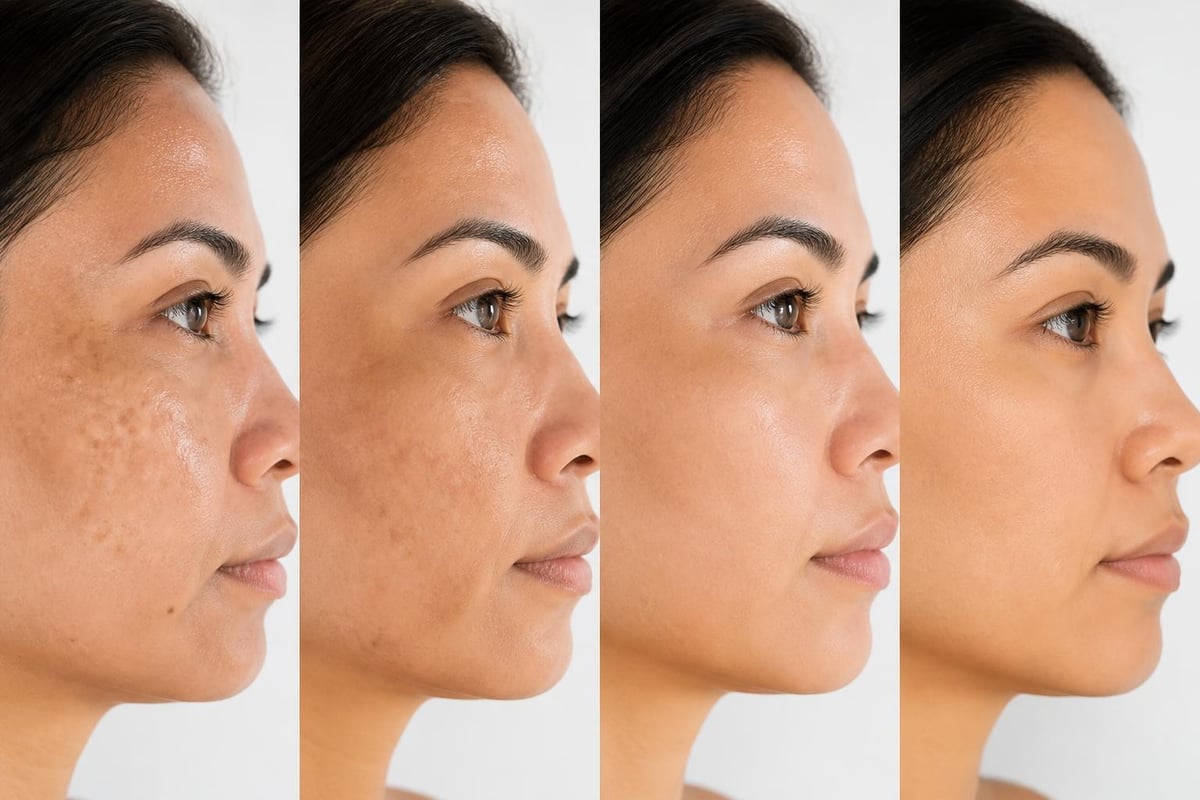
Initial improvements often appear within two to three weeks as your skin sheds damaged cells. However, optimal results develop over two to four months as cellular turnover continues and deeper pigment fragments are eliminated.
Progressive Improvement Stages
- Week 1-2: Temporary darkening of treated spots (expected response)
- Week 2-4: Gradual lightening begins as pigment fragments surface
- Month 2-3: Continued fading with improved overall tone
- Month 3-4: Final results stabilize, revealing clearer complexion
Most clients require multiple sessions spaced four to six weeks apart for comprehensive correction. The exact number depends on pigmentation severity, depth, and your skin's individual response.
The British Association of Dermatologists’ patient information on melasma emphasizes that maintenance treatments may be necessary, as melasma tends to recur without proper sun protection and hormonal management.
Comparing Laser Options for Different Pigmentation Types
Selecting the appropriate laser system depends on your specific pigmentation pattern. A systematic review evaluating laser therapy efficacy across multiple studies reveals varied outcomes based on laser type and pigmentation characteristics.
Technology Comparison
| Laser Type | Best For | Skin Type Range | Session Frequency |
|---|---|---|---|
| Q-switched Nd:YAG | Age spots, sun damage | I-VI (all types) | 3-5 sessions |
| Picosecond Alexandrite | Melasma, stubborn spots | I-IV | 4-6 sessions |
| Fractional CO2 | Combined texture/tone issues | I-III | 1-3 sessions |
| IPL (Intense Pulsed Light) | Diffuse sun damage | I-III | 4-6 sessions |
Research from randomized trials comparing picosecond lasers demonstrates that picosecond technology often achieves comparable results to traditional Q-switched systems with fewer sessions and reduced downtime.
Managing Risks and Side Effects
All laser treatments carry some degree of risk. Understanding potential complications helps you make informed decisions and recognize when to contact your treatment provider.
Common, temporary side effects include redness, swelling, and mild discomfort lasting one to three days. These responses indicate your skin's normal healing process and require no intervention beyond gentle skincare.
Serious Complications to Monitor
Post-inflammatory hyperpigmentation represents the most concerning risk, particularly for darker skin types. This paradoxical darkening occurs when laser energy triggers melanin production rather than reduction. The American Society for Dermatologic Surgery’s resources on hyperpigmentation stress the importance of proper wavelength selection and conservative energy settings for skin of color.
Hypopigmentation (lightening beyond the original skin tone) may develop with aggressive treatment or excessive sessions. This complication proves difficult to reverse and highlights why conservative approaches yield better long-term outcomes.
- Infection: Rare but possible if post-treatment care instructions aren't followed
- Scarring: Extremely uncommon with proper technique and appropriate settings
- Prolonged redness: May persist weeks in sensitive individuals
- Crusting or blistering: Indicates excessive energy levels requiring medical attention
Optimizing Your Results Through Proper Aftercare
Post-treatment care significantly influences your outcomes and complication risks. The days and weeks following hyperpigmentation laser treatment prove critical for achieving optimal clearing.
Sun protection becomes non-negotiable. UV exposure to healing skin can trigger rebound hyperpigmentation, undoing treatment benefits. Apply broad-spectrum SPF 50+ sunscreen every two hours when outdoors, wear wide-brimmed hats, and seek shade during peak UV hours.
Essential Post-Treatment Protocol
Your skin barrier requires gentle support during recovery. Skip active ingredients like retinoids, vitamin C, and acids for at least one week post-treatment. These products can irritate healing skin and increase inflammation.
Instead, focus on:
- Gentle cleansing: Use lukewarm water and mild, fragrance-free cleansers
- Hydration: Apply hyaluronic acid serums and rich moisturizers
- Healing support: Consider products with niacinamide or centella asiatica
- Ice packs: Reduce swelling in the first 24-48 hours as needed
Avoid heat exposure including saunas, hot yoga, and intense workouts for 48-72 hours. Elevated skin temperature can worsen inflammation and prolong recovery.
Combining Treatments for Enhanced Outcomes
Hyperpigmentation laser treatment often works synergistically with other aesthetic approaches. Strategic combination therapies can accelerate results and provide more comprehensive skin improvement.
Topical lightening agents like tranexamic acid, kojic acid, or prescription hydroquinone may be incorporated before and after laser sessions. These ingredients inhibit melanin production at the cellular level, complementing laser's pigment-shattering effects.
Chemical peels at appropriate intervals can enhance cellular turnover and pigment elimination. However, timing proves crucial. Most practitioners recommend spacing peels at least two weeks before or after laser treatments to avoid overwhelming your skin.
Treatment Sequencing Strategies
The American Academy of Dermatology’s overview of melasma treatment discusses how sequential therapy often outperforms monotherapy for stubborn pigmentation.
Month 1-2: Begin with topical regimen to prime skin and reduce baseline pigmentation
Month 2-4: Initiate laser sessions while continuing topicals
Month 5-6: Maintenance phase with periodic laser touch-ups and consistent home care
Professional microneedling may also complement laser work by enhancing product penetration and stimulating collagen without adding heat. This proves particularly valuable for clients with melasma, where heat-based treatments sometimes trigger darkening.
Cost Considerations and Investment Planning
Financial planning helps ensure you can complete your full treatment course. Hyperpigmentation laser treatment represents an investment in your skin health, and understanding cost structures prevents mid-treatment surprises.
Pricing varies based on treatment area size, laser technology used, session number required, and geographic location. Toronto's competitive aesthetic market offers various price points across different clinics.
Most providers offer package pricing for multiple sessions, reducing per-treatment costs compared to single-session rates. This approach also ensures treatment consistency, as completing your full protocol with one provider and technology optimizes results.
Preventing Pigmentation Recurrence
Achieving clear skin represents only half the battle. Maintaining your results requires ongoing vigilance and smart lifestyle choices.
Sun protection remains your most powerful preventive tool. UV radiation stimulates melanocytes (pigment-producing cells), triggering new spots and darkening existing ones. Daily SPF application, regardless of weather or season, protects your investment in laser treatment.
Long-Term Maintenance Strategies
- Annual laser touch-ups: Address new spots before they become established
- Consistent topical routine: Maintain gentle exfoliation and melanin-inhibiting ingredients
- Hormonal management: Discuss birth control or hormone therapy options with your physician if melasma relates to hormonal triggers
- Antioxidant support: Vitamin C, vitamin E, and ferulic acid combat free radical damage
- Professional monitoring: Regular skin checks identify changes early
Lifestyle factors including stress management and adequate sleep support overall skin health. Chronic stress elevates cortisol, which can influence melanin production and worsen conditions like melasma.
Choosing the Right Provider in Toronto
Provider selection dramatically impacts your safety, comfort, and results. Not all laser practitioners possess equal training, experience, or equipment quality.
Seek providers with specific expertise in treating hyperpigmentation across diverse skin types. Experience with skin of color proves particularly important, as darker skin tones require specialized approaches to avoid complications.
Questions to Ask During Consultation
What laser systems do you use for my specific pigmentation type? Technology matters. Outdated or inappropriate lasers increase complication risks.
How many treatments have you performed on skin similar to mine? Volume builds expertise, especially for complex cases like melasma.
What are realistic expectations for my particular condition? Honest providers discuss both possibilities and limitations.
What happens if I experience complications? Clear protocols for managing adverse events demonstrate professional responsibility.
Visit facilities before committing to treatment. Clean, professional environments with modern equipment indicate quality care standards. At New Skin Laser Clinic, clients in Toronto's Beaches neighborhood benefit from state-of-the-art laser technology and experienced estheticians who customize every treatment plan.
Special Considerations for Melasma Management
Melasma presents unique challenges that distinguish it from other hyperpigmentation forms. This hormonally influenced condition often proves stubborn, requiring comprehensive management beyond laser treatment alone.
Triggers include pregnancy, hormonal contraceptives, hormone replacement therapy, and sun exposure. Identifying and managing these factors proves essential for preventing recurrence after successful laser treatment.
Melasma typically appears in three patterns: centrofacial (cheeks, forehead, nose, upper lip), malar (cheeks), and mandibular (jawline). Pattern recognition helps guide treatment planning and energy distribution.
The condition exists at different depths: epidermal (surface), dermal (deep), or mixed. Wood's lamp examination helps determine depth, which influences laser selection and expected outcomes. Epidermal melasma responds more predictably to treatment than dermal or mixed types.
Patience proves especially critical with melasma. Aggressive treatment often backfires, triggering rebound hyperpigmentation. Conservative, gradual approaches with lower energy settings typically yield better long-term success.
Hyperpigmentation laser treatment offers effective solutions for stubborn dark spots, melasma, and uneven skin tone when performed with appropriate technology and expertise. Understanding the process, managing expectations, and committing to proper aftercare maximizes your results while minimizing risks. The team at New Skin Laser Clinic in Toronto combines advanced laser technology with personalized treatment protocols to help you achieve clearer, more radiant skin. Book a free consultation by calling (416) 317-6696 to discover which hyperpigmentation treatment approach best suits your unique skin concerns.