

Curious about the latest breakthroughs in skin rejuvenation? In 2026, fraxel dual stands out as the gold standard for those seeking dramatic skin improvements without surgery.
This comprehensive guide will walk you through every essential detail about fraxel dual, from how the technology works to who can benefit most and what results you can expect.
Whether you are interested in smoother skin, fading scars, or reversing sun damage, fraxel dual offers proven results with minimal downtime and is suitable for a wide range of skin types.
Ready to discover if fraxel dual is the right choice for your skin goals? Let’s explore the science, process, recovery, and innovations that make this treatment a top pick for youthful, radiant skin.
What is Fraxel Dual? The Technology Explained
Fraxel Dual is at the forefront of advanced skin resurfacing, combining cutting-edge science with proven results. Its unique technology offers a powerful yet gentle approach to skin rejuvenation, making it a trusted choice for both patients and professionals in 2026.
The Science Behind Fractional Lasers
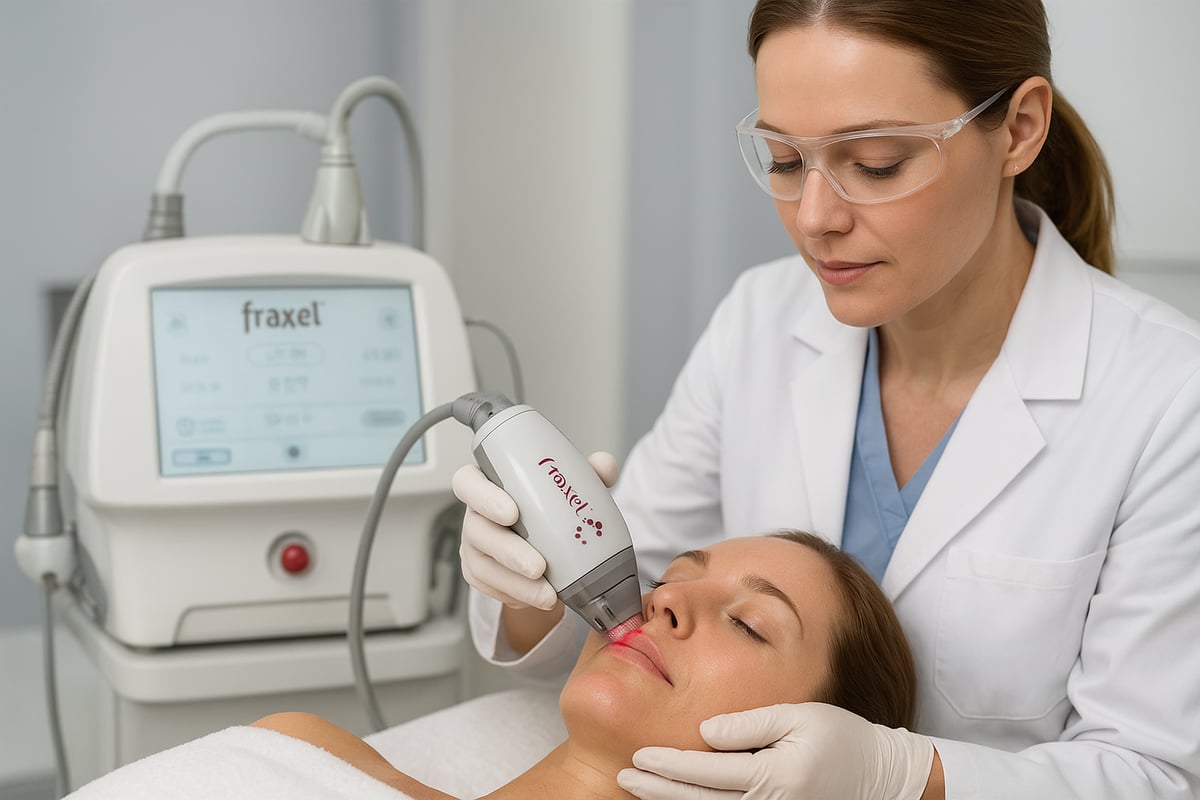
Fractional laser technology revolutionized skin resurfacing by treating only a fraction of the skin at a time, creating microscopic columns of thermal injury surrounded by healthy tissue. Unlike traditional lasers that remove entire layers of skin, Fraxel Dual uses two specialized wavelengths: 1550nm for deeper tissue remodeling and 1927nm for targeting pigmentation in the upper layers.
This dual-wavelength approach allows Fraxel Dual to address a wide spectrum of skin concerns with precision. The microscopic laser columns stimulate natural collagen production and accelerate skin renewal, while leaving surrounding skin intact for faster healing. As a non-ablative device, Fraxel Dual resurfaces without significant surface damage, resulting in minimal downtime—typically just 1 to 3 days, as reported by leading clinics.
Compared to ablative lasers like CO2, Fraxel Dual provides similar improvements with less discomfort and a lower risk profile. Its safety is supported by FDA approval, including clearance for actinic keratosis, a precancerous skin condition. For more details on this important milestone, read about Fraxel Dual’s FDA Clearance for Actinic Keratosis. With its robust safety record and flexible technology, Fraxel Dual has become a cornerstone in modern dermatology.
What Makes Fraxel Dual Unique in 2026?
Fraxel Dual’s defining feature is its use of two wavelengths in one device, enabling tailored treatments for both pigmentation and texture concerns. In 2026, the technology has evolved with enhanced cooling systems, improved software for precision targeting, and greater customization for individual skin needs.
These advancements mean Fraxel Dual can now safely treat a wider range of conditions, including melasma, actinic keratosis, and even surgical scars. The system is designed for versatility, making it suitable for the face as well as commonly overlooked areas like the neck, chest, hands, arms, and legs.
Recent clinical studies back up its efficacy, showing high rates of improvement across multiple skin concerns. Compared to other fractional devices, such as Clear + Brilliant or PicoWay Resolve, Fraxel Dual stands out for its depth of treatment and adaptability. Its ongoing innovations ensure that patients benefit from the latest in laser science, making it a leading choice for comprehensive skin rejuvenation.
Skin Concerns Treated by Fraxel Dual
Fraxel Dual is renowned for its ability to address a wide array of skin issues. Fine lines and wrinkles are visibly reduced as collagen synthesis is triggered deep within the skin. Sun damage and brown spots fade as the laser breaks down excess pigmentation, revealing clearer, more radiant skin.
For those with acne or surgical scars, Fraxel Dual remodels deeper layers, smoothing texture and minimizing imperfections. It is also effective for treating stretch marks, enlarged pores, and improving overall skin tone. A unique aspect of Fraxel Dual is its approval for actinic keratosis, offering a medical benefit beyond cosmetic improvement.
Patients often see dramatic before-and-after transformations, with dermatology clinics showcasing impressive results. Whether the goal is to rejuvenate aging skin, correct pigmentation, or treat medical skin concerns, Fraxel Dual provides a science-backed solution.
Who Should Consider Fraxel Dual?
Fraxel Dual is ideal for adults seeking to improve sun damage, uneven pigmentation, scars, or other signs of aging. Its technology is safe for all skin types, including those with darker complexions (Fitzpatrick IV-VI), thanks to customizable settings and careful provider protocols.
However, Fraxel Dual is not recommended for individuals with active skin infections, certain dermatologic conditions, or those who have recently used isotretinoin. A thorough consultation and skin assessment are essential to determine suitability and set realistic expectations.
Real-world experience shows that Fraxel Dual delivers high satisfaction rates across diverse patient demographics. With the right provider and proper guidance, most people can achieve noticeable, lasting improvements in skin quality and confidence.
The Fraxel Dual Treatment Experience: Step by Step
Embarking on a fraxel dual journey means understanding every stage, from the initial consultation to aftercare and maintenance. This step-by-step guide will help you know exactly what to expect, ensuring optimal results and safety throughout your treatment experience.
Preparing for Your Fraxel Dual Session
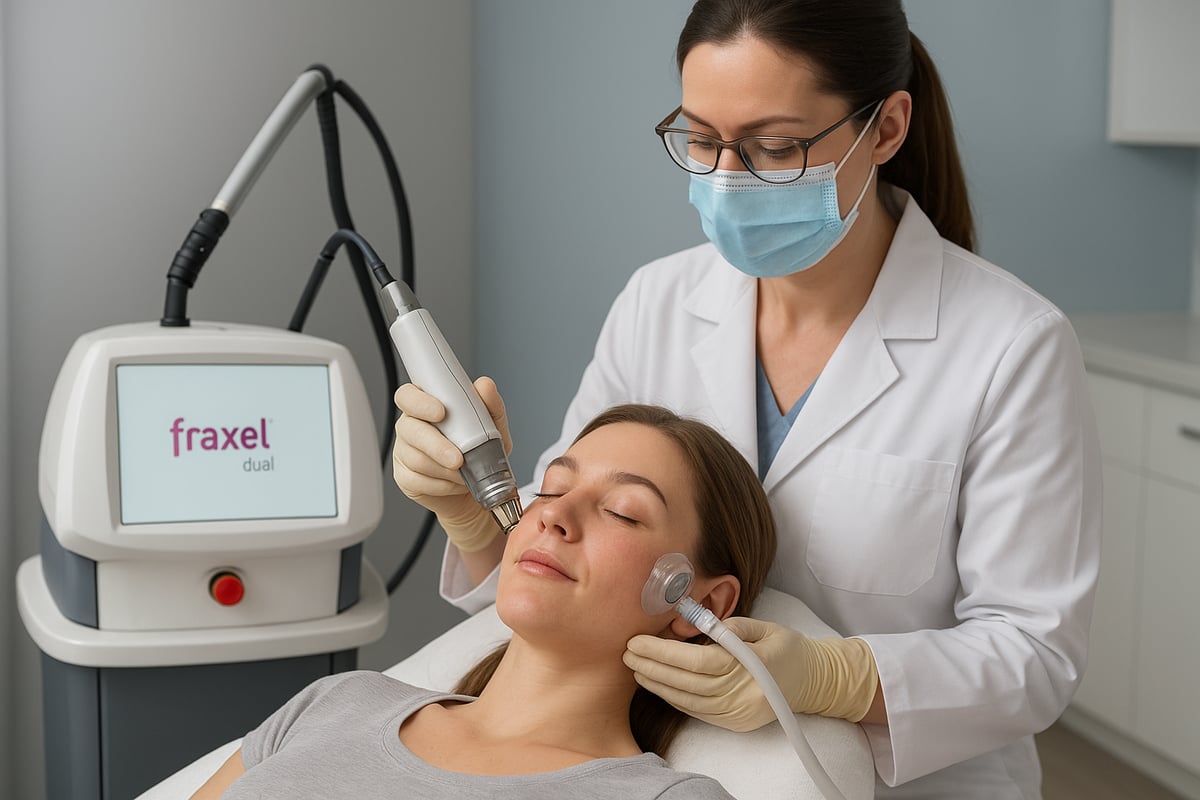
Preparation is key to a successful fraxel dual outcome. Your experience begins with a detailed consultation, where your provider reviews your medical history, examines your skin, and discusses your goals. This step ensures you are a good candidate for fraxel dual and helps set realistic expectations.
Before your session, you will receive specific instructions:
- Avoid direct sun exposure and tanning beds for at least two weeks.
- Discontinue retinoids, acids, and exfoliants as advised.
- If you have a history of cold sores, your provider may prescribe antiviral medication, such as Valtrex, to prevent outbreaks.
- For sensitive or darker skin types, a patch test may be performed to minimize risks.
- On treatment day, arrive with clean, makeup-free skin, and bring any necessary paperwork or medications.
Following your provider’s guidelines is essential for safety and optimal results. For a deeper look at what to expect, you can explore Laser skin resurfacing Toronto to understand the broader context of fraxel dual and related procedures.
What Happens During the Procedure?
On the day of your fraxel dual treatment, you will be welcomed into a comfortable room. The process starts with cleansing your skin thoroughly. A topical numbing cream is applied and left on for 30 to 60 minutes to ensure maximum comfort.
During the procedure, the provider uses advanced cooling devices to minimize discomfort. The fraxel dual laser is then precisely applied in a grid-like pattern across the targeted area. Most patients describe the sensation as a warm, prickly feeling, but it is generally well tolerated thanks to the numbing and cooling.
The session typically lasts 15 to 30 minutes, depending on the size of the area treated. Immediately after, your provider may use cold compresses or a gentle moisturizer to soothe the skin. The expertise of your provider and the specific machine settings are crucial for both safety and efficacy.
Immediate Aftercare and Recovery Timeline
After your fraxel dual session, you may feel as if you have a mild sunburn. Redness and swelling are common in the first 1 to 3 days, gradually subsiding as your skin heals. Gentle care during this period is vital to support recovery and reduce the risk of complications.
Recommended aftercare includes:
- Washing with a gentle cleanser, such as Cetaphil.
- Applying a bland, fragrance-free moisturizer several times a day.
- Using cold compresses or ice packs to manage swelling.
- Avoiding sun exposure, harsh products, and treatments for at least two weeks.
Expect a sandpaper-like texture or bronzing of the skin around days 5 to 7, followed by a gentle exfoliation phase. Most patients can resume makeup and normal activities after 5 to 7 days, once the initial redness and peeling have diminished.
Number of Treatments and Maintenance
The standard fraxel dual protocol involves a series of 3 to 5 sessions, spaced 4 to 8 weeks apart. The exact number depends on your skin concerns, the area being treated, and how your skin responds to each session.
Key factors influencing your treatment plan include:
- Severity of pigmentation, scars, or wrinkles.
- Size and location of the treatment area.
- Individual healing response.
Maintenance sessions once or twice a year help preserve your results and stimulate ongoing collagen production. Many patients notice visible improvements after just one or two sessions, with optimal results appearing after the full series. Consistency and adherence to post-treatment care are essential for maximizing the long-term benefits of fraxel dual.
Results, Benefits, and Realistic Expectations
Unlocking the full potential of your skin begins with understanding what fraxel dual can achieve. This advanced laser technology is trusted by dermatologists for visible, lasting improvements. Whether your goal is to smooth wrinkles, brighten pigmentation, or restore youthful radiance, knowing what to expect sets you up for long-term satisfaction.
What Results Can You Expect?
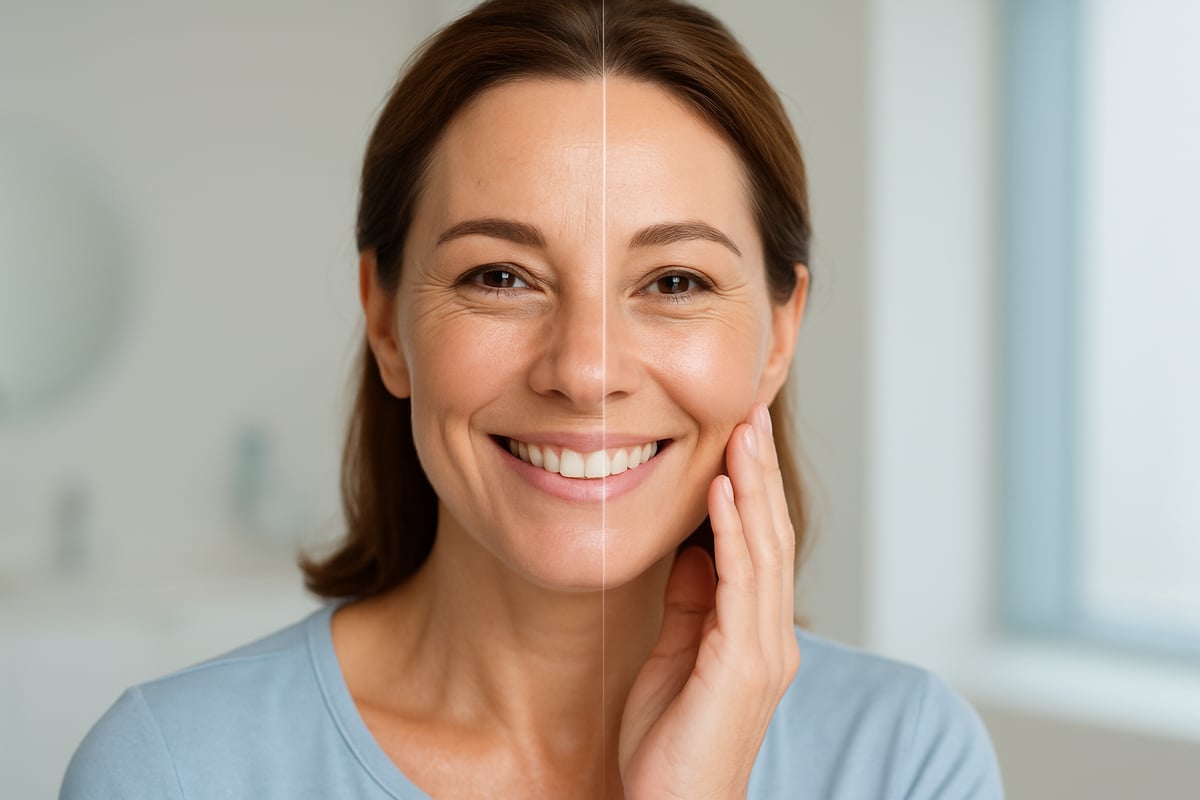
After a fraxel dual session, most people notice an initial glow within the first week. The skin feels smoother and appears more radiant. Over the next three to six months, results become even more apparent as collagen production increases and the skin continues to renew itself.
Common improvements include:
- Brighter, more even skin tone
- Smoother texture and reduced roughness
- Noticeable softening of fine lines and wrinkles
- Diminished appearance of brown spots and pigmentation
- Fading of acne scars and minimized pores
Before and after images from leading clinics underscore these transformations. While some results are visible after one session, optimal changes typically appear after a series of treatments. With proper aftercare, the benefits of fraxel dual can last for years, especially when combined with sun protection and a tailored skincare regimen.
Benefits of Fraxel Dual Over Other Treatments
Fraxel dual stands out among non-invasive skin rejuvenation options. Unlike deep ablative lasers, fraxel dual delivers impressive results with minimal downtime. Most patients resume normal activities within a few days, making it ideal for busy lifestyles.
Key advantages include:
- Safe and effective for all skin types, including darker skin tones
- Simultaneous targeting of multiple concerns: wrinkles, pigmentation, scars, and texture
- Natural, gradual improvements without surgery or injectables
- Treats both facial and body areas, offering versatility
When considering laser wrinkle removal options, fraxel dual often emerges as a preferred choice for those seeking comprehensive rejuvenation without extended recovery.
Limitations and Realistic Outcomes
While fraxel dual offers significant benefits, it is important to acknowledge its limitations. Results can vary based on individual skin type, severity of concerns, and adherence to post-treatment care. Deep wrinkles or significant skin laxity may require alternative procedures, as fraxel dual is not a substitute for surgical lifting.
Other considerations:
- Multiple sessions may be necessary for optimal results
- Maintenance treatments help sustain improvements
- Gradual improvement, not an instant fix
- Open communication with your provider is key to setting realistic goals
Understanding these factors ensures you approach fraxel dual with clear expectations and a plan for ongoing skin health.
Patient Satisfaction and Clinical Data
Clinical studies consistently show high satisfaction rates with fraxel dual. Up to 90 percent of patients report visible improvement in pigmentation, and approximately 70 percent see significant fading of scars. Most experience only mild, temporary side effects, especially when treated by experienced providers.
Patients often share increased confidence and satisfaction with their skin quality. Dermatologists highlight fraxel dual’s ability to deliver reliable, natural-looking results as part of a comprehensive approach to skin rejuvenation. With ongoing advancements and a robust safety profile, fraxel dual remains a trusted solution for those seeking lasting improvements in 2026.
Risks, Side Effects, and Safety Considerations
Understanding the risks, side effects, and safety considerations of fraxel dual is essential for anyone considering this advanced skin rejuvenation treatment. With the right knowledge and preparation, patients can minimize complications and achieve optimal results. Let’s explore what you can expect and how to stay safe throughout your fraxel dual journey.
Common and Temporary Side Effects
Most patients will experience some temporary side effects after fraxel dual. These commonly include redness, swelling, and a mild sunburn-like sensation within the first few days. Some people notice a sandpaper texture or bronzing as the skin heals, followed by mild peeling.
| Side Effect | Description | Typical Duration |
|---|---|---|
| Redness | Sunburn-like appearance | 1–3 days |
| Swelling | Puffiness, mild discomfort | 1–2 days |
| Sandpaper Texture | Rough skin feel | 5–7 days |
| Bronzing | Darkening of treated area | 3–7 days |
| Peeling | Light flaking | 5–7 days |
Rarely, fraxel dual may cause hyperpigmentation, hypopigmentation, or infection. To reduce these risks, follow aftercare instructions closely and select an experienced provider. Most side effects resolve quickly and are manageable with proper care.
Safety for Different Skin Types
Fraxel dual is designed to be safe and effective for a wide range of skin tones, including darker complexions (Fitzpatrick IV–VI). Recent technological advances allow for customized laser settings and patch testing, which help minimize the risk of pigment changes or uneven results.
Provider expertise is crucial for tailoring fraxel dual to different skin types. Clinics now use advanced cooling systems and real-time skin monitoring for added protection. The device’s strong safety profile is supported by regulatory milestones, such as Fraxel Dual’s FDA Clearance for Skin Pigmentation, affirming its role in treating diverse skin concerns safely.
Contraindications and When to Avoid Fraxel Dual
Not everyone is an ideal candidate for fraxel dual. You should avoid treatment if you have:
- Active skin infections or open wounds
- Eczema or uncontrolled inflammatory skin conditions
- Recent isotretinoin (Accutane) use
- Are pregnant or breastfeeding
- A history of keloid scarring or poor wound healing
A thorough consultation is essential to assess if fraxel dual is right for you. Your provider will review your medical history and skin concerns to ensure the safest possible outcome.
Long-Term Safety and Innovations in 2026
The safety of fraxel dual continues to improve with each new device generation. Innovations in 2026 include enhanced cooling systems, AI-assisted treatment protocols, and real-time skin monitoring, all designed to reduce side effects and speed recovery.
Providers track for rare delayed reactions, such as scarring or persistent pigment changes, and encourage patients to report any concerns. Regulatory oversight and ongoing research help ensure fraxel dual remains a safe, effective solution for skin rejuvenation. Regular follow-up appointments are recommended to maintain results and address any issues early.
Fraxel Dual in 2026: Innovations, Trends, and What’s New
The landscape of skin rejuvenation is rapidly evolving, and fraxel dual remains at the forefront in 2026. This year brings remarkable advancements, broader treatment indications, and a patient experience that is more accessible and comfortable than ever before. Staying informed about these changes ensures you get the best possible results from your fraxel dual journey.
Technological Advancements in Fraxel Dual
In 2026, fraxel dual technology has seen significant upgrades. Devices now feature enhanced cooling systems that minimize discomfort during and after treatment. These improvements allow for faster healing and make the procedure suitable for more sensitive skin types.
Artificial intelligence is now integrated into fraxel dual machines, providing personalized treatment protocols based on your unique skin profile. Real-time skin monitoring helps providers adjust energy levels for optimal safety and results. The precision targeting has improved, shortening recovery times and expanding the range of treatable concerns.
| Feature | Fraxel Dual 2020-2025 | Fraxel Dual 2026 |
|---|---|---|
| Cooling Technology | Standard | Enhanced, faster |
| AI Integration | No | Yes |
| Recovery Time | 3-5 days | 1-3 days |
| Safety for Darker Skin | Good | Excellent |
With these technological advancements, fraxel dual continues to set the standard for non-invasive skin resurfacing.
Expanding Indications and Combination Therapies
The scope of fraxel dual treatments has expanded considerably in 2026. New clinical evidence supports its effectiveness for complex conditions like melasma, actinic keratosis, and deep-set scars. The versatility of the device allows practitioners to treat not only the face but also the neck, chest, hands, arms, and legs.
Combination therapies are now common, offering even better outcomes. Fraxel dual can be paired with microneedling, platelet-rich plasma (PRP), or targeted serums for synergistic effects. These multimodal approaches are especially effective for challenging pigmentation and texture concerns. For example, recent clinical studies have confirmed fraxel dual’s role in treating actinic keratoses, a common precancerous skin condition, as seen in this clinical study on Fraxel Dual for Actinic Keratoses.
Dermatology clinics are increasingly adopting these protocols, making fraxel dual a cornerstone of comprehensive skin rejuvenation.
Patient Experience and Accessibility in 2026
In 2026, the patient experience with fraxel dual has never been smoother. Telemedicine consultations streamline scheduling and pre-treatment assessments, allowing for efficient care planning. More clinics now offer fraxel dual, and providers receive advanced training on the latest device features.
Downtime has decreased, with most patients returning to normal activities within 1-3 days. Comfort protocols have improved, thanks to better anesthetic options and advanced cooling technologies. Transparent pricing and customizable packages make fraxel dual accessible to a broader audience.
Digital resources, such as aftercare guides and progress tracking apps, support patients throughout their recovery. This accessibility ensures that more people can benefit from fraxel dual’s rejuvenating effects.
How to Choose the Right Provider in 2026
Selecting the right provider is crucial for a successful fraxel dual experience. Look for board-certified dermatologists or experienced laser specialists who utilize the latest device models. During your consultation, ask about their experience with fraxel dual, recent training, and personalized treatment planning.
Review before and after photos to evaluate their results. Patient testimonials and clinic accreditation can offer further assurance of quality care. Ongoing staff education ensures providers stay current with evolving fraxel dual protocols.
By prioritizing expertise and advanced technology, you maximize your chances of achieving the radiant, youthful skin that fraxel dual can deliver.
Frequently Asked Questions About Fraxel Dual
Curious about fraxel dual? Here, we answer the most common questions to help you make confident decisions about your skin rejuvenation journey.
How does fraxel dual compare to other fractional lasers like CO2 or Clear + Brilliant?
Fraxel dual uses non ablative fractional technology, offering less downtime than traditional CO2 lasers. For an in depth comparison, see this Fractional CO2 laser comparison. Fraxel dual also provides more versatility than Clear + Brilliant, treating deeper scars and wrinkles.
Is fraxel dual painful and what pain management is provided?
Most patients report mild discomfort, often described as a warm, prickly sensation. Topical numbing cream is used before the fraxel dual procedure, and cooling devices further reduce discomfort. Pain is generally manageable for most people.
How much downtime should I expect after fraxel dual?
Expect 1 to 3 days of redness and swelling, followed by a sandpaper texture for 5 to 7 days. Most patients resume normal activities quickly. Following aftercare instructions helps minimize downtime and maximizes fraxel dual results.
Can fraxel dual be combined with other treatments like fillers or Botox?
Yes, fraxel dual is often safely combined with injectables such as fillers or Botox. Your provider will recommend the best timing to avoid irritation or complications. Combination therapies can enhance overall skin rejuvenation outcomes.
What should I avoid before and after fraxel dual treatment?
Before treatment, avoid sun exposure, retinoids, and certain medications. After fraxel dual, skip harsh skincare, exfoliants, and sun exposure for at least two weeks. Following these guidelines promotes optimal healing and results.
How soon will I see results from fraxel dual and how long do they last?
You may notice a fresh glow within a week, with improvements in tone and texture appearing over 3 to 6 months. Results from fraxel dual last longer with proper maintenance and sun protection.
What is the cost range for fraxel dual in 2026?
Pricing varies by clinic, area treated, and number of sessions. In 2026, expect fraxel dual treatments to range from $700 to $1,500 per session. Packages and consultation fees may apply, so always confirm with your provider.
Is fraxel dual safe for ethnic skin and darker skin tones?
Yes, fraxel dual is designed for safety across all skin types, including Fitzpatrick IV VI. Customized settings and patch testing reduce risks of pigment changes, making it a leading choice for diverse complexions.
Can fraxel dual treat active acne or only scars and pigmentation?
Fraxel dual is not recommended for active acne but works well for acne scars and pigmentation. For other laser options targeting pigmentation, see Laser for pigmentation solutions. Always consult your provider for tailored advice.
What are the most common mistakes patients make with fraxel dual?
Skipping sun protection, neglecting aftercare, or using harsh products too soon can hinder results. Following provider instructions and attending all scheduled fraxel dual sessions are key to achieving the best possible outcome.
How do I maintain fraxel dual results long term?
Protect your skin from sun, use gentle skincare, and schedule maintenance fraxel dual sessions annually or biannually. Consistency in aftercare and routine treatments helps sustain improvements in texture and radiance.
What should I do if I experience side effects or complications after fraxel dual?
Contact your clinic promptly if you notice unusual redness, swelling, or pigment changes. Most side effects are temporary, but timely communication ensures safe, effective management and best results from fraxel dual.