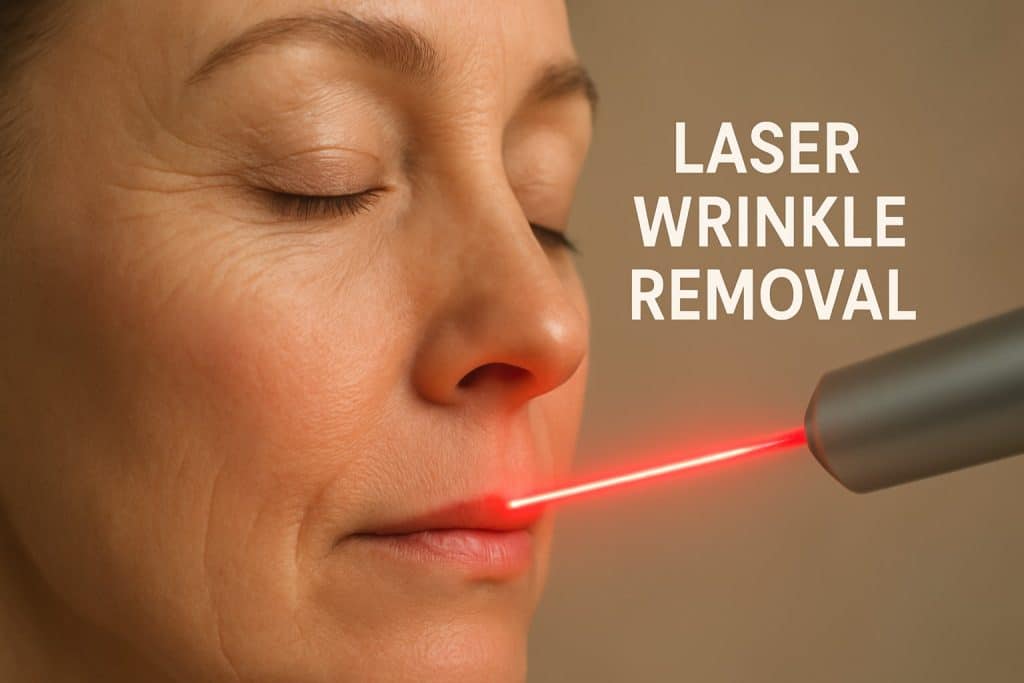
In 2025, more people than ever are searching for non-invasive ways to reduce wrinkles and achieve radiant, youthful skin. The beauty industry is experiencing rapid growth in advanced treatments, with laser technology leading the way for noticeable wrinkle reduction.
Expert insights and real-world outcomes have made laser wrinkle removal a top choice for those who want visible rejuvenation without surgery. This guide brings together the latest research, expert advice, and proven results to help you understand your options.
Here, you will find a detailed overview of how laser wrinkle removal works, the different types of lasers available, the newest innovations, the treatment process, safety and candidacy, results, costs, and essential aftercare tips.
Understanding Laser Wrinkle Removal: How It Works
Laser wrinkle removal is a breakthrough in cosmetic dermatology, using precise light energy to rejuvenate the skin. The process is rooted in science, offering targeted treatment for various wrinkle types. Below, we explore how this technology works, what wrinkles it treats, its key benefits, and important considerations before starting treatment.
The Science Behind Laser Wrinkle Removal
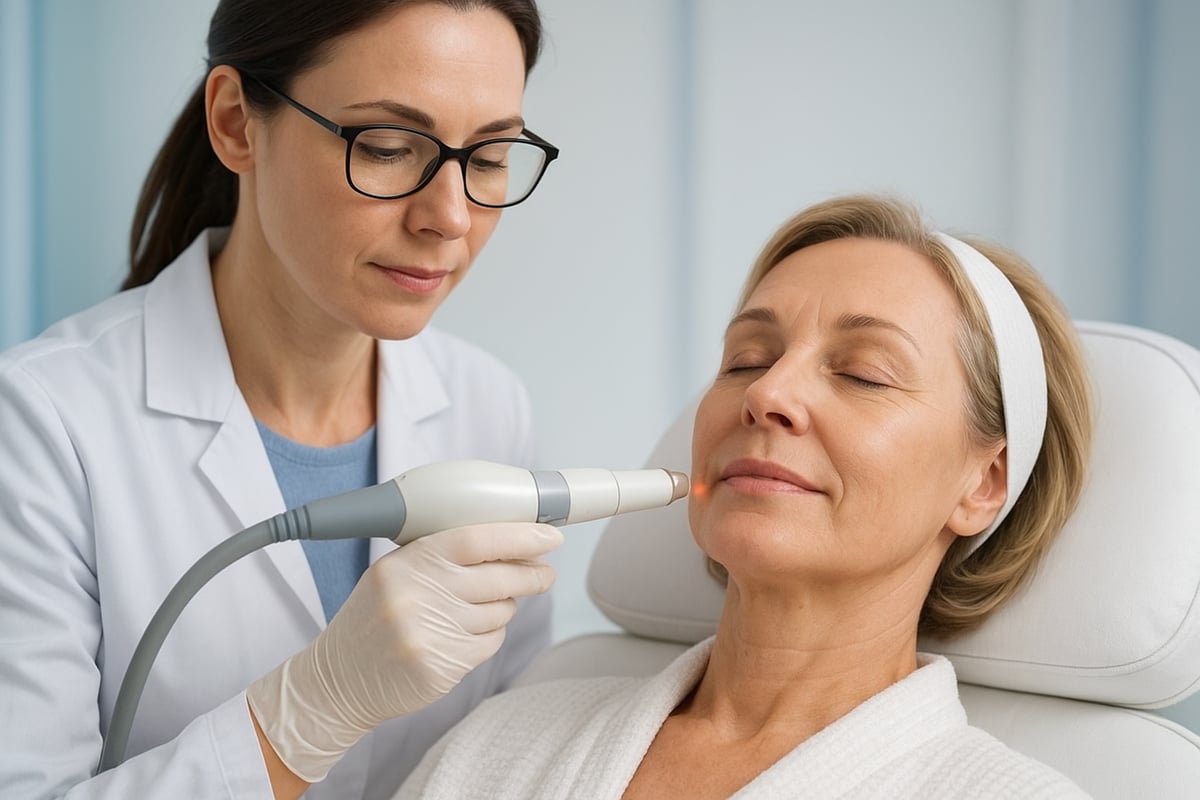
Laser wrinkle removal targets the skin’s deeper layers with controlled light energy, stimulating collagen production and triggering cellular renewal. There are two main types of lasers: ablative, which vaporize the outer skin layer and are powerful for deep wrinkles, and non-ablative, which heat the underlying tissue without damaging the surface, making them suitable for milder concerns.
The process relies on controlled thermal injury, prompting the body’s natural healing response. This results in new collagen and elastin formation, smoothing fine lines and softening deep wrinkles. Cellular regeneration is critical for visible improvements in skin texture and resilience.
Recent 2024 studies confirm the effectiveness of laser wrinkle removal for both fine and pronounced wrinkles, showing significant improvements in skin elasticity and patient satisfaction. For a deeper dive into how certain technologies achieve these results, see the details on CO2 laser resurfacing benefits.
Types of Wrinkles Treated by Lasers
Lasers can address two main wrinkle categories: dynamic wrinkles, formed by repetitive facial movements, and static wrinkles, resulting from aging and sun exposure. Laser wrinkle removal is effective for both, though results vary by wrinkle depth and location.
Commonly treated areas include the face, neck, hands, and décolletage. For example, lasers often target crow’s feet, forehead lines, and marionette lines around the mouth. Studies report high satisfaction rates, especially for static wrinkles, with most patients noticing smoother, firmer skin after a series of treatments.
Benefits of Laser Wrinkle Removal
Choosing laser wrinkle removal offers several advantages over surgical alternatives:
- Non-invasive procedure with little to no incisions
- Minimal downtime and quicker recovery compared to facelifts
- Long-term improvement in skin tone, texture, and firmness
- Statistically significant results, as demonstrated in 2024 clinical trials
- Boosted self-confidence and enhanced quality of life for many patients
These benefits make laser wrinkle removal a preferred option for individuals seeking effective, low-risk skin rejuvenation.
Limitations and Considerations
Despite its effectiveness, laser wrinkle removal is not suitable for everyone. Certain skin types, particularly those prone to hyperpigmentation, may face higher risks. Individuals with specific medical conditions, such as active infections or recent isotretinoin use, should avoid treatment.
Potential side effects include redness, swelling, and temporary pigmentation changes. Adverse event rates remain low when patients are properly screened and treated by experienced professionals.
Before undergoing laser wrinkle removal, a thorough consultation is essential to set realistic expectations and ensure safety. Understanding both the possibilities and limitations helps patients make informed decisions and achieve optimal outcomes.
Types of Laser Technologies for Wrinkle Removal in 2025
Exploring the latest types of laser technologies is essential for anyone considering laser wrinkle removal in 2025. Innovations in devices and protocols have made treatments more effective and customizable than ever before. Understanding these options helps you make informed decisions for your skin rejuvenation journey.
Ablative Lasers: CO2 and Erbium
Ablative lasers, such as CO2 and Erbium, are powerful tools for laser wrinkle removal. These devices work by vaporizing the outermost layers of the skin, triggering rapid collagen production and cellular renewal. This process is highly effective for deep wrinkles and acne scars, especially around delicate areas like the eyes.
Patients considering ablative laser wrinkle removal should know that recovery can take up to two weeks, with redness and peeling common. However, studies in 2024 show these lasers offer dramatic improvements, with complication rates below 5 percent when performed by experienced professionals. For those with pronounced facial lines, especially periorbital wrinkles, ablative lasers remain a gold standard.
Non-Ablative Lasers: Fraxel, Nd:YAG, and Others
Non-ablative lasers like Fraxel and Nd:YAG provide laser wrinkle removal without damaging the skin's surface. These devices penetrate below the epidermis to stimulate collagen, making them ideal for mild to moderate wrinkles and early signs of aging.
Compared to ablative treatments, non-ablative laser wrinkle removal offers less downtime and milder discomfort. Most patients resume daily activities within a day or two. Recent studies report high satisfaction rates, especially for fine lines around the mouth and eyes. Non-ablative options are popular for those seeking gradual, natural-looking results.
Fractional Lasers and Hybrid Technologies
Fractional lasers have revolutionized laser wrinkle removal by treating only a fraction of the skin at a time. This approach speeds up healing and reduces side effects while effectively smoothing wrinkles and improving texture. Hybrid lasers combine both ablative and non-ablative wavelengths, allowing for tailored treatments that address multiple aging concerns in a single session.
In 2025, innovation continues with new devices and personalized protocols, making fractional and hybrid lasers suitable for a wider range of skin types. Clinical trials demonstrate strong safety profiles and excellent wrinkle reduction. For a comprehensive overview of available devices, visit types of skin laser treatments.
Choosing the Right Laser for Your Skin Type
Selecting the ideal technology for laser wrinkle removal depends on your unique skin characteristics. The Fitzpatrick skin type scale is a valuable guide, helping practitioners match lasers to minimize pigmentation risks, especially in darker skin tones.
| Fitzpatrick Type | Suitable Lasers | Pigmentation Risk |
|---|---|---|
| I–II | Most ablative, non-ablative, fractional | Low |
| III–IV | Non-ablative, fractional, hybrid | Moderate |
| V–VI | Fractional, non-ablative, advanced hybrid | Higher |
Expertise matters. Case studies show successful laser wrinkle removal across all ethnicities when performed by trained professionals. Dermatology associations recommend choosing providers with experience treating your specific skin type for optimal results.
New Skin Laser Clinic: Advanced Laser Solutions in Toronto
New Skin Laser Clinic in Toronto sets the standard for laser wrinkle removal with state-of-the-art equipment and proven expertise. Their certified team utilizes CO2, Erbium, and fractional lasers, designing personalized treatment plans for every client.
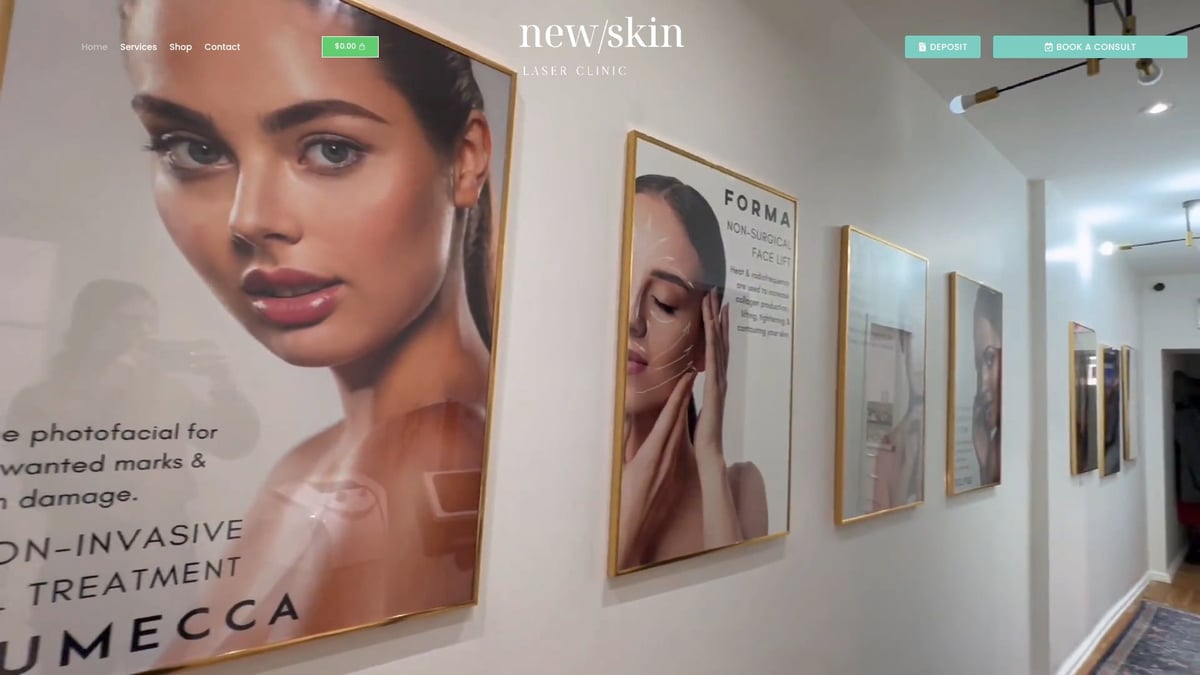
Safety and inclusivity are top priorities. The clinic welcomes all skin types and backgrounds, ensuring each patient receives thorough consultations and clear guidance. Toronto clients consistently report high satisfaction and renewed confidence after their laser wrinkle removal treatments.
The Laser Wrinkle Removal Process: Step-by-Step Guide
Embarking on your laser wrinkle removal journey involves a carefully planned process to ensure safety, comfort, and optimal results. Each step is designed to address your unique needs, from the initial consultation to long-term maintenance. Here is a comprehensive guide to what you can expect at every stage of this transformative treatment.
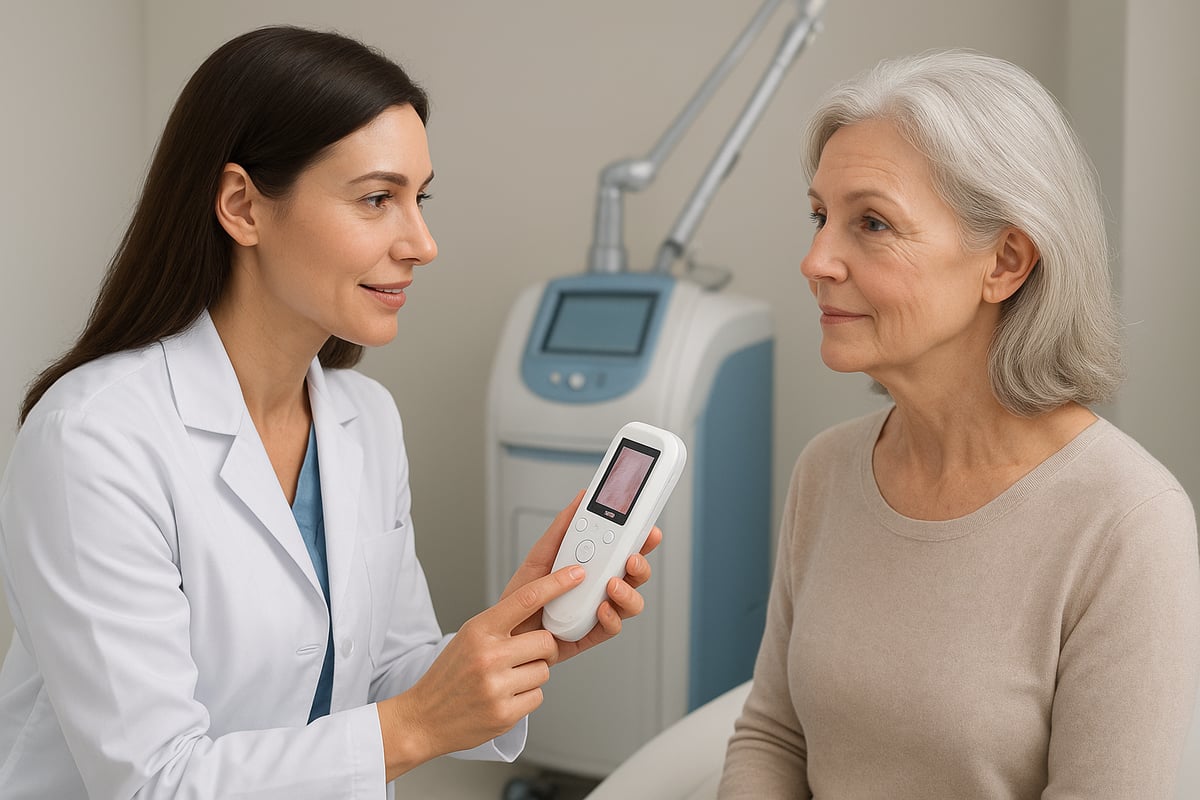
Step 1: Pre-Treatment Consultation and Skin Assessment
The first step in the laser wrinkle removal process is a thorough consultation with a certified specialist. During this session, your provider will review your medical history and perform a detailed analysis of your skin’s texture, tone, and areas of concern.
They will discuss your goals, assess your suitability for laser wrinkle removal, and answer any questions you may have. A patch test may be performed to check for potential reactions. Setting realistic expectations is crucial, as results can vary based on individual factors.
If you are searching for expert clinics, consider exploring laser skin resurfacing in Toronto for a deeper understanding of professional standards and available technologies.
Step 2: Preparing for Your Laser Session
Proper preparation is essential for a successful laser wrinkle removal session. Your provider will give you specific pre-treatment instructions, such as:
- Avoiding sun exposure for at least two weeks prior
- Discontinuing retinoids or exfoliants several days before treatment
- Pausing certain medications or supplements that may increase bleeding risk
On the day of your session, arrive with clean, makeup-free skin. If you feel anxious, discuss pain management options with your provider to ensure a comfortable experience. These steps help minimize the risk of side effects and enhance treatment safety.
Step 3: The Laser Procedure Explained
During the laser wrinkle removal procedure, your skin will be cleansed and a topical numbing cream applied to minimize discomfort. The provider will then use a specialized laser device to target the treatment areas, delivering controlled pulses of energy to stimulate collagen production.
You may feel a warm or tingling sensation as the laser works. Most sessions last between 30 and 60 minutes, depending on the size of the area treated. Protective eyewear and cooling systems are used for safety and comfort throughout the process.
Step 4: Immediate Post-Treatment Care
After your laser wrinkle removal session, you can expect some redness, swelling, and mild discomfort in the treated area. These effects are normal and typically subside within a few hours to a couple of days.
To soothe your skin, apply gentle, fragrance-free creams and use cold compresses as recommended. Avoid makeup until your provider advises it is safe, usually within 24 to 48 hours. Be alert for any unusual symptoms, such as excessive swelling or blistering, and contact your clinic if they occur.
Step 5: Recovery Timeline and Aftercare
Recovery from laser wrinkle removal varies depending on the type of laser used. Most clients experience peeling or flaking as new skin regenerates over the first week.
Follow these aftercare tips for optimal healing:
- Apply sunscreen daily to protect new skin
- Use gentle cleansers and moisturizers
- Avoid vigorous exercise and saunas for several days
- Attend all scheduled follow-up appointments
A typical recovery timeline ranges from 3 to 10 days for non-ablative lasers and up to two weeks for ablative treatments.
| Laser Type | Recovery Time |
|---|---|
| Non-ablative | 3–7 days |
| Ablative | 7–14 days |
| Fractional | 5–10 days |
Step 6: Monitoring Results and Long-Term Maintenance
Visible improvements from laser wrinkle removal often appear within a few weeks, with continued results as collagen production increases. Maintenance sessions may be recommended every 6 to 12 months to preserve your results.
To maximize the longevity of your smoother, more youthful skin:
- Stay hydrated and maintain a healthy lifestyle
- Protect your skin from sun exposure
- Consider combination therapies as advised by your provider
Patient feedback from 2024 studies highlights high satisfaction rates and lasting confidence boosts following laser wrinkle removal treatments.
Safety, Risks, and Candidacy: Who Should (and Shouldn’t) Get Laser Wrinkle Removal?
Seeking smoother, younger-looking skin is a common goal, but not everyone is an ideal candidate for laser wrinkle removal. Understanding who benefits most, who should avoid treatment, and how to manage risks is crucial for safe and satisfying results. This section explores candidacy, contraindications, potential complications, and guidance for choosing the right provider.
Ideal Candidates for Laser Wrinkle Removal
Laser wrinkle removal is highly effective for individuals seeking to reduce fine lines, moderate wrinkles, and sun damage. The best candidates are typically adults in good general health, with fair to medium skin tones, and realistic expectations about the outcomes.
People with dynamic wrinkles caused by facial movement, as well as those with static wrinkles from aging or sun exposure, often see noticeable improvements. Common treatment areas include the face, neck, and hands. Candidates with early signs of aging, mild skin laxity, or uneven texture are especially likely to benefit.
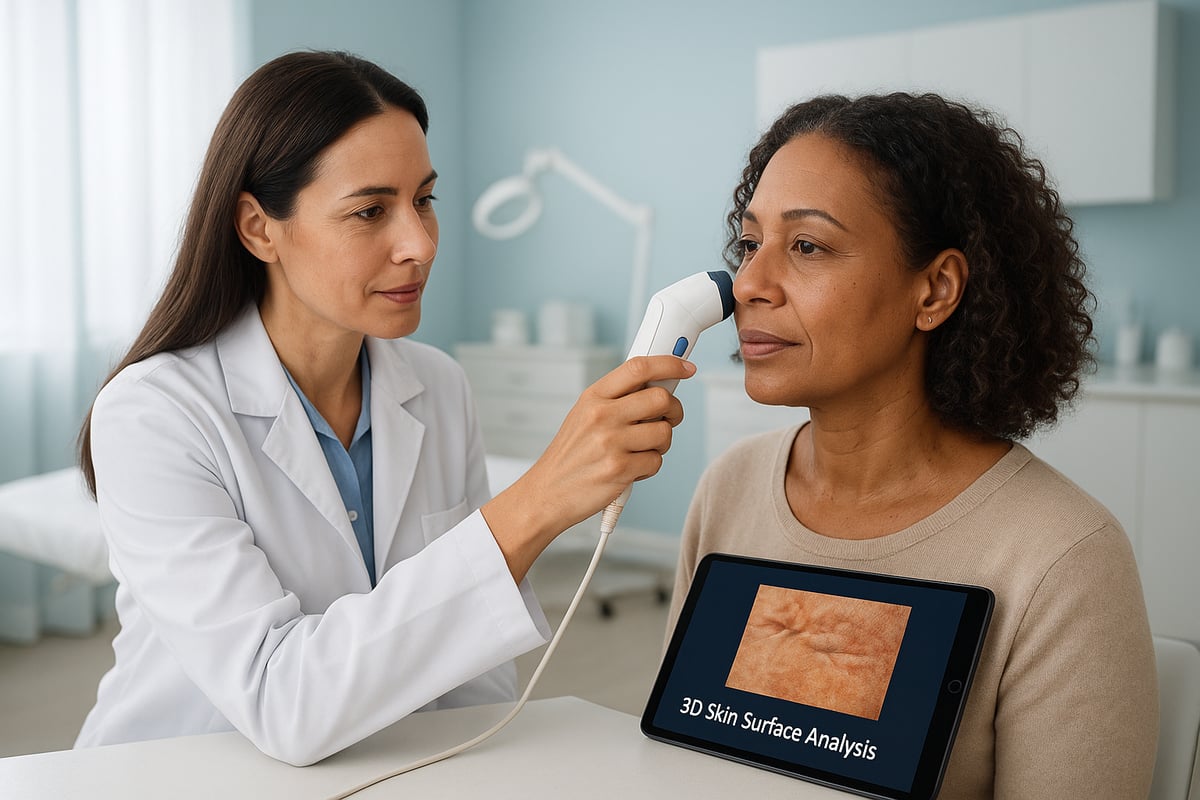
Advanced skin analysis tools, such as 3D wrinkle depth estimation, help professionals assess suitability and set expectations. For a deeper look at how technology refines candidate assessment, see this In-Vivo Skin 3-D Surface Reconstruction and Wrinkle Depth Estimation using Handheld High Resolution Tactile Sensing. When considering laser wrinkle removal, a thorough evaluation by a qualified provider is essential to determine candidacy.
Contraindications and Who Should Avoid Treatment
Not everyone is a suitable candidate for laser wrinkle removal. Certain medical conditions and medications can increase risks or interfere with healing. Individuals with active skin infections, open wounds, uncontrolled diabetes, or autoimmune disorders should avoid this treatment.
Pregnant women, those who have recently taken isotretinoin, and people with a history of keloid scarring or abnormal wound healing are typically advised against laser wrinkle removal. Patients with very dark skin tones may face a higher risk of pigment changes and should consult with specialists experienced in treating diverse skin types.
A detailed medical history and skin evaluation are critical. Providers follow strict screening protocols to ensure safety and minimize the risk of complications. Always be honest about your health, medications, and previous cosmetic treatments during your consultation.
Potential Risks and Side Effects
Laser wrinkle removal is considered safe when performed by experienced professionals, but side effects can occur. Common issues include temporary redness, swelling, itching, and mild discomfort. Less frequently, patients may experience pigment changes, blistering, or scarring.
Here is a summary table of risks and side effects:
| Side Effect | Frequency | Typical Duration |
|---|---|---|
| Redness, Swelling | Common | 2–7 days |
| Hyperpigmentation | Occasional | Weeks to months |
| Scarring | Rare | Variable |
| Infection | Rare | Needs treatment |
A 2024 clinical trial on nonablative fractional lasers found statistically low rates of serious complications and highlighted the importance of aftercare and professional oversight. For further details, review this Continuous Skin Rejuvenation by Combining Nonablative Fractional Laser With Daily Application of a Multibeneficial Composition Formulation: A Blinded Randomized Clinical Trial Study. Following pre- and post-treatment instructions reduces the risk of unwanted effects and supports optimal results with laser wrinkle removal.
How to Choose a Qualified Provider
Selecting the right provider is vital for a safe and effective laser wrinkle removal experience. Look for practitioners with board certification in dermatology or plastic surgery and proven expertise in laser technologies.
Ask about their experience with your skin type and the specific devices they use. Reputable clinics will openly share credentials, before-and-after photos, and patient testimonials. During your consultation, inquire about safety protocols, complication rates, and follow-up care.
Consider these questions:
- Are you certified in laser wrinkle removal procedures?
- What is your experience with my skin type and concerns?
- How do you manage complications if they arise?
- What aftercare do you recommend for best results?
Regulatory bodies update guidelines regularly to reflect advances in safety and technology. By choosing an experienced, well-qualified provider, you maximize your chances of a smooth, satisfying journey with laser wrinkle removal.
Cost, Results, and What to Expect in 2025
Understanding the financial investment, expected outcomes, and future possibilities is essential for anyone considering laser wrinkle removal. Whether you are weighing your options or planning your first treatment, this section provides a clear, expert-backed overview of costs, results, comparisons, and innovations for 2025.
Typical Costs for Laser Wrinkle Removal
The price of laser wrinkle removal depends on several factors, including the type of laser, the treatment area, clinic location, and provider expertise. On average, single sessions range from $500 to $2,500, with full-face treatments at the higher end. Packages or multiple sessions may offer better value for those seeking comprehensive results.
For a detailed breakdown of costs by procedure, refer to Full face laser resurfacing cost, which compares pricing for different laser technologies and treatment plans. Factors influencing the total cost include the number of sessions required, technology used, and whether the provider offers financing or package deals.
| Treatment Area | Typical Cost per Session | Number of Sessions |
|---|---|---|
| Full Face | $1,200–$2,500 | 1–3 |
| Eyes/Mouth | $500–$900 | 1–3 |
| Neck/Hands | $700–$1,200 | 1–3 |
In 2024–2025, price trends show a slight increase due to advanced devices and higher demand. Always request a personalized quote during your consultation to ensure transparency.
Expected Results and Longevity
With laser wrinkle removal, most patients notice smoother, firmer skin within a few weeks. The process stimulates collagen production, which continues to improve texture and reduce wrinkles over several months. Visible results typically appear after 1–2 sessions, especially for fine lines and moderate wrinkles.
The longevity of results depends on factors like age, skin type, lifestyle, and adherence to aftercare. For many, improvements last 1–3 years before maintenance is needed. Sun protection, healthy habits, and periodic touch-up sessions can extend the benefits of laser wrinkle removal.
Clinical studies report high satisfaction rates, with over 80% of patients experiencing noticeable improvement in skin texture and tone. Before and after images from real patients underscore the transformative potential of this treatment.
Comparing Laser Wrinkle Removal to Other Treatments
Laser wrinkle removal stands out for its lasting results, minimal downtime, and ability to address both fine lines and deeper creases. How does it compare to other popular options?
| Treatment | Downtime | Longevity | Best For |
|---|---|---|---|
| Laser | 1–7 days | 1–3 years | Fine lines, deep wrinkles |
| Injectables | None | 3–6 months | Dynamic expression lines |
| Microneedling | 1–2 days | 6–12 months | Mild texture, fine lines |
| Chemical Peels | 2–7 days | 3–6 months | Superficial wrinkles |
While injectables work quickly, they require frequent maintenance. Microneedling and peels are less invasive but may not deliver the dramatic improvement of laser wrinkle removal. Combination therapies, such as pairing lasers with fillers, are often recommended for enhanced results.
Future Innovations and Trends in Laser Wrinkle Removal
The future of laser wrinkle removal is bright, with new technologies and protocols emerging rapidly. In 2025, clinics are adopting more personalized treatment plans, aided by AI-driven skin analysis and advanced hybrid lasers. These innovations allow for safer, more effective outcomes tailored to each skin type.
Market analysts predict continued growth, with the non-surgical skin tightening market expected to reach US$ 3.8 billion by 2033. At-home laser devices and telemedicine consultations are also gaining traction, making wrinkle reduction more accessible.
Ongoing clinical trials focus on increasing safety, reducing recovery time, and integrating real-time skin monitoring. Patients can expect even more natural-looking, long-lasting results as these advancements become mainstream. Staying informed about these trends ensures you make the best choice for your skin’s future.