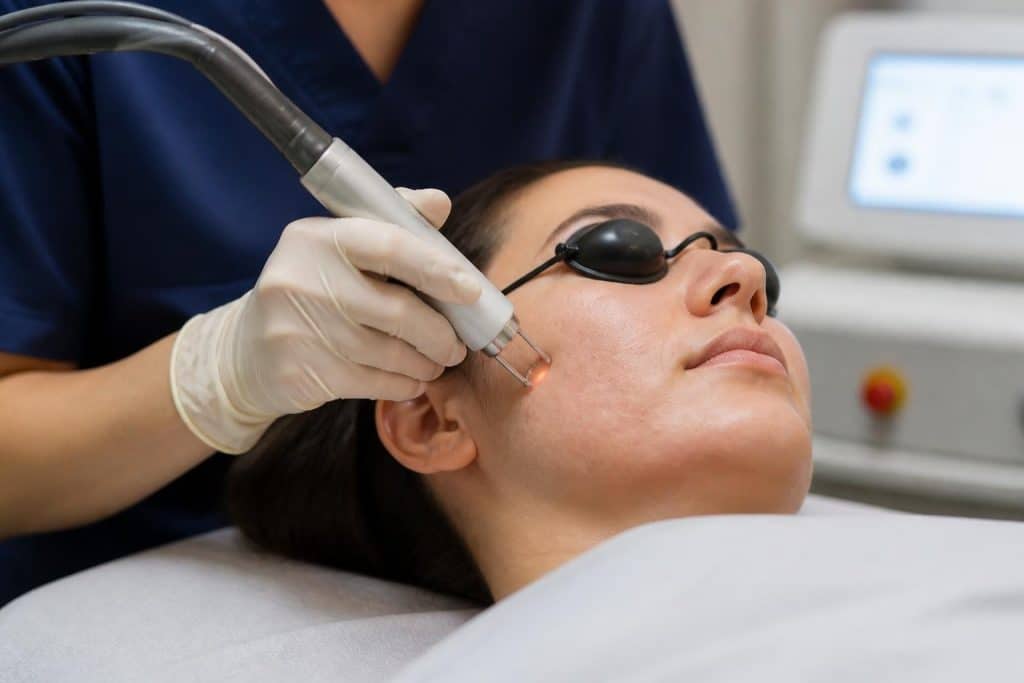
Scars tell stories, but not every story needs to be visible on your skin. Whether you're dealing with acne scars, surgical marks, or injury-related tissue damage, modern laser technology offers proven solutions that weren't available even five years ago. A scar reduction laser works by delivering precise energy to damaged tissue, triggering your body's natural healing response and encouraging new collagen production. For Toronto residents seeking advanced aesthetic treatments, understanding how these technologies work and which options match your specific scar type can make the difference between disappointing results and genuine transformation.
Understanding How Scar Reduction Laser Technology Works
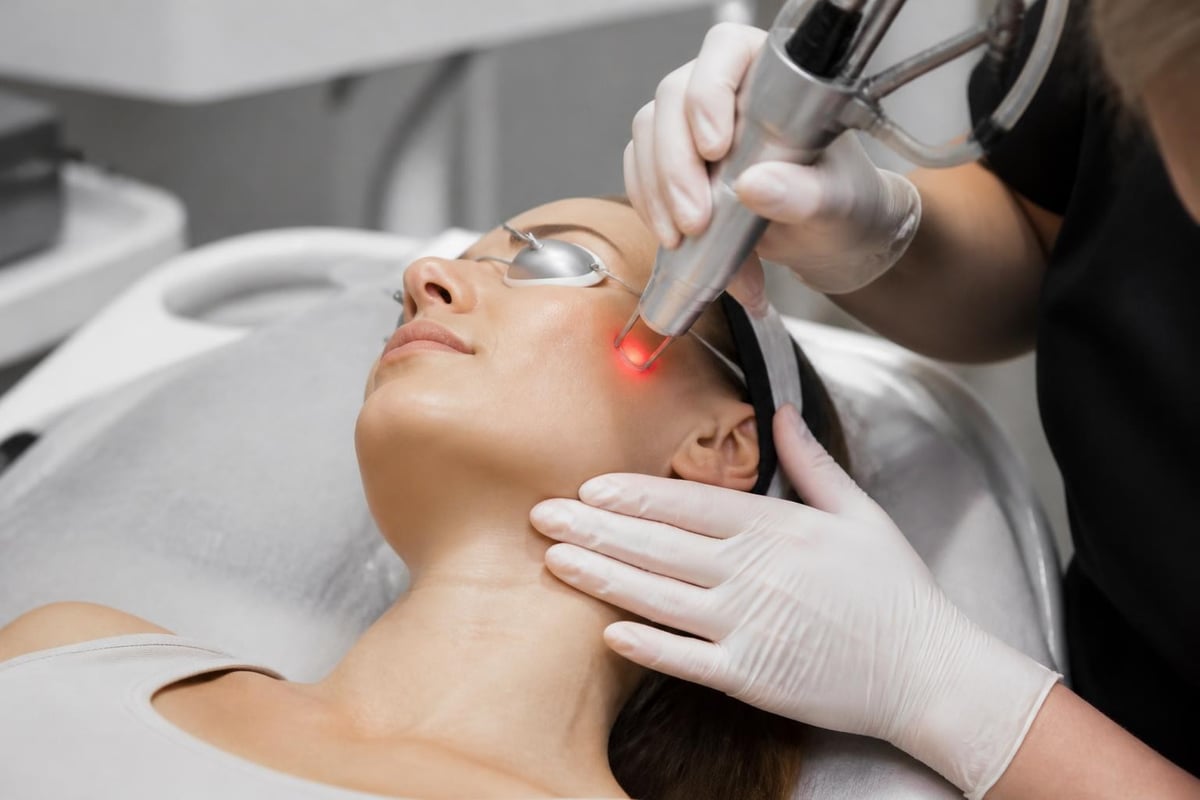
Laser treatments target scar tissue by delivering controlled thermal energy to specific skin layers. This process breaks down damaged collagen fibers while simultaneously stimulating fibroblasts to produce fresh, organized collagen. The result is gradual remodeling of the scar tissue into smoother, more even-textured skin that better matches surrounding areas.
Different laser wavelengths penetrate to varying depths, which is why matching the right technology to your scar type matters significantly. Ablative lasers remove the outer layers of skin entirely, creating controlled injury that forces complete regeneration. Non-ablative lasers work beneath the surface without removing tissue, making them gentler but typically requiring more sessions for visible improvement.
The skin's response to laser treatment unfolds over weeks and months, not days. Immediately after treatment, you'll notice redness and possibly some swelling as the healing cascade begins. Over the following 4-12 weeks, new collagen deposits gradually fill depressed scars or soften raised tissue, with continued improvement possible for up to six months after your final session.
Types of Scars That Respond to Laser Treatment
Not all scars are created equal, and each type responds differently to laser intervention. Understanding your scar classification helps set realistic expectations and guides treatment selection.
Atrophic Scars
These depressed scars sit below the surrounding skin surface and most commonly result from acne or chickenpox. The tissue loss creates pitted or "ice pick" appearances that cast shadows and create texture irregularities. Fractional CO2 and erbium-based fractional lasers have demonstrated significant efficacy for atrophic scar improvement, with studies comparing pain profiles, downtime, and safety considerations between these approaches.
- Ice pick scars: Deep, narrow indentations that extend into the dermis
- Boxcar scars: Wider depressions with defined edges and flat bottoms
- Rolling scars: Wave-like undulations across larger skin areas
Hypertrophic and Keloid Scars
Raised scars form when the body produces excess collagen during healing. Hypertrophic scars remain within the original wound boundaries, while keloids extend beyond the initial injury site and can continue growing over time. Evidence for laser therapy in treating these scar types includes both vascular and ablative approaches, though trial quality and certainty levels vary across studies.
Surgical and Traumatic Scars
Clean surgical incisions typically heal with minimal scarring, but factors like tension, location, and individual healing responses can result in widened or darkened scar lines. Traumatic injuries often create irregular scar patterns that benefit from combined laser approaches targeting both texture and pigmentation.
| Scar Type | Typical Appearance | Best Laser Approach | Expected Sessions |
|---|---|---|---|
| Atrophic (Acne) | Depressed, pitted | Fractional CO2, Erbium | 3-6 treatments |
| Hypertrophic | Raised, red | Pulsed dye, Fractional | 4-8 treatments |
| Surgical | Linear, flat or raised | Combination vascular + fractional | 2-5 treatments |
| Pigmented | Dark or discolored | Nd:YAG, IPL | 3-6 treatments |
Primary Laser Technologies for Scar Treatment
The scar reduction laser field includes several distinct technologies, each with specific mechanisms and ideal applications. Clinics in Toronto's Beaches neighborhood and throughout the GTA typically offer one or more of these proven approaches.
Fractional CO2 Lasers
Carbon dioxide lasers create microscopic treatment zones surrounded by untreated tissue, allowing faster healing while still delivering significant collagen remodeling effects. The fractional pattern means only 20-40% of skin surface receives direct treatment during each pass, dramatically reducing recovery time compared to fully ablative approaches used in earlier decades.
This technology excels for moderate to severe atrophic scarring and works well on most skin tones, though darker complexions require careful parameter selection to minimize post-inflammatory hyperpigmentation risks. Downtime typically ranges from 5-7 days with proper aftercare protocols.
Erbium YAG Lasers
Erbium wavelengths offer more superficial ablation with less thermal damage to surrounding tissue. This translates to gentler treatments with shorter recovery periods but may require additional sessions for comparable results. The precision makes erbium particularly valuable for delicate areas like the lower eyelids or when treating patients who cannot accommodate longer downtimes.
Pulsed Dye Lasers
Vascular lasers target the hemoglobin in blood vessels that often make scars appear red or purple. By selectively destroying these vessels, pulsed dye treatments reduce scar erythema and can soften raised tissue by decreasing blood supply to the area. These work exceptionally well for newer scars still in active remodeling phases.
Non-Ablative Fractional Lasers
Technologies like Fraxel use infrared wavelengths to heat dermal tissue without removing the epidermis. Recovery is minimal-often just redness for 1-2 days-but results accumulate more slowly. Treatment approaches for atrophic post-acne scars increasingly incorporate non-ablative options either as standalone treatments or in combination strategies for patients seeking gradual improvement with minimal disruption.
What to Expect During Treatment Sessions
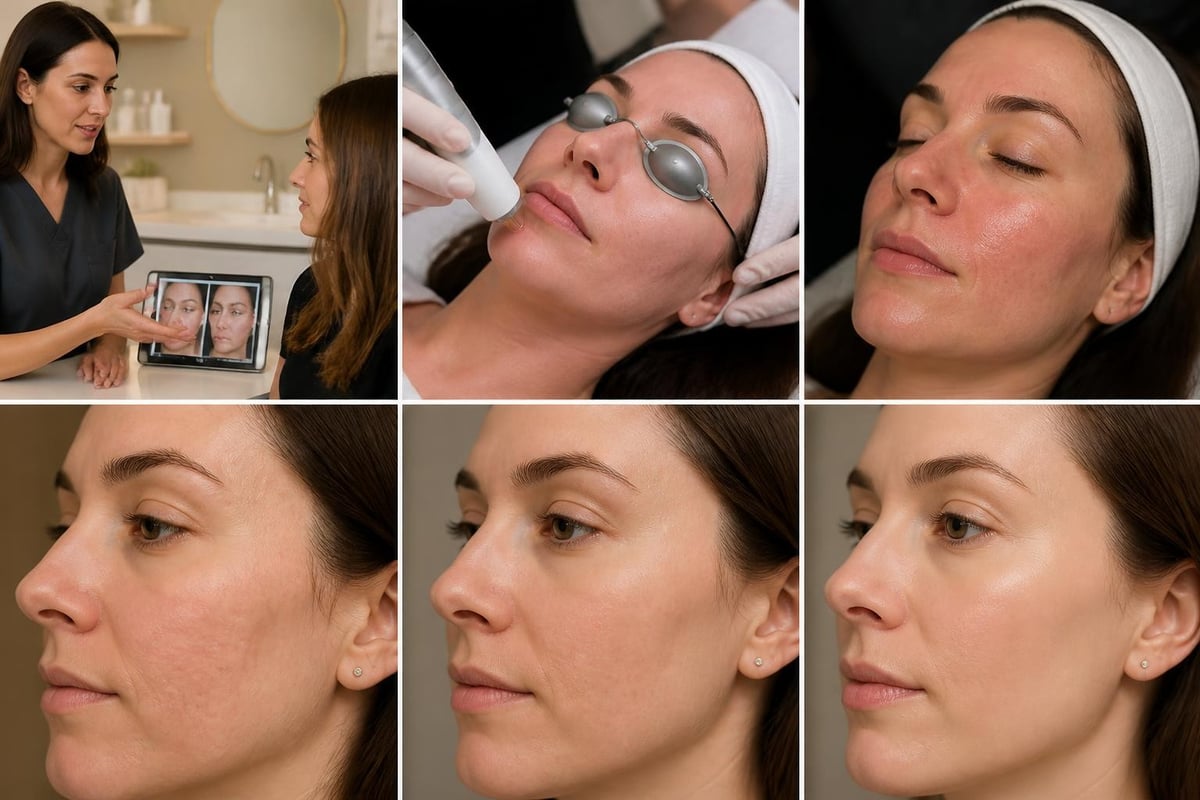
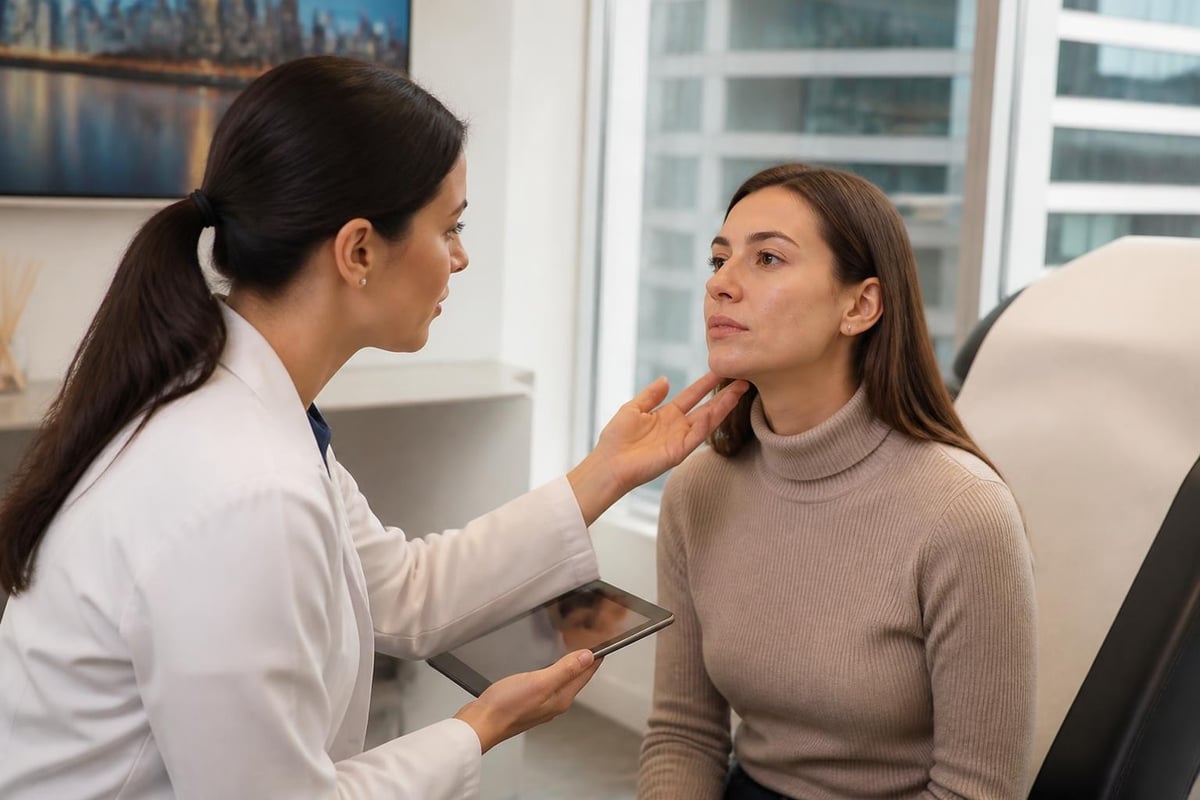
Your first visit focuses on assessment rather than treatment. An experienced esthetician examines your scar type, skin tone, medical history, and healing patterns. This consultation establishes realistic goals and creates a customized treatment plan matching your specific needs and tolerance for downtime.
Before the actual laser session, the treatment area receives thorough cleansing to remove makeup, oils, and debris. Topical numbing cream applied 30-45 minutes before treatment significantly reduces discomfort, though some patients still experience sensations ranging from warmth to snapping rubber band feelings during the procedure itself.
The treatment time varies based on scar size and location. Small facial acne scars might require only 15-20 minutes, while larger surgical scars or extensive body areas could take 45-60 minutes. Most patients describe the experience as tolerable, especially with proper numbing preparation.
Immediate Post-Treatment Period
Right after your session, treated skin appears red and slightly swollen-similar to a moderate sunburn. Cooling measures and prescribed ointments help manage initial discomfort. The first 24-48 hours require gentle care:
- Keep the area clean with mild, fragrance-free cleansers
- Apply recommended healing ointments or prescribed topicals
- Avoid direct sun exposure completely
- Sleep with head elevated if treating facial scars
- Skip makeup, active skincare ingredients, and exercise until cleared
Recovery Timeline
Day 3-5 typically brings the peak of visible healing signs. Ablative treatments may show bronzing or micro-crusting as new skin forms beneath treated zones. Resist any temptation to pick or scrub these areas-premature removal risks scarring or pigmentation changes.
By day 7-10, most patients return to normal activities and skincare routines, though sun protection remains critical for weeks afterward. The true results emerge gradually as collagen remodeling continues beneath the surface for months following treatment.
Combining Laser Treatments With Other Modalities
Modern scar management rarely relies on a single approach. Studies examining methods to minimize surgical scar formation demonstrate that combination therapies often outperform individual treatments, with network meta-analyses comparing multiple modalities and their synergistic effects.
Microneedling with radiofrequency works particularly well alongside fractional laser treatments. The mechanical injury from needles combined with RF energy creates an additive collagen-stimulating effect. Many clinics alternate between laser sessions and RF microneedling to maximize results while managing cumulative downtime.
Platelet-rich plasma (PRP) injections deliver concentrated growth factors directly to scar tissue. When timed around laser treatments, PRP may accelerate healing and enhance final outcomes, though research continues to establish optimal protocols and timing.
Chemical peels address superficial texture and pigmentation concerns that lasers might miss. Light peels between laser sessions can maintain momentum and improve overall skin quality surrounding treated scars.
Factors That Influence Treatment Success
Patient variables significantly impact both the number of sessions required and final aesthetic outcomes. Understanding these factors helps set appropriate expectations before beginning treatment.
Skin Type and Tone
Fitzpatrick skin types I-III (lighter complexions) typically tolerate aggressive laser parameters with lower post-inflammatory hyperpigmentation risks. Types IV-VI require more conservative settings, longer intervals between treatments, and meticulous sun protection to prevent darkening. This doesn't mean darker skin tones can't achieve excellent results-it simply requires specialized expertise and often modified protocols.
Scar Age and Maturity
Newer scars still actively remodeling often respond more dramatically to intervention than scars present for many years. The optimal window for treatment begins once the wound has fully closed and initial inflammation has resolved-typically 6-12 weeks after injury or surgery. However, even decade-old scars show improvement with appropriate laser selection and patient commitment.
Location and Size
Facial scars generally respond better than body scars due to higher follicle and sebaceous gland density, which provides more epithelial reservoirs for healing. Areas with thinner skin like the eyelids require gentler approaches, while thicker skin on the back or chest tolerates more aggressive treatment but may need additional sessions.
Overall Health and Lifestyle
Smoking severely impairs healing and collagen production, often doubling required treatment numbers or preventing satisfactory improvement entirely. Nutritional status, hydration, stress levels, and sleep quality all influence how effectively your body responds to laser-induced healing signals.
Understanding the Investment and Realistic Timelines
Scar reduction laser treatments represent both a financial and time commitment. While specific pricing varies by clinic, scar type, and treatment area, understanding the typical investment helps with planning and decision-making.
Most patients require a series of treatments spaced 6-12 weeks apart. Atrophic acne scarring might need 4-6 fractional CO2 sessions, while a hypertrophic surgical scar could require 3-4 pulsed dye treatments followed by 2-3 fractional sessions for texture refinement. The total timeline from first treatment to final result often spans 9-18 months when accounting for healing intervals and continued collagen remodeling.
Package pricing typically offers better value than individual sessions, but ensure you're committing to a clinic with proven expertise and appropriate technology for your specific scar type. The cheapest option rarely delivers the best results in aesthetic medicine.
Important Safety Considerations and Contraindications
Before having laser treatment for scars, several safety factors deserve careful consideration. Certain conditions or medications increase complication risks and may require treatment modification or delay.
Active skin infections in or near the treatment area must resolve completely before laser intervention. Herpes simplex virus can reactivate after facial laser treatments, so prophylactic antiviral medication is often prescribed for patients with cold sore history.
Isotretinoin (Accutane) use within the past 6-12 months significantly increases scarring and poor healing risks. Most practitioners require a minimum 6-month clearance period after discontinuing this medication before proceeding with ablative laser treatments.
Autoimmune conditions affecting collagen production or wound healing require individualized assessment. Conditions like lupus or scleroderma may contraindicate certain laser approaches or necessitate modified protocols under close medical supervision.
Recent sun exposure or active tans increase pigmentation complication risks. Most clinics require patients to avoid sun exposure and discontinue self-tanners for 2-4 weeks before treatment and maintain strict sun protection throughout the treatment series.
Realistic Expectations Matter
Complete scar elimination is rarely achievable, particularly with severe atrophic or keloid scarring. More realistic goals include 50-80% improvement in texture, color, and overall appearance. Scars may become softer, less noticeable, and more similar to surrounding skin, but perfect matching typically remains elusive.
Discussing specific before-and-after examples relevant to your scar type during consultation helps calibrate expectations. Reputable clinics show realistic results rather than only the most dramatic transformations, giving you a balanced perspective on likely outcomes.
Choosing the Right Provider in Toronto
The expertise behind the device matters as much as the technology itself. When evaluating clinics for scar reduction laser treatments in Toronto, several factors separate exceptional providers from average ones.
Look for specialized training and certification in laser treatments, not just general aesthetic qualifications. The learning curve for safe, effective scar treatment is steep, and experience with diverse skin types and scar presentations makes a measurable difference in outcomes.
Technology quality and variety indicate a clinic's commitment to results. Facilities offering multiple laser platforms can customize approaches to your specific needs rather than forcing your scar type into their available technology. Well-maintained, regularly calibrated equipment ensures consistent, safe treatments.
Comprehensive consultation processes that include skin analysis, medical history review, and realistic outcome discussions demonstrate professional standards. Be wary of providers who guarantee specific results or push for immediate treatment without thorough assessment.
Follow-up protocols and accessibility matter significantly during the healing process. Clinics should provide clear aftercare instructions, remain available for questions or concerns, and schedule appropriate follow-up visits to monitor progress and adjust treatment plans as needed.
Post-Treatment Care for Optimal Results
The weeks following each laser session significantly influence final outcomes. Proper aftercare supports healing, minimizes complications, and maximizes the collagen-remodeling effects you're paying for.
The First Week
Gentle care takes priority during initial healing:
- Cleanse with lukewarm water and mild, fragrance-free cleansers twice daily
- Apply prescribed healing ointments or recommended barrier creams as directed
- Keep treated areas out of direct sunlight completely
- Avoid swimming, hot tubs, saunas, and intense exercise
- Sleep with head elevated if treating facial areas to minimize swelling
Weeks 2-6
As visible healing completes, focus shifts to protection and support:
- Resume normal skincare gradually, avoiding active ingredients like retinoids or acids until cleared
- Apply broad-spectrum SPF 30+ sunscreen religiously, even on cloudy days
- Keep skin well-hydrated with appropriate moisturizers
- Attend scheduled follow-up appointments for progress assessment
- Avoid new sun exposure, including tanning beds
- Consider gentle LED light therapy if recommended to support continued healing
Long-Term Maintenance
Between treatment sessions and after completing your series, maintaining skin health optimizes results. Continue daily sun protection, as UV damage can darken treated areas and compromise improvements. Maintain good overall skin health with appropriate cleansing, moisturizing, and professional treatments as recommended.
Some patients benefit from annual maintenance sessions once they've achieved desired improvement, particularly for extensive scarring or skin prone to textural irregularities. These periodic treatments help maintain collagen quality and address any minor regression.
Addressing Common Concerns and Questions
"Will my scars come back after laser treatment?" Properly treated scars won't regenerate, but the existing scar tissue is permanently altered through collagen remodeling. New injuries to the same area could create additional scarring, and without sun protection, pigmentary changes may develop that affect the treated area's appearance.
"How painful are the treatments?" With appropriate numbing preparation, most patients rate discomfort at 3-4 out of 10 during the procedure itself. Post-treatment sensation resembles sunburn for several days. Pain tolerance varies significantly between individuals, but the experience is generally manageable.
"Can I wear makeup after treatment?" Not immediately. Most protocols require keeping treated skin free of makeup for 3-7 days depending on treatment intensity. Once the skin has re-epithelialized and initial healing is complete, mineral makeup provides the safest coverage option until full recovery.
"What if I have darker skin?" Darker skin tones absolutely can undergo scar reduction laser treatments safely and effectively, but they require providers with specific expertise in treating higher Fitzpatrick types. Conservative settings, longer healing intervals, and meticulous sun protection become even more critical to prevent hyperpigmentation complications.
Scar reduction laser treatments offer proven, clinically-supported improvements for various scar types when performed with appropriate technology and expertise. Understanding how different lasers work, what realistic outcomes look like, and how to support your body's healing response sets the foundation for successful treatment. New Skin Laser Clinic brings state-of-the-art laser technology and experienced estheticians to the Beaches neighborhood in Toronto, offering personalized scar treatment plans tailored to your unique skin and goals. Book a free consultation by calling (416) 317-6696 to discuss how advanced laser treatments can help minimize the appearance of your scars and restore smoother, more even-toned skin.