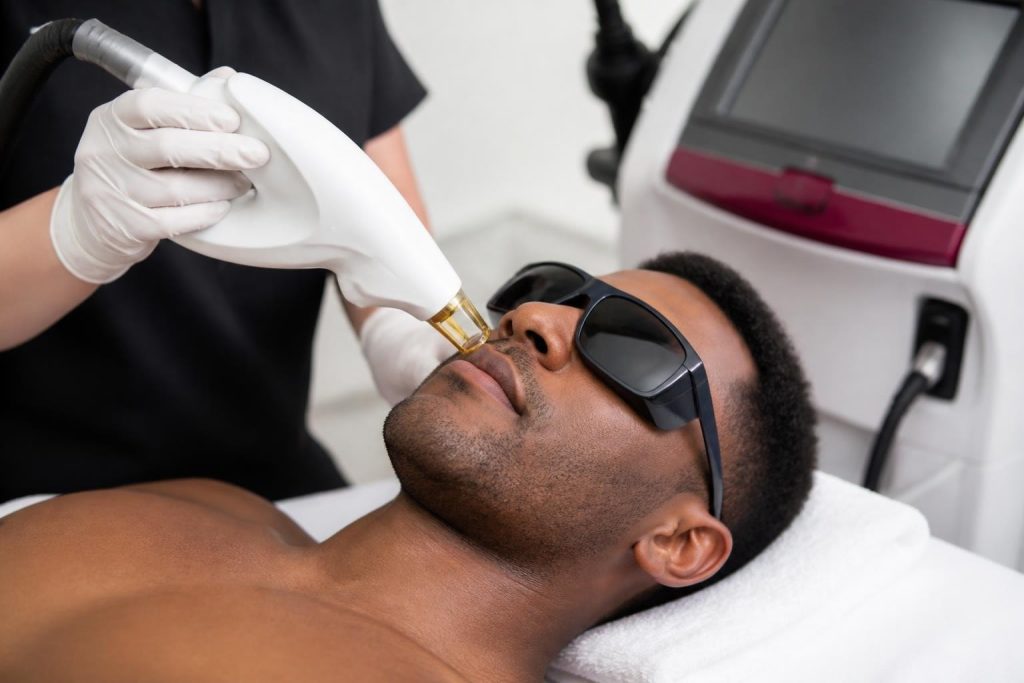
When searching for safe, effective laser hair removal in Toronto, understanding the technology matters. The yag hair removal laser stands out as the most versatile option for permanent hair reduction, particularly for patients with darker skin tones. This advanced technology uses a 1064-nanometer wavelength that penetrates deeper than other laser types, making it ideal for various skin types while minimizing risks of pigmentation changes. Whether you're dealing with unwanted facial hair, stubborn bikini line growth, or full-body hair concerns, understanding how this specific laser works helps you make informed treatment decisions.
What Makes YAG Laser Technology Different
The Nd:YAG (neodymium-doped yttrium aluminum garnet) laser operates at a longer wavelength than traditional alexandrite or diode lasers. This fundamental difference changes everything about how the treatment works and who can safely benefit.
Traditional hair removal lasers use wavelengths between 755nm and 810nm. These shorter wavelengths absorb readily into melanin, making them effective for light skin with dark hair. However, they also absorb into skin pigment, creating risk for darker complexions.
The yag hair removal laser solves this problem with its 1064nm wavelength. This longer wavelength travels past the epidermis (skin surface) with minimal absorption, targeting the melanin concentrated in hair follicles instead. According to research on laser therapy in skin of color, this makes Nd:YAG systems significantly safer for Fitzpatrick skin types IV through VI.
The Science Behind Selective Photothermolysis
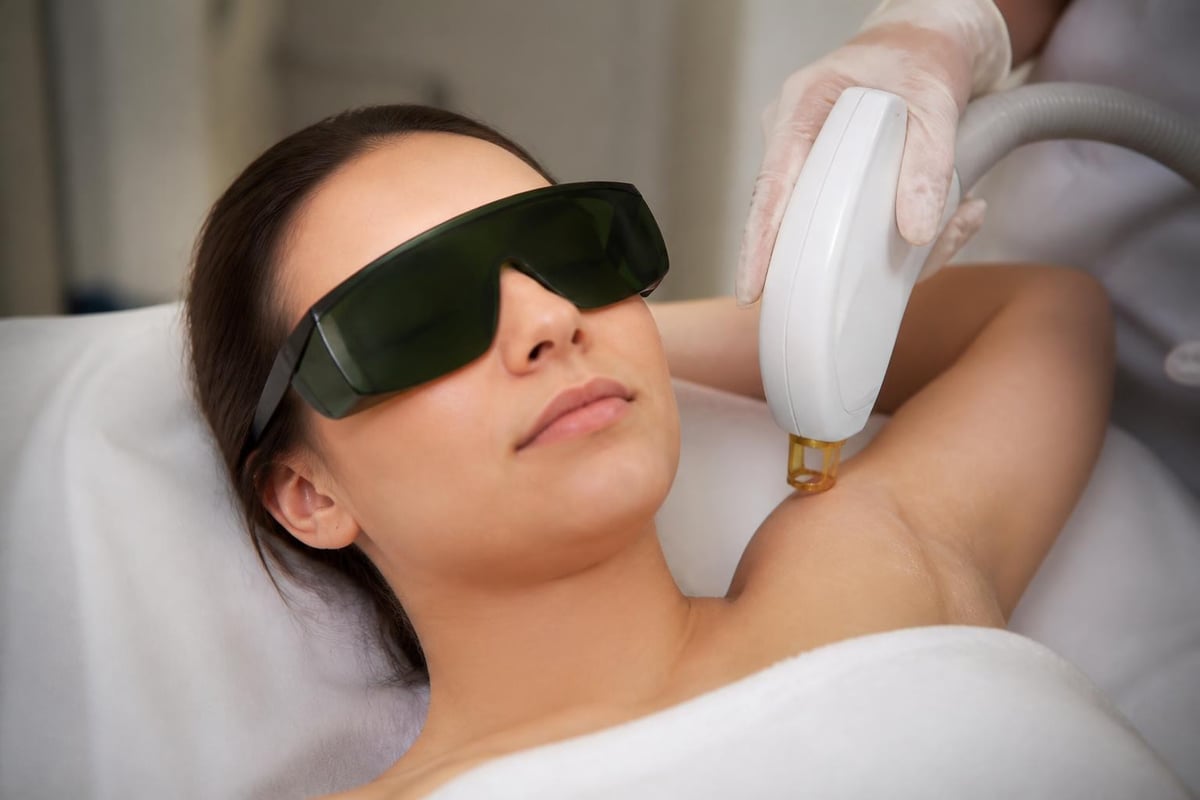
Laser hair removal relies on a principle called selective photothermolysis. The laser energy selectively heats specific targets (chromophores) without damaging surrounding tissue.
For hair removal, melanin serves as the target chromophore. When laser light hits the melanin-rich hair follicle, it converts to heat energy. This thermal energy destroys the follicle's growth cells, preventing future hair production.
The energy-based skin rejuvenation research explains how the 1064nm wavelength achieves this balance effectively. The longer wavelength requires slightly higher energy levels but delivers that energy precisely where needed, deep within the dermis where hair roots reside.
Who Benefits Most from YAG Laser Hair Removal
Not every laser suits every patient. The yag hair removal laser excels in specific scenarios where other technologies fall short.
Ideal Candidates Include:
- Patients with Fitzpatrick skin types IV, V, and VI
- Individuals with tanned skin from sun exposure
- Those with naturally olive or brown complexions
- Patients seeking treatment on sensitive areas
- Anyone who experienced complications with other laser types
The Skin of Color Society’s guidance on laser hair removal specifically recommends long-pulsed 1064nm Nd:YAG systems for darker skin types. This recommendation comes from decades of clinical evidence showing reduced risk of post-inflammatory hyperpigmentation (PIH) and other complications.
Skin Type Considerations
Toronto's diverse population means clinics must offer solutions for all skin tones. The Fitzpatrick scale classifies skin into six types based on reaction to sun exposure and natural pigmentation.
| Fitzpatrick Type | Characteristics | YAG Laser Safety |
|---|---|---|
| I-II | Very light, burns easily | Safe, but other lasers also effective |
| III | Light to medium, sometimes burns | Safe and highly effective |
| IV-VI | Olive to deep brown/black, rarely burns | Safest option, reduced PIH risk |
For darker skin types, the choice isn't just about effectiveness. Safety becomes paramount. Traditional lasers can cause permanent lightening or darkening of treated skin in these patients. The yag hair removal laser's longer wavelength dramatically reduces this risk.
Treatment Areas and Expected Results
The versatility of YAG technology means virtually any body area can be treated safely. Common treatment zones at Toronto clinics include facial areas, underarms, legs, arms, chest, back, and bikini lines.
Session Requirements by Area
Different body areas respond at different rates due to variations in hair density, follicle depth, and growth cycles.
Typical Treatment Protocols:
- Facial Areas (upper lip, chin, sideburns): 6-8 sessions spaced 4-6 weeks apart
- Underarms: 6-8 sessions every 6-8 weeks
- Bikini Line (all variations): 6-10 sessions at 6-8 week intervals
- Legs (lower or full): 6-8 sessions every 8-10 weeks
- Back and Chest: 6-10 sessions at 8-10 week intervals
Hair grows in cycles. Only follicles in the active growth phase (anagen) respond to laser treatment. Since 20-30% of hair is actively growing at any time, multiple sessions catch different follicles as they enter growth phase.
A comparative trial published on PubMed examined different pulse durations for 1064nm Nd:YAG laser hair removal, finding that treatment parameters significantly impact outcomes. Working with experienced practitioners who adjust settings for your specific hair and skin type optimizes results.
Safety Profile and Side Effect Management
The yag hair removal laser boasts an excellent safety record when operated by trained professionals. Understanding potential side effects helps patients prepare appropriately.
Common Temporary Effects
Most patients experience mild redness and slight swelling immediately after treatment. This resembles a mild sunburn and typically resolves within 24-48 hours.
Some individuals notice temporary crusting around treated follicles or what appears to be "pepper spots" where hair shafts were destroyed. This represents successful treatment and sheds naturally within one to two weeks.
Rare but Serious Considerations
Serious complications remain extremely rare with properly performed YAG laser treatments. However, patients should understand potential risks:
- Post-inflammatory hyperpigmentation (PIH): Temporary darkening that resolves over weeks to months
- Hypopigmentation: Rare lightening of treated skin
- Paradoxical hypertrichosis: Increased hair growth in some cases (extremely rare)
- Burns or blistering: Almost always due to improper settings or inadequate cooling
The narrative review on treatments for darker skin emphasizes that complications decrease significantly with appropriate device selection and operator experience. Choosing a clinic with specific expertise in YAG technology matters.
Preparing for Your YAG Laser Treatment
Proper preparation significantly impacts both safety and results. The American Academy of Dermatology’s preparation guidance outlines essential pre-treatment steps.
Four Weeks Before Treatment:
- Discontinue waxing, threading, or plucking
- Avoid direct sun exposure to treatment areas
- Start shaving only (shaving is permitted and recommended)
- Discontinue self-tanning products
One Week Before:
- Stop using retinoids or exfoliating acids on treatment areas
- Avoid blood-thinning medications if medically safe (consult your physician)
- Hydrate skin well with gentle moisturizers
- Note any new medications or supplements
Day of Treatment:
- Shave treatment area that morning or the night before
- Arrive with clean, product-free skin
- Avoid perfumes, deodorants, or lotions on treatment zones
- Wear comfortable clothing that won't irritate treated areas afterward
Toronto's climate presents unique considerations. Winter treatments often work well since patients naturally have less sun exposure. Summer treatments require diligent sun protection, particularly in the weeks following sessions.
What to Expect During Your Session
Walking into your first yag hair removal laser appointment feeling informed reduces anxiety and sets realistic expectations.
The Treatment Process
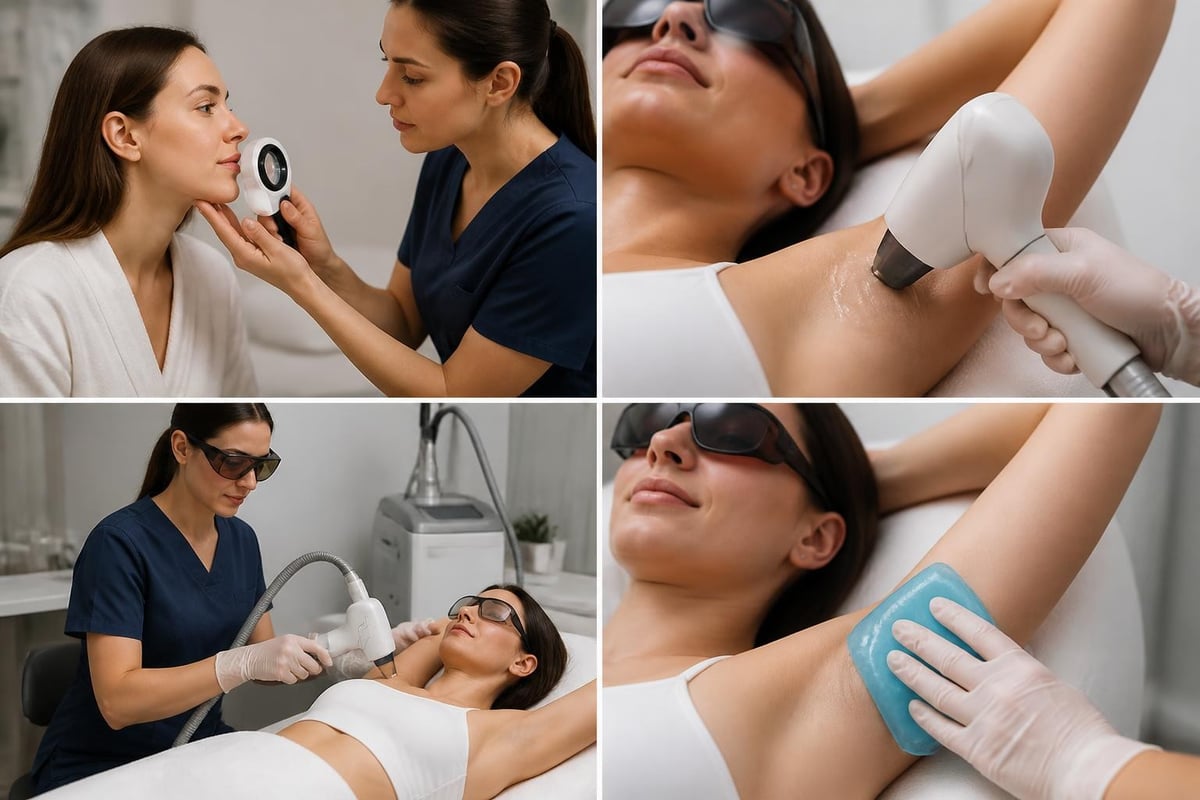
Your practitioner begins with a thorough consultation, examining your skin type, hair characteristics, and medical history. They'll perform a test spot if this is your first visit, ensuring your skin responds well to the settings.
Before starting, they'll apply a cooling gel to the treatment area. Many modern YAG systems include integrated cooling mechanisms that protect the skin surface while the laser energy targets follicles beneath.
The treatment itself involves passing the laser handpiece systematically across the treatment zone. Each pulse delivers laser energy to multiple follicles simultaneously. Patients describe the sensation differently-some compare it to a rubber band snap, others to a mild pinprick or warmth.
Session Duration by Area:
| Treatment Zone | Typical Time |
|---|---|
| Upper Lip | 5-10 minutes |
| Full Face (women) | 20-30 minutes |
| Underarms | 10-15 minutes |
| Brazilian Bikini | 20-30 minutes |
| Lower Legs | 30-45 minutes |
| Full Legs | 60-90 minutes |
| Full Back (men) | 45-60 minutes |
Immediately after treatment, your provider applies a soothing gel or cooling compress. They'll schedule your next session and provide detailed aftercare instructions.
Post-Treatment Care and Maintenance
The hours and days following your yag hair removal laser treatment significantly influence your results and comfort level.
First 24 Hours:
- Apply cold compresses to reduce any swelling
- Avoid hot showers, baths, saunas, or steam rooms
- Skip exercise or activities that cause excessive sweating
- Use only gentle, fragrance-free products on treated areas
First Week:
- Apply broad-spectrum SPF 30+ sunscreen daily to treated areas
- Avoid picking at any crusting or pepper spots
- Moisturize regularly with hypoallergenic products
- Shave if needed, but never wax or pluck
Ongoing Between Sessions:
- Maintain consistent sun protection
- Continue shaving as needed
- Avoid any hair removal methods that disrupt the follicle
- Stay hydrated to support skin health
According to expert highlights from Skin of Color Update, proper aftercare particularly matters for darker skin types to prevent PIH. Toronto patients should be especially mindful during summer months when sun exposure increases.
Comparing YAG to Other Laser Technologies
Understanding how the yag hair removal laser compares to alternatives helps patients make informed choices about their treatment.
Alexandrite Lasers
Alexandrite systems use a 755nm wavelength, making them highly effective for light skin with dark hair. They treat large areas quickly and show excellent results in ideal candidates.
However, this shorter wavelength absorbs readily into skin melanin. This makes alexandrite lasers inappropriate for tanned or naturally dark skin, as they carry high risk for burns and pigmentation changes.
Diode Lasers
Diode systems operate at 810nm wavelengths, falling between alexandrite and YAG. They offer moderate versatility, working for some medium skin tones.
While safer than alexandrite for slightly darker complexions, diode lasers still can't match the YAG's safety profile for truly dark skin. They represent a middle option but aren't optimal at either extreme.
IPL (Intense Pulsed Light)
Technically not a laser, IPL uses broad-spectrum light filtered to target melanin. While marketed for hair removal, IPL delivers less precise energy and shows inconsistent results.
IPL poses significant risks for darker skin types and generally requires more treatments than true laser systems. Most dermatologists and experienced practitioners prefer actual lasers like YAG technology.
| Technology | Wavelength | Best For | Safety in Dark Skin |
|---|---|---|---|
| Alexandrite | 755nm | Light skin, dark hair | Poor |
| Diode | 810nm | Light-medium skin | Moderate |
| Nd:YAG | 1064nm | All skin types | Excellent |
| IPL | 500-1200nm (broad) | Limited cases | Poor |
Cost Considerations and Value
Investing in laser hair removal represents a long-term decision. Understanding pricing structures helps you budget appropriately.
Treatment costs vary based on several factors: the size of the treatment area, number of sessions required, geographic location, and provider expertise. Toronto pricing typically reflects the city's higher operational costs compared to suburban locations.
The yag hair removal laser often costs slightly more per session than other laser types. This premium reflects the technology's sophistication and the specialized training required to operate it safely. However, the reduced complication risk and superior results for diverse skin types justify this investment.
Value Comparison:
When comparing costs, consider the lifetime expense of alternative hair removal methods. Waxing appointments every 4-6 weeks accumulate dramatically over years. Shaving requires ongoing product purchases and time investment.
Quality laser hair removal delivers 70-90% permanent reduction after completing the treatment series. Most patients maintain results with occasional touch-up sessions every 1-2 years. Over a 10-20 year period, laser treatment often costs less than continued waxing while saving countless hours.
Toronto residents benefit from consulting with New Skin Laser Clinic for accurate pricing specific to their treatment goals. Professional clinics typically offer package pricing that reduces per-session costs when purchasing a series.
Selecting a Qualified Provider in Toronto
The practitioner matters as much as the technology. Even the most advanced yag hair removal laser produces poor results in untrained hands.
Key Qualifications to Verify:
- Proper licensing and certification for laser operation
- Specific training on Nd:YAG systems
- Experience treating your skin type
- Before-and-after photos of similar patients
- Clear communication about realistic expectations
Toronto's regulatory environment requires specific certifications for laser operators. Reputable clinics employ medical estheticians or nurses with specialized laser training.
During consultations, qualified providers ask detailed questions about your medical history, medications, skin sensitivity, and previous hair removal experiences. They examine your skin carefully and may perform a patch test. Anyone rushing through consultation or guaranteeing complete permanent removal raises red flags.
Red Flags to Avoid
- Extremely low pricing compared to market rates
- Guarantees of complete hair removal
- Unwillingness to discuss qualifications or experience
- High-pressure sales tactics
- One-size-fits-all treatment plans without skin assessment
The Beaches area of Toronto, where New Skin Laser Clinic operates, offers convenient access to professional laser services. Location matters for treatment series requiring multiple visits over several months.
Realistic Timeline and Long-Term Outcomes
Understanding the complete treatment journey helps maintain realistic expectations throughout your laser hair removal experience.
Most patients require 6-10 sessions for optimal results. The exact number depends on hair density, color, thickness, treatment area, and individual response to treatment.
Expected Timeline:
- Months 0-6: Initial treatment series (sessions every 4-8 weeks depending on area)
- Month 6-12: Final sessions addressing persistent follicles
- Year 1-2: Touch-up sessions as needed (1-2 treatments)
- Year 2+: Maintenance (typically 1 session every 1-2 years, if needed)
Hair reduction occurs gradually. After the first session, you'll notice treated hair sheds over 1-3 weeks. Regrowth appears lighter and finer. With each subsequent session, less hair returns, and what does grow becomes increasingly fine.
The yag hair removal laser demonstrates particular effectiveness for coarse, dark hair. Very light blonde, red, or gray hair contains minimal melanin, making any laser less effective. In these cases, electrolysis remains the only permanent option.
Hormonal factors influence long-term maintenance needs. Conditions like polycystic ovary syndrome (PCOS), pregnancy, or hormonal medications can stimulate new hair growth even after successful laser treatment. Patients with these factors may require more frequent maintenance sessions.
Special Considerations for Different Demographics
Different patient groups experience unique considerations when pursuing yag hair removal laser treatment.
Men's Hair Removal
Men typically have coarser, denser hair growth requiring more sessions and higher energy settings. Common male treatment areas include back, chest, shoulders, and neck grooming below the beard line.
The YAG laser handles the thicker hair shaft common in male patients particularly well. Its deeper penetration reaches the robust follicles that produce this coarse growth.
Treating Facial Hair in Women
Unwanted facial hair causes significant distress for many women. The yag hair removal laser treats upper lip, chin, sideburns, and full face effectively and safely.
Women with polycystic ovary syndrome, hirsutism, or hormonal imbalances see good results but may need ongoing maintenance as hormones continue stimulating new growth. Working with both your clinic and endocrinologist optimizes outcomes.
Sensitive Skin Conditions
Patients with eczema, psoriasis, or rosacea require extra caution. Treatment during active flares should be avoided. The YAG laser's gentle approach makes it suitable for sensitive skin when conditions are controlled.
Your practitioner may recommend lower energy settings initially, gradually increasing as tolerance is established. This conservative approach maximizes safety while still achieving effective hair reduction.
Addressing Common Misconceptions
Misinformation about laser hair removal persists despite decades of safe, effective use. Clarifying these myths helps patients make informed decisions.
Myth: Laser hair removal is completely permanent after one treatment.
Reality: Hair grows in cycles. Multiple sessions targeting different growth phases are essential. Results are "permanent reduction," typically 70-90% after completing a series.
Myth: YAG lasers don't work as well as other types.
Reality: The yag hair removal laser is equally effective as other technologies when matched to appropriate candidates. It excels particularly for darker skin where other lasers fail or cause complications.
Myth: All laser clinics offer the same results.
Reality: Operator skill and proper device settings dramatically impact outcomes. A qualified practitioner with a basic laser outperforms an inexperienced operator with premium equipment.
Myth: You can't treat tanned skin.
Reality: While active tans increase risk with most lasers, the YAG's longer wavelength tolerates tanned skin better than alternatives. However, waiting for tan to fade still improves safety margins.
Myth: Laser hair removal causes cancer.
Reality: Laser light is non-ionizing radiation, fundamentally different from X-rays or gamma rays. No evidence links cosmetic laser treatments to cancer development.
The yag hair removal laser represents the gold standard for safe, effective hair reduction across all skin types, particularly for Toronto's diverse population. Understanding the technology's unique wavelength, proper preparation, realistic expectations, and the importance of qualified practitioners ensures optimal results. New Skin Laser Clinic's team of expert estheticians brings state-of-the-art YAG technology to the heart of Toronto's Beaches neighborhood, offering personalized treatment plans tailored to your skin type and hair removal goals. Book a free consultation by calling (416) 317-6696 to discover how advanced laser technology can deliver the smooth, hair-free skin you've been seeking.