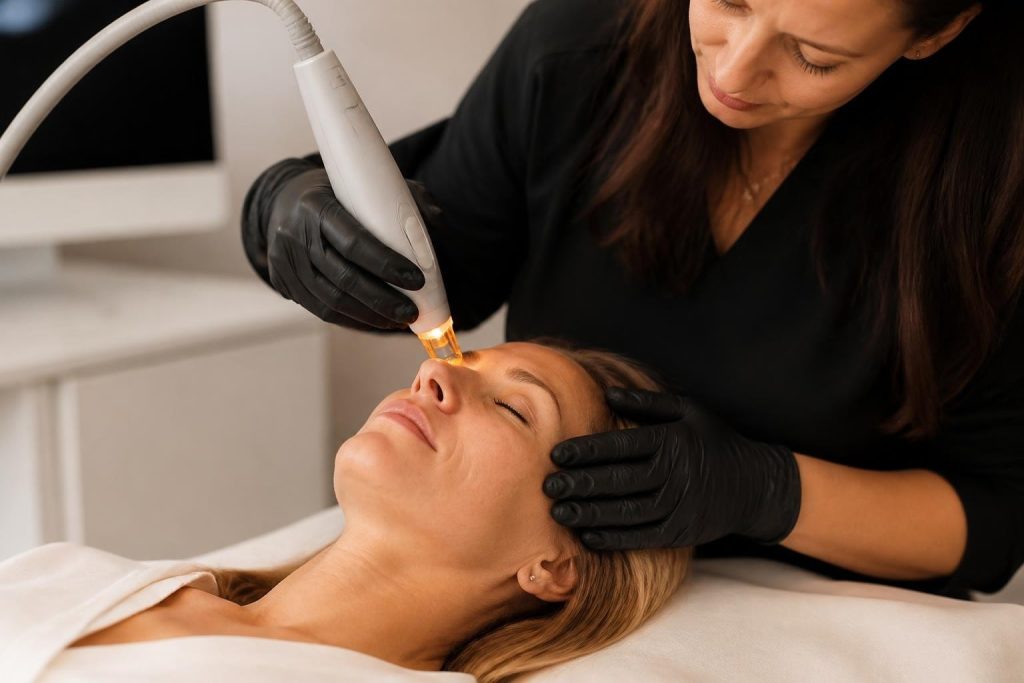
Fine lines and deep wrinkles don't have to be permanent features on your face. Laser technology has transformed how dermatologists and estheticians approach facial aging, offering precise, effective solutions that trigger your skin's natural healing response. At clinics throughout Toronto, including the Beaches neighborhood, laser treatment for wrinkles has become one of the most requested anti-aging procedures for clients seeking visible, long-lasting results without surgery.
Understanding How Laser Treatment for Wrinkles Works
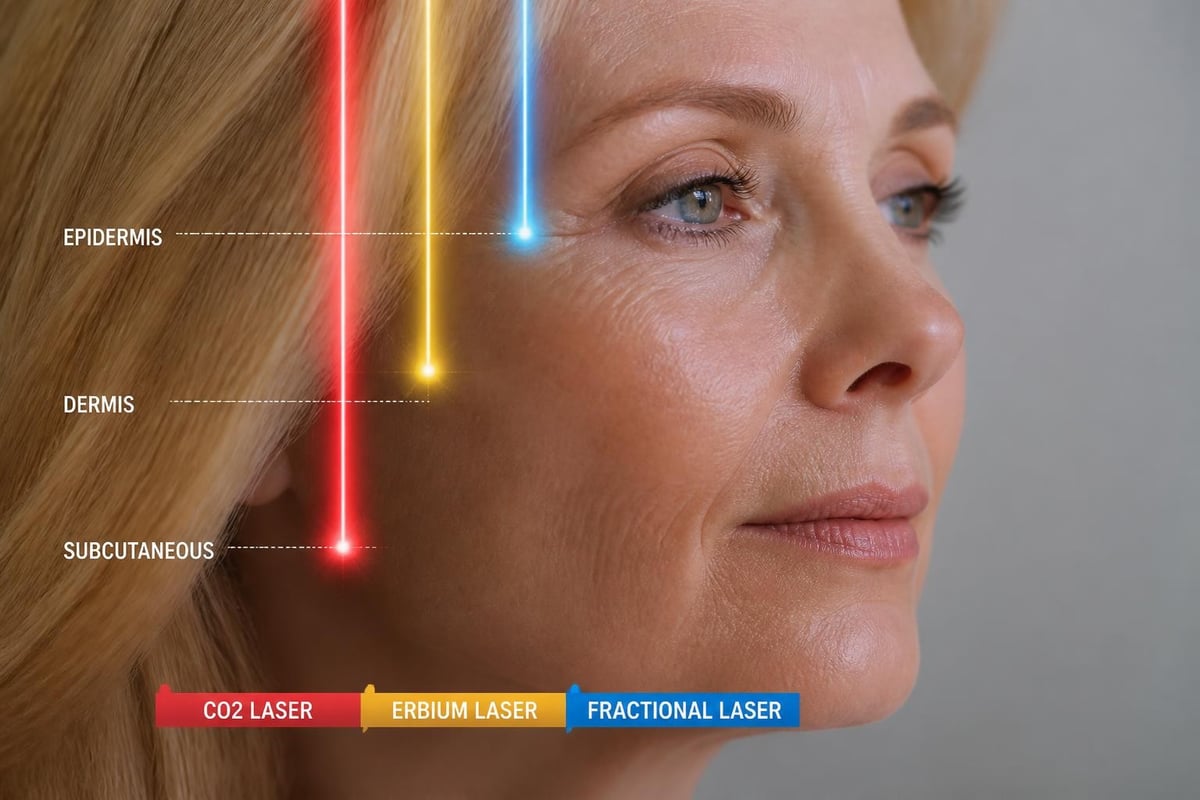
Laser technology targets wrinkles through controlled energy delivery that reaches specific depths within your skin. The process creates microscopic treatment zones that trigger collagen remodeling, the foundation of smoother, firmer skin.
The Science Behind Laser Skin Rejuvenation
When laser energy penetrates your skin, it generates controlled thermal injury that signals your body to begin repair. This stimulates fibroblasts to produce fresh collagen and elastin fibers over the following months.
Different wavelengths target different concerns:
- Ablative lasers remove thin layers of skin while heating underlying tissue
- Non-ablative lasers heat dermal tissue without removing the surface
- Fractional devices create treatment columns surrounded by healthy skin for faster healing
The physics of laser wavelength selection determines how deeply energy penetrates and which skin structures absorb the most heat. Carbon dioxide (CO2) lasers at 10,600 nm are absorbed by water in skin cells, while erbium lasers at 2,940 nm offer more superficial precision.
Your skin responds over weeks and months as new collagen replaces aged, damaged fibers. This timeline means results improve gradually rather than appearing overnight.
Types of Laser Treatments Available in Toronto
Toronto clinics offer several laser modalities for wrinkle reduction, each with distinct characteristics, downtime requirements, and price points.
Fractional CO2 Laser Resurfacing
This gold-standard treatment remains the most effective option for moderate to severe wrinkles. Clinical consensus on fractional ablative CO2 laser protocols confirms its efficacy for facial rejuvenation when performed with appropriate settings.
Treatment characteristics:
| Feature | Details |
|---|---|
| Downtime | 7-14 days |
| Sessions needed | 1-2 treatments |
| Results duration | 2-5 years |
| Best for | Deep lines, severe photoaging |
Fractional CO2 creates thousands of microscopic treatment zones per square centimeter. At New Skin Laser Clinic, estheticians customize density and depth based on your wrinkle severity and skin type.
Erbium Laser Treatment
Erbium:YAG lasers offer gentler resurfacing with shorter recovery. The 2,940 nm wavelength targets water in superficial skin layers with minimal heat spread to surrounding tissue.
This option suits clients with fine to moderate wrinkles who cannot accommodate extensive downtime. Expect 4-7 days of redness and flaking.
Non-Ablative Fractional Lasers
Devices operating at 1540 nm or 1570 nm heat dermal tissue without removing the skin surface. Recent evidence on sequential fractional approaches shows combining CO2 with non-ablative wavelengths can optimize outcomes while reducing recovery time.
Benefits of non-ablative treatments:
- Return to work within 1-2 days
- Progressive improvement over 3-6 months
- Lower risk of pigmentation changes
- Suitable for all skin tones
These treatments require 3-5 sessions spaced 4-6 weeks apart for optimal wrinkle reduction.
What to Expect During Treatment
Understanding the treatment process helps you prepare mentally and practically for your laser session at a Toronto clinic.
Pre-Treatment Preparation
Your esthetician will assess your skin type, wrinkle depth, and medical history during consultation. Certain medications increase photosensitivity or bleeding risk and may need temporary discontinuation.
Before your appointment:
- Avoid sun exposure for 4-6 weeks prior
- Discontinue retinoids 5-7 days before treatment
- Inform your provider about any history of cold sores (antiviral medication may be prescribed)
- Arrive with clean skin free of makeup or lotions
Toronto's variable weather means extra sun protection is essential year-round, but especially during the pre-treatment period.
The Treatment Session
Most laser treatment for wrinkles takes 30-90 minutes depending on the area treated. Your esthetician applies topical anesthetic 30-45 minutes before beginning to minimize discomfort.
During the procedure, you'll hear clicking sounds as the laser fires and feel heat or prickling sensations. Cooling devices or cold air help manage temperature and protect your skin.
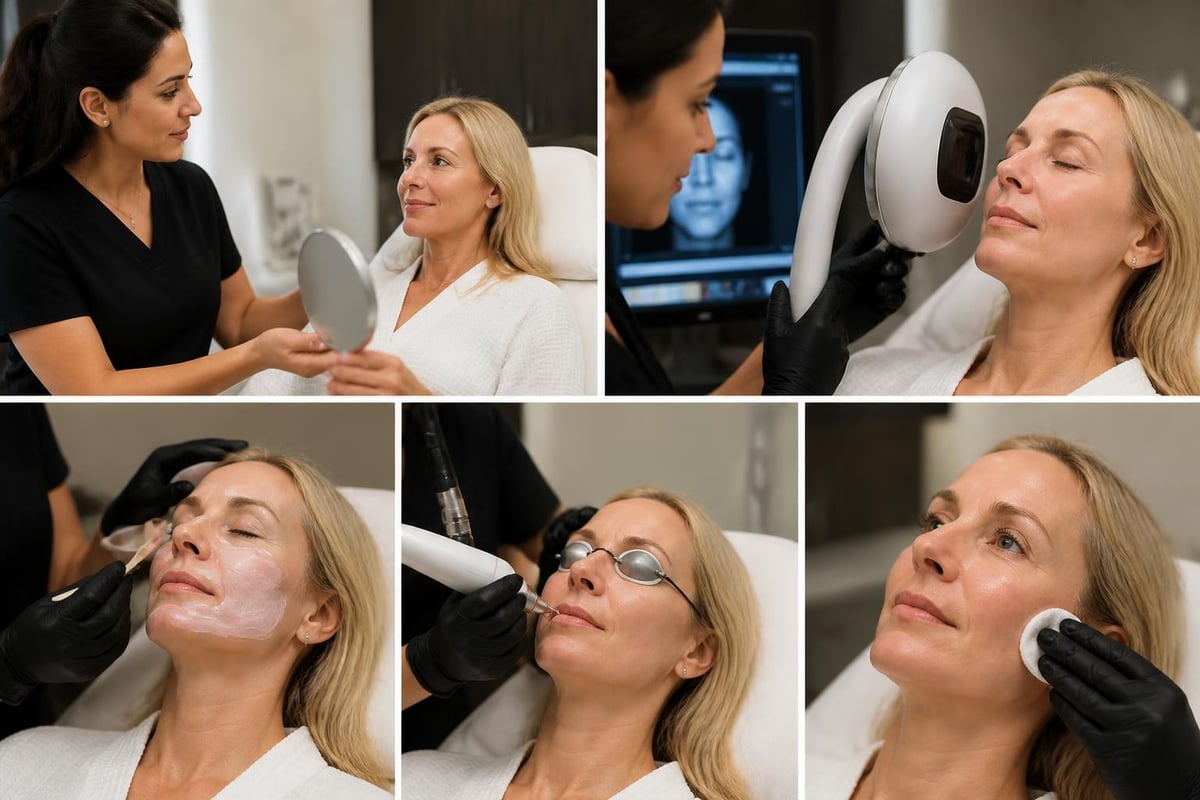
Ablative treatments produce immediate visible changes as the skin surface is vaporized. Non-ablative sessions show no dramatic immediate effect, with results developing over subsequent weeks.
Recovery and Downtime Considerations
Recovery varies significantly based on treatment intensity. Planning your schedule around downtime ensures optimal healing without work or social disruptions.
First 48 Hours Post-Treatment
Ablative laser treatment for wrinkles creates an open wound that requires diligent care. Your skin will appear red and swollen, similar to a sunburn.
Immediate aftercare steps:
- Apply prescribed ointment every 2-3 hours
- Use cold compresses to reduce swelling
- Sleep with head elevated
- Avoid any sun exposure
Non-ablative treatments cause mild redness and swelling that typically resolves within 24-48 hours.
Week One Recovery
Days 3-7 bring the most visible peeling and flaking. Resist any urge to pick or scrub, which increases scarring risk.
| Day | Ablative Recovery | Non-Ablative Recovery |
|---|---|---|
| 1-2 | Raw, oozing, red | Mild redness, slight swelling |
| 3-5 | Bronze, tight, peeling begins | Fading redness, minimal flaking |
| 6-7 | Active flaking, pink new skin | Nearly normal appearance |
| 8-10 | Pink, smooth, makeup-ready | Completely healed |
Toronto's dry winter air can intensify peeling. Use a humidifier and apply moisturizer liberally throughout recovery.
Long-Term Healing
Complete collagen remodeling takes 3-6 months. Your wrinkles will continue improving during this period as new structural proteins mature and organize.
Strict sun protection remains critical for 6-12 months post-treatment. UV exposure can cause hyperpigmentation and compromise your results.
Safety, Risks, and Skin Type Considerations
While laser treatment for wrinkles offers impressive results, understanding potential complications helps you make informed decisions and choose qualified providers.
Common Side Effects
Expected reactions include temporary redness, swelling, and sensitivity. These resolve as healing progresses.
Less common but possible complications:
- Prolonged redness lasting months
- Hyperpigmentation or hypopigmentation
- Infection requiring antibiotics
- Scarring in rare cases
Systematic analysis of facial laser complications shows complication rates vary by device type, operator experience, and patient skin phototype.
Fitzpatrick Skin Type Matters
Your natural skin tone significantly influences treatment planning and risk profile. Darker skin (Fitzpatrick types IV-VI) carries higher risk of pigmentation changes with certain lasers.
Erbium and non-ablative fractional devices offer safer profiles for medium to dark skin tones compared to aggressive CO2 resurfacing. At New Skin Laser Clinic, estheticians adjust treatment parameters based on your individual skin characteristics.
Choosing a Qualified Provider
Safety guidance from the American Academy of Dermatology emphasizes selecting experienced practitioners who understand laser-tissue interactions and can manage complications.
Before committing to treatment:
- Verify the clinic's credentials and equipment
- Review before-and-after photos of actual patients
- Discuss realistic expectations during consultation
- Understand the complete cost including follow-up visits
- Ask about complication management protocols
Toronto regulations require proper training for anyone operating medical-grade lasers. Don't hesitate to ask about your provider's qualifications.

Cost and Investment Considerations
Laser treatment for wrinkles represents a significant financial commitment. Understanding pricing structures helps you budget appropriately and compare value across Toronto providers.
Typical Treatment Costs
Prices vary based on treatment type, area size, and number of sessions required.
Toronto pricing ranges:
- Fractional CO2 full face: $2,500-$4,500 per session
- Erbium laser resurfacing: $1,800-$3,500 per session
- Non-ablative fractional (per session): $800-$1,500
- Package discounts: 10-20% savings for multiple sessions
These investments deliver results lasting several years when combined with proper skincare and sun protection.
Factors Affecting Price
Treatment area significantly impacts cost. Full-face treatment costs more than targeting specific zones like crow's feet or forehead lines.
Additional considerations:
- Clinic location and overhead (downtown Toronto vs. neighborhoods)
- Technology generation and device quality
- Provider experience and specialization
- Complementary treatments included in package
New Skin Laser Clinic offers transparent pricing during consultation, allowing you to make informed decisions without surprises.
Insurance and Financing
Cosmetic laser treatment for wrinkles is rarely covered by provincial health insurance. Some clinics offer payment plans or financing options to make treatment more accessible.
NHS guidance on cosmetic procedures reminds patients that elective aesthetic treatments require careful financial planning and should never be rushed decisions.
Maximizing and Maintaining Results
Your laser treatment investment deserves protection through proper long-term skincare and lifestyle choices.
Post-Treatment Skincare Protocol
Once healed, medical-grade products enhance and prolong your results. Your esthetician will recommend a customized regimen.
Essential products:
- Broad-spectrum SPF 50+ daily (mineral formulas for sensitive skin)
- Retinol or prescription tretinoin (start slowly, months post-treatment)
- Antioxidant serums with vitamin C or E
- Hydrating moisturizer with ceramides
- Growth factor serums to support ongoing collagen production
Toronto's harsh winters require extra barrier protection. Switch to richer formulations during cold months.
Lifestyle Factors That Protect Investment
Behavioral choices significantly impact how long your laser treatment for wrinkles continues delivering visible benefits.
| Habit | Impact on Results |
|---|---|
| Daily SPF use | Prevents new photodamage, protects investment |
| Smoking cessation | Preserves blood flow, supports collagen health |
| Hydration | Maintains skin plumpness and barrier function |
| Sleep quality | Supports cellular repair and regeneration |
| Stress management | Reduces cortisol-related collagen breakdown |
Sun exposure remains the primary enemy of laser results. Toronto summers require diligent reapplication of sunscreen every two hours during outdoor activities.
When to Consider Maintenance Treatments
Most clients benefit from maintenance sessions every 1-2 years to address new wrinkle formation and sustain collagen density.
Some providers recommend annual non-ablative "touch-ups" rather than repeating aggressive ablative resurfacing. This approach provides continuous improvement with minimal downtime.
Combining Laser Treatments with Other Modalities
Laser treatment for wrinkles often delivers best results when integrated into comprehensive anti-aging strategies.
Complementary Injectable Treatments
Neuromodulators like Botox address dynamic wrinkles caused by muscle movement, while lasers target static lines from collagen loss. Together, they provide complete facial rejuvenation.
Dermal fillers restore volume loss in cheeks and temples that contributes to sagging and wrinkle formation. Combining fillers with laser resurfacing creates natural, balanced results.
Medical-Grade Skincare Integration
Professional chemical peels offer gentler exfoliation between laser sessions. Microneedling provides alternative collagen stimulation for clients not ready for laser intensity.
Your Toronto esthetician can design a multi-modal treatment plan that staggers procedures for continuous improvement without overwhelming your skin or schedule.
Timing Multiple Treatments
Strategic scheduling prevents complications and maximizes results:
- Complete laser resurfacing first to establish foundation
- Wait 4-6 weeks before adding injectables
- Schedule maintenance treatments during fall/winter when sun exposure is minimal
- Space aggressive procedures 3-6 months apart
This approach allows proper healing between interventions while building progressive improvements.
Who Makes the Best Candidate
Not everyone with wrinkles qualifies as an ideal candidate for laser treatment. Certain factors predict better outcomes and lower complication risks.
Ideal Candidate Characteristics
Best results occur in clients who:
- Have realistic expectations about gradual improvement
- Demonstrate commitment to sun protection and aftercare
- Possess good overall health without active skin conditions
- Can accommodate necessary downtime
- Have lighter skin tones (for aggressive ablative treatments)
Age alone doesn't determine candidacy. Some 40-year-olds show advanced photoaging requiring aggressive treatment, while some 60-year-olds maintain skin quality suitable for gentler approaches.
When to Delay Treatment
Certain circumstances warrant postponing laser treatment for wrinkles:
- Active acne breakouts or skin infections
- Recent isotretinoin use (wait 6-12 months)
- Unrealistic expectations about outcomes
- Inability to avoid sun exposure post-treatment
- Current pregnancy or breastfeeding
- Active autoimmune conditions affecting healing
Toronto's winter weather actually provides ideal conditions for laser treatments, allowing indoor recovery during months when outdoor activities naturally decrease.
Alternative Options
Clients who aren't laser candidates may benefit from:
- Prescription retinoids for gradual collagen building
- Professional chemical peels with lower complication risk
- Microneedling with radiofrequency
- LED light therapy for maintenance
Your consultation at a qualified Toronto clinic should include honest discussion about whether laser treatment for wrinkles aligns with your specific situation.
Laser treatment for wrinkles delivers scientifically proven collagen remodeling that turns back the clock on facial aging when performed by experienced professionals using appropriate protocols. Whether you're dealing with early fine lines or advanced photoaging, modern laser technology offers customized solutions for Toronto clients seeking natural, long-lasting rejuvenation. New Skin Laser Clinic's expert estheticians use state-of-the-art laser technology to create personalized wrinkle treatment plans tailored to your unique skin type and aging concerns, helping you achieve smoother, more youthful skin with results that last. Book a free consultation by calling (416) 317-6696 to discover which laser approach will deliver your best outcomes.