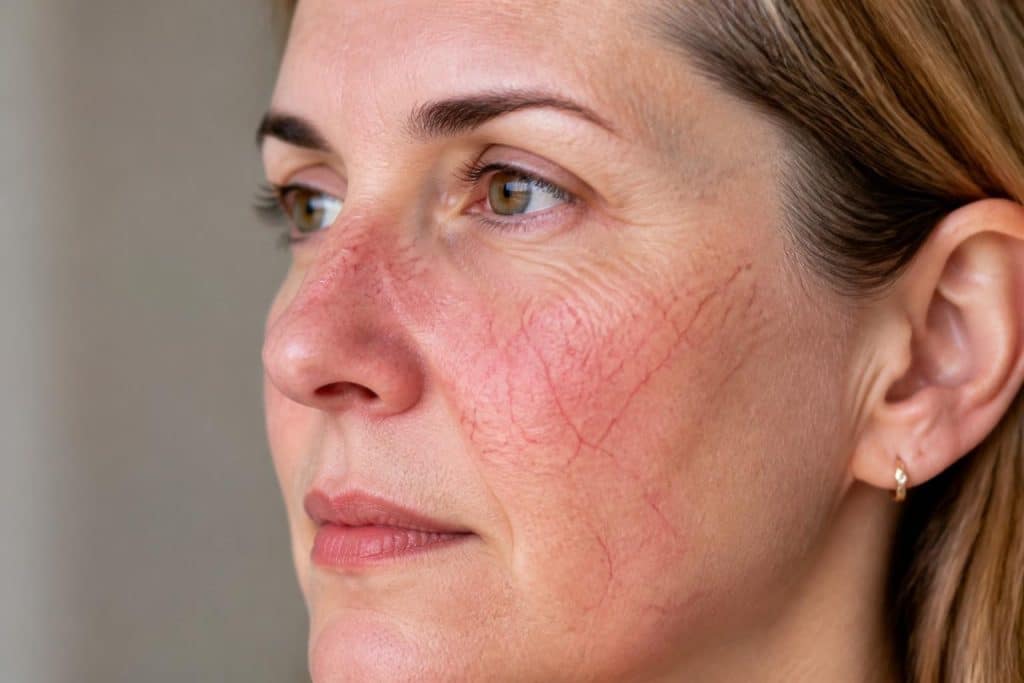
Visible facial veins affect millions of people across North America, creating cosmetic concerns that range from mild redness to prominent spider veins across the cheeks and nose. These tiny blood vessels, also known as telangiectasias, can develop for numerous reasons including genetics, sun exposure, rosacea, and aging. While facial veins pose no medical threat in most cases, many Toronto residents seek professional treatment to restore an even complexion and boost their confidence. Understanding the anatomy, causes, and modern laser solutions for facial veins empowers you to make informed decisions about your skin health.
Understanding Facial Vein Anatomy
The human face contains an intricate network of blood vessels that supply oxygen and nutrients to skin tissue. The primary vessel, known as the facial vein, begins near the inner corner of the eye and travels downward across the cheek, eventually draining into deeper veins of the neck. This vessel collects blood from numerous tributaries throughout the face.
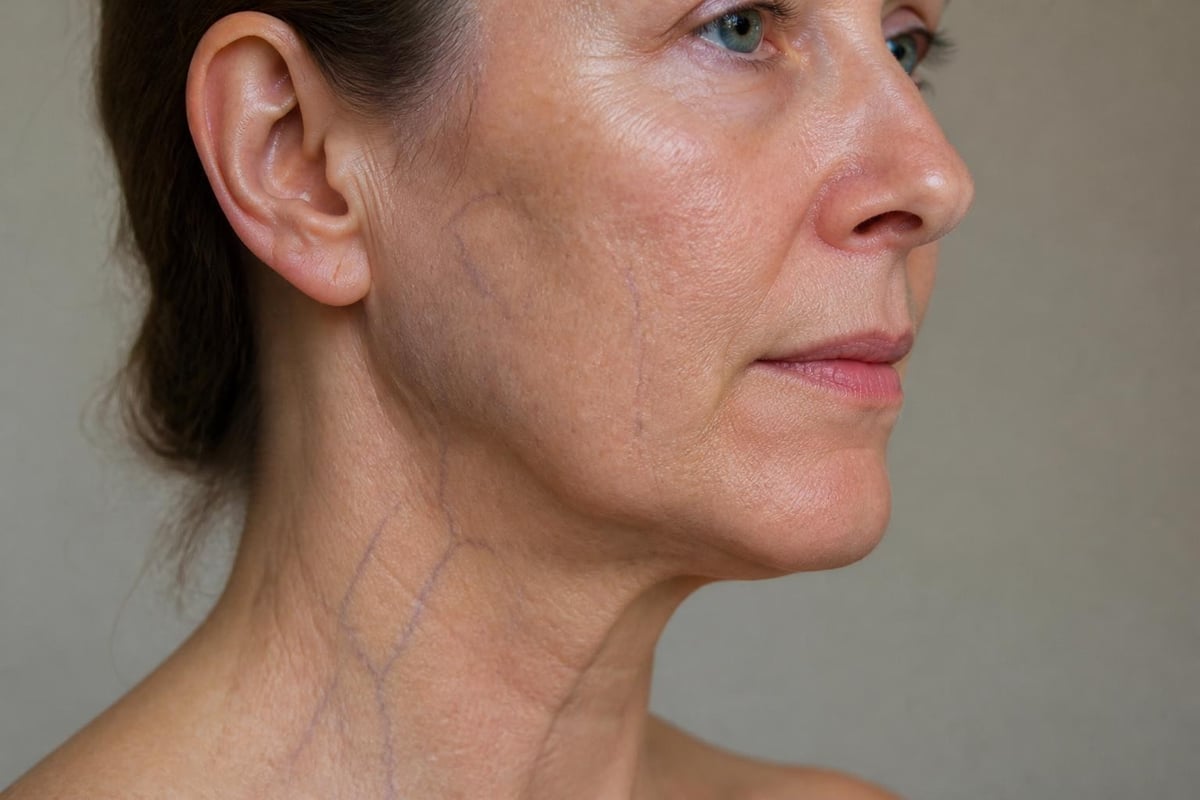
Smaller vessels branch off extensively throughout facial tissue. When these tiny capillaries and venules dilate or break near the skin surface, they become visible as red, blue, or purple lines. The thickness of facial skin varies significantly by location, which explains why some areas show vascular changes more readily than others.
Why Some Facial Veins Become Visible
Several factors determine whether facial veins remain hidden or become cosmetically apparent:
- Skin thickness and transparency: Thinner skin reveals underlying vessels more easily
- Vessel diameter: Dilated capillaries measuring 0.5-1mm become visible to the naked eye
- Depth from surface: Superficial vessels show through more prominently than deeper networks
- Surrounding tissue health: Collagen loss and sun damage increase vein visibility
The anatomical complexity of facial venous drainage includes numerous connections between surface and deep vessels. These anastomoses explain why treating visible facial veins requires precise technique and thorough understanding of underlying structures.
Common Causes of Facial Veins
Multiple factors contribute to the development of visible facial veins. Understanding these triggers helps with both prevention and treatment planning.
Sun Exposure and UV Damage
Ultraviolet radiation breaks down collagen and elastin fibers that support blood vessel walls. Years of Toronto summers without adequate sun protection weaken capillaries, causing them to dilate permanently. UV damage also thins the epidermis, making vessels more visible even when they haven't dilated significantly.
Rosacea and Inflammatory Conditions
Rosacea ranks among the most common causes of facial veins, particularly across the central face. This chronic inflammatory condition causes persistent redness, flushing episodes, and visible blood vessels. The American Academy of Dermatology outlines diagnostic criteria that help distinguish rosacea from other vascular conditions affecting the face.
Genetic Predisposition
Some individuals inherit a tendency toward fragile capillaries or thin skin. Family history strongly predicts who will develop visible facial veins, even with minimal sun exposure or other triggers. Fair-skinned individuals of Northern European descent show particularly high rates of facial telangiectasias.
Hormonal Fluctuations
Pregnancy, menopause, and hormonal therapies can trigger new facial veins. Estrogen influences blood vessel dilation and skin thickness, explaining why women experience these changes more frequently than men. Pregnancy-related facial veins sometimes resolve spontaneously after delivery, though many persist without treatment.
| Cause Category | Common Triggers | Typical Locations |
|---|---|---|
| Environmental | Sun exposure, extreme temperatures, wind | Cheeks, nose, forehead |
| Medical | Rosacea, lupus, scleroderma | Central face, around nose |
| Lifestyle | Alcohol consumption, hot beverages, spicy foods | Cheeks, nose bridge |
| Genetic | Family history, fair skin, thin dermis | Varies by individual pattern |
Age-Related Changes
Facial skin naturally loses collagen and becomes thinner with age. This process reveals vessels that remained invisible during youth. The supporting tissue around capillaries weakens, allowing them to dilate more easily in response to temperature changes and other stimuli.
Professional Treatment Options
Modern aesthetic medicine offers several proven approaches for treating facial veins. Treatment selection depends on vessel size, location, skin type, and individual goals.
Laser Therapy for Vascular Lesions
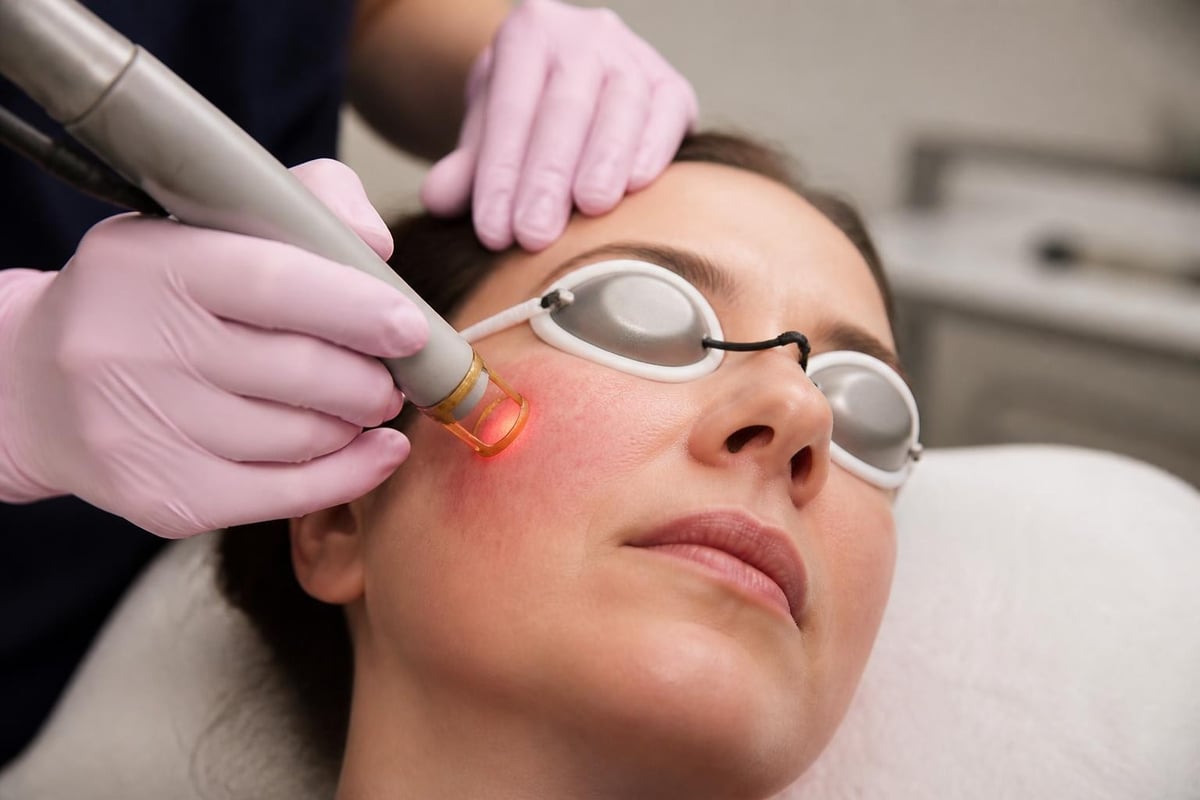
Laser treatment represents the gold standard for facial veins in 2026. These devices emit specific wavelengths of light that target hemoglobin inside blood vessels. The heat generated causes the vessel walls to collapse and seal shut, after which the body naturally absorbs the treated vein over several weeks.
Research demonstrates strong efficacy for 532nm and 755nm wavelengths in treating facial telangiectasias. These laser systems deliver precise energy to damaged vessels while protecting surrounding skin tissue.
Treatment Process
- Consultation and skin assessment to determine candidacy
- Cleansing and preparation of treatment areas
- Application of laser pulses to visible veins
- Cooling to minimize discomfort and protect epidermis
- Post-treatment care instructions and sun protection guidance
Most clients require two to four sessions spaced four to six weeks apart. Each session typically lasts fifteen to thirty minutes, depending on the treatment area size.
Intense Pulsed Light (IPL)
IPL devices emit broad-spectrum light that treats both vascular and pigmented lesions simultaneously. This technology works well for clients with combination concerns like facial veins plus sun spots. IPL requires more sessions than laser but offers versatility for mixed skin issues common in Toronto's diverse population.
Expected Results and Timeline
Visible improvement begins two to three weeks after the first treatment as the body clears damaged vessels. Final results emerge three months after completing the recommended series. Most clients achieve seventy to ninety percent clearance of treated facial veins.
The NHS guidance on laser treatment for vascular lesions emphasizes realistic expectations and the need for multiple treatments to achieve optimal outcomes.
What to Expect During Recovery
Post-treatment recovery for facial vein procedures remains minimal compared to surgical options. Understanding the healing process helps clients plan accordingly and achieve the best possible results.
Immediate Effects
Treated areas appear red or pink immediately after laser application. Small vessels may look darker as trapped blood cells begin breaking down. Mild swelling typically resolves within twenty-four to forty-eight hours. These normal responses indicate successful treatment.
Days One Through Seven
- Apply cool compresses to reduce inflammation
- Avoid hot showers, saunas, and strenuous exercise
- Use gentle cleansers and fragrance-free moisturizers
- Apply broad-spectrum SPF 30 or higher sunscreen daily
- Avoid alcohol and spicy foods that trigger facial flushing
Most clients return to regular activities immediately, though some prefer scheduling treatments before weekends to allow extra recovery time.
Week Two and Beyond
Treated facial veins gradually fade as the body's lymphatic system removes damaged vessel fragments. New collagen production begins, further improving skin texture and tone. Some vessels require retreatment during subsequent sessions for complete clearance.
| Recovery Timeline | What to Expect | Key Actions |
|---|---|---|
| 0-24 hours | Redness, mild swelling | Cool compress, gentle skincare |
| 2-7 days | Darkening of treated veins | Sun protection, avoid heat |
| 1-3 weeks | Gradual fading begins | Continue sun protection |
| 4-12 weeks | Progressive improvement | Schedule next session if needed |
Prevention Strategies for Future Facial Veins
While genetics play a significant role in facial vein development, several preventive measures reduce risk and slow progression.
Daily Sun Protection
Consistent sunscreen use prevents the collagen breakdown that makes facial veins more visible. Choose mineral-based formulas with zinc oxide or titanium dioxide for sensitive, rosacea-prone skin. Reapply every two hours during outdoor activities around Toronto's beaches and parks.
Skincare Ingredients That Support Vascular Health
- Vitamin C serums: Strengthen capillary walls and boost collagen production
- Niacinamide: Reduces inflammation and improves skin barrier function
- Peptides: Support structural protein synthesis for firmer skin
- Antioxidants: Protect against free radical damage from UV and pollution
Temperature Moderation
Extreme temperatures dilate facial blood vessels and can permanently damage fragile capillaries. Use lukewarm water for cleansing rather than hot water. Protect your face during Toronto winters with scarves and gentle moisturizers that prevent windburn.
Lifestyle Modifications
Limiting alcohol consumption, avoiding spicy foods, and managing stress all help prevent facial vein formation. These triggers cause repeated flushing episodes that stretch vessel walls over time. Identifying personal triggers through a symptom diary allows for targeted prevention.
Choosing the Right Treatment Provider
Professional qualifications and technology quality significantly impact treatment outcomes for facial veins. Toronto clients should evaluate several factors when selecting an aesthetic clinic.
Essential Credentials
Look for clinics staffed by licensed estheticians with specialized training in laser and light-based therapies. Advanced certification in vascular treatments demonstrates commitment to ongoing education and patient safety. Experienced practitioners understand facial anatomy and adapt treatment parameters to individual skin characteristics.
Technology and Equipment Standards
Modern laser systems designed specifically for vascular lesions deliver superior results compared to older, multi-purpose devices. Ask potential providers about their equipment models, wavelengths available, and maintenance schedules. Well-maintained devices ensure consistent energy delivery and minimize complication risks.
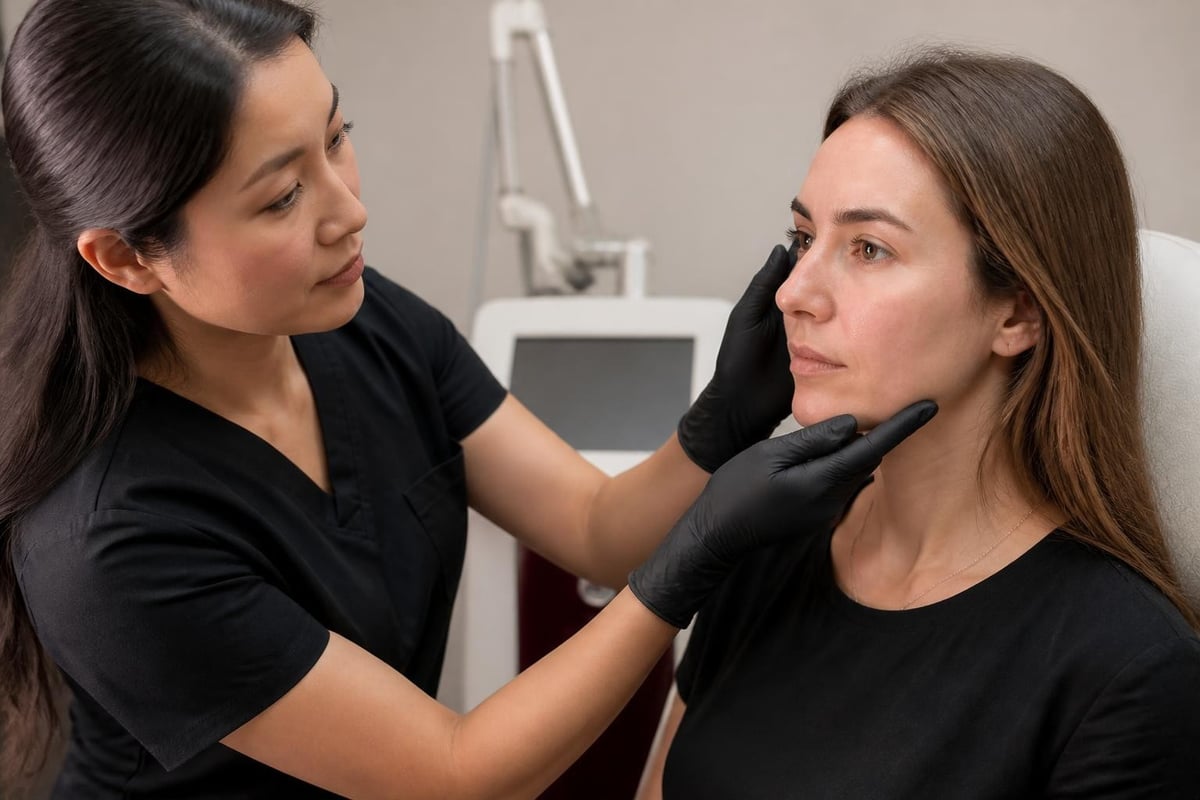
Consultation Experience
Quality clinics offer thorough consultations that include skin analysis, medical history review, and realistic outcome discussions. Practitioners should explain the treatment process, expected number of sessions, costs, and potential side effects. Pressure to book immediately or unrealistic promises about results serve as warning signs.
Portfolio and Reviews
Before-and-after galleries demonstrate a provider's experience with various facial vein patterns and skin types. Online reviews from Toronto clients offer insights into the overall experience, staff professionalism, and results satisfaction. Look for consistent feedback about communication, comfort during treatment, and visible improvement.
Advanced Considerations for Complex Cases
Some facial vein presentations require specialized approaches or combination therapies for optimal results.
Large Vessel Treatment
Reticular veins measuring 2-4mm in diameter may require sclerotherapy in addition to laser therapy. This technique involves injecting a solution that irritates vessel walls, causing them to collapse and seal. The combination approach addresses both fine surface veins and larger feeding vessels.
Resistant Vein Patterns
Certain facial veins prove resistant to standard laser wavelengths. These cases benefit from longer wavelengths like 1064nm Nd:YAG lasers that penetrate deeper into skin. Multiple modalities used strategically throughout a treatment series achieve better clearance than relying on a single approach.
Medical Necessity Versus Cosmetic Treatment
While most facial veins represent purely cosmetic concerns, some indicate underlying medical conditions requiring evaluation. New facial veins accompanied by pain, asymmetry, or rapid growth warrant medical assessment before pursuing aesthetic treatment. Vascular malformations and certain systemic conditions produce facial vein patterns that differ from typical telangiectasias.
Real Results From Toronto Clients
Toronto residents seeking facial vein treatment typically notice significant improvement in skin appearance and confidence. The visibility reduction achieved through professional laser therapy cannot be replicated through skincare products or home devices.
Typical Outcomes
Most clients achieve seventy to ninety percent clearance of treated facial veins after completing their recommended series. Some fine vessels require additional maintenance sessions every twelve to eighteen months. Results last indefinitely for treated vessels, though new veins may develop over time due to aging and sun exposure.
Quality of Life Improvements
Beyond physical appearance, successful facial vein treatment reduces the time and frustration spent on concealer application. Clients report feeling more comfortable in natural light, during video calls, and in social situations. The psychological benefit of clear skin often exceeds initial expectations.
Investment Considerations
Professional laser treatment for facial veins represents a long-term investment in skin health and appearance. Unlike temporary solutions requiring constant repurchase, successfully treated veins remain cleared. The cost-per-result ratio favors professional treatment when compared to years of heavy makeup use and temporary topical solutions.
Maintaining Results Long-Term
Preserving treatment outcomes requires ongoing skin protection and appropriate maintenance care.
Post-Treatment Skincare Routine
- Gentle cleansing with pH-balanced, non-irritating formulas
- Antioxidant serum application each morning
- Broad-spectrum mineral sunscreen with SPF 30 minimum
- Nourishing moisturizer to support skin barrier function
- Nighttime repair products with retinol or peptides as tolerated
Annual Skin Assessments
Regular professional evaluations identify new facial veins in early stages when they respond most readily to treatment. Annual or bi-annual maintenance sessions prevent the accumulation of new visible vessels. This proactive approach maintains results achieved through initial treatment series.
Protective Habits
Wearing wide-brimmed hats during Toronto summers, using gentle skincare techniques, and avoiding aggressive facial treatments all preserve vein treatment results. Hot yoga, saunas, and steam rooms require moderation for those prone to facial vein development. These precautions become second nature with time and protect your investment in clear skin.
Treating facial veins effectively requires understanding their causes, selecting appropriate professional interventions, and maintaining results through proper skincare and sun protection. If you're ready to address visible facial veins and achieve clearer, more even-toned skin, New Skin Laser Clinic offers advanced laser treatments customized to your unique needs. Our expert team in Toronto's Beaches neighborhood combines state-of-the-art technology with personalized care to deliver real, lasting results. Book a free consultation by calling (416) 317-6696.