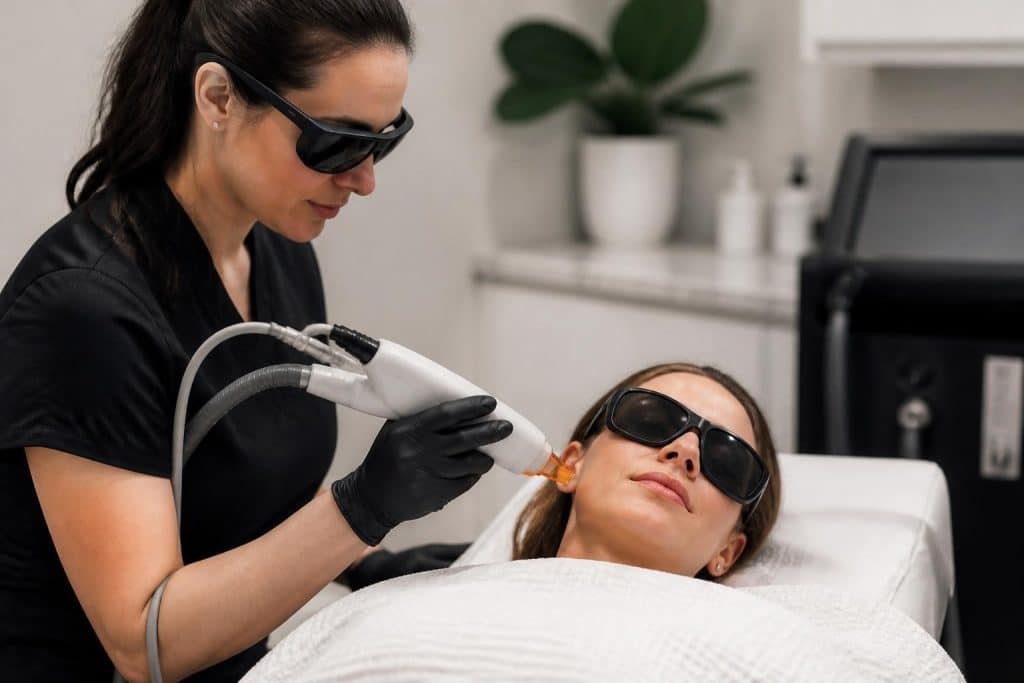
The aesthetic industry has experienced remarkable growth as individuals increasingly prioritize skin health and appearance enhancement through professional treatments. A facial clinic serves as a specialized medical spa environment where trained professionals deliver targeted skin treatments using advanced technology and evidence-based protocols. These clinics offer comprehensive solutions ranging from basic facials to sophisticated laser procedures, addressing concerns like aging, pigmentation, texture irregularities, and unwanted hair. Understanding what distinguishes a quality facial clinic from standard beauty services helps clients make informed decisions about their skin care journey.
Understanding the Modern Facial Clinic Environment
Today's facial clinic represents a sophisticated blend of medical-grade technology and personalized aesthetic care. Unlike traditional spas, these facilities employ licensed estheticians and medical professionals who understand skin physiology at a deeper level.
The equipment found in professional settings includes state-of-the-art laser systems, advanced imaging tools, and clinical-grade products. These tools enable practitioners to diagnose skin conditions accurately and create customized treatment protocols. Safety standards in these environments follow strict regulatory guidelines, ensuring every procedure meets medical-grade requirements.
Professional clinics maintain rigorous hygiene protocols, with sterilization procedures comparable to medical offices. The International Society of Aesthetic Plastic Surgery outlines safety considerations that reputable clinics integrate into their daily operations, from equipment maintenance to staff training.
Technology Integration in Aesthetic Treatments
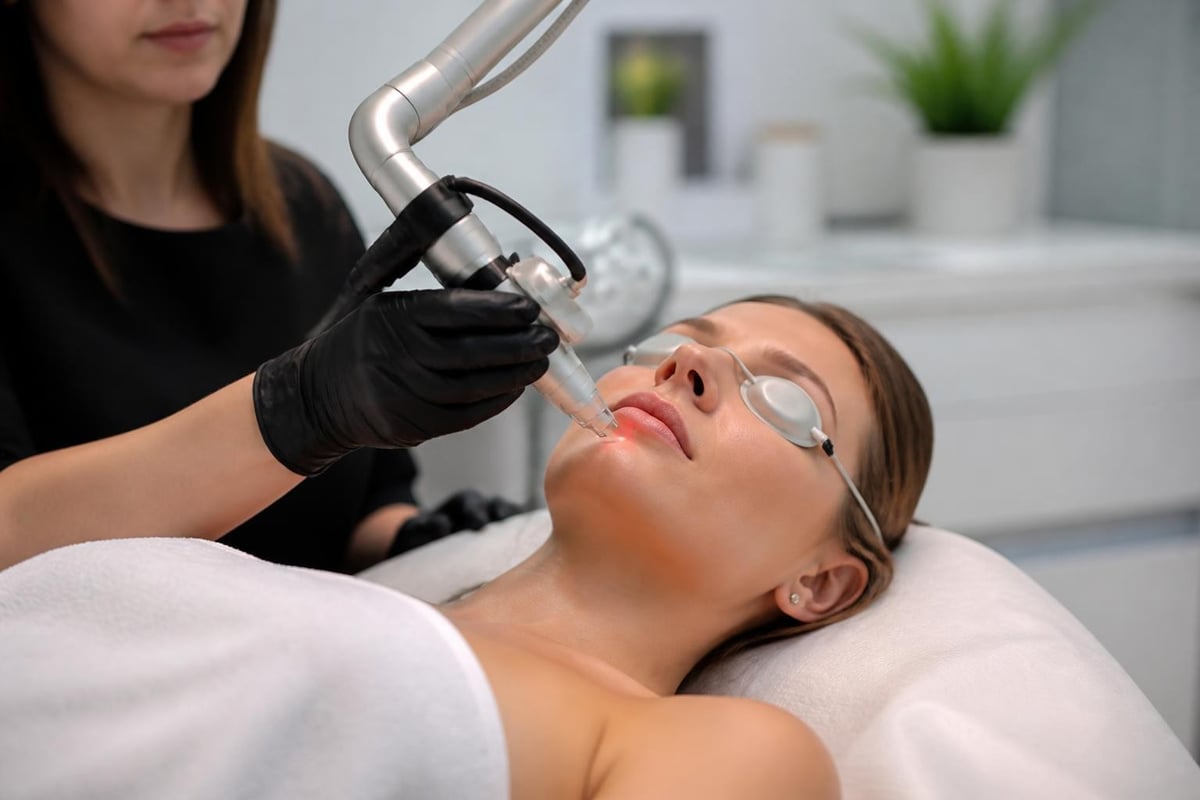
Modern facial treatments leverage technology that was unavailable just a decade ago. Laser systems can target specific skin concerns with precision, minimizing damage to surrounding tissue while maximizing results.
| Treatment Type | Technology Used | Primary Benefits | Typical Sessions |
|---|---|---|---|
| Laser Hair Removal | Diode/Alexandrite Lasers | Permanent reduction | 6-8 treatments |
| Skin Rejuvenation | Fractional CO2/IPL | Texture, tone improvement | 3-5 treatments |
| Pigmentation Correction | Q-Switched Lasers | Dark spot removal | 2-4 treatments |
| Acne Treatment | Blue Light/Laser | Bacteria reduction | 4-6 treatments |
The integration of AI assistance in aesthetic medicine represents the cutting edge, helping practitioners analyze skin conditions more objectively and track treatment progress with greater precision.
Selecting the Right Facial Clinic for Your Needs
Choosing where to receive aesthetic treatments requires careful consideration of multiple factors. The credentials of practitioners should top your priority list, as qualified professionals ensure both safety and efficacy.
Key evaluation criteria include:
- Licensed estheticians with specialized training in laser technologies
- Medical oversight or consultation availability
- Comprehensive consultation processes before treatment
- Transparent pricing and realistic outcome discussions
- Clean, professional facilities with current certifications
A reputable facial clinic invests time in understanding client goals during initial consultations. This personalized approach ensures treatments align with individual skin types, concerns, and lifestyle factors. Practitioners should assess skin conditions thoroughly, discuss potential risks, and establish clear expectations about results and timelines.
The Consultation Process
Initial consultations set the foundation for successful treatment outcomes. During this appointment, estheticians evaluate skin health, review medical history, and identify any contraindications.
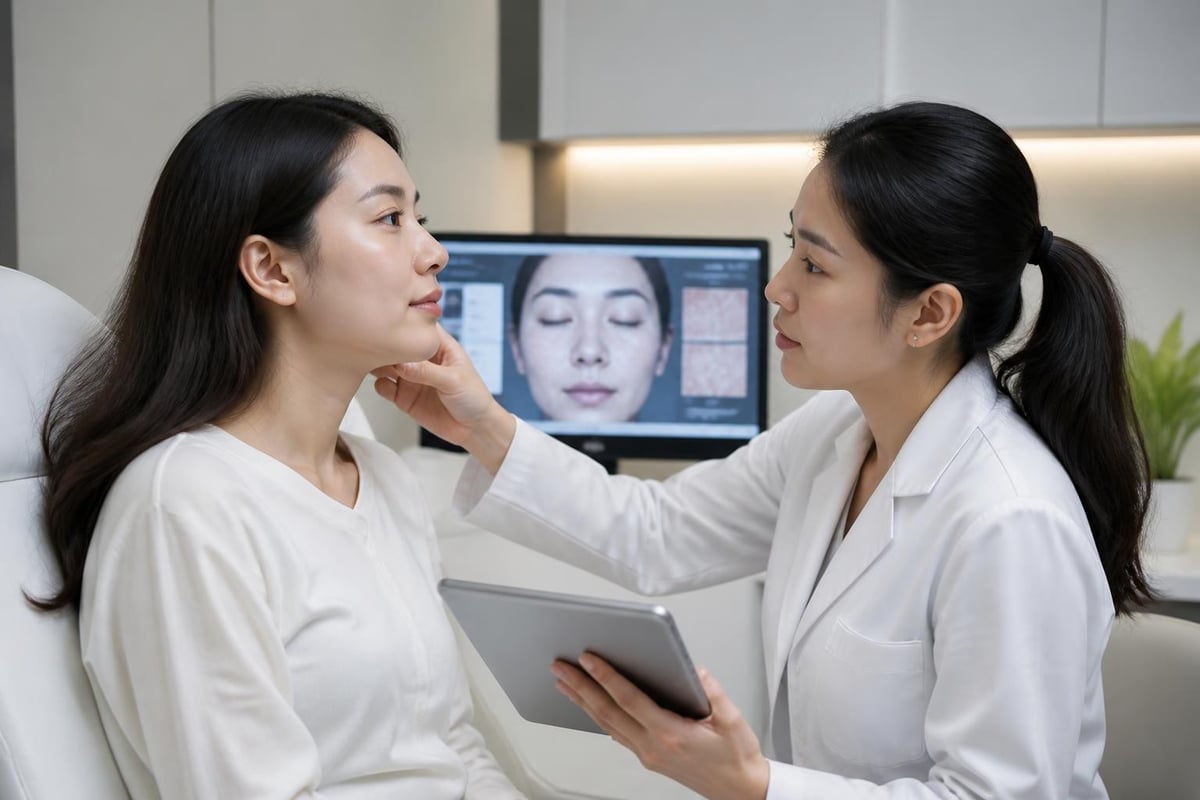
Advanced clinics utilize skin analysis technology to document baseline conditions. Photography, skin scanning devices, and detailed notes create a reference point for measuring progress. This documentation proves invaluable when tracking improvements over multiple sessions.
Clients should prepare questions about:
- Treatment protocols specific to their concerns
- Recovery periods and potential side effects
- Maintenance requirements after completing initial treatments
- Cost structures including package options
- Expected timelines for visible improvements
Common Facial Clinic Treatments and Their Applications
Professional aesthetic facilities offer diverse treatment options addressing various skin concerns. Understanding these services helps clients identify which procedures align with their goals.
Laser Hair Removal Solutions
One of the most requested services at any facial clinic involves permanent hair reduction. Laser hair removal treatments target unwanted facial hair on areas including the upper lip, chin, cheeks, and jawline.
The procedure works by directing concentrated light energy into hair follicles. The pigment in follicles absorbs this light, which converts to heat and damages the follicle's ability to produce hair. Multiple sessions address hair in different growth phases, achieving comprehensive reduction.
Benefits of professional laser hair removal:
- Precision targeting without damaging surrounding skin
- Long-lasting to permanent results
- Reduced ingrown hairs and skin irritation
- Time savings compared to daily shaving or waxing
Advanced Facial Rejuvenation
Rejuvenation treatments address aging signs, sun damage, and texture irregularities through various modalities. These procedures stimulate collagen production, improve cellular turnover, and restore skin vitality.
Fractional laser resurfacing creates microscopic treatment zones in the skin, triggering natural healing processes that replace damaged tissue with fresh, healthy cells. This approach provides dramatic results with shorter recovery times compared to older ablative techniques.
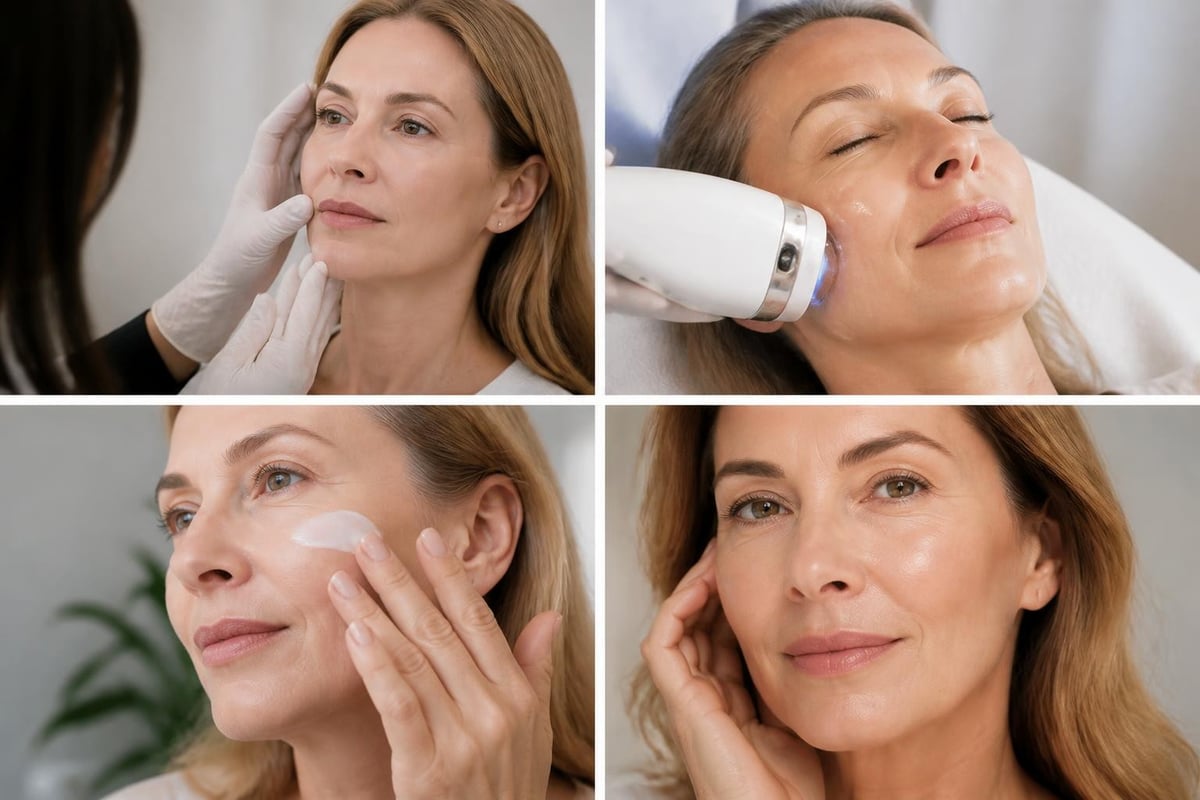
Chemical peels administered in clinical settings offer controlled exfoliation at depths impossible to achieve with at-home products. Professional-strength formulations require trained application to ensure even coverage and appropriate timing.
Safety Protocols and Risk Management
Patient safety represents the cornerstone of ethical aesthetic practice. Established clinics implement comprehensive protocols to minimize risks and manage potential complications effectively.
The 10-point plan for enhanced procedural safety provides a framework that responsible facilities incorporate into their standard operating procedures. This includes thorough patient screening, appropriate product selection, and emergency preparedness.
Pre-Treatment Screening
Proper screening identifies clients who might experience adverse reactions or suboptimal results. Medical history review reveals conditions that could contraindicate certain procedures, such as active infections, autoimmune disorders, or photosensitivity.
Medication assessment proves equally important. Certain prescriptions and supplements affect healing, bleeding risk, or treatment efficacy. Clients taking blood thinners, retinoids, or photosensitizing medications may need to modify their regimens before procedures.
| Risk Factor | Potential Impact | Management Strategy |
|---|---|---|
| Active skin infections | Treatment complications | Postpone until resolved |
| Keloid scarring history | Abnormal healing | Alternative treatments |
| Pregnancy | Unknown fetal effects | Delay until postpartum |
| Sun exposure | Increased pigmentation risk | Strict sun avoidance protocols |
Managing Treatment Expectations
Realistic expectations contribute significantly to patient satisfaction. Professional practitioners educate clients about typical outcomes, variation in individual responses, and the gradual nature of many aesthetic improvements.
Photography documentation helps clients recognize changes that occur incrementally. When reviewing progress images side-by-side, improvements become more apparent than daily mirror observations suggest.
Technology Advancements Shaping Facial Treatments
The aesthetic industry continually evolves with technological innovations that enhance treatment precision and expand options for various skin concerns.
Research into quality assessment of facial images helps clinics establish standardized protocols for documenting results and analyzing treatment effectiveness. High-quality imaging enables practitioners to track subtle changes and adjust protocols accordingly.
Artificial Intelligence in Treatment Planning
AI-powered skin analysis systems provide objective assessments that complement practitioner expertise. These tools analyze factors including:
- Pigmentation distribution and severity
- Fine line and wrinkle depth measurements
- Pore size and texture irregularities
- Hydration levels and barrier function
- Sun damage and aging indicators
This data-driven approach removes subjectivity from initial assessments and progress tracking. Practitioners can demonstrate treatment efficacy with quantifiable metrics rather than subjective observations alone.
Laser Technology Evolution
Modern laser systems offer greater versatility with improved safety profiles compared to earlier generations. Multiple wavelengths in a single platform allow practitioners to address various concerns without requiring separate devices.
Cooling mechanisms integrated into laser handpieces protect the skin's surface while energy penetrates to target depths. This advancement significantly improves comfort during procedures and reduces recovery periods.
Maintaining Results Through Proper Aftercare
Treatment success extends beyond the procedure itself. Appropriate post-treatment care maximizes results and minimizes complications.
Professional facilities provide detailed aftercare instructions tailored to specific procedures. These guidelines typically address:
- Sun protection requirements with high SPF products
- Skincare product modifications during healing
- Activity restrictions to prevent complications
- Expected healing timelines and normal reactions
- Warning signs requiring practitioner contact
Consistent adherence to aftercare protocols significantly impacts final outcomes. Clients who follow recommendations experience better results with fewer complications than those who neglect post-treatment care.
Long-Term Maintenance Strategies
Many aesthetic treatments require ongoing maintenance to preserve results. A facial clinic relationship extends beyond initial treatment completion, providing continued support for skin health.
Maintenance schedules vary by treatment type. Laser hair removal may need occasional touch-up sessions as hormonal changes activate dormant follicles. Rejuvenation treatments benefit from periodic sessions that maintain collagen production and cellular turnover.
Effective maintenance programs include:
- Customized home care product recommendations
- Periodic professional treatments at appropriate intervals
- Lifestyle counseling for sun protection and healthy habits
- Regular skin assessments to address emerging concerns
- Treatment protocol adjustments as skin needs evolve
Quality Standards in Clinical Aesthetics
The aesthetic industry lacks the standardization found in traditional medical fields, making quality indicators more important for consumer protection. Discerning clients should understand how to identify facilities that prioritize excellence.
Current research on facial assessment standards highlights opportunities for improvement in aesthetic evaluations, emphasizing the need for consistent, evidence-based approaches to treatment planning.
Practitioner Credentials and Training
Qualified practitioners complete extensive training beyond basic esthetician licensing. Specialized certifications in laser operation, advanced skincare techniques, and safety protocols demonstrate commitment to professional excellence.
Continuing education requirements ensure practitioners stay current with evolving techniques and technologies. Reputable clinics invest in staff development, providing ongoing training opportunities and encouraging professional advancement.
Facility Accreditation and Compliance
While many regions lack specific accreditation requirements for aesthetic clinics, facilities can pursue voluntary certifications demonstrating quality commitment. These credentials verify adherence to safety standards, proper equipment maintenance, and ethical business practices.
Regular inspections, updated licenses, and proper insurance coverage protect both clients and practitioners. Transparency about credentials and willingness to discuss safety protocols indicate professionalism and integrity.
Investment Considerations for Aesthetic Treatments
Professional treatments represent a financial commitment that clients should approach with clear understanding of costs and value propositions.
Treatment pricing varies based on geographic location, practitioner experience, technology sophistication, and procedure complexity. Urban facilities in major metropolitan areas like Toronto typically command premium pricing reflecting higher operational costs and competitive markets.
| Investment Factor | Considerations | Value Indicators |
|---|---|---|
| Practitioner expertise | Years of experience, specialized training | Better outcomes, fewer complications |
| Technology quality | Current equipment, multiple modalities | More effective treatments, improved safety |
| Consultation depth | Time invested, personalized planning | Customized approaches, realistic expectations |
| Follow-up support | Included check-ins, aftercare guidance | Optimal results, complication management |
Package Options and Payment Plans
Many clinics offer package pricing for treatment series, providing cost savings compared to individual session rates. These packages work well for procedures requiring multiple visits, such as laser hair removal or rejuvenation series.
Payment plans make treatments more accessible by spreading costs over time. Responsible facilities offer transparent financing with clear terms, avoiding predatory lending practices or hidden fees.
The Future of Clinical Aesthetics
Emerging technologies and evolving consumer preferences continue shaping the facial clinic landscape. Understanding these trends helps clients anticipate new options and make informed decisions about current versus future treatments.
Non-invasive and minimally invasive procedures dominate growth trends as consumers seek effective results without significant downtime. Technology developments focus on achieving dramatic outcomes with gentler approaches and faster recovery periods.
Personalization reaches new levels with genetic testing informing skincare recommendations and treatment protocols. Understanding individual genetic predispositions to aging, pigmentation, and sensitivity enables unprecedented customization.
Sustainability considerations increasingly influence product selection and operational practices. Environmentally conscious clinics adopt eco-friendly products, reduce waste, and implement energy-efficient technologies without compromising treatment quality.
Professional aesthetic treatments deliver transformative results when performed in qualified facilities by experienced practitioners using advanced technology. Understanding what distinguishes exceptional care from basic services empowers clients to make confident decisions about their skin health journey. New Skin Laser Clinic combines expert estheticians, state-of-the-art laser technology, and personalized treatment protocols to help Toronto clients achieve their aesthetic goals safely and effectively. Schedule a consultation today to discover how customized treatments can enhance your natural beauty and restore skin vitality.