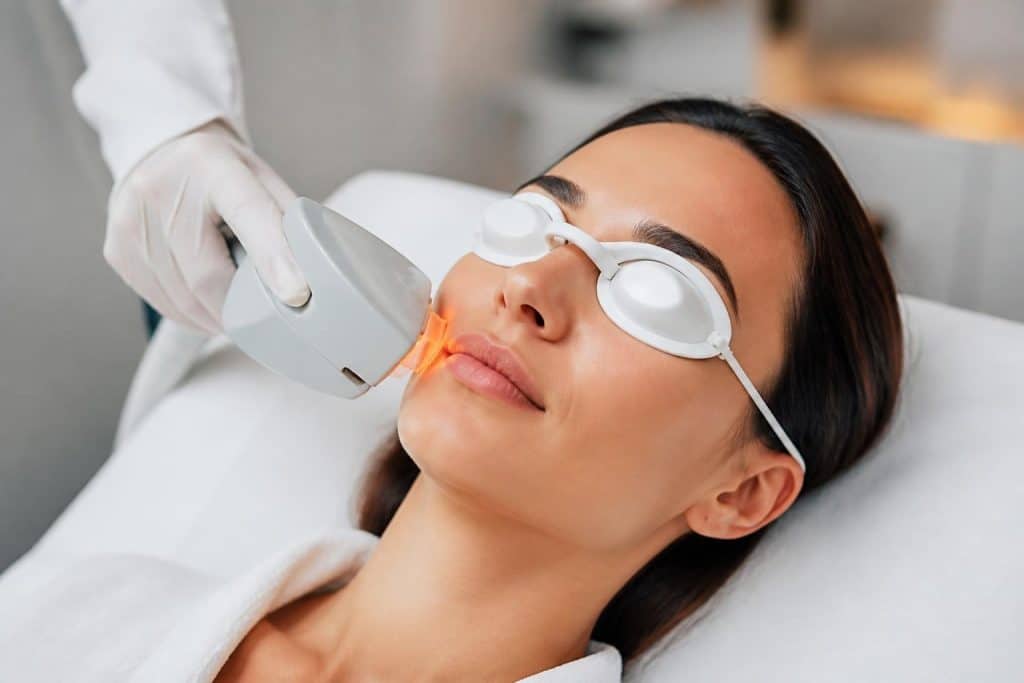
Unwanted pigmentation concerns millions of people worldwide, affecting confidence and skin appearance. From age spots and sun damage to melasma and post-inflammatory hyperpigmentation, these discolorations can prove resistant to topical treatments alone. Laser pigmentation removal has emerged as one of the most effective solutions for addressing stubborn skin discoloration, offering precision targeting that traditional methods cannot match. Understanding how these advanced treatments work, what options exist, and how to prepare for optimal results empowers individuals to make informed decisions about their skin health journey.
Understanding How Laser Pigmentation Removal Works
The science behind laser pigmentation removal centers on selective photothermolysis, a principle that allows specific wavelengths of light to target melanin without damaging surrounding tissue. When laser energy penetrates the skin, it's absorbed by concentrated melanin deposits, causing them to fragment into smaller particles.
Your body's lymphatic system then naturally processes and eliminates these fragmented pigment particles over the following weeks. This gradual clearance explains why results typically appear progressively rather than immediately after treatment.
Different laser wavelengths target pigmentation at varying depths within the skin:
- Q-switched lasers deliver energy in nanosecond pulses for superficial to mid-dermal pigmentation
- Picosecond lasers use ultra-short pulse durations measured in trillionths of a second for enhanced efficacy
- Fractional lasers create microscopic treatment zones that stimulate collagen while addressing pigment
- IPL (Intense Pulsed Light) systems use broad-spectrum light for diffuse pigmentation concerns
The comprehensive overview of laser treatments for pigmented lesions explains how these various technologies interact with melanin at the cellular level. Each laser type offers distinct advantages depending on the specific pigmentation concern being addressed.
Types of Pigmentation Treated with Laser Technology
Laser pigmentation removal addresses numerous skin discoloration conditions, each with unique characteristics and treatment considerations. Understanding your specific pigmentation type helps determine the most appropriate laser approach.
Age Spots and Sun Damage
Solar lentigines, commonly called age spots or liver spots, result from cumulative UV exposure over years. These flat, brown patches typically appear on hands, face, chest, and other sun-exposed areas. They respond exceptionally well to laser treatment because they're superficial and contain concentrated melanin deposits.
Treatment protocols generally require 1-3 sessions spaced 4-6 weeks apart for complete clearance.
Melasma
This chronic pigmentation disorder presents unique challenges due to its hormonal triggers and tendency to recur. Melasma appears as symmetric brown patches, most commonly on the cheeks, forehead, upper lip, and chin.
Conservative laser settings combined with comprehensive skincare protocols yield the best outcomes. Many practitioners recommend maintenance treatments every 3-6 months to prevent recurrence.
Post-Inflammatory Hyperpigmentation
Following acne, injuries, or inflammatory skin conditions, darker patches may persist long after healing completes. These discolorations vary in depth and intensity, requiring customized treatment approaches.
Laser pigmentation removal can effectively address these concerns, though multiple sessions typically prove necessary for optimal results.
Birthmarks and Café-au-Lait Spots
Congenital pigmented lesions benefit from laser intervention, with the Cleveland Clinic’s overview of laser treatments for birthmarks detailing specific protocols. Treatment outcomes depend on birthmark type, depth, and individual skin characteristics.
| Pigmentation Type | Typical Sessions | Interval Between Treatments | Expected Clearance |
|---|---|---|---|
| Age Spots | 1-3 | 4-6 weeks | 80-95% |
| Melasma | 3-6+ | 4-8 weeks | 50-70% |
| PIH | 2-5 | 4-6 weeks | 70-90% |
| Birthmarks | 3-8 | 6-12 weeks | Variable |
Laser Options for Different Skin Types and Tones
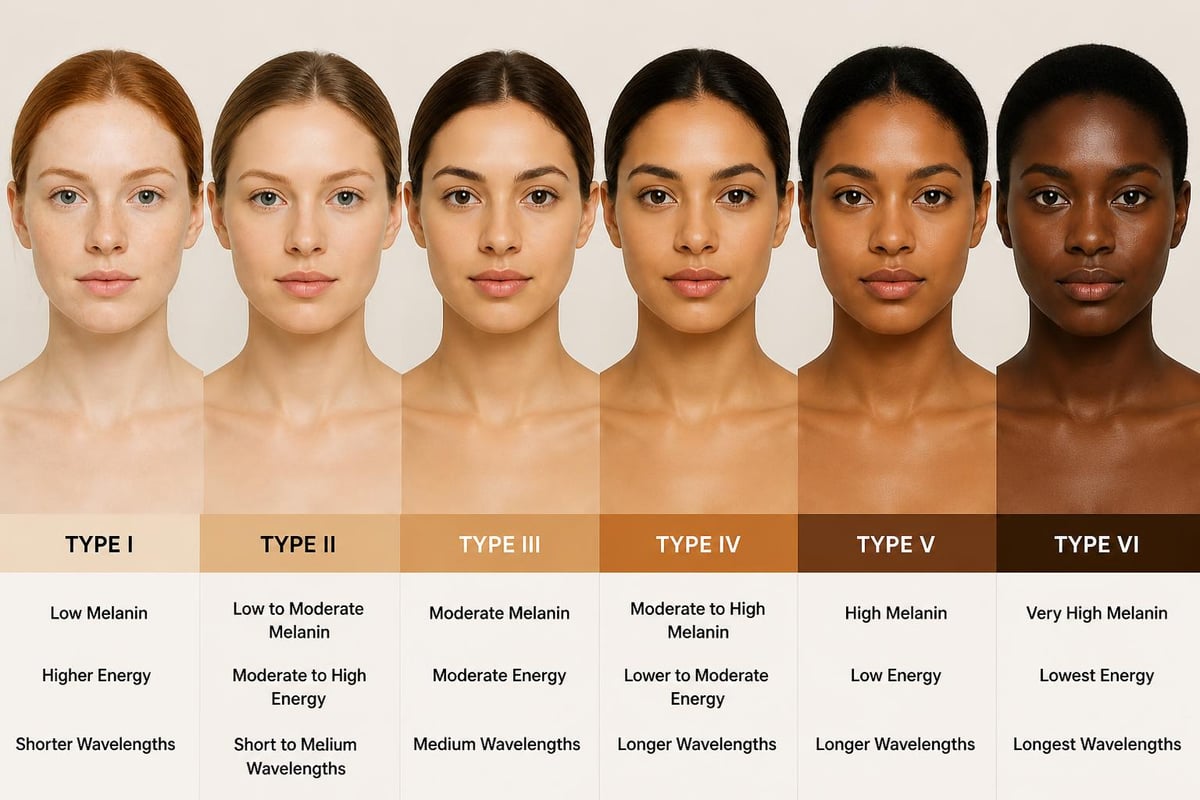
Selecting appropriate laser technology requires careful consideration of skin type, particularly melanin content. The Fitzpatrick scale classifies skin into six types, with higher numbers indicating darker complexions that require specialized approaches.
Traditional pigment-targeting lasers carried significant risks for melanin-rich skin, including paradoxical hyperpigmentation or unwanted lightening. Modern technologies have dramatically improved safety profiles across all skin tones.
Advanced Lasers for Melanin-Rich Skin
Picosecond lasers have revolutionized treatment possibilities for darker skin tones. Their ultra-short pulse durations minimize heat diffusion to surrounding tissue, reducing complications. The best practices for laser treatments on melanin-rich skin emphasize the importance of provider expertise and appropriate technology selection.
Key considerations include:
- Using longer wavelengths (1064nm Nd:YAG) that penetrate deeper with less melanin absorption in the epidermis
- Implementing conservative fluence levels that balance efficacy with safety
- Incorporating cooling mechanisms to protect the skin surface
- Spacing treatments adequately to monitor healing and pigment response
Technology Innovations in 2026
The landscape of laser pigmentation removal continues evolving with technological advancements. Research into PicoSure® laser systems for pigmentation control demonstrates improved outcomes with fewer complications compared to traditional nanosecond lasers.
Photoacoustic monitoring represents an emerging frontier, with studies exploring real-time treatment guidance during laser procedures. This technology may enhance precision and outcomes while minimizing adverse effects.
The Treatment Process: What to Expect
Understanding each phase of laser pigmentation removal helps patients prepare mentally and physically for optimal outcomes. The journey begins well before the first laser pulse and extends weeks after the final treatment.
Initial Consultation and Assessment
A comprehensive evaluation determines candidacy and creates a customized treatment plan. During this visit, practitioners assess pigmentation depth, skin type, medical history, and aesthetic goals.
Specific contraindications may include pregnancy, active skin infections, recent isotretinoin use, or certain photosensitizing medications. Booking a consultation allows for thorough discussion of expectations and potential outcomes.
Pre-Treatment Preparation
Preparation significantly impacts treatment safety and effectiveness. Most protocols include:
- Sun avoidance for 4-6 weeks before treatment to minimize baseline pigmentation
- Discontinuing photosensitizing medications or supplements as directed
- Using prescribed skincare products to optimize skin health
- Avoiding other exfoliating treatments like chemical peels or microdermabrasion
- Arriving with clean skin free of makeup, lotions, or sunscreen
During the Treatment Session
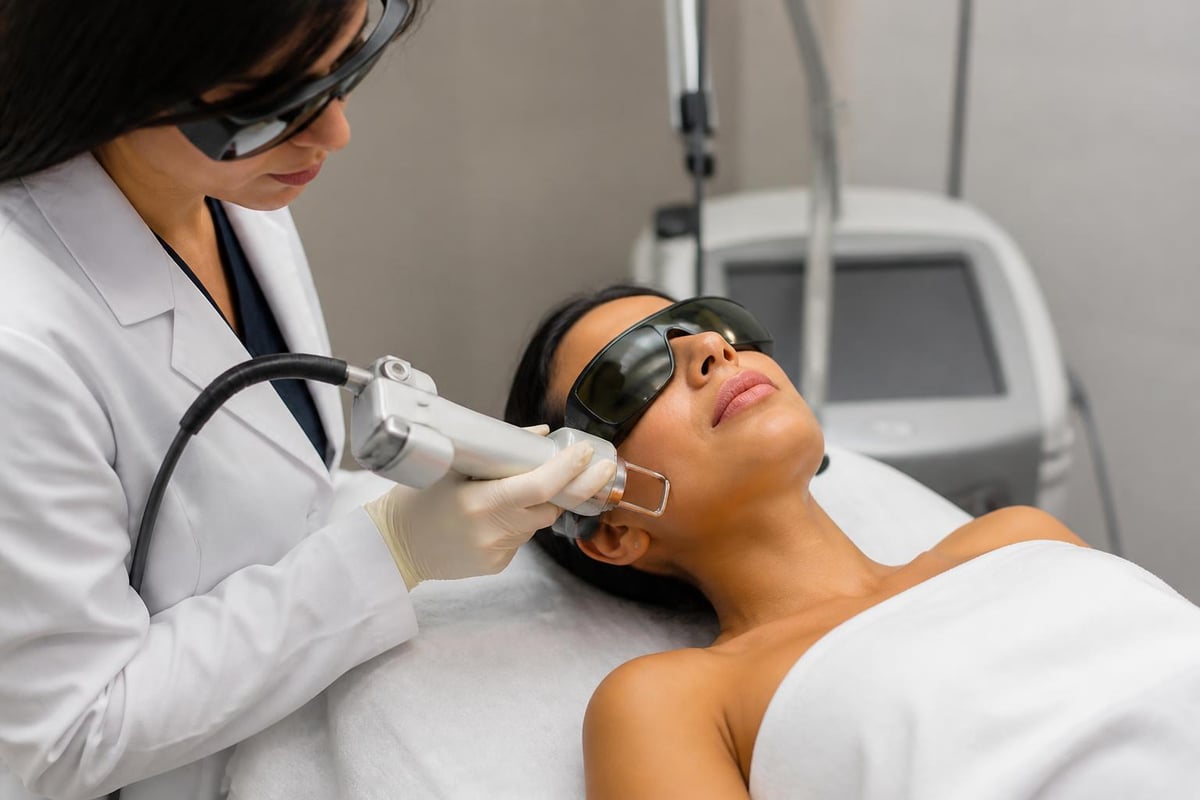
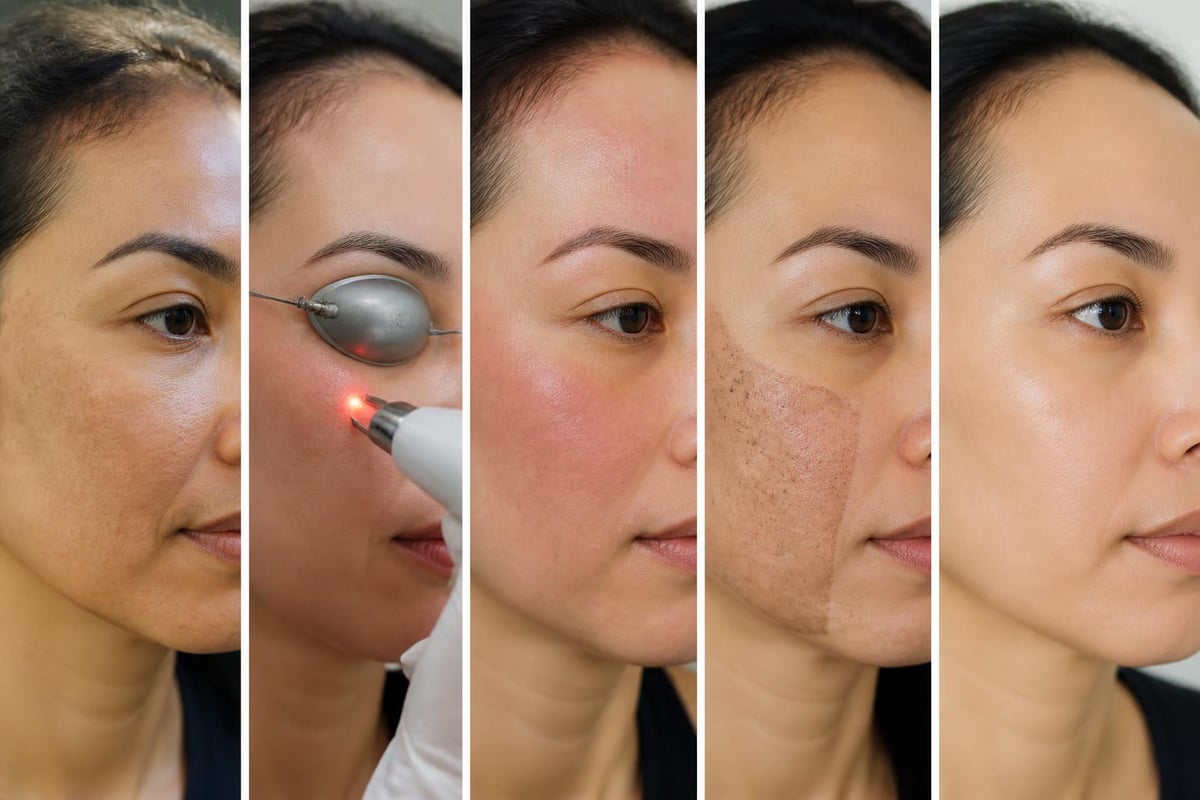
The actual laser procedure typically takes 15-45 minutes depending on treatment area size. Most patients describe sensations ranging from mild tingling to rubber band snaps against the skin.
Numbing cream may be applied 30-60 minutes beforehand for comfort, though many find treatments tolerable without anesthesia. Protective eyewear shields eyes from laser light throughout the session.
The practitioner systematically moves the laser handpiece across treatment areas, adjusting settings based on skin response. Cooling mechanisms integrated into modern devices enhance comfort while protecting skin.
Immediate Post-Treatment Effects
Expect mild redness, swelling, and darkening of treated pigmentation immediately following laser pigmentation removal. These responses indicate successful treatment and typically resolve within hours to days.
Darkened spots often develop a light crust before flaking away naturally over 7-14 days. Resisting the urge to pick or scratch proves essential for optimal healing without scarring.
Recovery and Aftercare Guidelines
Proper post-treatment care directly influences results and minimizes complication risks. Following established protocols ensures your skin heals optimally while achieving desired pigment reduction.
First 24-48 Hours
Immediately after treatment, skin requires gentle handling and protection:
- Apply cool compresses to reduce swelling and discomfort
- Use only gentle, fragrance-free cleansers recommended by your provider
- Avoid hot showers, exercise, or activities that increase facial flushing
- Keep treated areas clean and dry
- Apply prescribed healing ointments as directed
Days 3-14: The Healing Phase
As treated pigmentation darkens and begins flaking, maintaining skin integrity becomes paramount. Never pick, scratch, or forcibly remove crusting, as this increases scarring and infection risks.
Continue using gentle skincare products and keep skin well-moisturized with approved formulations. Most normal activities can resume after 48 hours, though sun exposure remains strictly prohibited.
Long-Term Maintenance
Sustainable results require ongoing skin protection and care:
- Daily broad-spectrum SPF 50+ sunscreen application, even indoors
- Reapplication every two hours during outdoor activities
- Protective clothing including wide-brimmed hats when possible
- Antioxidant serums containing vitamin C, niacinamide, or kojic acid
- Regular maintenance treatments as recommended by your provider
The European Society of Laser in Dermatology’s position on hyperpigmentation treatment emphasizes comprehensive sun protection as non-negotiable for maintaining laser treatment results.
Safety Considerations and Potential Side Effects
While laser pigmentation removal generally proves safe when performed by qualified practitioners, understanding potential risks enables informed decision-making and realistic expectations.
Common Temporary Side Effects
Most patients experience mild, self-limiting effects including:
- Redness and swelling lasting 24-72 hours
- Temporary darkening of treated pigmentation before clearance
- Mild discomfort or tenderness in treatment areas
- Light crusting or flaking during the healing process
- Temporary skin sensitivity to products or environmental factors
These responses typically resolve without intervention as healing progresses.
Less Common Complications
Certain risks, while infrequent, warrant awareness and proper management:
Hyperpigmentation may paradoxically occur when melanocytes respond to laser treatment by producing additional pigment. This risk increases with inadequate sun protection, aggressive treatment parameters, or insufficient healing time between sessions.
Hypopigmentation results from excessive melanin destruction, leaving treated areas lighter than surrounding skin. This proves particularly concerning for darker skin tones and may be permanent in some cases.
Scarring rarely occurs with modern laser technologies but can result from infection, picking at crusts, or inappropriate treatment parameters for individual skin characteristics.
Infection risks remain minimal with proper hygiene and aftercare compliance but require immediate medical attention if suspected.
Optimizing Safety Through Provider Selection
Choosing experienced, properly trained practitioners dramatically reduces complication risks. Research from statistical learning methods applied to laser-assisted pigmentation removal identifies provider expertise as a critical factor in treatment outcomes.
Questions to ask potential providers include:
- What specific training and certifications do you hold in laser treatments?
- How many laser pigmentation removal procedures have you performed?
- What percentage of your patients share my skin type and pigmentation concerns?
- How do you customize treatment protocols for different skin tones?
- What emergency protocols exist for managing potential complications?
Facilities should maintain medical-grade equipment, follow strict sterilization protocols, and provide comprehensive pre- and post-treatment instructions.
Cost Considerations and Treatment Investment
Laser pigmentation removal represents a significant investment in skin health and appearance. Understanding pricing structures and factors influencing costs helps with financial planning.
Pricing Variables
Multiple factors determine treatment costs:
- Geographic location significantly impacts pricing, with metropolitan areas typically commanding higher fees
- Provider credentials including dermatologists versus medical spas affect pricing structures
- Technology used with newer picosecond lasers often costing more than traditional Q-switched systems
- Treatment area size directly correlates with session pricing
- Number of sessions required for desired results multiplies total investment
Typical Investment Ranges
While prices vary considerably, general ranges in 2026 include:
| Treatment Area | Price Per Session | Typical Sessions | Total Investment |
|---|---|---|---|
| Small spot (under 1 inch) | $150-$300 | 1-2 | $150-$600 |
| Face (full) | $400-$800 | 3-5 | $1,200-$4,000 |
| Hands | $300-$500 | 2-4 | $600-$2,000 |
| Chest/décolletage | $500-$900 | 3-5 | $1,500-$4,500 |
Maximizing Treatment Value
Several strategies optimize your investment in laser pigmentation removal:
- Schedule consultations with multiple qualified providers to compare approaches and pricing
- Inquire about package pricing for multiple sessions purchased together
- Maintain strict sun protection protocols to minimize the need for repeat treatments
- Follow all aftercare instructions precisely to ensure optimal results from each session
- Consider combining treatments during single visits when addressing multiple concerns
Many practices offer financing options or payment plans to make treatments more accessible. When planning your visit to New Skin Laser Clinic, discussing financial considerations ensures alignment between treatment goals and budget realities.
Comparing Laser Pigmentation Removal to Alternative Treatments
While lasers represent the gold standard for many pigmentation concerns, understanding how they compare to other modalities provides valuable context for treatment decisions.
Topical Treatments
Prescription and over-the-counter brightening agents work gradually by inhibiting melanin production or promoting cell turnover. Ingredients like hydroquinone, tretinoin, kojic acid, azelaic acid, and vitamin C require months of consistent use with variable results.
Advantages: Non-invasive, affordable, minimal downtime
Disadvantages: Slow results, ongoing application required, less effective for deeper pigmentation
Chemical Peels
Controlled chemical exfoliation removes surface skin layers containing excess pigmentation while stimulating cellular renewal. Peels range from superficial to deep, with stronger formulations producing more dramatic results but requiring extended recovery.
Advantages: Addresses multiple skin concerns simultaneously, predictable results
Disadvantages: Significant downtime with deeper peels, multiple treatments needed, sun sensitivity
Microdermabrasion and Dermaplaning
These mechanical exfoliation techniques remove dead surface cells and can improve mild, superficial pigmentation over time with repeated treatments.
Advantages: Minimal discomfort, no downtime, affordable
Disadvantages: Limited effectiveness for established pigmentation, results require ongoing maintenance
Why Laser Pigmentation Removal Often Proves Superior
Laser treatments offer distinct advantages for stubborn, concentrated pigmentation:
- Precise targeting of specific melanin deposits without affecting surrounding tissue
- Ability to reach deeper dermal pigmentation inaccessible to topical treatments
- Faster visible results compared to most alternative approaches
- Permanent reduction of treated pigmentation when combined with sun protection
- Minimal downtime relative to results achieved
Combining laser pigmentation removal with complementary treatments often produces superior outcomes compared to any single modality alone.
Maintaining Results Long-Term
Achieving clear, even-toned skin through laser treatment represents just the beginning. Sustaining these results requires ongoing commitment to skin protection and maintenance strategies.
Sun Protection: The Non-Negotiable Foundation
UV exposure remains the primary trigger for pigmentation development and recurrence. Comprehensive sun protection includes:
- Daily sunscreen application with minimum SPF 50 and broad-spectrum protection
- Reapplication every two hours during extended outdoor exposure
- Seeking shade during peak UV hours between 10 AM and 4 PM
- Wearing protective clothing including UPF-rated fabrics and wide-brimmed hats
- Using UV-protective accessories like sunglasses and sun sleeves
Remember that UV penetrates windows and reflects off surfaces, making protection necessary even during indoor activities or cloudy days.
Supportive Skincare Regimens
Strategic product selection supports laser results while preventing new pigmentation:
- Antioxidants neutralize free radicals that trigger melanin production
- Gentle exfoliants promote cellular turnover without irritation
- Barrier-supporting ingredients like ceramides and niacinamide maintain skin health
- Retinoids regulate cell function and prevent abnormal pigmentation when tolerated
Avoid harsh treatments, excessive exfoliation, or ingredients that increase photosensitivity without proper sun protection.
Periodic Maintenance Treatments
Many individuals benefit from scheduled maintenance sessions to address new pigmentation before it becomes established. Depending on individual factors, maintenance laser treatments every 6-12 months help sustain results achieved during initial treatment series.
Regular professional skin evaluations identify emerging concerns early when they're most responsive to intervention.
Lifestyle Factors Influencing Pigmentation
Beyond skincare and sun protection, certain lifestyle modifications support long-term results:
- Hormone management for melasma sufferers, potentially including birth control adjustments
- Stress reduction since cortisol influences melanin production
- Adequate sleep supporting optimal skin repair and regeneration
- Balanced nutrition providing antioxidants and nutrients essential for skin health
- Proper hydration maintaining skin barrier function and cellular processes
Technological Advances Shaping the Future
The field of laser pigmentation removal continues evolving rapidly, with innovations promising enhanced safety, efficacy, and accessibility.
Artificial Intelligence Integration
Machine learning algorithms increasingly assist practitioners in treatment planning, parameter selection, and outcome prediction. By analyzing thousands of previous cases, AI systems identify optimal settings for individual patients based on skin characteristics and pigmentation patterns.
These technologies may reduce variability in treatment outcomes while minimizing complication risks across diverse patient populations.
Combination Treatment Protocols
Research increasingly demonstrates superior results when combining laser pigmentation removal with complementary modalities. Protocols integrating lasers with specific topical agents, chemical peels, or other energy-based devices achieve outcomes unattainable through single-modality approaches.
Enhanced Targeting Precision
Newer laser systems incorporate advanced cooling mechanisms, refined wavelength options, and improved delivery systems that maximize efficacy while minimizing collateral tissue effects. These refinements particularly benefit patients with darker skin tones who historically faced higher complication risks.
Non-Ablative Innovations
Developing technologies promise pigmentation reduction without any surface disruption, potentially eliminating downtime entirely while maintaining treatment effectiveness. These advances could make laser treatments accessible to individuals unable to accommodate traditional recovery periods.
Laser pigmentation removal offers transformative results for individuals seeking clearer, more even-toned skin resistant to traditional treatment approaches. Understanding available technologies, realistic expectations, and the importance of qualified providers empowers informed decisions about pursuing these advanced treatments. Whether addressing age spots, melasma, or other pigmentation concerns, modern laser systems provide safe, effective solutions when combined with comprehensive skincare and sun protection protocols. The expert team at New Skin Laser Clinic brings years of specialized experience in advanced aesthetic treatments, utilizing state-of-the-art technology to deliver personalized laser pigmentation removal solutions tailored to your unique skin type and goals.