
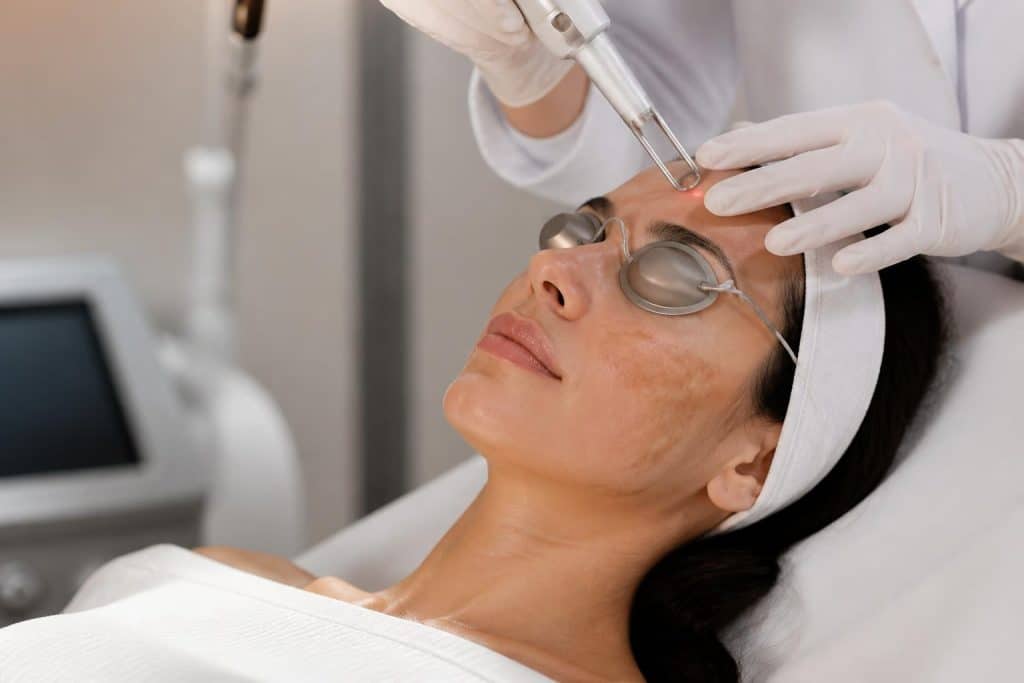
Melasma remains one of the most challenging pigmentation concerns affecting millions of people worldwide. This chronic skin condition manifests as dark, irregular patches primarily on the face, creating frustration for those seeking clear, even-toned skin. While traditional treatments have offered limited success, pico laser for melasma has emerged as a revolutionary approach that addresses pigmentation at its source. Understanding how this advanced technology works and what results you can expect helps you make informed decisions about your skin health journey.
Understanding Melasma and Its Complexity
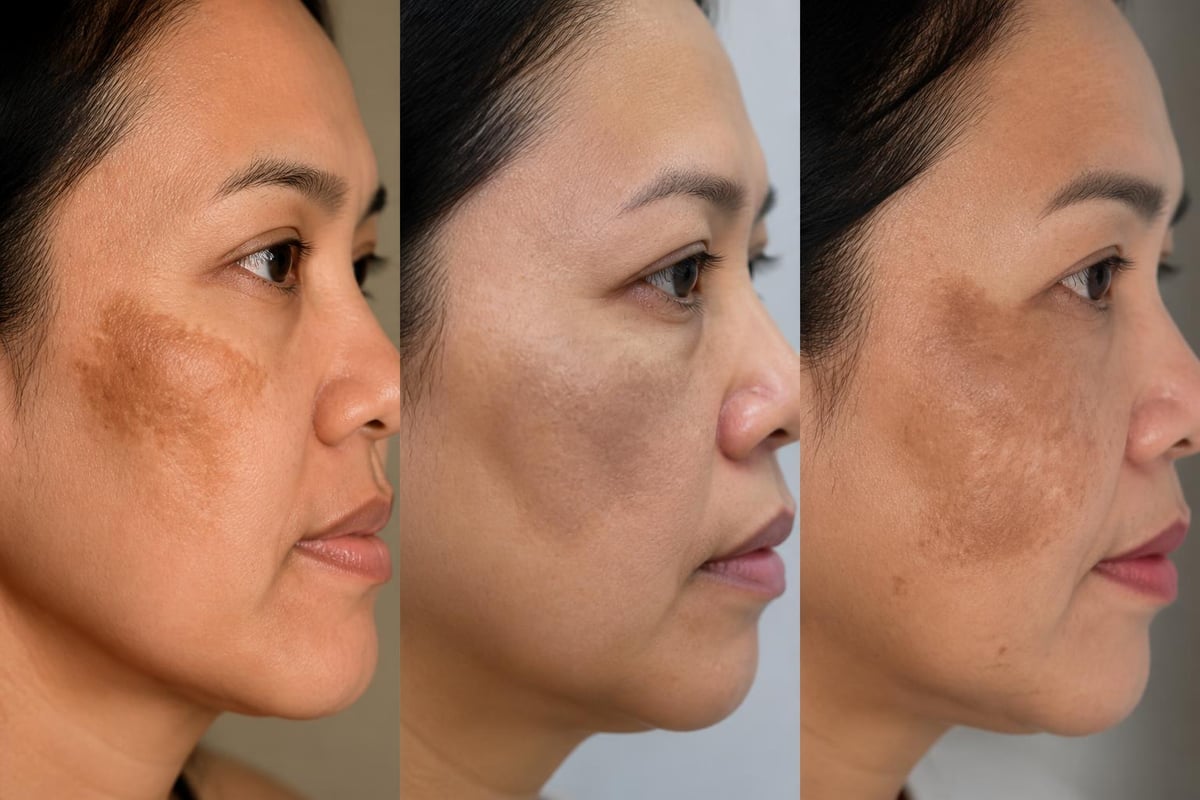
Melasma occurs when melanocytes produce excessive melanin, creating visible brown or grayish patches on the skin. The condition predominantly affects women, particularly during pregnancy or while using hormonal contraceptives, though men can also develop melasma.
Several factors trigger or worsen melasma development:
- Hormonal fluctuations during pregnancy, menopause, or from birth control
- UV exposure that stimulates melanocyte activity
- Genetic predisposition running in families
- Heat exposure from cooking or hot environments
- Certain medications that increase photosensitivity
The condition classifies into three types based on depth: epidermal (superficial), dermal (deep), and mixed. Epidermal melasma responds best to treatment, while dermal melasma presents greater challenges. Mixed-type melasma, the most common form, requires comprehensive approaches addressing multiple skin layers.
How Pico Laser Technology Differs from Traditional Lasers
Pico laser for melasma represents a significant advancement over conventional Q-switched lasers. The fundamental difference lies in pulse duration measured in picoseconds (trillionths of a second) rather than nanoseconds.
This ultra-short pulse duration creates a photoacoustic effect rather than photothermal damage. Traditional lasers rely on heat to break down pigment, which can trigger inflammation and paradoxically worsen melasma in darker skin types. Pico lasers shatter pigment particles through rapid pressure waves while generating minimal heat.
| Feature | Pico Laser | Traditional Q-Switched Laser |
|---|---|---|
| Pulse Duration | 450-750 picoseconds | 5-10 nanoseconds |
| Primary Mechanism | Photoacoustic pressure | Photothermal heat |
| Heat Generation | Minimal | Moderate to high |
| Post-Inflammatory Risk | Lower | Higher |
| Treatment Sessions | 4-6 typically | 6-10 typically |
| Downtime | 1-3 days | 3-7 days |
The technology delivers energy so quickly that surrounding tissue remains largely unaffected. This precision makes pico laser treatment particularly suitable for individuals with darker skin tones who face higher risks of post-inflammatory hyperpigmentation with traditional methods.
Wavelength Options for Targeted Treatment
Different wavelengths target various skin concerns. For melasma, clinics typically employ 532nm, 755nm, or 1064nm wavelengths. The 1064nm wavelength penetrates deeper, making it effective for dermal and mixed melasma types. According to research on fractional picosecond laser effectiveness, the 1064nm wavelength shows promising results for both dermal and mixed-type melasma.
The 755nm alexandrite wavelength offers excellent melanin absorption while maintaining safety across different skin types. Many practitioners prefer this wavelength for epidermal melasma treatment.
Clinical Evidence Supporting Pico Laser Efficacy
Scientific research increasingly validates pico laser effectiveness for melasma management. A comprehensive systematic review and meta-analysis examined multiple randomized controlled trials, demonstrating measurable improvements in melasma severity scores following picosecond laser treatment.
Key findings from clinical studies include:
- Significant reduction in Melasma Area and Severity Index (MASI) scores
- Improved patient satisfaction ratings compared to baseline
- Lower incidence of adverse effects versus traditional laser modalities
- Sustained results when combined with proper sun protection
- Enhanced skin texture and tone as secondary benefits
One randomized, controlled, split-face study directly compared laser-treated areas to control areas, revealing notable clinical improvements on the treated side. Participants reported visible lightening of pigmented patches and increased confidence in their appearance.
However, researchers emphasize that pico laser for melasma works best as part of a comprehensive treatment strategy. Combining laser sessions with topical agents, sun protection, and lifestyle modifications produces superior outcomes compared to laser treatment alone.
What to Expect During Pico Laser Treatment
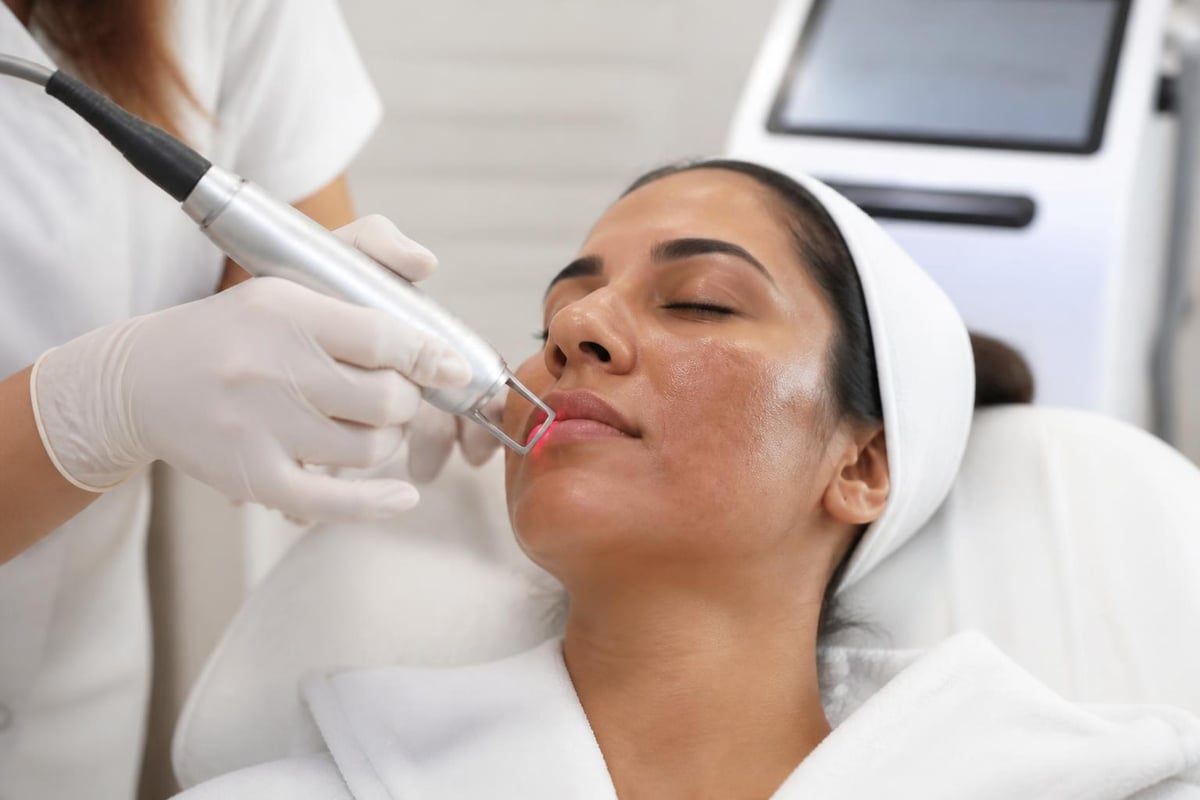
At clinics offering advanced aesthetic treatments in Toronto, the pico laser procedure follows a systematic approach ensuring both safety and effectiveness.
Pre-Treatment Preparation
Your skincare professional conducts a thorough consultation assessing your melasma type, severity, and skin characteristics. Proper preparation typically includes:
- Discontinuing retinoids and exfoliating acids 3-5 days before treatment
- Avoiding sun exposure for at least two weeks prior
- Starting a gentle skincare routine with barrier-protecting products
- Discussing medical history, particularly any photosensitivity conditions
- Setting realistic expectations about results and timeline
Some practitioners recommend a pre-treatment protocol with hydroquinone or other brightening agents to optimize outcomes. This priming phase helps reduce melanin production before laser intervention.
The Treatment Session
During the actual procedure, your provider cleanses the treatment area and may apply a topical anesthetic for comfort, though many patients find pico laser more tolerable than traditional lasers. The treatment itself takes 15-30 minutes depending on the area size.
You'll hear rapid clicking sounds as the laser delivers pulses. Most people describe the sensation as mild snapping against the skin rather than painful heat. Immediately afterward, treated areas may appear slightly red or feel warm, similar to a mild sunburn.
Post-Treatment Care
Following your session, proper aftercare proves crucial for optimal results and preventing complications:
- Apply gentle, fragrance-free moisturizers to support skin barrier recovery
- Use broad-spectrum SPF 50+ sunscreen religiously, even indoors
- Avoid hot water, steam rooms, and intense exercise for 24-48 hours
- Skip makeup for 24 hours if possible, or use mineral-based products
- Stay hydrated and maintain a healthy diet supporting skin healing
Most patients resume normal activities immediately, though some experience mild swelling for 1-2 days. The pigment may initially darken before gradually fading over subsequent weeks.
Treatment Protocol and Session Frequency
Achieving significant improvement in melasma requires multiple treatment sessions. Most protocols involve 4-6 sessions spaced 4-6 weeks apart, allowing skin adequate recovery time between treatments.
| Treatment Phase | Timeline | Purpose |
|---|---|---|
| Initial Series | Sessions 1-3 (Months 1-3) | Break down existing pigment |
| Mid-Course | Sessions 4-5 (Months 4-5) | Continue pigment reduction, assess progress |
| Final Treatment | Session 6 (Month 6) | Final pigment targeting, texture refinement |
| Maintenance | Every 3-6 months | Prevent recurrence, sustain results |
This spacing allows for cellular turnover and pigment elimination through the lymphatic system. Rushing treatments too close together increases inflammation risk without improving outcomes.
Combining Pico Laser with Complementary Treatments
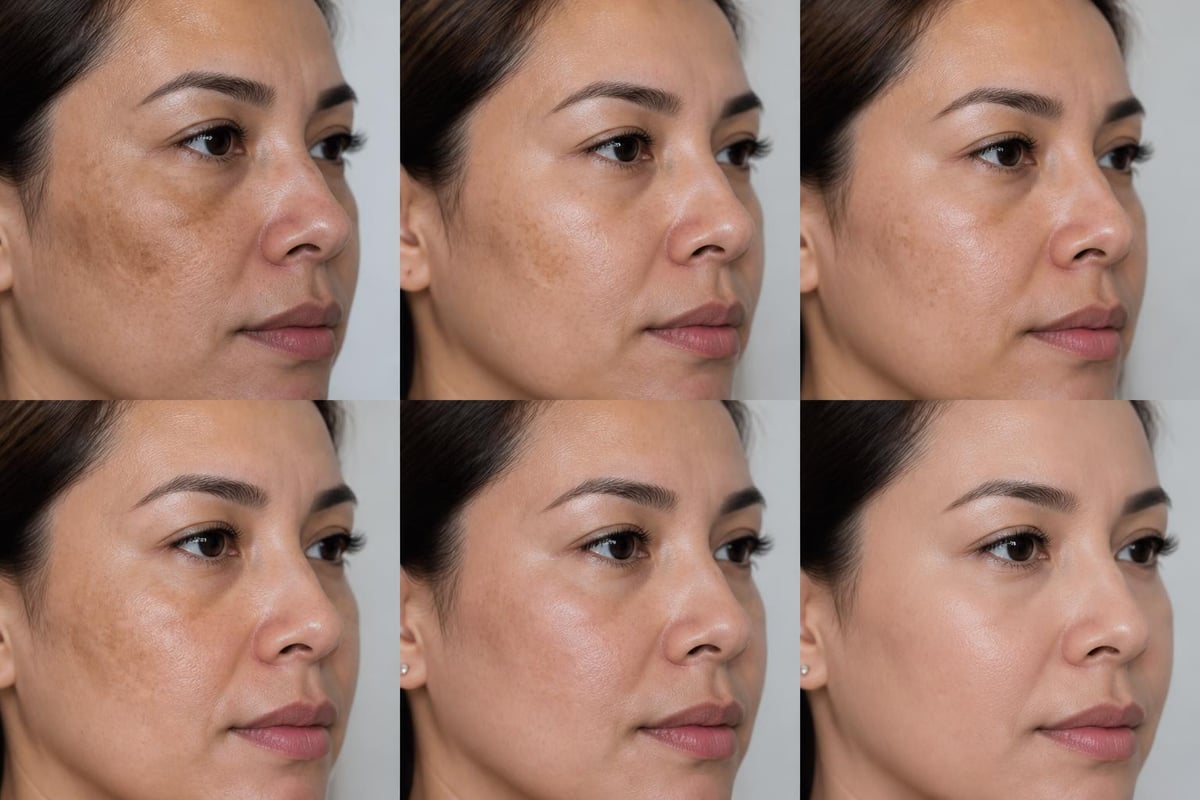
While pico laser for melasma delivers impressive results independently, combining it with other evidence-based treatments often enhances outcomes. A recent randomized trial demonstrated that combining 755-nm picosecond laser with topical 20% azelaic acid produced superior results compared to azelaic acid alone.
Effective combination approaches include:
- Topical tyrosinase inhibitors (hydroquinone, kojic acid, tranexamic acid)
- Chemical peels between laser sessions for gentle exfoliation
- Oral tranexamic acid under medical supervision
- Antioxidant serums with vitamin C and niacinamide
- Professional facials focusing on barrier support and hydration
At New Skin Laser Clinic, practitioners customize treatment plans based on individual skin needs, sometimes incorporating multiple modalities for comprehensive pigmentation management. These integrated approaches address melasma from different angles simultaneously.
The laser skin resurfacing options available today allow for personalized protocols that match your specific melasma characteristics and skin type.
Considerations for Different Skin Types
One major advantage of pico laser technology involves its improved safety profile across various skin tones. Traditional lasers posed significant risks for individuals with Fitzpatrick skin types IV-VI, often causing post-inflammatory hyperpigmentation that worsened the original condition.
The minimal heat generation with picosecond pulses substantially reduces this risk. However, practitioners must still exercise caution and adjust treatment parameters based on skin type. Darker skin tones typically require lower energy settings, longer intervals between sessions, and more conservative approaches.
Realistic Expectations and Success Rates
Understanding realistic outcomes helps prevent disappointment. While many patients achieve 50-70% improvement in pigmentation, complete clearance remains challenging, particularly for dermal melasma. According to insights shared by dermatology experts, managing expectations forms a critical part of the treatment journey.
Success factors include:
- Melasma depth and type (epidermal responds best)
- Consistent sun protection compliance
- Hormonal stability during treatment
- Adherence to complete treatment protocol
- Genetic factors influencing melanocyte activity
Some individuals experience recurrence despite successful initial clearance, particularly if triggering factors like sun exposure or hormonal changes persist. Maintenance treatments help sustain results long-term.
Potential Side Effects and Risk Management
While pico laser for melasma demonstrates an excellent safety profile, understanding potential side effects enables informed decision-making. Most adverse reactions remain mild and temporary.
Common, expected responses:
- Redness and warmth lasting 2-24 hours
- Mild swelling for 1-3 days
- Temporary darkening of treated pigment before clearance
- Pinpoint bleeding or crusting in some cases
- Temporary dryness or flaking
Rare but possible complications:
- Post-inflammatory hyperpigmentation if aftercare ignored
- Hypopigmentation with excessive treatment
- Prolonged erythema in sensitive individuals
- Infection if proper hygiene not maintained
- Paradoxical worsening in rare cases
Choosing an experienced provider significantly minimizes risks. Qualified professionals understand proper parameter selection, recognize early warning signs of adverse reactions, and provide appropriate intervention when needed.
Maintenance and Long-Term Management
Melasma management extends beyond initial treatment completion. This chronic condition requires ongoing vigilance to prevent recurrence. A comparative study of different laser approaches highlights the importance of maintenance protocols in sustaining treatment benefits.
Essential long-term strategies include:
- Daily sun protection with broad-spectrum SPF 50+ reapplied every 2 hours
- Maintenance laser sessions every 3-6 months as needed
- Consistent topical regimen with brightening and protective ingredients
- Hormonal management when applicable, consulting with healthcare providers
- Lifestyle adjustments minimizing heat exposure and stress
Many patients find that periodic touch-up treatments, perhaps 2-3 times yearly, help maintain their results without requiring the intensive initial protocol. These maintenance sessions address any early pigment recurrence before it becomes pronounced.
Choosing the Right Provider for Your Treatment
The provider's expertise significantly influences treatment outcomes and safety. When considering pico laser for melasma, evaluate potential clinics based on several criteria.
Look for practitioners with specific experience treating melasma in your skin type. Request before-and-after photos of previous patients with similar pigmentation concerns. Ask about the specific laser device used, as different manufacturers' pico lasers have varying specifications and capabilities.
During your consultation appointment, assess whether the provider conducts a thorough skin analysis and discusses realistic expectations. Providers who promise complete clearance in one session or fail to emphasize sun protection importance may lack the expertise necessary for optimal melasma management.
Verify that the clinic uses authentic, FDA-cleared devices rather than knock-off equipment. Quality technology combined with skilled application produces the best results while minimizing risks.
Cost Considerations and Investment Value
Pico laser treatment represents a significant financial investment, with single sessions typically ranging from $400-$800 depending on treatment area size and geographic location. A complete initial protocol of 6 sessions therefore costs $2,400-$4,800, not including topical products or maintenance treatments.
| Treatment Option | Estimated Cost | Duration of Results |
|---|---|---|
| Pico Laser Series | $2,400-$4,800 | 6-24 months with maintenance |
| Traditional Laser | $1,800-$3,600 | 3-12 months |
| Chemical Peels Series | $600-$1,500 | 2-6 months |
| Topical Treatments Only | $200-$600 annually | Ongoing while using |
While pico laser costs more upfront than topical treatments alone, many patients find the investment worthwhile given superior results and shorter treatment timelines. Consider the cumulative cost of years of topical products with limited effectiveness versus a comprehensive laser protocol producing visible improvement.
Some clinics offer package pricing reducing per-session costs when purchasing multiple treatments upfront. Ask about financing options if budget concerns affect your ability to commit to the full protocol.
Pico laser technology offers a promising solution for individuals struggling with persistent melasma, combining effectiveness with improved safety across different skin types. The treatment works best when integrated into a comprehensive approach including sun protection, appropriate topical agents, and realistic expectations about results and maintenance requirements. If you're ready to address stubborn pigmentation concerns with advanced technology, the expert team at New Skin Laser Clinic provides personalized treatment plans designed to help you achieve clearer, more radiant skin through state-of-the-art laser solutions tailored to your unique needs.