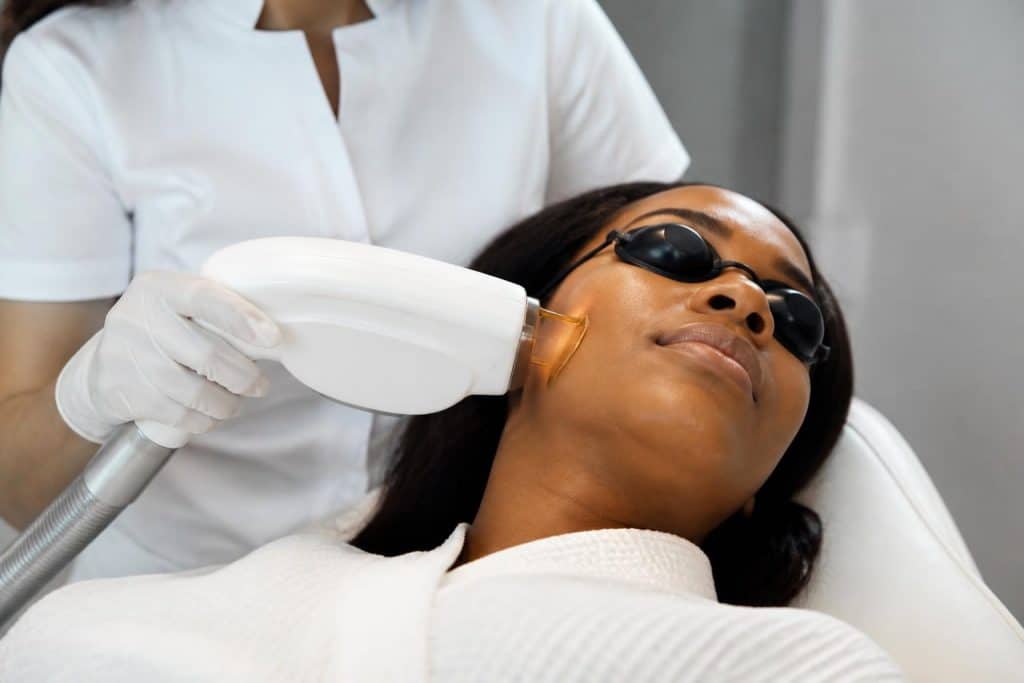
Modern skin care has evolved dramatically over the past decade, bringing transformative treatments that address complex pigmentation concerns with precision and safety. Among these innovations, laser skin brightening has emerged as a leading solution for individuals seeking to correct uneven skin tone, reduce hyperpigmentation, and achieve a luminous complexion. This advanced technology harnesses specific wavelengths of light energy to target melanin deposits without compromising the surrounding skin tissue, offering results that traditional topical treatments simply cannot match. Whether you're dealing with sun damage, age spots, melasma, or post-inflammatory hyperpigmentation, understanding how these cutting-edge procedures work can help you make informed decisions about your skin care journey.
Understanding the Science Behind Laser Skin Brightening
Laser skin brightening operates on the principle of selective photothermolysis, where specific wavelengths of light target chromophores in the skin. Melanin, the pigment responsible for skin coloration, absorbs these wavelengths and converts them into heat energy. This controlled thermal response breaks down excess pigmentation while stimulating the body's natural healing processes.
The technology has advanced significantly since its introduction to aesthetic medicine. Today's systems offer customizable settings that allow practitioners to adjust energy levels, pulse duration, and spot sizes based on individual skin types and concerns. This precision ensures effective treatment while minimizing risks associated with older, less sophisticated equipment.
Different Types of Laser Technologies
Multiple laser platforms can achieve skin brightening results, each with distinct mechanisms:
- Q-switched lasers deliver ultra-short pulses that shatter pigment particles
- Fractional lasers create micro-injuries to stimulate collagen production and pigment reduction
- IPL devices use broad-spectrum light to target multiple chromophores simultaneously
- Picosecond lasers offer faster pulse durations for more efficient pigment breakdown
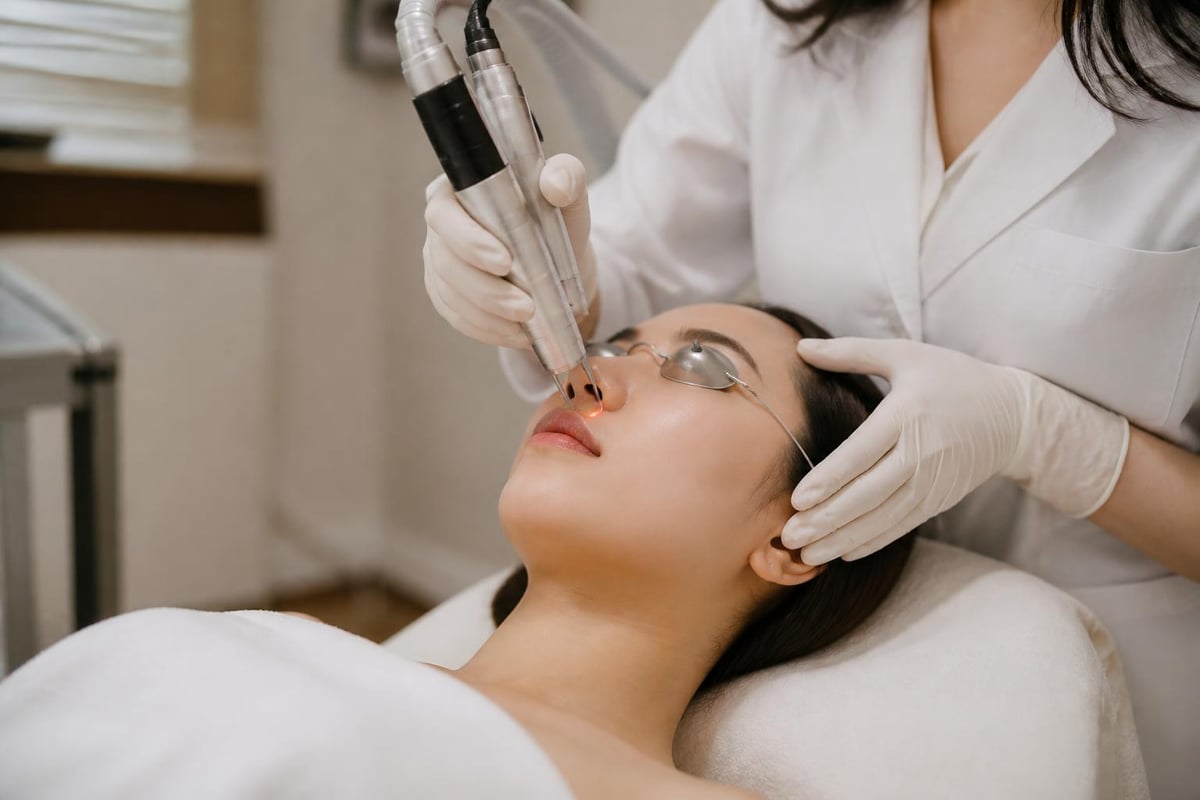
Research published on mechanisms of Intense Pulsed Light therapy demonstrates how light-based treatments interact with skin tissue at the cellular level. Understanding these mechanisms helps practitioners select the most appropriate technology for each patient's unique needs.
Conditions Addressed by Laser Skin Brightening
Professional laser treatments excel at correcting various pigmentation irregularities that develop due to sun exposure, hormonal changes, inflammation, or natural aging processes.
Hyperpigmentation and Sun Damage
Years of ultraviolet exposure accumulate as visible evidence on the skin. Solar lentigines, commonly called age spots or liver spots, appear on areas frequently exposed to sunlight. Laser skin brightening specifically targets these concentrated melanin deposits, breaking them down into smaller particles that the body naturally eliminates through its lymphatic system.
The treatment proves particularly effective for individuals with extensive photodamage across the face, chest, hands, and arms. Multiple sessions typically yield progressive improvement, with pigmented lesions gradually fading as the skin regenerates.
Melasma and Hormonal Pigmentation
This stubborn condition presents unique challenges due to its hormonal triggers and tendency to recur. Women experiencing pregnancy-related melasma or pigmentation changes from oral contraceptives often seek laser solutions after topical treatments provide limited results. However, melasma requires careful assessment and conservative treatment approaches.
Recent studies, including research on laser photorejuvenation for Asian and ethnic skin, emphasize the importance of selecting appropriate parameters to avoid paradoxical darkening. Combination protocols that integrate laser sessions with medical-grade skin care products typically deliver superior outcomes compared to laser treatment alone.
Post-Inflammatory Hyperpigmentation
Acne, injuries, or inflammatory skin conditions often leave behind dark marks that persist long after the initial problem resolves. Laser skin brightening accelerates the fading process by targeting excess melanin produced during the inflammatory response. This application has shown remarkable success across diverse skin types when performed by experienced practitioners who understand the nuances of treating reactive skin.
| Pigmentation Type | Primary Causes | Treatment Frequency | Expected Results Timeline |
|---|---|---|---|
| Solar Lentigines | UV exposure, aging | 2-4 sessions | 4-8 weeks |
| Melasma | Hormones, sun, genetics | 4-6 sessions | 8-16 weeks |
| PIH | Acne, inflammation, injury | 3-5 sessions | 6-12 weeks |
| Freckles | Genetics, sun exposure | 1-3 sessions | 3-6 weeks |
The Treatment Experience and What to Expect
Understanding the procedural details helps reduce anxiety and ensures realistic expectations. Professional clinics prioritize patient comfort while maintaining treatment efficacy.
Initial Consultation and Skin Assessment
Every successful laser skin brightening journey begins with comprehensive evaluation. Qualified estheticians assess skin type using the Fitzpatrick scale, which categorizes skin based on its response to UV exposure and likelihood of pigmentation changes following treatment.
During this consultation, practitioners discuss:
- Medical history and current medications
- Previous aesthetic treatments and outcomes
- Specific areas of concern and desired improvements
- Realistic timelines and expected number of sessions
- Pre-treatment preparation requirements
This thorough assessment ensures the selected laser technology and treatment parameters align with individual skin characteristics. For those exploring various advanced aesthetic treatments, this personalized approach distinguishes professional care from generic protocols.
During the Procedure
Laser skin brightening sessions typically last between 20 to 45 minutes, depending on treatment area size. The process follows a standardized sequence:
- Thorough cleansing removes makeup, oils, and debris
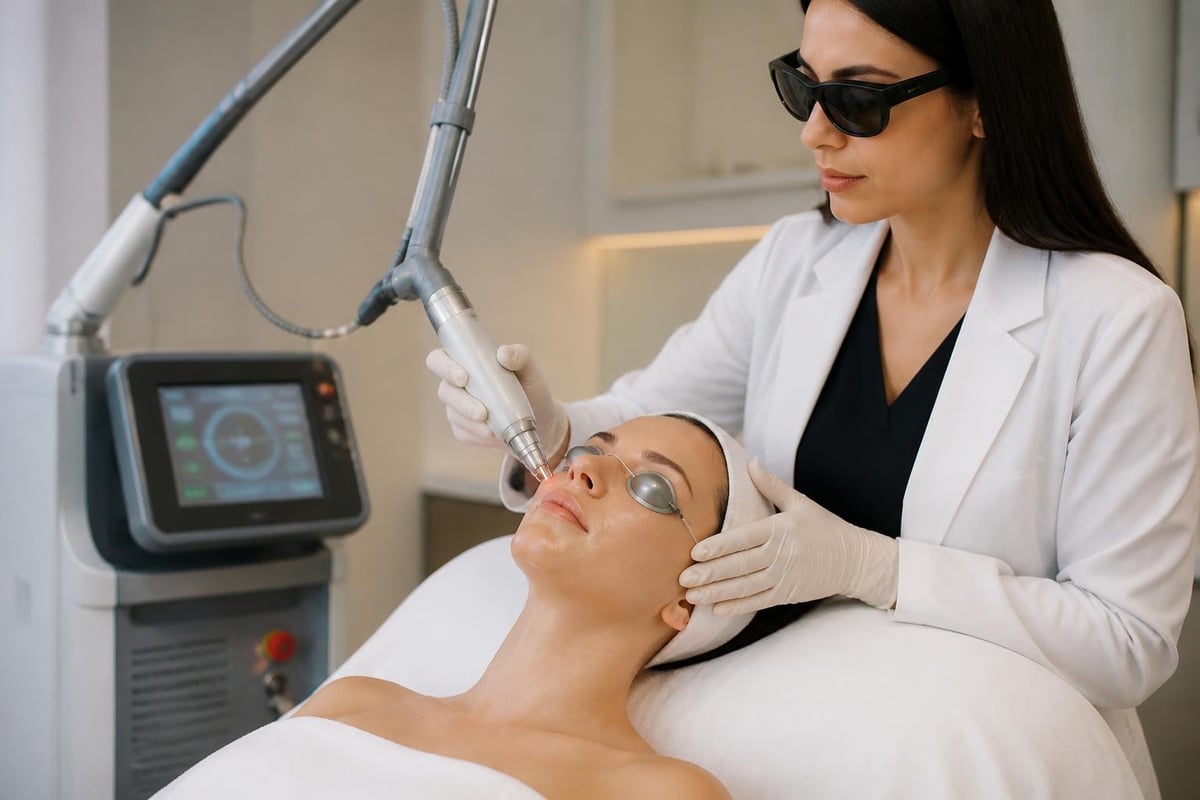
- Protective eyewear shields eyes from laser light
- Topical numbing cream may be applied for sensitive areas
- The laser handpiece delivers controlled pulses across targeted zones
- Cooling methods minimize discomfort during and after treatment
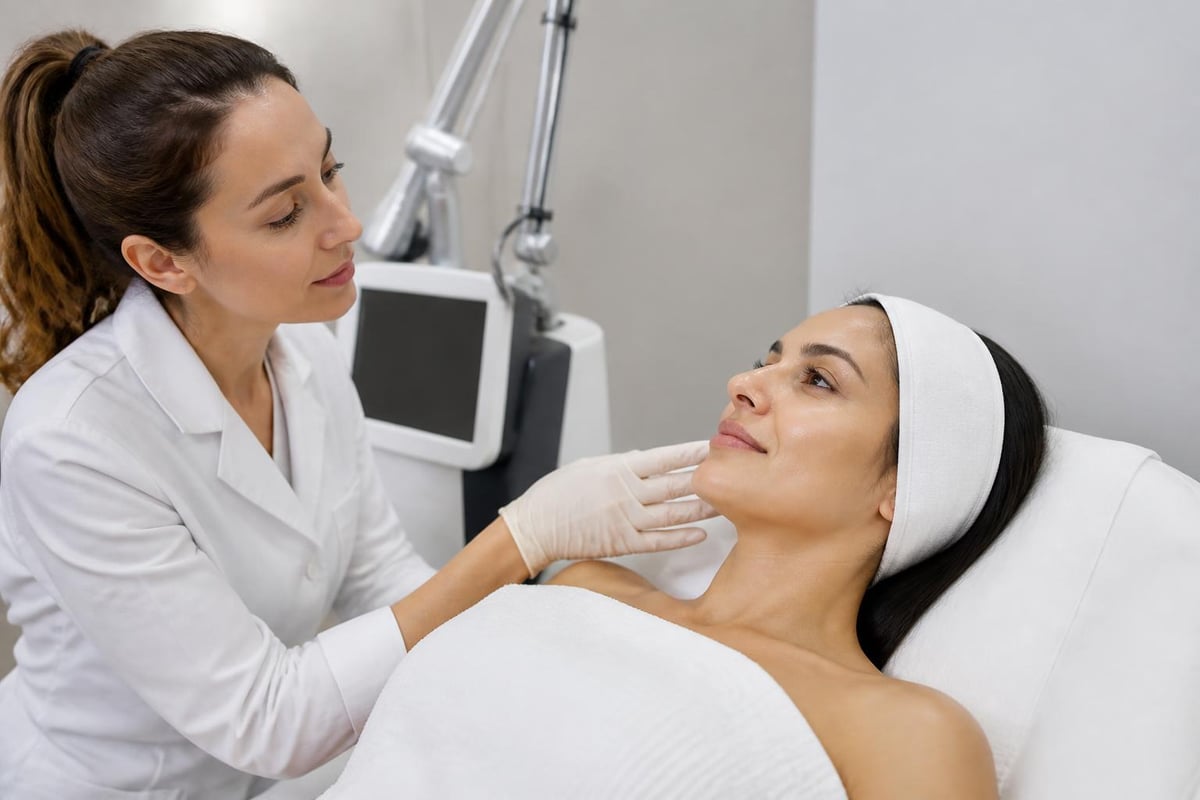
Most patients describe the sensation as similar to a rubber band snapping against the skin, with heat that dissipates quickly. Modern laser systems incorporate cooling mechanisms that significantly enhance comfort compared to earlier generation equipment.
Post-Treatment Recovery and Care
The skin's response to laser skin brightening varies based on treatment intensity and individual healing capacity. Immediately following treatment, mild redness and warmth are normal and typically subside within hours. Some patients experience temporary darkening of pigmented areas before they flake away, revealing clearer skin underneath.
Critical aftercare instructions include:
- Avoiding direct sun exposure for at least two weeks
- Applying broad-spectrum SPF 50 sunscreen daily
- Using gentle, fragrance-free cleansers and moisturizers
- Avoiding exfoliating treatments until fully healed
- Staying hydrated to support skin recovery
Professional guidance from clinics experienced in personalized skin rejuvenation services ensures patients navigate the healing process successfully and achieve optimal results.
Safety Considerations for Different Skin Types
The evolution of laser technology has expanded treatment accessibility across diverse skin tones. However, darker skin types require specialized approaches to prevent complications.
Understanding Fitzpatrick Scale and Treatment Parameters
The Fitzpatrick scale classifies skin into six categories based on melanin content and reaction to UV exposure. Types I-III (lighter skin tones) generally tolerate aggressive laser parameters with minimal risk. Types IV-VI (medium to dark skin tones) require conservative energy settings to avoid unwanted pigmentary changes.
Research on nonablative fractional laser resurfacing in skin of color provides evidence-based protocols that minimize risks while maintaining efficacy. These guidelines emphasize longer intervals between sessions and lower fluence levels for darker complexions.
Potential Side Effects and How to Minimize Them
While laser skin brightening is generally safe when performed by qualified professionals, awareness of potential complications promotes informed decision-making:
Common temporary effects:
- Mild swelling and redness (resolves within 24-48 hours)
- Temporary hyperpigmentation (fades with proper sun protection)
- Slight crusting or flaking (part of natural healing)
Rare complications:
- Prolonged hyperpigmentation or hypopigmentation
- Scarring (extremely rare with appropriate technique)
- Infection (prevented through sterile protocols)
Selecting experienced practitioners who understand the interplay between laser parameters and individual skin characteristics dramatically reduces complication rates.
Comparing Laser Skin Brightening to Alternative Treatments
Multiple approaches address pigmentation concerns, each with distinct advantages and limitations. Understanding these differences helps individuals select the most appropriate solution.
Chemical Peels and Topical Treatments
Chemical exfoliation removes superficial pigmented cells through controlled acid application. While effective for mild pigmentation, these treatments require multiple sessions and maintenance for sustained results. Laser skin brightening penetrates deeper tissue layers, targeting pigment at its source rather than simply removing surface cells.
Topical brightening agents like hydroquinone, kojic acid, and vitamin C provide gradual improvement but cannot match the targeted precision of laser technology. Many practitioners recommend combining these modalities for comprehensive pigmentation management.
Microneedling with Brightening Serums
Collagen induction therapy creates micro-channels that enhance product penetration while stimulating natural skin renewal. When combined with brightening serums, this technique can improve overall skin tone and texture. However, it typically requires more sessions than laser treatments to achieve comparable brightening results.
| Treatment Method | Depth of Penetration | Sessions Required | Downtime | Maintenance |
|---|---|---|---|---|
| Laser Brightening | Dermis | 2-6 | Minimal | Annual touch-ups |
| Chemical Peels | Epidermis to upper dermis | 4-8 | 3-7 days | Monthly/Quarterly |
| Topical Products | Epidermis | Continuous | None | Daily application |
| Microneedling | Dermis | 4-6 | 2-4 days | Quarterly |
Optimizing Results Through Comprehensive Skin Care
Laser skin brightening delivers impressive standalone results, but integration with professional skin care maximizes and extends treatment benefits.
Pre-Treatment Preparation
Preparing the skin in the weeks before laser sessions enhances treatment efficacy and reduces complication risks. Practitioners often recommend:
- Discontinuing retinoids 5-7 days before treatment
- Avoiding sun exposure and tanning beds for two weeks prior
- Using gentle cleansers to maintain skin barrier integrity
- Starting or continuing daily broad-spectrum sunscreen
- Informing practitioners of any new medications or supplements
This preparation protocol ensures skin is in optimal condition to respond favorably to laser energy.
Maintenance Protocols for Long-Term Results
Sustaining laser skin brightening results requires ongoing commitment to skin health. Environmental factors, particularly UV exposure, continually challenge skin's clarity and tone. Effective maintenance strategies include:
- Daily sun protection: Broad-spectrum SPF 50 applied every two hours during sun exposure
- Medical-grade skin care: Products containing antioxidants, growth factors, and gentle exfoliants
- Annual touch-up sessions: Brief laser treatments to address new pigmentation before it becomes established
- Professional skin analysis: Regular consultations to monitor skin changes and adjust protocols
Many clinics that specialize in state-of-the-art skin rejuvenation offer maintenance programs that combine periodic laser sessions with professional facials and customized home care regimens.
Complementary Treatments for Enhanced Radiance
Laser skin brightening often forms the cornerstone of comprehensive anti-aging and skin enhancement programs. Complementary procedures that amplify results include:
- Hydrafacials to maintain skin hydration and clarity between laser sessions
- LED light therapy to support healing and collagen production
- Medical-grade chemical peels for surface refinement
- Customized facials targeting specific concerns like texture or pore size
This integrative approach addresses multiple aspects of skin health simultaneously, producing more dramatic and lasting transformations than any single treatment alone.
Selecting the Right Provider for Your Treatment
The expertise of your treatment provider significantly influences both safety and results. Professional credentials, experience with diverse skin types, and commitment to ongoing education distinguish exceptional practitioners from those offering generic services.
Credentials and Training to Look For
Qualified laser technicians complete specialized training in laser physics, skin anatomy, and safety protocols. Look for practitioners who:
- Hold certifications from recognized laser training institutions
- Maintain active licenses in their jurisdiction
- Participate in continuing education programs
- Work under medical supervision or hold appropriate medical credentials
- Demonstrate experience treating your specific skin type and concerns
Questions about training, certification, and experience should be welcomed and answered thoroughly during consultations. Hesitation to discuss qualifications may signal inadequate preparation.
Technology and Equipment Standards
Advanced laser systems represent significant investments that demonstrate a clinic's commitment to providing superior outcomes. Indicators of quality equipment include:
- Multiple laser platforms for customized treatment approaches
- Regular equipment maintenance and calibration
- Updated technology reflecting current industry standards
- Proper safety features including cooling mechanisms
- Clean, well-maintained treatment environments
Clinics that prioritize cutting-edge technology for aesthetic treatments typically invest in the latest laser innovations and replace outdated equipment regularly.
Realistic Expectations and Transparent Communication
Exceptional providers set realistic expectations during consultations rather than making exaggerated promises. They acknowledge that laser skin brightening requires multiple sessions, explain potential limitations based on individual factors, and discuss alternative or complementary approaches when appropriate.
Transparent pricing, clear treatment protocols, and detailed aftercare instructions reflect professionalism and patient-centered care. Pressure tactics or unrealistic guarantees should raise concerns about a provider's integrity and expertise.
Investment Considerations and Value Assessment
Professional laser skin brightening represents a financial commitment that varies based on treatment area size, session number, and geographic location. Understanding pricing structures helps evaluate value and plan accordingly.
Factors Affecting Treatment Costs
Several variables influence the total investment required:
- Treatment area size: Facial treatments cost less than full chest or back sessions
- Pigmentation severity: Stubborn or extensive pigmentation requires more sessions
- Laser technology type: Advanced platforms like picosecond lasers command premium pricing
- Provider expertise: Highly experienced practitioners typically charge more
- Geographic location: Urban centers like Toronto generally have higher treatment costs
Most clinics offer package pricing that reduces per-session costs when multiple treatments are purchased together. This approach benefits both providers and patients by ensuring treatment continuity.
Comparing Cost to Benefit Ratio
While laser skin brightening requires upfront investment, the long-term value often exceeds that of cumulative spending on less effective alternatives. Consider that:
- Professional laser treatments deliver results unattainable through over-the-counter products
- Fewer sessions are needed compared to other professional treatments
- Results can last years with proper maintenance
- Improved skin confidence impacts multiple life areas positively
When evaluating treatment value, factor in both tangible results and intangible benefits like increased confidence and satisfaction with your appearance.
Future Innovations in Laser Skin Brightening
The field of aesthetic laser technology continues evolving rapidly, with emerging innovations promising even better results with reduced risks and downtime.
Artificial Intelligence and Personalized Protocols
Machine learning algorithms are beginning to influence treatment planning and execution. Research on disparities in dermatology AI performance highlights the importance of inclusive datasets that represent diverse skin types. As these technologies mature, they will enable practitioners to predict treatment outcomes more accurately and customize parameters with unprecedented precision.
Advanced imaging systems now analyze skin at microscopic levels, identifying pigmentation invisible to the naked eye. This capability allows practitioners to treat developing concerns before they become visible, preventing rather than simply correcting pigmentation issues.
Combination Therapies and Synergistic Approaches
Future protocols will increasingly combine laser skin brightening with other modalities in single sessions. These hybrid treatments leverage synergistic effects, such as using radiofrequency energy to enhance laser penetration or applying growth factors immediately after laser treatment to accelerate healing.
Studies exploring vision-guided robotic systems for skin rejuvenation suggest that automated, AI-assisted treatments may eventually supplement human expertise, ensuring consistent energy delivery and optimal coverage across treatment areas.
Accessibility and Inclusivity Improvements
Ongoing research focuses on developing laser technologies specifically designed for darker skin tones, expanding treatment accessibility. Current limitations in treating Fitzpatrick types V and VI safely will diminish as manufacturers design systems with extended wavelength options and enhanced cooling mechanisms.
The development of comprehensive databases like HAM10000 for dermatoscopic image analysis supports better understanding of how different skin types respond to various treatments, informing safer, more effective protocols for all patients regardless of ethnicity or natural skin tone.
Laser skin brightening offers transformative results for individuals seeking to correct pigmentation irregularities and achieve radiant, even-toned skin through scientifically advanced technology. Success depends on selecting qualified practitioners who understand the nuances of treating diverse skin types with appropriate laser platforms and customized parameters. The team at New Skin Laser Clinic combines expertise in advanced aesthetic treatments with state-of-the-art technology to deliver personalized laser skin brightening solutions tailored to your unique needs. Located in Toronto's heart, our expert estheticians are ready to guide you through every step of your skin transformation journey with professional care and proven results.