Are you searching for a non-invasive solution to rejuvenate your skin and address stubborn concerns like redness, pigmentation, or unwanted hair? In 2026, intense pulsed light therapy is transforming the skincare landscape, offering science-backed results for a range of conditions. This guide explores how intense pulsed light therapy can target aging, discoloration, and hair removal, helping you achieve your skin goals without surgery. Discover what intense pulsed light therapy is, how it works, its benefits, safety considerations, and the latest advancements, so you can decide if this innovative treatment is right for you.
Understanding Intense Pulsed Light (IPL) Therapy
Are you curious about how intense pulsed light therapy is transforming skincare in 2026? Understanding the technology, devices, and candidate criteria is key to making informed decisions about your skin health.
What Is IPL and How Does It Work?
Intense pulsed light therapy is a non-invasive treatment that uses broad-spectrum light to target specific skin components, known as chromophores. Unlike traditional laser treatments that use a single wavelength, intense pulsed light therapy emits multiple wavelengths simultaneously. This allows it to address a range of concerns, from pigmentation and redness to unwanted hair.
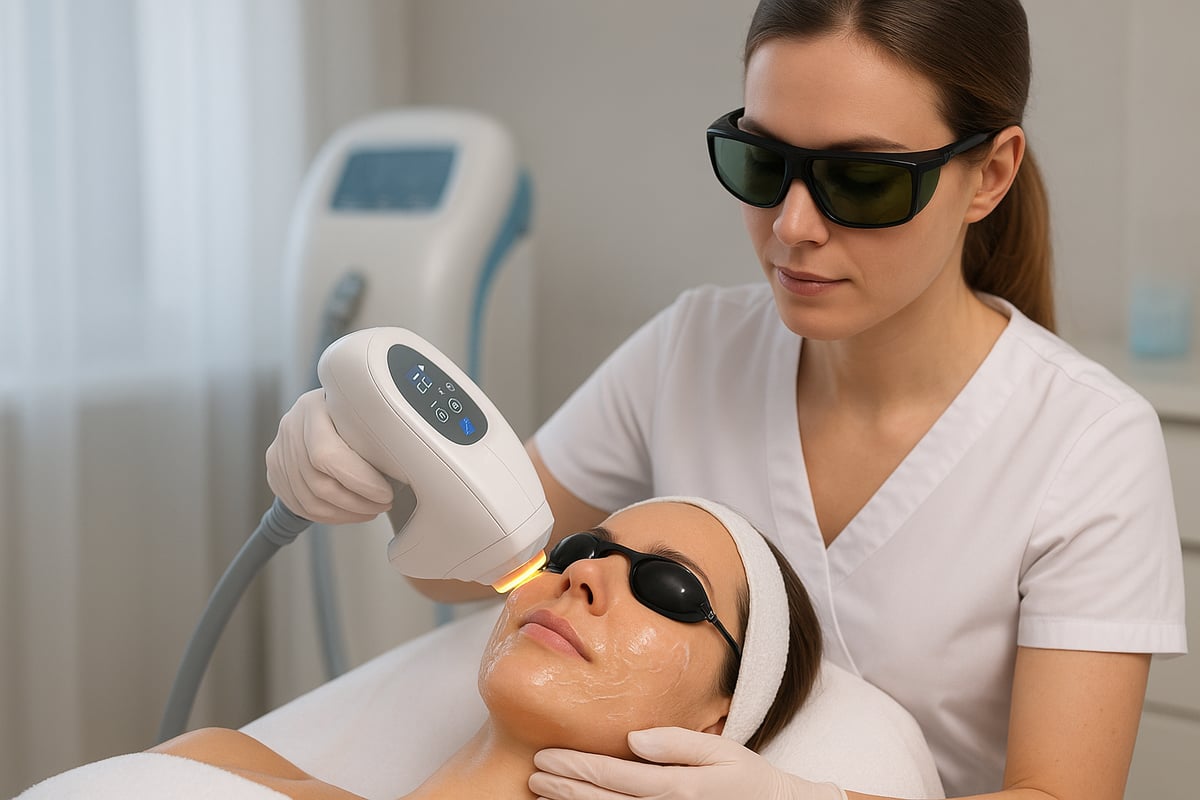
The mechanism is based on selective photothermolysis. The light pulses are absorbed by melanin in pigmentation, hemoglobin in blood vessels, or hair follicles, converting light to heat and breaking down the target. A cooling gel is applied before treatment, and the IPL handpiece delivers rapid pulses across the skin. Most sessions are quick and comfortable.
Here's a simplified comparison:
| Feature | IPL | Traditional Laser |
|---|---|---|
| Light Type | Broad-spectrum | Single wavelength |
| Target Versatility | Multiple concerns | Usually one concern |
| Skin Types Treated | Several, with right device | Often limited |
| Downtime | Minimal | Varies by laser |
In 2026, regulatory standards are rigorous. Devices must meet updated FDA and Health Canada requirements for safety and efficacy. For example, clinical studies such as this randomized trial on IPL in skin rejuvenation highlight measurable improvements in skin texture and appearance after treatment. When comparing IPL to lasers for issues like rosacea or sun damage, IPL often offers broader versatility with less downtime.
Types of IPL Devices and Technologies in 2026
The landscape of intense pulsed light therapy devices has evolved rapidly by 2026. Leading brands now integrate advanced features to enhance results and safety. Devices often include:
- Intelligent cooling systems for skin comfort
- Smart sensors that adjust energy levels for each skin type
- Enhanced filters to precisely target specific concerns
Many devices are now cleared for use across a wider range of skin tones, thanks to improved wavelength selection and energy modulation. Artificial intelligence is increasingly used to analyze skin characteristics and personalize treatment parameters in real time.
Some IPL systems offer specialized attachments or filters for issues like acne, vascular lesions, or pigmented spots. For example, devices with customizable filters allow practitioners to switch between treating redness and pigmentation seamlessly. This adaptability ensures that intense pulsed light therapy can be tailored for nearly any skin concern with the right technology.
Who Is a Good Candidate for IPL?
Intense pulsed light therapy is suitable for a range of individuals. The Fitzpatrick skin type scale is a key consideration, as IPL is most effective and safest for light to medium skin tones (Types I-III). However, with new-generation devices, treatment is expanding to include darker skin types when performed by trained professionals.
Ideal candidates include those seeking solutions for:
- Pigmentation (sun spots, freckles)
- Vascular lesions (broken capillaries, redness)
- Unwanted hair
- Mild to moderate acne
Contraindications to intense pulsed light therapy include recent tanning, use of photosensitizing medications, active skin infections, or certain autoimmune conditions. Age is not a major barrier, and both teens and adults can benefit, provided candidacy is confirmed by a professional.
For example, a teen with acne-prone skin and an adult with sun damage could both experience improvement, though treatment settings would be customized. Inclusivity is a major focus in 2026, with protocols adjusted for all genders and backgrounds to ensure safe and effective care.
Benefits of Intense Pulsed Light Therapy
Intense pulsed light therapy is a versatile solution in modern skin care, offering a range of benefits supported by clinical research and advancements in technology. With its ability to address multiple skin concerns in a non-invasive manner, it has become a sought-after choice for both men and women.
Skin Rejuvenation and Anti-Aging
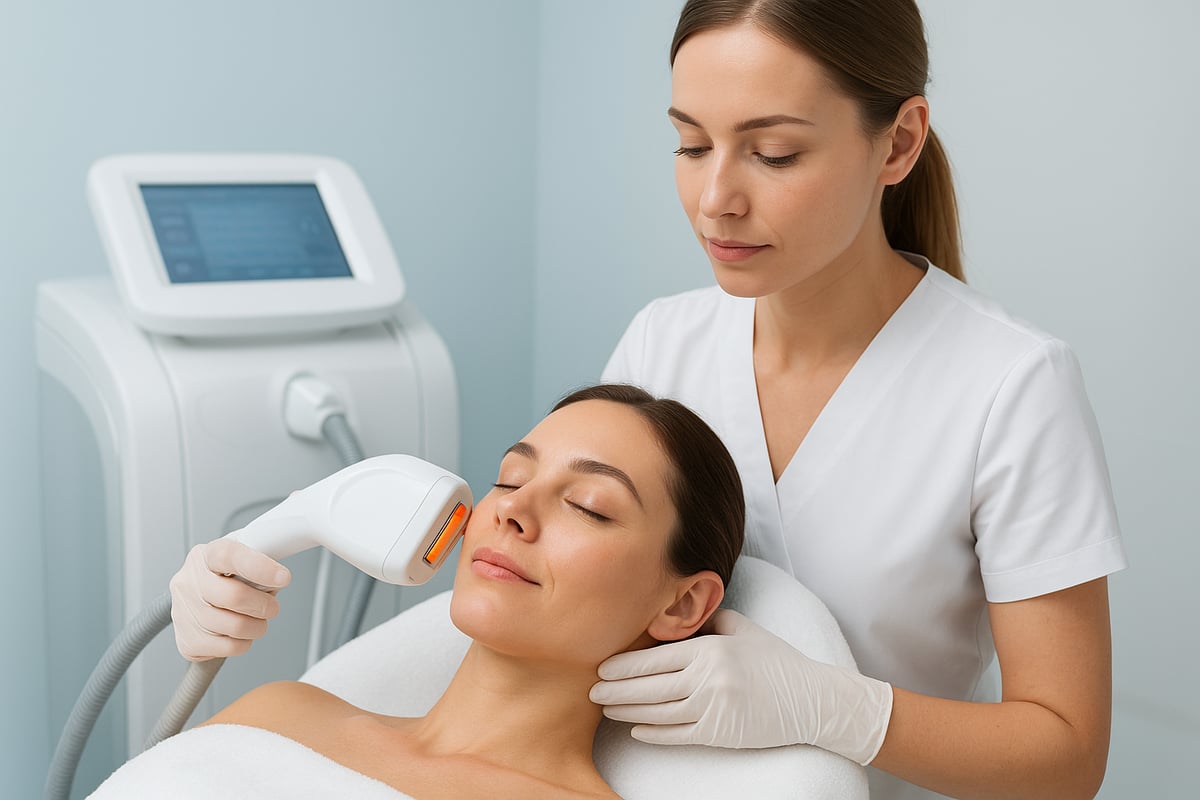
One of the main attractions of intense pulsed light therapy is its remarkable skin rejuvenation effect. By delivering controlled pulses of broad-spectrum light, IPL stimulates collagen and elastin production deep within the skin. This process helps firm and smooth the skin, leading to visible reductions in fine lines, wrinkles, and even enlarged pores.
Clinical studies report that patients can experience up to 25–30% reduction in wrinkle depth after a series of IPL treatments. The improvement in skin tone and texture is often noticeable after just a few sessions, with real-world before and after cases showing brighter, younger-looking skin. Many patients appreciate the gradual, natural-looking results that intense pulsed light therapy provides without the need for surgery or extended downtime.
Treating Pigmentation and Sun Damage
Intense pulsed light therapy excels at targeting pigmentation issues such as age spots, sun spots, freckles, and melasma. The technology works through selective photothermolysis, where light energy is absorbed by excess melanin, breaking up unwanted pigment. Over time, these dark spots fade, revealing a more even complexion.
This approach makes IPL especially effective for post-summer hyperpigmentation or sun-induced discoloration. For a deeper look at how IPL and lasers address pigmentation concerns, see the detailed guide on Laser for Hyperpigmentation. With precise targeting and minimal discomfort, IPL remains a preferred solution for pigmentation correction.
Redness, Rosacea, and Vascular Lesions
Another significant benefit of intense pulsed light therapy is its ability to reduce facial redness, visible veins, and vascular lesions. IPL targets hemoglobin in blood vessels, causing them to collapse and gradually fade from view.
Compared to traditional vascular lasers, IPL offers broader coverage and can address multiple concerns in one session. Patients with rosacea often report a noticeable reduction in redness and flushing, with clearer, calmer skin after their treatment series. Before and after photos frequently highlight the dramatic improvement in persistent facial redness.
Unwanted Hair Removal
Intense pulsed light therapy is also widely used for long-term hair reduction on both the face and body. The broad-spectrum light targets pigment in hair follicles, leading to a gradual decrease in hair growth with each session.
While similar to laser hair removal, IPL is particularly effective for larger areas and lighter skin types with darker hair. Commonly treated zones include the upper lip, chin, legs, and underarms. On average, patients experience significant hair reduction after 4–6 sessions, enjoying smoother skin with fewer ingrown hairs and less irritation.
Additional Benefits and Multi-Functional Uses
Beyond its primary uses, intense pulsed light therapy can improve active acne, fade acne scars, and minimize large pores. Many patients notice enhanced skin radiance and even tone with little to no downtime compared to ablative lasers. This multi-functional approach makes IPL a valuable addition to any comprehensive skin care regimen.
Common Uses and Treatment Areas for IPL in 2026
Intense pulsed light therapy is more versatile than ever in 2026. Patients and clinicians alike are leveraging its adaptability to address a wide range of skin concerns across the face and body. As devices evolve, so do the possibilities for targeted, effective treatments.
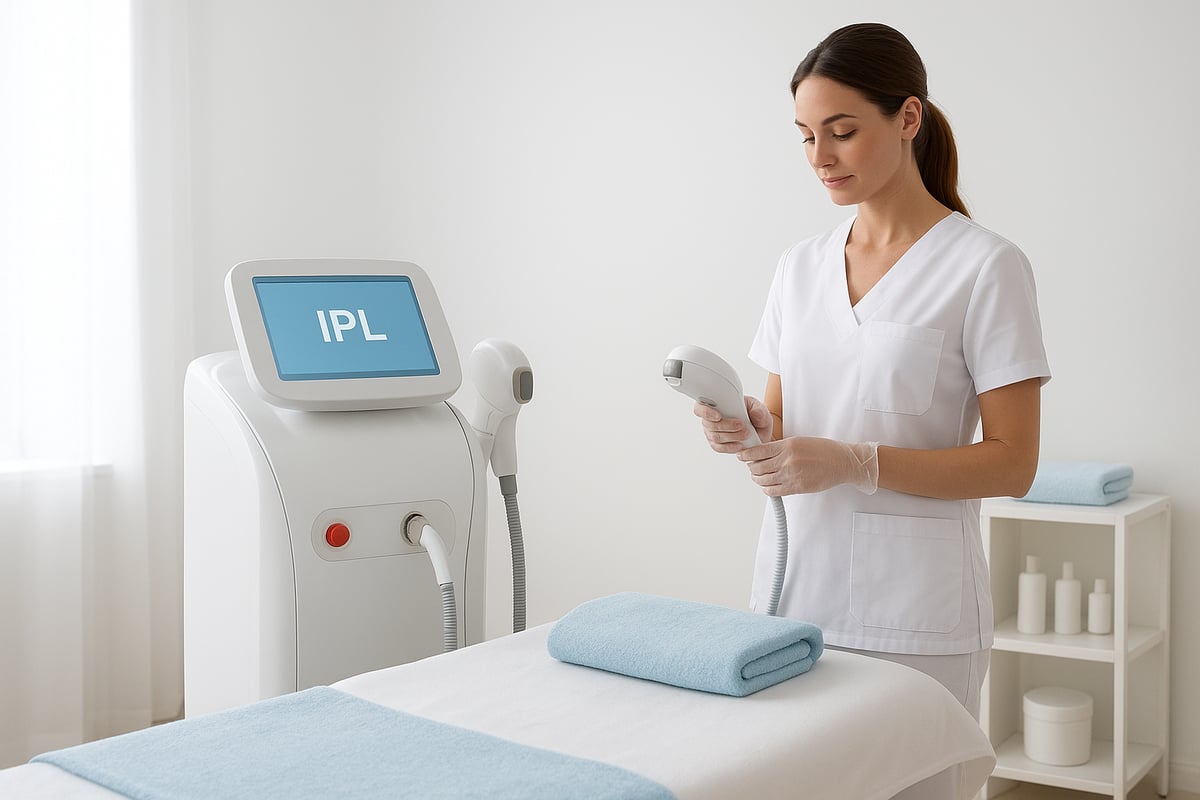
Facial Treatments: Full Face, Cheeks, and Forehead
The face remains the most popular area for intense pulsed light therapy. IPL addresses stubborn pigmentation, persistent redness, uneven tone, and fine lines with precision. Full-face treatments can rejuvenate skin, blending discoloration and shrinking pores for a smoother, more radiant appearance.
Cheeks and forehead often show early signs of sun damage or rosacea. Modern IPL devices, such as those used in Lumecca IPL Photofacial Toronto, offer tailored protocols to treat multiple concerns at once. Combination skin types benefit from customizable settings, ensuring both sensitive and resilient areas receive optimal care.
Neck, Décolletage, and Hands
Beyond the face, intense pulsed light therapy is frequently used to rejuvenate the neck, décolletage, and hands. These areas are prone to sun exposure but often neglected in daily skin care routines. IPL targets sun spots, diffuse redness, and early signs of aging, helping restore a more even, youthful look.
For individuals experiencing "tech neck" pigmentation or crepey skin on the décolletage, IPL helps tighten and smooth texture. Brown spots and uneven tone on the hands can be significantly improved, boosting confidence in everyday interactions.
Body Treatments: Arms, Legs, Chest, and Back
Intense pulsed light therapy is not limited to small areas. Larger regions such as arms, legs, chest, and back benefit from IPL's ability to address sun-induced pigmentation, redness, and unwanted hair growth. Athletes and outdoor enthusiasts often develop sun spots or freckles on exposed skin; IPL treatments help restore uniformity and vibrancy.
Hair reduction on the legs and arms is another common application. Unlike lasers that target only specific hair colors, IPL can be effective for a broader range of hair and skin types, making it a preferred choice for many seeking body rejuvenation.
Specialized Uses: Acne, Scars, and Vascular Lesions
Specialized protocols for intense pulsed light therapy allow clinicians to tackle more complex concerns. Active acne, post-acne marks, spider veins, and small vascular lesions can all be addressed with the right settings and filters.
IPL reduces inflammation in acne-prone skin, fades post-inflammatory hyperpigmentation, and visibly diminishes red or purple scars. For spider veins and other vascular lesions, IPL targets hemoglobin, causing vessels to fade over time. This versatility makes it a valuable adjunct to other dermatological therapies.
Limitations and Areas to Avoid
While intense pulsed light therapy is highly adaptable, certain areas and conditions should be avoided. IPL is not recommended for tattooed skin, mucous membranes, or near the eyes due to safety risks. Treating darker skin tones requires advanced devices and experienced providers to minimize the risk of burns or pigment changes.
A careful assessment ensures IPL is used only where safe and effective. For example, the delicate periocular area is typically excluded from treatment plans, and recent sun exposure or active infections are strict contraindications.
What to Expect: The IPL Treatment Journey
Embarking on the journey of intense pulsed light therapy is both exciting and empowering. Understanding what to expect, from your first consultation to post-treatment care, helps you feel confident and prepared. Here’s a step-by-step guide to walk you through each stage of the process.
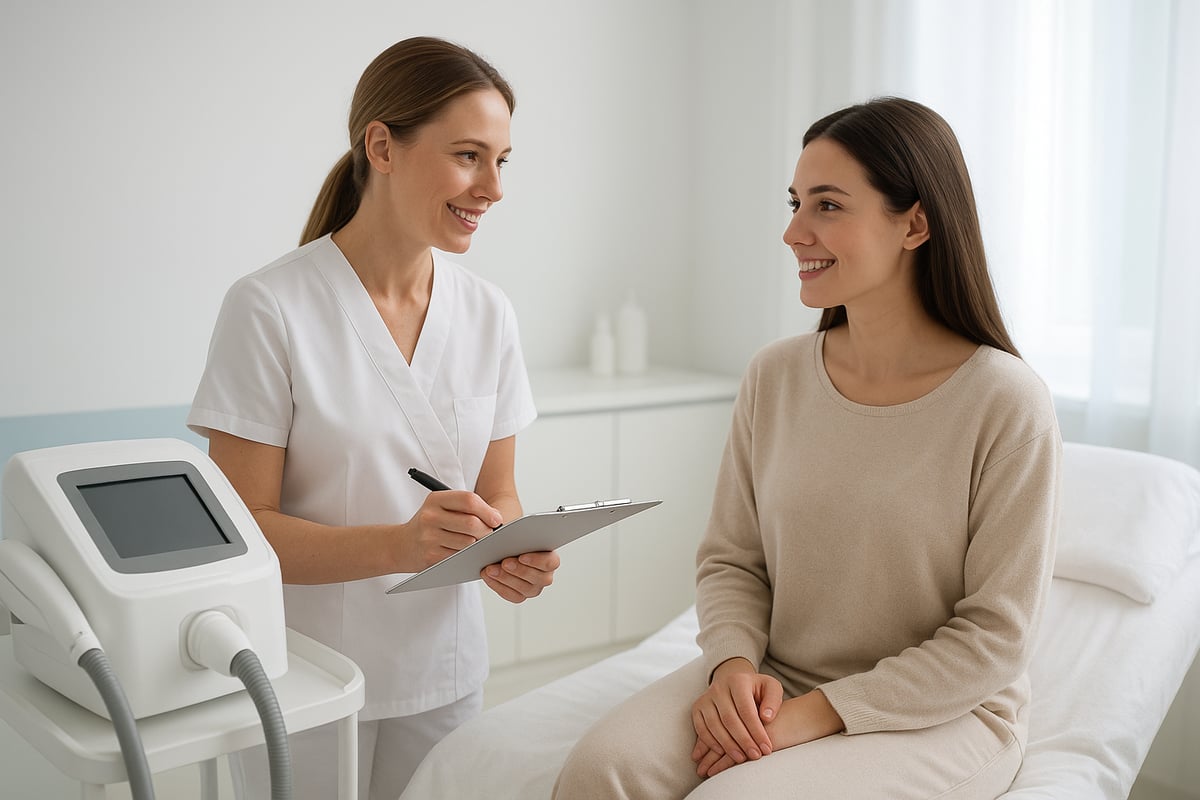
Consultation and Candidacy Assessment
Your intense pulsed light therapy journey begins with a professional consultation. During this session, a licensed provider will assess your skin type, tone, and medical history to determine if IPL is right for you. They will use tools to analyze pigmentation, redness, and texture, considering where IPL can deliver the best results.
Your provider will discuss your goals, whether you are targeting pigmentation, redness, or unwanted hair. They’ll also explain the science behind intense pulsed light therapy, including how it addresses different skin concerns. If you are interested in IPL for rosacea, reviewing recent research like the IPL Therapy for Rosacea: Systematic Review can provide further reassurance of its safety and efficacy.
This is the ideal time to ask questions and set realistic expectations. Your provider will customize a treatment plan, considering your specific skin needs and desired outcomes.
Preparing for Your IPL Session
Proper preparation is essential for optimal intense pulsed light therapy results. Your provider will give you a tailored pre-treatment checklist, which often includes:
- Avoiding sun exposure and tanning beds for at least two weeks before your session
- Discontinuing retinoids, exfoliants, and certain skin products a few days prior
- Shaving the treatment area if targeting hair removal, but avoiding waxing or plucking
- Stopping certain medications or supplements that increase photosensitivity
During this stage, you’ll also be reminded to arrive with clean, makeup-free skin. Preparation helps minimize risks and ensures your skin is ready to absorb the benefits of intense pulsed light therapy.
The IPL Procedure: Step-by-Step
On the day of your intense pulsed light therapy session, your provider will start by cleansing and prepping your skin. A cooling gel or numbing cream may be applied to enhance comfort. Protective eyewear is always provided for safety.
The practitioner will use a handheld IPL device to deliver precise pulses of broad-spectrum light to targeted areas. You may feel a mild snapping or warming sensation, similar to a rubber band flick. The session length varies based on the area treated, with a typical full-face session lasting 20–30 minutes.
Here is a typical procedure timeline:
- Cleanse and assess the skin
- Apply gel and protective eyewear
- Administer light pulses in methodical passes
- Remove gel and apply soothing products
You’ll be guided through each step, ensuring your comfort and understanding throughout the intense pulsed light therapy process.
Post-Treatment Care and Recovery
After your intense pulsed light therapy session, it is normal to experience mild redness or swelling, similar to a light sunburn. These effects usually resolve within a few hours to a day. Your provider will recommend gentle moisturizers and strict sun protection to support recovery.
Follow these aftercare tips:
- Apply cool compresses if needed for comfort
- Use fragrance-free, gentle skincare products
- Avoid hot showers, saunas, and strenuous exercise for 24-48 hours
- Refrain from picking or scratching treated areas
Results typically begin to appear within a week, with dark spots flaking off and redness subsiding. Healing times vary by skin type and treatment area, but most people return to daily activities immediately after intense pulsed light therapy.
Number of Sessions and Maintenance Plans
Achieving optimal results with intense pulsed light therapy generally requires a series of treatments. Most plans involve three to six sessions, spaced three to four weeks apart. The exact number depends on your skin type, condition, and treatment goals.
Maintenance sessions are recommended every six to twelve months to sustain your results. Your provider will adjust your plan as needed, ensuring continued improvement and satisfaction. Hair removal, pigmentation correction, and redness reduction may each require different session counts, so a personalized approach is essential.
By following your provider’s recommendations and adhering to your maintenance plan, you can enjoy the lasting benefits of intense pulsed light therapy well into the future.
Safety, Risks, and Side Effects of IPL Therapy
Intense pulsed light therapy is widely recognized for its versatility and effectiveness, but understanding its safety profile is essential before booking a session. Like any cosmetic procedure, IPL carries certain risks, but with proper protocols, most side effects are mild and temporary. This section explores what you need to know about IPL safety, common and rare risks, and how to ensure your treatment experience is both safe and satisfying.
Potential Risks and How to Minimize Them
Although intense pulsed light therapy is generally considered safe, some side effects may occur. The most common include temporary redness, mild swelling, and a sensation similar to a mild sunburn. In rare cases, blistering, scarring, or changes in skin pigmentation can occur, especially if protocols are not followed.
To minimize risks, always choose a licensed and experienced practitioner who uses FDA-approved IPL devices. A patch test before your first session can help identify sensitivity or unexpected reactions. Following all pre- and post-care instructions also significantly reduces the chance of complications. These precautions are particularly important for those with sensitive skin or a history of adverse reactions to light-based treatments.
IPL for Different Skin Types and Tones
Advancements in intense pulsed light therapy have made it safer for a wider range of skin tones. Historically, IPL was best suited for lighter skin types, but modern devices now feature adjustable settings and smart filters for darker complexions. Despite these improvements, individuals with higher melanin levels (Fitzpatrick IV-VI) still face a slightly increased risk of hyperpigmentation or burns.
Selecting a clinic with expertise in treating diverse skin types is crucial. Practitioners should use devices specifically designed for safety on melanin-rich skin. For those interested in hair removal, Laser Hair Removal for Dark Skin provides further details on safe options and the importance of customized protocols for darker skin tones. Transparent communication about your skin’s history will help tailor the safest treatment plan.
Comparing IPL to Other Light and Laser Treatments
Intense pulsed light therapy differs from other light-based treatments in both application and safety profile. IPL emits a broad spectrum of light, making it versatile for multiple skin concerns, whereas lasers like Nd:YAG or diode target a single wavelength for more specific uses. Each technology has unique risks and benefits.
IPL often has less downtime than fractional lasers, but may require more sessions for optimal results. For concerns like rosacea, both laser and IPL can be effective. The Laser Treatment for Rosacea resource offers insights into choosing the right approach based on your skin type, sensitivity, and desired outcome. Comparing costs, recovery times, and potential side effects with your provider will help you make an informed choice.
Regulatory Standards and Practitioner Qualifications
Ensuring the safety of intense pulsed light therapy starts with the qualifications of your provider and the clinic’s adherence to regulatory standards. In Canada and the US, IPL practitioners should hold relevant certifications and operate within licensed facilities. Proper hygiene, device maintenance, and up-to-date safety protocols are non-negotiable.
Before booking, ask about your provider’s training, device brand, and experience with your specific skin type. Recognized certifications, such as those from the Canadian Aesthetic Academy or American Board of Laser Surgery, indicate a commitment to high standards. Choosing a reputable clinic with transparent safety policies is the best safeguard for a positive IPL experience.
The Future of IPL Therapy: Trends and Innovations for 2026
The landscape of intense pulsed light therapy is evolving rapidly as we approach 2026. New technologies, broader clinical applications, and increased accessibility are reshaping patient experiences and outcomes. Staying informed about these trends is essential for anyone considering intense pulsed light therapy or seeking the most advanced solutions for skin care.
Technological Breakthroughs in IPL Devices
Intense pulsed light therapy devices are becoming smarter and safer than ever before. In 2026, AI-driven customization is at the forefront, allowing practitioners to analyze skin characteristics in real time and automatically adjust treatment parameters. Enhanced cooling systems have made sessions more comfortable, reducing discomfort and minimizing risks for all skin types.
Portable and home-use IPL devices are gaining popularity, though professional systems still provide superior efficacy and safety. Smart IPL devices now deliver real-time feedback during sessions, ensuring each pulse of light is both precise and effective. These innovations make intense pulsed light therapy more accessible and appealing for a broader audience.
Expanding Applications of IPL
The scope of intense pulsed light therapy continues to grow as research uncovers new clinical benefits. Beyond traditional uses for pigmentation, redness, and hair removal, IPL is now being explored for scar remodeling and inflammatory skin diseases. For example, a recent meta-analysis highlights the effectiveness of IPL therapy for early surgical scar treatment, supporting its role in post-surgical care.
Emerging studies also demonstrate IPL’s value in treating non-skin-related conditions. Notably, intense pulsed light therapy has shown promise for dry eye disease, expanding its relevance within ophthalmology. Combination therapies, such as pairing IPL with microneedling or chemical peels, are gaining traction for comprehensive skin rejuvenation.
Accessibility and Inclusivity in IPL
As intense pulsed light therapy technology advances, so does its accessibility. Devices in 2026 offer broader approvals for a wider range of skin tones and conditions, thanks to improved wavelength control and sophisticated safety protocols. Clinics and medspas are investing in practitioner training to ensure safe outcomes for all individuals, including those with melanin-rich skin.
Costs are decreasing as technology becomes more widespread, allowing more patients to benefit from IPL. Education and awareness campaigns help demystify the procedure and empower patients to make informed choices. Specialized clinics are emerging to address the unique needs of diverse populations, making intense pulsed light therapy a truly inclusive solution.
Consumer Trends and Patient Expectations
The demand for intense pulsed light therapy is surging, driven by patients’ desire for natural, radiant results with minimal downtime. “Lunchtime” IPL sessions, which fit conveniently into busy schedules, are increasingly popular. Personalized skin care plans that incorporate IPL with other modalities appeal to individuals seeking holistic improvements.
Social media plays a significant role in shaping patient expectations, with real-world before-and-after results driving interest and education. Consumers are prioritizing safety, customization, and comfort, expecting advanced technology as a standard feature in any intense pulsed light therapy experience.