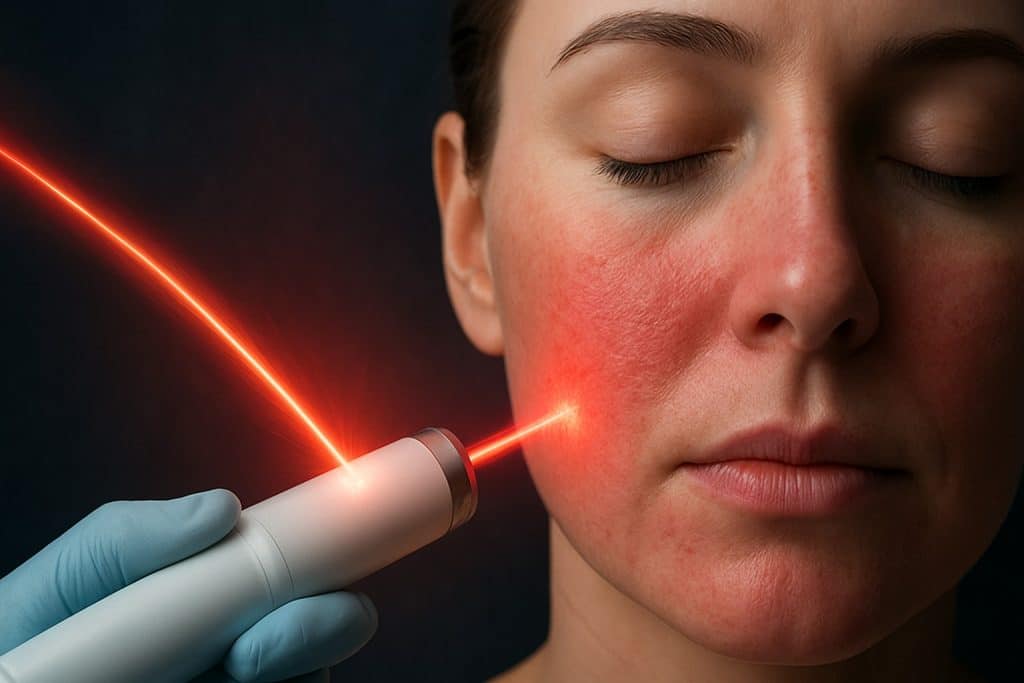
Discover the remarkable advancements in laser treatment for rosacea, offering new hope for those battling persistent redness and visible blood vessels. In 2026, technology and dermatological expertise combine to change how rosacea is managed.
This guide shares the latest, expert insights on how laser therapy is transforming care for rosacea. You will learn what rosacea is, how lasers work, the newest treatment options, what to expect during sessions, and how to weigh effectiveness and safety.
Ready to explore clearer, more confident skin? Let us guide you through everything you need to know to make informed choices about laser treatment for rosacea.
Understanding Rosacea: Causes, Symptoms, and Impact
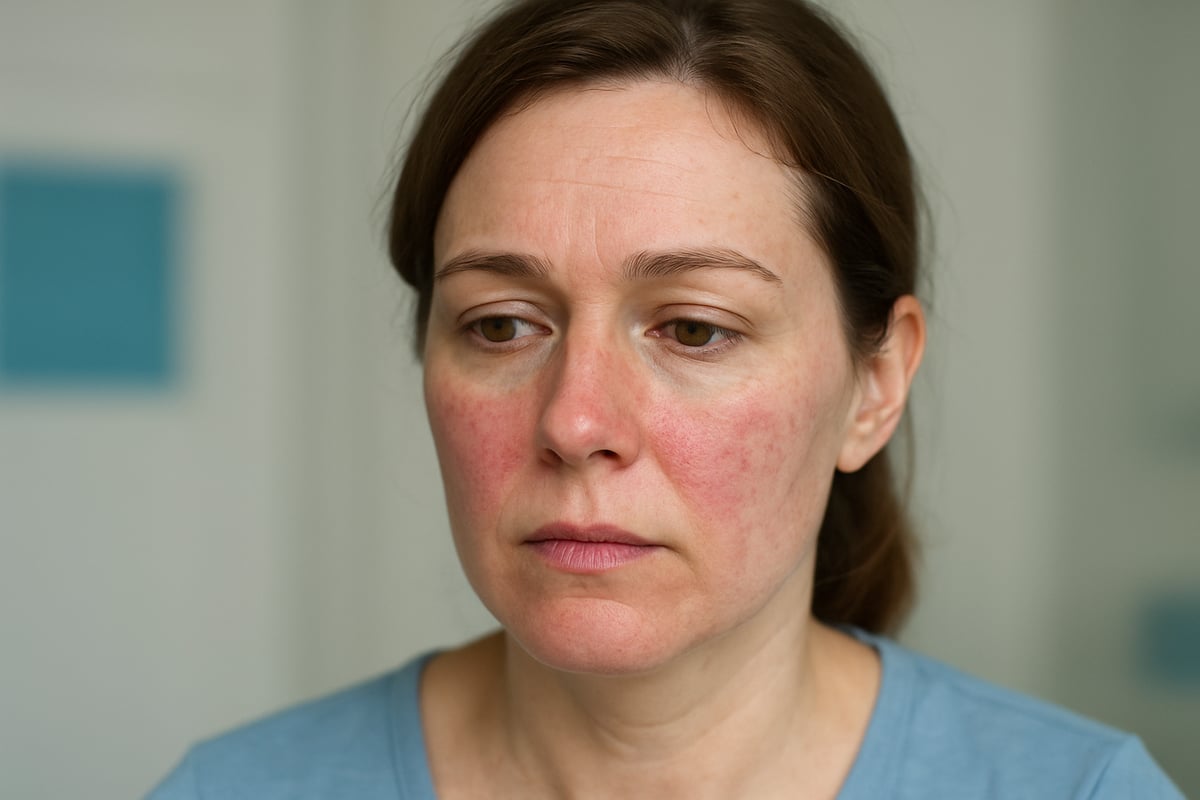
Rosacea is a chronic inflammatory skin disorder that affects millions worldwide. While it is often recognized by persistent redness on the central face, rosacea is a complex condition with several distinct forms. Understanding its subtypes, symptoms, and overall impact is crucial for anyone considering laser treatment for rosacea.
Defining Rosacea and Its Subtypes
Rosacea is broadly classified into four main subtypes, each with its own set of features:
- Erythematotelangiectatic rosacea: Characterized by persistent facial redness and visible blood vessels.
- Papulopustular rosacea: Includes acne-like bumps and pustules along with redness.
- Phymatous rosacea: Leads to thickened, bumpy skin, often on the nose.
- Ocular rosacea: Involves irritation, redness, and discomfort in the eyes.
These subtypes may overlap, and individuals can experience symptoms from more than one category. Recognizing the specific form is essential when evaluating options like laser treatment for rosacea.
Symptoms and Prevalence
Most commonly, rosacea appears as facial flushing, visible capillaries, and sometimes pimple-like eruptions. Symptoms may also include burning, stinging, and skin sensitivity. In some cases, the skin becomes rough or thickens, especially on the nose.
Rosacea is most prevalent among women, particularly those aged 30 to 50, and people with fair skin. A family history increases risk, suggesting a genetic component. Visible blood vessels are a hallmark sign, and many seek broken blood vessel laser treatment to address this challenging symptom.
Triggers and Impact on Quality of Life
Certain environmental and lifestyle factors can trigger or worsen rosacea flare-ups. Common triggers include:
- Sun exposure
- Emotional stress
- Spicy foods
- Alcohol consumption
- Temperature extremes
The impact of rosacea extends far beyond physical symptoms. Many experience emotional distress, lowered self-esteem, and even social withdrawal. The visible nature of the condition often makes people feel self-conscious, affecting their confidence in both personal and professional interactions.
Management Focus and Quality of Life
There is currently no cure for rosacea, so the primary goal is managing symptoms and reducing flare-ups. Treatments like laser treatment for rosacea have become central to care strategies, offering targeted relief for redness and visible vessels. However, ongoing maintenance and lifestyle adjustments remain important.
Research consistently shows that rosacea can significantly reduce quality of life. Studies indicate that individuals with the condition often report decreased confidence and less social engagement, highlighting the importance of comprehensive, expert-backed management.
How Laser Treatment for Rosacea Works
Laser treatment for rosacea has become a cornerstone in modern dermatology, offering targeted relief for those struggling with redness and visible blood vessels. By harnessing advanced laser technology, specialists can address the underlying vascular changes that drive rosacea’s most stubborn symptoms. But how exactly does this process work, and what should patients expect from their sessions?
Mechanisms of Laser Therapy
At its core, laser treatment for rosacea works by emitting precise wavelengths of light that selectively target hemoglobin within the blood vessels. These wavelengths are absorbed by the dilated vessels responsible for persistent facial redness and visible capillaries. As the laser energy is delivered, it heats and collapses these vessels, causing them to shrink and gradually fade from view.
Different types of lasers are used depending on the patient’s needs. Pulsed-dye lasers (PDL) are designed to focus on superficial blood vessels, making them ideal for reducing redness and flushing. Nd:YAG lasers penetrate deeper, addressing larger vessels and thickened tissue present in some rosacea subtypes. While both are considered true lasers, Intense Pulsed Light (IPL) devices use a broad spectrum of light to target both redness and pigmentation irregularities. The choice between these technologies depends on rosacea subtype, skin type, and treatment goals.
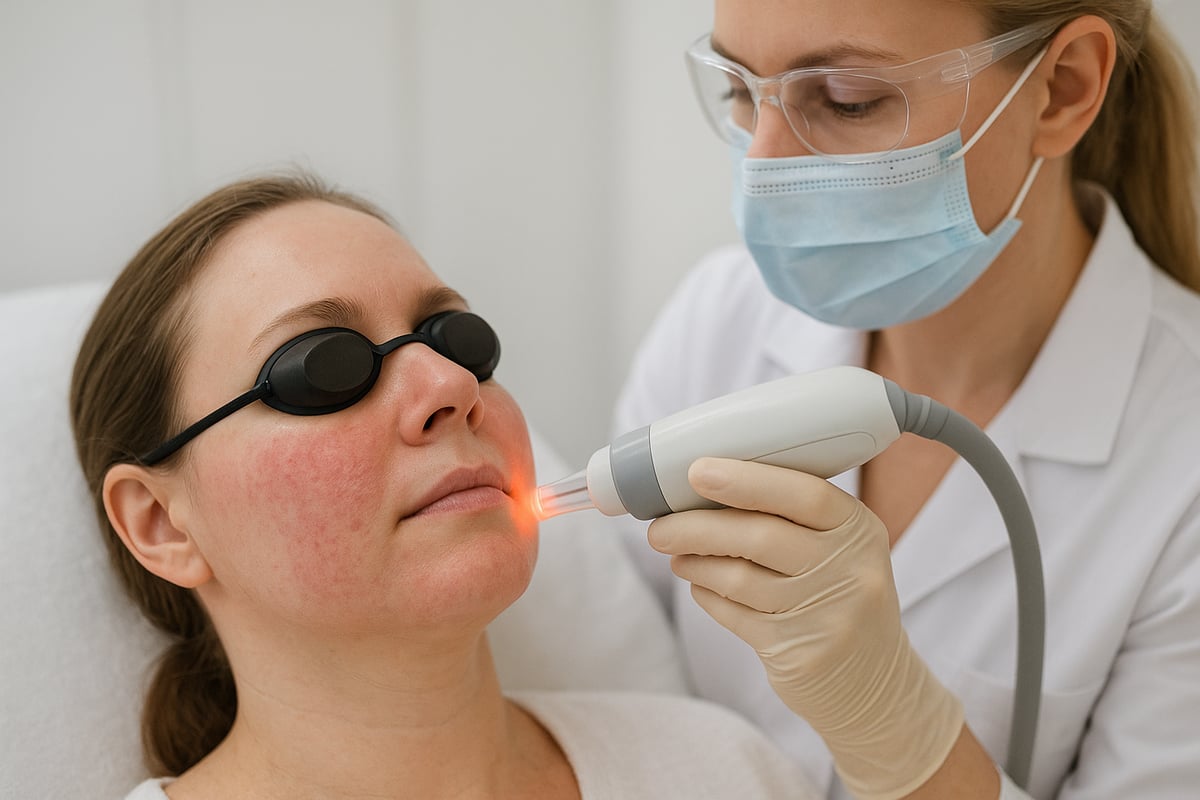
During a typical laser treatment for rosacea session, the skin is cleansed, and a cooling gel or numbing cream may be applied. The clinician then moves the laser handpiece across the affected areas, delivering short pulses of light. Patients usually report a mild snapping or warming sensation. Sessions last between 15 and 45 minutes, and most people tolerate the procedure well with minimal discomfort.
Beyond vessel reduction, certain lasers also stimulate collagen production. This not only improves skin texture but may help reduce fine lines and enlarged pores. Most importantly, modern laser systems are bloodless, minimally invasive, and allow for rapid recovery.
Clinical research supports these outcomes. According to a systematic review of laser and energy-based devices for rosacea, up to 75% of patients experience significant improvement in redness and vessel visibility after a series of 2 to 8 sessions. This evidence underscores why laser treatment for rosacea is considered a leading option for persistent symptoms.
Key Benefits and Limitations
The most immediate benefit of laser treatment for rosacea is a visible reduction in facial redness and prominent blood vessels. Many patients also notice smoother skin and a decrease in the frequency and severity of flare-ups. Because the treatment targets the underlying vascular changes, results are often noticeable within a few sessions.
However, laser therapy is not a cure for rosacea. While it can dramatically reduce symptoms, maintenance sessions may be needed to sustain results, especially if triggers are not well controlled. Some specific symptoms, such as thickened or bulbous skin seen in phymatous rosacea, require specialized lasers like CO2 or erbium devices for optimal improvement.
It is important to understand that not all skin changes respond equally to laser treatment for rosacea. For example, pulsed-dye lasers work best for redness and visible vessels, while CO2 lasers are more effective for reshaping thickened skin. Additionally, people with darker skin tones require careful assessment, as some lasers may increase the risk of pigment changes.
Despite these limitations, laser treatment for rosacea remains one of the most effective options for managing visible symptoms and improving quality of life. With expert guidance and a tailored approach, patients can achieve clearer, healthier-looking skin.
Types of Laser and Light Treatments for Rosacea
Modern advancements in laser treatment for rosacea have transformed the way dermatologists address persistent redness, visible vessels, and skin thickening. Understanding the differences between available technologies is key to selecting the right approach for your unique skin concerns.
Pulsed-Dye Laser (PDL/VBeam)
Pulsed-Dye Laser, often known as PDL or VBeam, is a cornerstone in laser treatment for rosacea. This device emits a concentrated beam of yellow light that precisely targets the red blood cells within visible blood vessels.
The energy from the laser causes these vessels to collapse, reducing redness and eliminating telangiectasia without harming the surrounding skin. PDL is particularly effective for persistent facial redness and fine blood vessels.
Patients often report high satisfaction, with clinical studies showing average improvement scores of 4.4 out of 5. Sessions are typically quick and require minimal downtime, making this option attractive for those seeking reliable results.
Nd:YAG Laser
The Nd:YAG laser provides another powerful tool in the realm of laser treatment for rosacea, especially for individuals with deeper or larger blood vessels. Its longer wavelength allows it to penetrate further into the skin, effectively treating phymatous rosacea and enlarged pores.
This laser is often chosen when thickened tissue or more pronounced vascular symptoms are present. Studies indicate that up to 50 percent improvement in symptoms can be achieved, especially when used in combination with other therapies.
Nd:YAG is also suitable for some darker skin tones, though expert assessment is crucial to minimize risks. Sessions are well-tolerated, but the number required may vary based on the severity of symptoms.
CO2 and Erbium Lasers
CO2 and Erbium lasers are classified as ablative devices, offering a solution for severe cases of rosacea involving thickened or bulbous skin, particularly on the nose. These lasers work by removing damaged outer skin layers and stimulating new tissue growth.
For patients with phymatous changes, CO2 laser resurfacing can reshape the nose and improve texture. Treatments are more intensive, often requiring downtime for skin recovery and diligent aftercare for optimal results.
If you want to learn more about this procedure, see CO2 laser resurfacing for skin for a detailed overview of this advanced option in laser treatment for rosacea.
Intense Pulsed Light (IPL) Therapy
Intense Pulsed Light, or IPL, is not technically a laser, but it is a vital part of the laser treatment for rosacea landscape. IPL devices emit multiple wavelengths of light that target redness, flushing, and pigmentation irregularities. This makes IPL especially effective for diffuse redness and uneven skin tone.
The Lumecca IPL photofacial Toronto is a leading example, combining advanced technology with customizable settings for different skin types and rosacea subtypes. Over half of patients see noticeable improvement after several sessions.
IPL treatments are generally gentle, have minimal downtime, and can be tailored for sensitive or lighter skin tones.
Comparing Treatment Modalities
Choosing the best laser treatment for rosacea depends on your subtype, skin tone, and individual goals. Here’s a quick comparison:
| Treatment Type | Best for | Downtime | Pain Level | Sessions Needed | Skin Tone Suitability |
|---|---|---|---|---|---|
| PDL/VBeam | Redness, vessels | Low | Mild | 2–6 | Fair–Medium |
| Nd:YAG | Thick tissue, vessels | Low | Mild | 2–8 | Fair–Darker |
| CO2/Erbium | Severe thickening | Moderate | Moderate | 1–3 | Fair–Medium |
| IPL | Diffuse redness | Very Low | Mild | 2–8 | Fair–Light |
Not all devices are suitable for every skin tone. An expert provider will assess your needs to recommend the safest and most effective option.
Laser Rosacea Treatments at New Skin Laser Clinic Toronto
At New Skin Laser Clinic Toronto, patients benefit from a comprehensive approach to laser treatment for rosacea. The clinic offers a range of advanced technologies, including Candela GentleMax Pro, Lumecca IPL, and CO2 laser resurfacing, to address every rosacea subtype and skin type.
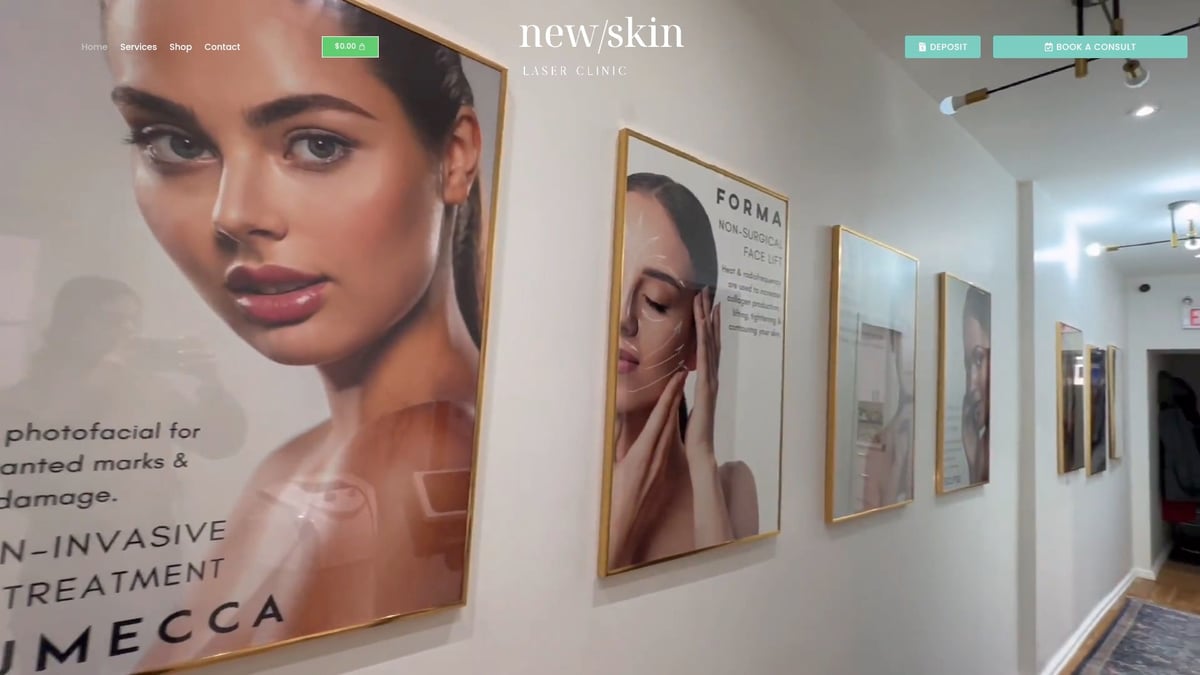
Personalized consultations ensure that the most appropriate device and settings are selected for your unique concerns. The clinic prioritizes safety, offering treatments for all skin tones and employing experienced estheticians. Flexible packages and payment plans help make multi-session treatments accessible for all clients.
Step-by-Step Guide: What to Expect During Laser Rosacea Treatment
Embarking on laser treatment for rosacea can feel overwhelming, but understanding each stage makes the process more manageable. This step-by-step guide outlines what you can expect, from your first consultation through recovery and ongoing care.
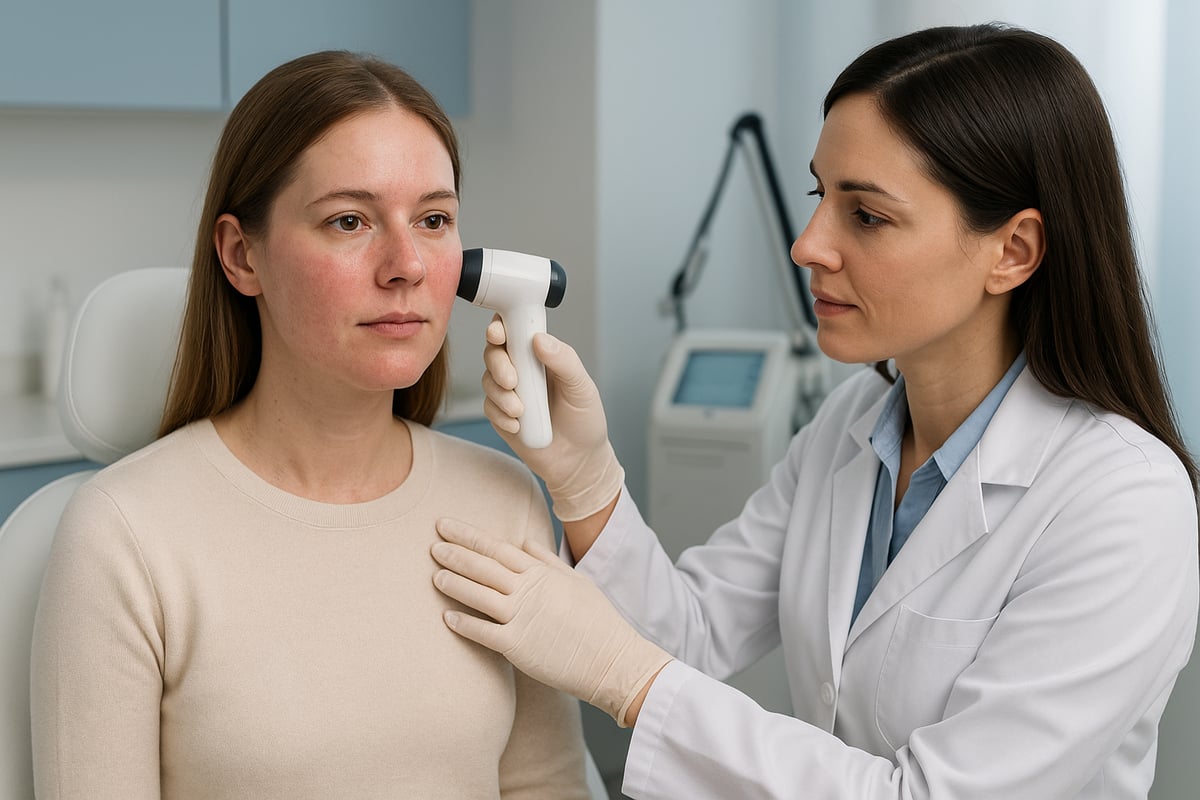
Step 1: Consultation and Assessment
Your journey with laser treatment for rosacea begins with a thorough consultation. A qualified dermatologist or medical esthetician will evaluate your skin, identify your rosacea subtype, and discuss your medical history.
They will ask about triggers, previous treatments, and your goals. Patch testing is often performed to ensure your skin responds safely to the selected laser. This initial step is crucial to customizing your laser treatment for rosacea and minimizing risks.
- Comprehensive skin evaluation
- Medical history review
- Patch test for laser suitability
Step 2: Preparing for Treatment
Preparation is key for a successful laser treatment for rosacea. Your provider will give you detailed instructions to follow before your appointment.
You may be advised to avoid sun exposure, discontinue certain medications, and use gentle skincare products. On the day of treatment, a numbing cream or cooling device may be applied to maximize comfort.
- Avoid sun and tanning beds
- Adjust skincare routines
- Apply numbing cream if recommended
Proper preparation helps ensure the best possible outcome from your laser treatment for rosacea.
Step 3: The Laser Procedure
During the laser treatment for rosacea session, you will wear protective eyewear while the provider uses a specialized device on the affected areas. You may feel mild warmth or a snapping sensation as the laser targets blood vessels beneath the skin.
The process typically lasts 15 to 45 minutes depending on the size of the area treated. Advanced devices like pulsed dye lasers are commonly used and have proven effective for reducing redness and visible vessels, as seen in studies such as Pulsed Dye Laser Treatment Improves Rosacea Symptoms.
- Protective eyewear provided
- Sensation: mild warmth or snap
- Session duration: 15–45 minutes
Step 4: Immediate Aftercare and Recovery
After your laser treatment for rosacea, mild redness, swelling, or bruising are common and usually resolve within two weeks. Your provider will recommend gentle cleansing, moisturizing, and strict sun protection during recovery.
Avoid hot showers, harsh products, and strenuous activity for a few days. Adhering to aftercare instructions is essential for optimal healing and results.
- Gentle skincare routine
- Use broad-spectrum sunscreen
- Avoid heat and harsh products
Step 5: Follow-Up and Maintenance
Most patients require a series of laser treatment for rosacea sessions, spaced about four weeks apart. Your provider will monitor your progress and adjust the plan as needed.
Visible improvement is often seen after just two or three sessions, but maintenance treatments may be recommended to sustain results. Regular follow-up helps ensure your skin stays clear and healthy.
- Multiple sessions spaced 4 weeks apart
- Progress assessments at each visit
- Maintenance treatments for lasting effects
Effectiveness, Results, and Longevity of Laser Treatments
Laser treatment for rosacea has demonstrated significant improvements in both clinical outcomes and patient satisfaction, offering new hope for managing persistent redness and visible blood vessels. The effectiveness of this therapy is supported by research and real-world experiences, making it a preferred option for many seeking lasting results.
Clinical Outcomes and Patient Satisfaction
Studies consistently show that laser treatment for rosacea can reduce facial redness and visible blood vessels by over 50 percent in most patients. Technologies like pulsed-dye laser and IPL have become go-to choices for achieving clearer, more even-toned skin.
Clinical trials reveal that up to 75 percent of patients experience significant improvement after a series of sessions. Notably, results are not limited to redness reduction—collagen stimulation from these treatments can also smooth fine lines and improve overall skin texture. According to Laser Treatment of Rosacea: A Pathoetiological Study, patients report high satisfaction with both the cosmetic and emotional impact of these therapies.
Longevity and Maintenance
The results of laser treatment for rosacea can last anywhere from several months to a few years, depending on individual circumstances. For many, maintenance sessions are recommended to sustain improvements, especially when rosacea is triggered by environmental or lifestyle factors.
Factors influencing longevity include:
- Severity and subtype of rosacea
- Frequency of sun exposure
- Commitment to ongoing skincare
- Adherence to post-treatment advice
Most patients schedule touch-ups every 6 to 12 months to keep symptoms under control. This approach helps ensure that the benefits of laser treatment for rosacea remain visible and consistent over time.
Realistic Expectations
While laser treatment for rosacea offers substantial symptom relief, it is important to understand that this therapy is not a cure. Instead, it is most effective as part of a comprehensive management plan that may include topical or oral medications.
Patients should expect a gradual reduction in redness and visible vessels, rather than instant results. Individual responses vary, and some may require more sessions than others. By working closely with a qualified provider, you can establish realistic goals for your laser treatment for rosacea and optimize your outcome.
Before-and-After Examples
Visible results are a major reason why laser treatment for rosacea is so popular. Patients often report smoother skin, fewer flare-ups, and enhanced confidence.
| Improvement Area | Average Score (1–5) | % of Patients Improved |
|---|---|---|
| Redness Reduction | 4.3 | 75% |
| Vessel Visibility | 4.4 | 70% |
| Skin Texture | 4.2 | 65% |
Testimonials highlight a rapid decrease in facial redness after 2–3 sessions, with many describing a renewed sense of self-assurance. Consistent satisfaction scores above 4 out of 5 in clinical trials further confirm the value of laser treatment for rosacea as an effective, patient-approved option.
Risks, Side Effects, and Safety Considerations
Laser treatment for rosacea has transformed how persistent redness and visible blood vessels are managed, but understanding the risks and safety considerations is essential for the best experience. While most patients tolerate this therapy well, knowing what to expect and how to prepare can help you achieve optimal results.
Common Side Effects and How to Manage Them
Most people experience mild, temporary side effects after laser treatment for rosacea. These can include redness, swelling, and slight bruising at the treated site. Some patients notice itchiness or a mild rash, but these symptoms usually resolve within two weeks.
To minimize discomfort, dermatologists recommend gentle cleansing, fragrance free moisturizers, and diligent sun protection. Ice packs or cool compresses can help reduce swelling. Rarely, more severe effects like blistering, hyperpigmentation, or scarring may occur, especially in those with darker skin tones. Prompt aftercare and following all instructions are crucial for safe recovery.
Who Should Avoid Laser Treatment?
Laser treatment for rosacea is not suitable for everyone. Individuals taking medications like aspirin or warfarin, or those with bleeding disorders, may be at higher risk for complications. People with a history of light sensitivity, active skin infections, or very dark skin types should approach this therapy with caution.
A thorough review of your medical history is necessary before starting treatment. Your dermatologist will assess for any contraindications and may suggest alternative options if you are not a good candidate. Always disclose all medications and health conditions to your provider.
Safety Protocols and Best Practices
Clinics follow strict safety protocols to ensure laser treatment for rosacea is both effective and safe. All reputable providers use FDA approved devices, conduct patch testing, and require protective eyewear for both patient and staff during sessions.
Modern technologies, such as Candela GentleMax Pro technology, offer advanced cooling systems and precision targeting, reducing the risk of burns or unwanted pigment changes. Practitioners with specialized training in rosacea and diverse skin types can further enhance safety outcomes. Regular equipment maintenance and clear communication with patients are essential parts of the process.
Minimizing Risks
Choosing an experienced provider is the most important step in minimizing risks with laser treatment for rosacea. Look for clinics with a track record of treating your skin type and rosacea subtype. Ask about their protocols for patch testing and aftercare support.
Strictly follow all pre and post treatment instructions, including sun avoidance and gentle skincare routines. Attend all scheduled follow up visits so your provider can monitor healing and adjust the plan as needed. These steps help ensure the safest and most effective results possible for your rosacea care.
Cost, Accessibility, and Choosing the Right Provider
Navigating the world of laser treatment for rosacea can feel overwhelming, especially when it comes to cost and finding the right clinic. Understanding the financial and practical aspects is crucial for making confident decisions about your care.
Cost Breakdown and Factors Affecting Price
The price of laser treatment for rosacea varies based on technology, clinic location, and the provider’s expertise. On average, a single session in 2026 ranges from $300 to $600. Most patients require between two and eight sessions for optimal results. Insurance rarely covers these treatments since they are often considered cosmetic.
| Treatment Type | Avg. Cost/Session | Sessions Needed | Total Range |
|---|---|---|---|
| Pulsed-Dye Laser (PDL) | $350 | 2–6 | $700–$2100 |
| IPL | $300 | 3–8 | $900–$4800 |
| CO2 Laser | $600 | 1–3 | $600–$1800 |
Other factors influencing cost include the severity of your rosacea, the type of laser used, and the experience level of your provider. When considering laser treatment for rosacea, always ask for a detailed cost estimate up front.
Accessibility and Availability
Access to laser treatment for rosacea has improved significantly. Many urban dermatology clinics now offer the latest devices and flexible payment plans. Some clinics provide “Buy Now, Pay Later” options or package deals for multi-session treatments, making it easier to budget for care.
Rural access may be more limited, so patients sometimes travel to larger cities for specialized providers. Booking consultations online and telehealth follow-ups have also made ongoing care more convenient. If you are interested in the latest research on efficacy, this Acne Rosacea: Effectiveness of 532 nm Laser trial highlights clinical results for laser therapy.
How to Choose a Qualified Laser Provider
Selecting the right provider for laser treatment for rosacea is essential for safety and results. Look for board-certified dermatologists or licensed medical estheticians with extensive experience in treating rosacea and using a variety of laser technologies.
A reputable clinic should offer a full consultation, assess your skin type and rosacea subtype, and tailor the treatment plan to your needs. Ask about their experience with diverse skin tones and any specialized protocols they follow to minimize risks.
Questions to Ask Before Booking
Before committing to laser treatment for rosacea, prepare a list of questions for your consultation:
- What types of lasers do you offer for rosacea?
- How many rosacea cases have you successfully treated?
- What steps do you take to ensure safety for all skin tones?
- What aftercare support is included?
- How do you handle unexpected side effects?
Clear answers to these questions will help you gauge the provider’s expertise and ensure you feel comfortable moving forward.
Example of a Leading Clinic
Clinics like New Skin Laser Clinic Toronto stand out for their combination of advanced technology, individualized assessments, and experienced staff. Their commitment to safety, especially for patients of all skin types, sets a high standard in the field.
Making the Most of Your Investment
To maximize the benefits of your laser treatment for rosacea, combine sessions with a tailored skincare routine and regular dermatologist check-ins. Adopting sun protection and managing triggers will help extend your results and protect your investment.