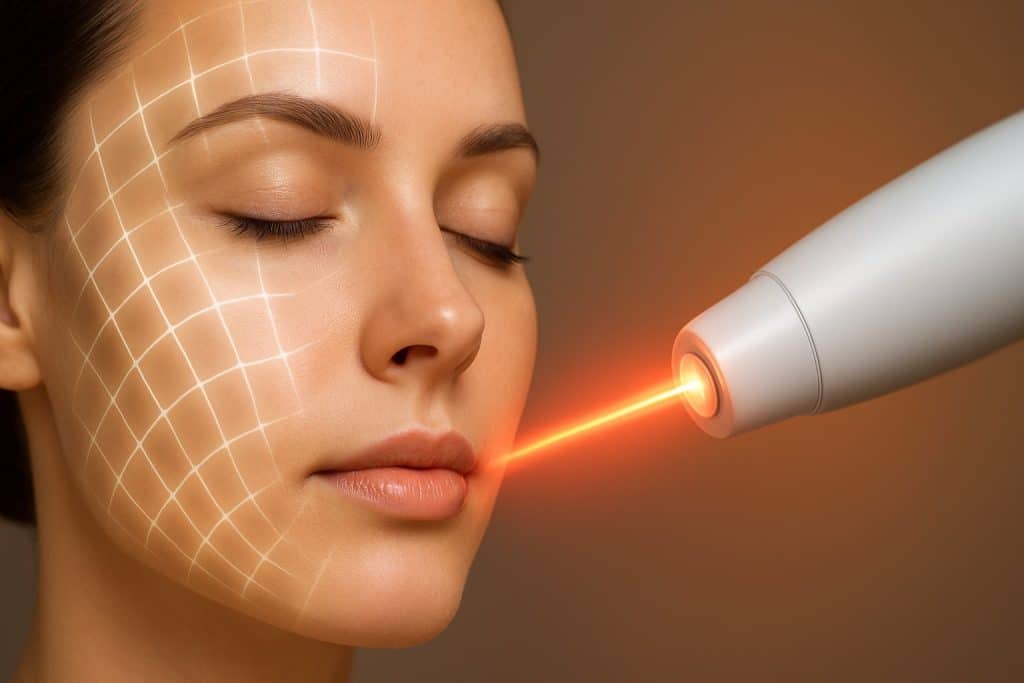
Curious about how skin lightening laser treatments could transform your appearance in 2026? You are not alone, as technology is advancing rapidly and more people are seeking solutions that deliver safe, effective, and long-lasting results.
The latest skin lightening laser innovations promise higher precision, minimal side effects, and customization for every skin type. This guide will demystify the treatment process, highlight new technologies, address safety, cost, and results, and help you decide if these advanced options are right for you. Discover what to expect on your journey to brighter, even-toned skin in 2026.
The Evolution of Skin Lightening Lasers: 2026 and Beyond
Curious about the journey from traditional skin lightening methods to today’s sophisticated lasers? The evolution of the skin lightening laser is transforming how clinics target pigmentation, making treatments more effective and accessible than ever.
The Shift from Traditional to Advanced Lasers
For decades, topical creams and chemical peels dominated the pursuit of lighter, even-toned skin. While they offered temporary results, many users struggled with uneven tone, harsh side effects, and the frustration of recurring pigmentation.
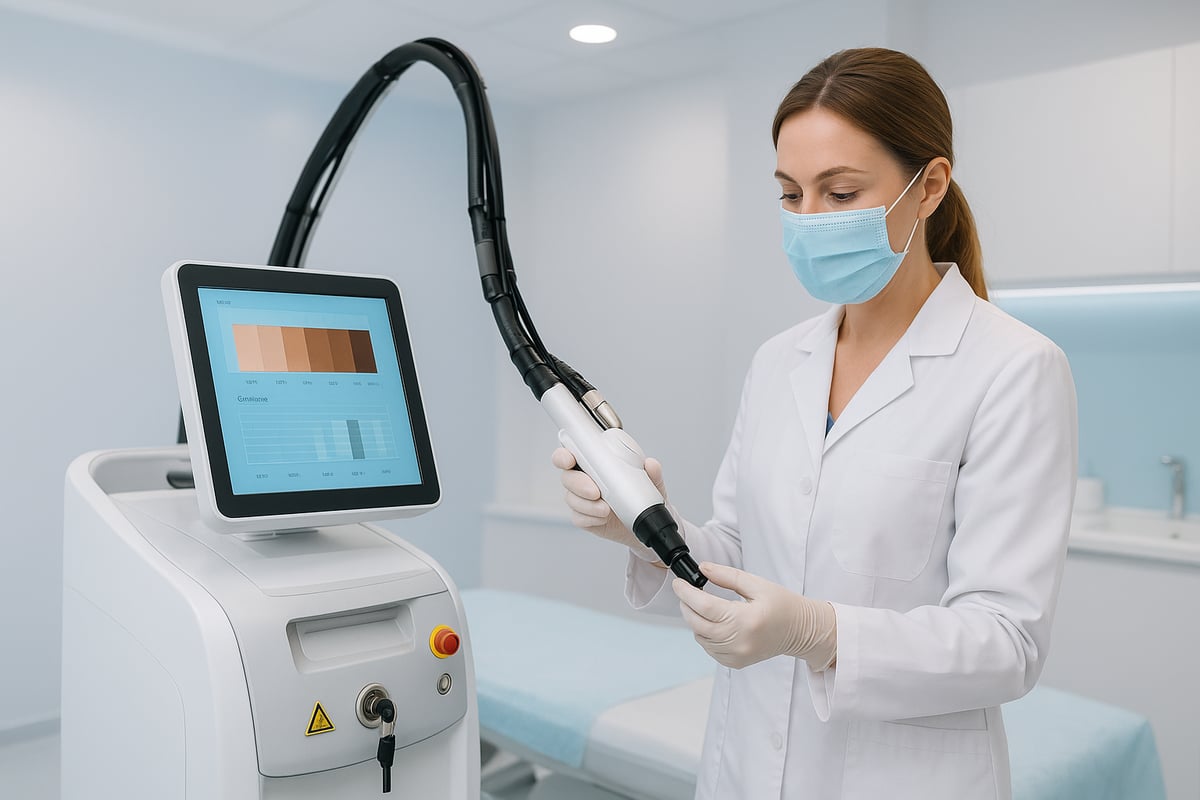
The rise of the skin lightening laser changed the landscape. Unlike surface treatments, lasers penetrate deeper to target melanin at its source. This allows for more uniform, lasting results, minimizing the risk of patchiness or irritation. Clinics now rely on advanced fractional and erbium lasers, offering greater control and sustainability compared to earlier technologies.
A notable example is the use of lasers in intimate area lightening and pigment removal, where precision and safety are crucial. The adoption of skin lightening laser treatments is surging, particularly in North America and worldwide, as more people seek science-backed solutions for pigmentation. Today, the skin lightening laser stands as the gold standard for achieving safe, effective results. This shift is driven by consumer demand for non-invasive, proven treatments that deliver both confidence and comfort.
Breakthrough Technologies Shaping 2026
The year 2026 marks a new era for skin lightening laser technology. Innovations like AI-powered calibration allow devices to adapt in real time to each person’s skin tone and sensitivity, optimizing both safety and outcomes. Next-generation fractional and picosecond lasers deliver improved precision and require less downtime, making procedures more convenient.
Clinics are integrating advanced cooling systems and comfort features to enhance the patient experience. Combination therapies, such as pairing lasers with microneedling, PRP, or specialized topical agents, are now standard for tackling stubborn pigmentation. For example, multi-layer pigment targeting uses different wavelengths to address deep and surface discoloration in one session.
Customization is at the heart of the 2026 skin lightening laser landscape. Devices like PicoWay Resolve, detailed in Laser Skin Treatments with PicoWay Resolve, exemplify how technology is evolving to provide safer, more effective, and personalized care. As a result, patients benefit from treatments tailored to their unique skin needs, with safety and results prioritized at every step.
Who Is a Candidate for Skin Lightening Laser Treatments?
The decision to pursue a skin lightening laser treatment in 2026 is shaped by your skin type, pigmentation concerns, health status, and personal goals. Modern advancements have made these procedures more inclusive, precise, and effective than ever before.
Understanding Skin Types and Pigmentation
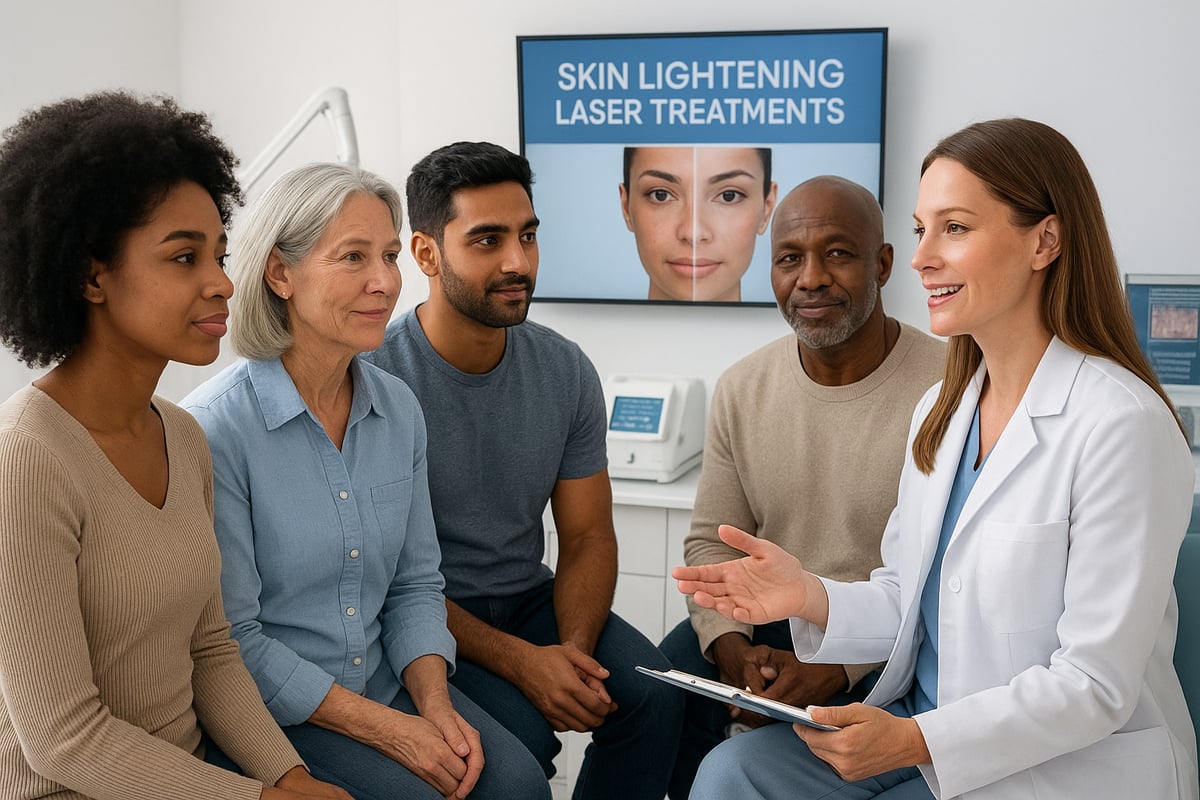
Selecting the right skin lightening laser begins with a thorough understanding of your skin type. The Fitzpatrick skin scale, which classifies skin from very fair (Type I) to deeply pigmented (Type VI), is essential for determining safe and effective treatment options. In 2026, clinics routinely use this scale to tailor laser settings, ensuring optimal results for every skin tone.
A wide range of pigmentation issues can be addressed, including melasma, sun spots, post-inflammatory hyperpigmentation, and intimate area darkening. Thanks to advancements in laser technology, treatments are now safe for all complexions. Clinics utilize multi-wavelength systems and AI calibration to adjust energy levels, minimizing risks for darker skin tones.
The demand for inclusive skin lightening laser services is on the rise, reflecting the growing diversity of clientele. For a broader overview of available treatments and solutions for different pigmentation concerns, you can explore Our Services – Laser Pigmentation Removal. This evolution means that more people than ever can safely pursue their desired outcomes.
Health, Age, and Lifestyle Considerations
Eligibility for a skin lightening laser procedure also depends on your overall health and lifestyle. Providers typically screen for contraindications such as active skin infections, certain medications, or pregnancy. These precautions are critical to achieving safe, predictable results.
Laser treatments are suitable for a wide age range, from young adults seeking to correct sun damage to mature individuals addressing age-related pigmentation. Special care is taken with sensitive or aging skin, using gentler protocols and advanced comfort features.
Recent sun exposure, current medications, and ongoing skincare routines are also reviewed before your first session. For example, patients who have avoided sun exposure and followed pre-care guidelines tend to see better outcomes. Clinics often share real patient stories to illustrate the effectiveness of skin lightening laser treatments across different age groups and skin conditions.
A comprehensive consultation remains the cornerstone of success. By customizing each treatment plan, professionals ensure the safest and most effective path toward your skin goals.
What to Expect: The Skin Lightening Laser Treatment Journey
Embarking on a skin lightening laser journey in 2026 means accessing some of the most advanced and personalized care available. Understanding the process from start to finish helps set realistic expectations, ensures safety, and empowers you to achieve your desired results.
Pre-Treatment Consultation and Planning
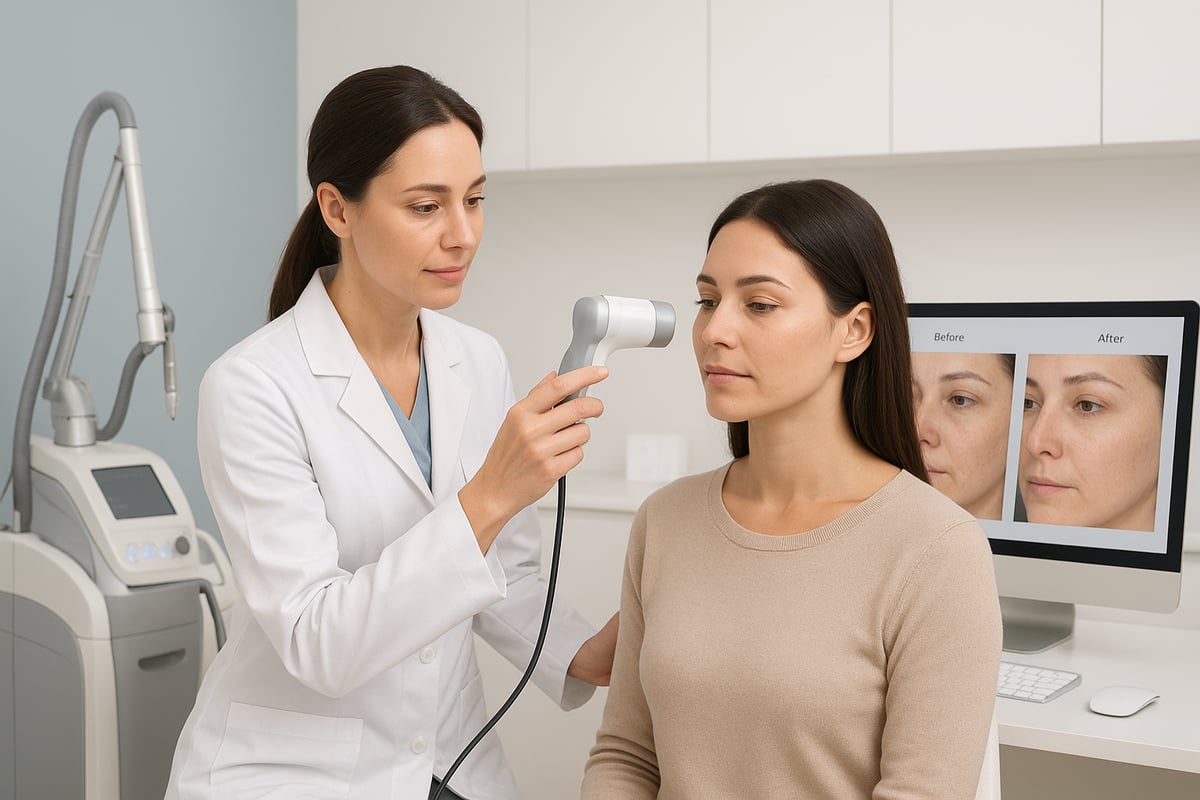
Your skin lightening laser experience begins with a thorough consultation. A licensed practitioner will review your medical history, current skincare routine, and specific pigmentation concerns. This comprehensive skin assessment ensures the treatment plan is tailored to your needs.
Clinics use advanced tools like digital imaging to map pigmentation patterns. This technology tracks progress and helps customize settings for the skin lightening laser. Expect a patch test to determine your skin's reaction and select the optimal device for your skin type and pigmentation depth.
Before your first session, you will receive pre-care instructions such as:
- Avoiding sun exposure and tanning products for at least two weeks
- Discontinuing certain medications or skincare actives as advised
- Following a gentle cleansing routine and avoiding harsh exfoliants
Clear communication about your goals and expectations is key. Many clinics offer digital simulations to help you visualize potential outcomes. This planning stage ensures you are well-prepared for the journey ahead with the skin lightening laser.
Step-by-Step: The Laser Procedure
On treatment day, the process begins with gentle cleansing of the targeted area. A topical numbing cream is applied to increase comfort. The practitioner then selects the appropriate skin lightening laser, such as fractional, picosecond, or Q-switched devices, based on your unique profile.
The laser is carefully calibrated to your skin tone and sensitivity. During the session, you may feel warmth, tingling, or mild discomfort as the laser pulses target melanin within the skin. Most treatments last 20 to 45 minutes, depending on the area and pigmentation severity.
Here is a typical session breakdown:
- Cleansing and preparation
- Application of numbing cream (wait 15–30 minutes)
- Laser treatment with real-time skin monitoring
- Immediate cooling using advanced systems
For optimal results, multiple sessions may be recommended—often 3 to 6, spaced several weeks apart. Clinics specializing in advanced techniques, like Laser Skin Resurfacing Toronto, use state-of-the-art equipment to enhance precision and minimize downtime. This ensures the skin lightening laser delivers consistent, noticeable improvements.
Safety remains a priority throughout the procedure. Modern devices feature integrated sensors to monitor skin temperature and adjust settings instantly, reducing the risk of adverse effects.
Immediate Aftercare and Recovery
Post-treatment, you can expect mild redness, swelling, or tenderness in the treated area. These sensations typically subside within a few hours to a couple of days, depending on your skin's response to the skin lightening laser.
Your provider will recommend aftercare steps such as:
- Applying cooling gels or soothing serums
- Using broad-spectrum sunscreen daily
- Avoiding vigorous exercise, hot showers, or harsh products for 24–48 hours
Most skin lightening laser treatments offer minimal downtime, allowing a quick return to normal activities. Some patients resume their routines the same day, while others may choose to rest for additional comfort.
Clinics often provide before-and-after photos to track progress, helping you see visible improvements after just a few sessions. Consistent aftercare and adherence to instructions are crucial for maximizing results and minimizing side effects from the skin lightening laser.
Safety, Risks, and Side Effects: 2026 Standards
Advancements in skin lightening laser technology have made significant strides in patient safety by 2026. Clinics now rely on highly precise devices that minimize the risk of burns, scarring, or unwanted pigment changes. These innovations help ensure that each treatment is tailored to your unique skin tone and sensitivity.
How Safety Has Improved with Modern Lasers
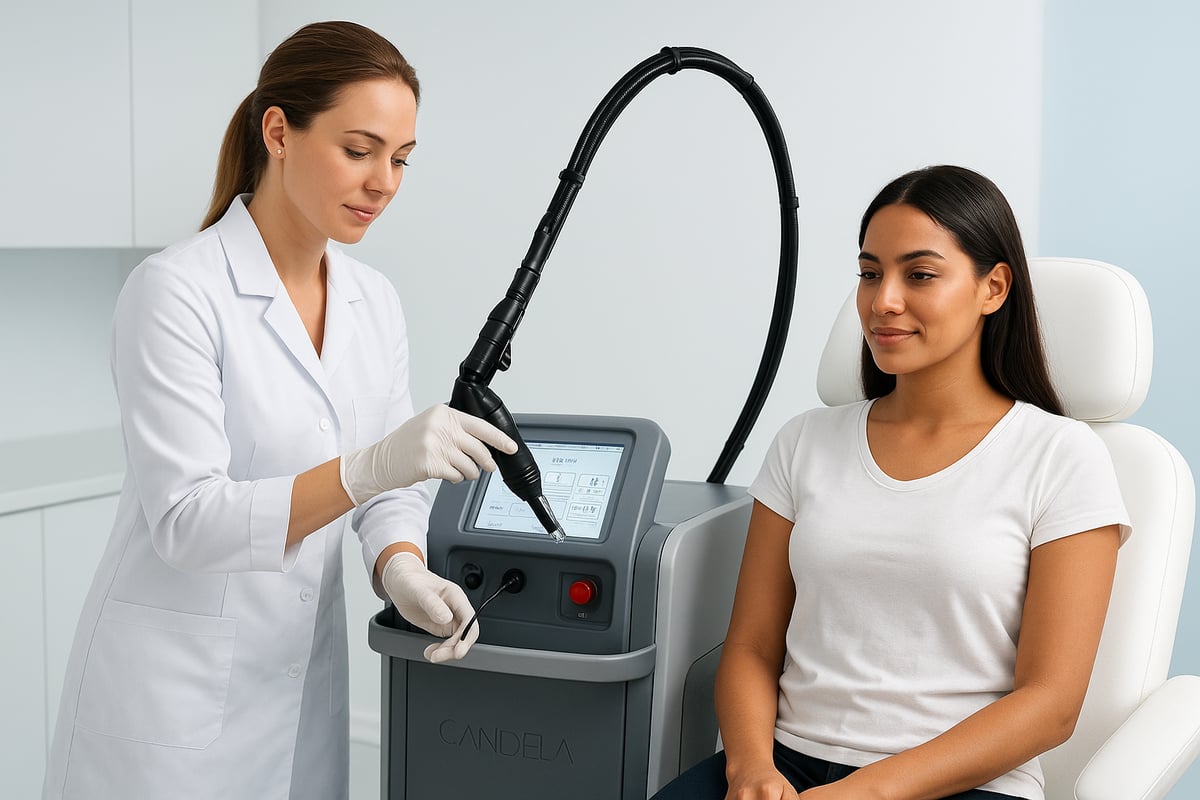
The evolution of the skin lightening laser has resulted in devices equipped with advanced safety features. Real-time skin temperature monitoring is now standard, reducing the risk of thermal injury. Many systems use artificial intelligence to automatically adjust energy levels for optimal results and safety.
Built-in cooling mechanisms keep the skin comfortable throughout the procedure. Regulatory bodies such as the FDA and Health Canada require rigorous testing and certification for new lasers. Clinics report a noticeable decline in adverse events, especially with fractional and picosecond lasers.
For example, the Candela GentleMax Pro Laser is a popular choice in 2026, offering precise control and proven safety for a range of skin lightening laser applications. Patients benefit from targeted pigment removal, reduced downtime, and consistent outcomes.
Consumer demand for non-invasive, science-backed treatments has inspired clinics to adopt only the safest, most effective skin lightening laser technologies. This ensures that every session is both comfortable and low risk.
Potential Risks and How They’re Managed
Despite remarkable safety improvements, skin lightening laser treatments still carry some potential risks. The most common side effects are temporary and include redness, mild swelling, or slight darkening of the treated area. These effects usually resolve within a few days.
Rare complications such as blistering, scarring, or hypo/hyperpigmentation can occur, but strict safety protocols help prevent them. Clinics manage risk by conducting patch testing, starting with conservative energy levels, and ensuring direct supervision by experienced providers.
Key strategies for safe treatment include:
- Thorough patient consultation and skin assessment
- Gradual energy increase with each session
- Real-time monitoring of skin response
- Use of approved, reputable devices
Year-over-year data shows declining complication rates as technology and protocols evolve. Choosing a reputable provider with expertise in skin lightening laser procedures is crucial for minimizing risks and achieving optimal results.
Results and Expectations: What Outcomes Can You Achieve?
Curious about what results are realistically achievable with a skin lightening laser in 2026? Thanks to technological advancements, patients can expect more precise, safer, and longer-lasting outcomes than ever before.
Typical Results and Timeline
Modern skin lightening laser procedures deliver visible improvements in tone, clarity, and brightness across a wide range of skin types. Most patients start to notice a more even complexion after just two to four sessions, with the most dramatic changes typically appearing after the fourth treatment.
A typical timeline looks like this:
| Session | Visible Change | Patient Feedback |
|---|---|---|
| 1 | Subtle fading of dark spots | Mild improvement |
| 2 | Clearer, more uniform skin tone | Noticeable progress |
| 3 | Marked reduction in pigmentation | High satisfaction |
| 4 | Significant lightening and radiance | Very satisfied |
For areas like underarms or intimate zones, clinics report substantial lightening after four sessions, often shared in before-and-after galleries. Patient satisfaction rates have soared, with clinics citing over 90% of clients experiencing their desired results.
Results are designed to last, especially when patients maintain diligent sun protection and follow customized skincare routines. Maintenance sessions may be needed every 6–12 months, depending on individual pigmentation and lifestyle habits.
The latest aesthetic innovations in 2026 have brought new laser platforms that offer multi-layer pigment targeting, refined energy delivery, and combination protocols for stubborn discoloration. This means the skin lightening laser experience is now faster, gentler, and tailored to your unique needs.
Factors Influencing Results
Several factors can impact the effectiveness and longevity of your skin lightening laser outcomes. Skin type, depth and cause of pigmentation, and adherence to pre- and post-care instructions all play a role. For example, patients with deeper melasma or post-inflammatory hyperpigmentation may require a few extra sessions or adjunctive therapies.
Lifestyle habits such as sun exposure, hormonal changes, and consistent use of recommended skincare products are crucial for maintaining results. Combination treatments, including microneedling or topical agents, can enhance the effects of your skin lightening laser, particularly for resistant pigmentation.
Advancements in technology, such as AI-driven laser calibration and multi-wavelength systems, have made it possible to customize treatments for every skin tone and sensitivity. These innovations, highlighted in 2025 laser technology trends, ensure that even those with complex pigmentation can achieve smoother, more luminous skin.
Ultimately, realistic expectations are key. While a skin lightening laser can deliver dramatic improvements, incremental changes are normal, and optimal results come with patience and consistency. Open communication with your provider and a personalized approach will help you get the most from your treatment journey.
Cost, Accessibility, and Choosing the Right Provider in 2026
Understanding the cost, accessibility, and provider selection process is crucial before moving forward with a skin lightening laser treatment. In 2026, advancements in technology and broader clinic access mean more options, but also more factors to consider. Let’s break down what you need to know to make an informed choice.
Understanding Cost Factors
The cost of a skin lightening laser procedure in 2026 varies based on several factors. The type of laser technology used, the size of the treatment area, and the experience of your provider all play a role. For example, newer fractional and picosecond lasers may come with a higher price point due to their enhanced precision and safety features.
Typical pricing structures include per session fees and package deals. In leading clinics, you might find packages such as three sessions for $499, especially in cities like Toronto. Larger or more complex areas, like full-face or intimate lightening, typically require more sessions and a higher investment.
Financing options are increasingly common, with many clinics offering payment plans or promotions. Insurance generally does not cover cosmetic procedures like skin lightening laser treatments, but some health spending accounts may apply for certain pigmentation concerns.
The growing demand for non-invasive aesthetic treatments is also impacting prices. According to recent Energy-Based Aesthetic Devices Market Growth data, the market is projected to reach $14.06 billion by 2033, reflecting ongoing innovation and increased accessibility.
How to Choose a Qualified Laser Provider
Selecting the right clinic for your skin lightening laser procedure is essential for safety and results. Start by verifying credentials: look for board-certified dermatologists, experienced aesthetic physicians, or registered nurses with specialized laser training.
Technology matters, too. Ensure your provider uses FDA or Health Canada-approved devices designed for your specific skin type and pigmentation concern. Clinics that invest in state-of-the-art lasers and attend regular training tend to offer the best outcomes.
Patient reviews, before-and-after galleries, and transparent consultation processes are strong indicators of quality. Top-rated clinics, like those in Toronto, often have five-star ratings and a track record of outstanding client satisfaction. Remember, expertise and safety protocols are more important than simply finding the lowest price for a skin lightening laser treatment.
Accessibility and Inclusivity in 2026
Access to skin lightening laser treatments has expanded significantly. Clinics are now found not only in major urban centers but also in suburban and select rural areas. Many providers have adopted teleconsultations and digital follow-ups, making the consultation process more convenient and accessible for busy clients.
Inclusivity is a priority in 2026. Advanced lasers are now safe and effective for all skin tones and genders, so more people can benefit from these treatments. The number of clinics offering skin lightening laser services has grown compared to 2020, giving patients more choices than ever before.
The increase in accessible, high-quality care ensures that anyone considering a skin lightening laser procedure can find a reputable provider, regardless of their location or background.