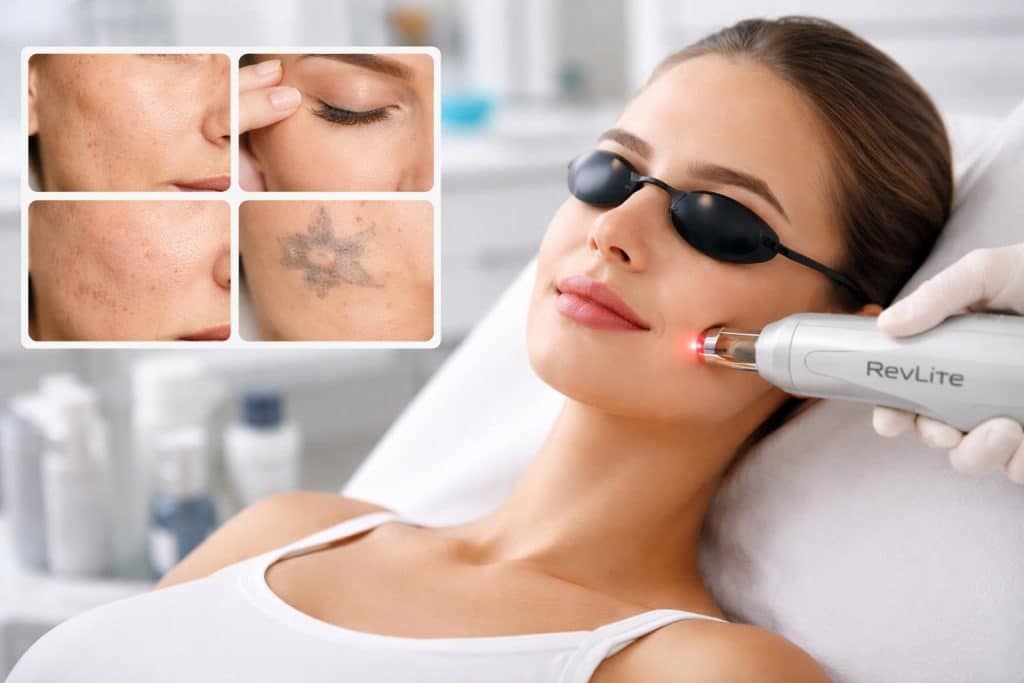
The aesthetic industry has witnessed remarkable technological advancements in recent years, with laser treatments becoming increasingly sophisticated and effective. Among these innovations, the revlite laser has emerged as a versatile solution for addressing multiple skin concerns, from stubborn pigmentation to unwanted tattoos. This Q-switched Nd:YAG laser system delivers targeted energy pulses that can transform skin quality while maintaining safety across various skin types. Understanding how this technology works and what it can accomplish helps individuals make informed decisions about their aesthetic treatment options.
Understanding RevLite Laser Technology
The RevLite SI laser system represents a significant advancement in aesthetic laser technology. This device operates using Q-switched Nd:YAG technology, which generates ultra-short pulses of laser energy measured in nanoseconds. These brief, powerful pulses create a photoacoustic effect that fragments pigment particles without causing extensive thermal damage to surrounding tissue.
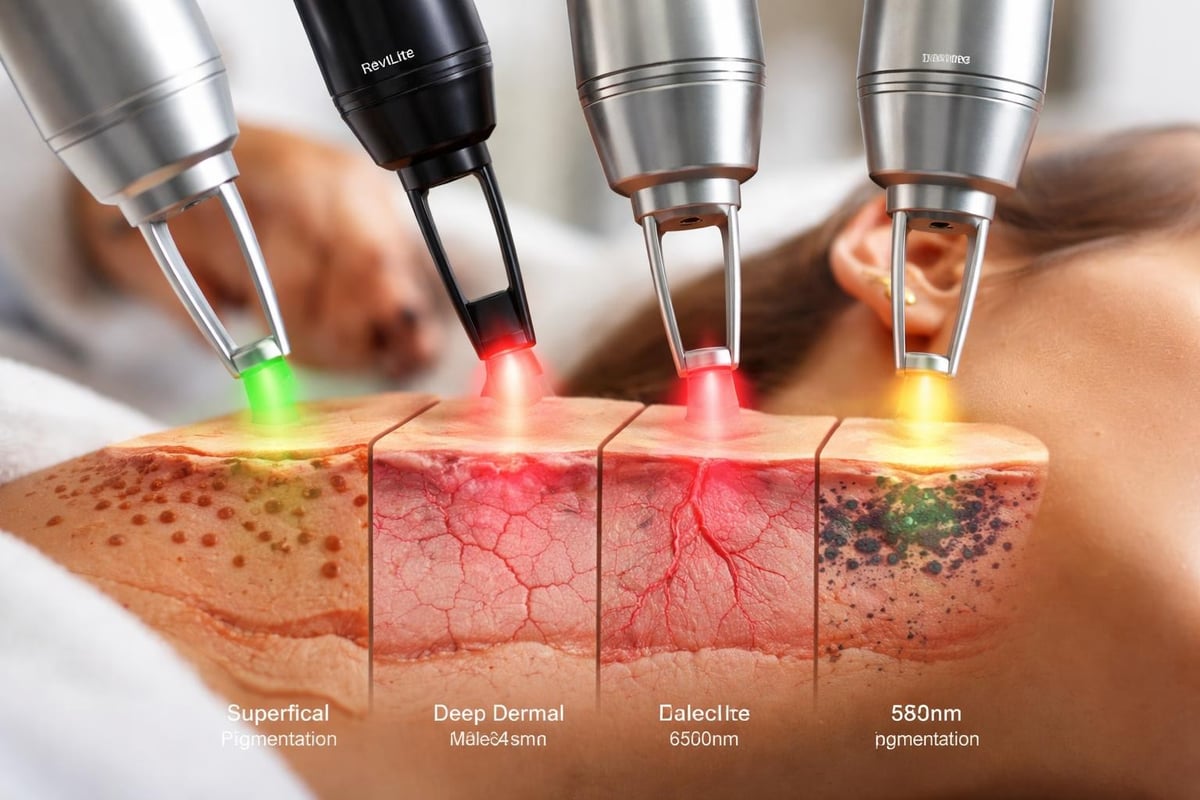
What distinguishes this system from other laser platforms is its multi-wavelength capability. The revlite laser typically operates at wavelengths of 532nm and 1064nm, allowing practitioners to customize treatments based on specific skin concerns and patient characteristics.
Multiple Wavelength Applications
Each wavelength serves distinct purposes in aesthetic treatments:
- 532nm (KTP): Targets superficial pigmentation, red lesions, and lighter ink colors
- 1064nm (Nd:YAG): Penetrates deeper for treating dermal pigmentation, darker inks, and deeper skin tones
- 650nm (optional): Addresses specific pigment colors in tattoo removal
- 585nm (optional): Targets vascular lesions and certain tattoo pigments
The ability to switch between wavelengths during a single treatment session enables comprehensive addressing of complex skin conditions. This versatility makes the technology particularly valuable for treating diverse patient populations with varying skin tones and concerns.
Common Treatment Applications
The revlite laser has earned FDA approval for multiple aesthetic applications, making it one of the most versatile devices in modern dermatology and medical aesthetics. Its effectiveness across various conditions has been documented through extensive clinical research and patient outcomes.
Pigmentation Disorders
Hyperpigmentation remains one of the most common concerns addressed with this technology. The laser effectively treats:
Melasma: This challenging condition responds to gentle laser toning protocols. Research has evaluated RevLite treatments combined with topical regimens for refractory melasma cases, showing promising results when traditional treatments prove insufficient.
Sun Damage: Age spots, solar lentigines, and diffuse pigmentation from UV exposure respond well to targeted treatments. The laser's ability to selectively target melanin while preserving surrounding tissue makes it ideal for addressing sun-damaged skin.
Post-Inflammatory Hyperpigmentation: Marks left behind after acne, injuries, or other inflammatory conditions can be gradually lightened through a series of treatments.
| Pigmentation Type | Recommended Wavelength | Typical Sessions | Results Timeline |
|---|---|---|---|
| Melasma | 1064nm (low fluence) | 6-10 | 2-4 months |
| Solar Lentigines | 532nm or 1064nm | 2-4 | 4-8 weeks |
| Post-Inflammatory | 1064nm | 4-6 | 6-12 weeks |
| Freckles | 532nm | 2-3 | 3-6 weeks |
Tattoo Removal Capabilities
Among its many applications, the RevLite Q-Switched Nd:YAG laser excels at removing unwanted tattoos. The ultra-short pulse duration creates photoacoustic waves that shatter ink particles into tiny fragments, which the body's lymphatic system then eliminates over time.
Different ink colors require specific wavelengths:
- Black and dark blue inks: Most responsive to 1064nm wavelength
- Red, orange, and yellow inks: Best addressed with 532nm wavelength
- Green and blue inks: May require additional wavelengths for complete removal
- Professional tattoos: Typically require more sessions than amateur tattoos
The number of treatments needed depends on several factors including ink density, tattoo age, depth of ink placement, and individual immune response. Most tattoos require between 6 to 12 sessions spaced 6 to 8 weeks apart for optimal clearance.
Skin Rejuvenation and Texture Improvement
Beyond pigmentation and tattoo removal, the revlite laser addresses signs of aging and textural irregularities. The technology targets skin imperfections and promotes revitalization through gentle stimulation of collagen production.
Laser Toning: This low-fluence treatment approach uses gentle, repeated passes of laser energy to gradually improve skin tone, minimize pore appearance, and enhance overall radiance. Korean laser toning techniques have popularized this method, which delivers cumulative benefits without significant downtime.
Acne Scar Reduction: The photoacoustic energy helps remodel scar tissue while stimulating new collagen formation. This dual action gradually improves the appearance of atrophic acne scars over multiple treatment sessions.
Fine Lines and Wrinkles: While not a replacement for ablative resurfacing, the revlite laser can address fine lines through collagen stimulation, particularly around the eyes and mouth.
The Treatment Experience
Understanding what to expect during and after treatment helps patients prepare appropriately and set realistic expectations for their results.
Pre-Treatment Preparation
Proper preparation maximizes treatment effectiveness and minimizes potential complications:
- Avoid sun exposure and tanning for at least 4 weeks before treatment
- Discontinue photosensitizing medications as directed by your provider
- Remove all makeup and skincare products on the day of treatment
- Inform your practitioner about any recent skin treatments or procedures
- Stop using retinoids and exfoliating products 3-5 days prior
During the Procedure
Most patients describe the sensation as similar to a rubber band snapping against the skin. The revlite laser treatment typically proceeds as follows:
- The treatment area is thoroughly cleansed
- Eye protection is provided to shield from laser light
- A topical numbing cream may be applied for comfort (optional)
- The practitioner delivers laser pulses across the target area
- Cool air or ice may be used to minimize discomfort
Treatment duration varies based on the size of the area being addressed. Small spots might take only 10-15 minutes, while full-face sessions could last 30-45 minutes.
Post-Treatment Care and Recovery
Proper aftercare ensures optimal results and minimizes the risk of complications. Most patients experience mild redness and slight swelling immediately following treatment, which typically resolves within a few hours.
Immediate Aftercare (First 24-48 Hours):
- Apply gentle, fragrance-free moisturizer
- Use cold compresses to reduce any swelling
- Avoid makeup for at least 24 hours
- Keep the treated area clean and dry
- Do not pick at any crusting or darkened spots
Ongoing Care (First Week):
- Apply broad-spectrum SPF 30+ sunscreen daily
- Avoid hot showers, saunas, and steam rooms
- Skip intense exercise for 48 hours
- Use gentle, non-irritating skincare products
- Stay well-hydrated to support healing
Expected Results and Timeline
Setting appropriate expectations is crucial for patient satisfaction with revlite laser treatments. Patient reviews and satisfaction ratings provide valuable insights into real-world outcomes and experiences.
Immediate and Short-Term Changes
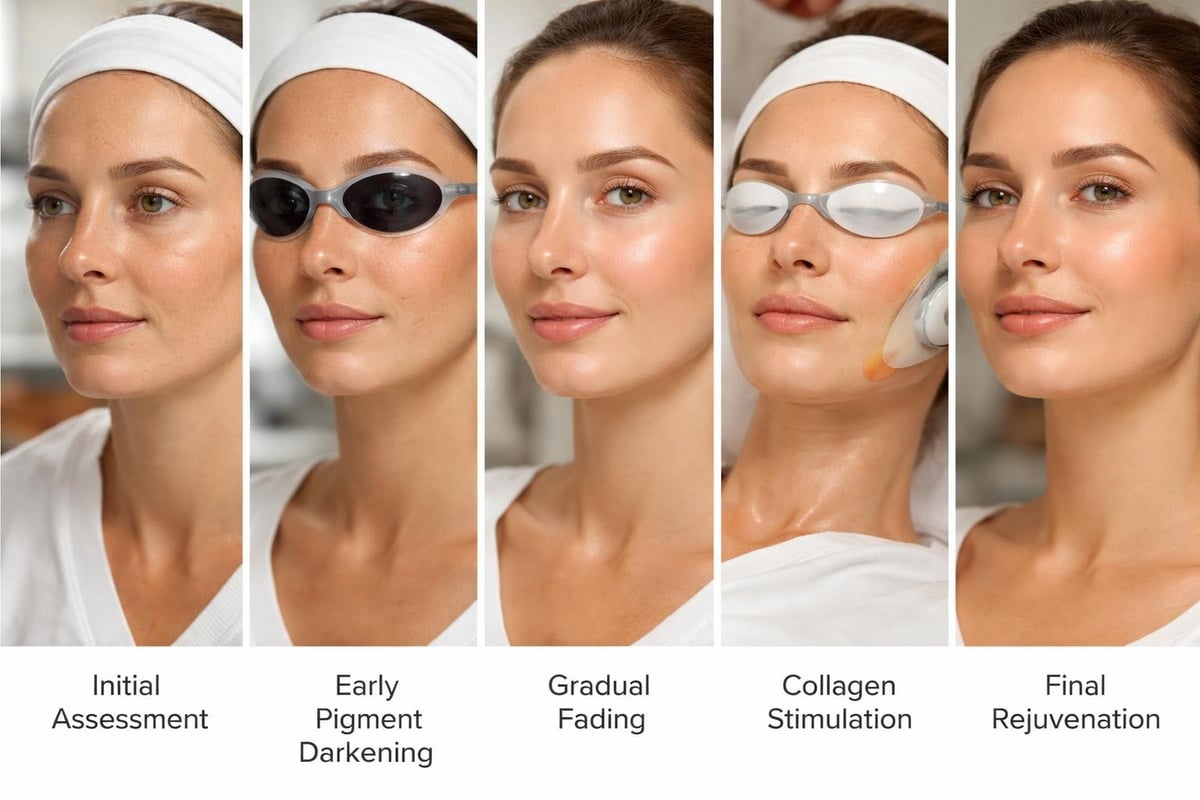
Immediately after treatment, pigmented areas often appear darker before they begin to fade. This is a normal response as the targeted pigment rises to the surface. Within 7-10 days, this darkened pigment typically flakes off, revealing lighter skin beneath.
Some patients notice immediate improvements in skin brightness and texture, particularly with laser toning treatments. However, the most significant changes develop gradually as the skin heals and regenerates.
Long-Term Outcomes
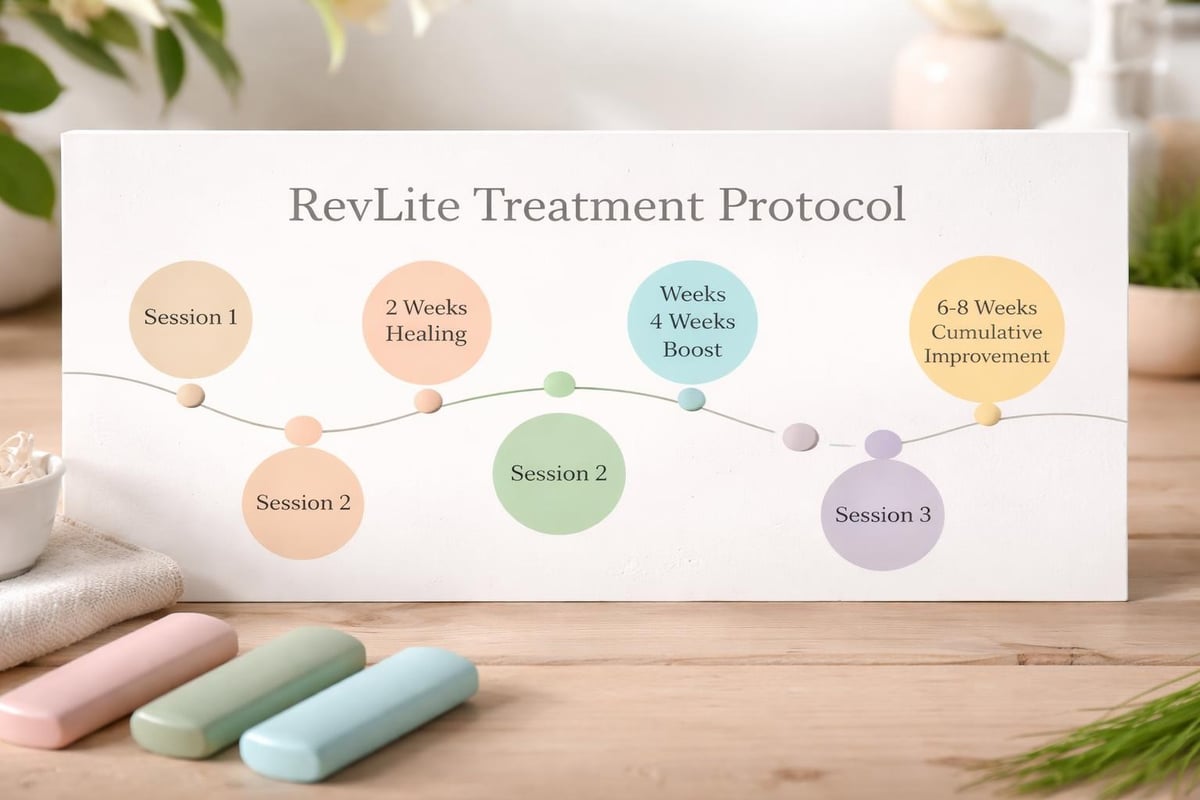
Optimal results require patience and multiple treatment sessions. The timeline varies based on the specific condition being treated:
| Concern | Visible Improvement | Optimal Results | Maintenance |
|---|---|---|---|
| Laser Toning | After 2-3 sessions | 6-8 sessions | Monthly or quarterly |
| Pigmentation | After 1-2 sessions | 4-6 sessions | As needed |
| Tattoo Removal | After 2-3 sessions | 8-12+ sessions | None |
| Acne Scars | After 3-4 sessions | 6-10 sessions | Periodic touch-ups |
Collagen remodeling continues for several months after completing a treatment series, meaning improvements may continue long after the final session.
Safety Considerations and Side Effects
The revlite laser has an established safety profile when operated by trained professionals. However, understanding potential side effects helps patients make informed decisions and recognize normal versus concerning responses.
Common Side Effects
Most side effects are mild and temporary:
- Redness and warmth (resolves within hours)
- Mild swelling (subsides within 24-48 hours)
- Temporary darkening of pigmentation (normal response)
- Light crusting or flaking (part of healing process)
- Temporary skin sensitivity
Rare Complications
While uncommon, potential complications include:
- Hyperpigmentation: More common in darker skin tones if settings are too aggressive
- Hypopigmentation: Can occur with excessive treatment or improper parameters
- Scarring: Extremely rare when proper protocols are followed
- Infection: Preventable with appropriate aftercare and hygiene
Choosing an experienced practitioner who understands how to adjust settings based on individual skin characteristics significantly reduces these risks.
Ideal Candidates for RevLite Treatments
The revlite laser's versatility allows it to safely treat a wide range of patients, but certain factors influence candidacy and expected outcomes.
Who Benefits Most
Ideal candidates typically include individuals who:
- Have realistic expectations about results and timelines
- Are willing to commit to multiple treatment sessions
- Can avoid sun exposure during treatment periods
- Have no active skin infections or conditions in the treatment area
- Are not pregnant or nursing
- Have discontinued isotretinoin for at least 6 months
Skin Type Considerations
The RevLite SI’s capabilities make it suitable for various skin types, including darker complexions that may not be candidates for other laser treatments. The 1064nm wavelength, in particular, can safely treat Fitzpatrick skin types IV-VI when appropriate settings are used.
However, practitioners must carefully adjust parameters including:
- Fluence (energy level)
- Spot size
- Pulse duration
- Number of passes
Conservative initial settings with gradual increases help minimize the risk of post-inflammatory hyperpigmentation in darker skin tones.
Comparing RevLite to Alternative Treatments
Understanding how the revlite laser compares to other treatment options helps patients select the most appropriate solution for their specific concerns.
RevLite Versus Other Laser Systems
Picosecond Lasers: While newer picosecond technology delivers even shorter pulses, Q-switched systems like RevLite remain highly effective and often more affordable. For many conditions, the clinical outcomes are comparable.
Ablative Lasers: CO2 and erbium lasers remove skin layers and typically offer more dramatic results for deep wrinkles and severe scarring, but require longer recovery periods compared to the non-ablative revlite laser approach.
IPL (Intense Pulsed Light): While effective for certain pigmentation concerns, IPL lacks the precision and depth control of laser technology. The RevLite’s unique features allow for more targeted treatment of specific chromophores.
Non-Laser Alternatives
Chemical peels and microdermabrasion address superficial concerns but cannot reach the dermal depths or target specific pigments with the same precision as laser technology. Topical treatments remain important adjuncts but rarely achieve the same degree of improvement for established pigmentation or texture issues.
Treatment Costs and Value Considerations
Investment in revlite laser treatments varies based on several factors, including geographic location, practitioner experience, and the specific condition being addressed.
Pricing Factors
Costs typically range from $200 to $600 per session for facial treatments, with the following influences:
- Treatment area size: Larger areas require more time and resources
- Condition complexity: Stubborn pigmentation or dense tattoos may require higher settings
- Geographic location: Urban markets typically command higher prices
- Practitioner qualifications: Experienced providers often charge premium rates
- Number of sessions: Package pricing may offer per-session discounts
Value Assessment
When evaluating costs, consider the comprehensive value including:
- Treatment effectiveness and longevity of results
- Minimal downtime compared to more aggressive procedures
- Safety profile and low complication rates
- Versatility for addressing multiple concerns
- FDA approval and established clinical track record
Many patients find that investing in a proven technology with predictable outcomes provides better value than experimenting with less-established alternatives.
Maximizing Your Treatment Results
Achieving optimal outcomes with the revlite laser extends beyond the treatment sessions themselves. Several complementary strategies enhance and maintain results.
Skincare Optimization
Supporting laser treatments with appropriate home care accelerates healing and prolongs results:
- Antioxidants: Vitamin C serums protect against free radical damage and support collagen production
- Retinoids: After the healing period, retinol helps maintain cellular turnover (avoid before treatments)
- Hydration: Quality moisturizers support barrier function and healing
- Sun Protection: Daily SPF is non-negotiable for maintaining results and preventing new pigmentation
Lifestyle Factors
Internal health significantly impacts skin quality and treatment outcomes:
- Adequate hydration supports cellular function and healing
- Balanced nutrition provides building blocks for collagen synthesis
- Quality sleep enables optimal tissue repair
- Stress management reduces inflammatory responses
- Smoking cessation improves circulation and healing capacity
Combination Approaches
Many practitioners recommend combining the revlite laser with complementary treatments for enhanced results:
- Microneedling: Stimulates additional collagen production between laser sessions
- Chemical Peels: Addresses superficial texture concerns
- Medical-Grade Skincare: Optimizes skin health between treatments
- Injectable Treatments: Addresses volume loss and deeper wrinkles
Choosing the Right Provider
The skill and experience of your treatment provider significantly influence both safety and outcomes with the revlite laser technology.
Essential Qualifications
Look for practitioners who demonstrate:
- Formal training in laser physics and safety
- Extensive experience with Q-switched laser systems
- Understanding of skin physiology across different skin types
- Membership in professional organizations
- Commitment to continuing education
- Before-and-after portfolios demonstrating consistent results
Questions to Ask
During consultations, inquire about:
- How many RevLite treatments has the provider performed?
- What protocols do they use for your specific skin type and concern?
- What results can you realistically expect in your timeframe?
- How do they handle complications if they occur?
- What aftercare support do they provide?
A qualified provider will thoroughly assess your skin, discuss realistic expectations, and create a customized treatment plan rather than offering one-size-fits-all recommendations.
The revlite laser represents a proven, versatile solution for addressing numerous aesthetic concerns, from stubborn pigmentation to unwanted tattoos, with minimal downtime and an established safety profile. When performed by experienced practitioners using appropriate protocols, this technology delivers consistent, predictable improvements in skin quality and appearance. New Skin Laser Clinic in Toronto combines state-of-the-art laser technology with expert estheticians who personalize each treatment plan to achieve your unique aesthetic goals. Contact our team to schedule a consultation and discover how advanced laser treatments can help you achieve radiant, youthful skin.