Are you curious about the true laser treatment skin cost in 2026? With new technologies and shifting trends, prices are changing quickly, and it’s easy to be caught off guard by unexpected fees or outdated information.
This guide will break down what really goes into the laser treatment skin cost, from price ranges for popular procedures to the key factors that influence your budget. We will walk you through what to expect at your consultation, how different clinic types compare, and smart ways to maximize your investment.
Ready to make informed choices and plan your beauty budget with confidence? Let’s get started.
Laser Skin Treatments Overview: Types and Trends for 2026
Laser skin treatments are more advanced and accessible than ever, but understanding the full scope is key to accurately estimating your laser treatment skin cost in 2026. With new technologies and a wider range of options, making an informed choice has never been more important.

Common Types of Laser Skin Treatments
Today’s clinics offer a variety of procedures that impact your laser treatment skin cost:
- Laser Resurfacing: Targets wrinkles, scars, and texture by removing damaged skin layers. CO2 and Erbium lasers are popular choices.
- Laser Hair Removal: Reduces unwanted hair on the face, underarms, bikini, and more.
- Pigmentation Correction: Treats sun spots, freckles, and melasma using lasers or IPL (intense pulsed light).
- Acne Scar Reduction: Utilizes fractional lasers or microneedling devices to smooth scars.
- Vascular Lesion Removal: Diminishes visible veins and redness.
- Tattoo Removal: Breaks down ink particles with specialized lasers for clearer skin.
Each treatment type involves different technologies, session numbers, and expected outcomes, all affecting the overall laser treatment skin cost.
Latest Advancements and Trends for 2026
Laser technology is evolving rapidly. Fractional lasers now deliver powerful results with less downtime, while picosecond lasers offer faster tattoo removal and pigmentation correction. Combination therapies, such as pairing lasers with radiofrequency or microneedling, are becoming standard for enhanced outcomes. For a deeper dive into what’s coming, review the Top Aesthetic Medicine Trends to Watch in 2026, which highlights emerging devices and procedures poised to shape the industry.
In 2026, expect to see more personalized protocols, smarter devices with AI-driven safety features, and expanded options for all skin types. These advancements can impact your laser treatment skin cost, especially when considering premium technologies.
Ablative vs. Non-Ablative Lasers: Cost and Downtime
Laser treatments fall into two main categories: ablative and non-ablative.
| Type | Example | Downtime | Typical Cost Impact |
|---|---|---|---|
| Ablative | CO2, Erbium | 5–14 days | Higher due to intensity |
| Non-Ablative | IPL, Fraxel | 1–5 days | Moderate/lower per session |
Ablative lasers remove outer skin layers for dramatic results but require longer recovery and often a higher laser treatment skin cost. Non-ablative options stimulate deeper layers with less downtime, making them popular for those seeking minimal disruption.
Safety and Inclusivity in 2026
Modern laser devices are now safer for a broader range of skin tones. Innovations such as dynamic cooling and real-time skin monitoring reduce the risk of hyperpigmentation and scarring, especially in patients with darker complexions. This progress means more people can safely access treatments and accurately estimate their laser treatment skin cost without added worry.
Example: CO2 Fractional Resurfacing vs. IPL Photofacials
Consider two popular procedures:
- CO2 Fractional Resurfacing: Best for deep wrinkles and scars, typically involves more downtime and a higher laser treatment skin cost per session.
- IPL Photofacials: Ideal for pigmentation and redness, minimal downtime, usually lower cost per treatment.
Understanding these differences helps you set realistic expectations for both results and pricing.
Market Growth and Why Options Matter
The global market for laser aesthetics is projected to reach record highs by 2026, driven by demand for minimally invasive treatments and new technology. According to industry reports, not all treatments are created equal, and costs can vary widely. By understanding the landscape, you can make informed choices and avoid surprises in your laser treatment skin cost.
What Determines Laser Treatment Skin Cost in 2026?
Understanding what drives laser treatment skin cost in 2026 is essential for anyone considering these advanced procedures. Prices are shaped by a range of variables, and knowing these in advance can help you avoid financial surprises and plan more confidently.
Core Factors Influencing Laser Treatment Skin Cost
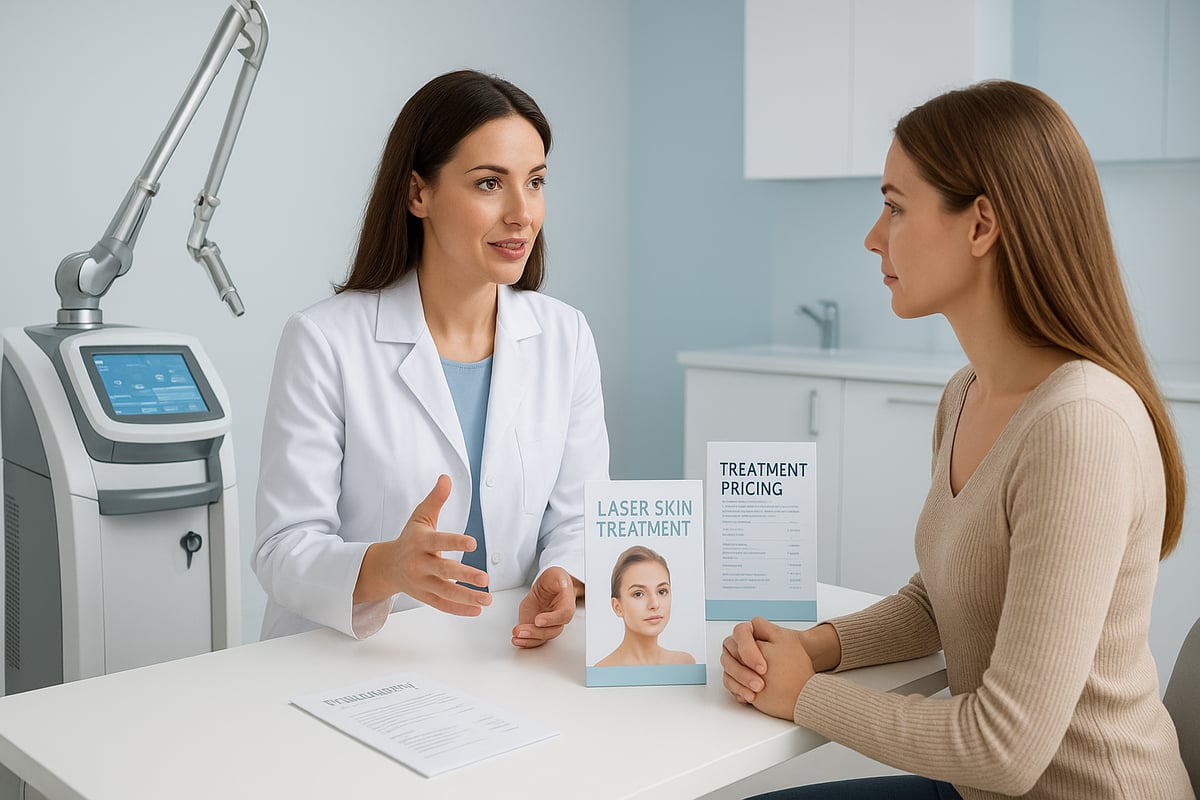
Several key factors combine to determine the laser treatment skin cost you will encounter at clinics in 2026:
- Type of Treatment: Ablative resurfacing, hair removal, pigmentation correction, acne scar revision, and tattoo removal each have unique pricing structures.
- Area Size: Treating a small spot is less expensive than addressing the full face, neck, or larger body zones.
- Number of Sessions: Many goals require multiple sessions. More sessions mean higher total costs, though per-session rates may drop with packages.
- Technology Used: Newer devices, such as picosecond or fractional lasers, often command a premium due to better outcomes and reduced downtime.
- Provider Experience: Board-certified dermatologists or cosmetic surgeons may charge more than medspa technicians, reflecting their expertise and safety standards.
- Clinic Location: Urban clinics typically have higher overhead, raising prices compared to suburban or rural providers.
A quick comparison table illustrates how these variables influence pricing:
| Cost Factor | Impact on Price |
|---|---|
| Treatment Type | High (ablative > non-ablative) |
| Area Size | Scales with treatment area |
| Number of Sessions | Increases total cost |
| Technology | Premium for latest devices |
| Provider Experience | Higher credentials = higher cost |
| Clinic Location | Urban > Suburban > Rural |
The Impact of New Technology and Regional Differences
Emerging laser technologies will continue to shape the laser treatment skin cost landscape. Clinics investing in state-of-the-art devices often pass those costs to clients, but these technologies can offer better results, less discomfort, and quicker recovery.
Regional differences are also significant. For example, a major city like Toronto may have higher base prices than a small town, but urban clinics may also offer more advanced technology and experienced practitioners. Comparing costs between locations is vital.
Provider Credentials and Reputation
The credentials and reputation of your provider play a major role in laser treatment skin cost. Highly regarded clinics with board-certified staff may charge more, but they often deliver safer, more consistent results. Researching provider backgrounds and reading reviews can help you gauge if higher prices reflect genuine value.
Additional Costs to Consider
Beyond the procedure itself, the total laser treatment skin cost can include:
- Consultation fees
- Pre- and post-treatment skincare products
- Follow-up appointments
- Prescription medications (if needed)
- Maintenance sessions for lasting results
Being aware of these potential expenses helps you avoid underestimating your true investment.
Example: Full-Face Resurfacing vs. Small-Area Pigmentation Removal
Suppose you are comparing the cost of full-face CO2 laser resurfacing to a targeted pigmentation removal session. Full-face treatments may require more advanced lasers and longer provider time, resulting in higher costs, while small-area treatments are quicker and use less energy. This difference is reflected in both per-session and overall pricing.
For a detailed breakdown of what each treatment might cost, you can consult the Skin Laser Treatment Cost Guide, which provides real-world figures for a range of laser procedures.
Price Trends and Projections for 2026
Laser treatment skin cost has steadily increased over the past five years, driven by demand, inflation, and technological advancements. Industry sources project the following average price changes:
| Year | Avg. Price Increase (%) |
|---|---|
| 2021 | 3 |
| 2022 | 4 |
| 2023 | 5 |
| 2024 | 5.5 |
| 2025 | 6 |
| 2026 (est) | 6.5 |
These trends highlight the importance of early planning and budgeting for your desired procedures.
Key Takeaways for Budgeting
Understanding the factors that impact laser treatment skin cost empowers you to make informed choices. By considering treatment type, technology, provider, and location, you can avoid hidden fees and set realistic expectations. Always ask for a comprehensive quote, including all potential add-ons, before committing to any treatment.
Average Cost Breakdown by Treatment Type in 2026
Understanding the average laser treatment skin cost in 2026 is essential for planning your skincare investment. Prices can vary significantly depending on the procedure, the technology used, and the area being treated. By comparing costs across popular treatments, you can set realistic expectations and budget more effectively.

Laser Hair Removal: Face, Underarms, Bikini, and Legs
Laser hair removal remains one of the most requested treatments, and the laser treatment skin cost for this service continues to reflect its popularity. In 2026, expect the following average price ranges per session:
- Face: $100–$250
- Underarms: $75–$150
- Bikini: $120–$250
- Legs: $250–$500
Many clinics offer package deals, reducing the per-session cost when you commit to multiple sessions. For example, a six-session underarm package may cost $600–$750, compared to $900 if booked separately. The total laser treatment skin cost depends on the area, hair density, and number of sessions needed, typically between 6 and 8.
Laser Skin Resurfacing and IPL Photofacials
If you are considering skin rejuvenation, the laser treatment skin cost varies by technology and treatment area. CO2, Fraxel, and Erbium lasers are common for full-face resurfacing, with sessions averaging $1,500–$3,500. For smaller areas like the neck or hands, costs range from $600–$1,200.
IPL photofacials are ideal for pigmentation and redness, with typical prices of $300–$600 per session. Packages for three or more sessions often provide savings.
For a detailed breakdown of costs specific to full-face resurfacing, visit the Full Face Laser Resurfacing Cost page.
Acne, Acne Scar Treatments, and Tattoo Removal
Acne and acne scar treatments using fractional lasers or microneedling with RF see an average laser treatment skin cost of $400–$900 per session. Most clients require 3–5 sessions for visible improvement, with package pricing frequently available.
Tattoo removal costs depend on the size and ink complexity. Small tattoos start at $150–$300 per session, while larger or multicolored pieces may reach $500–$1,000 per session. Multiple sessions are necessary, often between 6 and 12, for optimal results.
Vascular Lesion and Vein Treatments
Treatments for vascular lesions or visible veins also influence the average laser treatment skin cost. Small areas like facial spider veins may cost $200–$400 per session, while larger areas such as legs can range from $350–$700. Some clinics provide bundled pricing for multiple areas or repeat sessions, which helps lower the overall cost.
Cost Scenarios and Typical Price Ranges
To help visualize the 2026 laser treatment skin cost, here is a table summarizing average price ranges:
| Treatment Type | Area | Per Session ($) | Typical Package (6 Sessions) |
|---|---|---|---|
| Laser Hair Removal | Face | 100–250 | 500–1,200 |
| Laser Hair Removal | Legs | 250–500 | 1,200–2,500 |
| CO2 Resurfacing | Full Face | 1,500–3,500 | 4,000–8,000 |
| IPL Photofacial | Face | 300–600 | 800–1,500 |
| Acne Scar Treatment | Cheeks | 400–900 | 1,200–3,000 |
| Tattoo Removal | Small/Large | 150–1,000 | 900–6,000 |
| Vein Treatment | Small/Large Area | 200–700 | 900–3,500 |
These figures are based on current industry projections and competitor pricing for 2026. Always confirm the precise laser treatment skin cost during your consultation, as technology, provider experience, and location can all influence your final investment.
What to Expect Before, During, and After Your Laser Treatment
Preparing for a laser skin procedure involves several key steps, each designed to ensure both safety and optimal results. Understanding the process can help you navigate every stage with confidence and accurately plan for your laser treatment skin cost.
Step 1: Initial Consultation
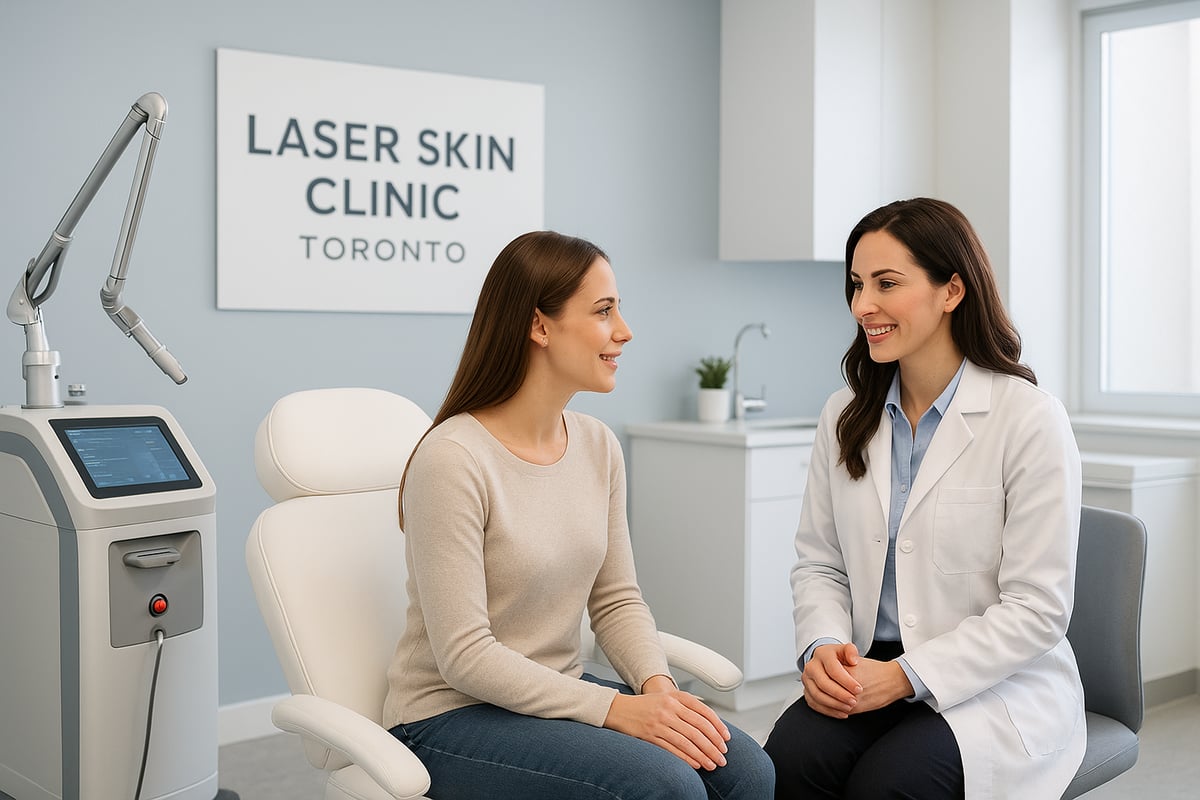
Your journey begins with a comprehensive consultation. Here, the provider assesses your skin, discusses your goals, and creates a personalized treatment plan. You will receive a detailed estimate of your laser treatment skin cost, including the number of sessions and recommended technology. For those interested in advanced options, you can view specific pricing details in this CO2 Laser Treatment Price Overview.
Step 2: Pre-Treatment Instructions
Before your session, your provider will give you clear instructions to prepare your skin. This may include avoiding sun exposure, pausing certain skincare products, and ensuring skin is clean and makeup-free. Following these steps is essential for minimizing risks and protecting your investment in laser treatment skin cost.
Step 3: Treatment Day
On the day of treatment, you will check in and review the procedure with your provider. Depending on the technology, a topical numbing cream may be applied. The session itself can last from 15 minutes to over an hour, based on the area and type of laser used. Clear communication ensures comfort and transparency on laser treatment skin cost.
Step 4: Immediate Aftercare
Directly after your procedure, you can expect some redness, swelling, or warmth in the treated area. Providers often use cooling devices or soothing gels to reduce discomfort. You will be advised to avoid harsh products and protect your skin from the sun, which helps maximize the value of your laser treatment skin cost.
Step 5: Recovery Timeline
Downtime varies with the intensity of the laser. Non-ablative treatments often allow you to resume normal activities within a day, while deeper resurfacing may require several days of healing. Visible improvements typically emerge within a week, but full results can develop over several months, making it important to factor recovery into your laser treatment skin cost planning.
Step 6: Follow-Up Visits and Maintenance
Most clients return for follow-up appointments to monitor progress and receive maintenance recommendations. Providers may suggest additional treatments or skincare products to prolong results and protect your investment.
Example: Fractional Laser Facial Journey
A typical client seeking acne scar reduction with a fractional laser may need three to five sessions spaced a month apart. After each treatment, mild redness and flaking resolve within days. Results accumulate, with smoother skin and fading scars after the full series. Reviewing the total laser treatment skin cost in advance allows for realistic expectations and effective budgeting.
How to Choose the Right Clinic and Maximize Value
Selecting the best clinic is crucial for achieving safe, satisfying results and getting the most out of your laser treatment skin cost. With so many providers and new technologies emerging, it pays to do your homework before you commit. Begin by investigating a clinic’s credentials, the experience of its staff, and the types of lasers and safety protocols in place. Look for board-certified dermatologists or licensed practitioners who specialize in the treatments you need.
Reading independent reviews and browsing before and after photo galleries will help you set realistic expectations. Authentic patient testimonials and visual results give insight into a clinic’s consistency and expertise. If you notice a pattern of dissatisfied clients or a lack of clear results, consider it a warning sign. Transparent clinics will showcase a range of outcomes, not just their best cases, making it easier for you to judge value for your laser treatment skin cost.
A thorough, personalized consultation is essential. This is your chance to ask about the exact laser technology used, discuss your skin concerns, and receive a clear price quote. Ask if the quote includes all necessary fees, such as aftercare or follow-up visits. Quality providers will offer honest cost estimates and explain what influences your laser treatment skin cost. For example, clinics that publish straightforward pricing, like those detailing Laser Hair Removal Cost Toronto, help clients avoid surprises.
Stay alert for red flags such as hidden fees, vague answers about provider qualifications, or pressure to buy unnecessary packages. Always ask about their experience with your skin type and the safety measures in place. According to the Laser Resurfacing Market Size, Share & Growth Report [2024-2034], as the industry grows, more people regret treatments due to poor clinic selection, underscoring the need for careful research. Use the checklist below to compare clinics and ensure your laser treatment skin cost delivers maximum value.
| Clinic Evaluation Checklist for 2026 | Yes/No |
|---|---|
| Board-certified or licensed practitioners | |
| Advanced, FDA-approved laser technology | |
| Transparent, detailed pricing | |
| Comprehensive aftercare and follow-up | |
| Positive, consistent client reviews | |
| Realistic before/after galleries | |
| Personalized consultation and honest advice |
Taking time to evaluate each clinic thoroughly increases your chances of a safe and successful outcome. Remember, your investment in laser treatment skin cost is not just about price—it is about expertise, safety, and long-term satisfaction.
Frequently Asked Questions About Laser Treatment Costs in 2026
Curious about laser treatment skin cost in 2026? Here are answers to the most common questions clients ask before booking their procedures.
How much should I budget for a full course of treatments?
Budgeting for laser treatment skin cost depends on the type and area treated. For example, a full course of facial laser hair removal may range from $1,500 to $2,500, while a series of fractional resurfacing sessions could total $2,000 to $4,000. Costs vary based on the number of sessions, technology, and clinic location.
Are results permanent, or will I need maintenance?
Most laser treatments offer long-lasting results, but maintenance is often needed. Hair removal can provide permanent reduction, yet touch-ups may be required yearly. Skin resurfacing and pigmentation treatments may need maintenance every 12-24 months to preserve optimal outcomes.
Is insurance ever available for laser skin treatments?
Insurance rarely covers cosmetic laser procedures. Exceptions may apply if the treatment addresses a medical necessity, such as removing precancerous lesions. Always confirm with your provider and insurer before assuming coverage for laser treatment skin cost.
What’s included in the price quote—are there hidden fees?
A transparent quote should include all expected charges: consultation, procedure, aftercare, and follow-up visits. Some clinics may charge separately for topical anesthetics or post-care products. Always ask for an itemized estimate to avoid surprises.
How do I know if a clinic’s prices are fair?
Compare quotes from reputable clinics in your area. Fair pricing reflects provider expertise, technology, and included services. Reviewing before-and-after galleries and reading reviews can help you judge value. For insights on future pricing and innovation, see Highlighting Upcoming Aesthetic Innovations in 2026.
Can I negotiate or get a price match?
Some clinics offer price matching or seasonal promotions. It is acceptable to ask about discounts, especially for package deals or multiple areas treated. However, do not compromise quality for a lower laser treatment skin cost.
What if I have darker skin or special medical concerns—will this affect cost?
Treating diverse skin tones or complex medical conditions may require advanced lasers and additional expertise, possibly increasing the laser treatment skin cost. Always choose a clinic with experience in treating your specific skin type for the safest and most effective results.