
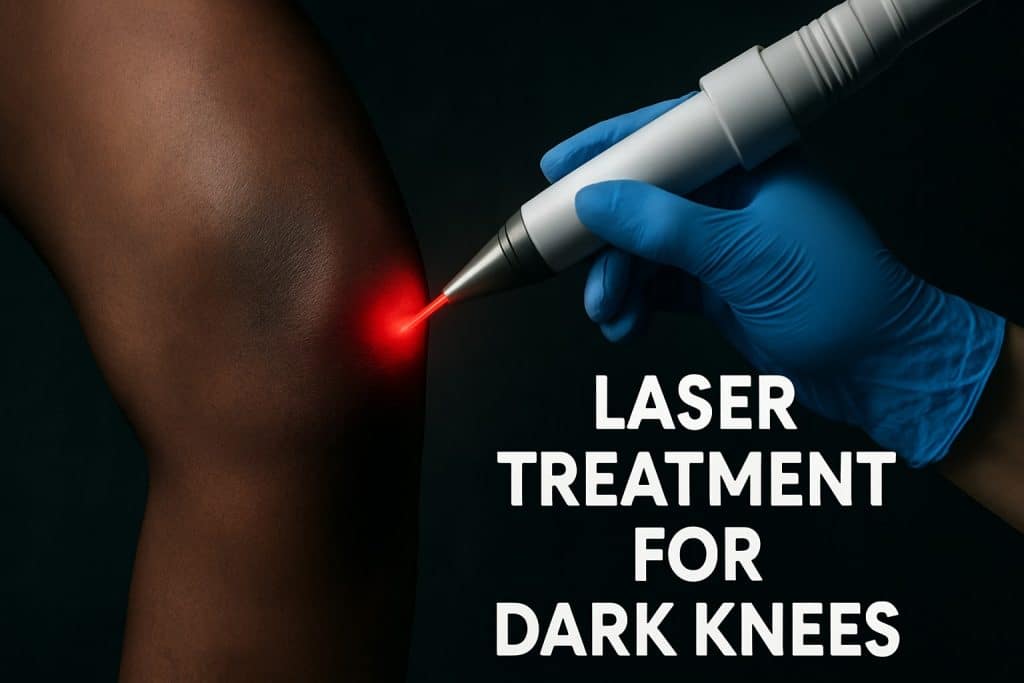
In 2026, the pursuit of even-toned skin has reached new heights, with laser treatment for dark knees emerging as one of the most sought-after cosmetic solutions worldwide. Many individuals struggle with dark knees, a common pigmentation issue that can impact confidence and self-esteem.
This guide will explore everything you need to know about laser treatment for dark knees, reflecting the latest advancements and trends shaping the field. You will learn about the underlying causes, cutting-edge technologies, treatment steps, expected outcomes, safety protocols, costs, and frequently asked questions.
Whether you are curious about results, want to understand your options, or are ready to take action, this comprehensive resource is designed to help you achieve smoother, more radiant skin on your knees. Ready to discover the possibilities? Let’s begin.
Understanding Dark Knees: Causes and Prevalence
Dark knees are a frequent cosmetic concern, often prompting people to seek solutions like laser treatment for dark knees. This condition, medically known as knee hyperpigmentation, occurs when the skin on the knees appears noticeably darker than the surrounding areas. The underlying cause is usually excess melanin, the pigment responsible for skin color. Melanin overproduction leads to patches or spots that stand out, especially in contrast to lighter skin nearby. While anyone can develop dark knees, studies show that up to 35 percent of adults experience some degree of knee hyperpigmentation. The prevalence is even higher among individuals with naturally darker skin tones, making it a widespread issue across ethnicities. If you are curious about how lasers target hyperpigmentation, you can explore this Laser for Hyperpigmentation Guide for detailed insights.

What Are Dark Knees?
Knee hyperpigmentation refers to areas of increased darkness on the knees compared to the rest of the leg. This happens when melanin, the pigment that gives skin its hue, accumulates in higher concentrations in specific spots. Unlike a temporary bruise or dirt, these patches are persistent and often resistant to regular cleansing or scrubbing. The issue is not linked to poor hygiene but rather to how the skin responds to various internal and external factors. Laser treatment for dark knees is designed to specifically target these stubborn pigmented areas, offering a more uniform appearance. People with Fitzpatrick skin types IV to VI, who naturally have more melanin, are more likely to notice pronounced dark knees. In fact, recent studies suggest that up to one third of adults globally report some form of knee hyperpigmentation, making it a common topic in dermatology.
Common Causes of Dark Knees
Several factors contribute to knee hyperpigmentation, prompting many to consider laser treatment for dark knees as a solution. One leading cause is repeated friction or pressure, such as from kneeling during sports or work, or tight clothing rubbing against the knees. Dry skin and a buildup of dead cells can also darken the area, as can unprotected sun exposure, which triggers melanin production. Genetics play a role, with some people more prone to pigmentation changes due to family history. Hormonal fluctuations, such as during pregnancy or with certain medications, may worsen discoloration. Skin conditions like eczema or psoriasis also increase the risk of dark knees, as inflammation can stimulate pigment cells. Understanding these causes helps tailor the most effective treatment approach.
Psychological and Social Impact
The visibility of dark knees affects more than just appearance. For many, the presence of hyperpigmentation leads to self-consciousness, especially when wearing shorts or skirts. Social perceptions and beauty standards often fuel the desire for even-toned skin, pushing the demand for solutions like laser treatment for dark knees. Online forums and aesthetic clinics have seen a surge in inquiries and discussions about knee pigmentation in recent years. According to recent data, Google searches for "dark knees treatment" have doubled since 2022, indicating growing awareness and interest. The psychological impact can be significant, with some individuals reporting lower confidence and even avoiding social situations that expose their knees. This emotional component further underscores the importance of accessible, effective treatments.
Who Is Most at Risk?
Certain groups are more likely to develop dark knees, making laser treatment for dark knees a sought-after option among these populations. Age is a factor, as older adults may have slower cell turnover, leading to more pronounced pigmentation. Gender also plays a role, with women often reporting dark knees due to hormonal influences. Individuals with darker skin types, who produce more melanin, are at higher risk. Lifestyle factors such as frequent kneeling, participation in sports, or occupations requiring physical labor can increase friction and pigment buildup. Medical conditions like diabetes and obesity are also linked to higher rates of knee hyperpigmentation. Accurate diagnosis is crucial before beginning any treatment, ensuring that the underlying cause is addressed for optimal results.
Advances in Laser Technology for Dark Knees in 2026
Laser technology for dark knees is rapidly evolving, offering more effective, safer, and personalized solutions than ever before. In 2026, patients have access to a wide range of advanced devices, each designed to address hyperpigmentation with precision and minimal downtime. Let's explore the latest breakthroughs and what they mean for anyone considering laser treatment for dark knees.
Types of Laser Treatments Available
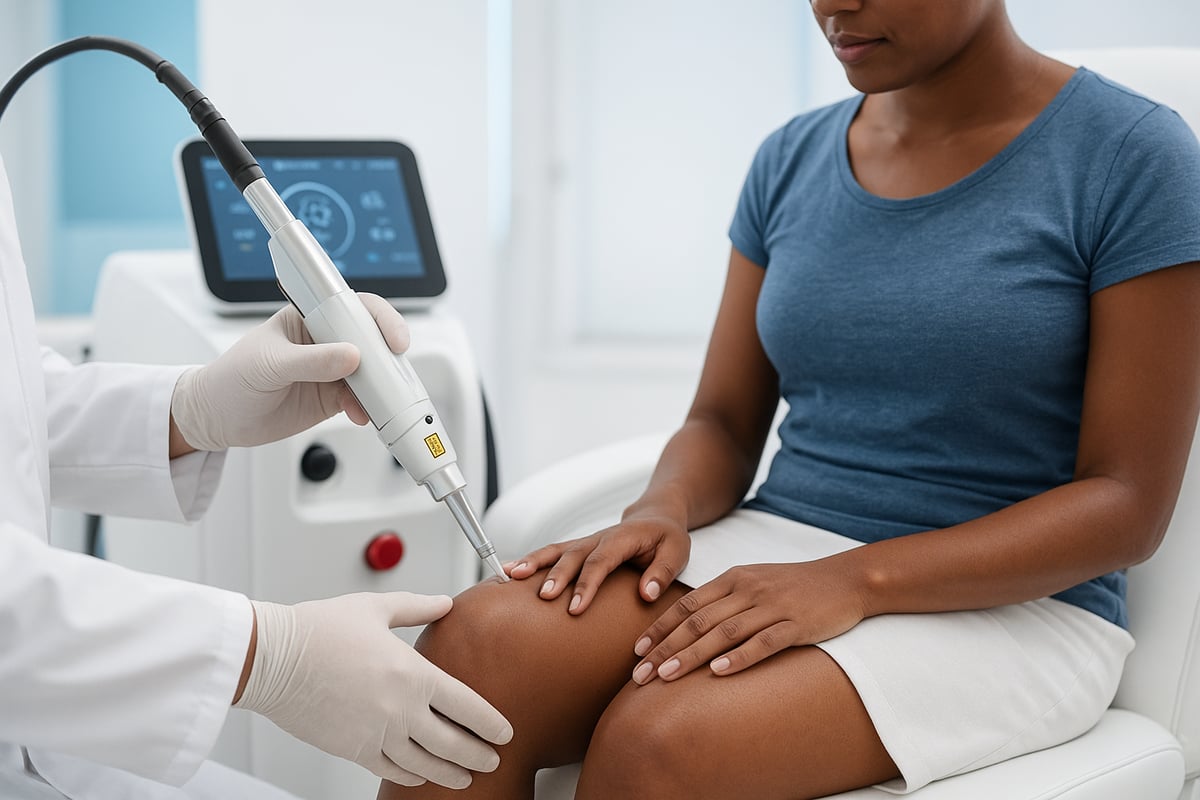
Today, multiple laser platforms are used to target knee hyperpigmentation. Each type offers unique benefits for specific skin tones and pigmentation depths. The most popular options for laser treatment for dark knees include:
| Laser Type | Mechanism | Best For | Key Benefit |
|---|---|---|---|
| Q-switched Nd:YAG | Melanin breakdown | All skin tones | Minimal risk of scarring |
| Fractional CO2 | Skin resurfacing | Lighter to medium | Smoother texture |
| PicoWay | Ultra-short pulses | Resistant spots | Fast recovery |
| Alexandrite | Targeted pigment removal | Lighter skin | Quick visible results |
Q-switched lasers are especially effective for breaking down excess melanin without damaging surrounding tissue. Fractional CO2 lasers resurface the skin and encourage collagen production, leading to a smoother, more even appearance. PicoWay lasers use ultra-fast pulses to treat stubborn pigmentation, while Alexandrite lasers are ideal for lighter skin types.
For a deeper understanding of available options and their benefits, you can learn more at Laser for Pigmentation Treatments. These advances are making laser treatment for dark knees safer and more effective for all skin tones.
What’s New in 2026?
The year 2026 brings several innovative features to laser treatment for dark knees. AI-guided laser calibration now allows for highly personalized protocols, adjusting energy levels to match each patient's skin type and pigmentation. Enhanced cooling systems are standard, reducing discomfort and speeding up recovery.
Combination therapies are also gaining popularity. Many clinics now pair lasers with microneedling or topical agents for improved results. According to recent data, next-generation devices offer 30% faster healing compared to previous models. These trends are making laser treatment for dark knees more accessible and efficient for patients seeking noticeable change.
Effectiveness and Clinical Results
Clinical outcomes for laser treatment for dark knees have improved significantly. Studies report that fractional lasers provide a 60-80% reduction in knee pigmentation after just three to five sessions. Most patients notice visible improvement within two to six weeks of starting treatment.
Typically, three to six sessions are required, spaced several weeks apart. Maintenance treatments may be needed to sustain results. Results last longer when patients follow post-care guidelines and protect their skin from sun exposure. Laser treatment for dark knees now delivers more predictable and lasting outcomes, helping patients regain confidence in their appearance.
Safety Innovations and Side Effect Reduction
Safety is a top priority in modern laser treatment for dark knees. New wavelength controls allow practitioners to avoid burns or post-inflammatory hyperpigmentation, even in darker skin types. Cooling and numbing technologies have advanced, making the procedure comfortable for most patients.
AI-driven monitoring systems track skin response in real time, helping clinicians adjust settings instantly. These improvements have led to a lower risk of scarring, pigment changes, or other complications. As a result, laser treatment for dark knees is now safer than ever, with most side effects limited to mild redness or swelling that resolves quickly.
Candidacy and Limitations
Laser treatment for dark knees is suitable for many individuals, but not everyone is an ideal candidate. The best results are seen in patients without active infections, uncontrolled medical conditions, or certain skin disorders. Those with very deep pigmentation may require additional sessions or combination therapies.
A professional assessment is crucial before starting laser treatment for dark knees. This ensures that the chosen method matches your unique skin type and health status, minimizing risks and optimizing outcomes.
New Skin Laser Clinic: Advanced Laser Solutions in Toronto
New Skin Laser Clinic stands out for its expertise in laser treatment for dark knees and other pigmentation concerns. The clinic's team uses the latest technology and strict safety protocols to deliver personalized care for every patient.
Clients benefit from tailored treatment plans, advanced cooling systems, and solutions designed for all skin tones. Whether you have fair or dark skin, New Skin Laser Clinic offers cutting-edge options to help you achieve more even, confident knees.
Preparing for Laser Treatment: What Patients Should Know
Preparing for laser treatment for dark knees requires thoughtful planning and a clear understanding of the process. Patients who invest time in preparation are more likely to achieve safe, satisfying results. The following steps outline what to expect before, during, and after your initial consultation.
Consultation and Assessment
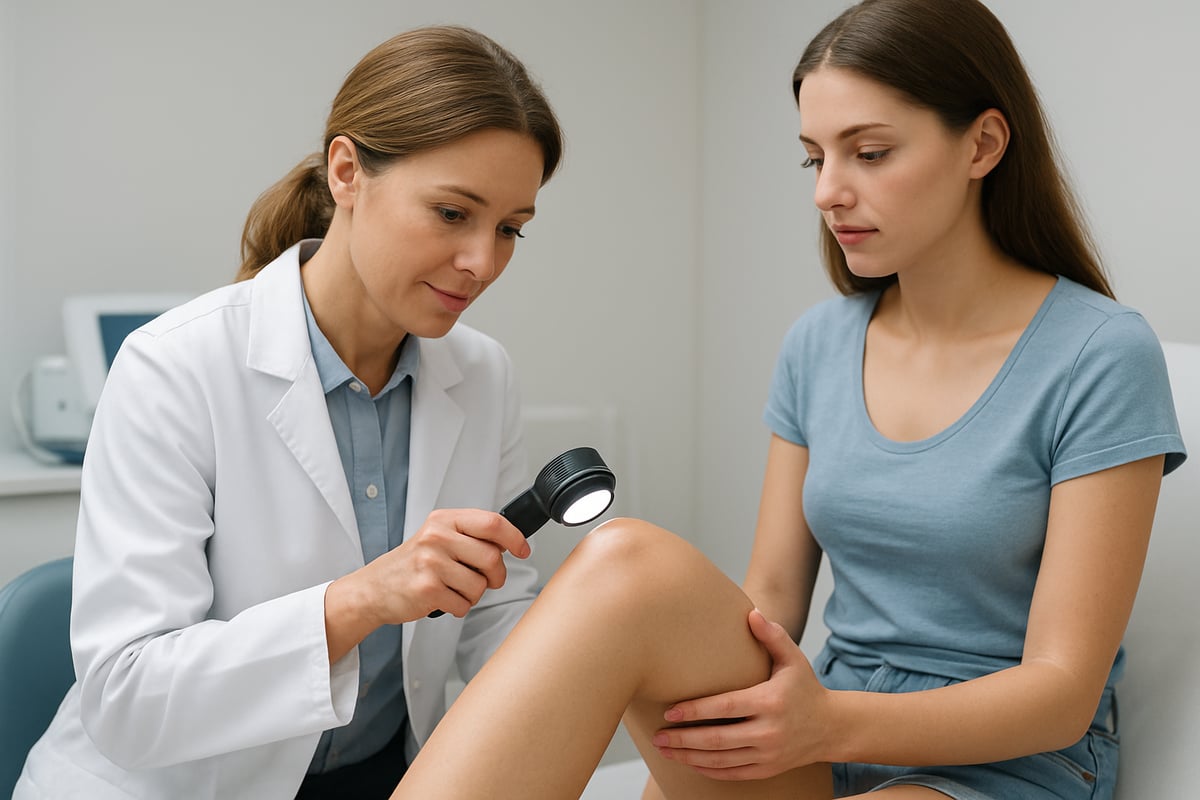
A professional consultation is the first and most important step before starting laser treatment for dark knees. During this appointment, the practitioner will conduct a thorough medical history and examine your skin.
Expect a detailed skin analysis, which often includes a Fitzpatrick skin type evaluation. This helps determine if laser treatment for dark knees is safe and effective for your skin tone. The provider may also perform a patch test to check your skin's response to the laser.
Be honest about your goals and any previous treatments. This discussion sets realistic expectations and ensures your safety throughout the process.
Pre-Treatment Instructions
Proper preparation can make a significant difference in the outcome of laser treatment for dark knees. Adjust your skincare routine by stopping retinoids and exfoliating acids a week before treatment.
Avoid direct sun exposure, and use a moisturizer to keep the skin hydrated. Discontinue medications or supplements that may increase bleeding risk, such as NSAIDs or fish oil, as advised by your provider. Shaving the area is preferred over waxing or depilatory creams, which can irritate the skin.
Following these steps reduces the risk of side effects and helps achieve the best possible results from your laser treatment for dark knees.
Understanding the Treatment Plan
Your provider will design a personalized plan for laser treatment for dark knees. Most patients require multiple sessions, typically spaced three to six weeks apart. The exact number depends on the severity of pigmentation and your individual response.
Combination therapies, such as adding topical lightening agents, may be recommended for stubborn cases. Improvement is gradual, so patience is key. Your practitioner will set clear milestones so you know when to expect visible changes.
A sample treatment plan might look like this:
| Session | Interval (weeks) | Expected Progress |
|---|---|---|
| 1 | 0 | Initial response |
| 2 | 3-6 | Noticeable fading |
| 3 | 3-6 | Further lightening |
| 4+ | As needed | Maintenance |
Open communication with your provider ensures you stay informed throughout your laser treatment for dark knees journey.
Cost Factors and Insurance
The price of laser treatment for dark knees varies between clinics and depends on several factors, including provider expertise, technology used, and geographic location. In 2026, the average cost per session ranges from $300 to $700.
Other influences include the complexity of your case and the number of sessions required. Cosmetic procedures like laser treatment for dark knees are typically not covered by insurance, unless linked to a medical condition.
For detailed information on pricing and what impacts the overall cost, refer to Skin Laser Treatment Costs. Many clinics offer package deals for multiple sessions, which can provide significant savings.
The Laser Treatment Experience: Step-by-Step Guide
Undergoing laser treatment for dark knees is a straightforward process designed for both safety and comfort. Understanding each stage helps set clear expectations and supports optimal results. Below, we walk through each step so you know exactly what to expect.
Step 1: Arrival and Prepping the Area
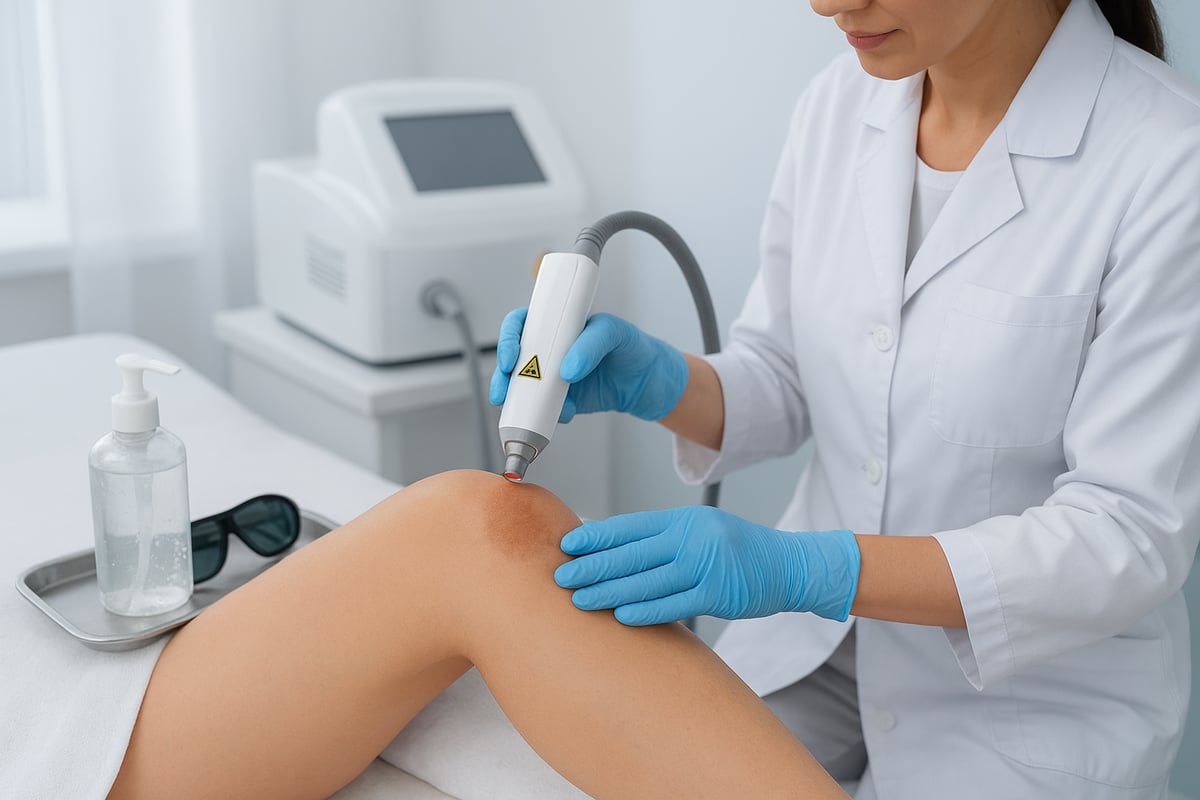
When you arrive for laser treatment for dark knees, the process begins with a warm welcome and a review of consent forms. Your practitioner will answer any last-minute questions and confirm your medical history for safety.
The treatment area is cleansed thoroughly to remove oils, lotions, or debris. The skin may be marked with a medical pen for precise targeting. A topical anesthetic or cooling gel is often applied to minimize discomfort during the session.
- Check in and review forms
- Clean and mark the knee area
- Apply anesthetic or cooling gel as needed
This careful prepping ensures your laser treatment for dark knees starts smoothly and comfortably.
Step 2: The Laser Procedure
The heart of laser treatment for dark knees involves the application of advanced laser technology. Devices like the fractional CO2 laser deliver targeted energy pulses to break down excess pigment and stimulate collagen production. The practitioner will select the most suitable settings based on your skin type and pigmentation depth.
During the procedure, you may feel a warm sensation or light snapping. Protective eyewear is always provided for safety. Sessions typically last 15 to 30 minutes.
For more on how this technology works, see Fractional CO2 Laser Technology.
Many patients feel reassured by knowing exactly what sensations to expect during laser treatment for dark knees.
Step 3: Immediate Post-Treatment Care
Directly after laser treatment for dark knees, your practitioner will apply soothing measures such as ice packs or a calming gel. Redness and mild swelling are common and usually subside within hours.
It is essential to avoid sun exposure and heat for at least 48 hours after your session. Skipping the gym, hot showers, or saunas is recommended to prevent irritation.
- Cool the area with ice packs or gel
- Expect minor redness or swelling
- Avoid heat and sun for 2 days
Following these immediate steps supports the healing process and maximizes the benefits of laser treatment for dark knees.
Step 4: Short-Term Recovery (First Week)
In the first week after laser treatment for dark knees, you may notice mild peeling, dryness, or temporary darkening as the skin renews itself. Moisturizing and gentle cleansing are key to recovery.
Most patients can return to regular activities within a day or two, but it is vital to monitor for any unusual symptoms such as blistering or infection. Promptly report any concerns to your provider.
- Use gentle cleansers and moisturizers
- Watch for signs of infection
- Resume activities as advised
Short-term recovery is usually straightforward with proper care after laser treatment for dark knees.
Step 5: Long-Term Aftercare and Maintenance
Long-term success with laser treatment for dark knees depends on diligent aftercare. Daily use of broad-spectrum sunscreen and brightening creams helps maintain results and prevent recurrence.
Annual maintenance sessions may be recommended based on your skin’s needs. Lifestyle adjustments, like avoiding friction and keeping the skin hydrated, further support lasting improvement.
| Aftercare Tip | Benefit |
|---|---|
| Daily sunscreen (SPF 50+) | Prevents pigmentation return |
| Moisturize regularly | Supports skin barrier |
| Gentle exfoliation | Keeps skin smooth |
| Avoid friction | Reduces risk of darkening |
Commitment to aftercare ensures you enjoy the full benefits of your laser treatment for dark knees over the long term.
Expected Results, Risks, and Realistic Outcomes
Undergoing laser treatment for dark knees can be a transformative step, but understanding what to expect is key for satisfaction and safety. In this section, we detail the typical results, possible risks, and realistic outcomes based on current data and 2026 advancements.
Timeline for Visible Improvement
Most people begin to see noticeable improvement in knee pigmentation within 2 to 6 weeks after starting laser treatment for dark knees. Results are gradual, with each session contributing to lighter, more even-toned skin. Typically, a series of 3 to 6 sessions is recommended, spaced several weeks apart to allow proper skin healing.
Before and after photos from clinical studies highlight up to 80 percent improvement post-treatment. However, individual timelines may vary based on skin type, depth of pigmentation, and adherence to aftercare. Consistent follow-up and maintenance sessions can further enhance and prolong results.
Potential Risks and Side Effects
While laser treatment for dark knees is considered safe, some risks exist. Common side effects include temporary redness, swelling, and mild darkening of the treated area. Rare complications, such as burns, scarring, or persistent hyperpigmentation, are minimized with new laser technologies and expert protocols.
According to a systematic review on laser treatments for postinflammatory hyperpigmentation, less than 2 percent of patients experience significant complications with modern devices. Proper skin assessment before treatment and following aftercare instructions help reduce risks and ensure a smoother recovery.
Managing Expectations and Limitations
Setting realistic expectations is crucial for anyone considering laser treatment for dark knees. While many achieve significant lightening, complete removal of pigmentation is not always possible. The depth of discoloration, underlying medical conditions, and genetic factors all influence outcomes.
Some cases may require additional therapies, such as topical lightening agents or microneedling, for optimal results. Success also depends on consistent aftercare, sun protection, and minimizing friction to prevent recurrence. Discussing your goals with a qualified provider ensures you understand what is achievable.
Who Should Avoid Laser Treatment?
Laser treatment for dark knees is not suitable for everyone. Contraindications include pregnancy, certain medications that increase photosensitivity, active skin infections, or recent tanning. People with a history of keloid scarring or autoimmune skin conditions should consult their dermatologist before proceeding.
Alternative options, such as topical creams or chemical peels, may be recommended for those who are not ideal candidates. Full disclosure of your medical history during consultation is essential to ensure safety and select the right approach for your needs.
Comparing Laser to Other Treatments
When weighing laser treatment for dark knees against other methods, several factors come into play. Lasers generally offer faster, more targeted results for deep pigmentation compared to chemical peels, microdermabrasion, or topical creams. However, these alternatives can be effective for milder cases or as adjunct therapies.
| Treatment Option | Effectiveness | Recovery Time | Best For |
|---|---|---|---|
| Laser | High | Minimal | Deep, stubborn pigmentation |
| Chemical Peels | Moderate | Short | Surface-level discoloration |
| Microdermabrasion | Mild | None | Mild, superficial cases |
| Topical Creams | Variable | None | Maintenance, minor pigment |
Choosing the right treatment depends on your skin type, goals, and risk tolerance. Consulting with an experienced professional ensures you receive a personalized plan for the best possible outcome.
Frequently Asked Questions About Laser Treatment for Dark Knees
Choosing laser treatment for dark knees is a significant decision. Patients often have many questions before committing to a procedure. Here, we address the most common concerns to guide you toward informed choices and the best possible outcomes.
How Many Sessions Are Needed?
The number of sessions required for laser treatment for dark knees varies based on the severity of pigmentation and individual response. Most patients notice visible improvement after three to six sessions. Mild cases may need only two sessions, while deeper or more stubborn pigmentation can require additional treatments.
Sessions are typically spaced three to six weeks apart to allow the skin adequate time to heal and respond. Your provider will assess your progress at each visit and adjust the plan as needed. Consistency and adherence to aftercare are key for optimal results with laser treatment for dark knees.
Is Laser Treatment Painful?
Many individuals considering laser treatment for dark knees are concerned about discomfort. Most patients describe the sensation as mild, likening it to a quick snap or tingling. The pain level is usually rated as 2 to 4 out of 10, with the experience lasting only a few seconds per pulse.
Clinics use numbing creams and advanced cooling devices to increase comfort during each session. If you have a low pain threshold, discuss this with your provider. The majority of patients find the procedure tolerable and are able to resume daily activities soon after completing laser treatment for dark knees.
How Long Do Results Last?
Results from laser treatment for dark knees can be long-lasting when supported by proper aftercare. Typically, patients see improvement within two to six weeks after their final session, with pigmentation continuing to fade over time. However, the longevity of results depends on factors such as sun exposure, skin care habits, and lifestyle.
To maintain your results, apply sunscreen daily, moisturize, and avoid friction or pressure on the knees. Some patients benefit from annual maintenance sessions to keep their skin even-toned. Following your provider’s recommendations helps extend the benefits of laser treatment for dark knees.
Can All Skin Types Be Treated Safely?
Advancements in technology have made laser treatment for dark knees safer for a wider range of skin tones, including those with darker complexions. Choosing the right device and an experienced provider is essential for minimizing risks like burns or post-inflammatory hyperpigmentation.
For example, studies like the Clinical Study on 1927 nm Thulium Laser for Hyperpigmentation in Dark Skin show promising results in safety and effectiveness. Providers now use tailored settings to match your skin type and pigmentation depth. Always request a patch test and a thorough consultation before starting laser treatment for dark knees.
Preventing Dark Knees After Treatment: Lifestyle and Skincare Tips
Achieving lasting results from laser treatment for dark knees requires more than just the procedure itself. Consistent post-treatment care and lifestyle adjustments are essential to prevent hyperpigmentation from returning. By adopting the right habits and routines, you can help maintain even skin tone on your knees and boost your confidence.
Daily Skincare Routine
Proper daily skincare plays a crucial role in maintaining the results of laser treatment for dark knees. Focus on gentle cleansing and deep hydration. Use fragrance-free moisturizers containing urea, lactic acid, or niacinamide to support skin renewal and barrier repair.
Incorporate mild exfoliation twice a week with a soft washcloth or an enzyme-based product. Avoid harsh scrubs that can irritate and worsen pigmentation. Applying a nourishing cream right after bathing helps lock in moisture.
A simple routine includes:
- Cleansing with a gentle, pH-balanced wash
- Exfoliating carefully to remove dead skin cells
- Moisturizing with hydrating, non-irritating formulas
By protecting your skin’s barrier, you help extend the benefits of laser treatment for dark knees and prevent new dark patches from forming.
Sun Protection Strategies
Sun exposure is one of the leading causes of pigmentation recurrence after laser treatment for dark knees. Daily application of a broad-spectrum SPF 50+ sunscreen is non-negotiable. Reapply every two hours if outdoors, and use protective clothing like long pants when possible.
Recent advancements in aesthetic medicine highlight the importance of sun protection as part of a comprehensive aftercare plan. To learn more about how new technologies are shaping post-laser protocols, explore Advancements in Aesthetic Medicine Technologies for 2026.
Key sun protection tips:
- Apply sunscreen generously to your knees
- Wear breathable fabrics that cover your legs
- Avoid direct sunlight during midday hours
Consistent sun defense helps safeguard the results of laser treatment for dark knees and reduces the risk of pigmentation returning.
Minimizing Friction and Pressure
Friction from clothing or frequent kneeling can trigger hyperpigmentation, even after laser treatment for dark knees. Choose soft, non-abrasive fabrics like cotton or bamboo blends for everyday wear. If your activities involve kneeling or physical impact, consider using knee pads for added protection.
Other strategies include:
- Avoiding tight or rough-textured pants
- Taking breaks if kneeling for extended periods
- Using cushioned mats for floor-based activities
Reducing friction and pressure allows the skin to heal and maintain its even tone, supporting the long-term success of laser treatment for dark knees.
Nutrition and Hydration
Healthy skin begins from within. After laser treatment for dark knees, focus on a balanced diet rich in vitamins, antioxidants, and healthy fats. Nutrients like vitamin C, vitamin E, and zinc promote skin repair and resilience.
Stay well hydrated by drinking plenty of water throughout the day. Foods such as leafy greens, citrus fruits, nuts, and seeds support collagen production and barrier function.
A well-nourished body helps the skin recover faster and hold onto the improvements achieved with laser treatment for dark knees. Consistent hydration and smart nutrition are vital for sustained results.
Alternative and Complementary Treatments for Dark Knees
Exploring alternatives to laser treatment for dark knees is essential for those seeking a personalized solution. While laser therapies are highly effective, many people benefit from combining them with other approaches or using non-laser methods, especially for mild or early-stage pigmentation. This section covers topical treatments, professional options, and the benefits of combining modalities for optimal results.
Topical Treatments and Home Remedies
Topical creams and home remedies can offer a gentle entry point before considering laser treatment for dark knees. Over-the-counter creams with ingredients such as hydroquinone, kojic acid, and vitamin C are frequently recommended by dermatologists.
Natural options like aloe vera, turmeric, and lemon juice are widely discussed online. However, these home remedies have variable efficacy and may cause irritation if overused. For mild pigmentation, consistent application of these products over several months can yield gradual improvements.
- Key topical agents: hydroquinone, retinoids, vitamin C, niacinamide
- Natural remedies: aloe vera gel, turmeric paste, diluted lemon juice
- Caution: Always patch-test and consult a professional if irritation occurs
While results are typically slower than with laser treatment for dark knees, topical methods remain accessible and budget-friendly for many.
Other Professional Treatments
In addition to laser treatment for dark knees, clinics offer a range of professional procedures. Chemical peels use safe acids to exfoliate and lighten hyperpigmented skin, while microdermabrasion gently removes dead skin cells to reveal a brighter tone. Microneedling can stimulate collagen and improve texture when used with topical serums.
Each method has its own benefits and potential drawbacks:
| Treatment | Pros | Cons | Downtime |
|---|---|---|---|
| Chemical Peels | Quick, effective, affordable | Temporary redness | 2-5 days |
| Microdermabrasion | Minimal discomfort, no chemicals | Subtle results | Minimal |
| Microneedling | Boosts collagen, texture | Can cause swelling | 2-7 days |
According to the Hyperpigmentation Treatment Market Forecast to 2030, demand for combination therapies is rising, reflecting a trend toward tailored solutions that integrate multiple techniques for stubborn pigmentation.
Combining Modalities for Best Results
For persistent cases, combining laser treatment for dark knees with other therapies can maximize improvement. Dermatologists often design personalized plans that incorporate lasers with topical brighteners or professional treatments.
For instance, patients may undergo a series of laser sessions while using prescription creams in between. In some clinics, a chemical peel may follow laser therapy to target residual pigment. This approach improves both the speed and quality of results, especially for deep or resistant discoloration.
- Combination benefits: Faster results, improved safety, long-term maintenance
- Professional supervision is essential to avoid over-treatment or irritation
Ultimately, integrating multiple modalities with laser treatment for dark knees ensures a holistic strategy tailored to individual needs and skin types.