Are you ready to unlock younger, smoother, and more radiant skin in 2026? The world of skincare is evolving, and laser light treatment for face is leading this transformation.
This expert guide will demystify laser light treatment for face, providing everything you need to make informed decisions for your skin’s future.
You will discover the science behind laser technology, explore treatment types, weigh benefits and risks, learn about candidacy, procedure steps, recovery, costs, and the latest innovations.
Experience the promise of youthful skin—let’s empower your choices with the most up-to-date, evidence-based knowledge available.
Understanding Laser Light Treatment for Face
Laser light treatment for face is transforming the approach to facial rejuvenation. This advanced therapy uses focused light energy to address a range of skin concerns, from wrinkles to pigmentation. The technology is divided mainly into ablative and non-ablative lasers. Ablative lasers, like CO2 and Er:YAG, remove outer skin layers, while non-ablative options target deeper tissues without surface damage. Each wavelength is selected for its ability to reach specific skin structures. Unlike chemical peels or microneedling, lasers offer precision and customizable intensity. Common devices include CO2, Er:YAG, and fractional lasers. According to 2024 data, over 1 million procedures are performed each year in North America. To delve deeper into the fundamentals, visit Laser treatment for face explained.
What is Laser Light Treatment?
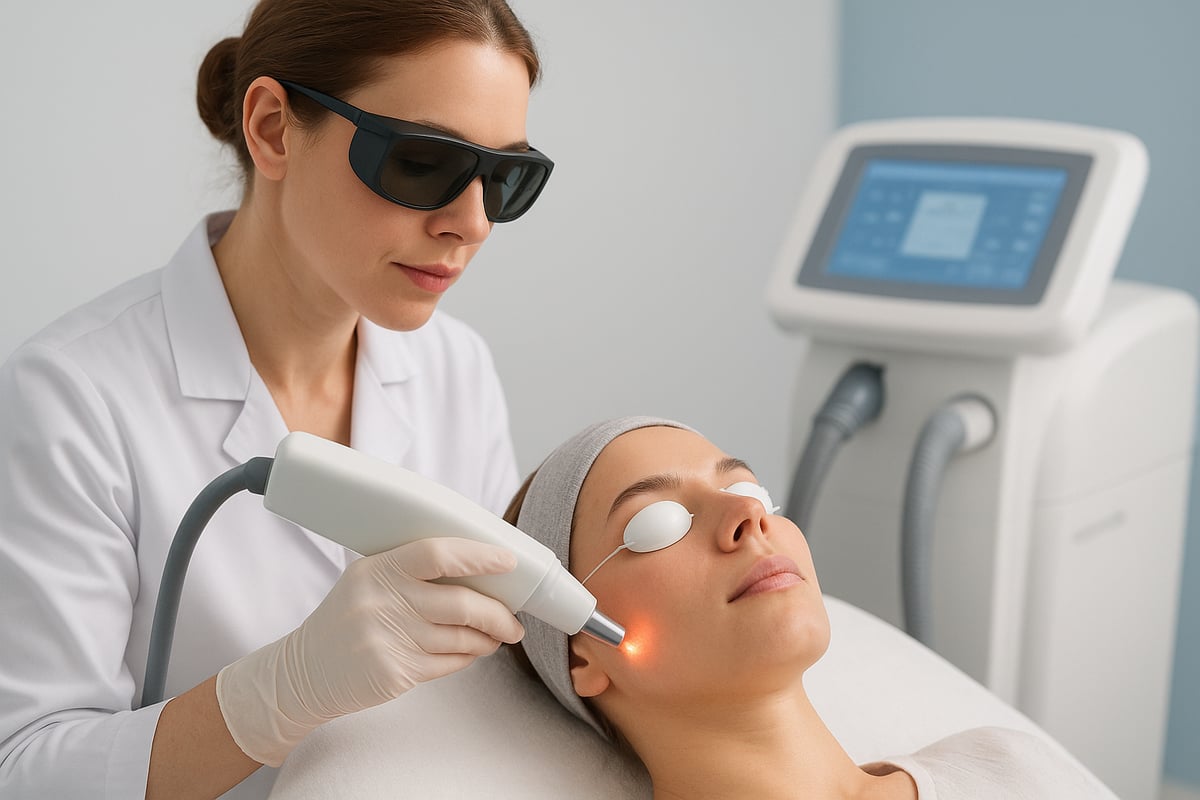
Laser light treatment for face harnesses the principle of selective photothermolysis. This means the laser targets specific skin elements, such as pigment or blood vessels, by matching their unique absorption characteristics. As the laser energy is absorbed, it heats the targeted area, triggering the body’s natural healing process. This stimulates collagen and elastin production, which are essential for firmer, smoother skin. Lasers can also break down unwanted pigment or vascular lesions. Safety measures, like cooling devices and precise calibration, help protect the surrounding tissue. For example, treating melasma requires different settings than treating acne scars, and practitioners must adjust protocols for darker skin tones to prevent unwanted side effects.
How Laser Light Interacts with Skin
There are several types of laser light treatment for face, each designed for specific skin issues. Fractional lasers create micro-injuries in the skin to promote regeneration, making them ideal for scars and wrinkles. Intense Pulsed Light (IPL) uses broad-spectrum light to treat sun spots and redness. PicoWay and Q-switched lasers are effective for pigment and tattoo removal. Each technology has its pros and cons. For instance, IPL is gentle with minimal downtime but less effective for deep wrinkles, while CO2 lasers deliver dramatic results for advanced aging but require longer recovery. In 2025, fractional lasers made up 60% of all facial laser procedures, highlighting their popularity and versatility.
Types of Laser Light Treatments for the Face
The benefits of laser light treatment for face are both immediate and long-lasting. Patients often notice a visible reduction in fine lines, wrinkles, and sun damage. Skin tone and texture improve, pores appear smaller, and acne scars fade. Unlike surgical options, lasers offer non-invasive results with minimal downtime. With proper aftercare, improvements can last for years. Clinical trials show significant before-and-after differences, with patients reporting higher satisfaction rates compared to traditional methods. The treatment’s ability to address multiple concerns in one session makes it a preferred choice for those seeking comprehensive facial rejuvenation.
Benefits of Laser Light Treatment
While laser light treatment for face is generally safe, it is important to consider potential risks. Common side effects include temporary redness, swelling, or mild discomfort. Rarely, patients may experience hyperpigmentation or infection. A thorough professional evaluation is essential to determine the right laser type and settings for each individual. Contraindications include active skin infections, certain medications, and recent sun exposure. Studies from 2025 indicate that complication rates remain under 2% when procedures are performed by experienced providers. To minimize risk, always select a reputable clinic and follow all pre- and post-procedure instructions closely.
Who is a Good Candidate for Laser Light Facial Treatments?
Choosing to undergo laser light treatment for face begins with understanding your unique skin profile, health background, and desired results. Not everyone is an ideal candidate, so a careful assessment is essential for both safety and satisfaction. Let’s explore the key factors that determine candidacy.
Skin Types and Tones
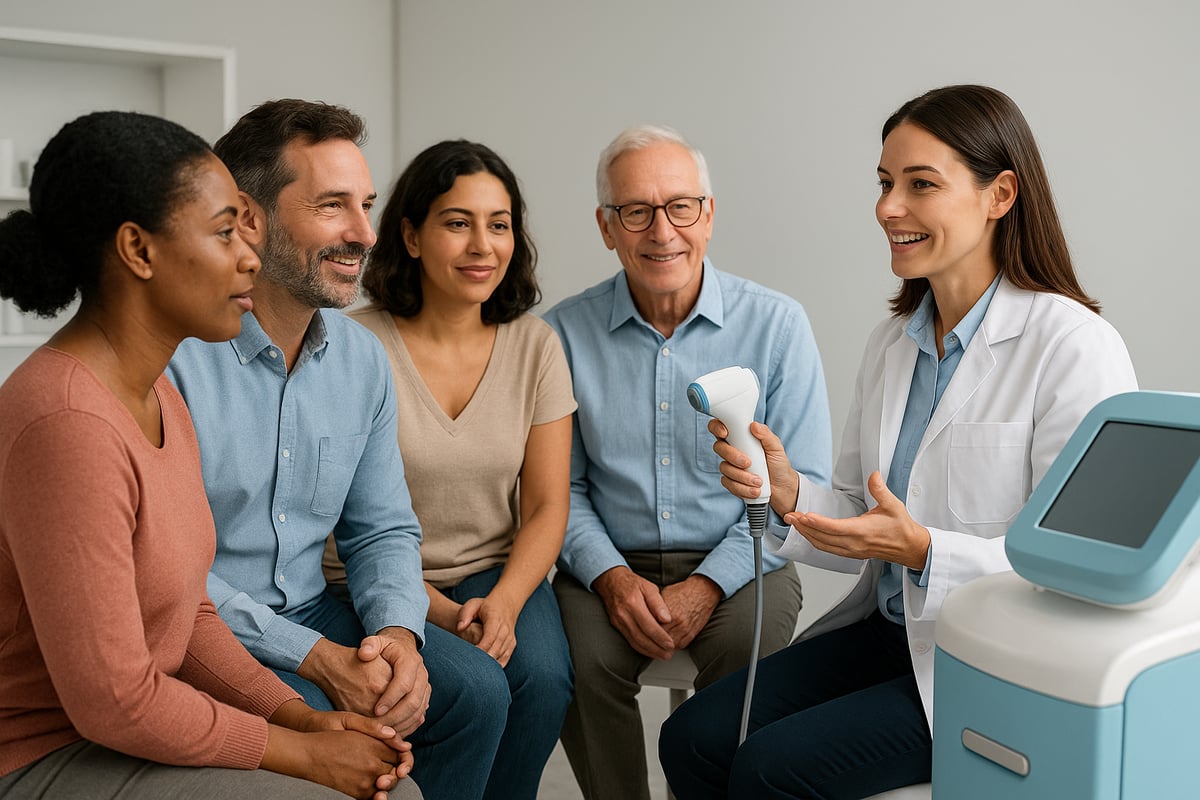
Laser light treatment for face can be safely performed on most skin types, but the Fitzpatrick skin type scale helps providers tailor settings. Lighter skin tones (types I–III) generally respond well, while darker tones (IV–VI) require specific protocols to reduce risks like hyperpigmentation.
Advanced lasers now offer custom settings for Asian, Black, and Hispanic skin. For example, clinics report a 40% increase in patients with darker skin seeking these treatments, thanks to improved safety. A thorough consultation ensures the right laser and settings are chosen for your complexion.
Age and Skin Concerns
People in their 20s through 60s and beyond can benefit from laser light treatment for face, depending on their goals. Early signs of aging, acne scars, sun spots, and uneven texture are among the most common concerns addressed.
Younger clients may seek preventive care, while mature clients often desire corrective results. According to Laser therapy for skin rejuvenation, lasers effectively target issues from fine lines to deeper wrinkles. The versatility of these treatments means they can be tailored for subtle refreshment or significant rejuvenation.
Medical History and Contraindications
Before starting laser light treatment for face, your medical history will be reviewed. Certain conditions, such as autoimmune disorders, pregnancy, or use of medications like Accutane, can make the procedure unsuitable.
It’s vital to disclose all relevant health information during your consultation. About 15% of clients discover contraindications that require alternative therapies. Honest communication ensures your safety and helps the provider recommend the best approach for your needs.
Setting Realistic Expectations
Realistic expectations are key when considering laser light treatment for face. Results vary based on your skin type, concern, and the technology used. Most people require several sessions to achieve optimal effects, with maintenance treatments suggested for longevity.
For example, visible improvement in acne scars often appears after 3–5 sessions. Your lifestyle and skincare routine also impact how long results last. A reputable provider will guide you with clear timelines and practical aftercare advice, so you know exactly what to expect.
The Laser Light Treatment Process: Step-by-Step
Embarking on a laser light treatment for face involves a carefully structured process, designed to deliver safe and effective results. Understanding each phase helps set realistic expectations and ensures optimal outcomes. Below, we break down every step, from preparation to aftercare, so you can approach your journey with confidence.
Pre-Treatment Preparation
Before your laser light treatment for face, an initial consultation is essential. A licensed provider will assess your skin type, medical history, and treatment goals. This evaluation determines your candidacy and the best laser technology for your needs.
Preparation typically involves avoiding sun exposure and discontinuing retinoids or photosensitizing medications for at least two weeks. Patients are often advised to follow a gentle skincare routine and hydrate well. Patch testing may be recommended, especially for sensitive skin, to minimize risks.
Key pre-treatment steps include:
- Ceasing use of certain skincare products
- Stopping antibiotics or photosensitizers as directed
- Scheduling treatment when skin is free from active irritation
Following these guidelines can help ensure your laser light treatment for face proceeds smoothly.
What Happens During the Procedure?
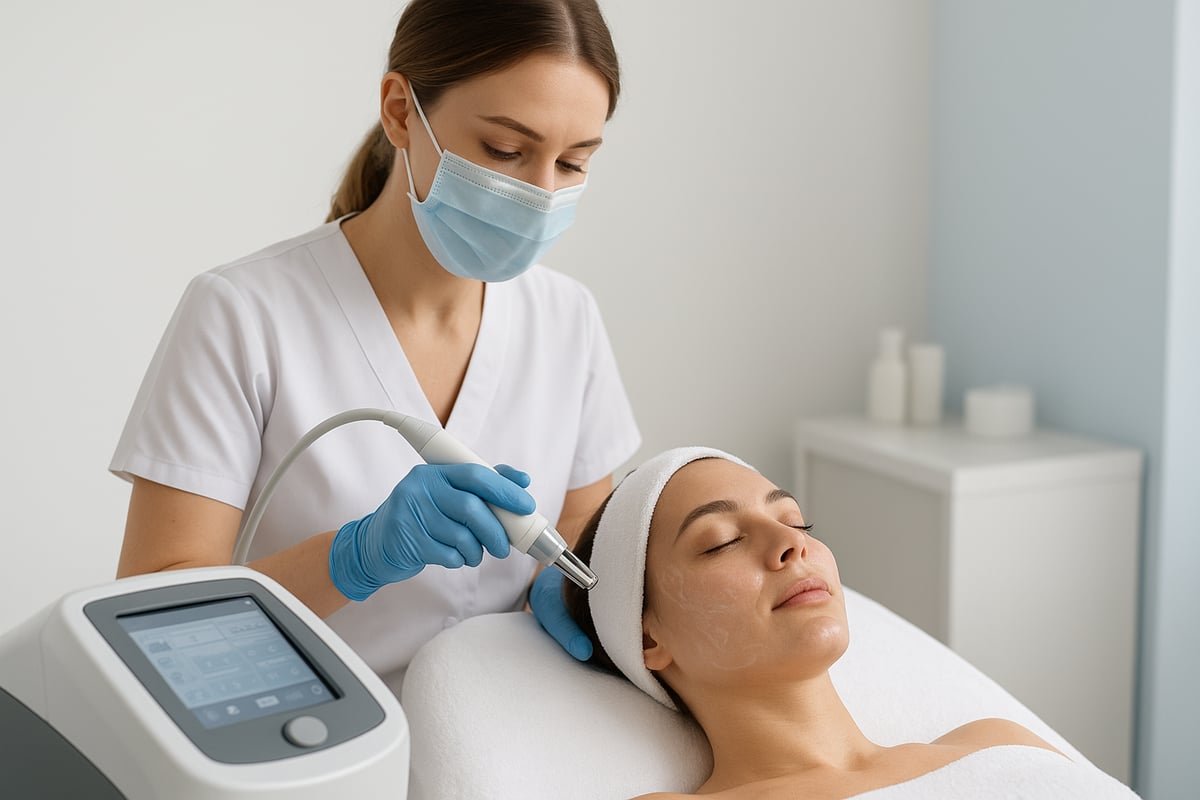
On the day of your laser light treatment for face, your provider will start by cleansing your skin thoroughly. To enhance comfort, a topical numbing cream is usually applied and left to take effect for 20 to 45 minutes, depending on the laser type.
The laser device is then calibrated to your unique skin profile and concern. Treatment sessions generally last between 30 and 90 minutes. During the procedure, you may feel mild prickling or a warm sensation, but discomfort is minimized with cooling devices or air jets.
Steps during the procedure:
- Cleansing and numbing the skin
- Adjusting device settings for targeted results
- Continuous monitoring for safety and comfort
The precision of laser light treatment for face allows for focused improvement with minimal impact on surrounding tissues.
Immediately After Treatment
Immediately following your laser light treatment for face, you can expect some redness, swelling, and mild discomfort. These effects are normal and often compared to a moderate sunburn. Your provider will apply soothing creams, protective ointments, and a mineral-based sunscreen to shield treated skin.
Post-care instructions are provided to guide your home routine. Typical recommendations include:
- Using gentle, fragrance-free cleansers
- Applying cold compresses to reduce swelling
- Avoiding makeup until the skin calms
Proper immediate aftercare is crucial to support healing and maximize the benefits of your laser light treatment for face.
Recovery and Downtime
Recovery time varies depending on the type of laser light treatment for face. Non-ablative lasers usually require minimal downtime, with most patients resuming work within 48 hours. Ablative or more intensive treatments may involve several days of redness and peeling.
To manage side effects, patients should:
- Use ice packs and keep skin hydrated
- Avoid strenuous exercise and heat exposure
- Refrain from picking or scrubbing the skin
For detailed post-treatment care, consult resources like Aftercare for laser skin treatments, which offer step-by-step guidance to promote safe and effective recovery.
Results Timeline and Follow-Up
Results from laser light treatment for face develop gradually. Initial improvements, such as brighter skin and reduced redness, may appear within days. However, the full benefits, including smoother texture and diminished scars, often emerge over weeks as collagen remodeling continues.
Most patients require a series of sessions, spaced several weeks apart, to achieve optimal outcomes. Regular follow-up appointments enable providers to track progress, adjust protocols, and address any concerns.
Key points:
- Visible changes begin within a week
- Cumulative improvements with multiple treatments
- Ongoing support ensures the best results
This timeline highlights the progressive nature of laser light treatment for face.
Tips for Optimal Outcomes
To maximize the effects of your laser light treatment for face, strict adherence to aftercare protocols is essential. Protect your skin from sun exposure, avoid harsh products, and incorporate antioxidant-rich serums like vitamin C to support healing.
Watch for warning signs, such as excessive redness, prolonged swelling, or signs of infection, and contact your provider if needed. Consistent skincare and a healthy lifestyle further enhance and prolong your results.
For best outcomes:
- Follow all provider instructions closely
- Use broad-spectrum sunscreen daily
- Maintain a gentle, hydrating skincare routine
These tips ensure your investment in laser light treatment for face delivers long-lasting, radiant skin.
Innovations and Trends in Laser Light Facial Treatments for 2026
The world of laser light treatment for face is evolving rapidly, offering new possibilities for skin rejuvenation in 2026. With a focus on safety, personalization, and accessibility, these innovations are shaping the future of facial aesthetics.
Latest Laser Technologies
Breakthroughs in laser light treatment for face are at the forefront of aesthetic medicine. New fractional picosecond lasers and dual-wavelength systems are delivering faster, safer, and more effective results for all skin types. Hybrid technologies now combine ablative and non-ablative wavelengths, allowing for precise targeting of wrinkles, pigmentation, and scars with less downtime.
A major advancement is the ability to reduce healing times by 25 percent using next-generation devices. These innovations are discussed in depth in Advances in Laser Technology for Aesthetics, highlighting how technology is revolutionizing the patient experience with laser light treatment for face.
Personalized Laser Protocols
Personalization is transforming laser light treatment for face by using AI-driven skin analysis and data integration. Advanced devices can now assess genetic factors, lifestyle habits, and real-time skin feedback to tailor each session for optimal results.
Adaptive laser settings automatically adjust to the patient’s needs, ensuring safety and efficacy across a spectrum of skin tones and concerns. This individualized approach means outcomes are more predictable and satisfaction rates are higher. Clients can expect a truly customized journey with laser light treatment for face, guided by evidence and technology.
Combination Therapies
Combining laser light treatment for face with other modalities is a rising trend in 2026. Practitioners are pairing lasers with microneedling, platelet-rich plasma (PRP), or gentle chemical peels to address complex concerns like acne scars or severe pigmentation. These synergistic approaches amplify results, often delivering 35 percent greater improvement according to recent trials.
For example, laser plus PRP is now a go-to protocol for stubborn scar revision. Patients benefit from layered therapies that maximize the regenerative potential of laser light treatment for face, while minimizing recovery time and side effects.
Safety and Inclusivity Advances
Safety remains a top priority as laser light treatment for face becomes more inclusive. Expanded protocols now cater to ethnic and sensitive skin, reducing the risk of post-inflammatory hyperpigmentation and other complications. Devices equipped with cooling tips and real-time melanin monitoring ensure precise energy delivery and protection for all skin types.
These advances mean that more individuals—regardless of background—can access the benefits of laser light treatment for face with confidence. Clinics are emphasizing comprehensive training and patient education to support the safest possible outcomes.
Sustainability and Accessibility
Sustainability is shaping the next generation of laser light treatment for face. Eco-friendly devices are designed with lower energy consumption and longer lifespans, reducing the environmental impact of aesthetic medicine. Another significant trend is the rise of at-home laser devices, which are now FDA-cleared for maintenance and minor corrections.
Patients are increasingly adopting these technologies, with an 18 percent rise in at-home use reported last year. Accessibility is further enhanced by flexible payment plans and more widespread clinic availability, making laser light treatment for face a viable option for a broader population.
Cost, Value, and Choosing the Right Provider
Understanding the cost, value, and provider selection process is crucial before committing to a laser light treatment for face. This section breaks down pricing, investment value, how to select the right practitioner, and spotlights Toronto’s leader in facial laser care.
Pricing Overview and Factors Affecting Cost
The cost of a laser light treatment for face varies significantly based on technology, provider expertise, and location. On average, a single session ranges from $300 to $1500 or more. Factors influencing price include the type of laser (such as IPL, fractional, or CO2), area treated, and the clinic’s reputation.
For example, Fractional CO2 laser resurfacing is typically more expensive than IPL photofacials due to its deeper, more intensive results. Many clinics offer package pricing and seasonal discounts, making long-term planning more affordable. Always compare what is included in the price, such as consultation, aftercare, and follow-up.
| Treatment Type | Average Cost per Session |
|---|---|
| IPL Photofacial | $300–$600 |
| Fractional CO2 | $800–$1500+ |
| PicoWay | $500–$1200 |
Evaluating Value: Results vs. Investment
When considering a laser light treatment for face, it’s vital to weigh the long-term value against the upfront investment. Laser procedures often provide results that last longer than topical treatments or injectables, reducing the need for frequent maintenance. Over five years, the total cost may actually be lower than repeated use of creams or fillers.
According to Aesthetic Lasers Market Growth Projections, the demand for non-invasive laser options is rising due to their effectiveness and durability. While the initial outlay might seem high, patients often find the improved skin quality and confidence worth the investment. Consider your goals, expected longevity, and the quality of the provider when evaluating value.
How to Choose a Qualified Laser Provider
Selecting the right practitioner for a laser light treatment for face is essential for safety and satisfaction. Look for board-certified dermatologists or licensed medical estheticians with specialized laser training. A reputable clinic will use FDA-cleared devices, follow strict safety protocols, and offer transparent pricing.
During your consultation, ask about:
- The provider’s credentials and experience
- Technology used and its suitability for your skin type
- Pre- and post-care support
- Realistic outcome expectations
- Client testimonials and before-after photos
Prioritize clinics that personalize their approach, maintain up-to-date equipment, and are open about risks and benefits. Trustworthy providers will never rush your decision or oversell procedures.
New Skin Laser Clinic: Toronto’s Leader in Laser Facial Treatments
New Skin Laser Clinic stands out as a top choice for laser light treatment for face in Toronto. The clinic features industry-leading devices like CANDELA GentleMax Pro and PicoWay, ensuring safe and effective care for all skin types. Their experienced estheticians and registered nurse create tailored protocols, from laser resurfacing to pigmentation correction.
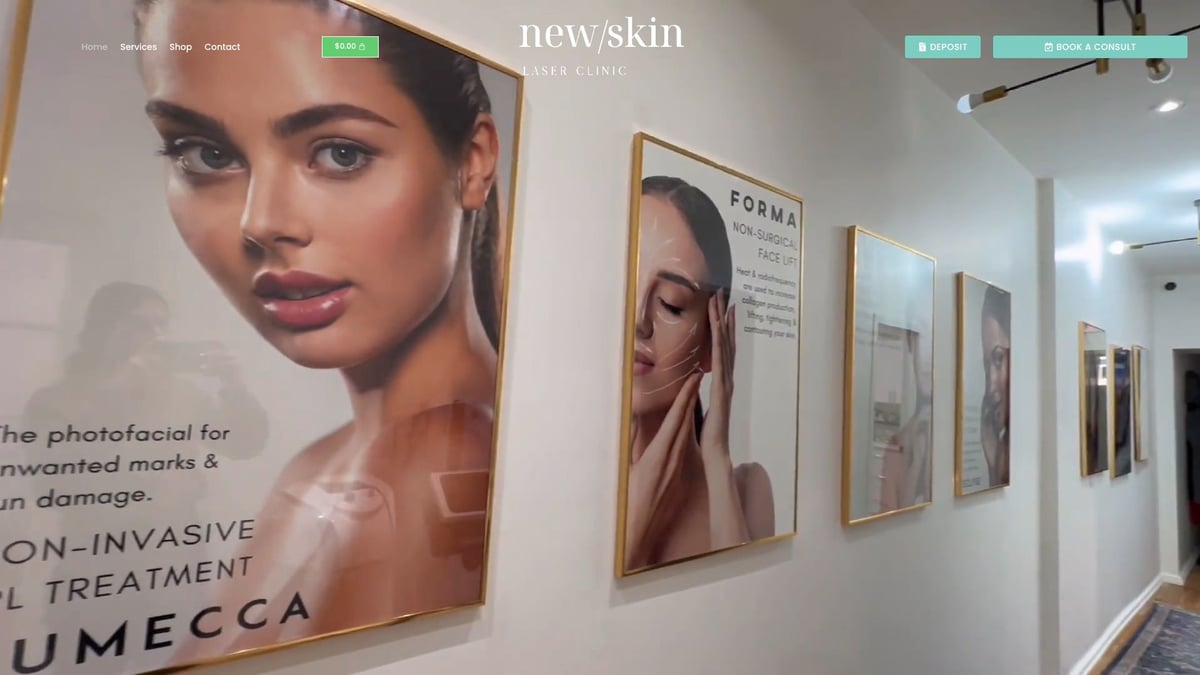
Clients benefit from comprehensive consultations, clear aftercare guidance, and flexible payment options. Hundreds of positive reviews highlight their client-centric philosophy and visible results. New Skin Laser Clinic’s commitment to safety, comfort, and innovation makes it a trusted provider for achieving radiant, youthful skin. Explore their before-and-after galleries and discover personalized solutions for your unique needs.