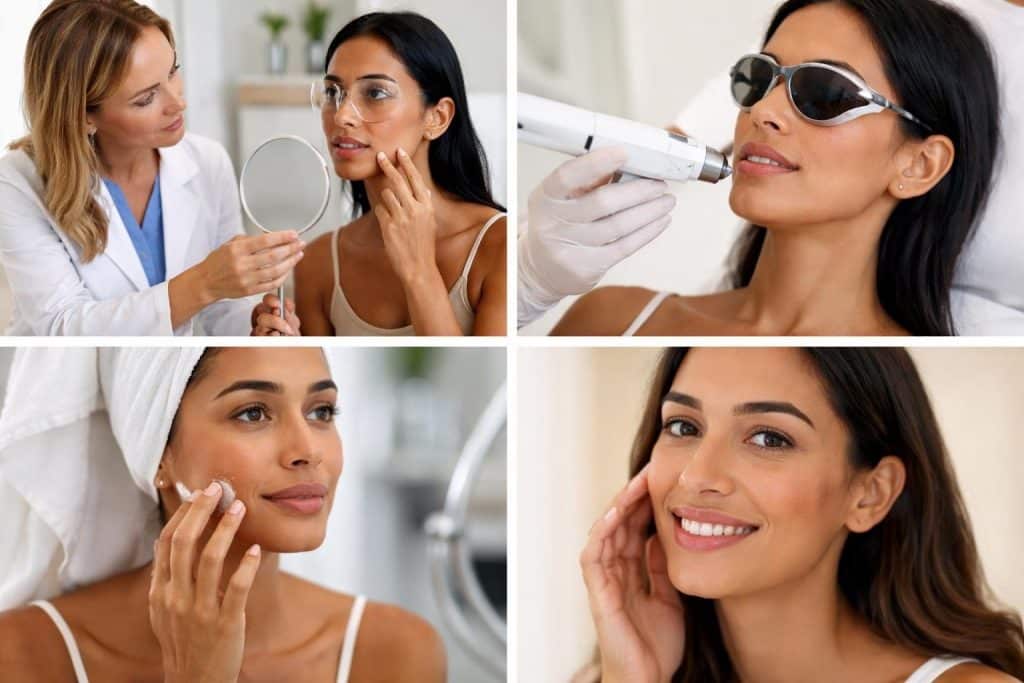
Melasma presents one of the most challenging hyperpigmentation conditions to treat, affecting millions of people worldwide with stubborn brown or gray-brown patches primarily on the face. While traditional treatments like topical creams and chemical peels have long been the standard approach, advanced laser technology has emerged as a powerful option for managing this persistent skin concern. Understanding how laser for melasma works, which technologies deliver the best results, and what to expect from treatment can help you make informed decisions about your skincare journey.
Understanding Melasma and Why Standard Treatments Fall Short
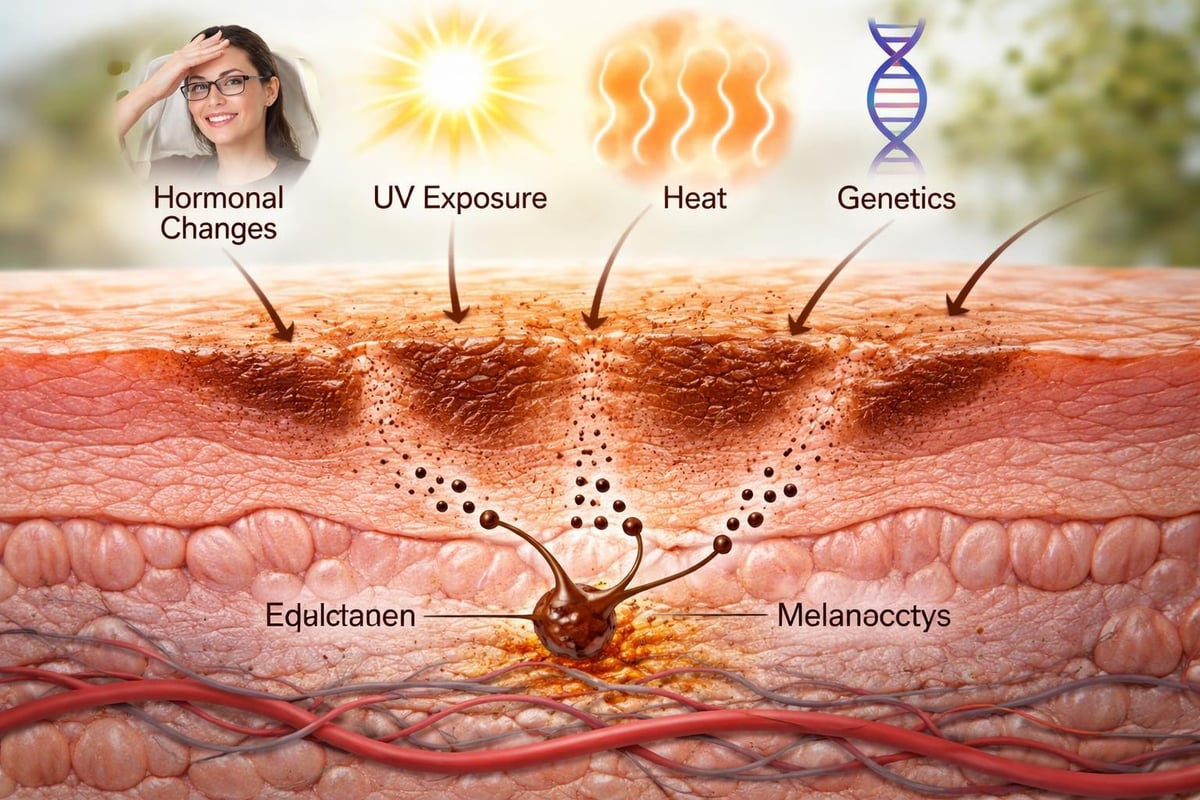
Melasma develops when melanocytes, the pigment-producing cells in your skin, become overactive and create excess melanin. This condition typically appears on the cheeks, forehead, nose, and upper lip, creating a mask-like pattern that can significantly impact confidence and quality of life.
Common triggers include:
- Hormonal changes from pregnancy, birth control pills, or hormone replacement therapy
- Sun exposure and UV radiation
- Heat exposure, including from saunas and hot yoga
- Genetic predisposition
- Certain medications that increase photosensitivity
Traditional treatments often provide temporary improvement but fail to address the underlying mechanisms driving melasma. Hydroquinone creams, while effective for some patients, can cause irritation and require breaks to prevent oxychronosis. Chemical peels may improve surface pigmentation but don't reach deeper dermal melasma. This is where carefully selected laser technology can make a significant difference.
How Laser for Melasma Works at the Cellular Level
Laser treatments for melasma operate on sophisticated principles that target pigmentation without causing the inflammation that can worsen the condition. Fotona’s laser technology works through multiple mechanisms, including targeting melanocytes, modulating inflammation, and enhancing collagen production to support healthier skin structure.
Selective Photothermolysis
Modern laser systems use specific wavelengths that melanin absorbs preferentially. When the laser energy hits pigmented areas, it converts to heat that breaks down excess melanin deposits. The fragmented pigment particles are then eliminated through the body's natural lymphatic system over several weeks.
The key to success lies in using parameters gentle enough to avoid triggering post-inflammatory hyperpigmentation, which can make melasma worse. This requires precision technology and experienced practitioners who understand how different skin types respond to various wavelengths and energy levels.
Non-Ablative Versus Ablative Approaches
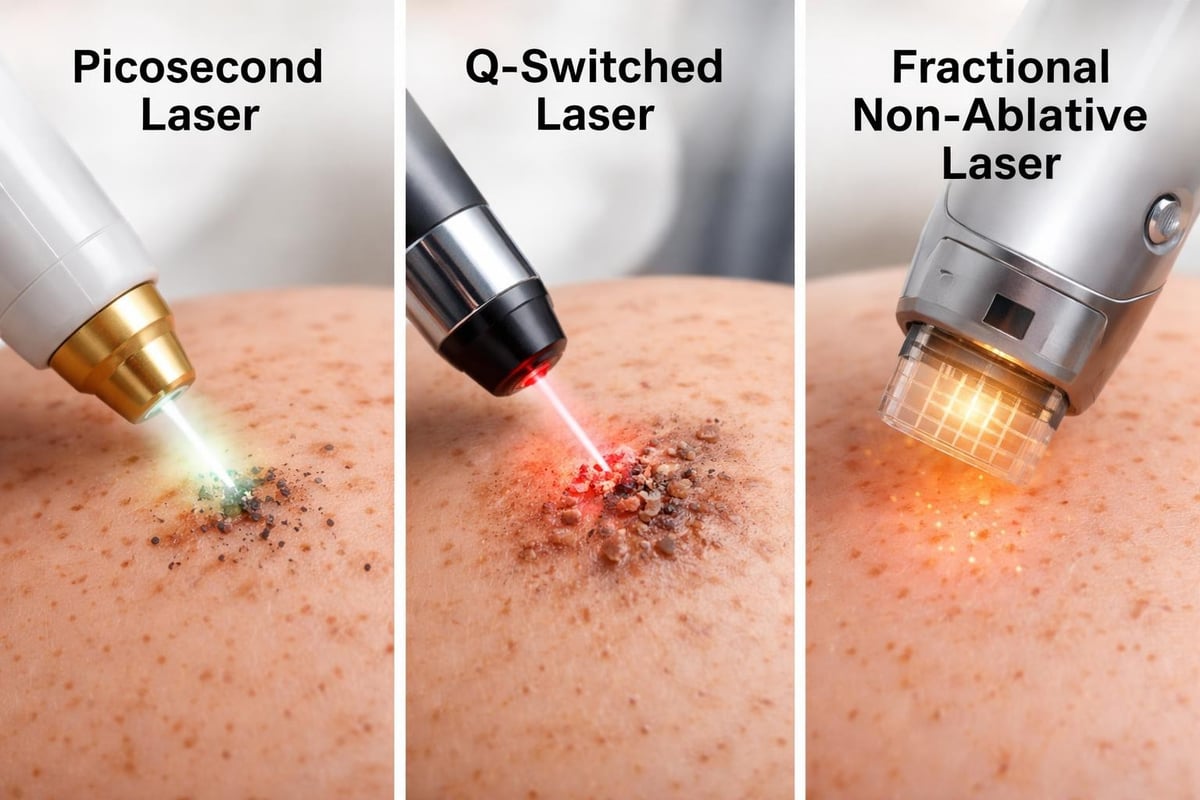
Non-ablative lasers work beneath the skin surface without removing outer layers, making them generally safer for melasma-prone skin. These treatments stimulate collagen remodeling and gradually reduce pigmentation with minimal downtime. Ablative lasers remove microscopic columns of tissue, which can be effective but carries higher risk of complications in darker skin tones or inflammatory-prone individuals.
Advanced Laser Technologies for Melasma Treatment
The landscape of laser for melasma has evolved dramatically with newer technologies offering safer, more effective options. Understanding the different systems helps you have informed conversations with your treatment provider.
| Laser Type | Wavelength | Best For | Downtime |
|---|---|---|---|
| Q-Switched Nd:YAG | 1064nm | Deeper dermal pigment | Minimal |
| PicoSure | 755nm | Epidermal melasma | 1-2 days |
| Clear + Brilliant | 1440nm/1927nm | Superficial pigmentation | 2-3 days |
| Fraxel Dual | 1550nm/1927nm | Mixed epidermal/dermal | 3-5 days |
Picosecond Laser Technology
Pico laser technology has revolutionized pigmentation treatment by delivering ultra-short pulses measured in picoseconds rather than nanoseconds. This rapid delivery creates photoacoustic rather than photothermal effects, shattering pigment into smaller particles that clear more easily while generating less heat and inflammation.
The PicoSure system, for instance, uses 755nm alexandrite wavelength that melanin absorbs exceptionally well. Treatments feel more comfortable than older Q-switched lasers, and results often appear faster with fewer sessions needed.
Fractional Non-Ablative Options
Several laser treatment options including Clear + Brilliant, Fraxel Dual, and LaseMD work through fractional technology, treating only a percentage of skin in each session. This approach allows surrounding healthy tissue to support faster healing while gradually improving pigmentation across multiple treatments.
LaseMD Ultra stands out for its ability to enhance topical product penetration while addressing pigmentation. This advanced system works effectively across all skin types with minimal downtime, making it accessible for patients with busy schedules.
The Multifaceted Approach to Laser for Melasma
Research consistently shows that laser therapy works best as part of a comprehensive treatment strategy rather than as a standalone solution. This systematic review and meta-analysis highlights both the potential benefits and the importance of combining modalities for optimal outcomes.
Pre-Treatment Preparation
Preparing your skin before laser sessions significantly impacts results and safety. Most protocols include:
- Skin barrier optimization using gentle cleansers and moisturizers for 2-4 weeks
- Tyrosinase inhibitors like kojic acid, azelaic acid, or prescription hydroquinone to slow melanin production
- Strict sun protection with broad-spectrum SPF 50+ applied every two hours during daylight
- Stopping retinoids 5-7 days before treatment to reduce sensitivity
This preparation phase reduces inflammation, strengthens skin resilience, and creates an environment where laser energy can work more effectively without triggering rebound hyperpigmentation.
Combining Topical Therapies
The most successful melasma management integrates laser treatments with evidence-based topical regimens. Treatment experts emphasize that lasers should complement rather than replace topical agents, and caution against using lasers as primary treatment due to potential rebound effects.
Effective topical combinations include:
- Triple combination cream (hydroquinone, tretinoin, corticosteroid)
- Tranexamic acid applied topically or taken orally
- Vitamin C serums for antioxidant protection
- Niacinamide to reduce inflammation and support barrier function
Maintenance and Long-Term Management
Melasma requires ongoing management even after successful laser treatment. The condition has no permanent cure, and triggers like sun exposure or hormonal changes can reactivate pigmentation. Maintenance sessions every 3-6 months help sustain results, while daily skincare practices prevent recurrence.
What to Expect During Laser for Melasma Treatment
Understanding the treatment experience helps you prepare mentally and physically for the journey ahead. Most patients find the process manageable when they know what to anticipate at each stage.
Initial Consultation and Assessment
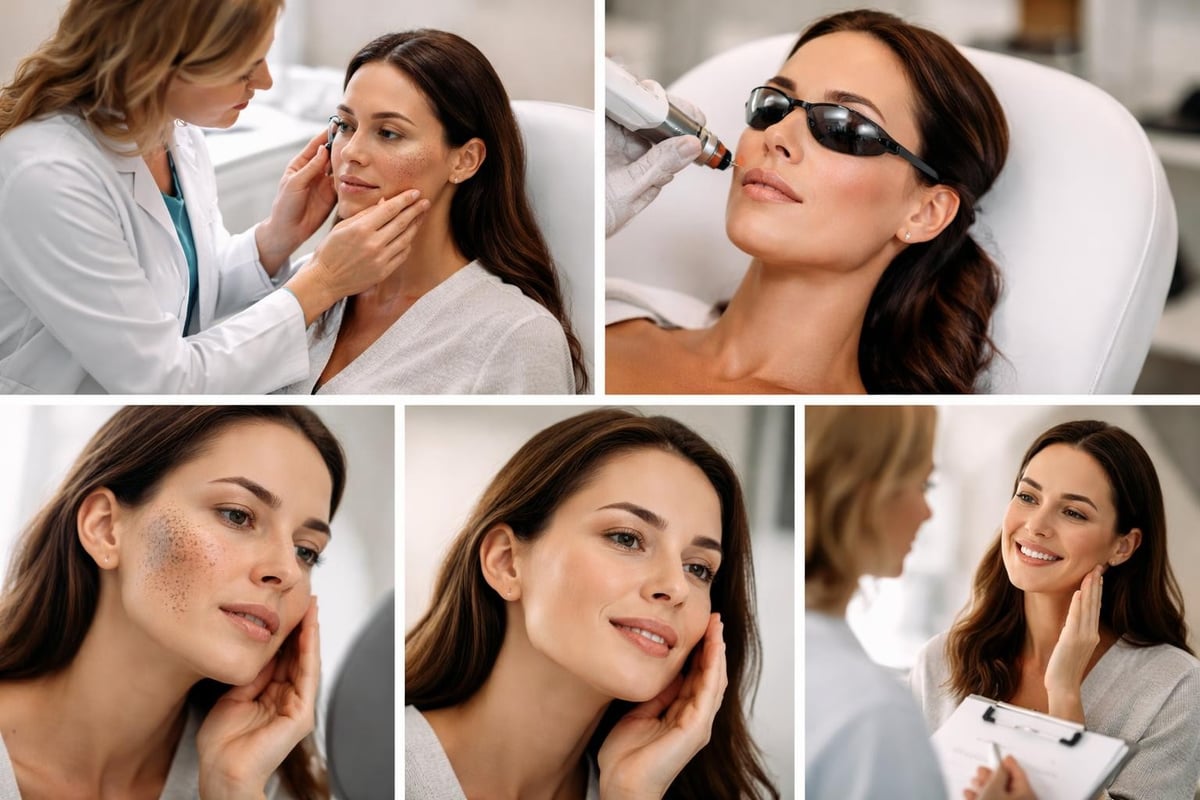
Your first appointment involves comprehensive skin analysis using specialized imaging technology like Wood's lamp or cross-polarized light photography. These tools reveal whether your melasma is primarily epidermal (surface-level), dermal (deeper), or mixed, which determines the most appropriate laser selection.
Expect detailed questions about your medical history, hormonal status, medications, and previous treatments. This information helps your practitioner develop a customized protocol that minimizes risk while maximizing benefit.
Treatment Sessions
During the actual laser session, you'll wear protective eyewear while the practitioner applies the selected laser to affected areas. Advanced laser protocols often involve multiple laser types customized to stimulate the body's natural processes to dissolve melasma effectively.
Typical session details:
- Duration: 15-45 minutes depending on treatment area
- Sensation: Warming or snapping feeling, generally tolerable
- Immediate effects: Mild redness, slight darkening of pigment
- Number of treatments: 4-8 sessions spaced 2-6 weeks apart
Most patients describe the discomfort as similar to a rubber band snapping against skin. Topical numbing cream can be applied before treatment for sensitive individuals.
Post-Treatment Care and Recovery
The days following laser for melasma treatment are critical for achieving optimal results and preventing complications. Your skin will be more sensitive and vulnerable to sun damage during the healing phase.
| Timeline | What to Expect | Care Instructions |
|---|---|---|
| Days 1-3 | Redness, mild swelling | Gentle cleansing, rich moisturizer, no actives |
| Days 4-7 | Possible temporary darkening | Continue gentle care, strict sun avoidance |
| Weeks 2-4 | Gradual lightening begins | Resume gentle exfoliation, maintain SPF |
| Weeks 6-8 | Optimal results visible | Continue skincare routine, schedule next session |
Strict sun protection cannot be overstated. Even brief sun exposure during healing can trigger rebound hyperpigmentation that sets back your progress significantly. Physical sunscreens containing zinc oxide or titanium dioxide work best during recovery.
Risks, Limitations, and Realistic Expectations
While laser for melasma offers promising results for many patients, understanding potential risks and limitations helps you make informed decisions and maintain realistic expectations throughout treatment.
Potential Adverse Effects
Even with careful technique and appropriate technology selection, laser treatments carry some risk of complications:
- Post-inflammatory hyperpigmentation (PIH), especially in darker skin tones
- Hypopigmentation or lightening beyond treated areas
- Temporary increased sensitivity and dryness
- Rare instances of scarring with aggressive parameters
- Rebound darkening if sun protection is inadequate
These risks decrease significantly when treatments are performed by experienced practitioners using appropriate settings for your specific skin type and melasma characteristics. Toronto's leading aesthetic clinics invest in ongoing training and the latest technology to minimize complications.
When Laser Treatment May Not Be Appropriate
Certain situations make laser for melasma less advisable or require special precautions:
- Active pregnancy or breastfeeding when hormonal melasma often resolves naturally
- Recent significant sun exposure or tanning within 4-6 weeks
- Active skin infections or inflammatory conditions in treatment areas
- Unrealistic expectations about complete permanent removal
- Inability to commit to strict sun protection and maintenance
Honest conversations with your treatment provider about your lifestyle, commitment level, and goals ensure you pursue laser therapy only when it truly makes sense for your situation.
Individual Response Variability
Melasma responds differently in each individual based on factors like depth of pigmentation, skin type, hormonal influences, and adherence to pre- and post-treatment protocols. Some patients see dramatic improvement after just a few sessions, while others require extended treatment series with more modest results.
Epidermal melasma generally responds better to laser treatment than dermal melasma, which involves pigment deposited deeper in the skin where laser energy penetrates less effectively. Mixed melasma, the most common type, requires patience and combination approaches for meaningful improvement.
Choosing the Right Provider for Laser Melasma Treatment
The expertise of your treatment provider matters enormously when dealing with a complex condition like melasma. Technology alone doesn't guarantee results; skilled hands and experienced eyes make the difference between success and disappointment.
Essential Qualifications and Experience
Look for providers who demonstrate:
- Specialized training in laser physics and melasma treatment protocols
- Experience treating diverse skin types, particularly if you have skin of color
- Access to multiple laser platforms to customize treatment to your needs
- Comprehensive approach incorporating topical therapies and sun protection education
- Realistic communication about expected outcomes and potential risks
Don't hesitate to ask about a provider's specific experience with melasma cases similar to yours. Request before-and-after photos of actual patients (with proper consent) to evaluate typical results.
Technology and Treatment Philosophy
Advanced clinics invest in state-of-the-art laser systems and regularly update their technology as innovations emerge. They also recognize that lasers represent just one tool in the melasma management toolkit, not a magic solution.
The best providers develop individualized treatment plans based on detailed skin analysis, medical history, and your specific goals. They adjust protocols based on how your skin responds rather than following rigid one-size-fits-all approaches.
Location and Accessibility
For Toronto residents, choosing a centrally located clinic makes maintaining treatment schedules more convenient. Melasma treatment requires multiple sessions over several months, so accessibility matters when balancing treatment with work and personal commitments.
Integrating Lifestyle Modifications for Better Results
Laser for melasma delivers optimal results when supported by daily habits that prevent pigmentation triggers and support skin health. These lifestyle factors complement professional treatments and help maintain improvements long-term.
Sun protection strategies beyond SPF:
- Wearing wide-brimmed hats during outdoor activities
- Seeking shade during peak UV hours (10 AM to 4 PM)
- Using UV-protective clothing with UPF ratings
- Applying mineral sunscreen every two hours when outdoors
- Installing UV-protective film on car and home windows
Heat exposure deserves equal attention, as studies show it can trigger melasma even without UV radiation. Consider modifying hot yoga practice, limiting sauna sessions, and avoiding very hot showers that could stimulate melanocyte activity.
Nutritional Support for Skin Health
While no specific diet cures melasma, certain nutrients support skin barrier function and may help manage hyperpigmentation:
- Antioxidants like vitamins C and E protect against oxidative stress
- Omega-3 fatty acids reduce inflammation systemwide
- Adequate hydration maintains skin barrier integrity
- Polyphenols from green tea may have melanin-inhibiting properties
Consider discussing oral tranexamic acid with your healthcare provider, as research suggests this prescription medication can reduce melasma when taken systemically, particularly in combination with laser treatments.
Stress Management and Hormonal Balance
Chronic stress affects hormone levels, potentially influencing melasma activity. Incorporating stress-reduction practices like meditation, adequate sleep, and regular exercise may indirectly support treatment outcomes by promoting overall hormonal balance.
Women whose melasma correlates with hormonal contraception or hormone replacement therapy should discuss options with their physician. Sometimes switching formulations or methods can reduce melasma severity while maintaining contraceptive or therapeutic benefits.
Cost Considerations and Treatment Investment
Understanding the financial commitment involved in laser for melasma helps you plan appropriately and evaluate whether this treatment aligns with your budget and priorities.
Typical Pricing Structure
Laser melasma treatment costs vary based on several factors:
- Geographic location and clinic overhead costs
- Technology platform used (newer systems often command higher fees)
- Treatment area size and session duration
- Provider expertise and reputation
- Number of sessions required for your specific case
In major metropolitan areas like Toronto, individual laser sessions typically range from $300 to $800, with most patients requiring 4-8 treatments for meaningful improvement. Total investment often falls between $2,000 and $5,000 for a complete initial treatment series.
Value Beyond Dollar Cost
When evaluating cost, consider the comprehensive value beyond the procedure itself:
- Expertise and safety that minimize complication risks
- Advanced technology that delivers better results with less downtime
- Personalized protocols tailored to your unique skin needs
- Ongoing support including skincare guidance and maintenance planning
- Quality of life improvements from enhanced confidence and appearance
Many clinics offer package pricing for multiple sessions purchased together, reducing per-treatment costs. Some also provide financing options that make treatment more accessible through manageable monthly payments.
Insurance and Medical Necessity
Cosmetic melasma treatment is generally not covered by health insurance, as it's considered an aesthetic rather than medical concern. However, if melasma causes significant psychological distress documented by a mental health professional, some coverage might be possible in rare cases.
Always verify coverage details with your insurance provider before pursuing treatment, and obtain any required documentation from your healthcare team if you plan to submit claims.
Laser for melasma offers a powerful option for managing this challenging pigmentation condition when integrated into a comprehensive treatment approach that includes appropriate topical therapies, sun protection, and lifestyle modifications. Success requires patience, realistic expectations, and partnership with experienced practitioners who understand both the science of laser technology and the nuances of treating melasma effectively across different skin types. If you're ready to address stubborn melasma with advanced laser technology and personalized care, the expert team at New Skin Laser Clinic in Toronto combines state-of-the-art equipment with specialized expertise to help you achieve clearer, more radiant skin through customized treatment protocols designed for your unique needs.