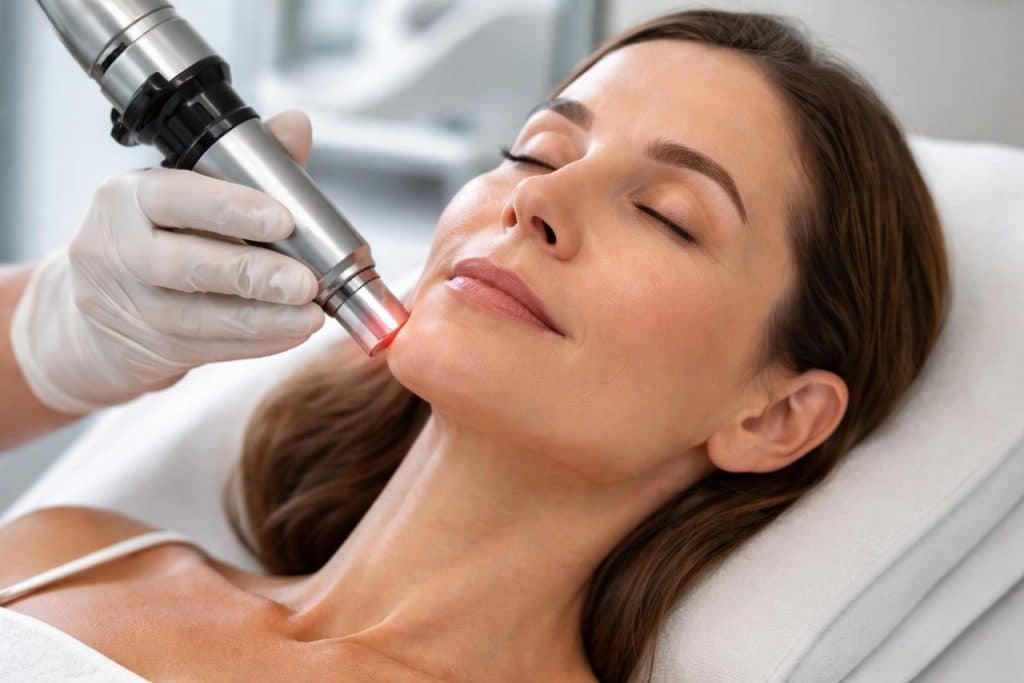
Advanced laser technology has revolutionized the way we approach skin rejuvenation, with co2 skin treatment emerging as one of the most effective solutions for addressing multiple signs of aging simultaneously. This powerful procedure harnesses the precision of carbon dioxide laser energy to remove damaged skin layers while triggering the body's natural healing response. Whether you're struggling with deep wrinkles, significant sun damage, or stubborn acne scars, understanding how this transformative treatment works can help you make informed decisions about your aesthetic goals.
Understanding CO2 Laser Technology
The science behind co2 skin treatment lies in its ability to deliver concentrated beams of light energy at a specific wavelength. Carbon dioxide laser technology operates at 10,600 nanometers, which corresponds to the peak absorption spectrum of water in human tissue. This precise targeting allows the laser to vaporize microscopic columns of skin with remarkable accuracy.
When the laser energy penetrates the skin, it creates controlled thermal damage in the targeted areas. This process serves two critical functions: immediate removal of damaged surface skin and stimulation of deeper dermal layers. The heat generated during treatment triggers fibroblast activation, which jumpstarts collagen and elastin production.
Traditional vs. Fractional CO2 Approaches
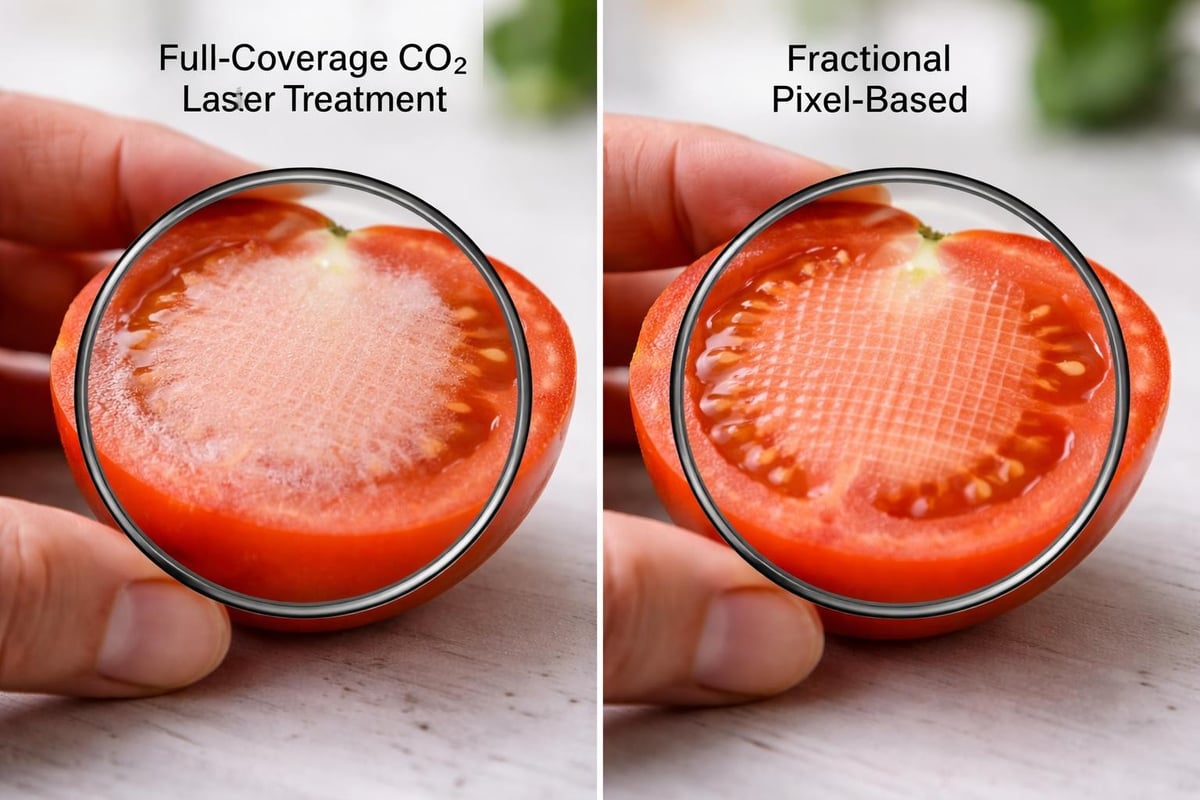
Modern co2 skin treatment typically falls into two categories: traditional ablative and fractional resurfacing. Traditional CO2 lasers remove the entire surface layer of skin in the treatment area, delivering dramatic results but requiring extended recovery periods. Fractional CO2 lasers, by contrast, create thousands of microscopic treatment zones while leaving surrounding tissue intact.
Key differences include:
- Coverage pattern: Traditional treats 100% of surface area; fractional treats 20-40%
- Downtime: Traditional requires 2-3 weeks; fractional needs 5-10 days
- Intensity: Traditional provides maximum correction; fractional offers customizable depth
- Risk profile: Traditional carries higher complication rates; fractional reduces side effect risks
The fractional approach has gained significant popularity because it balances efficacy with tolerability. Many clinics now offer specialized CO2 laser systems that allow providers to adjust treatment parameters based on individual skin concerns and tolerance levels.
Skin Concerns Addressed by CO2 Treatments
The versatility of co2 skin treatment makes it suitable for addressing a wide spectrum of dermatological concerns. CO2 laser resurfacing in aesthetic medicine has proven particularly effective for conditions that don't respond well to gentler interventions.
Wrinkles and Fine Lines
Deep expression lines around the mouth, eyes, and forehead represent primary targets for CO2 therapy. The laser's ability to penetrate into the dermis allows it to remodel the underlying support structure that gives skin its firmness. Results often surpass those achieved with injectable treatments alone, especially for severe wrinkling.
Static wrinkles, which remain visible even when facial muscles are relaxed, respond exceptionally well to this technology. The collagen remodeling process continues for months after treatment, with improvements becoming more pronounced over time.
Acne Scars and Textural Irregularities
Box scars, rolling scars, and ice pick scars all show significant improvement following co2 skin treatment. The laser's precision allows practitioners to target individual scars with appropriate energy levels, breaking down fibrous scar tissue while stimulating new collagen formation.
| Scar Type | Treatment Approach | Expected Improvement |
|---|---|---|
| Ice Pick | Deep, focused pulses | 50-70% reduction |
| Rolling | Moderate depth, wider coverage | 60-80% smoothing |
| Box Scars | Edge targeting with bulk resurfacing | 70-85% improvement |
| Hypertrophic | Conservative energy, multiple sessions | 40-60% flattening |
Sun Damage and Pigmentation
Years of ultraviolet exposure create a range of issues from age spots to precancerous lesions. CO2 laser energy effectively removes the damaged epidermis containing excess melanin and abnormal cells. The procedure can address solar lentigines, melasma, and overall skin tone irregularities that develop from chronic sun exposure.
Enlarged Pores and Skin Laxity
As we age, pores become more visible due to collagen loss and accumulated debris. The thermal effect of co2 skin treatment causes immediate collagen contraction and long-term collagen remodeling. This dual action reduces pore diameter while improving overall skin tightness, similar to results seen with dedicated skin tightening treatments.
The Treatment Process Explained
Understanding what happens during and after CO2 laser resurfacing helps set realistic expectations and prepare for optimal results. Professional clinics follow systematic protocols to ensure safety and efficacy.
Pre-Treatment Preparation
Most practitioners recommend a preparation period of 2-4 weeks before your co2 skin treatment. This phase typically includes:
- Skin conditioning: Using tretinoin or other retinoids to increase skin thickness and accelerate healing
- Antiviral medication: For patients with history of cold sores, preventing outbreak triggered by treatment
- Sun avoidance: Minimizing UV exposure to reduce complications and optimize results
- Product discontinuation: Stopping certain medications and skincare ingredients that increase sensitivity
Patients with darker skin tones may receive pre-treatment with bleaching agents to reduce post-inflammatory hyperpigmentation risk. A thorough medical evaluation identifies any contraindications such as active infections, isotretinoin use within six months, or unrealistic expectations.
During the Procedure
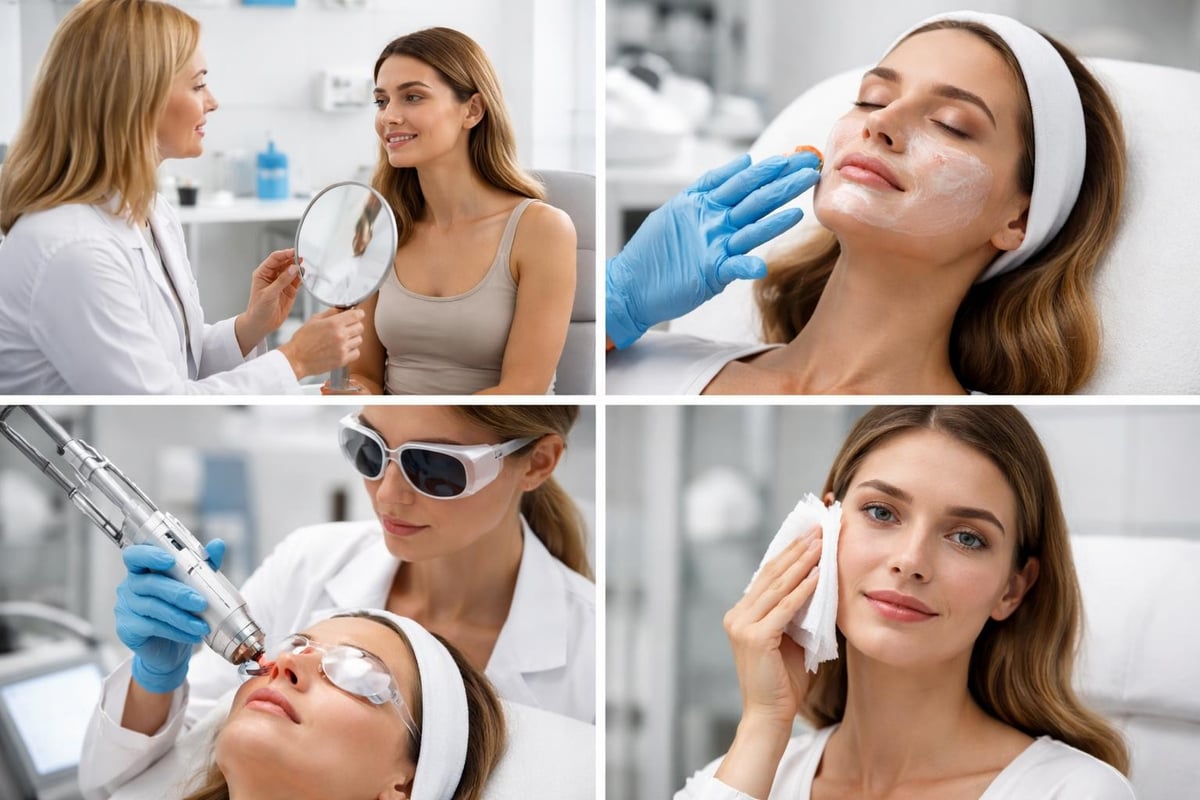
The actual treatment session typically lasts 30 minutes to two hours depending on the size of the treatment area and intensity selected. Professional CO2 laser resurfacing begins with thorough skin cleansing and application of topical anesthetic cream. For more aggressive treatments, nerve blocks or light sedation may be administered.
Once adequate numbing is achieved, the provider makes systematic passes with the laser handpiece. Modern systems often include:
- Computerized pattern generators: Ensuring uniform coverage and consistent depth
- Cooling systems: Protecting the epidermis and improving comfort
- Variable pulse duration: Allowing customization for different skin areas
- Real-time depth indicators: Preventing over-treatment
Patients typically describe the sensation as heat or tingling rather than sharp pain. The treated skin immediately shows whitening or graying, indicating appropriate tissue response.
Immediate Aftercare
Following your co2 skin treatment, the provider applies specialized dressings or ointments to protect the compromised skin barrier. Some clinics use biological dressings that remain in place for several days, while others prefer open healing with frequent ointment application.
First 48-hour care protocol:
- Apply prescribed ointment every 2-3 hours to prevent crusting
- Sleep with head elevated to minimize swelling
- Use ice packs (wrapped in cloth) for 10-15 minutes every hour while awake
- Avoid any water contact beyond gentle misting with prescribed solution
- Take prescribed pain medication and antibiotics as directed
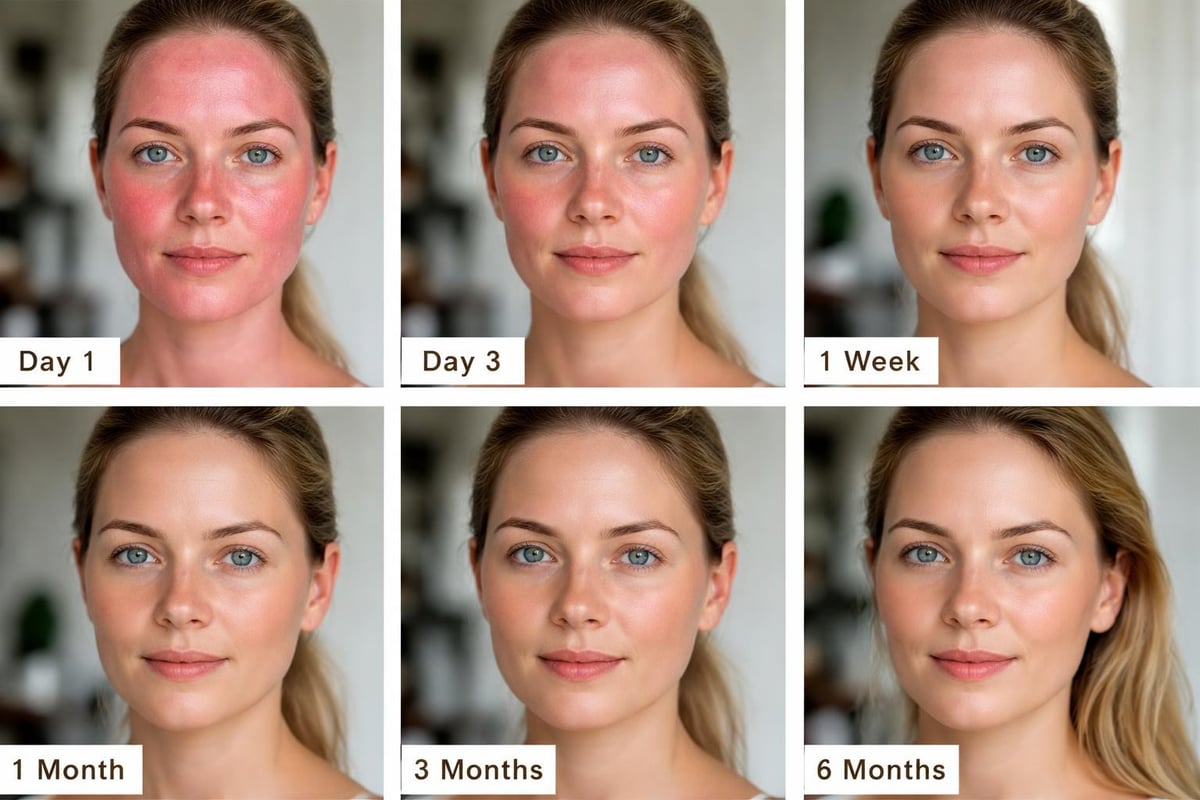
Recovery Timeline and Expectations
The healing process following co2 skin treatment unfolds in predictable phases, though individual variation exists based on treatment intensity and personal healing capacity.
Week One: Acute Healing Phase
Days 1-3 bring the most dramatic visible changes. Swelling peaks around day two, sometimes closing eyes partially in patients who received periorbital treatment. The skin appears deeply red and may weep clear fluid. By day 4-5, new epithelium begins forming beneath any crusting.
Most patients can return to work within 7-10 days for fractional treatments, though residual redness persists. Complete epithelialization typically occurs by day 7-10, marking the transition from acute healing to remodeling.
Weeks Two Through Four: Transition Period
Once new skin has formed, redness gradually fades from bright pink to lighter pink tones. This phase determines long-term results, as collagen production accelerates. Patients must be especially vigilant about sun protection, as new skin is highly vulnerable to UV damage.
Critical recovery guidelines:
- Apply broad-spectrum SPF 50+ sunscreen every 2 hours when outdoors
- Avoid active skincare ingredients (retinoids, acids, vitamin C) until cleared by provider
- Use gentle, fragrance-free moisturizers to support barrier repair
- Postpone makeup application until complete epithelialization confirmed
- Stay hydrated and maintain protein-rich diet to support healing
Months Two Through Six: Collagen Remodeling
The true transformation from co2 skin treatment becomes apparent during this extended phase. Fibroblasts continue producing new collagen and elastin, gradually improving skin texture, tone, and firmness. Many patients report that their skin looks better at six months than at six weeks post-treatment.
Potential Risks and Contraindications
While co2 skin treatment delivers impressive results, informed consent requires understanding possible complications. Comprehensive CO2 laser information from experienced providers helps patients weigh benefits against risks.
Common Side Effects
Nearly all patients experience predictable responses including redness, swelling, and temporary skin sensitivity. These expected reactions differ from true complications. Pruritus (itching) during healing is universal and managed with antihistamines and moisturization. Temporary hyperpigmentation affects 30-50% of patients but typically resolves within 3-6 months with proper sun protection.
Serious Complications
True complications remain relatively rare when experienced practitioners perform treatments using appropriate protocols:
| Complication | Incidence Rate | Risk Factors |
|---|---|---|
| Infection | 1-7% | Poor hygiene, premature makeup use |
| Scarring | <1-2% | Over-treatment, smoking, poor healing |
| Permanent hypopigmentation | 2-5% | Excessive depth, darker skin types |
| Prolonged erythema (>3 months) | 5-10% | Rosacea, aggressive settings |
Herpes simplex reactivation occurs in 5-10% of patients without prophylactic antiviral medication. All patients, regardless of known history, should receive preventive treatment as the virus may be dormant.
Who Should Avoid CO2 Treatment
Certain conditions contraindicate co2 skin treatment or require special precautions. Active skin infections, isotretinoin use within the past six months, and unrealistic expectations all disqualify candidates. Patients with darker skin types (Fitzpatrick IV-VI) face elevated hyperpigmentation risks and may benefit from alternative treatments like gentler laser options.
Autoimmune disorders affecting healing, such as lupus or scleroderma, represent relative contraindications requiring careful evaluation. Smoking significantly impairs healing and may lead providers to refuse treatment until nicotine cessation for at least four weeks.
Maximizing Your CO2 Treatment Results
Investment in co2 skin treatment deserves protection through proper long-term care and realistic goal-setting. Advanced CO2 laser technology provides the foundation, but patient compliance determines ultimate outcomes.
Long-Term Maintenance Strategies
Results from CO2 therapy can last 5-10 years with appropriate care, though natural aging continues. Establishing a medical-grade skincare routine within 6-8 weeks post-treatment maintains and enhances results.
Essential long-term skincare components:
- Daily broad-spectrum sunscreen (SPF 30 minimum, SPF 50 preferred)
- Retinoid therapy to support continued collagen production
- Antioxidant serums to neutralize free radical damage
- Regular professional treatments (chemical peels, microneedling) for maintenance
Some patients schedule repeat CO2 sessions every 3-5 years to address new aging changes, while others combine CO2 with complementary procedures like injectables or radiofrequency treatments for comprehensive rejuvenation.
Combination Treatment Approaches
Many aesthetic practitioners recommend combining co2 skin treatment with other modalities for optimal facial rejuvenation. Neuromodulators address dynamic wrinkles that CO2 cannot fully correct, while dermal fillers restore lost volume. Sequential treatments, properly timed, deliver superior outcomes compared to any single intervention.
Advanced clinics often develop customized treatment plans incorporating multiple technologies. For example, addressing skin laxity might combine CO2 resurfacing with radiofrequency or ultrasound-based tightening for both superficial and deep tissue improvement.
Cost Considerations and Value Assessment
Pricing for co2 skin treatment varies significantly based on geographic location, provider experience, and treatment extent. Full-face resurfacing typically ranges from $2,000 to $5,000 per session, while smaller areas cost proportionally less. Though substantial, this investment often proves more cost-effective than years of less effective treatments.
When evaluating cost, consider the provider's credentials, technology platform, and included follow-up care. Experienced practitioners using modern fractional systems may charge premium rates but deliver superior outcomes with lower complication risks. Many clinics offer financing options to make treatment more accessible.
Choosing the Right Provider
The skill and experience of your practitioner significantly impacts both safety and results. Board-certified dermatologists and plastic surgeons possess the medical training to manage complications should they arise. Experienced medical aestheticians working under physician supervision can also deliver excellent outcomes when properly trained.
Questions to Ask During Consultation
- How many CO2 laser treatments have you personally performed?
- What type of CO2 laser system do you use, and why did you choose it?
- Can I see before-and-after photos of patients with similar skin concerns?
- What is your complication rate, and how do you manage adverse events?
- What specific pre-treatment and post-treatment protocols do you follow?
Reputable providers welcome these questions and provide detailed, evidence-based answers. They conduct thorough skin assessments, discuss realistic expectations, and never pressure patients into immediate decisions.
Technology and Technique Matter
Not all CO2 lasers perform equally. Modern fractional systems with sophisticated cooling and computer-controlled pattern delivery offer significant advantages over older technology. Clinics investing in current-generation equipment demonstrate commitment to optimal patient outcomes.
Technique refinement comes with experience and continuing education. Providers who regularly attend conferences, participate in training workshops, and stay current with peer-reviewed literature consistently deliver superior results. Ask about ongoing education and professional affiliations during your consultation.
CO2 skin treatment represents a powerful solution for addressing multiple signs of aging and skin damage through proven laser technology that stimulates natural healing and collagen production. Whether you're concerned about deep wrinkles, acne scars, sun damage, or overall skin texture, this advanced procedure offers transformative results when performed by skilled practitioners. The expert team at New Skin Laser Clinic combines state-of-the-art CO2 laser technology with personalized treatment plans to help Toronto clients achieve their aesthetic goals safely and effectively. Schedule your consultation today to discover how customized laser treatments can reveal your most radiant, youthful skin.